'8.6 light years away: Could Voyager 2 ever meet Sirius, the brightest star in Earth’s sky?

Sirius, also called the Dog Star, is the brightest star visible from Earth and lies in the constellation Canis Major. At 8.6 light years away, it is relatively close in astronomical terms. What if Voyager 2’s trajectory one day carried it near this famous star?
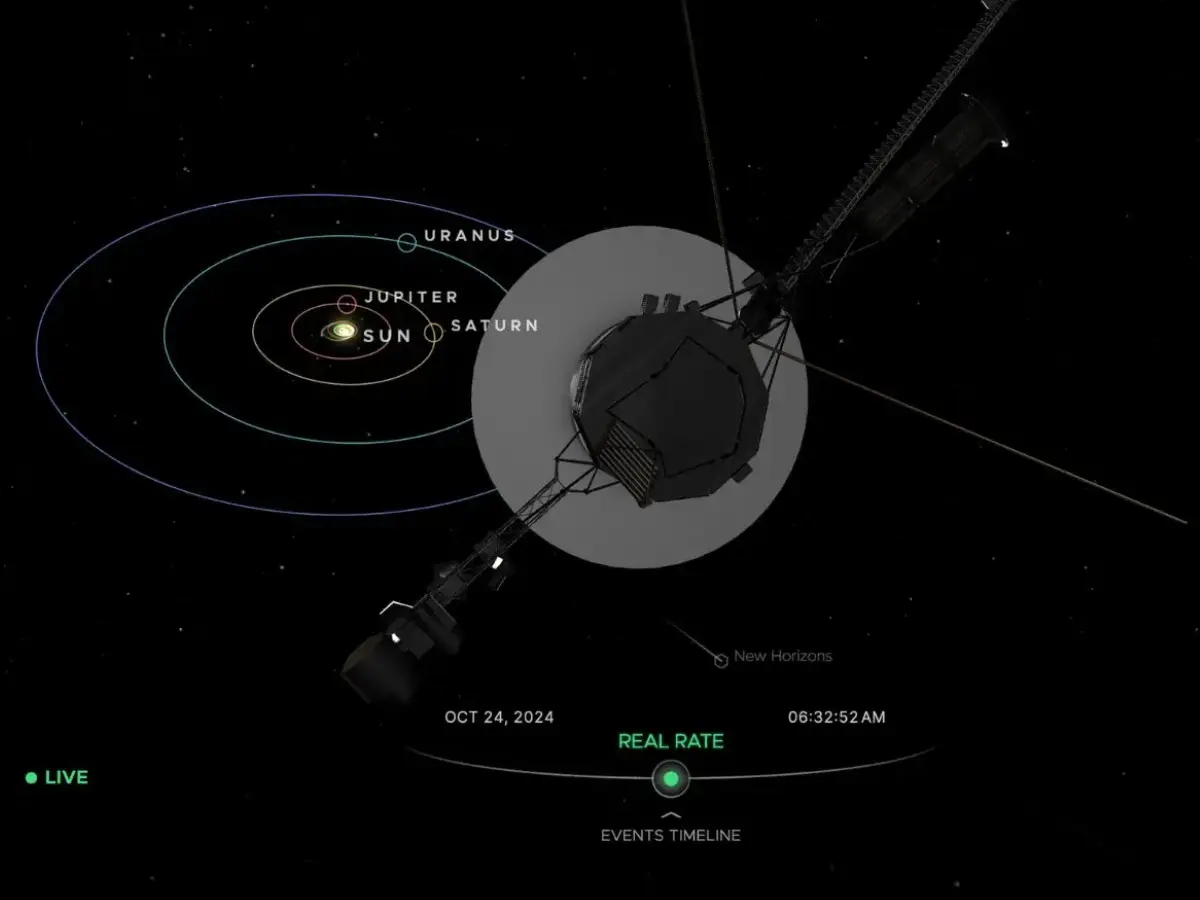
The Distance to Sirius
At 8.6 light years, or about 81 trillion kilometres, Sirius is far closer than many other notable stars. Yet at Voyager 2’s current speed of around 55,000 km/h, it would still take over 100,000 years to get there.
The Star System
Sirius is a binary system made up of Sirius A, a bright main-sequence star, and Sirius B, a faint white dwarf. Their gravitational interaction makes the system one of the most studied in astronomy.
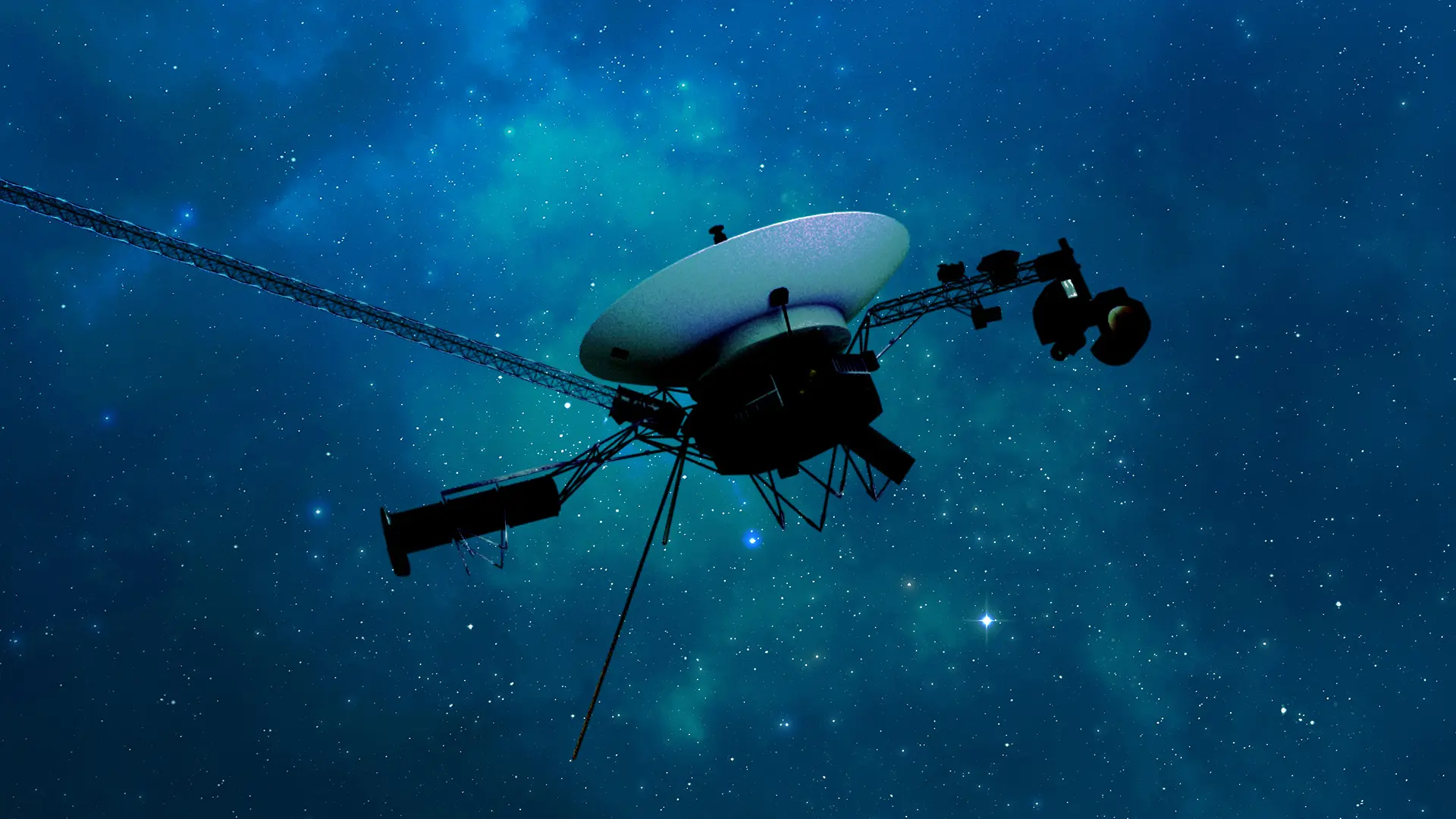
Voyager’s Condition by Then
By the time Voyager 2 could hypothetically arrive, its instruments and power systems would be long inactive. It would drift silently, a cold remnant of human technology.
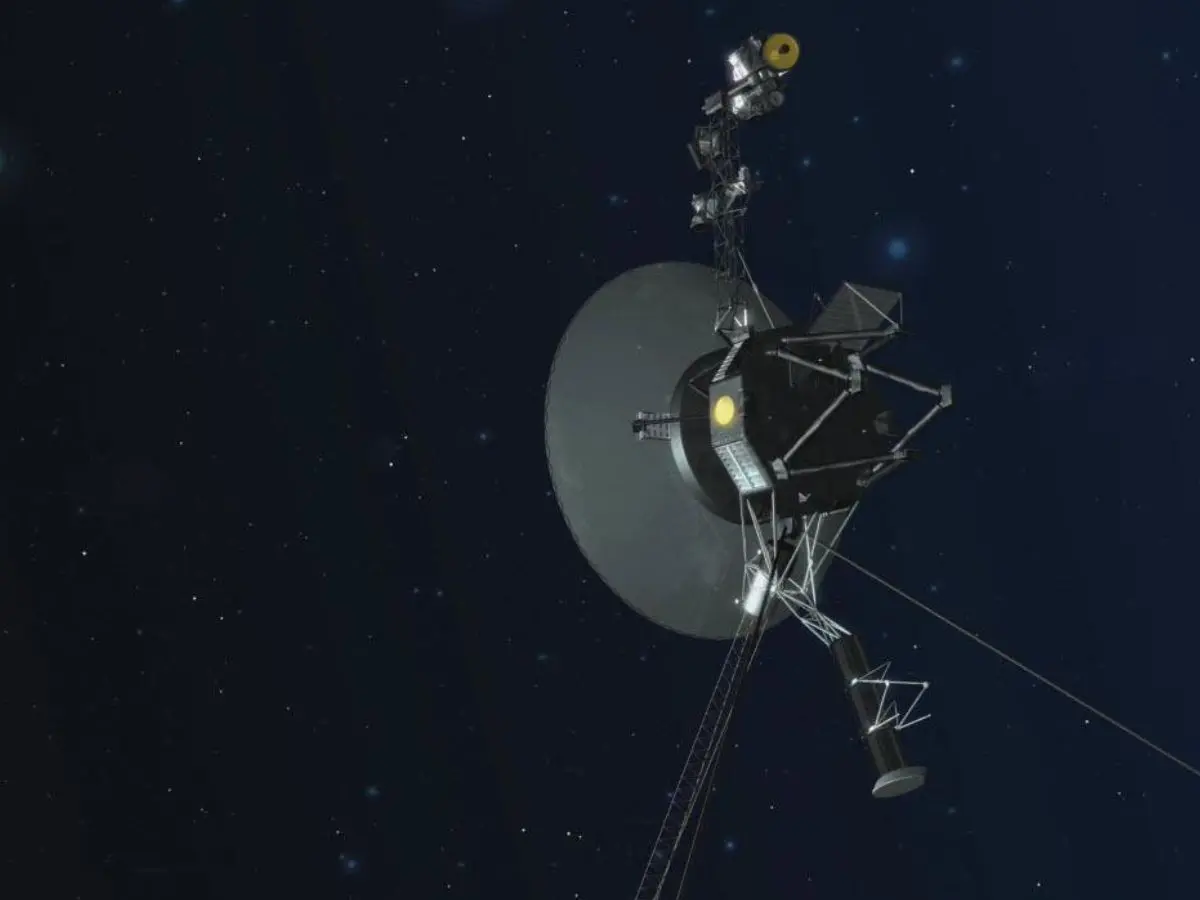
Passing Near Sirius A
If Voyager’s path carried it close to Sirius A, the intense brightness and radiation would dwarf anything the spacecraft experienced in its journey through interstellar space.
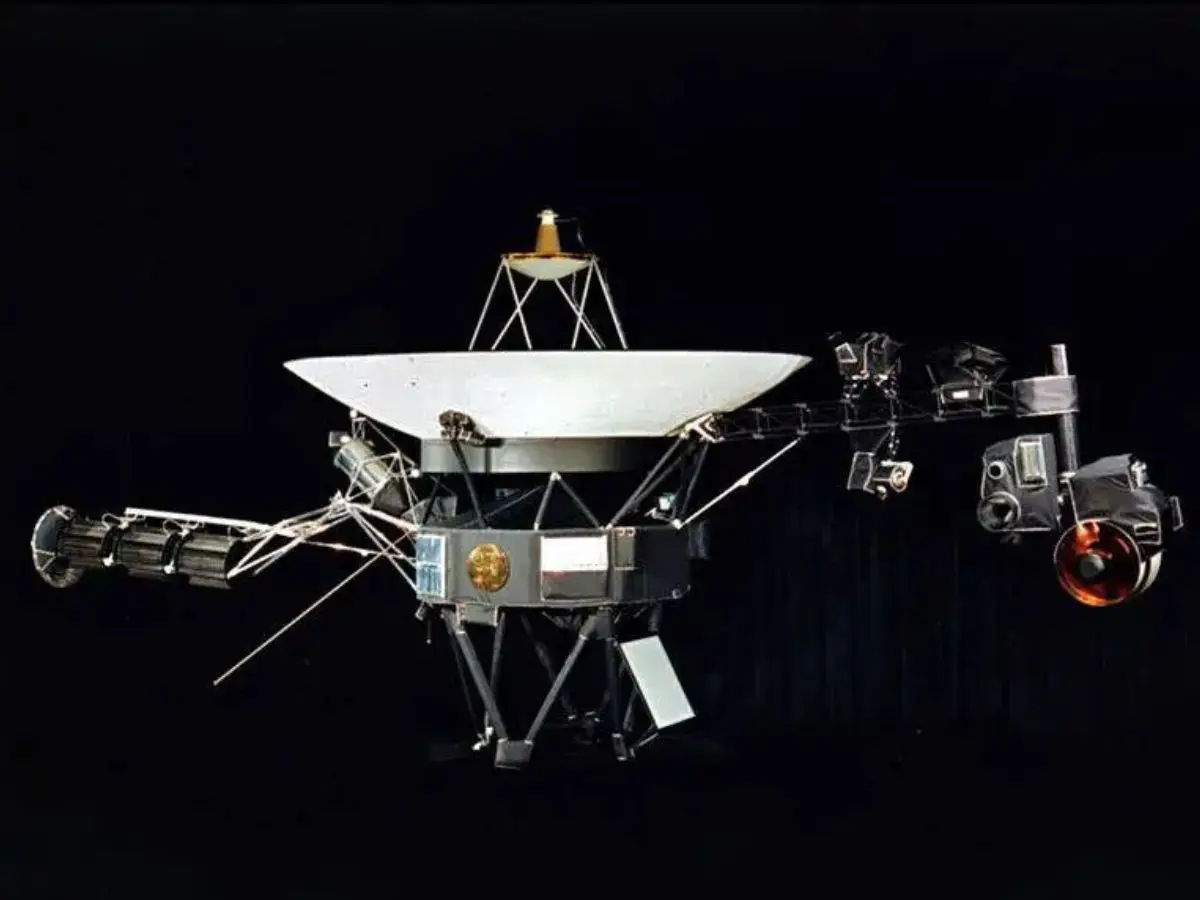
Encounter with Sirius B
Passing near Sirius B, the dense white dwarf, would be a rare chance for a human-made object to enter the gravitational influence of such a compact stellar body, though Voyager would not survive a direct approach.
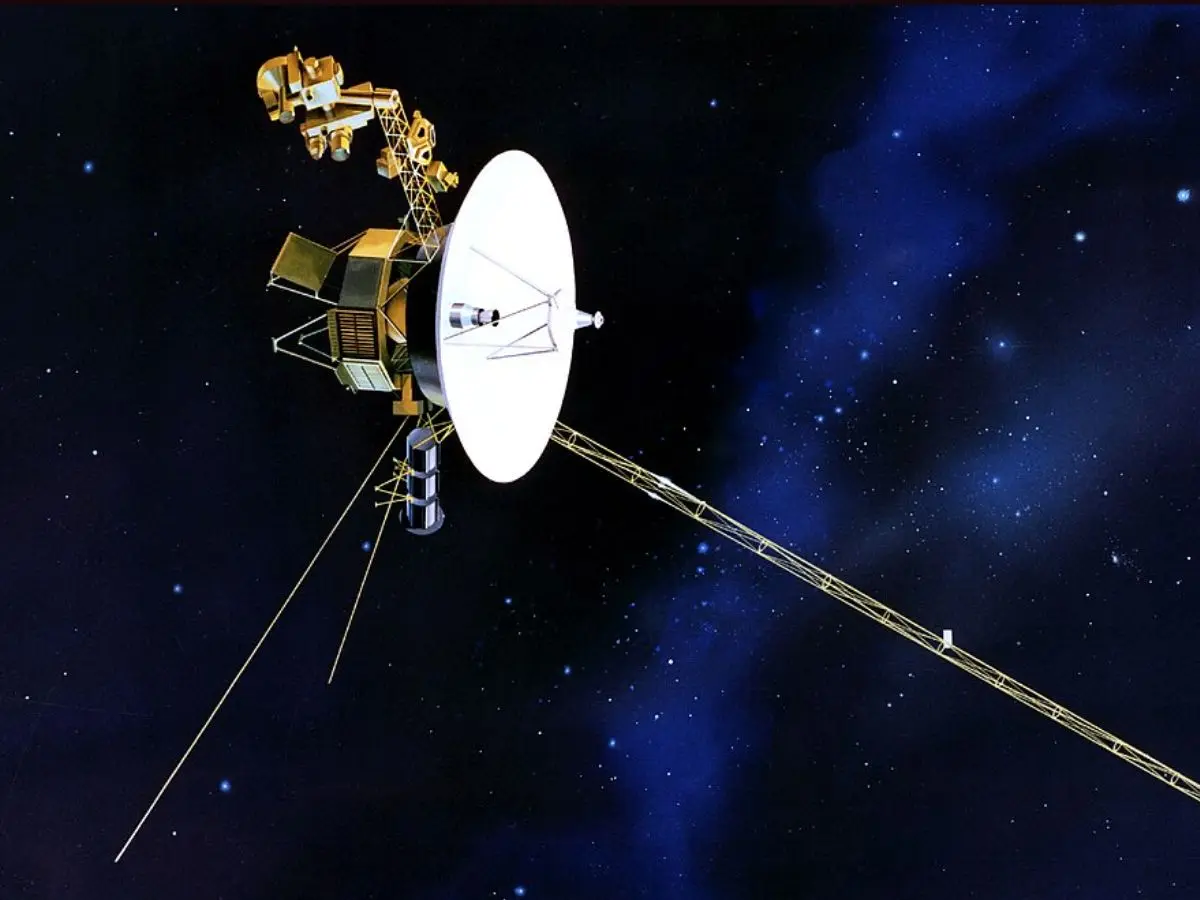
Alien Perspective
If an advanced civilisation existed near Sirius, Voyager could be intercepted and studied. The Golden Record would act as the only trace of Earth, carrying sounds and images from the late 20th century.

Symbolic Meaning
Although Voyager will never actively transmit from Sirius, the very idea of it drifting into the system underlines the extraordinary timescales of interstellar travel and the endurance of human-made artefacts.
)
)
)
)
)