‘8,164 kilograms of explosive’: These are the most powerful non-nuclear weapons ever built and their destructive impact

From the US MOAB to Russia’s FOAB, the world’s most powerful non-nuclear weapons deliver devastation rivaling small nuclear blasts. Using massive explosives, thermobaric effects or kinetic energy, these systems can flatten vast areas without radioactive fallout.
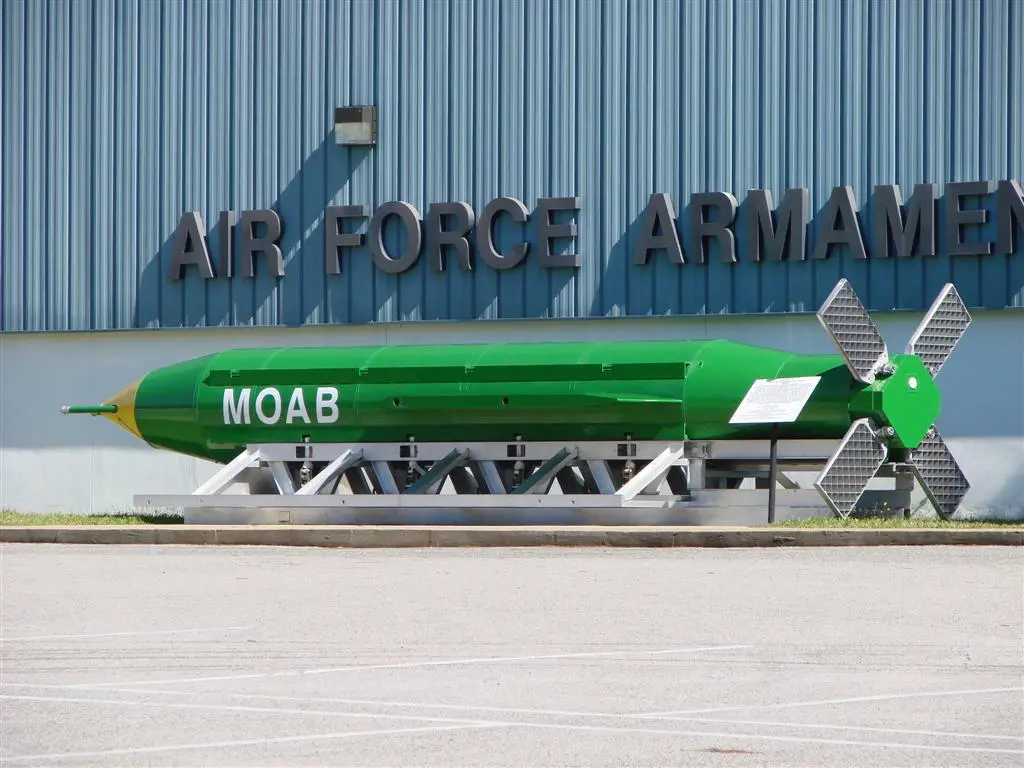
MOAB Mother of All Bombs - 21,000 Pounds of Devastation
GBU-43/B MOAB weighs 21,000 pounds with 8,164 kilograms of explosive yielding 11 tons of TNT equivalent with blast radius exceeding one mile. Largest satellite-guided air-delivered weapon.
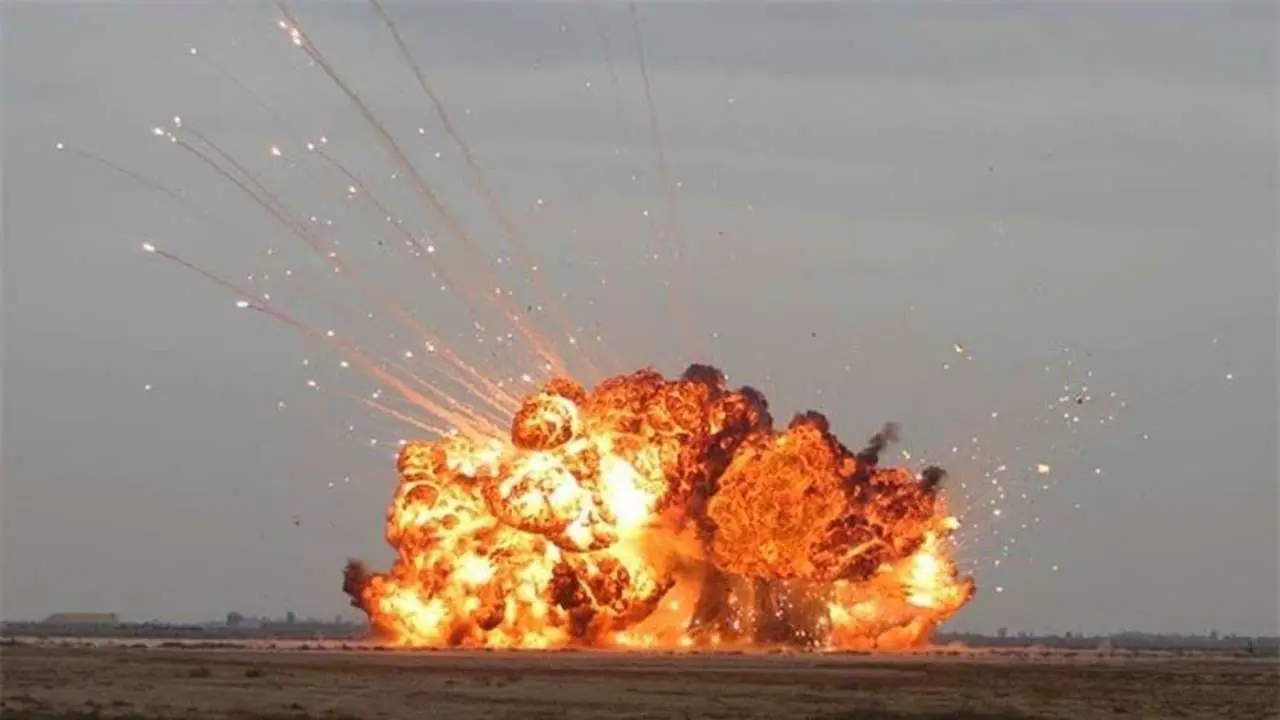
Russian FOAB Father of All Bombs - 44 Tons TNT Power
Russia tested FOAB thermobaric weapon September 2007 claimed four times more powerful than MOAB containing 7.8 tons explosive yielding 44 tons TNT equivalent with 300 metre blast radius. More efficient explosives produce double the destructive power than American MOAB despite containing less total explosive material. FOAB never deployed operationally remaining theoretical comparison measurement only.
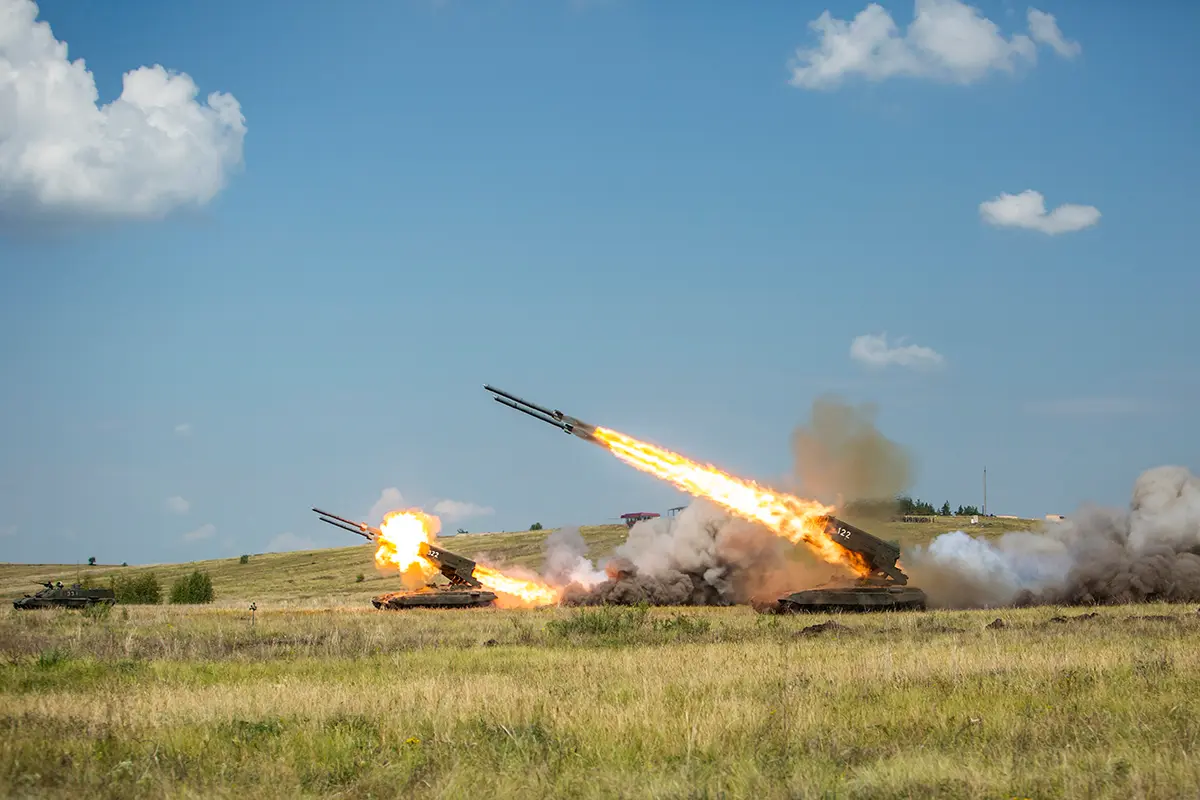
Thermobaric Vacuum Bombs - Oxygen Depletion Devastation
Thermobaric weapons create prolonged blast wave effects sucking oxygen from air creating vacuum effect more destructive than conventional explosives destroying structures and causing internal injuries. Russia TOS-1 Buratino fires 24 thermobaric rockets covering 200 by 300 metre area each salvo. Pressure waves penetrate bunkers trenches and tunnels providing shelter from normal blast completely incinerating entire buildings.
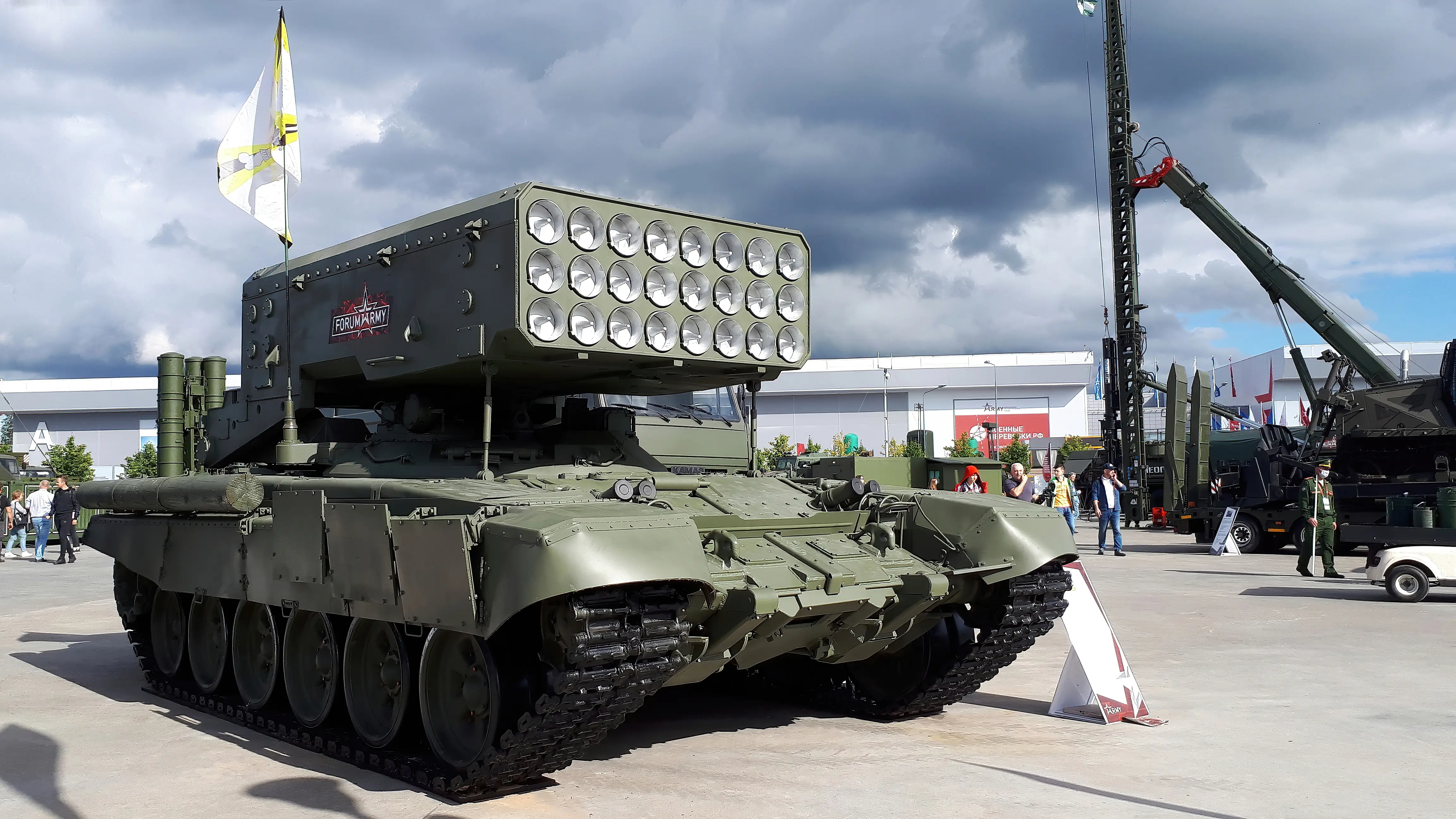
TOS-1 Buratino - Multiple Launch System Capabilities
Russian TOS-1 tracked vehicle mounts 24 or 30 thermobaric rocket launchers with 9 kilometre range capable of devastating large area targets in single salvo.
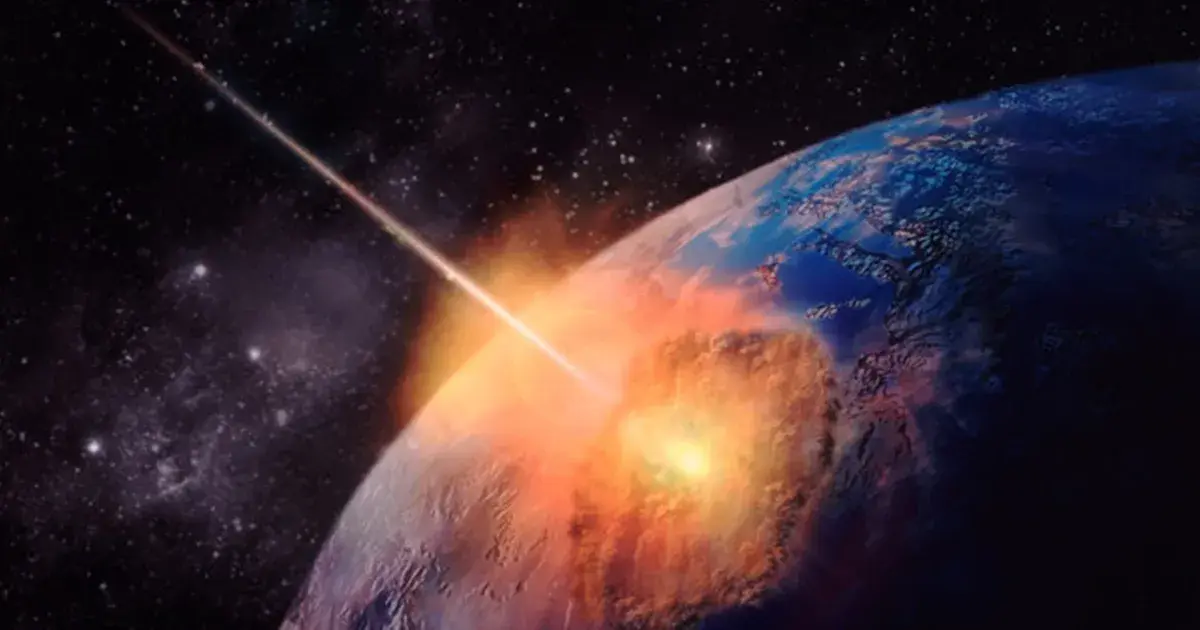
Kinetic Tungsten Rods - Hypothetical Space Weaponisation
Theoretical rods from god concept uses dense tungsten telephone pole-sized projectiles dropped from satellite orbit reaching Mach 10 impact velocity generating 11.5 tons TNT equivalent crater damage. Tungsten chosen for 6,192 degrees Fahrenheit melting point surviving atmospheric friction. Immense penetration depth 100 feet vertical creating bunker busting capability without radioactive fallout.
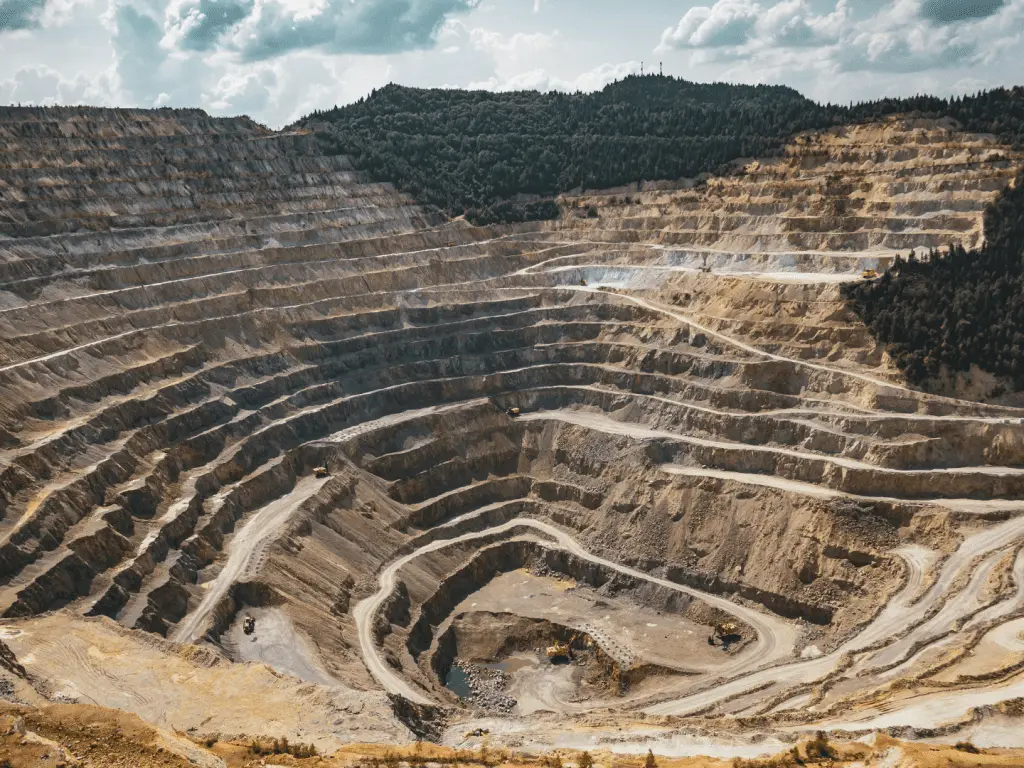
Blast Radius Comparison - Destructive Footprint Analysis
MOAB generates one-mile blast radius destroying buildings up to two miles away from impact centre. Tungsten rod impact creates crater exceeding 150 feet across with blast radius half mile causing 10,000 to 100,000 immediate casualties depending on urban population density. TOS-1 thermobaric salvo devastates 60,000 square metre area destroying everything within coverage zone.
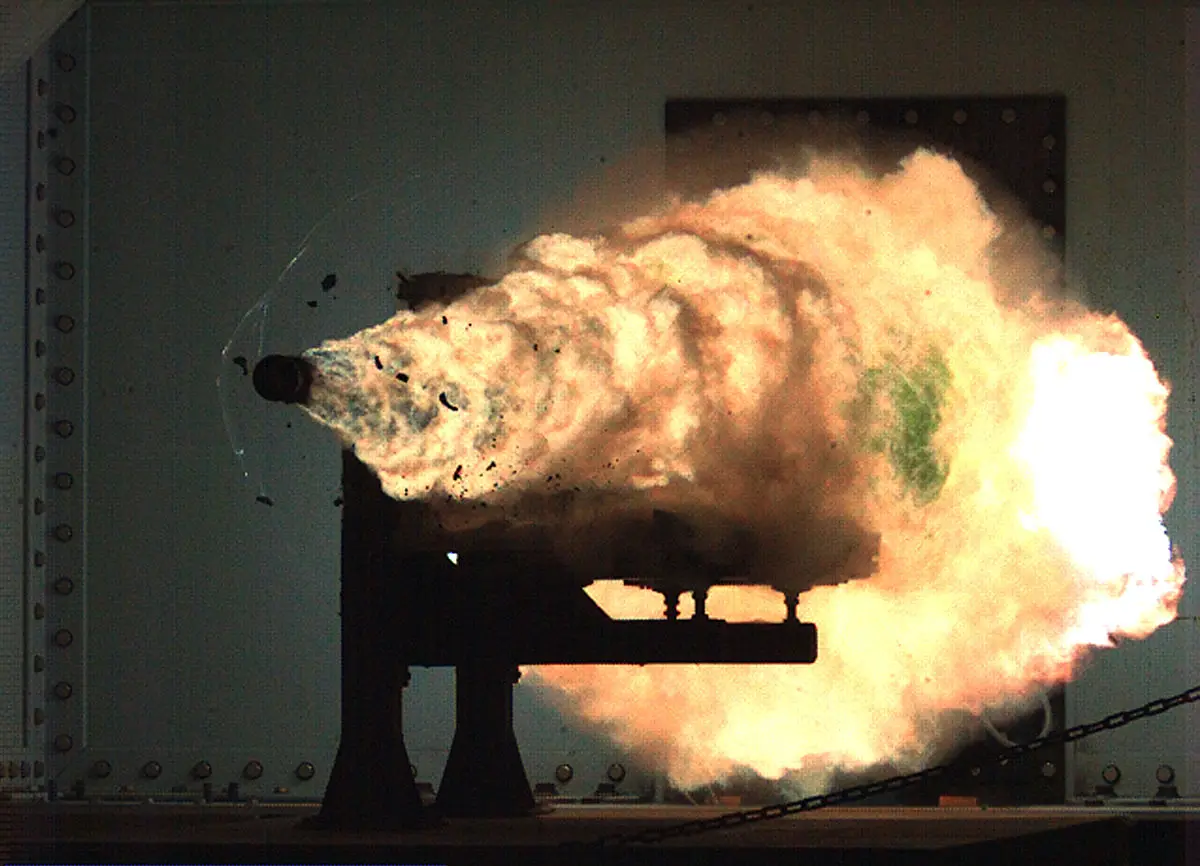
Future Weaponisation - Advanced Non-Nuclear Systems Development
Kinetic rail guns test deployment Navy vessels using electromagnetic force launching tungsten rounds Mach 7 speeds offering bunker busting capabilities without explosives. China testing hypersonic tungsten rod experiments challenging American rods from god superiority. Sustained military innovation drives continued development non-nuclear weapons approaching weapons of mass destruction destructive capacity thresholds.
)
)

)
)