‘7 Earth-type planets’: Could Voyager 2 drift into TRAPPIST-1 star system?

The TRAPPIST-1 system, discovered in 2017, contains seven rocky exoplanets orbiting a cool red dwarf star about 40 light years from Earth.
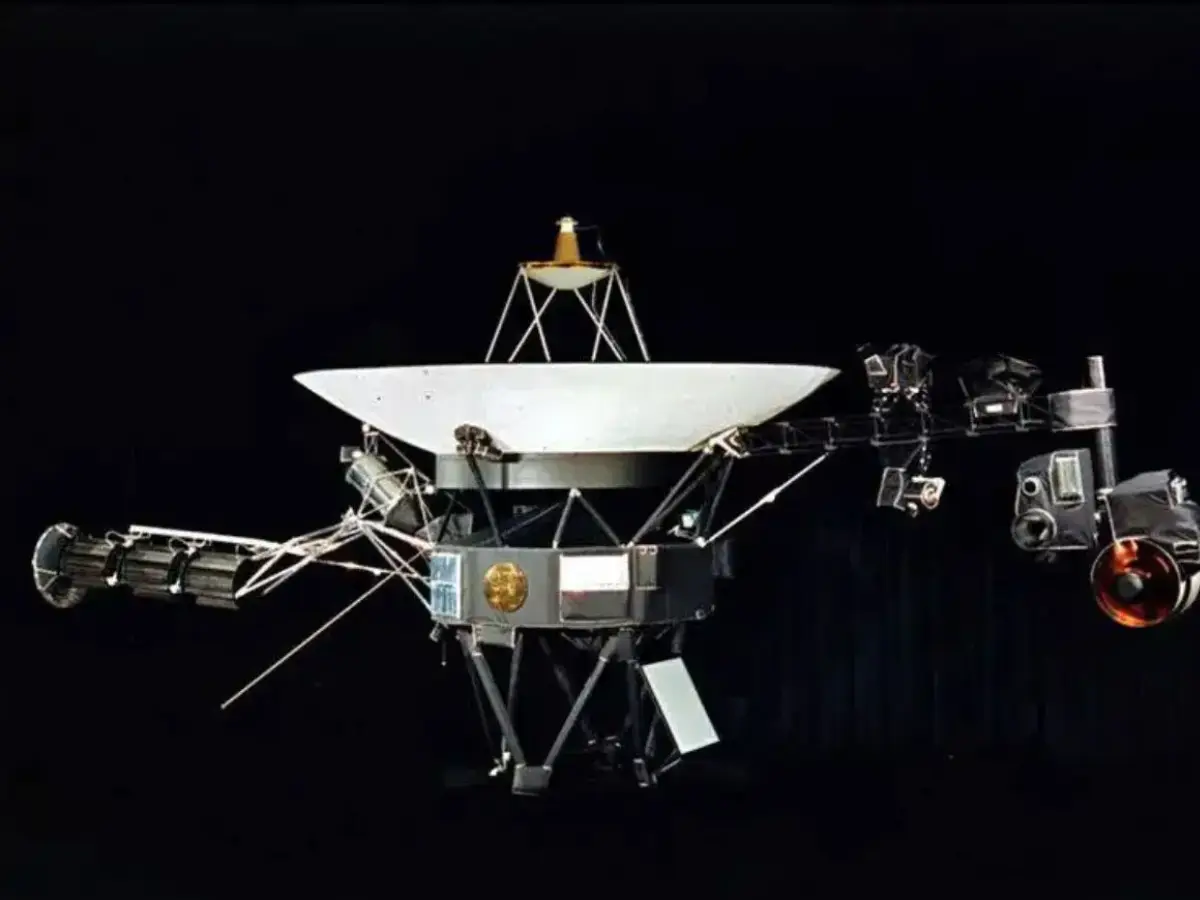
Distance to TRAPPIST-1
Voyager 2 is currently around 20 billion kilometres from Earth. TRAPPIST-1, by contrast, lies nearly 380 trillion kilometres away. Even at its present speed, it would take over 700,000 years to reach the system.
The Star Itself
TRAPPIST-1 is a small red dwarf in the constellation Aquarius. Its low temperature and dim light make it difficult to observe, but its compact planetary system has generated enormous scientific interest.
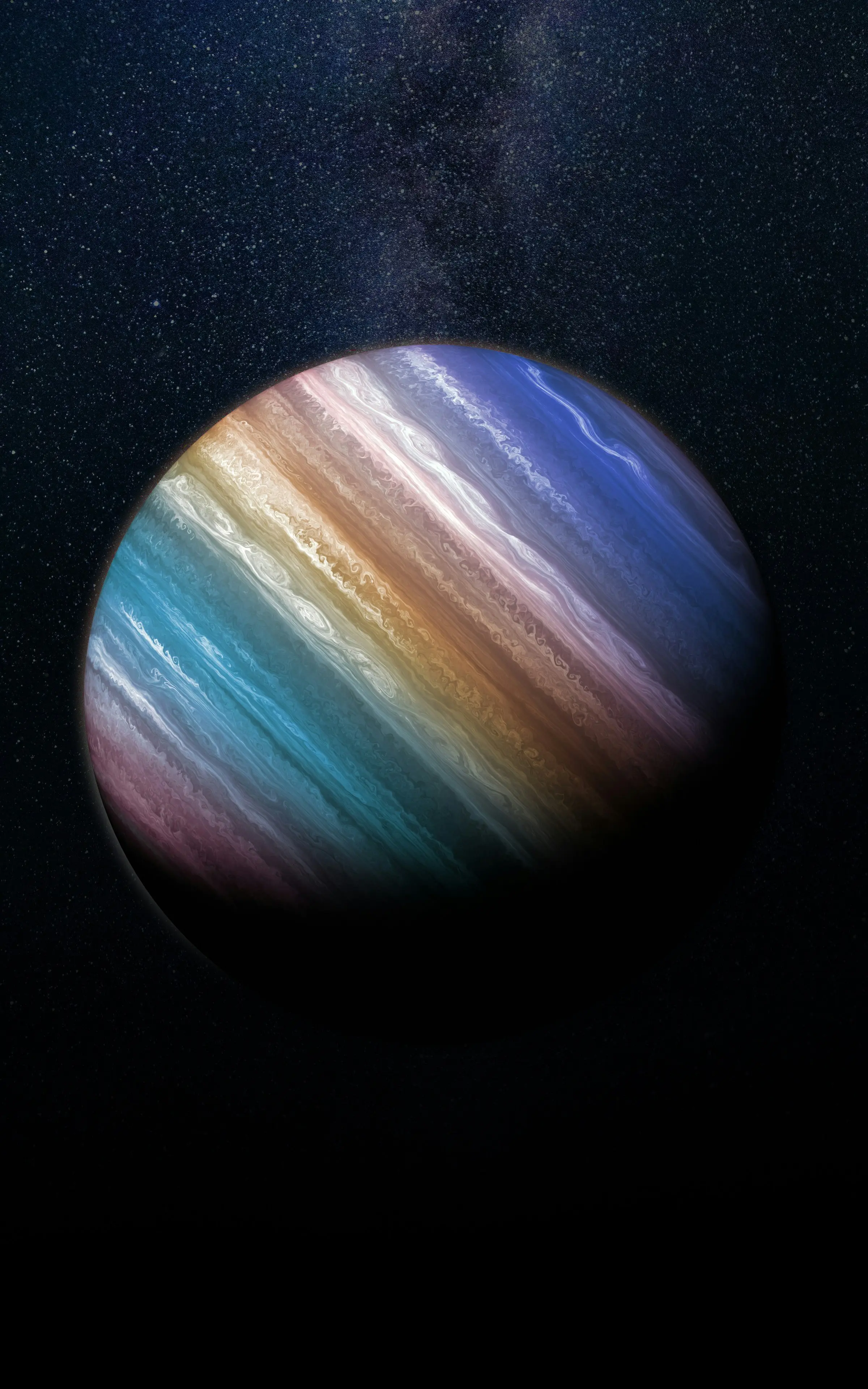
The Seven Planets
All seven TRAPPIST-1 planets are rocky, similar in size to Earth or Venus. At least three orbit in the habitable zone, where conditions could permit liquid water on the surface.
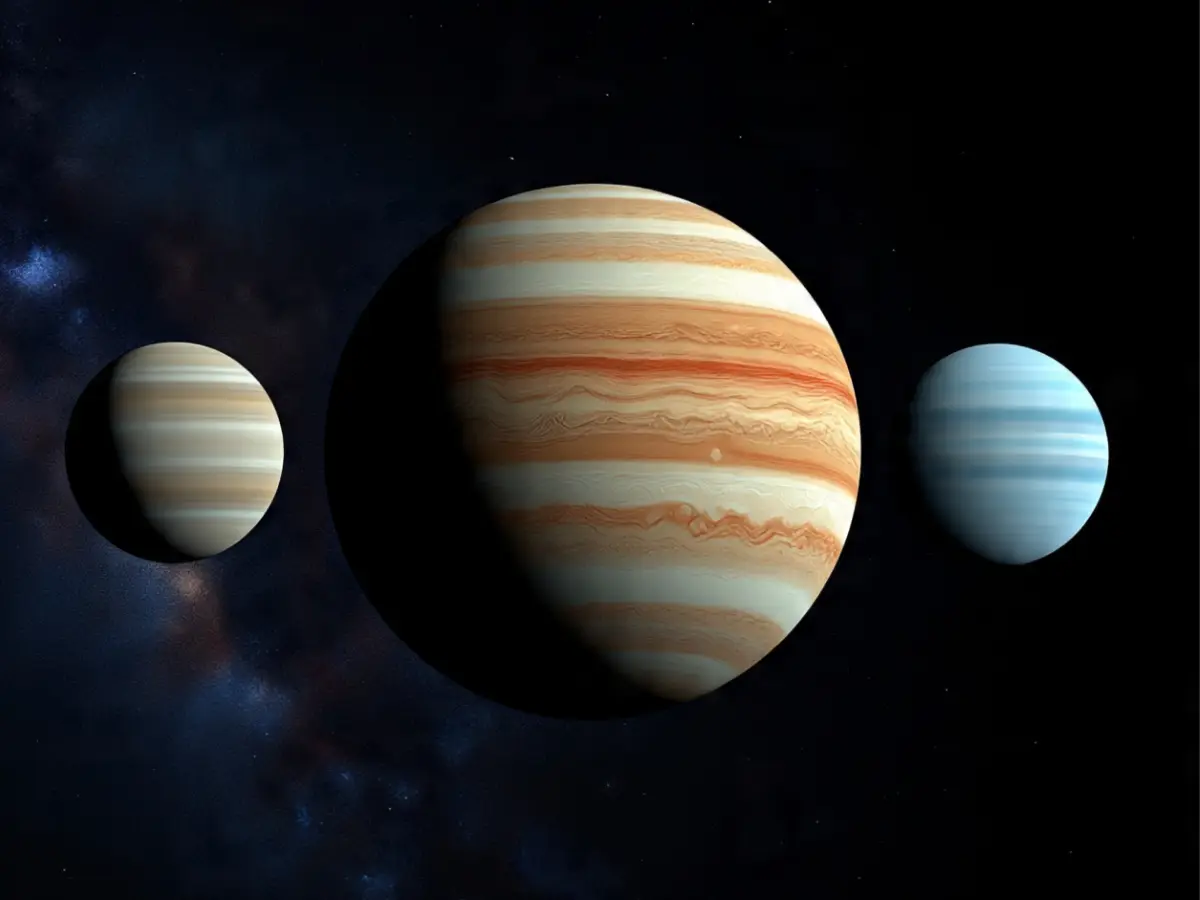
Voyager’s Condition by Then
By the time it could theoretically approach TRAPPIST-1, Voyager 2 would no longer have power to operate instruments or communicate. It would simply be a silent relic drifting through the system.
Potential Encounters
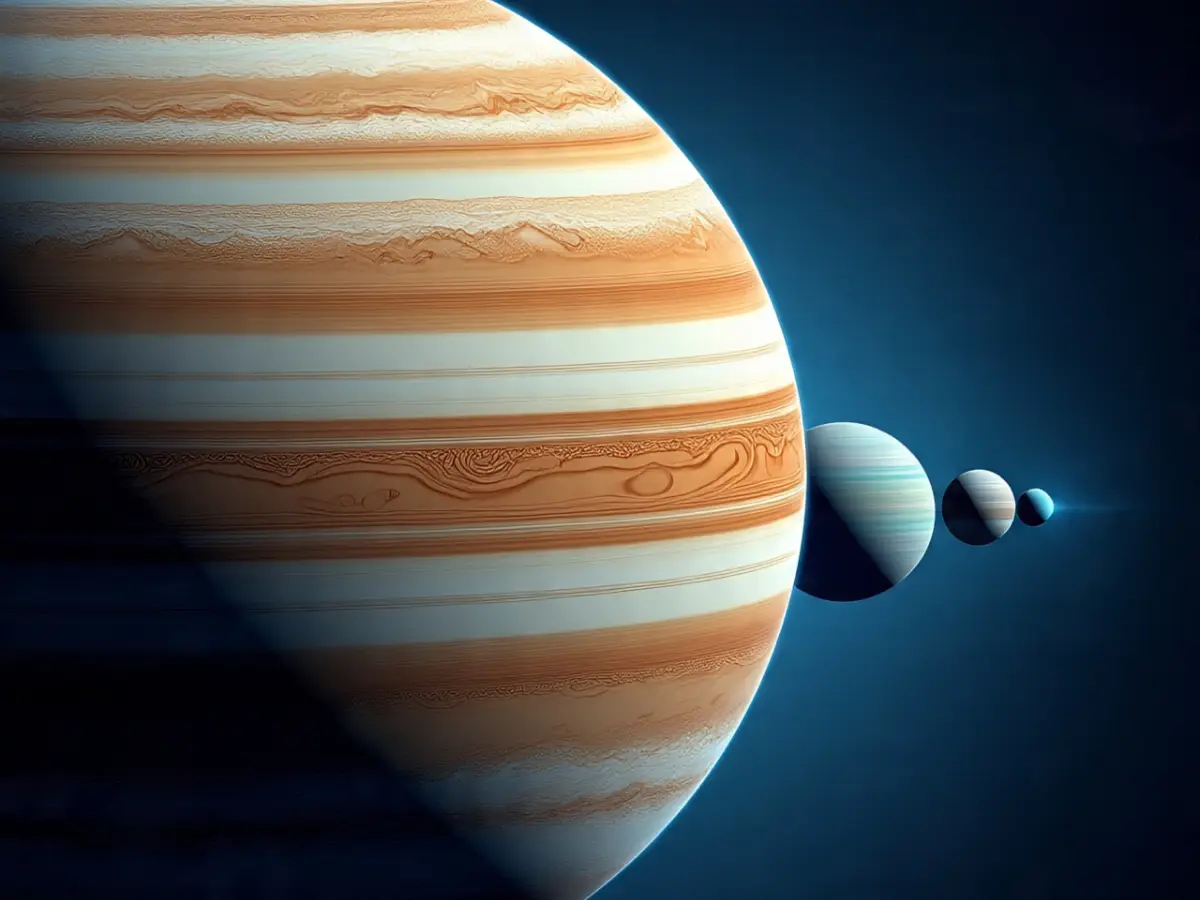
If Voyager 2 passed through the planetary plane, it could theoretically skim near one of the exoplanets. Gravity assists might alter its path, just as Jupiter and Saturn once did in our Solar System.
Alien Perspective
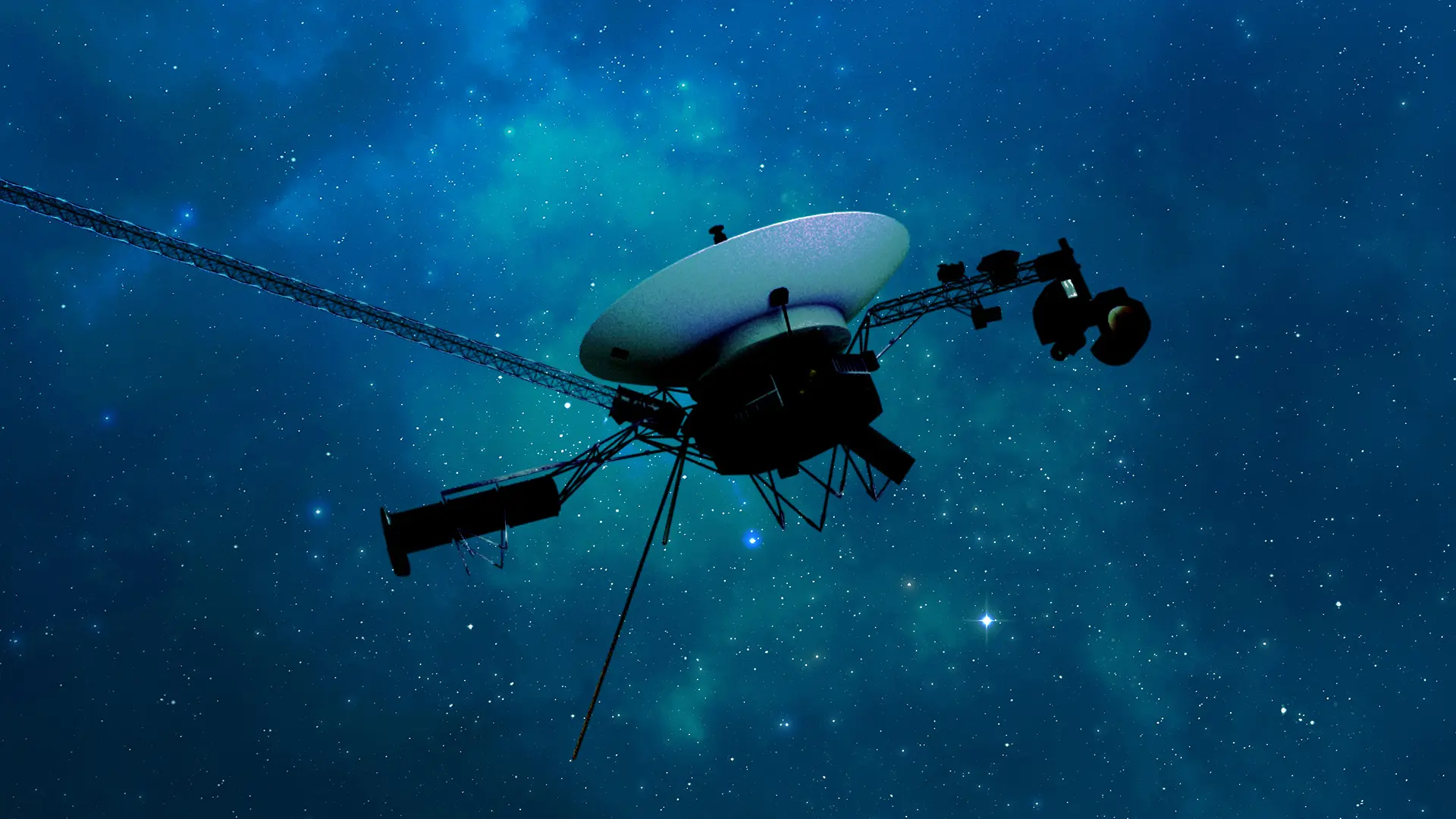
For any hypothetical civilisation in TRAPPIST-1, Voyager would appear as an ancient artefact. The Golden Record on board would act as a message from a long-vanished species across space and time.
Symbolic Meaning
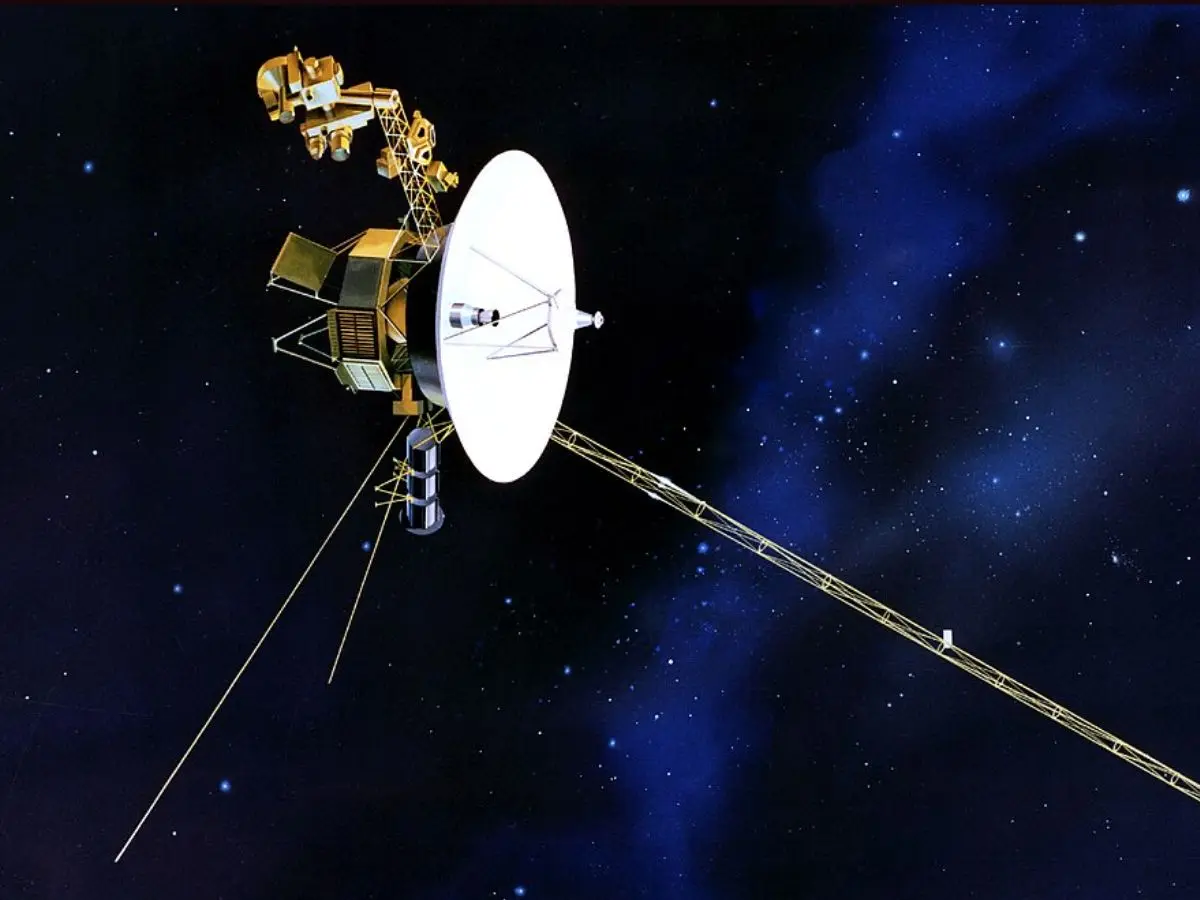
Even without functioning instruments, the idea of Voyager drifting into a system with seven Earth-like planets symbolises humanity’s first tiny step towards exploring habitable worlds beyond our Sun.
)
)
)
)
)