‘7.5 million pounds of thrust’: Top 10 biggest rocket engines ever launched

From the Saturn V’s F-1 to SpaceX’s Super Heavy changed spaceflight with record-breaking thrust and extreme engineering. But the real surprises lie in how each engine pushed the limits of speed, power, and future deep-space missions.
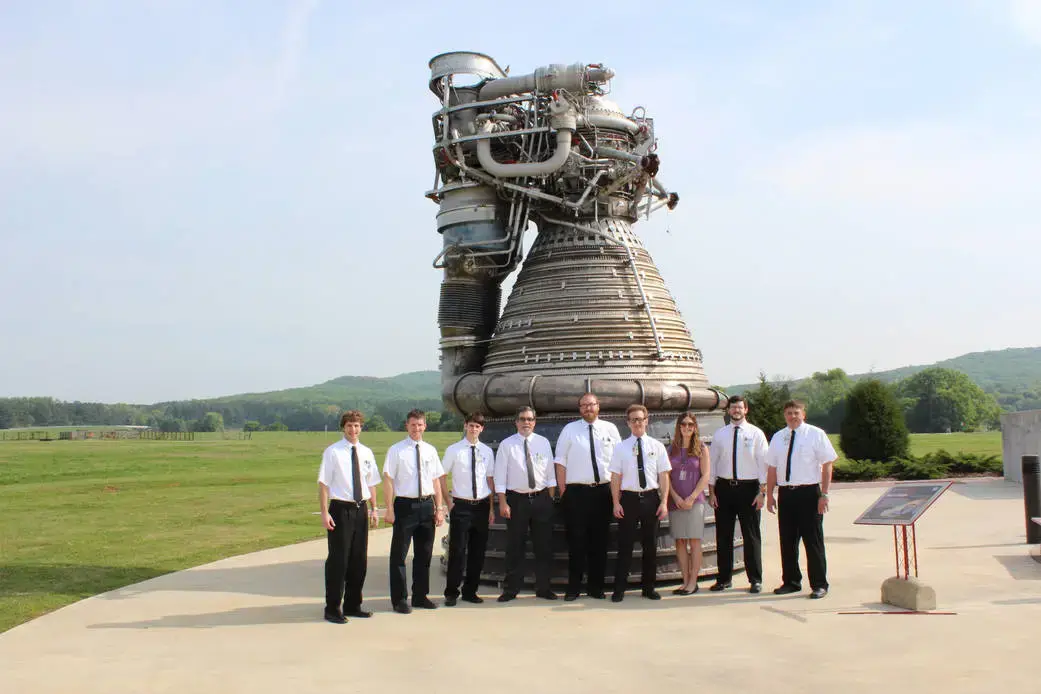
Saturn V F-1 - 1.5 Million Pounds Per Engine
The F-1 engine powered the Saturn V rocket's first stage with 1,522,000 pounds of thrust per engine. Five F-1 engines combined produced 7.5 million pounds of thrust, accelerating the rocket to 6,164 miles per hour in two and a half minutes. Each engine had more thrust than three Space Shuttle Main Engines combined.
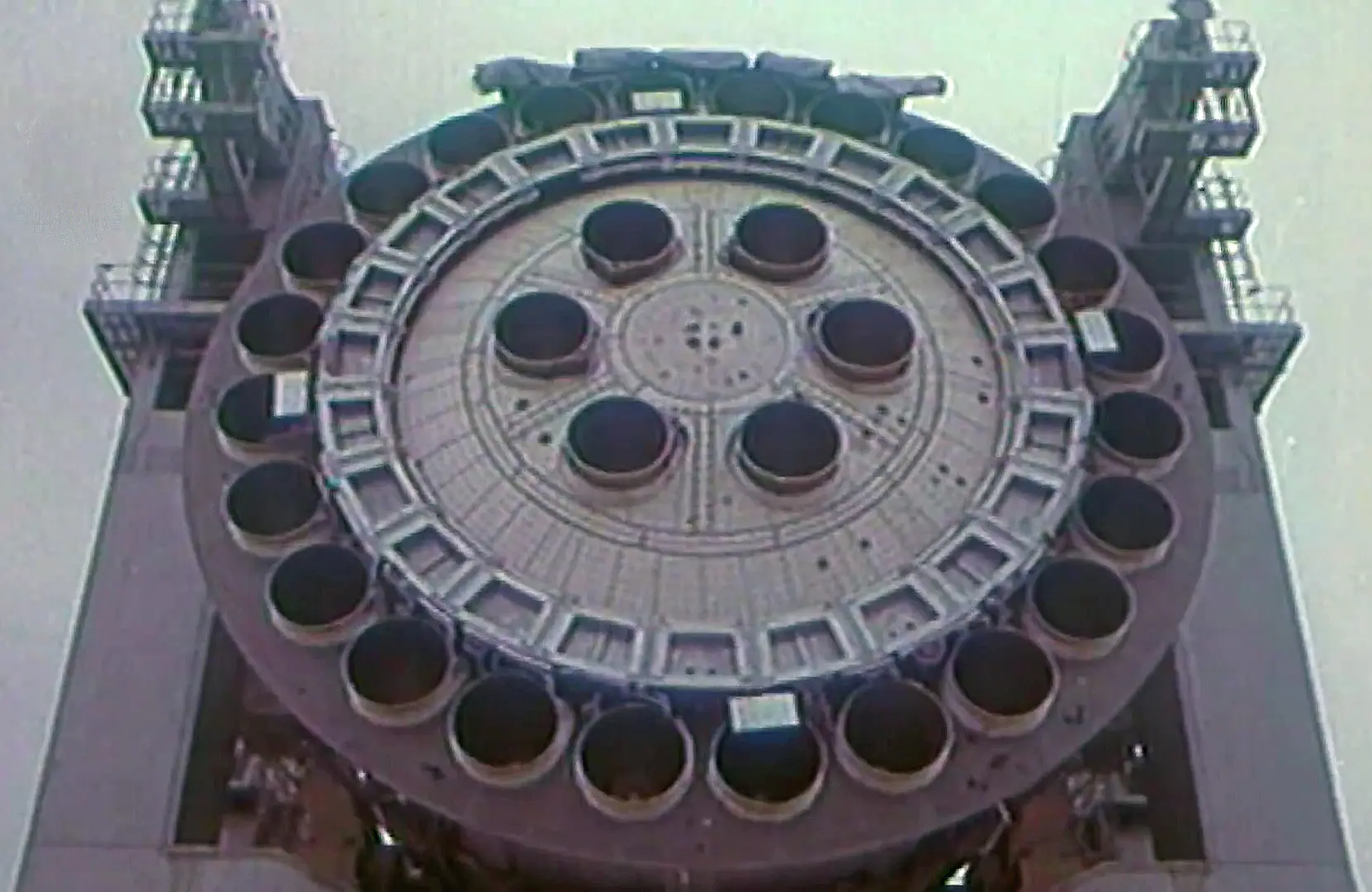
Soviet N1 NK-15 - 30 Engines Producing 10.3 Million Pounds
The Soviet N1 rocket featured 30 NK-15 engines firing simultaneously, generating 10,290,000 pounds of thrust at sea level. This made the N1's first stage the most powerful rocket stage ever flown until SpaceX's Super Heavy surpassed it in 2023. Each NK-15 produced 1,526 kilonewtons of thrust with 297 seconds specific impulse.
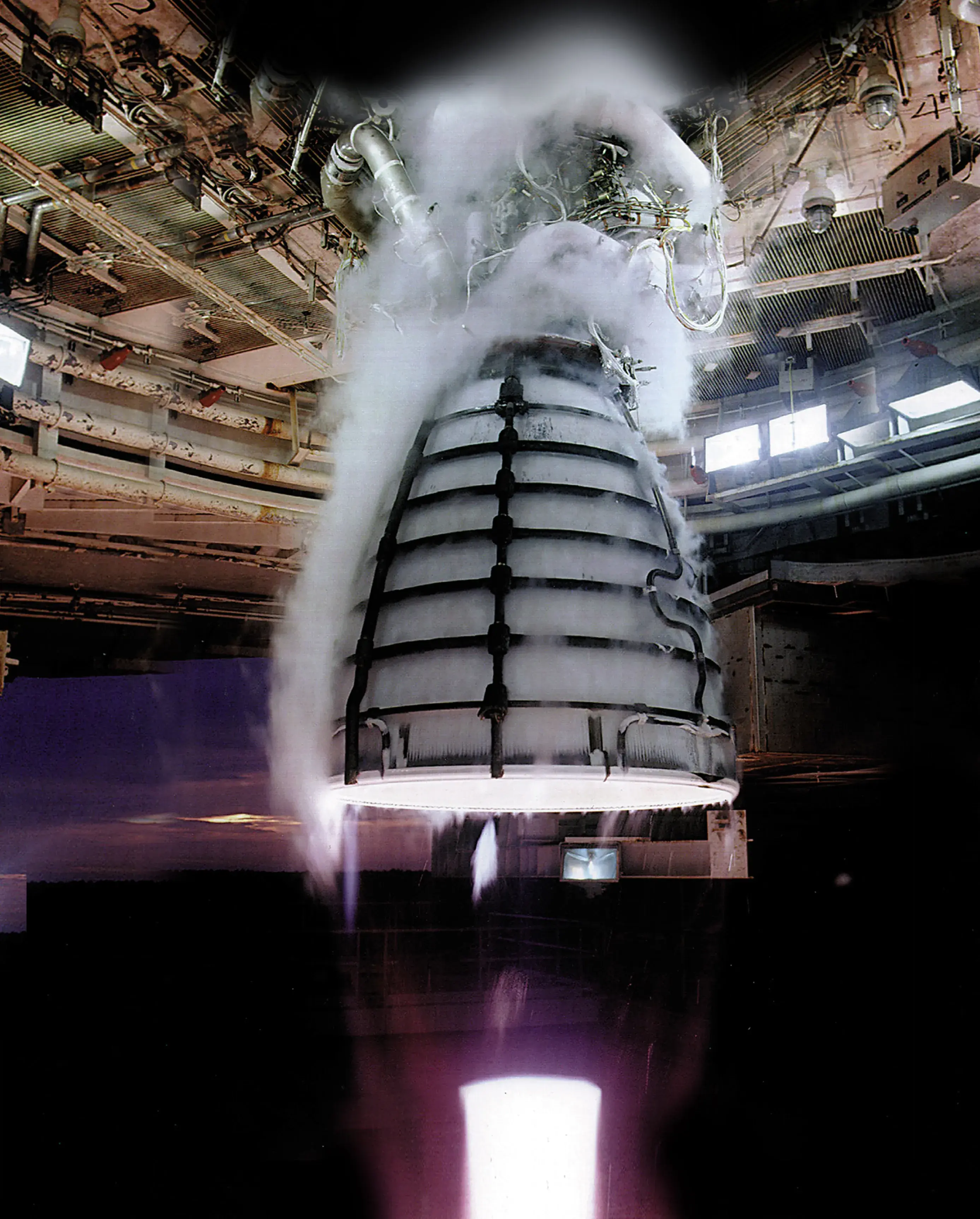
RS-25 Space Shuttle Main Engine - 491,000 Pounds Vacuum Thrust
NASA's RS-25 powered the Space Shuttle, producing 418,000 pounds of sea-level thrust and 491,000 pounds in vacuum conditions. Three RS-25 engines per shuttle generated 1.25 million pounds of combined thrust. The engine was later used on NASA's Space Launch System for deep space exploration missions.
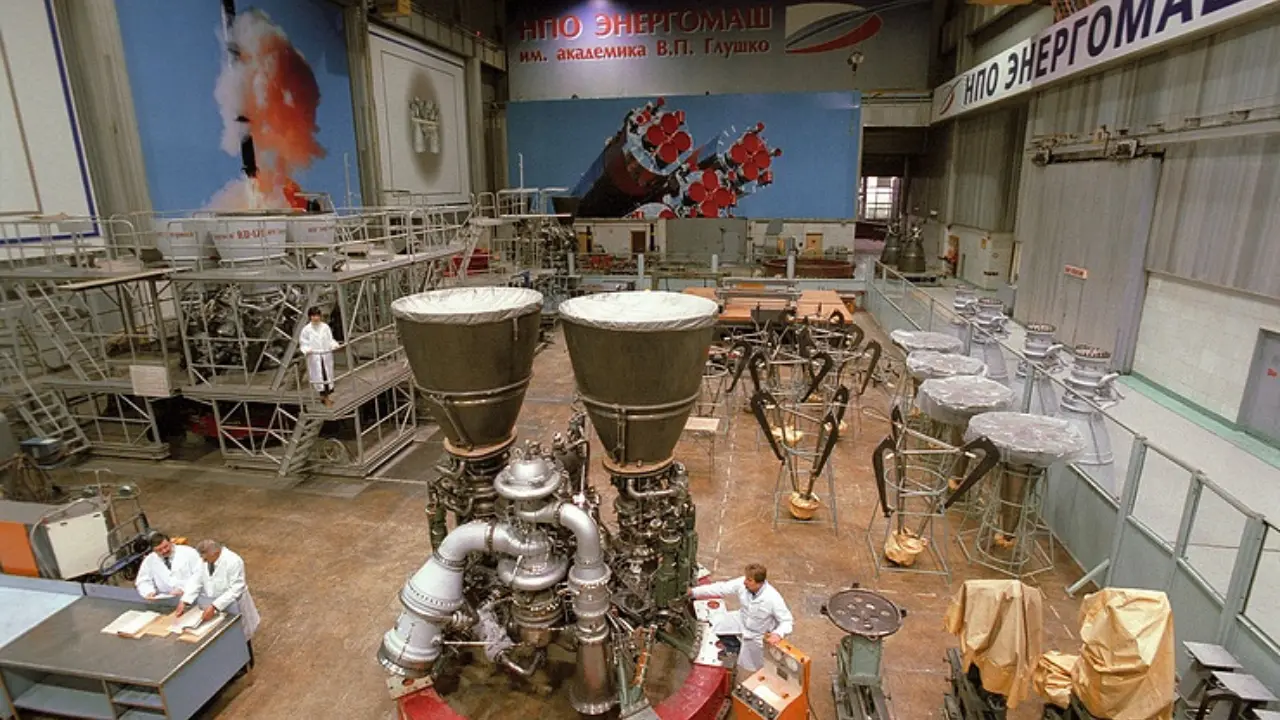
Russian RD-170 - 1.63 Million Pounds Per Engine
Russia's RD-170 engine produced 1,630,000 pounds of thrust, surpassing the F-1's single-chamber design. The RD-170 used four combustion chambers instead of one to solve combustion instability problems. A single RD-170 powered Soviet-era Zenit rockets for satellite launches.
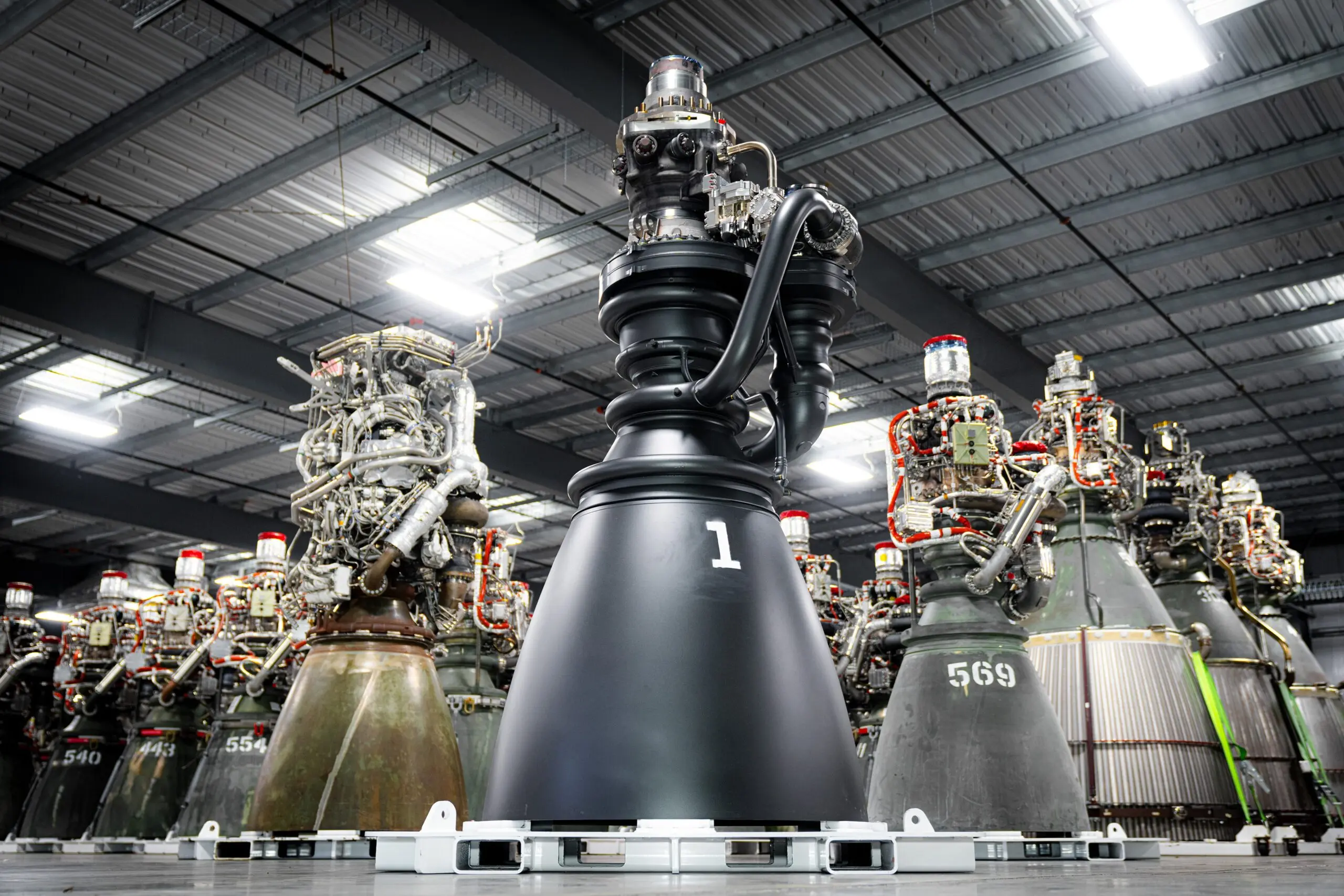
SpaceX Raptor 2 - 2.255 Kilonewtons Sea-Level Thrust
SpaceX's Raptor 2 engine produces 2,255 kilonewtons of sea-level thrust with a 327-second specific impulse. The engine has a superior thrust-to-weight ratio of 144:1, outperforming the Soviet NK-15's 122:1 ratio. Raptor 2 powers Starship for lunar and Mars missions.
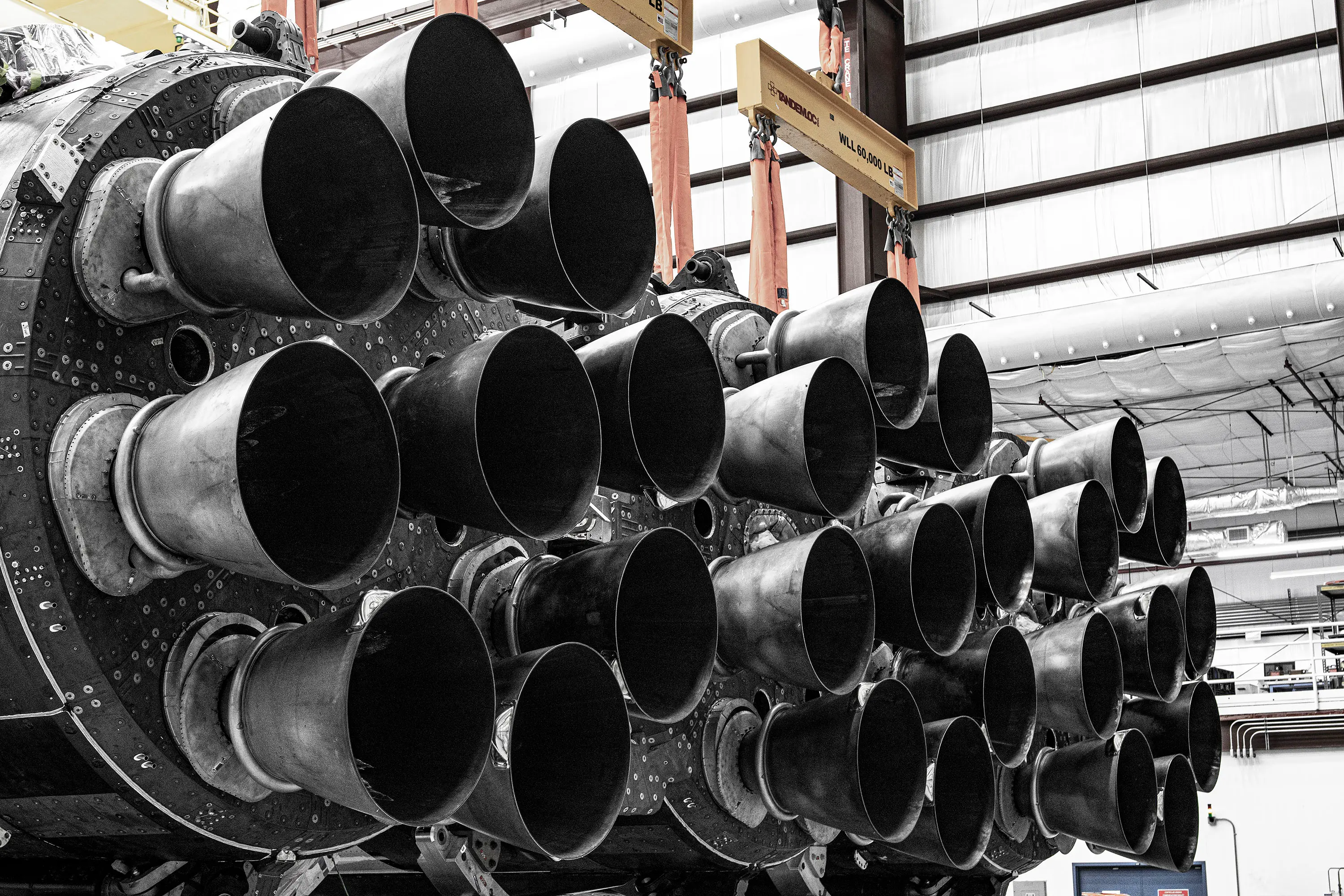
SpaceX Falcon Heavy - 5 Million Pounds Total Thrust
Falcon Heavy comprises three Falcon 9 cores with 27 Merlin engines generating 5 million pounds of thrust at liftoff. This equals the thrust of approximately eighteen Boeing 747 aircraft. The rocket can lift nearly 64 metric tons (141,000 pounds) to orbit using reusable cores.
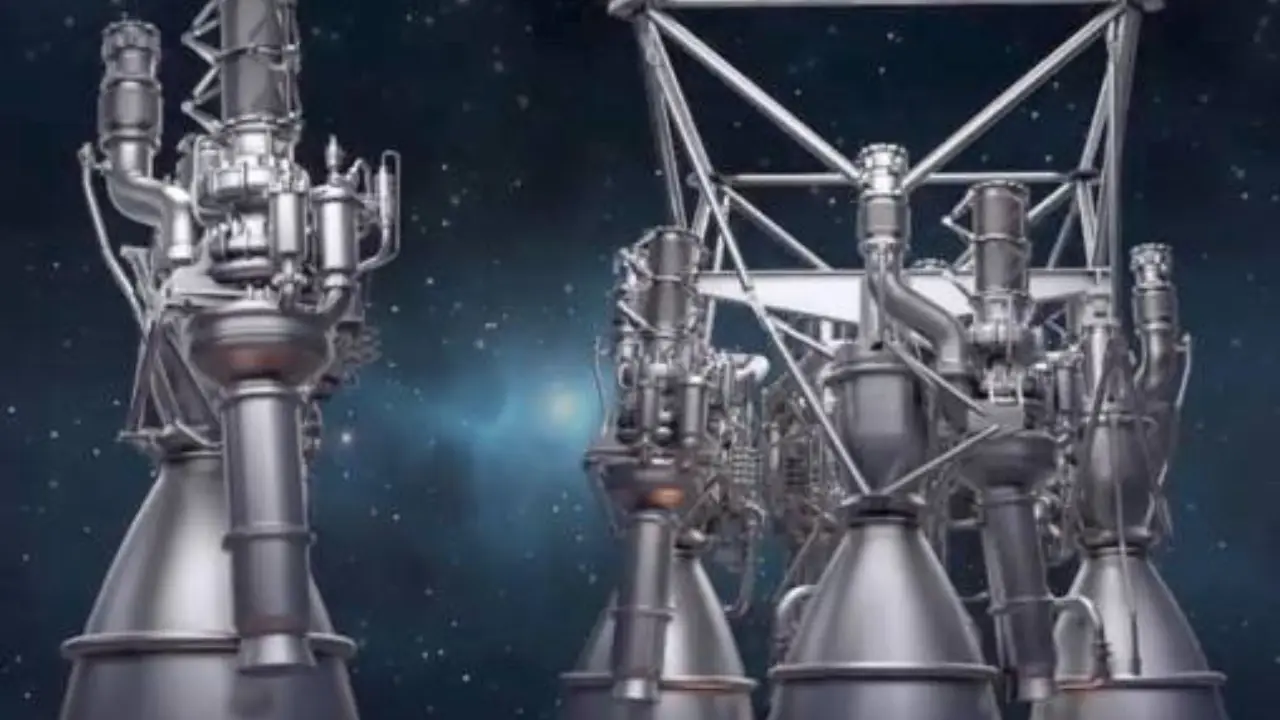
China's YF-135 Engine - 130 Metric Tons Per Engine
China tested its new YF-135 engine achieving 130 metric tons of thrust per engine, the largest recorded Chinese liquid-propellant engine. Four engines connected simultaneously generated 520 metric tons of combined thrust. This engine powers China's new carrier rocket development programme.
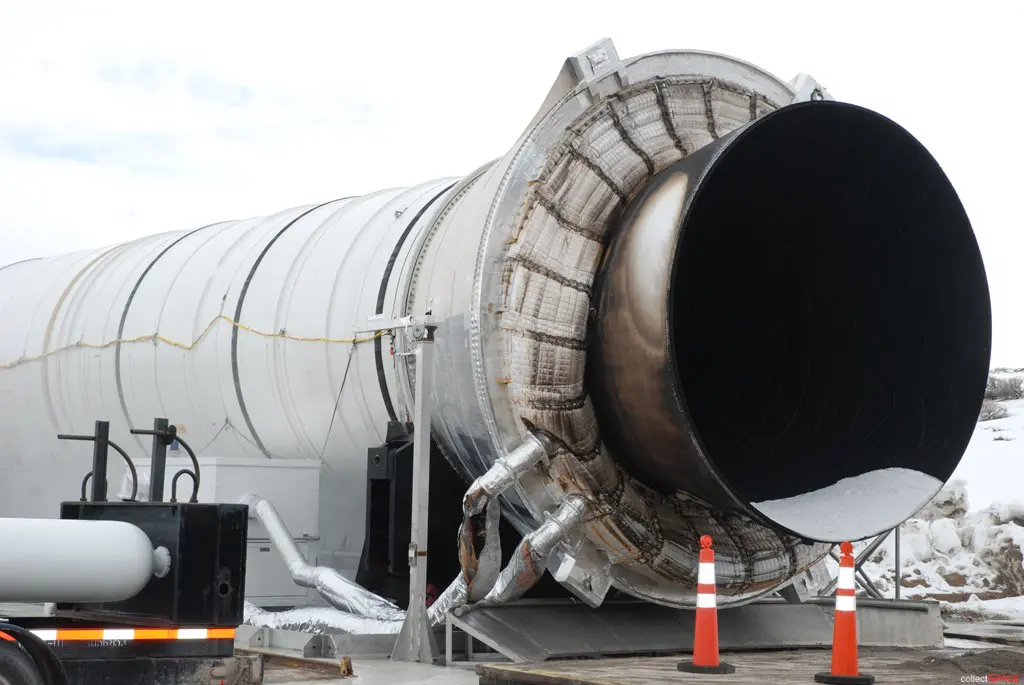
Space Shuttle Solid Rocket Booster - 2.8 Million Pounds Each
The Space Shuttle Solid Rocket Booster produced 2,800,000 pounds of sea-level thrust per booster, with two boosters per shuttle. These solid-fuel engines were among the largest ever flown. Combined, they provided over 5 million pounds of initial thrust alongside three RS-25 liquid engines.
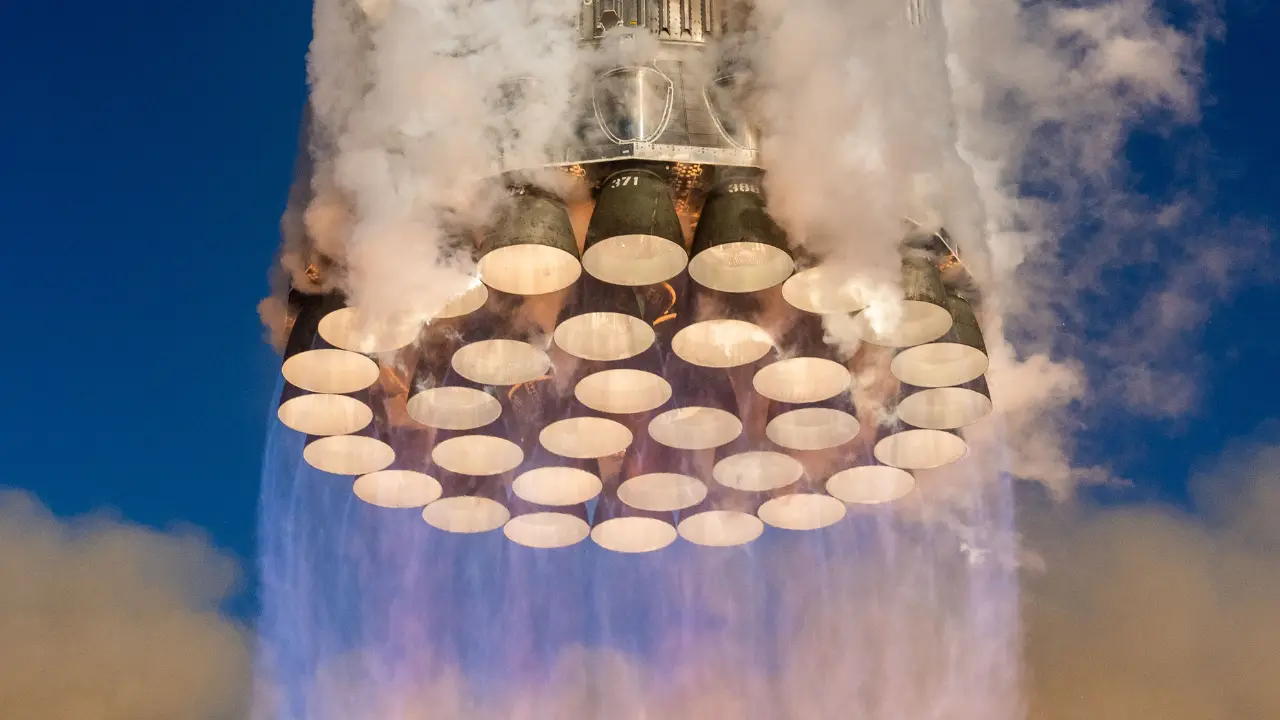
SpaceX Super Heavy Booster - 14.2 Million Pounds Total
SpaceX's Super Heavy booster features 33 Raptor 3 engines generating 14.2 million pounds of thrust at liftoff. This surpassed the Soviet N1's record of 10.3 million pounds set in 1969. Super Heavy can lift 110 metric tons to low Earth orbit or 50 metric tons to Mars transfer orbit.
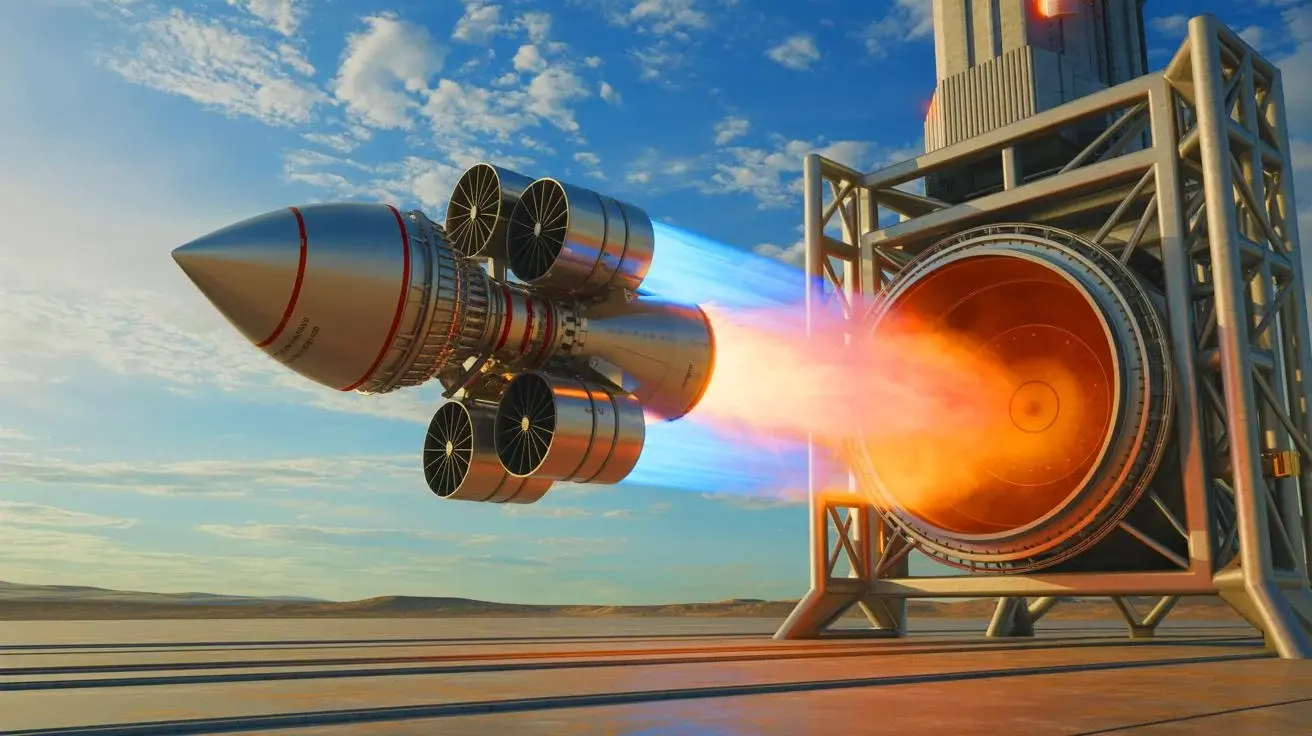
Future Hypersonic Engines - Development and Comparisons
Next-generation engines target 4-6 megaNewtons per engine by 2030, with air-breathing hypersonic alternatives under development. Blue Origin's BE-4 engine aims for 2.4 megaNewtons thrust. International competition between USA, Russia, China, and emerging spacefaring nations drives engine performance advancement.
)
)
)
)
)