'6th gen fighter jets': 5 hypersonic science facts you won’t believe

Scramjet (supersonic combustion ramjet) technology addresses this by allowing combustion to occur while maintaining supersonic airflow, enabling efficient propulsion at speeds exceeding Mach 5.
Introduction
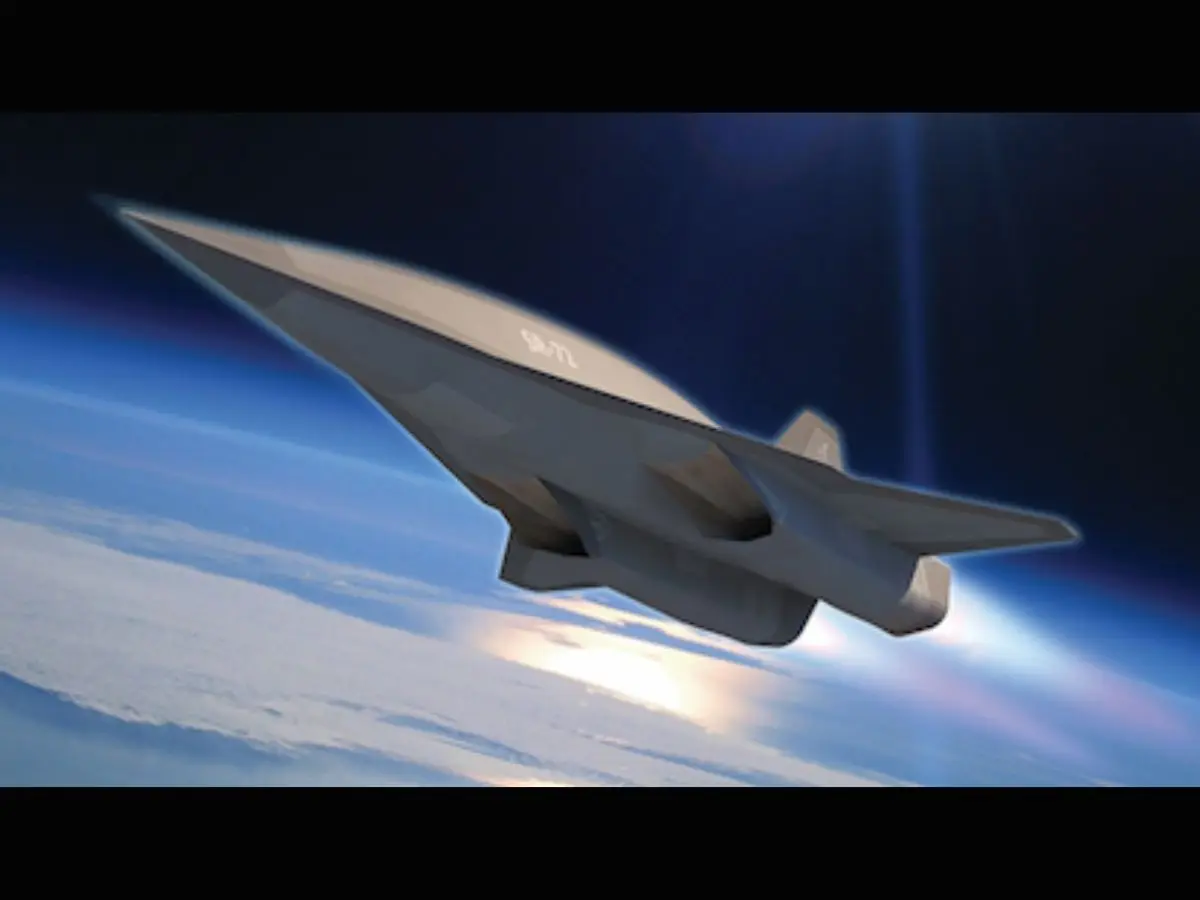
The race to develop sixth-generation fighter jets capable of sustained hypersonic flight, speeds exceeding Mach 5, is reshaping the future of aerial warfare. These aircraft promise unprecedented speed, range, and lethality. Here's a breakdown of the key scientific advancements enabling this leap.

1. Advanced Propulsion: Scramjets and Beyond
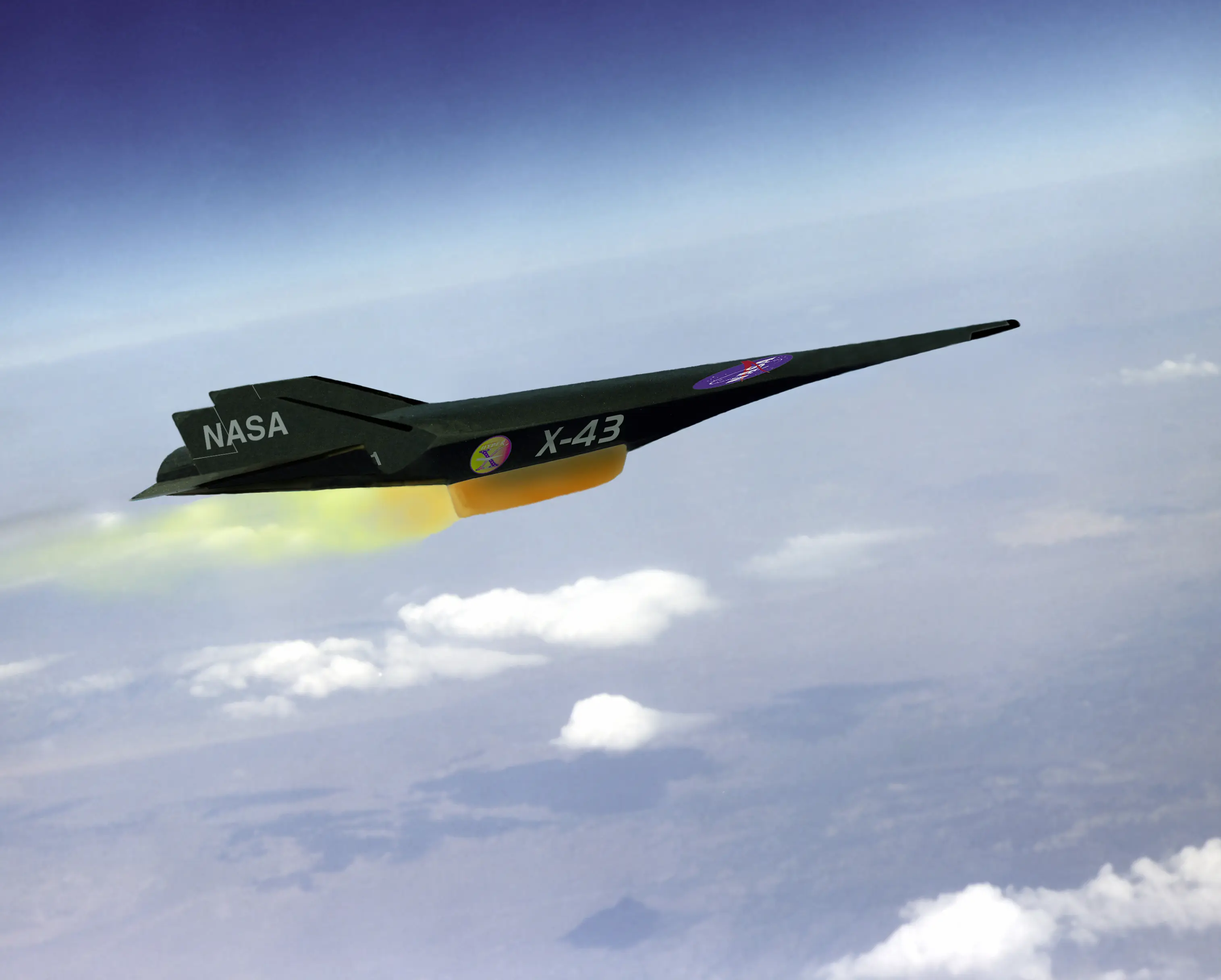
Traditional jet engines struggle to operate efficiently at hypersonic speeds due to the need for supersonic airflow within the engine. Scramjet (supersonic combustion ramjet) technology addresses this by allowing combustion to occur while maintaining supersonic airflow, enabling efficient propulsion at speeds exceeding Mach 5. This advancement is crucial for the development of hypersonic aircraft, as it allows for sustained high-speed flight without the need for complex and heavy propulsion systems.

2. Thermal Management: Withstanding Extreme Heat
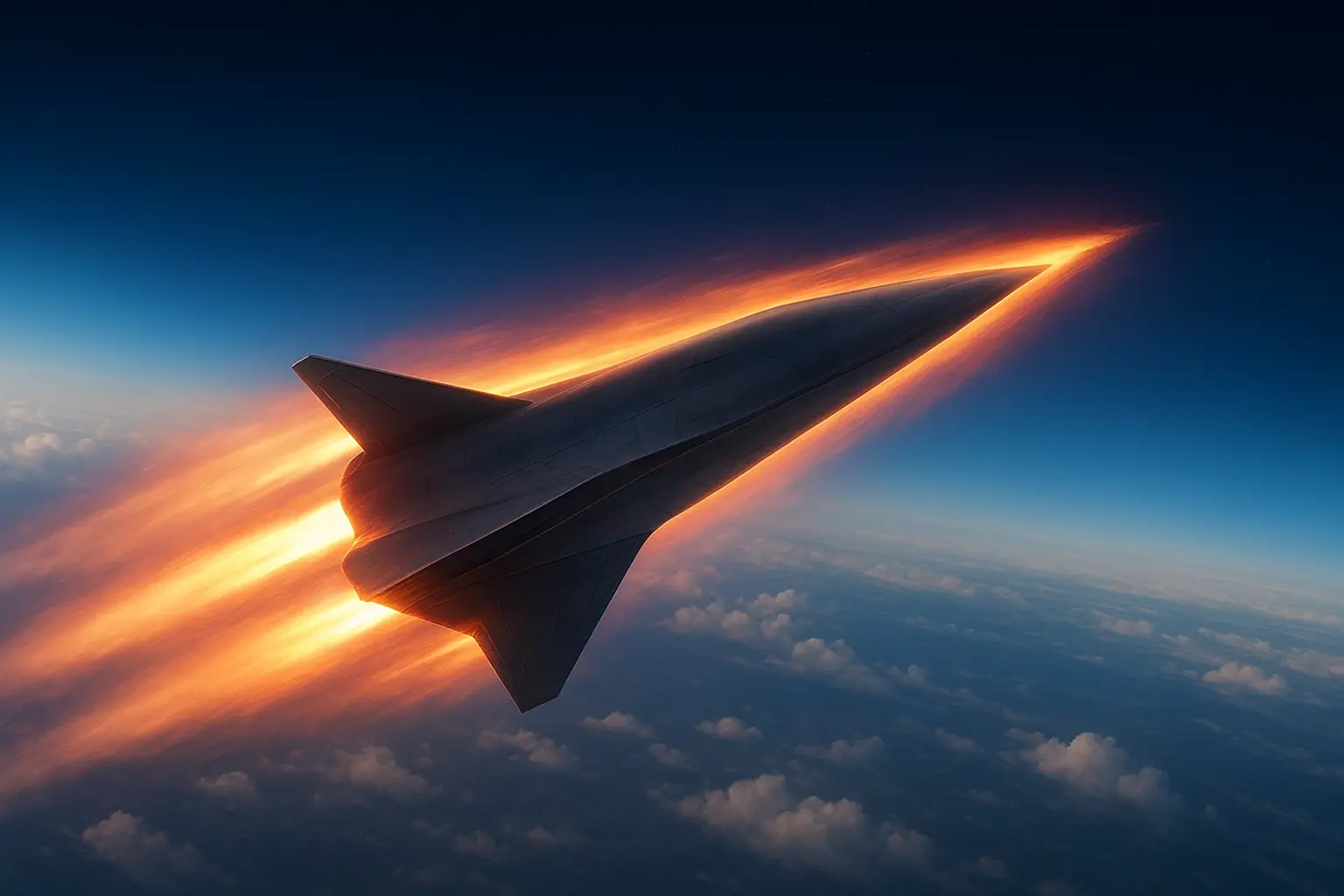
At hypersonic speeds, air friction generates intense heat, potentially compromising the structural integrity of an aircraft. Advanced thermal protection systems, including heat-resistant materials and active cooling techniques, are essential to manage these extreme temperatures. These systems ensure that critical components remain within operational temperature limits, allowing for sustained high-speed flight without overheating.
3. Aerodynamics: Designing for Speed
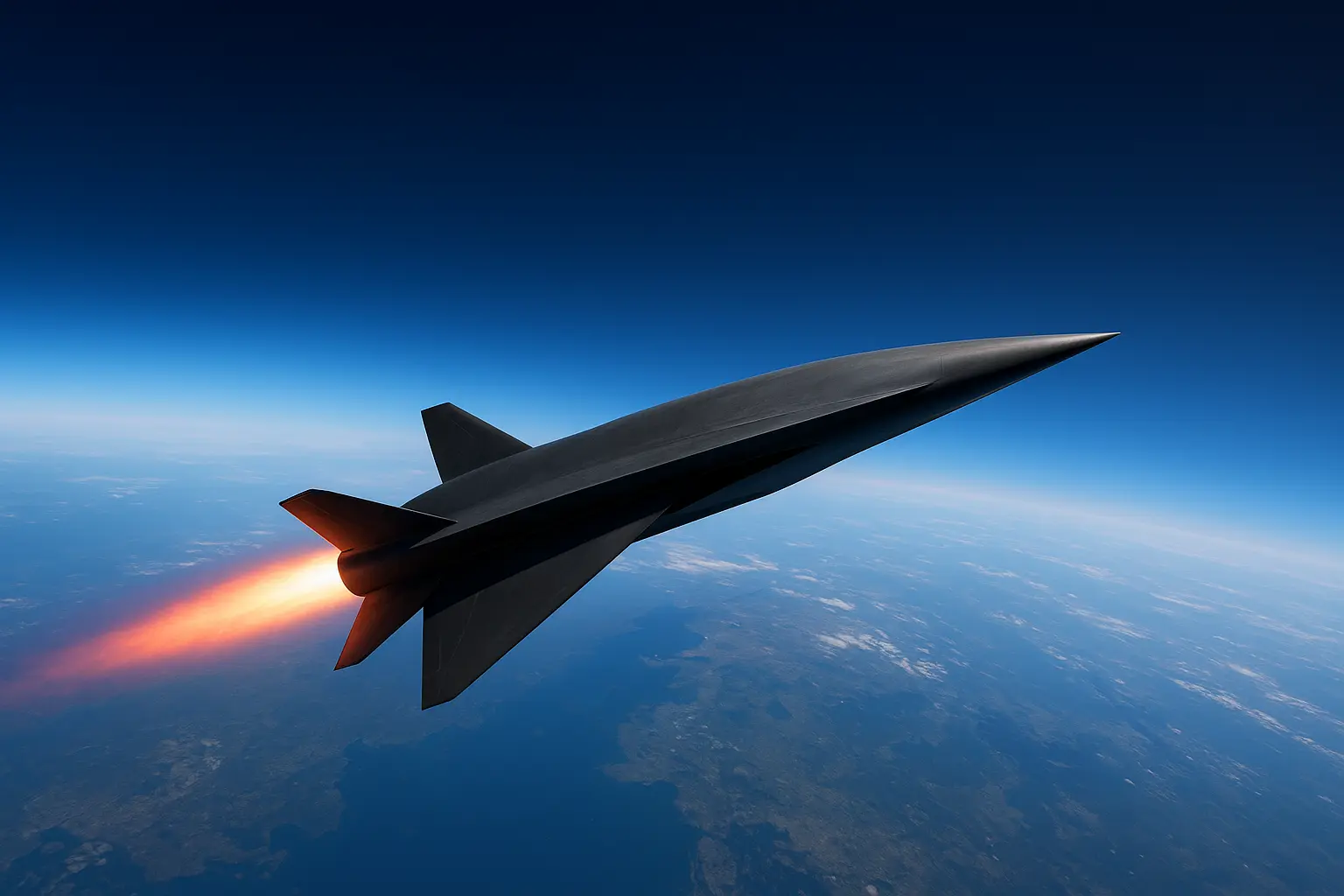
Hypersonic flight introduces unique aerodynamic challenges, including shockwave formation and increased drag. To mitigate these effects, sixth-generation fighter jets are designed with streamlined shapes and advanced materials that reduce drag and enhance stability at high speeds. Computational fluid dynamics simulations play a vital role in optimizing these designs, allowing for efficient flight through the atmosphere at hypersonic velocities.
4. Stealth and Maneuverability: Balancing Speed with Evasion
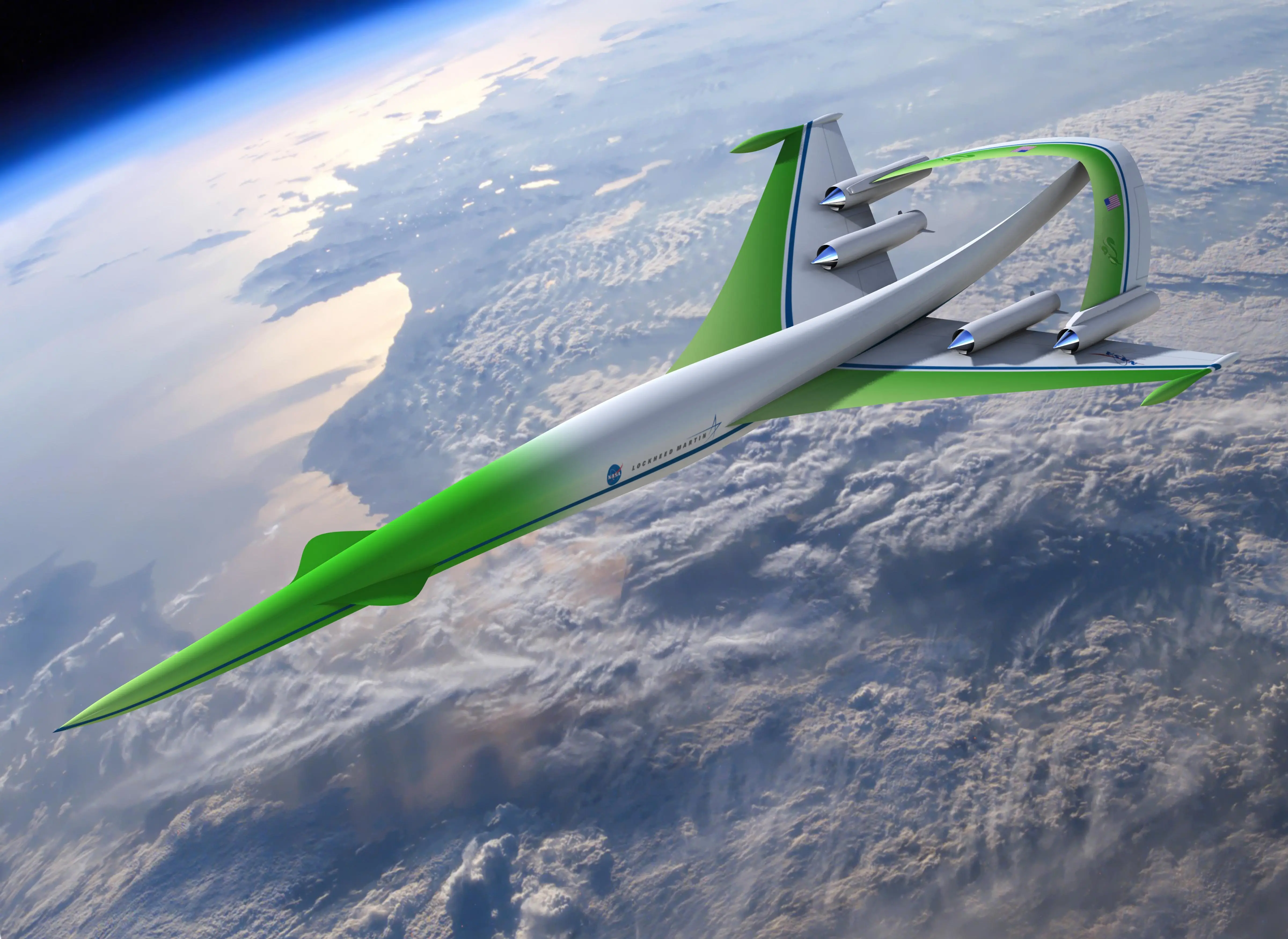
Achieving hypersonic speeds while maintaining stealth and maneuverability is a significant challenge. Advanced materials and design techniques are employed to reduce radar cross-section and infrared signatures, while sophisticated flight control systems ensure agility at high speeds. This balance allows for rapid response times and effective evasion of enemy detection and interception.
5. Navigation and Sensors: Precision at Unmatched Speeds
Operating at hypersonic speeds requires advanced navigation and sensor systems capable of providing accurate data in real-time. Inertial navigation systems, coupled with GPS and other satellite-based technologies, enable precise positioning and trajectory control. Additionally, high-speed data processing systems are essential to interpret sensor inputs and adjust flight parameters instantaneously, ensuring stable and accurate flight paths.
Conclusion
The development of sixth-generation fighter jets capable of sustained hypersonic flight represents a monumental leap in aerospace engineering. Through advancements in propulsion, thermal management, aerodynamics, stealth, and navigation, these aircraft are set to redefine the dynamics of modern aerial combat.
)
)
)
)
)