‘65,000 feet above’: How extreme altitude affects fighter jet engine performance

Fighter jets lose power fast as air thins with altitude. From shrinking oxygen levels to fading lift and engine limits, extreme heights push aircraft to their edge revealing why even advanced jets struggle at the top of the sky.
Air Density Drops Dramatically at Height
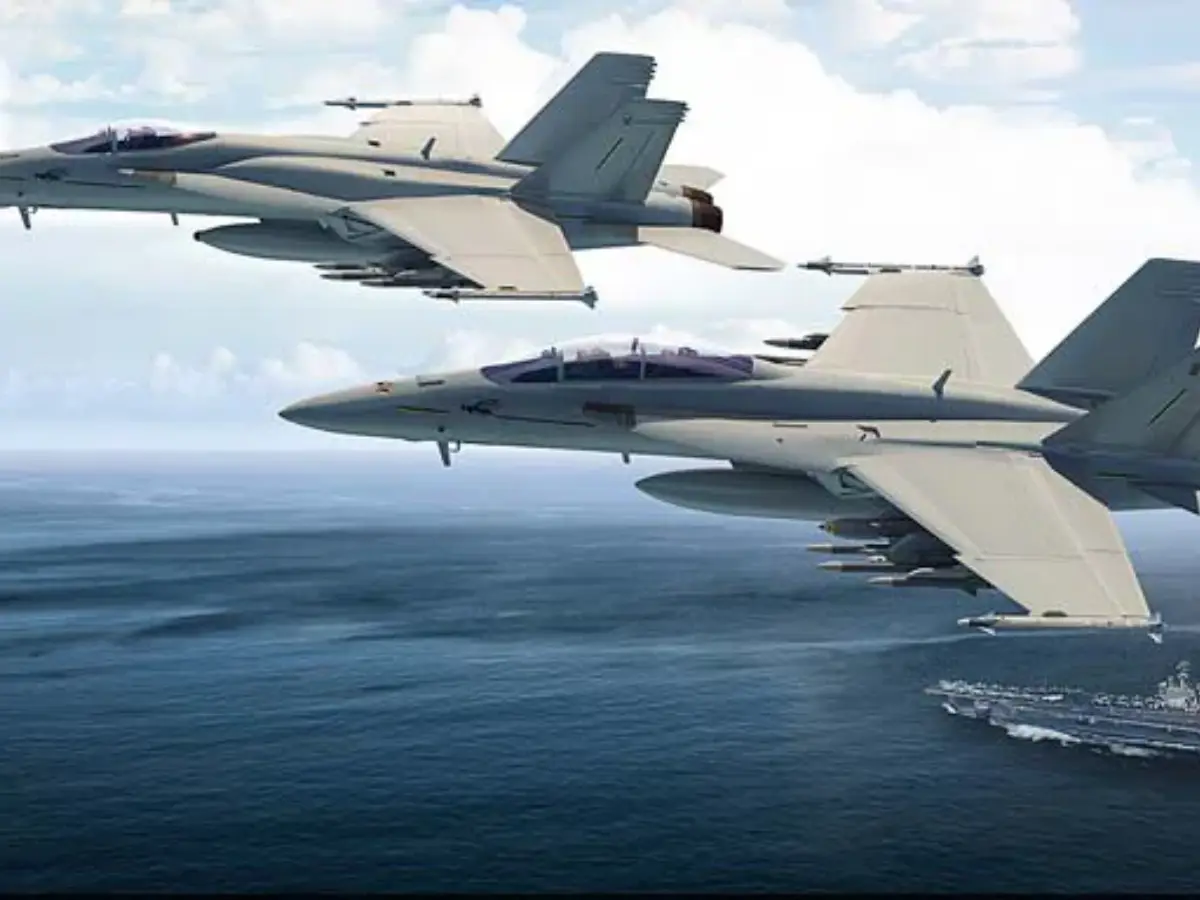
At 18,000 feet, 50 per cent of Earth's atmosphere lies below you. Air density decreases exponentially with altitude, reducing oxygen molecules available for combustion and drag reduction benefits.
Thrust Reduction - 20% Loss Per 7,000 Feet
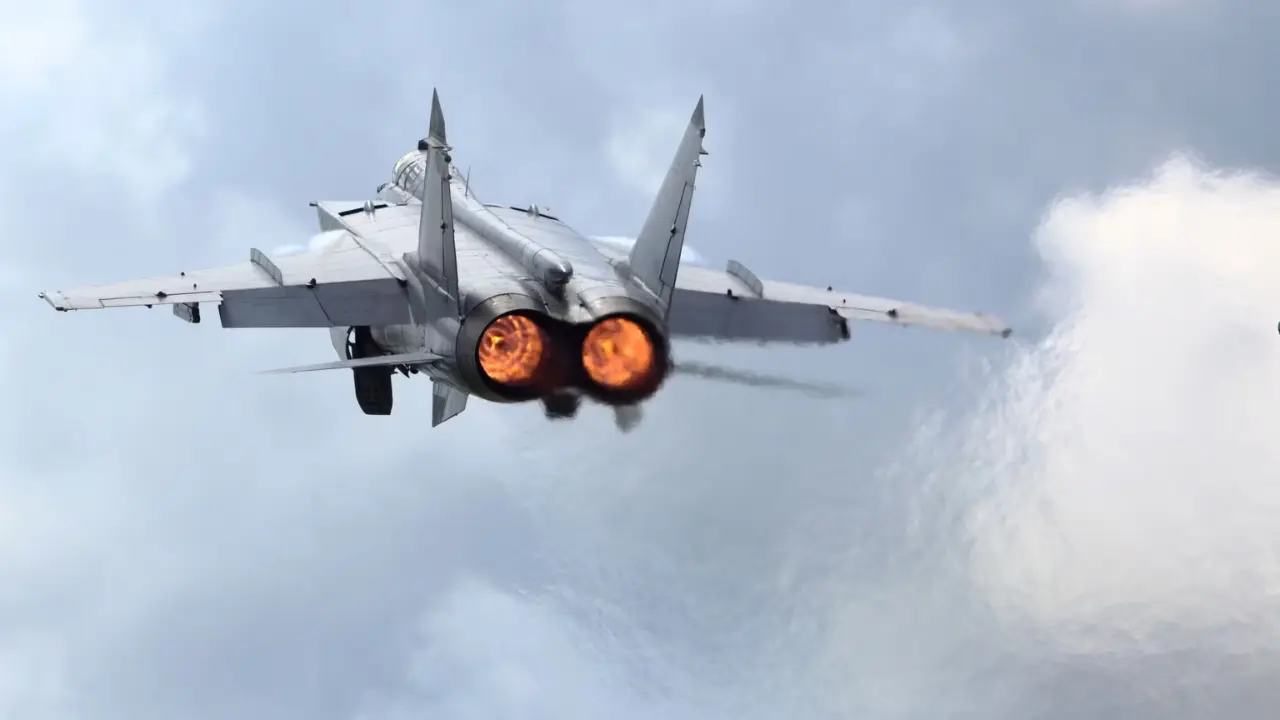
Jet engine thrust drops roughly 20 per cent for every 7,000 feet gained. Air contains fewer molecules to accelerate, meaning less thrust available to propel the aircraft forward.
Oxygen Starvation - Incomplete Combustion
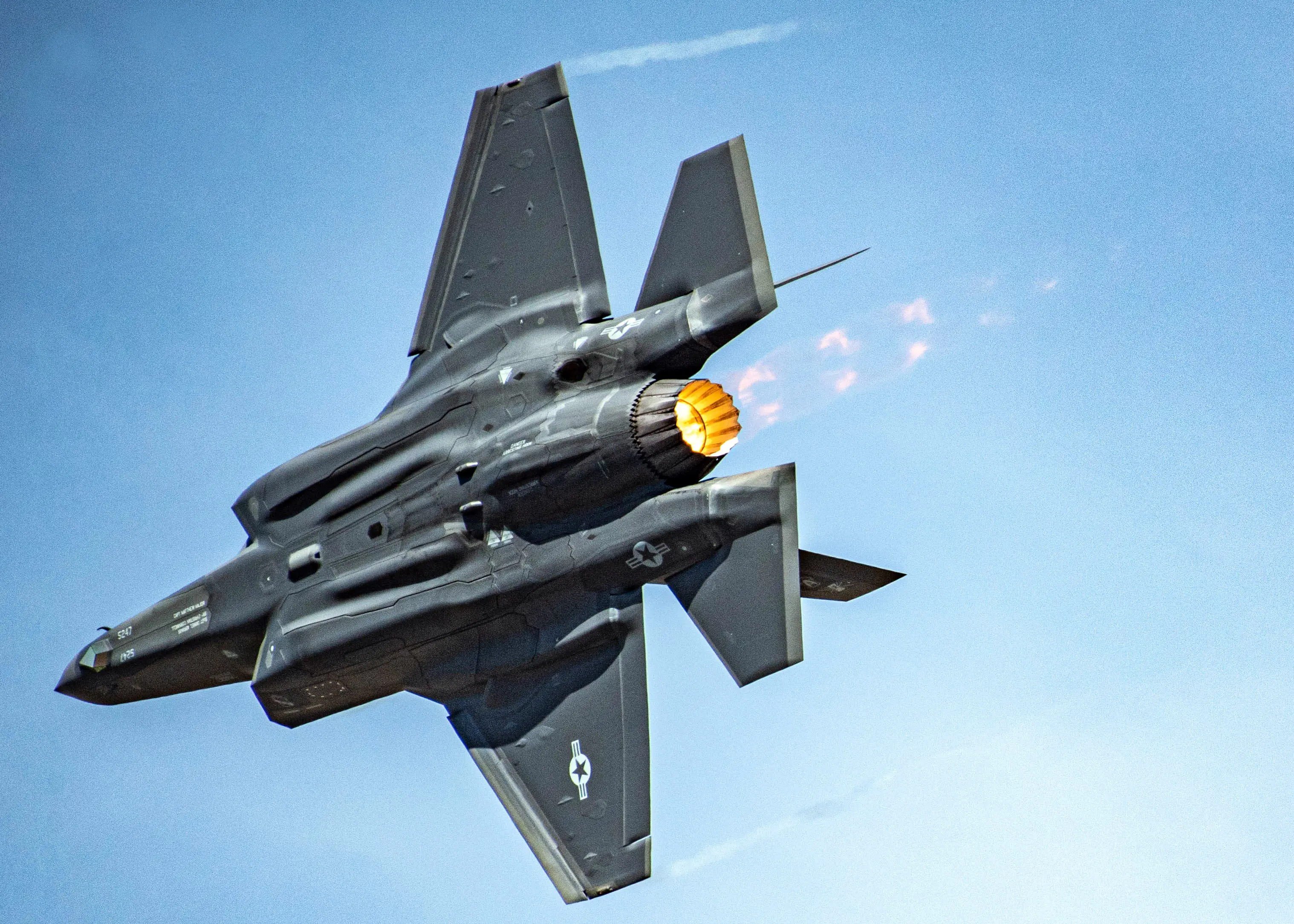
Engines need oxygen to burn fuel. Thinner air means incomplete fuel combustion, prolonged ignition delays, and thermal imbalances. This forces engines to work harder for the same power output.
Turbochargers Compress Intake Air
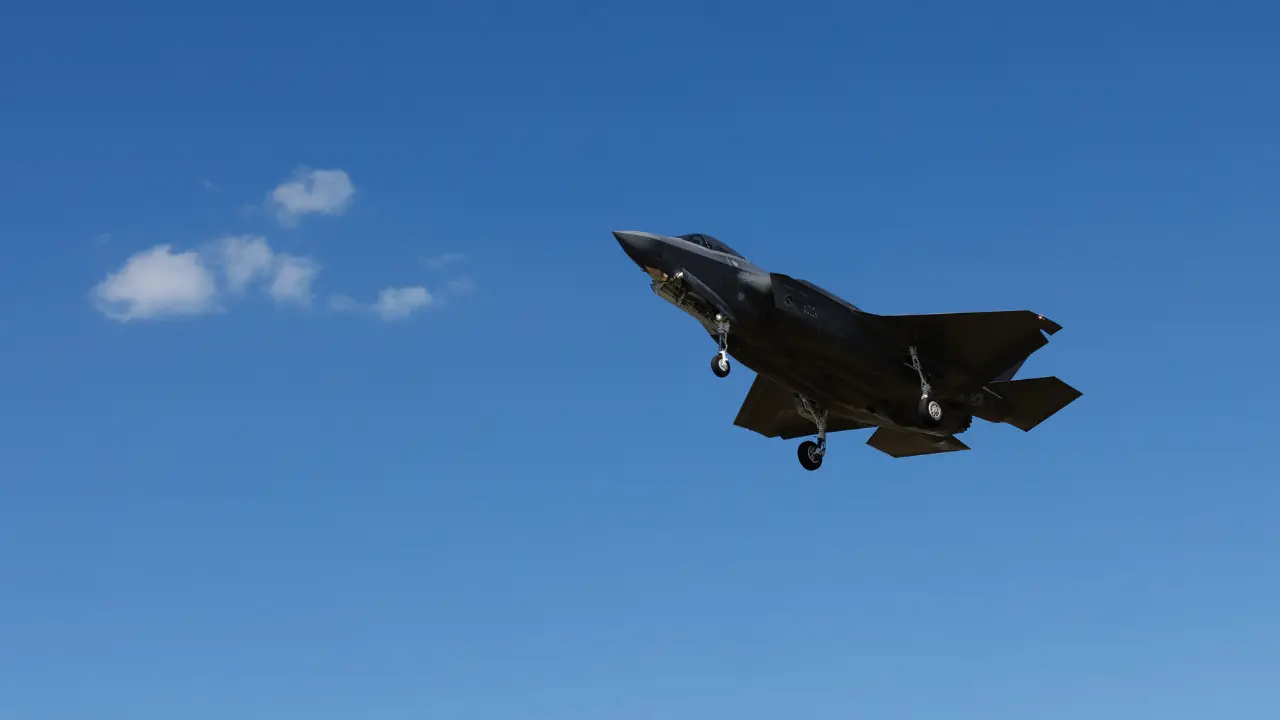
Modern fighter jets use turbocompressors spinning at 100,000 rpm to compress thin air before combustion. This maintains sea-level performance up to the engine's critical altitude limit.
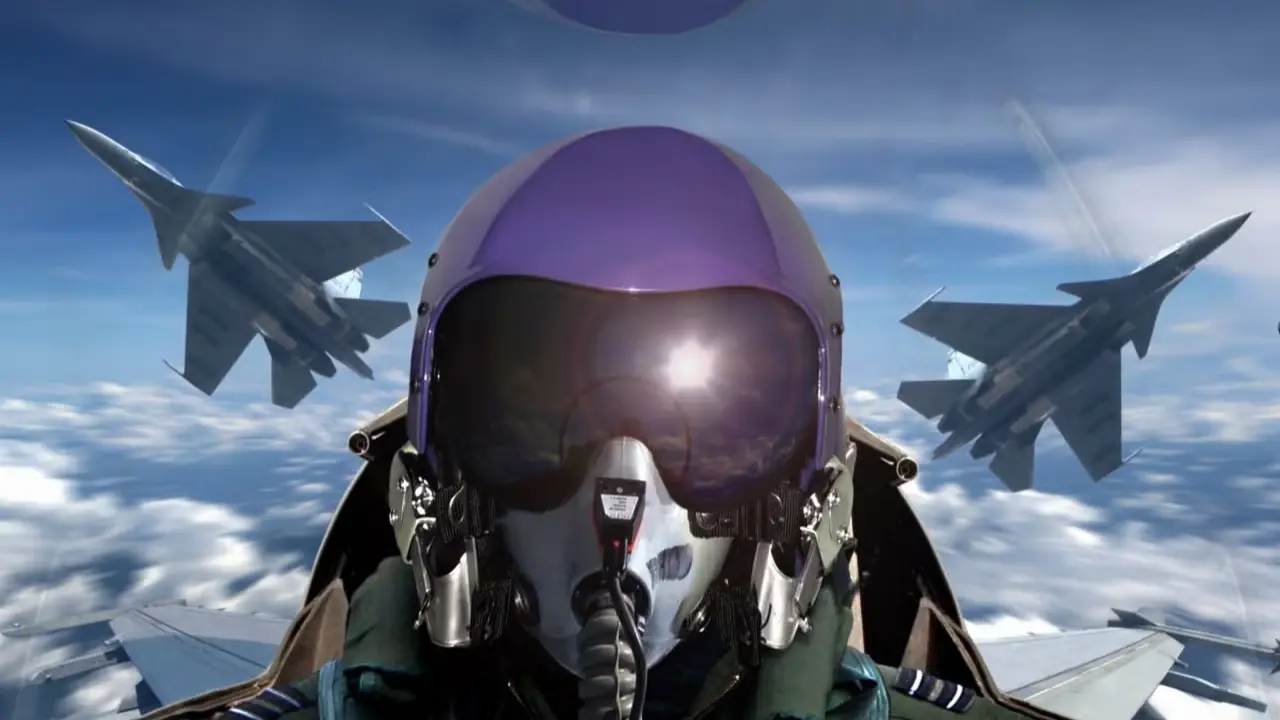
Critical Altitude Limits Engine Performance
Each engine has a critical altitude where turbochargers can no longer maintain sea-level power. Above this point, performance degrades despite turbocharging assistance.
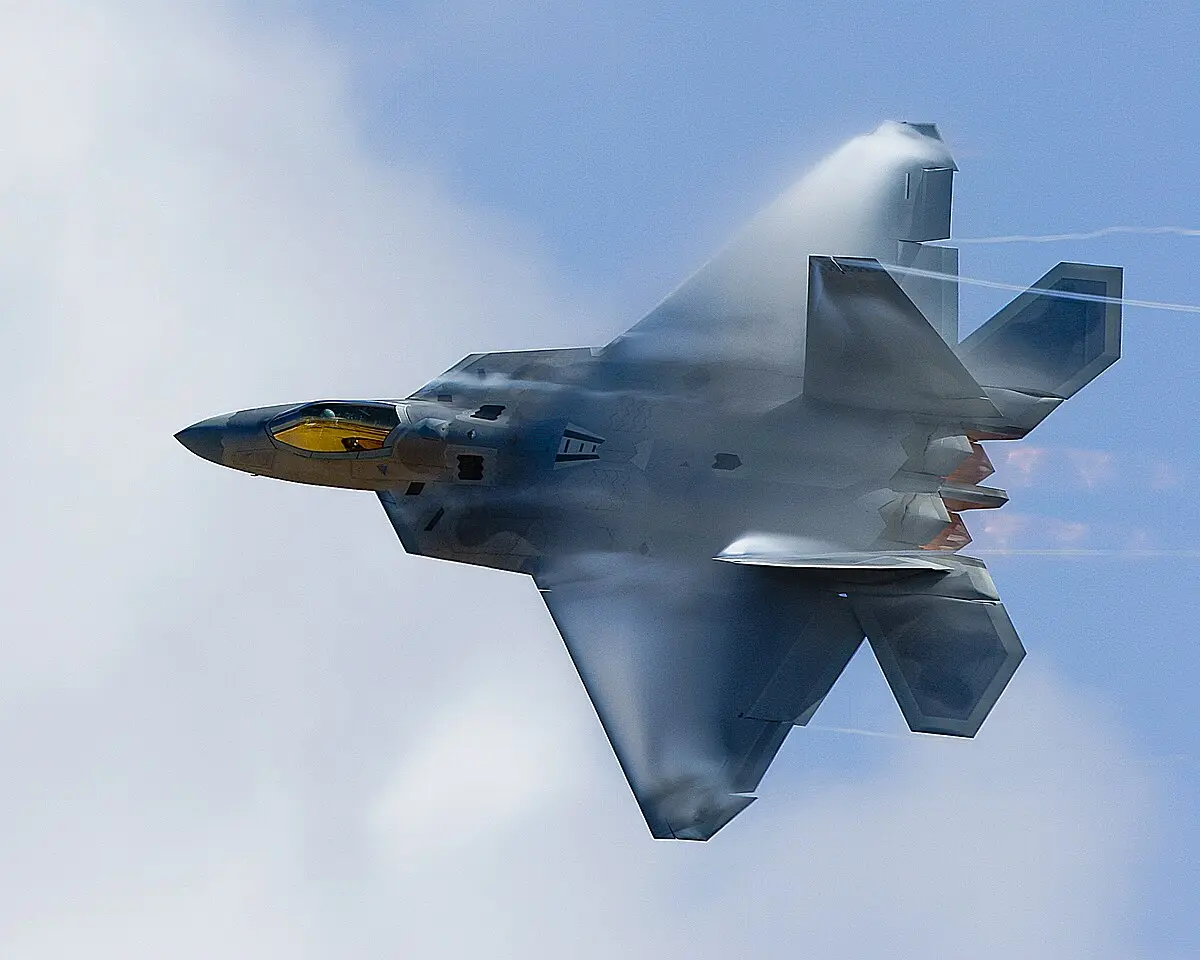
F-22 Raptor Service Ceiling - 65,000 Feet
The F-22 reaches 65,000 feet but experiences severe power loss. At this altitude, air is so thin that even advanced engines struggle to generate meaningful thrust.
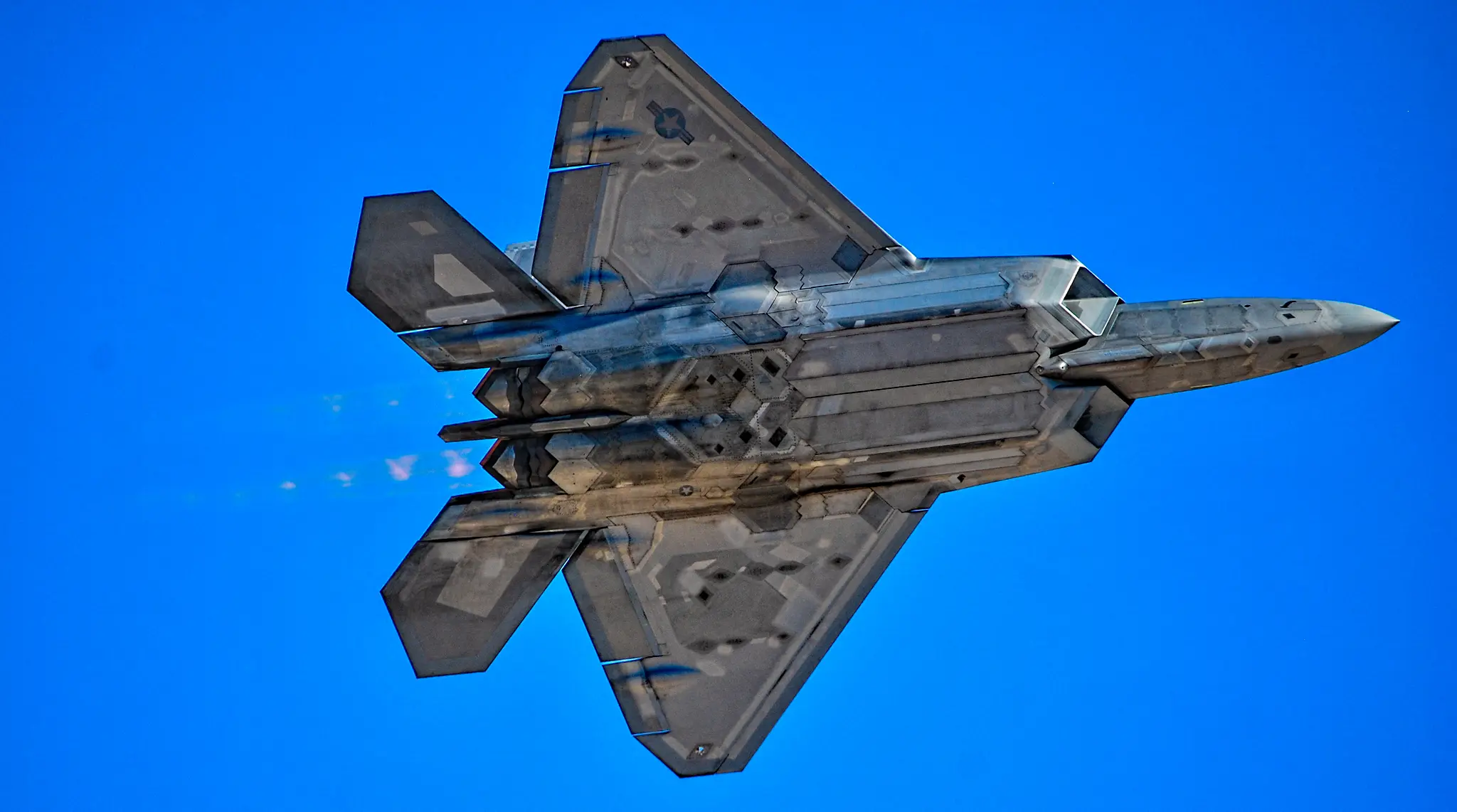
Temperature Effects Worsen Altitude Problems
Higher turbine temperatures at altitude reduce engine efficiency. Every 6-10°F temperature increase loses about 1 per cent of engine power, compounding altitude performance losses.
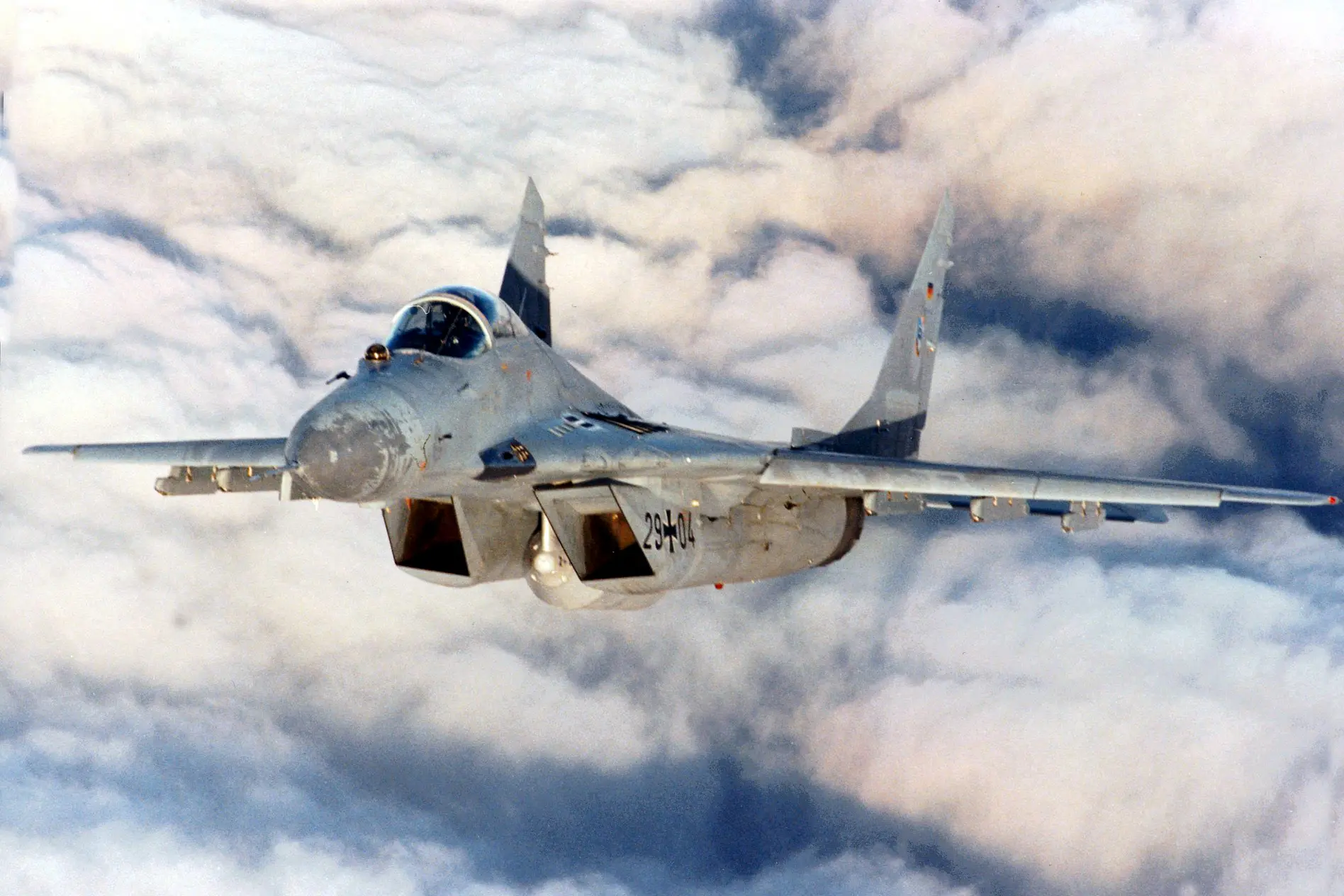
MiG-29 Maximum Altitude - 59,100 Feet Service Ceiling
MiG-29s reach their service ceiling of 59,100 feet, though actual tested climbs reach 75,459 feet under ideal conditions. Beyond service ceiling, engines cannot sustain level flight.
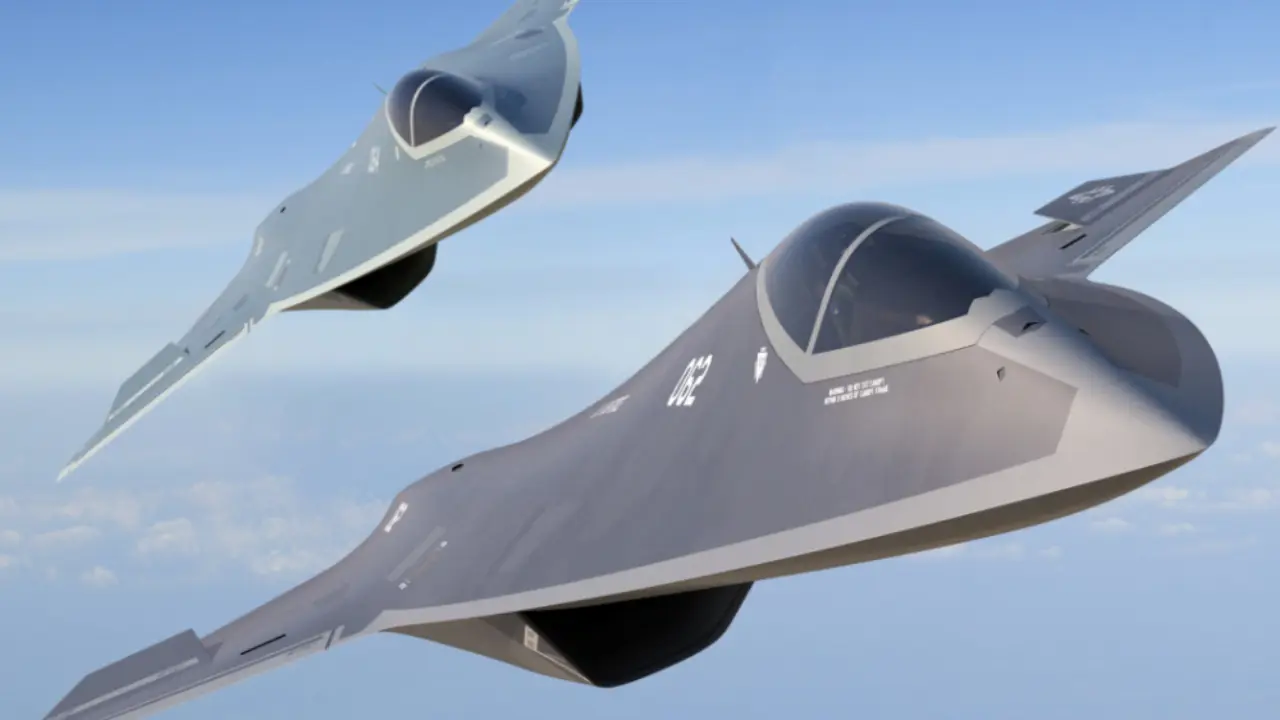
Wing Lift Diminishes as Air Thins
Wings generate lift from air pressure differences. At extreme altitudes, lift generation becomes minimal, requiring higher speeds or angle-of-attack to maintain flight despite insufficient engine thrust.
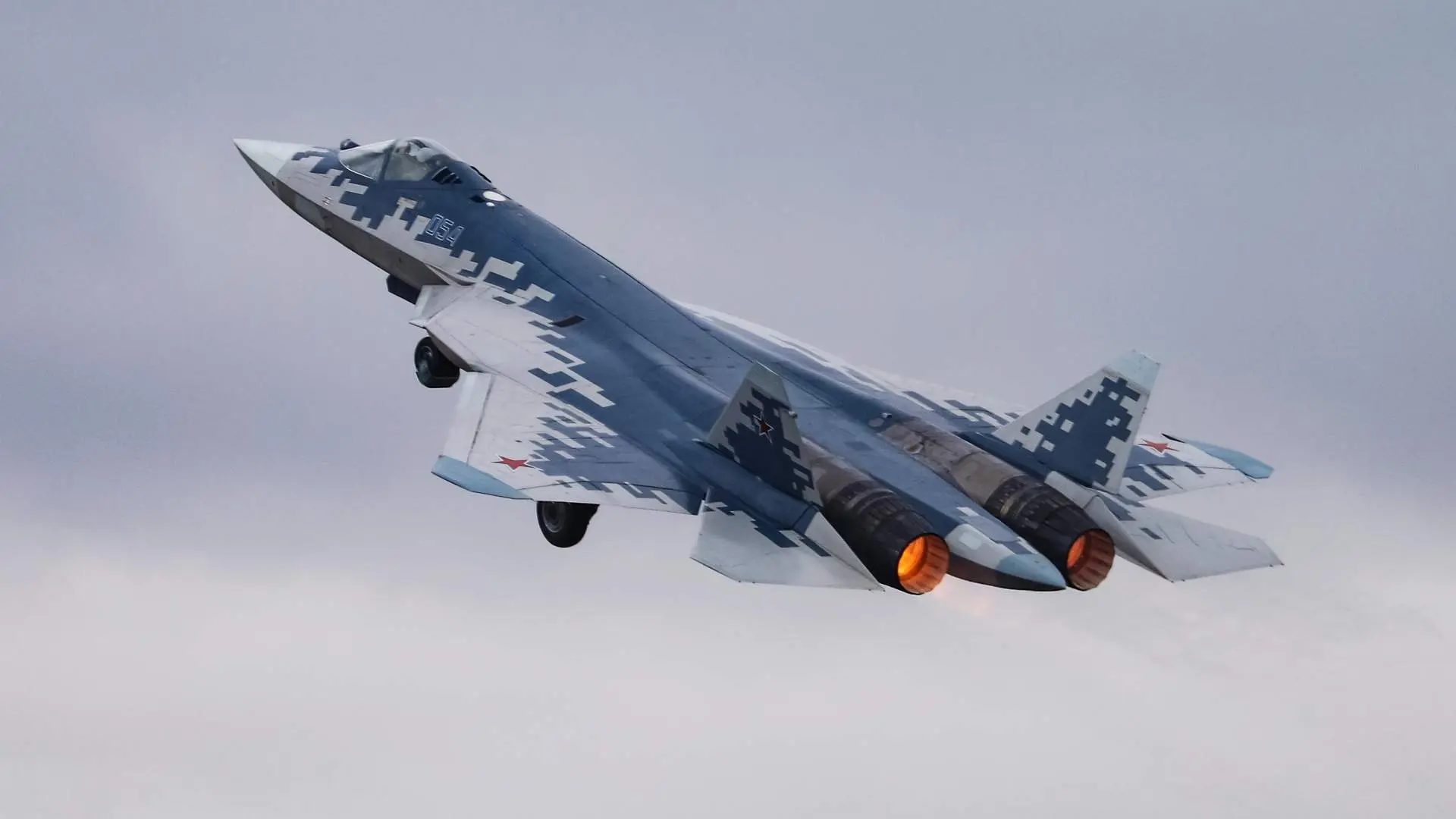
Operational Limits - Ceiling vs Absolute Maximum
Service ceilings represent sustainable performance altitudes. Fighters can briefly exceed these limits during climbs, but engines cannot sustain power indefinitely at extreme heights.
)
)
)
)
)