Why Boeing’s AH-64 Apache remains the world’s most advanced attack helicopter: 6 key reasons

Today, the latest AH-64E variant, described by Boeing as the world’s most advanced multi-role combat helicopter for the US Army and a growing number of global defense forces.
Introduction
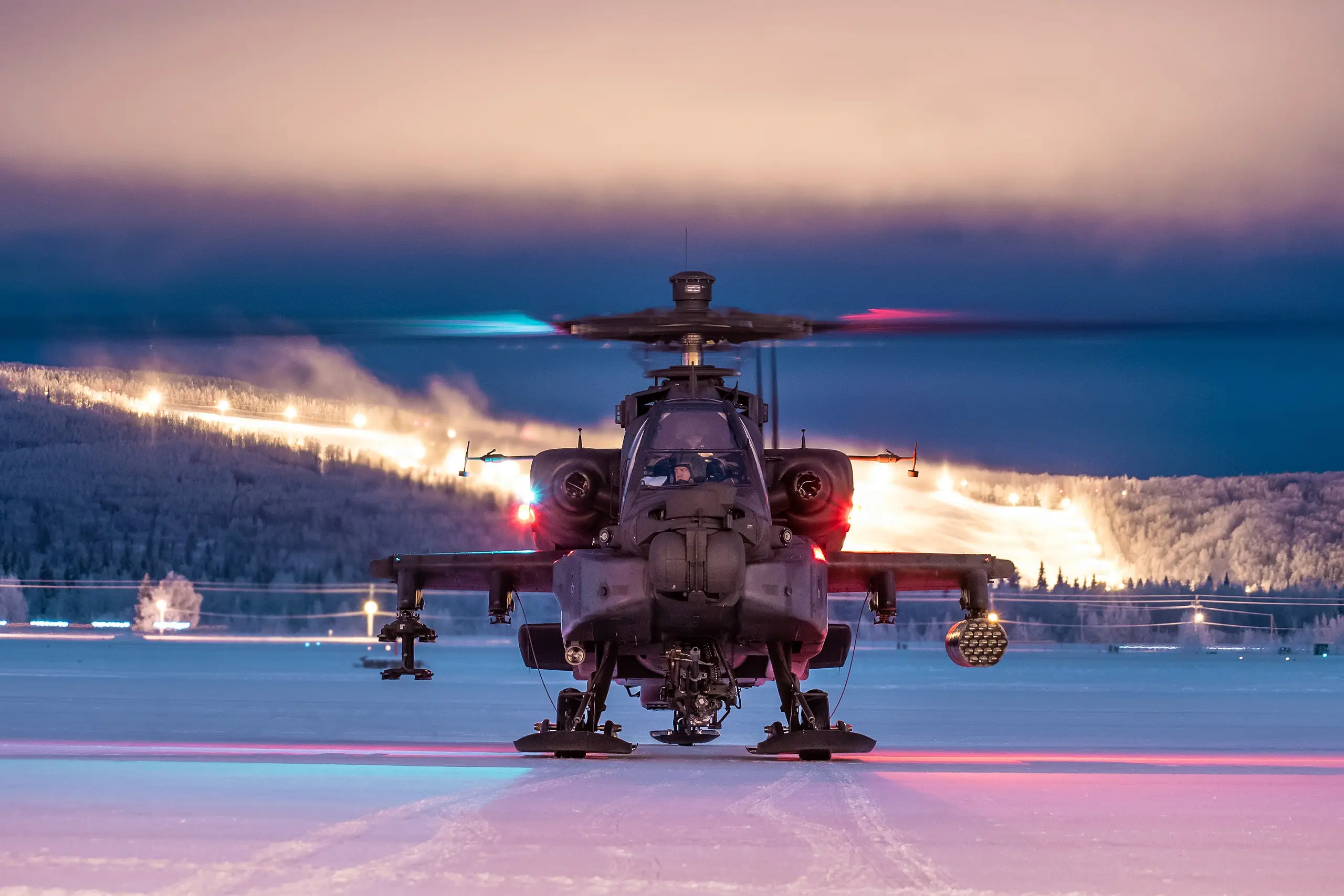
The Boeing AH-64 Apache has defined the modern attack helicopter. From the battlefields of the Middle East to Indo-Pacific deployments, it has remained the aircraft militaries rely on most for not just precision strikes but also close air support and battlefield dominance. Today, the latest AH-64E variant, described by Boeing as the world’s 'most advanced multi-role combat helicopter for the US Army and a growing number of global defense forces'. It combines unmatched firepower, cutting-edge sensors and multi-domain connectivity that keep it at the forefront of modern warfare.
1. Built for Modern Multi-Domain Warfare
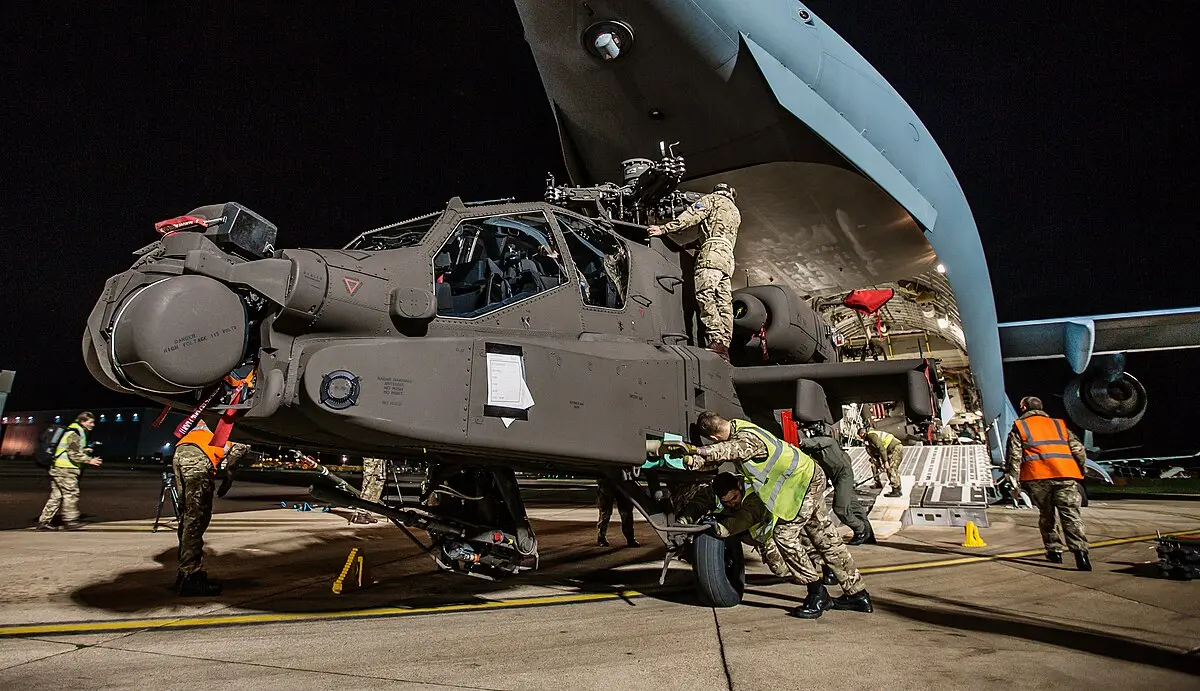
The AH-64E is the most advanced Apache configuration, which was designed specifically for the Multi-Domain Operations (MDO) environment. The Version 6 (v6) model integrates upgraded sensors, software, weapons performance and digital connectivity. As a 'network-centric, fully integrated weapon system', it also provides the agility and situational awareness needed to operate in highly contested airspace.
2. Lethal and Diverse Weapons Capability
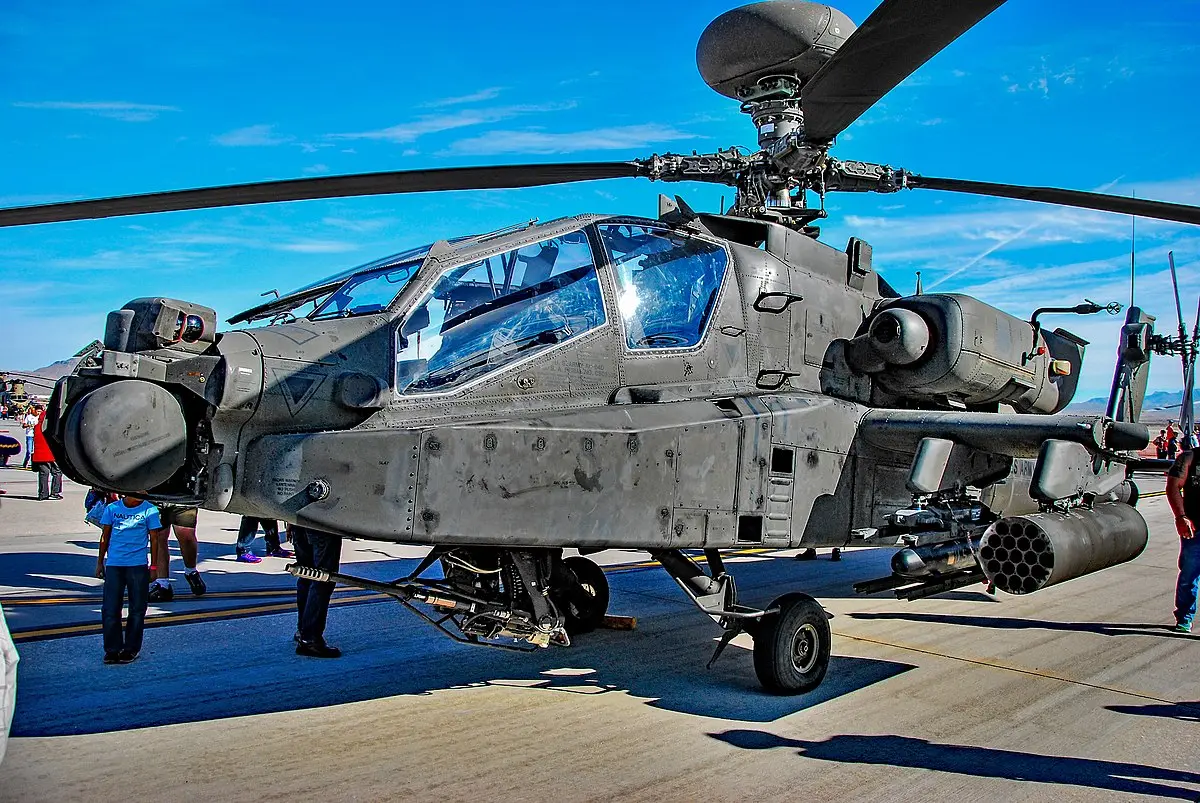
The Apache’s firepower remains one of its defining traits. The AH-64E carries up to 16 Hellfire missiles, 76 70mm rockets and 1,200 rounds for its 30mm chain gun, capable of firing 600–650 rounds per minute. This mix enables precise engagement of armoured vehicles, fortified targets, and enemy aircraft at stand-off ranges.
3. Advanced Survivability and Sensor Integration
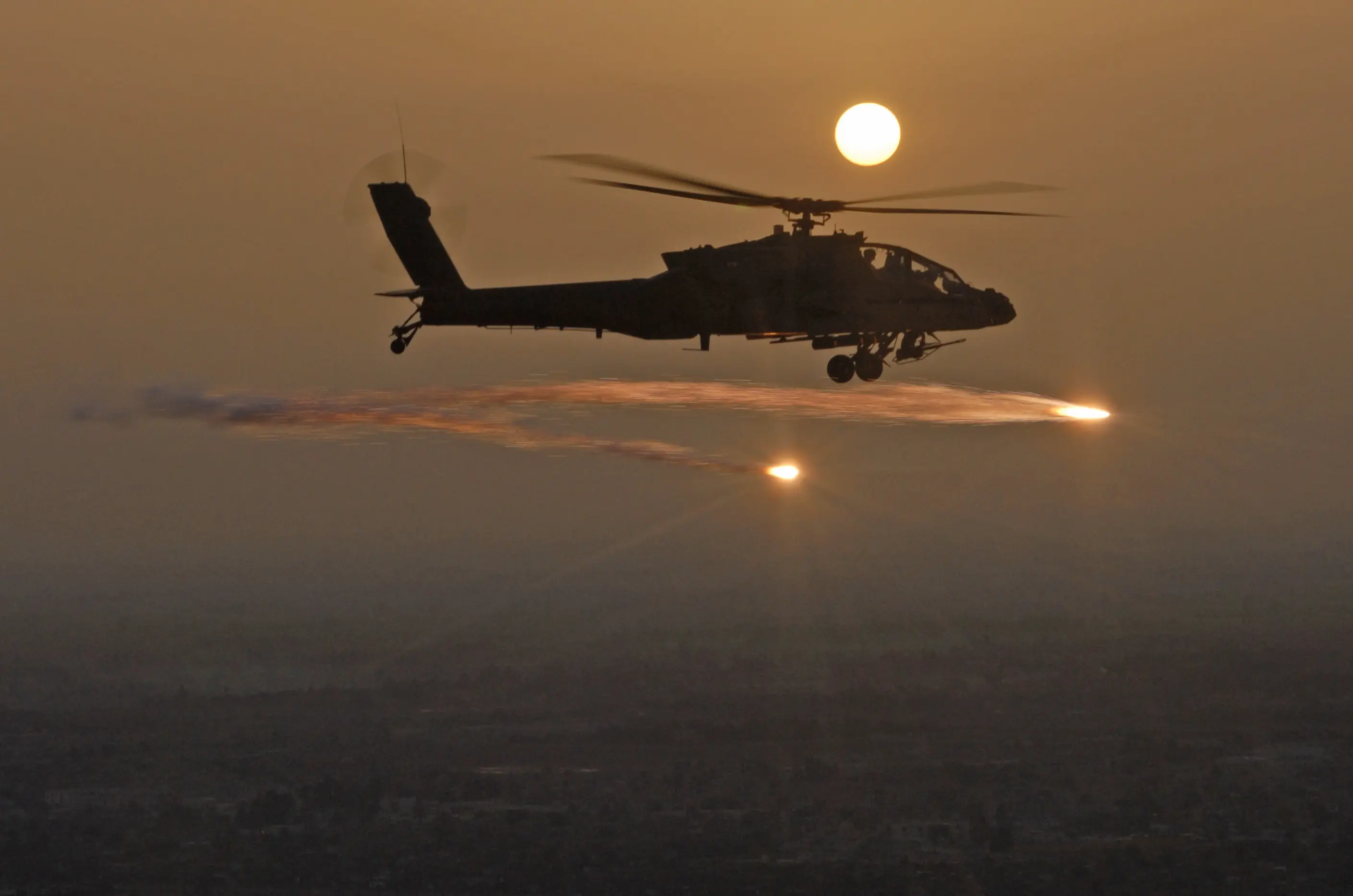
The aircraft’s sensor suite allows pilots to detect, identify and engage threats in all weather, day or night. Boeing highlights the Apache’s layered sensor system, which blends onboard and offboard inputs to enhance survivability. The helicopter’s ability to control unmanned aerial vehicles (UAVs) gives it expanded reach and tactical flexibility.
4. A Combat-Proven Legacy
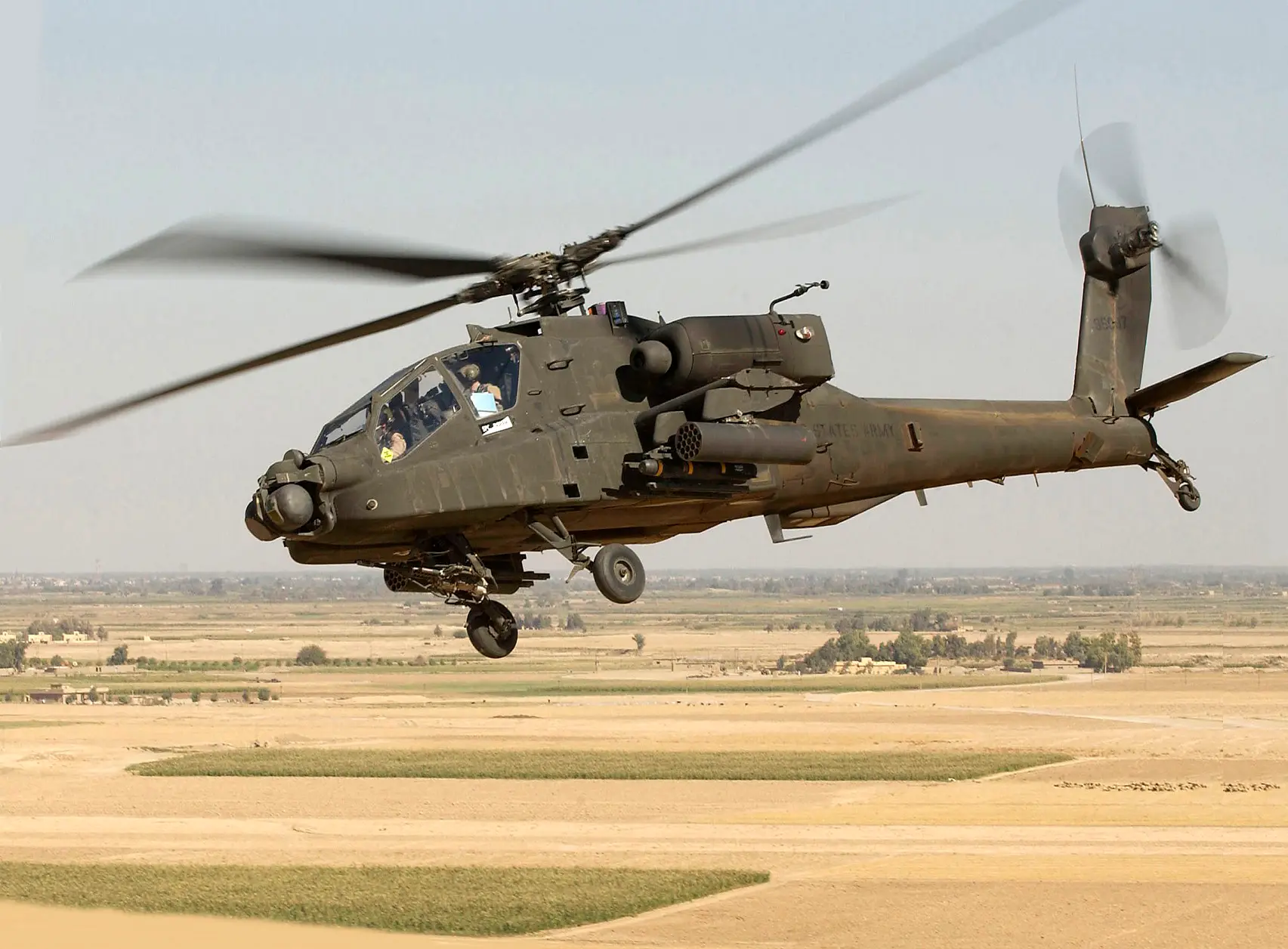
The Apache’s reputation is built on hard numbers. According to Boeing, more than 1,280 Apaches are in service worldwide, with the fleet logging over five million flight hours, including 1.3 million in combat. The aircraft serves as the backbone of the US Army’s attack helicopter fleet and of numerous international forces.
5. Power, Performance and Endurance
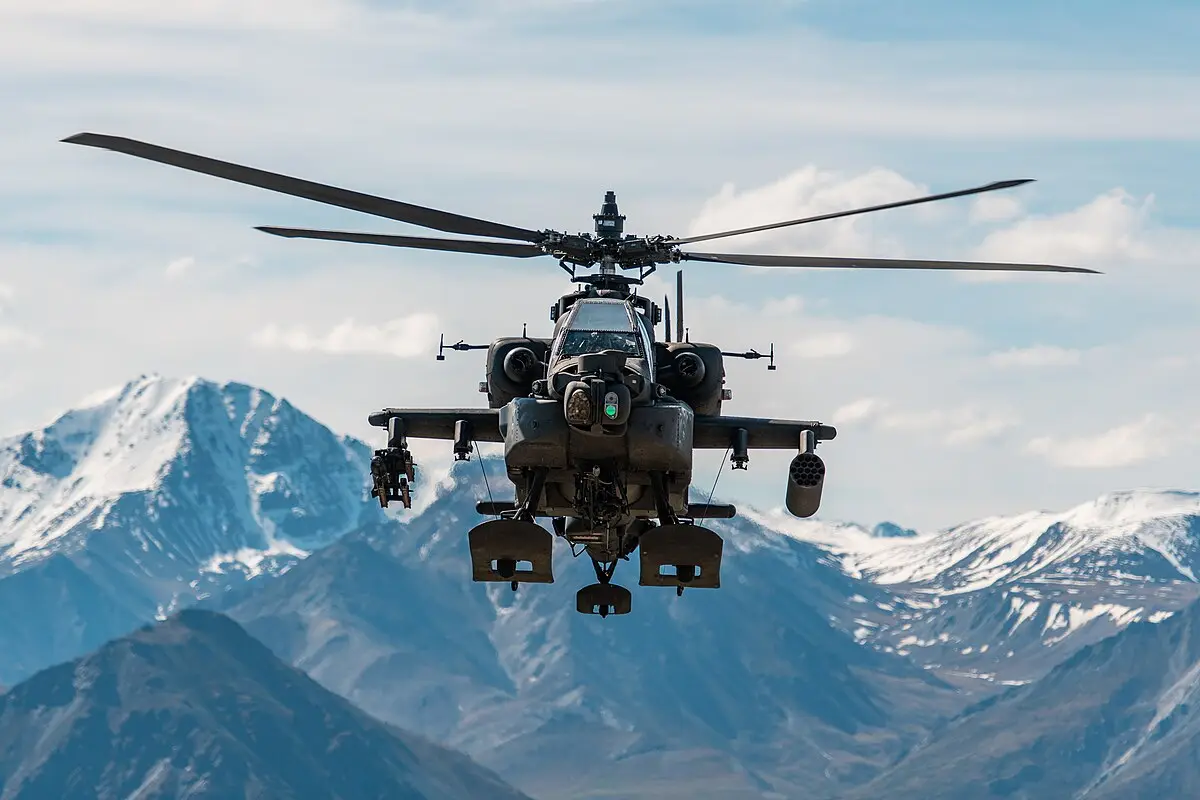
Powered by upgraded T700-GE-701D engines, the AH-64E delivers greater lift, speed and climb rate, which is more than 2,800 ft per minute. Composite main rotor blades further enhance performance, making the Apache well-suited for demanding missions across varied terrain.
6. A Platform Built for Future Growth
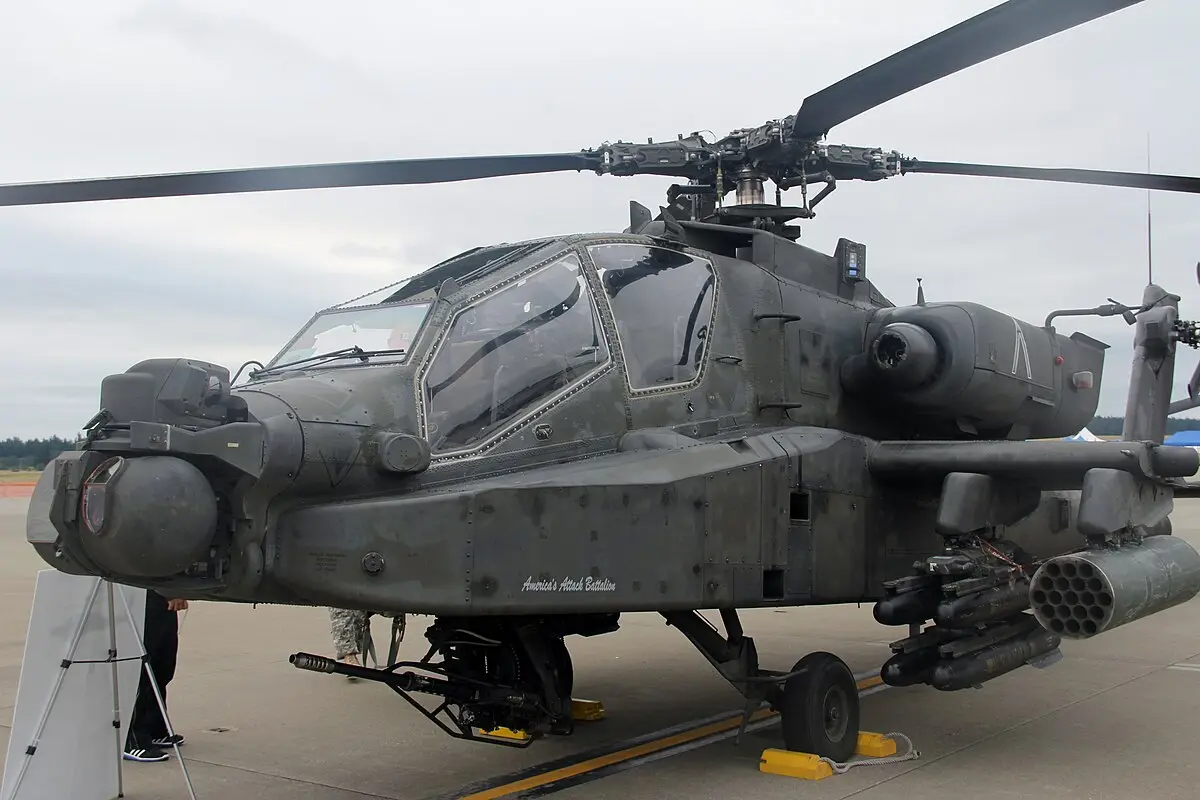
Boeing has, on several occasions, emphasised on the fact that the Apache’s Modular Open Systems Architecture (MOSA) allows rapid integration of new technologies. The forthcoming Modernised Apache builds on this framework to provide greater reach, survivability and lethality, ensuring the platform remains relevant into the 2060s. More than 2,700 Apaches, of diff versions have been delivered since 1984, with customers including India, Japan, Israel, the UAE, the UK and South Korea.
)
)
)
)
)