-60°C with winds at 300 km/h: Why Greenland’s ice sheet is one of the most dangerous places on Earth

The Greenland Ice Sheet covers 80 per cent of the island. Beneath its white surface lie hidden crevasses, deadly moulins, and lakes that drain instantly. With winds hitting 300 km/h and temperatures plunging to -60°C, it remains one of the most hostile places on Earth.
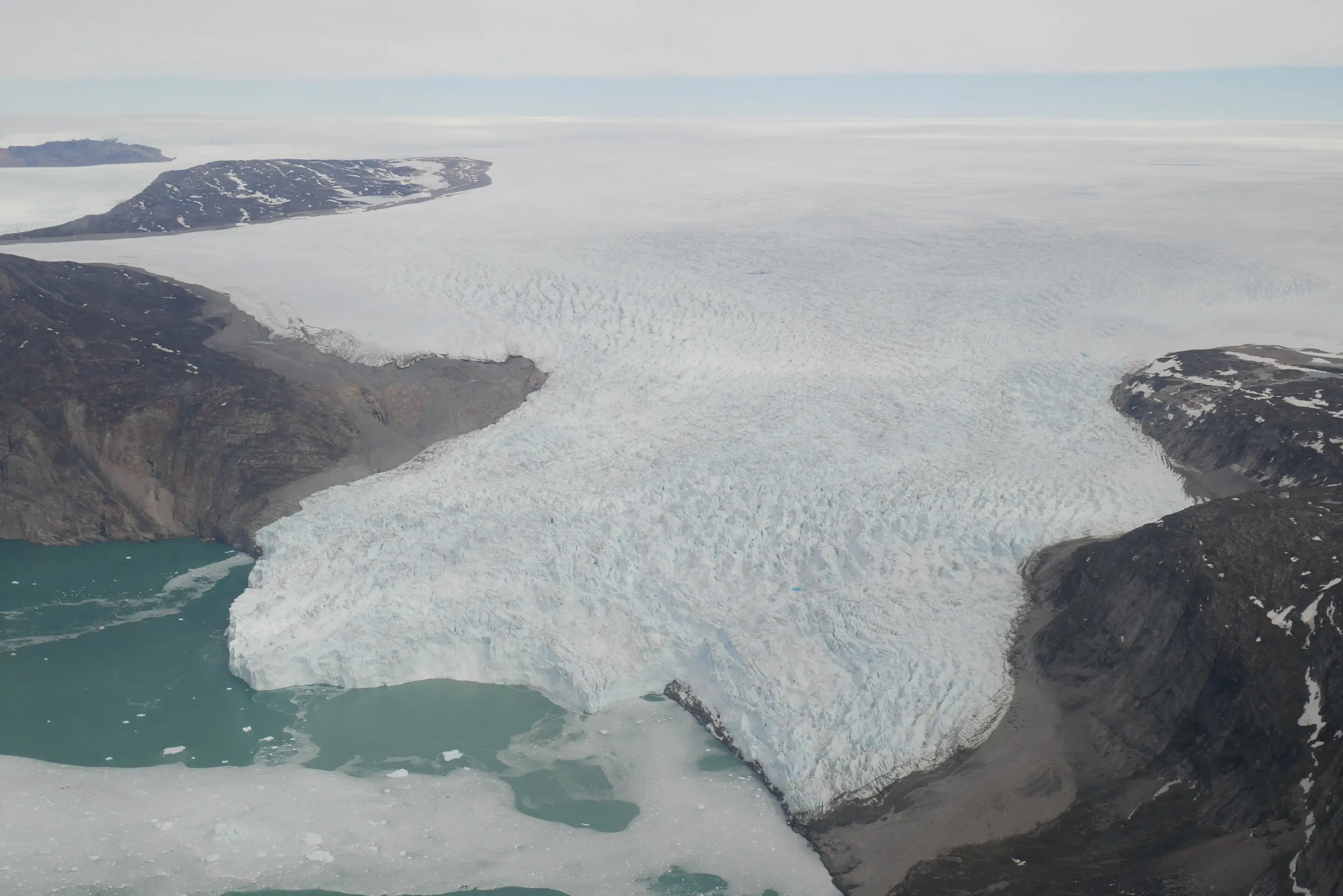
Hidden crevasses. The invisible death traps
The ice moves constantly, cracking open fissures called crevasses that can be hundreds of feet deep. These are often covered by thin 'snow bridges', making them invisible to trekkers who can fall into the blue abyss without warning.
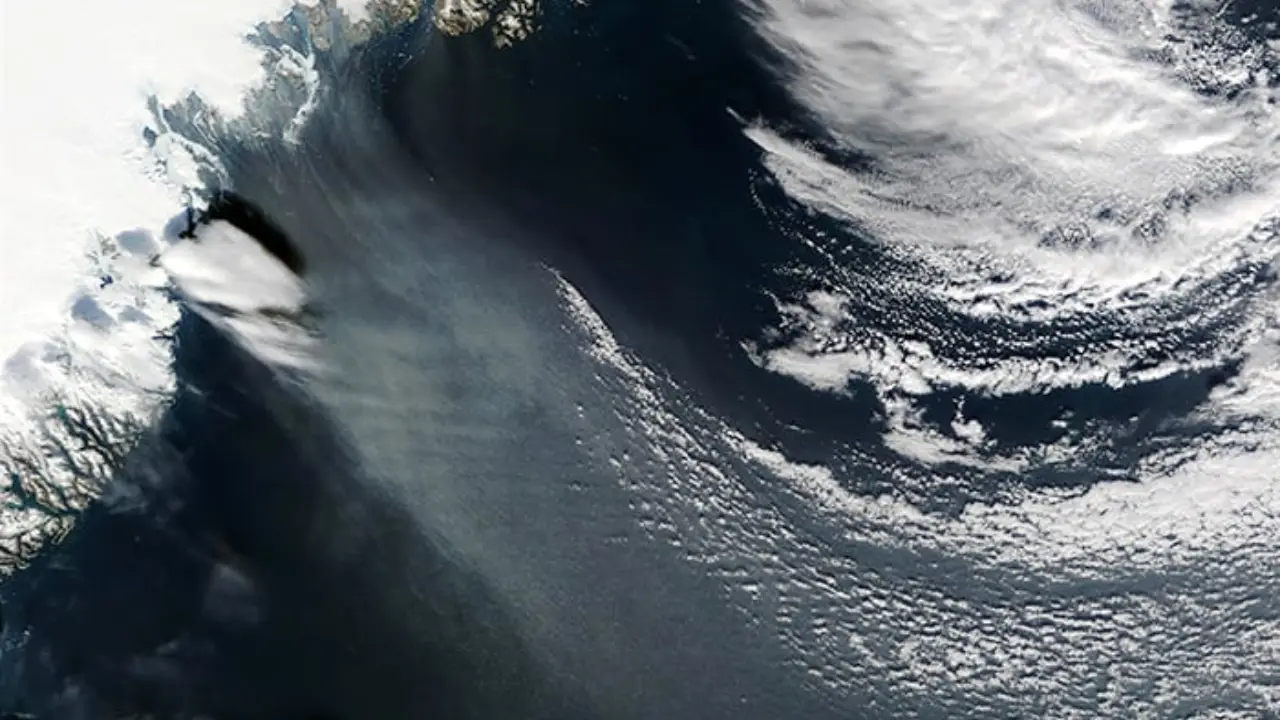
The Piteraq winds Hurricanes of the North
Greenland experiences 'Piteraqs', terrifying katabatic winds that rush down from the ice sheet's summit. These gravity-driven storms can reach speeds of 300 km/h (186 mph), strong enough to destroy buildings and hurl heavy equipment like toys.
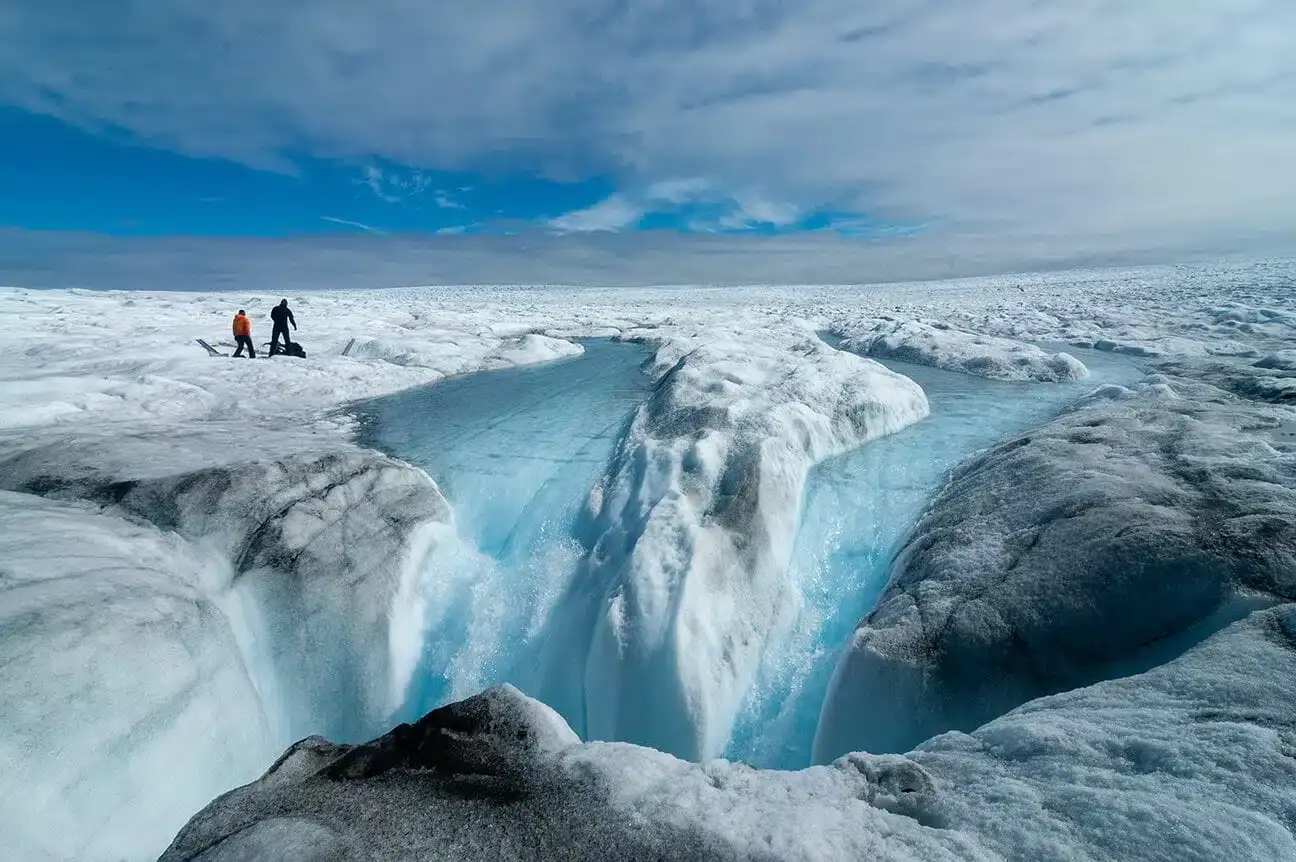
Deadly Moulins Vertical rivers to the bottom
Summer meltwater carves vertical shafts called 'moulins' that spiral hundreds of metres down to the bedrock. Slipping into one is fatal, as they swallow millions of gallons of water and anything else caught in their current instantly.
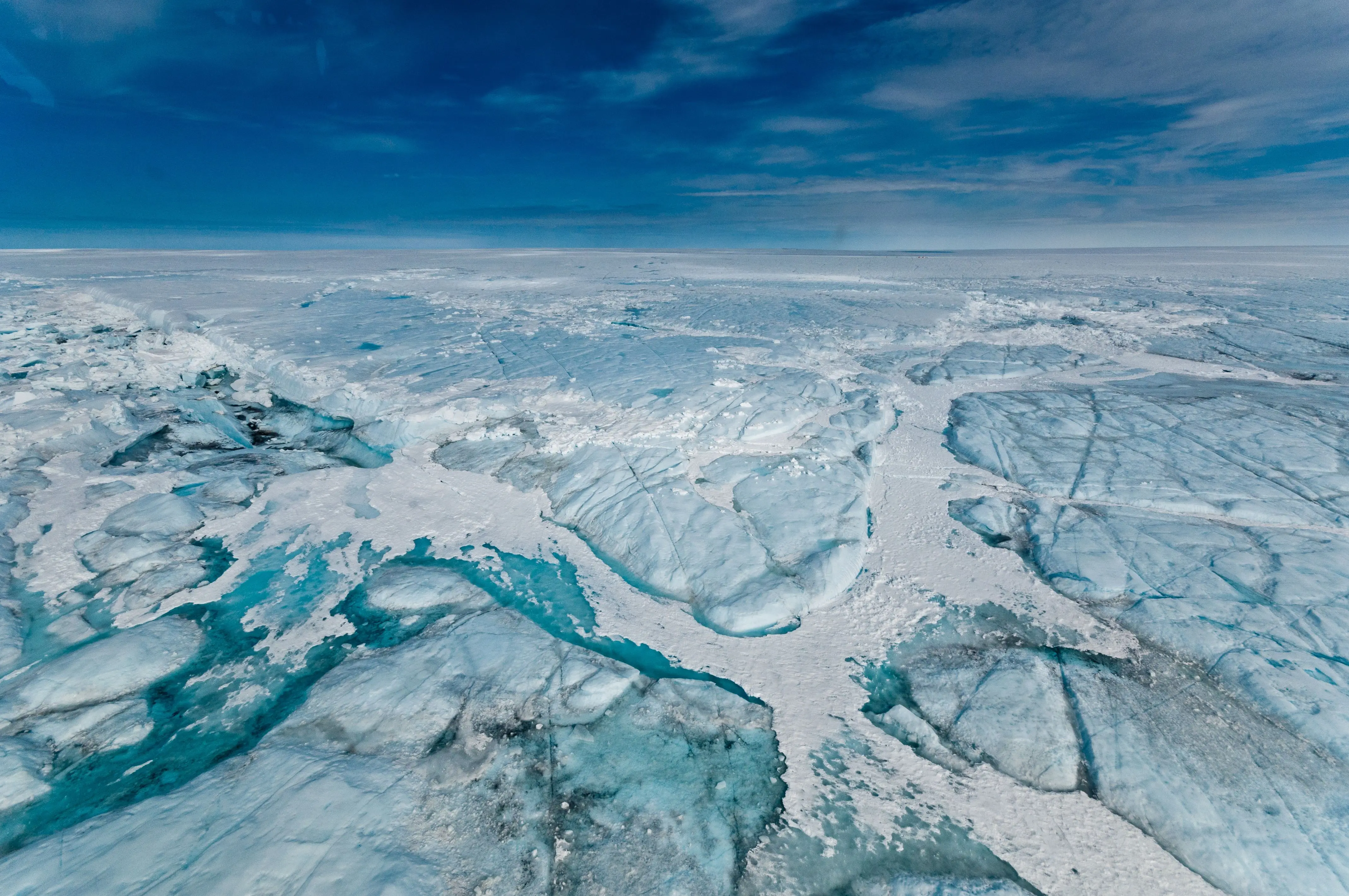
Exploding lakes: Supraglacial lakes drain in hours
Massive lakes of meltwater form on the surface, but they can vanish overnight. When the ice beneath them cracks, the entire lake drains into the sheet in a matter of hours, releasing energy equivalent to an atomic bomb and fracturing the surface for miles.
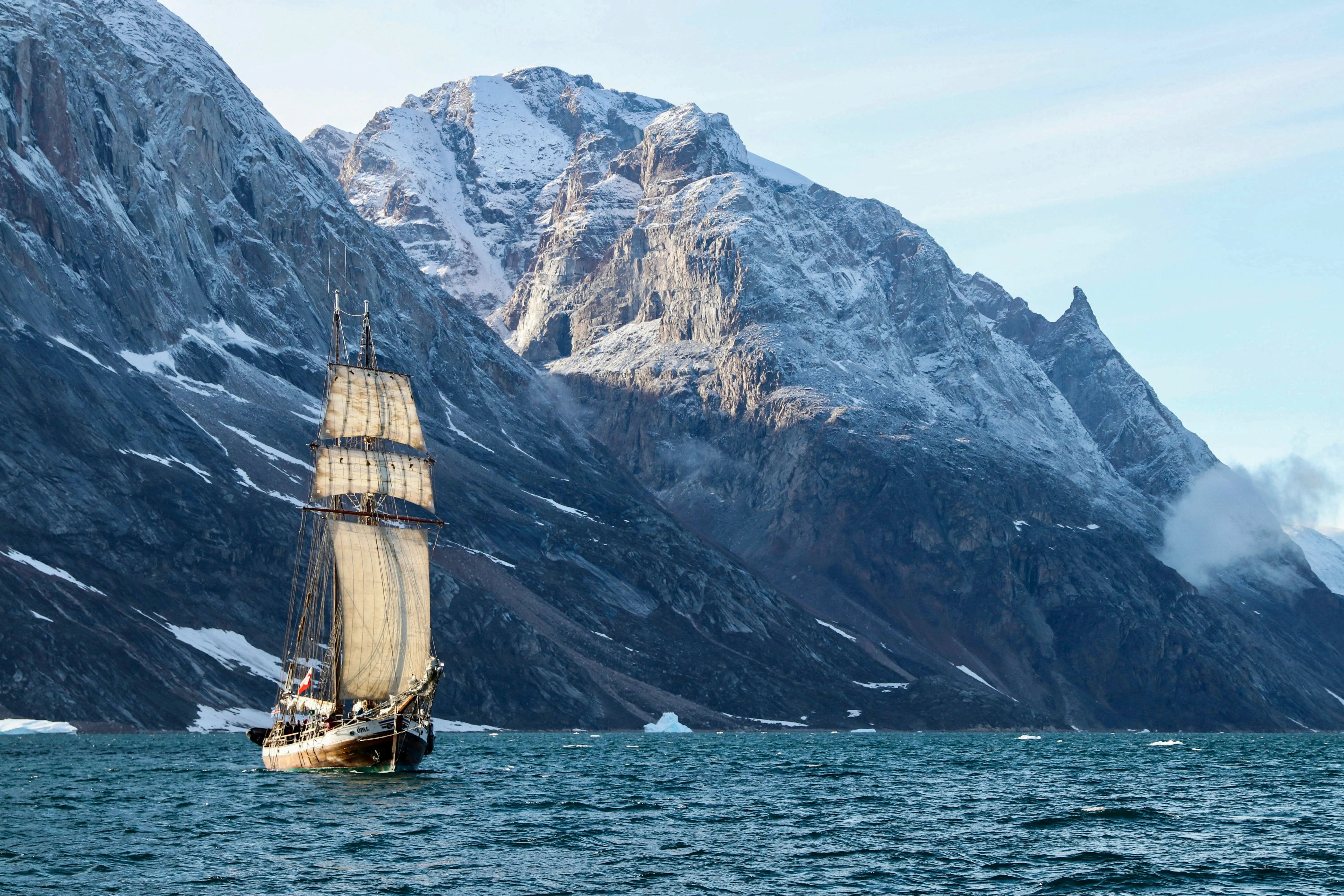
Total whiteouts Losing the horizon
Storms can create 'whiteout' conditions where the sky and ground blend perfectly. In this disorientation, explorers lose all sense of direction and balance, often walking in circles or stumbling into hazards they physically cannot see.
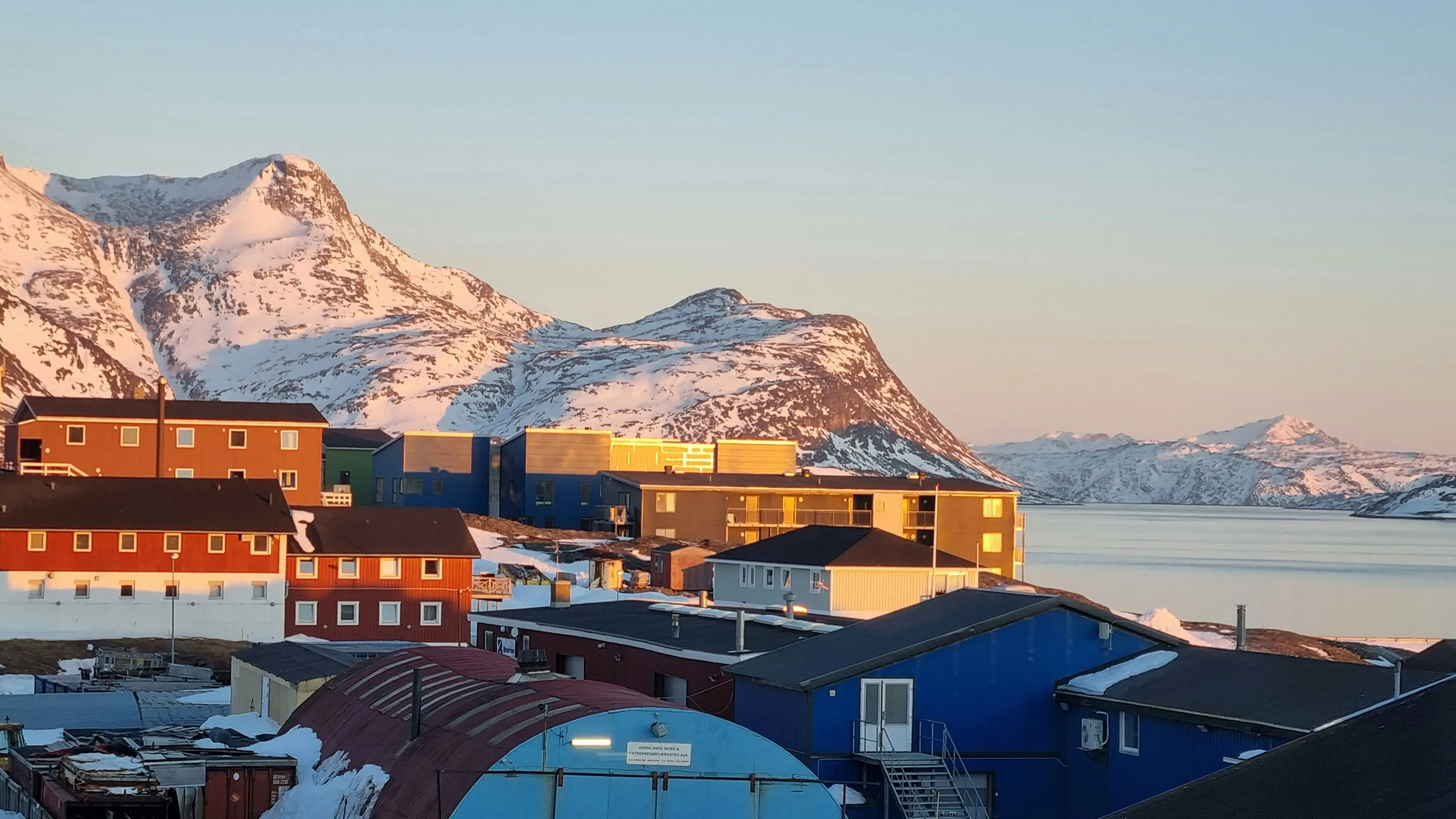
The Apex Predator Polar bears on the ice
While they mostly hunt on sea ice, polar bears frequently venture onto the ice sheet's edges. As climate change melts their coastal habitat, these starving 500kg predators are moving further inland, posing a lethal threat to anyone in their path.
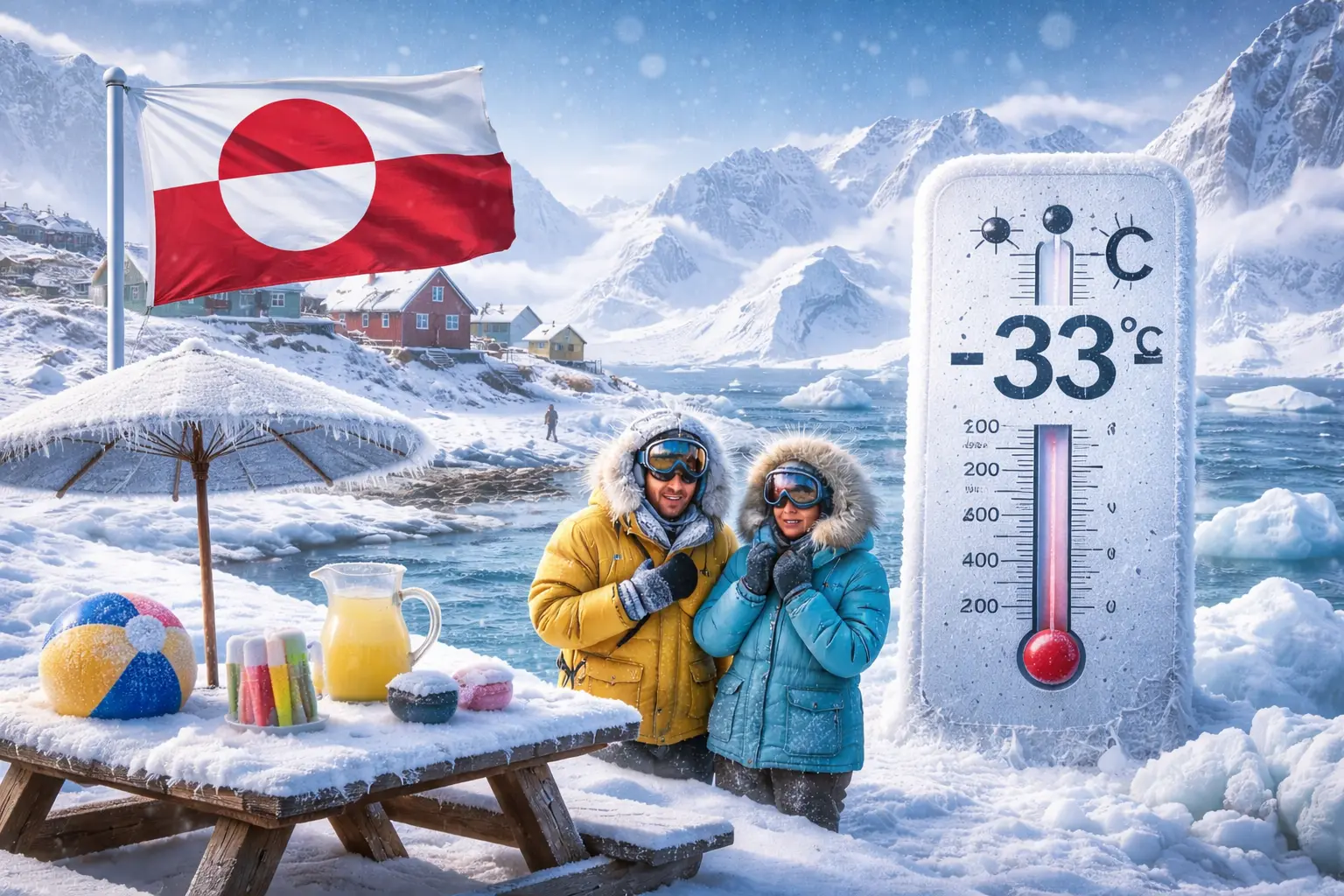
The ice sheet is roughly 2,400 kilometres
The ice sheet is roughly 2,400 kilometres long with zero infrastructure. If an accident happens deep in the interior, rescue helicopters are hours or even days away, meaning minor injuries or equipment failures often turn into fatal disasters.
)
)
)
)
)