'6,670-tonne stealth frigate armed with BrahMos': What makes India’s indigenous INS Taragiri the ultimate naval weapon?

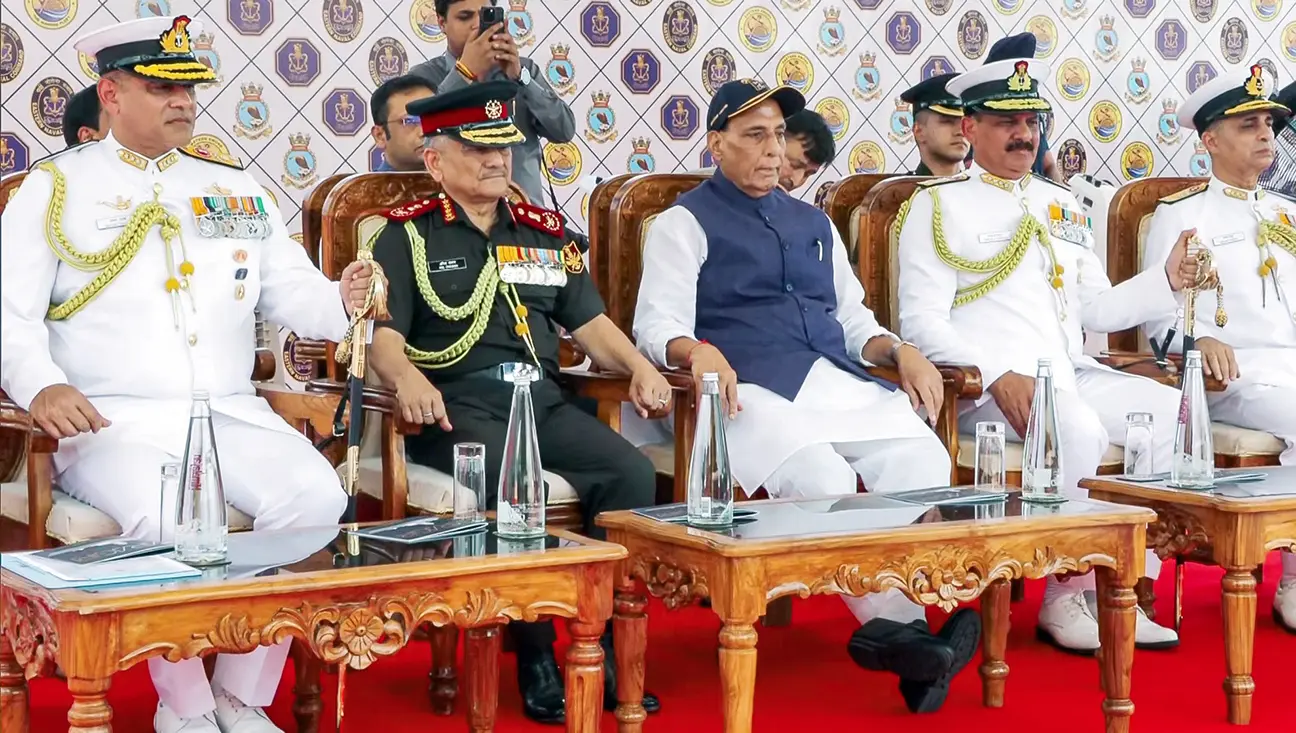
Defence Minister Rajnath Singh described the move as one that will “strengthen our Navy’s power, values, and commitment,” underlining its role in safeguarding national interests.
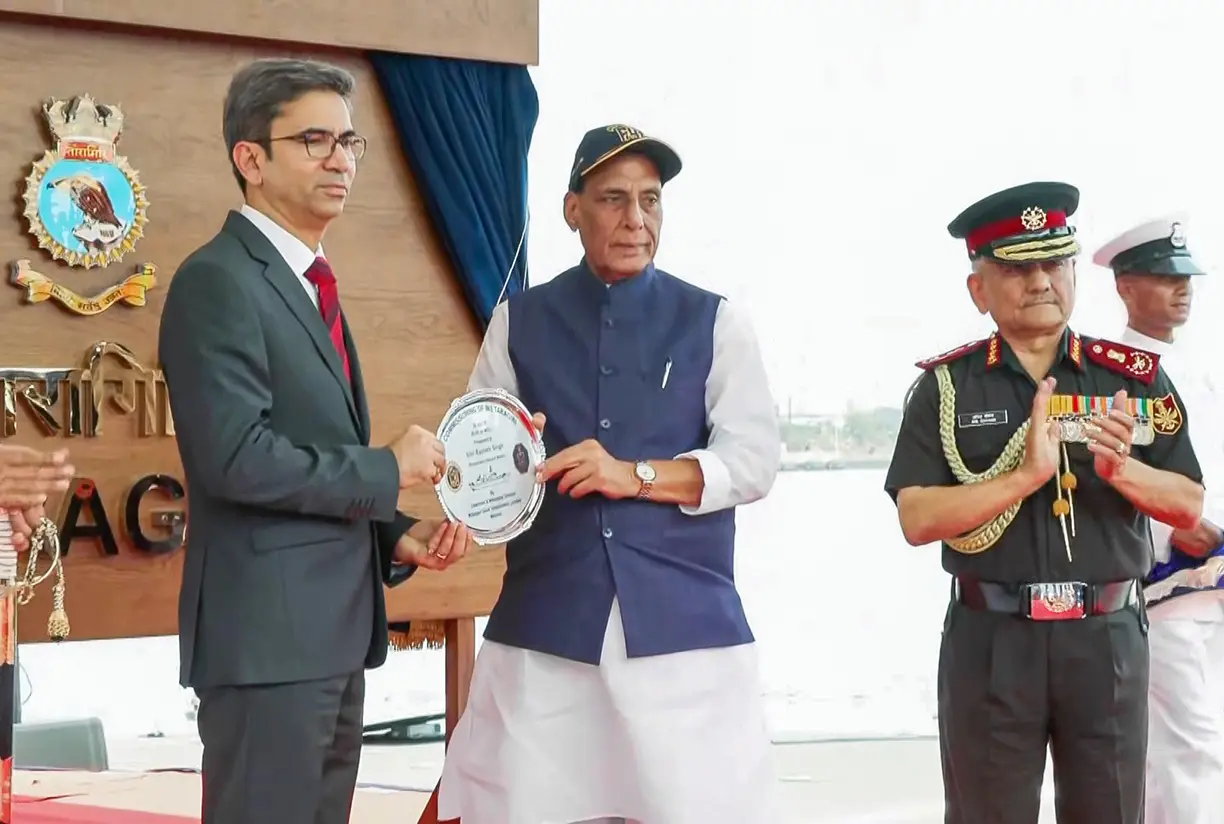
A major boost to India’s naval power
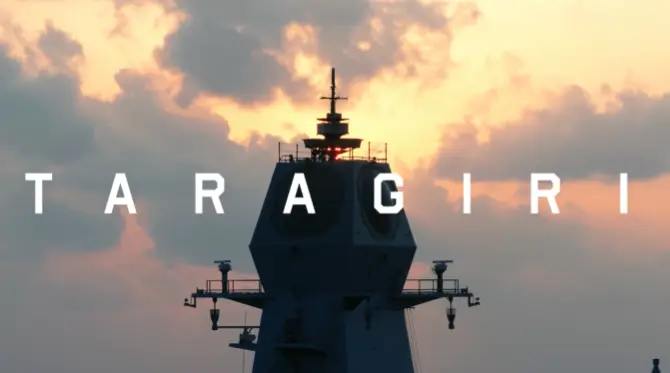
India has commissioned its latest stealth frigate, INS Taragiri (F41), in Visakhapatnam, marking a significant step in strengthening maritime capability. The induction comes amid rising strategic importance of the Indo-Pacific and reflects India’s push towards self-reliant defence manufacturing. Defence Minister Rajnath Singh described the move as one that will “strengthen our Navy’s power, values, and commitment,” underlining its role in safeguarding national interests.
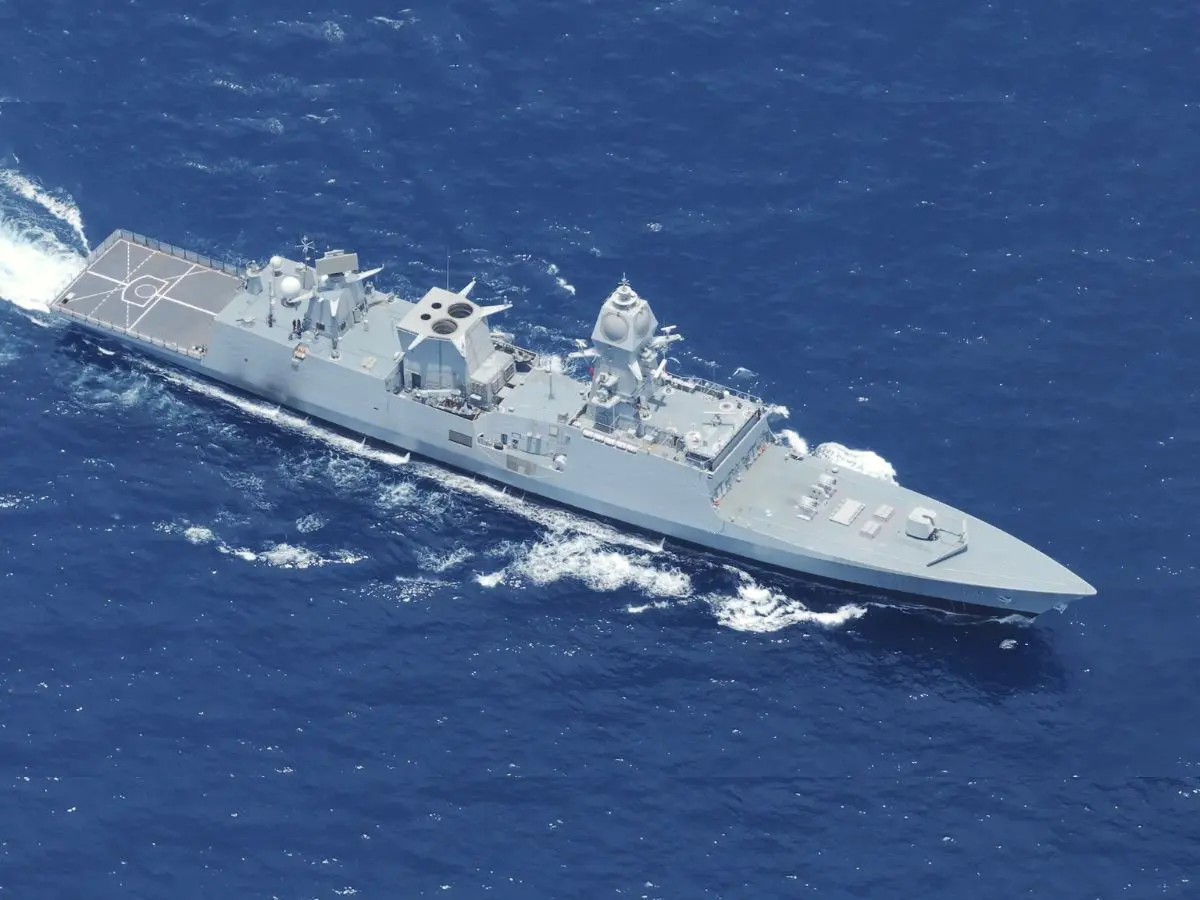
A next-generation indigenous warship
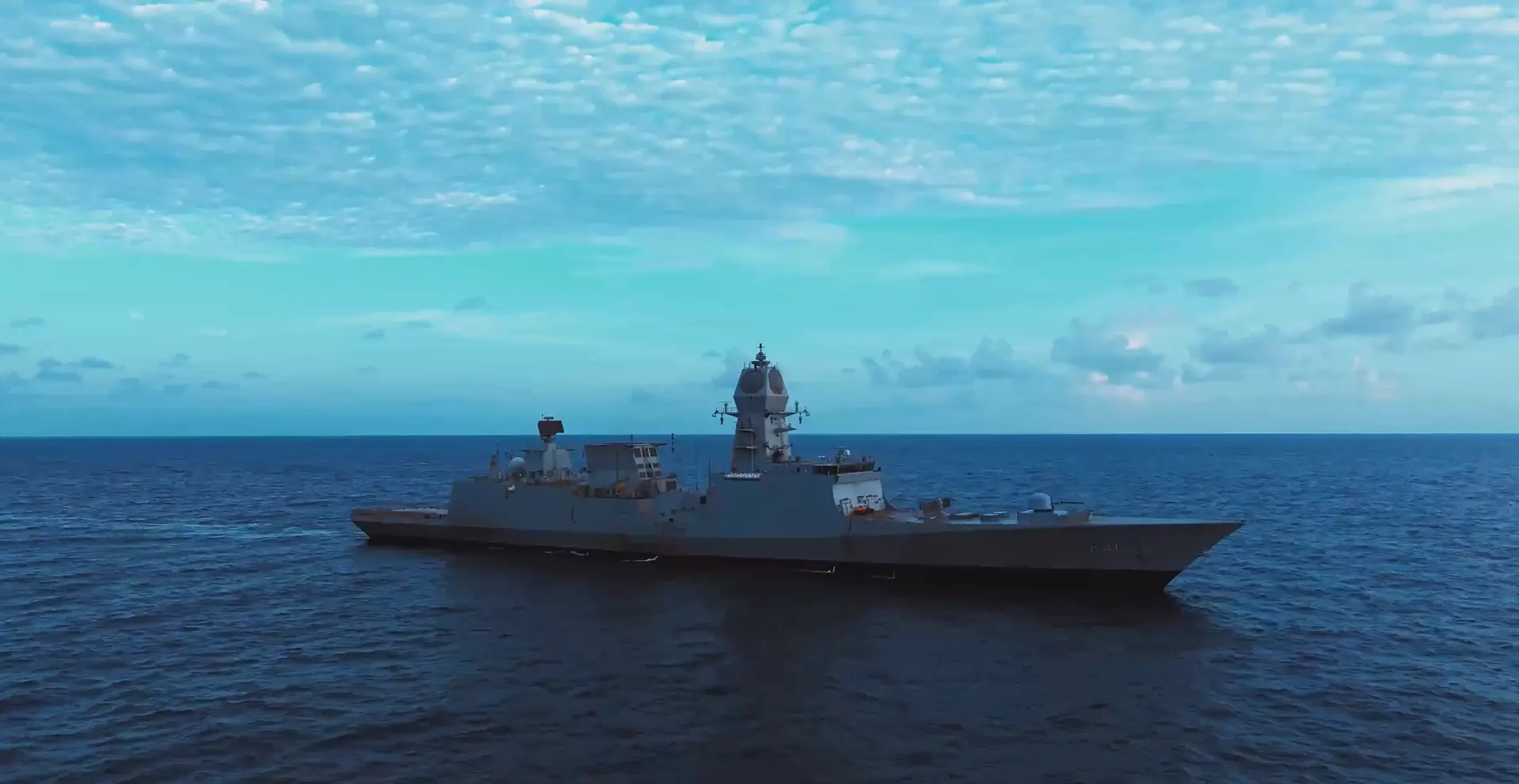
Taragiri is the fourth vessel under Project 17A and displaces around 6,670 tonnes. Built by Mazagon Dock Shipbuilders Limited in Mumbai, the frigate has more than 75 per cent indigenous content. The project has involved over 200 MSMEs, showcasing the depth of India’s domestic defence ecosystem and aligning with the government’s Aatmanirbhar Bharat initiative.
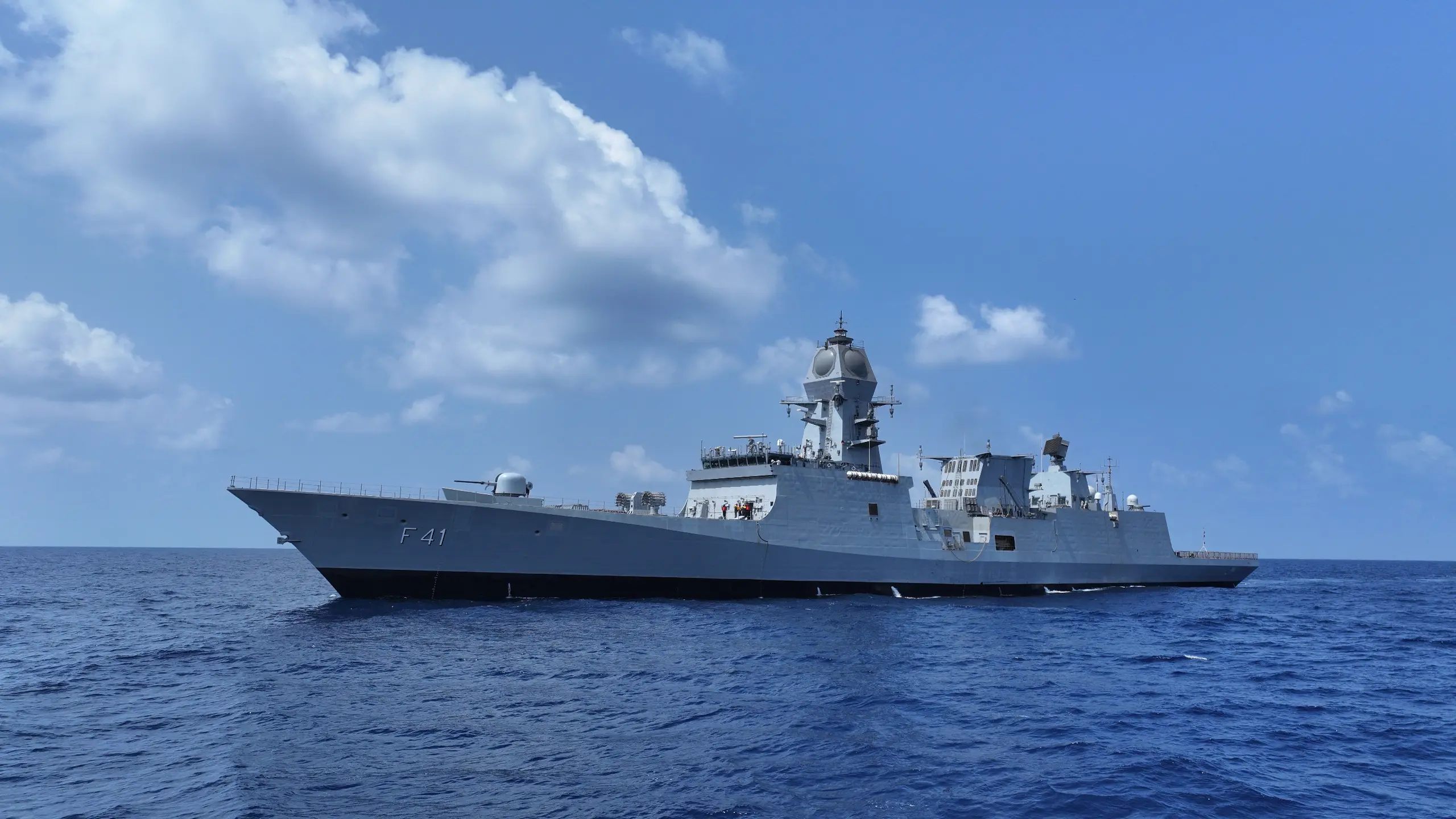
Stealth design and advanced technology
The warship represents a generational leap in design, with a significantly reduced radar cross-section and a sleeker structure that enhances stealth capabilities. Its combat systems include advanced sensors, MF-STAR radar and integrated platforms that allow real-time threat detection and response. Captain Gopal noted, “I can proudly say that the stealth frigate Taragiri is among the most advanced ships in the world.”
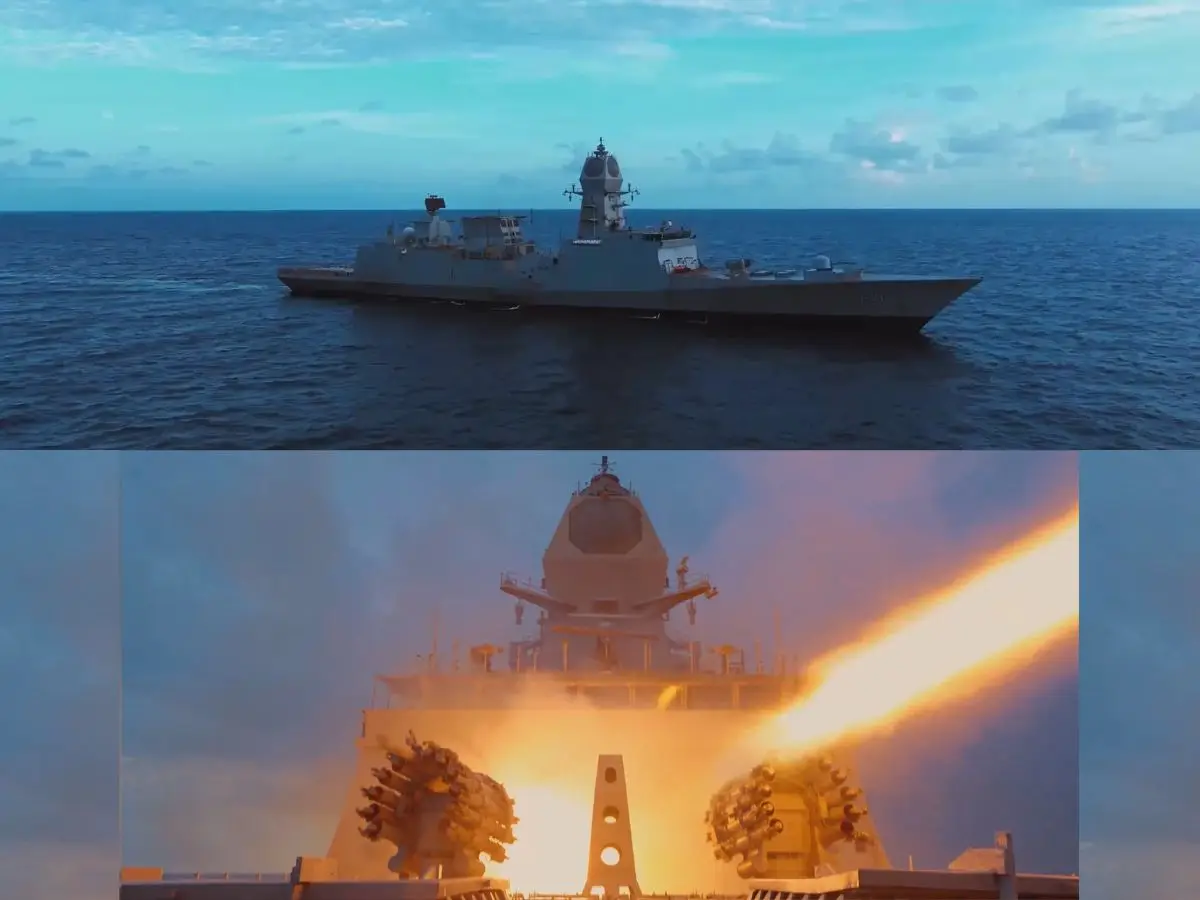
Weapon suite
Taragiri is equipped with a powerful weapons suite, including supersonic BrahMos surface-to-surface missiles, medium-range surface-to-air missiles, torpedoes and anti-submarine warfare systems. Powered by a Combined Diesel or Gas (CODOG) propulsion system, it is designed for high-speed, high-endurance operations.
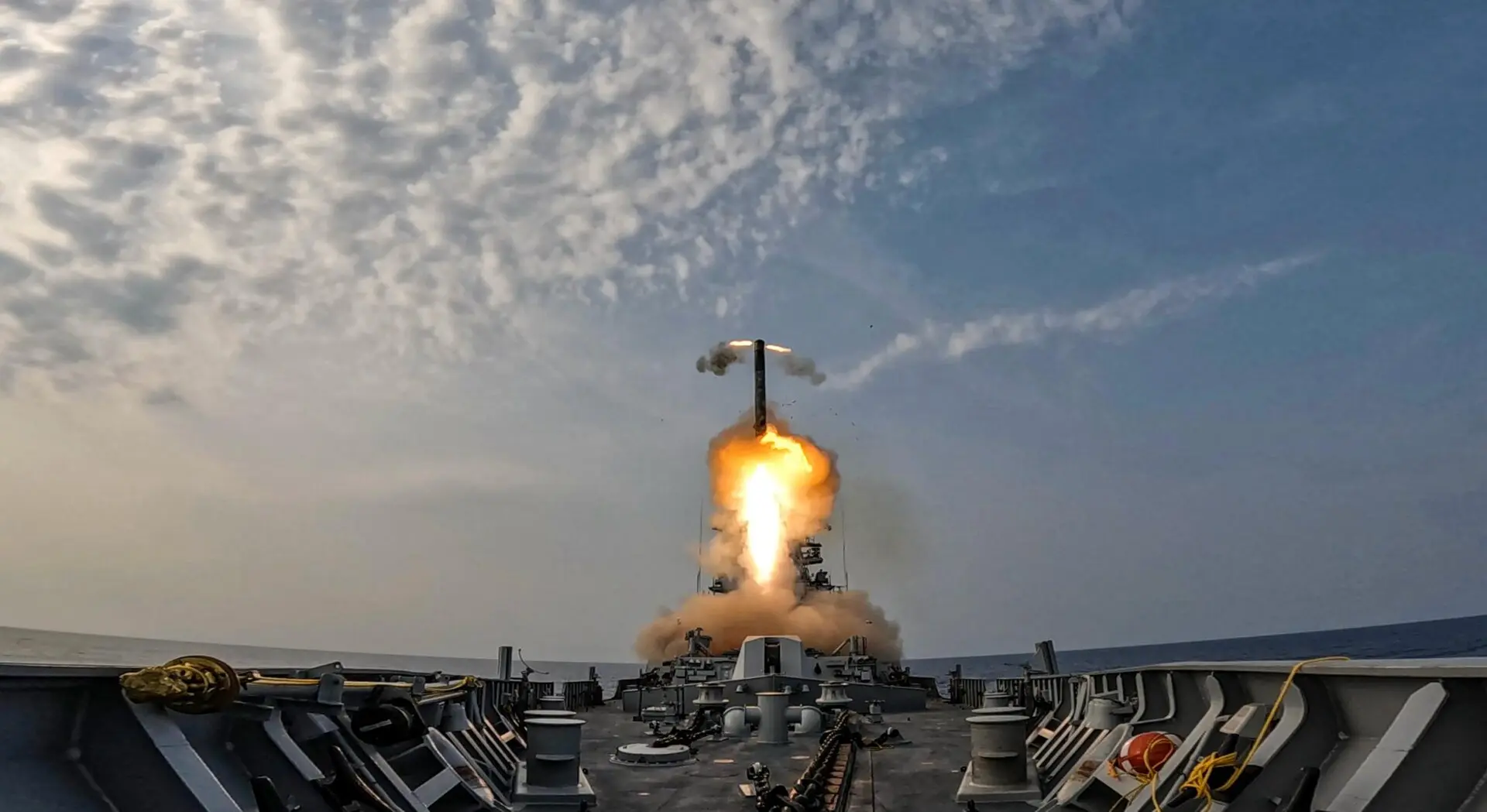
BrahMos and multi-domain combat capability
Naval officers said the ship can “seamlessly undertake anti-aircraft, anti-surface and anti-submarine missions” across multiple domains. These systems are seamlessly integrated through a state-of-the-art Combat Management System, ensuring that the crew can respond to threats with split-second precision.
Humanitarian Assistance
Beyond combat, Taragiri is designed for a wide range of missions, including Humanitarian Assistance and Disaster Relief (HADR). With India’s 11,098-kilometre coastline and 95 per cent of trade dependent on maritime routes, the Navy’s role remains critical.
Strategic role
Singh emphasised that maritime strength is essential to India’s development, noting that the Navy continues to maintain presence from the Persian Gulf to the Malacca Strait, responding to crises and supporting global stability.
INS Aridhaman Joins Indian Navy Fleet
Alongside Taragiri, the Indian Navy also commissioned INS Aridhaman, a nuclear‑powered ballistic missile submarine (SSBN) that bolsters India’s sea‑based nuclear deterrent. The vessel is the third indigenously built SSBN in the Navy’s fleet, following INS Arihant and INS Arighaat, and its induction means India now has three operational SSBNs, enabling a continuous at‑sea deterrence posture for the first time. INS Aridhaman displaces around 7,000 tonnes and can carry ballistic missiles, forming a key component of India’s strategic nuclear triad. Defence Minister Rajnath Singh described the submarine’s name as “not a word, but power,” reflecting its importance to national security and deterrence capabilities.
)
)
)
)
)