'50 Years at Sea': How the USS Abraham Lincoln keeps operating for decades

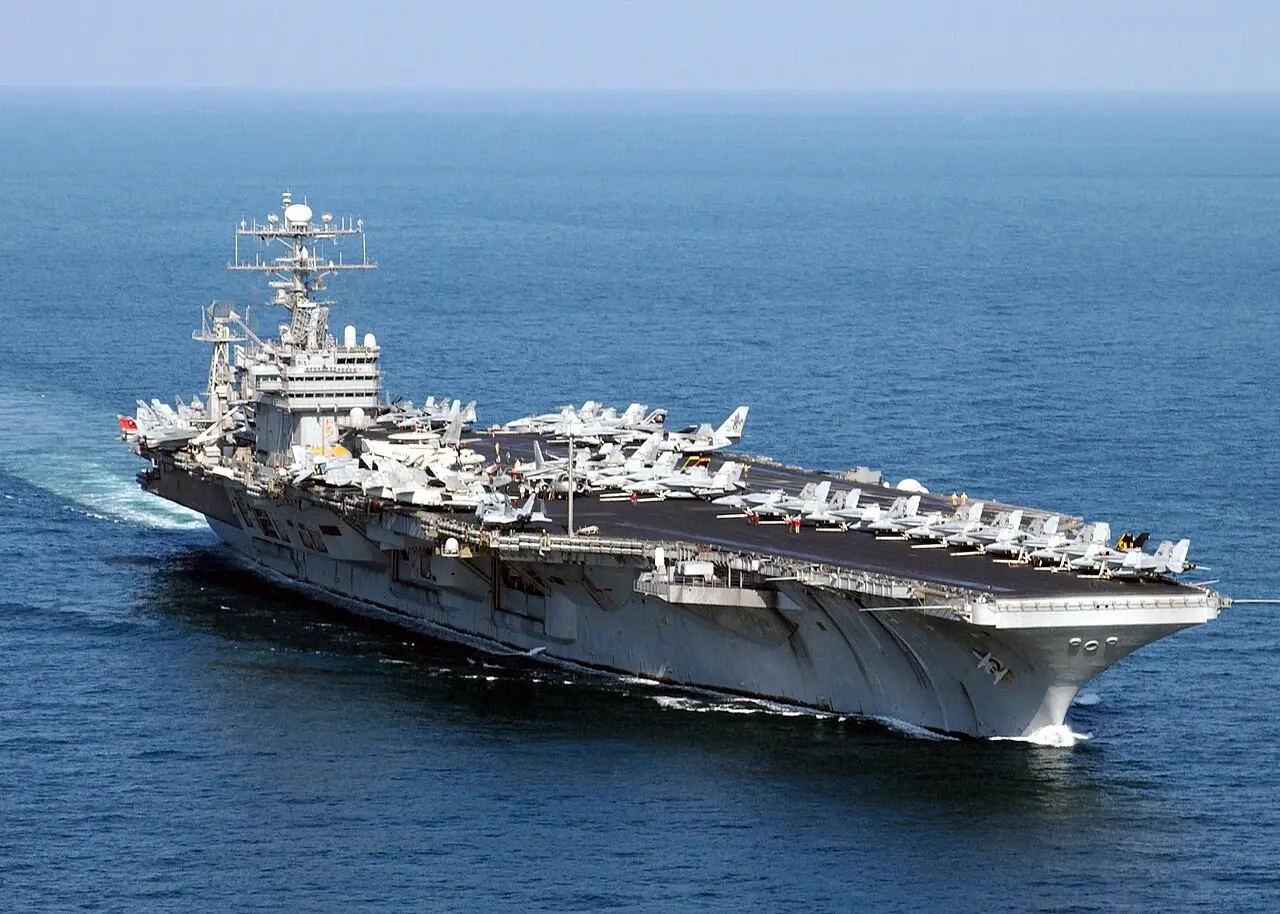
The 100,000-tonne USS Abraham Lincoln is built to serve for 50 years. Powered by two nuclear reactors, the carrier relies on a massive four-year midlife overhaul to remain combat-ready.
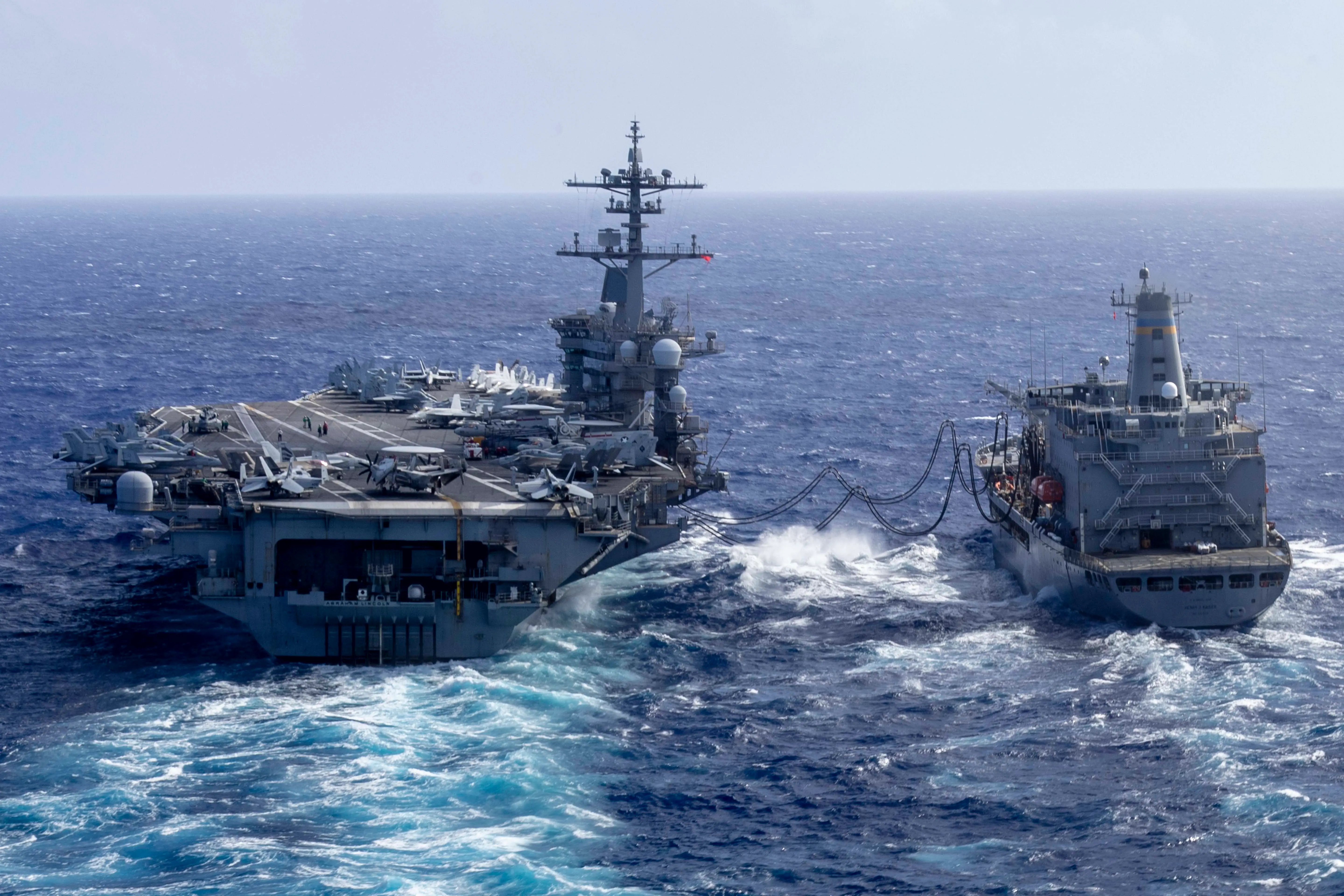
50-year service lifespan
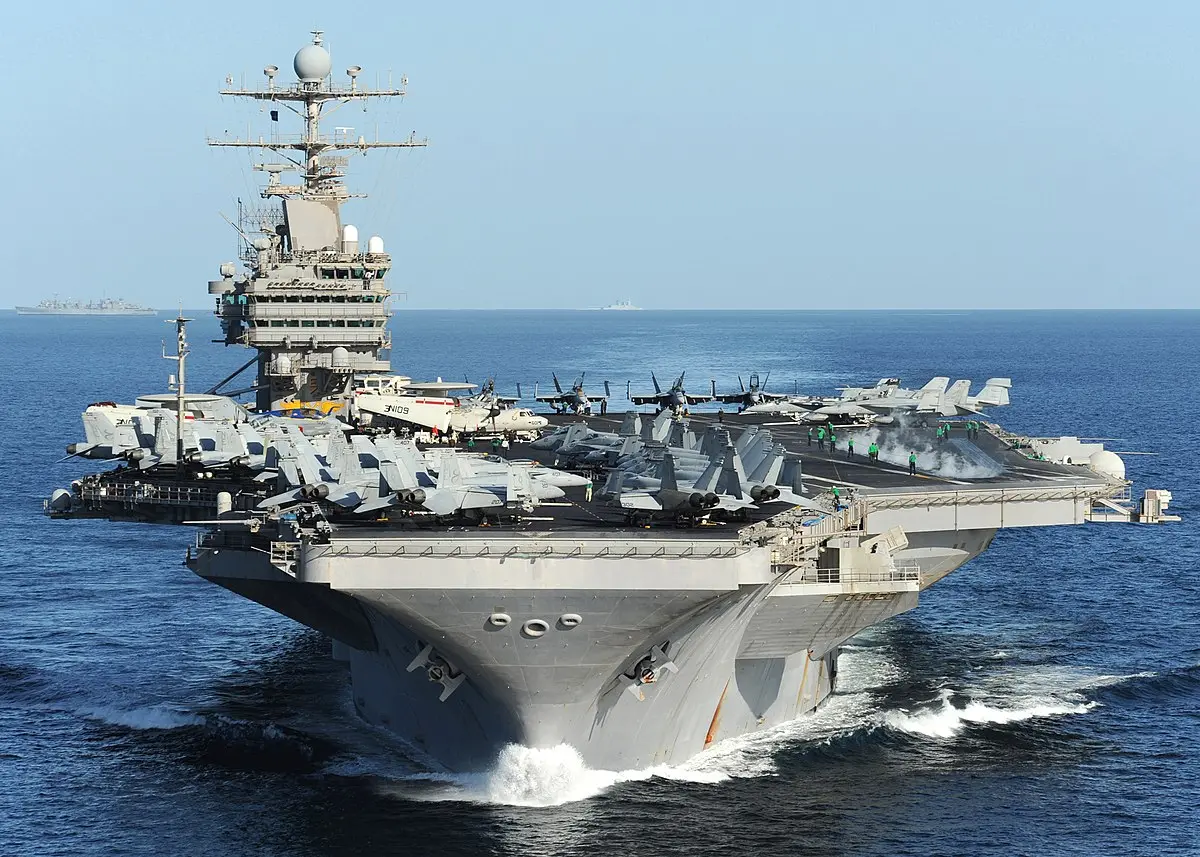
The USS Abraham Lincoln was commissioned in 1989 as the fifth Nimitz-class aircraft carrier. The United States Navy designed the massive warship to remain operational for exactly five decades. It requires extreme maintenance and planning to reach this maritime milestone.
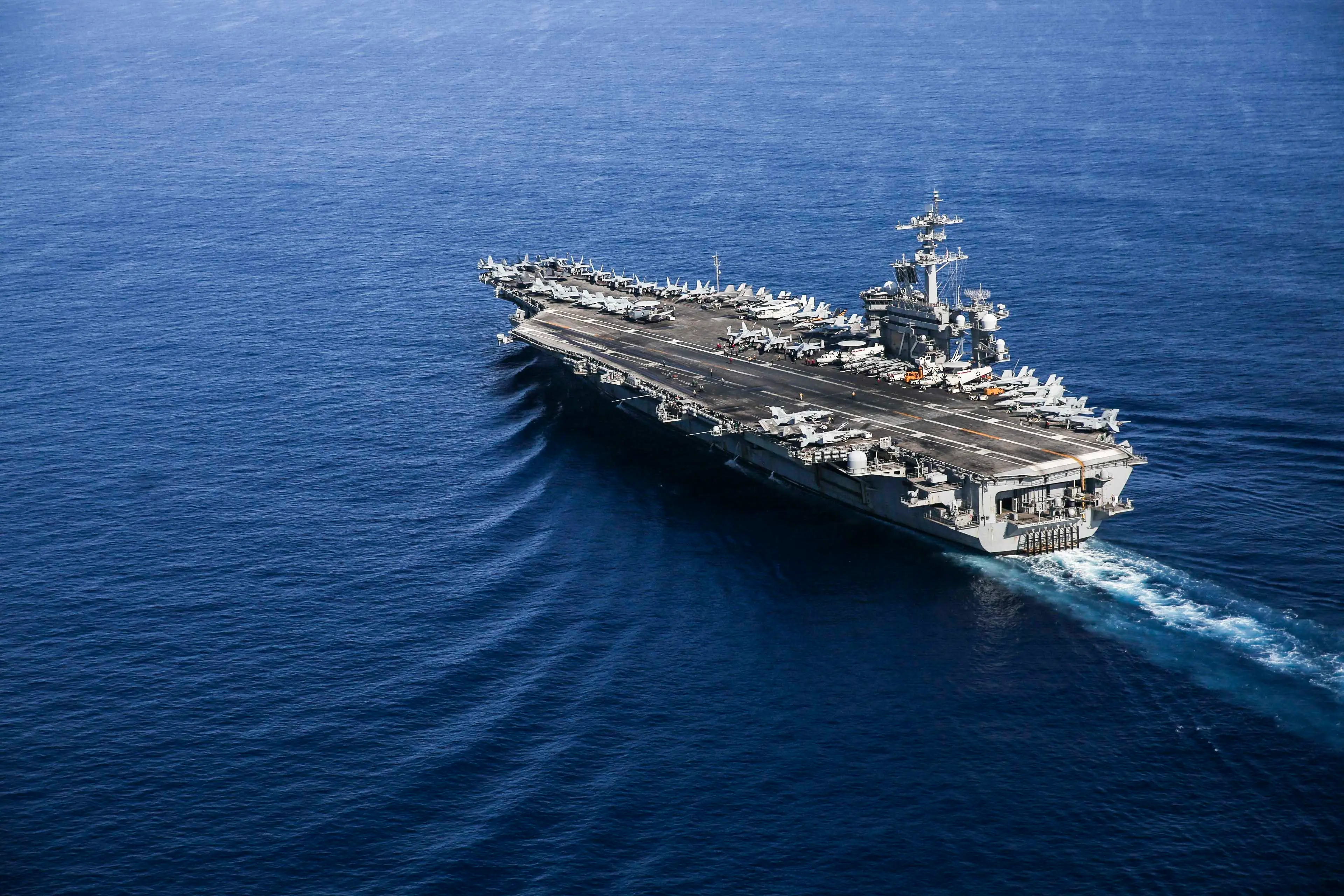
2 advanced nuclear reactors
Two Westinghouse A4W nuclear reactors provide the primary propulsion for the entire vessel. These systems generate 260,000 shaft horsepower for the aircraft carrier. This allows the ship to sail indefinitely without requiring conventional fossil fuels for its own engines.
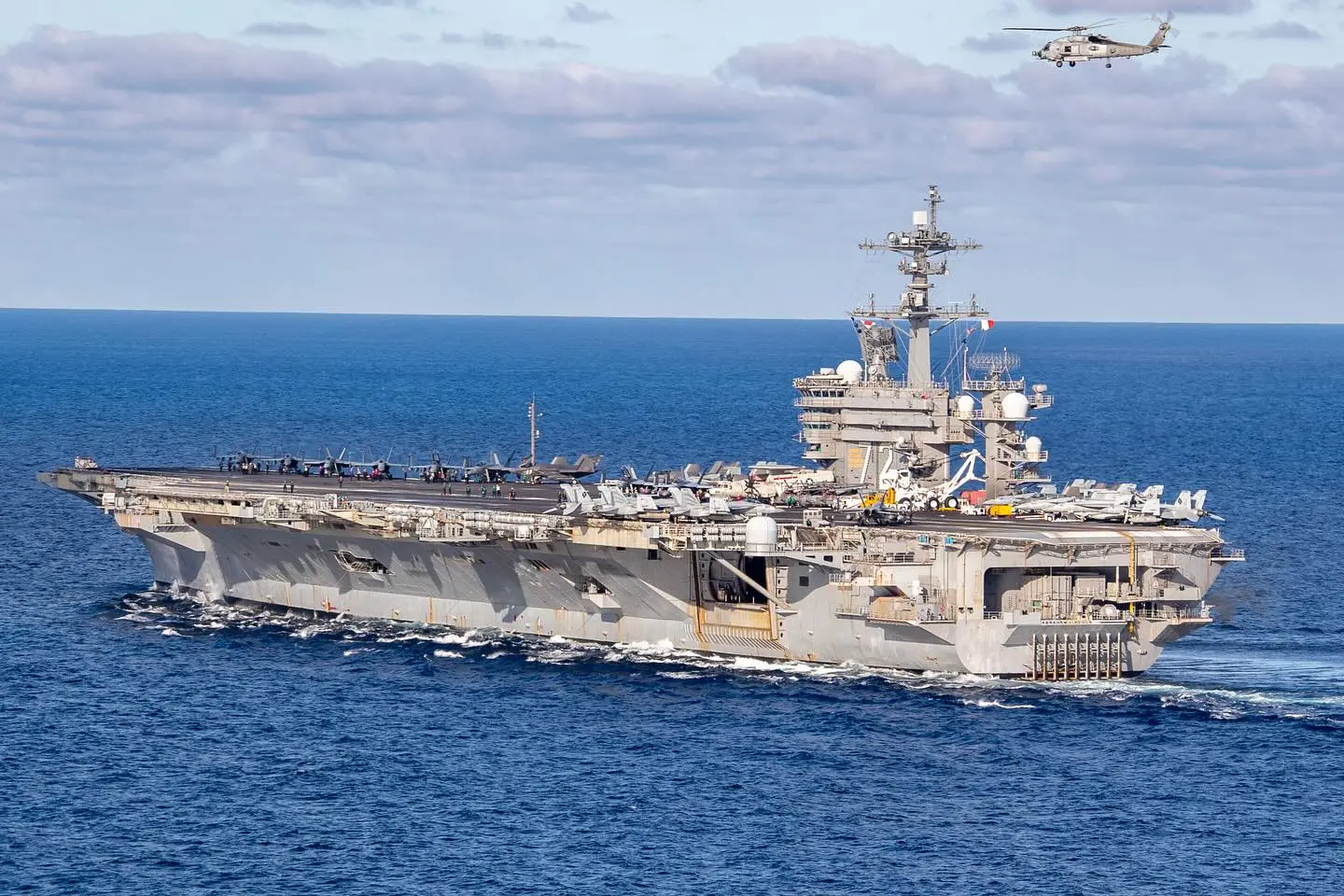
25 years without refuelling
The onboard nuclear reactors are highly efficient and operate continuously for 25 years. This unique engineering allows the carrier to deploy rapidly across the globe. It never needs to stop at a foreign port to load ship propulsion fuel.
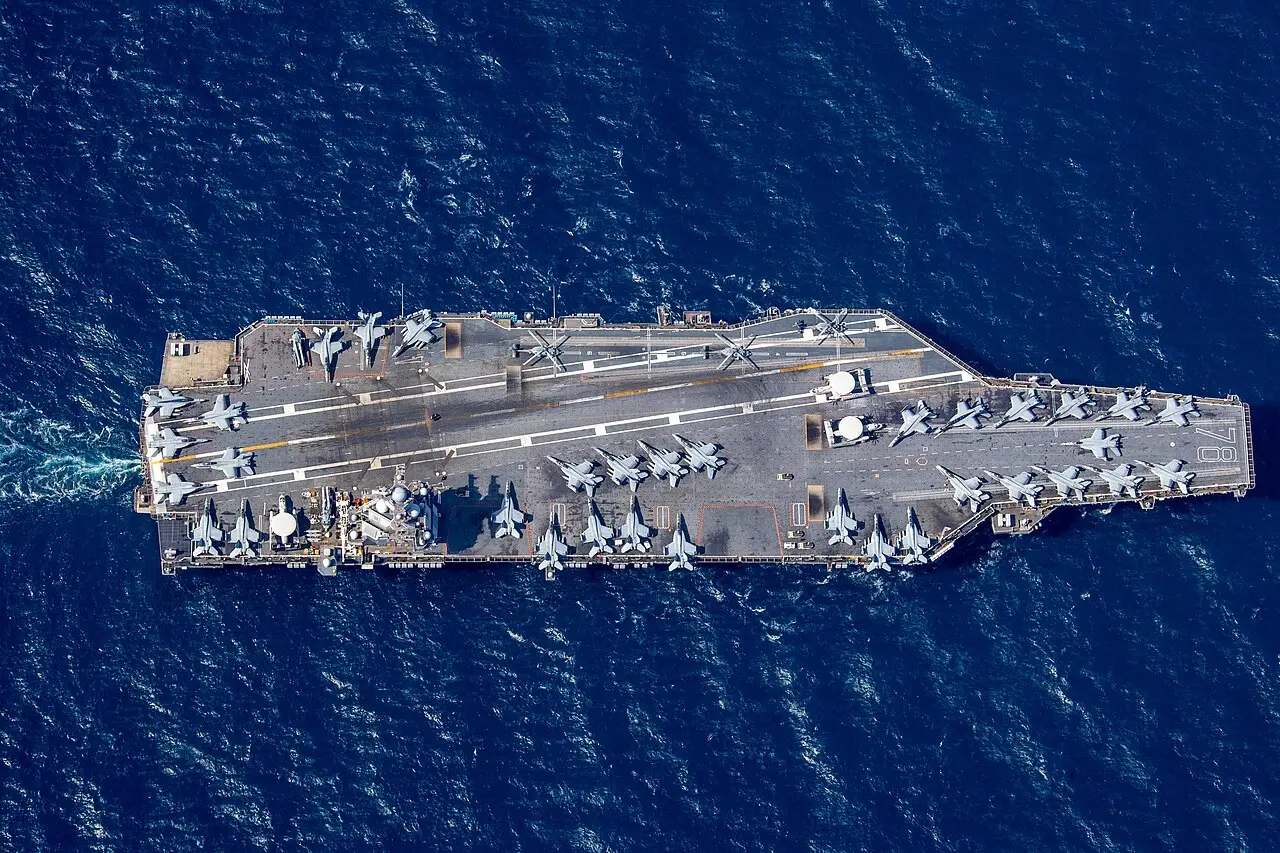
4-year midlife overhaul
At the 25-year mark, the carrier undergoes a mandatory Refuelling and Complex Overhaul. Engineers safely remove the depleted nuclear fuel from the ship's reactors. They replace it with fresh uranium to power the vessel for its remaining 25 years.
49 months in drydock
During this midlife upgrade, the ship spent nearly 49 months in a Virginia drydock. Defence contractors installed new radar systems and upgraded the entire flight deck. They also completely replaced thousands of miles of old electrical cables.
3 million gallons fuel
While the ship uses nuclear power, it carries roughly three million gallons of aviation fuel. This massive supply exclusively powers the onboard fighter jets and helicopters. It ensures the air wing remains fully active during high-intensity combat deployments.
5,600 crew members onboard
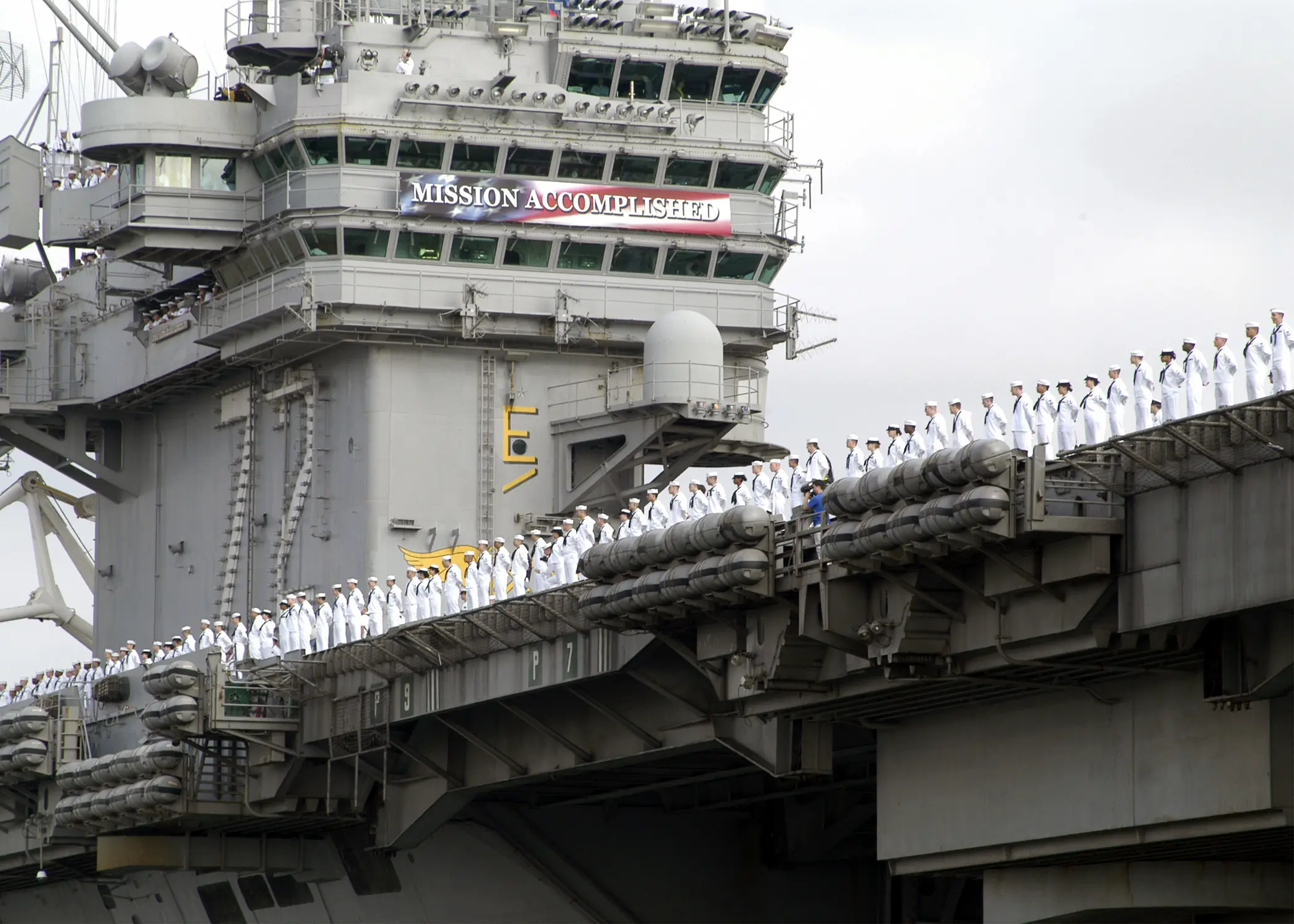
Maintaining a decades-old warship requires constant physical labour from its 5,600 sailors. The crew conducts daily rust removal and mechanical repairs while at sea. They also perform regular software updates to keep the aging systems combat-ready.
100,000-tonne displacement
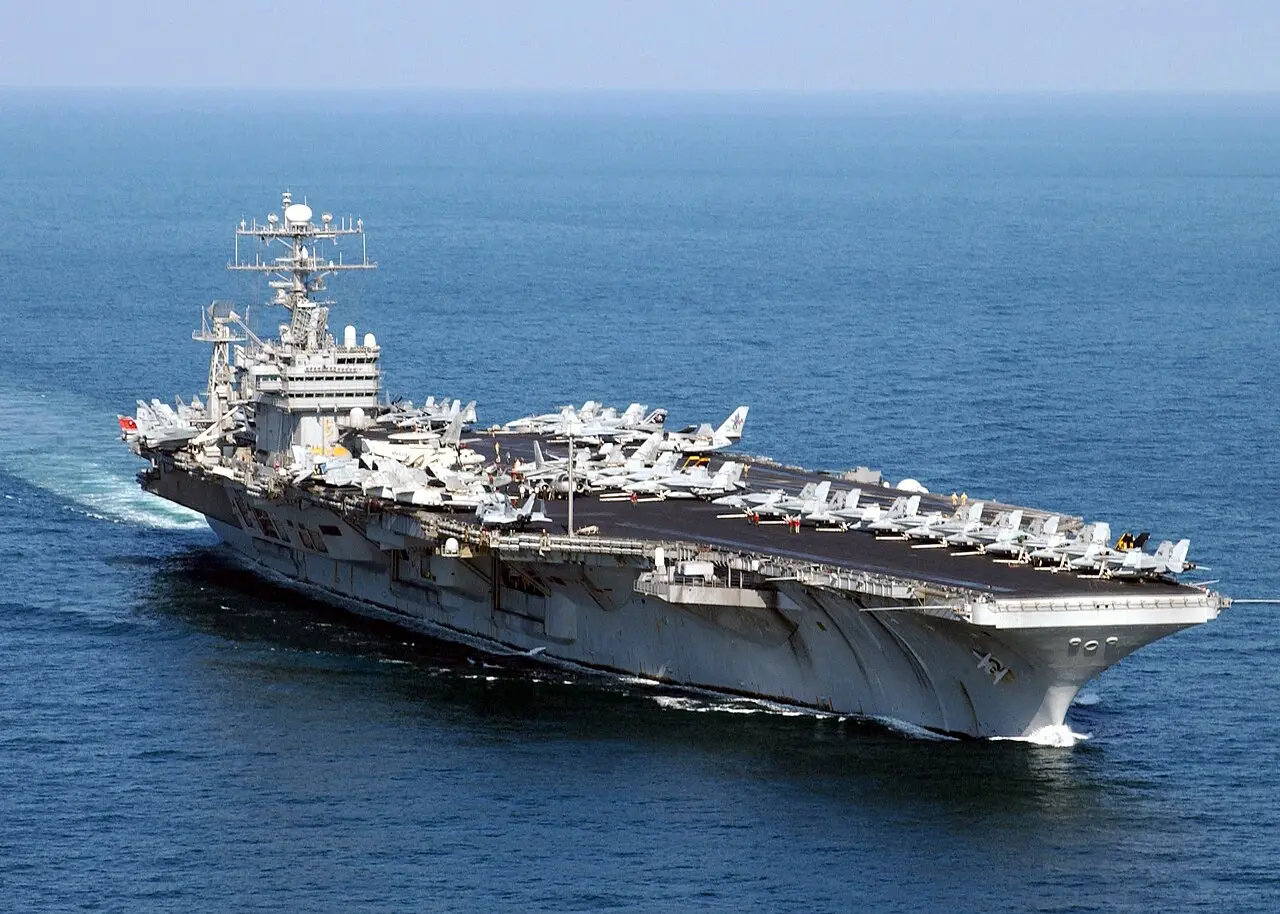
The ship features a massive high-tensile steel hull, giving the fully loaded carrier a 100,000-tonne displacement. This structure is specifically designed to withstand decades of harsh saltwater corrosion. Regular structural assessments ensure the metal frame remains completely intact during heavy seas and combat operations..
90 aircraft combat capacity
Despite its age, the carrier regularly updates its steam catapults to launch modern military aircraft. It currently supports a highly advanced mix of F-35C stealth fighters. The ship also carries F/A-18 Super Hornets for critical Middle East operations
130 daily combat sorties
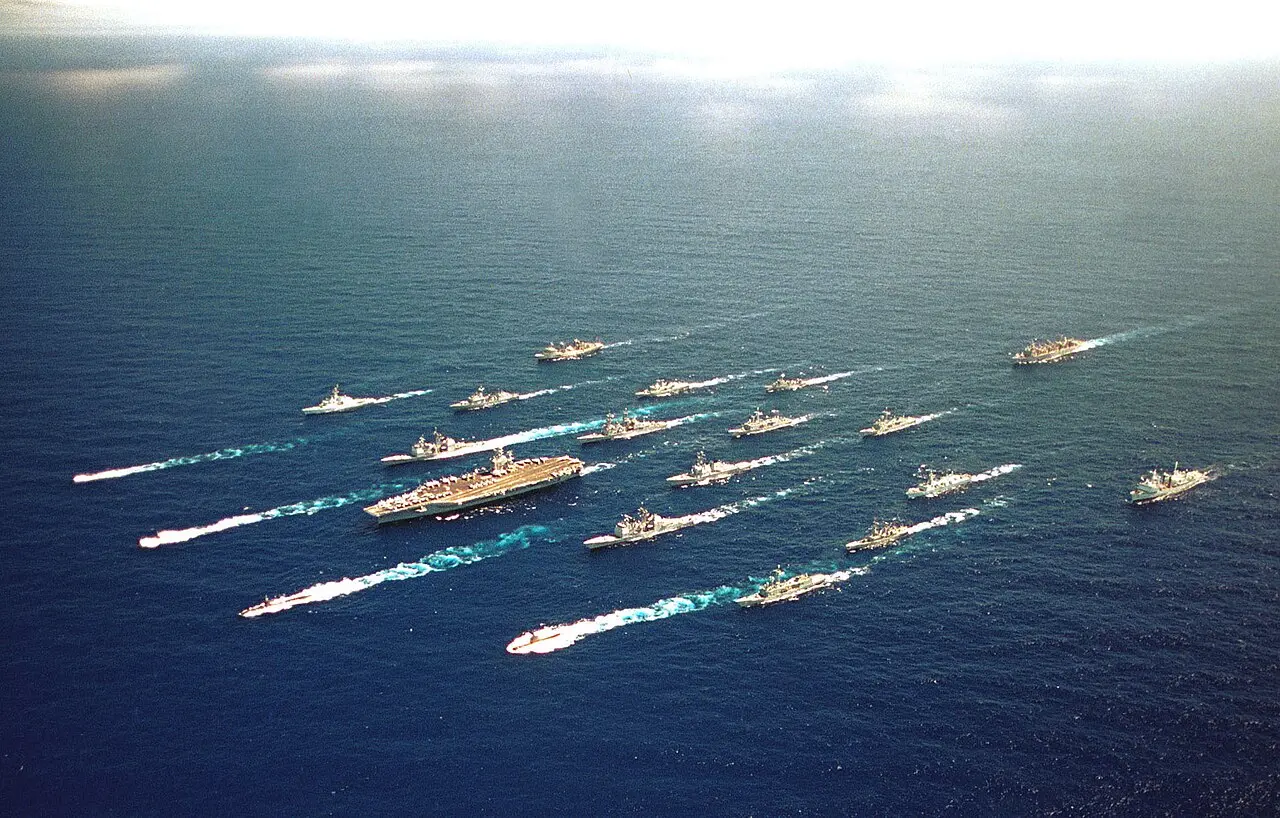
Half a century of engineering guarantees the ship can still launch up to 130 strike missions a day. The carrier remains a critical strategic asset in the Arabian Sea. The United States heavily relies on this upgraded vessel for international maritime security.
)

)
)
)