'5,200,000 barrels/day': Iran war pushes US close to net oil exporter status for first time since World War II

The war involving Iran has intensified concerns over global crude supply, triggering major disruption to energy markets as threats to shipping reportedly halted a significant share of oil and gas flows through the Strait of Hormuz.
Historic shift in oil balance
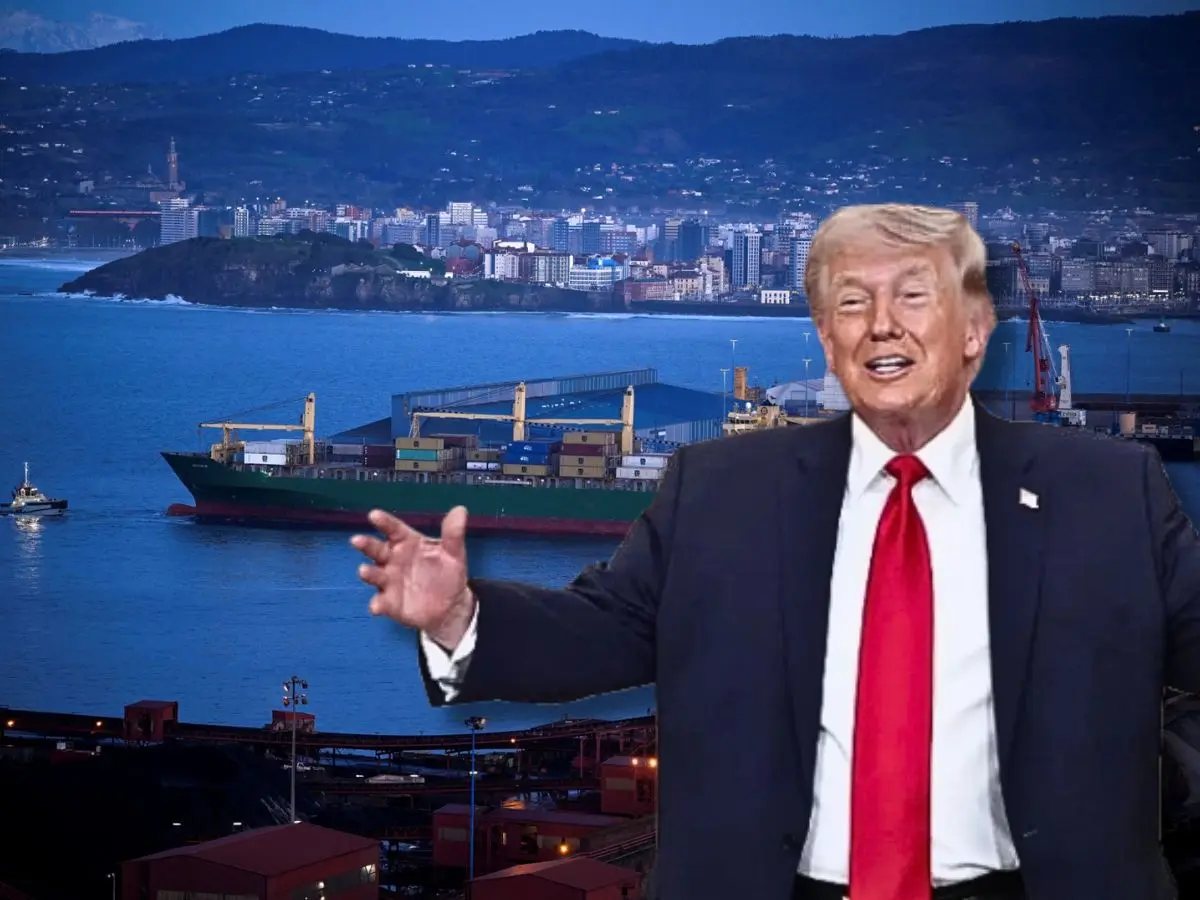
The United States is moving closer to becoming a net crude oil exporter for the first time since World War Two, as global energy flows are reshaped by the Iran conflict and sustained domestic production of around 5.2 million barrels per day. According to Reuters reporting, the shift reflects both geopolitical disruption and long-term changes in US output capacity.

Conflict-driven supply tightening
The war involving Iran has intensified concerns over global crude supply, triggering major disruption to energy markets as threats to shipping reportedly halted a significant share of oil and gas flows through the Strait of Hormuz. US forces have begun blockading and turning back vessels entering or leaving Iranian ports, as part of efforts to restrict maritime traffic linked to Iran. The White House aims to curb Iran’s oil exports by tightening access to global trade routes, increasing economic pressure amid ongoing strikes. These disruptions have raised risk premiums in oil markets, tightening supply conditions and strengthening the relative position of US exports globally.

Structural strength in US production
The United States continues to benefit from strong shale production and improved extraction efficiency. This sustained output has narrowed the gap between imports and exports, pushing the country closer to a net exporter position last consistently seen during the World War Two era, when domestic supply dominated consumption patterns. On an annual basis, the US was last a net crude exporter in 1943.
Shift in supply chains
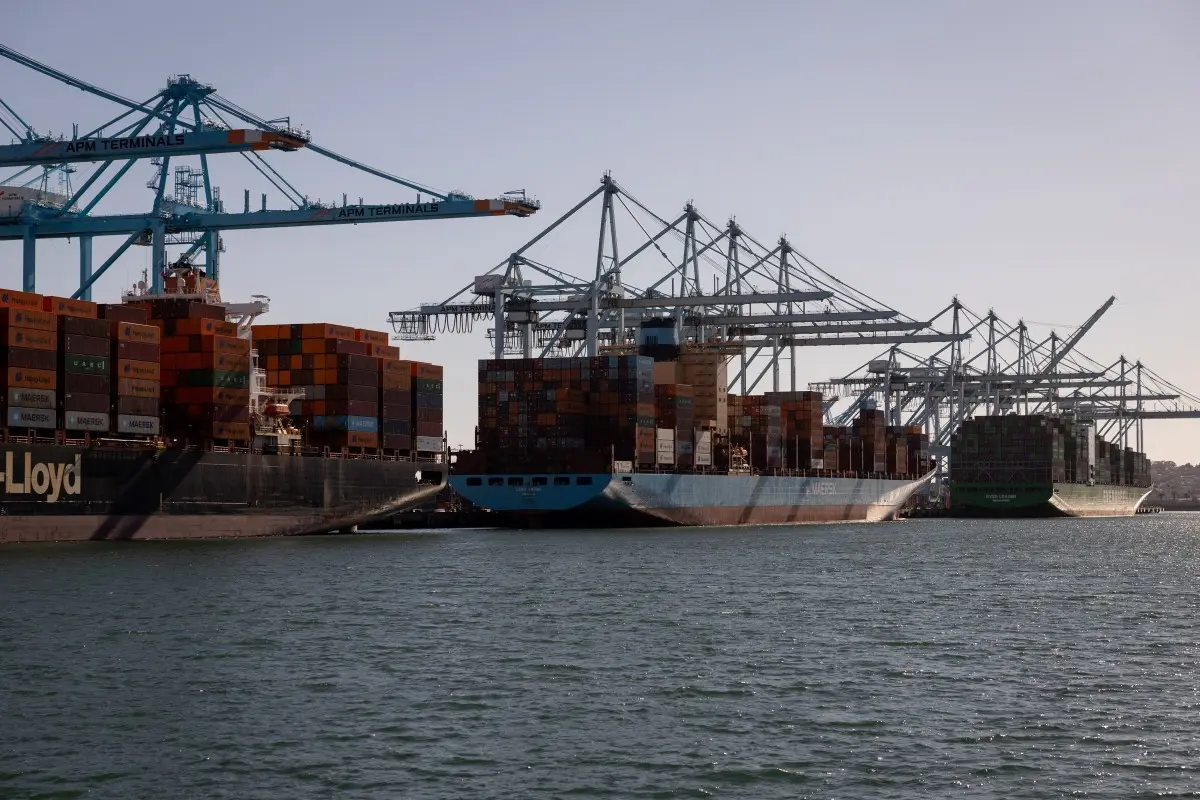
According to Reuters, refiners in Asia and Europe, dependent on disrupted supplies, have turned to alternative cargoes, sharply increasing demand for oil from the United States, the world’s largest producer. Analysts and traders, quoted by the news agency say the US is now approaching its export capacity, with net crude imports narrowing to 66,000 barrels per day last week, the lowest level on record in data dating back to 2001, according to US government figures released on Wednesday. At the same time, exports rose to 5.2 million barrels per day, the highest in seven months.

US crude exports reshape global trade routes
Energy trade routes are shifting as buyers diversify away from politically exposed suppliers. The United States has increased crude exports to Europe and Asia, filling gaps left by sanctions and OPEC+ production changes. Around 2.4 million barrels per day, or 47 per cent of US exports, went to Europe last week, while 1.49 million barrels per day, or 37 per cent, headed to Asia, up from 30 per cent a year earlier, according to Kpler data. Buyers included the Netherlands, Japan, France, Germany and South Korea. According to Reuters, a cargo of 500,000 barrels is also en route to Turkey, marking the first US shipment there in at least a year, reflecting widening global demand for US crude.
Strategic implications for energy security
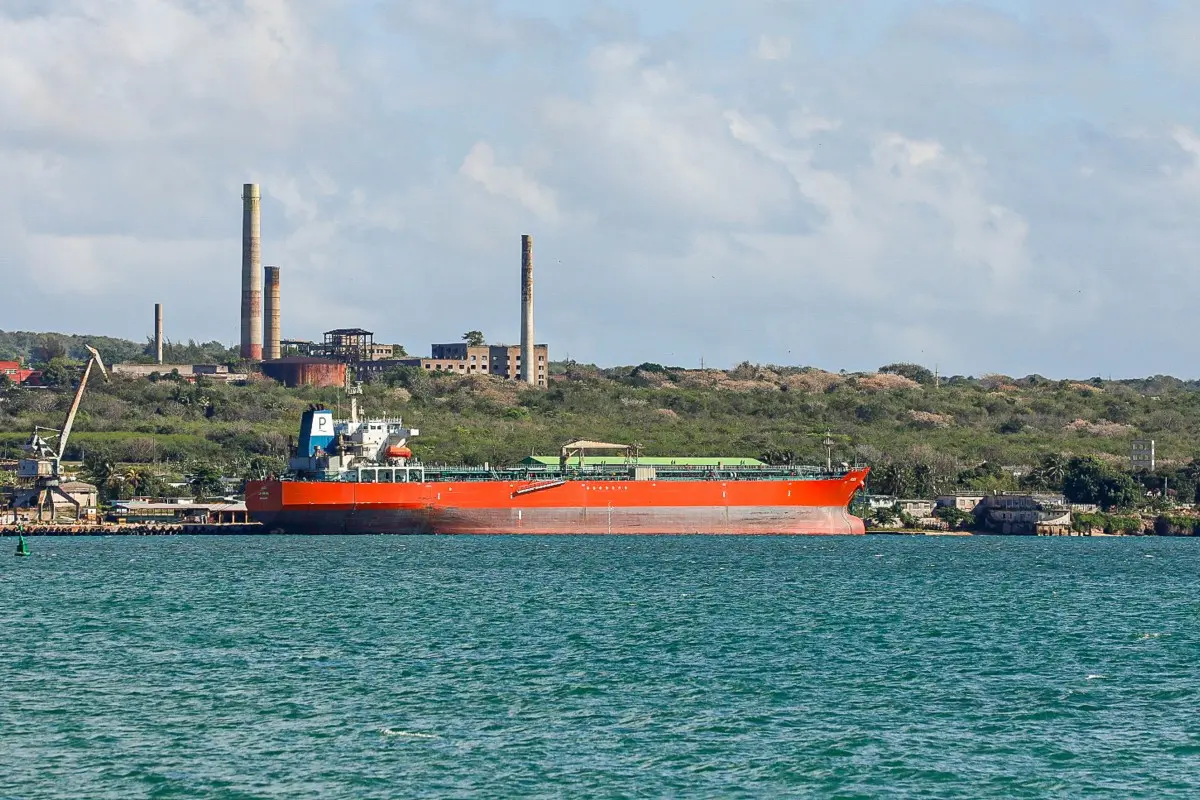
A transition to net exporter status would mark a structural shift in energy security for the United States, reducing reliance on foreign crude imports while strengthening its role as a balancing supplier in global markets during periods of disruption. Imports into the US fell by more than 1 million barrels per day to 5.3 million barrels per day last week. Despite rising exports, the US continues to import significant volumes because many refineries are configured to process heavier, more sour crude grades, unlike the lighter, sweeter crude produced domestically.
Market volatility and uncertainty
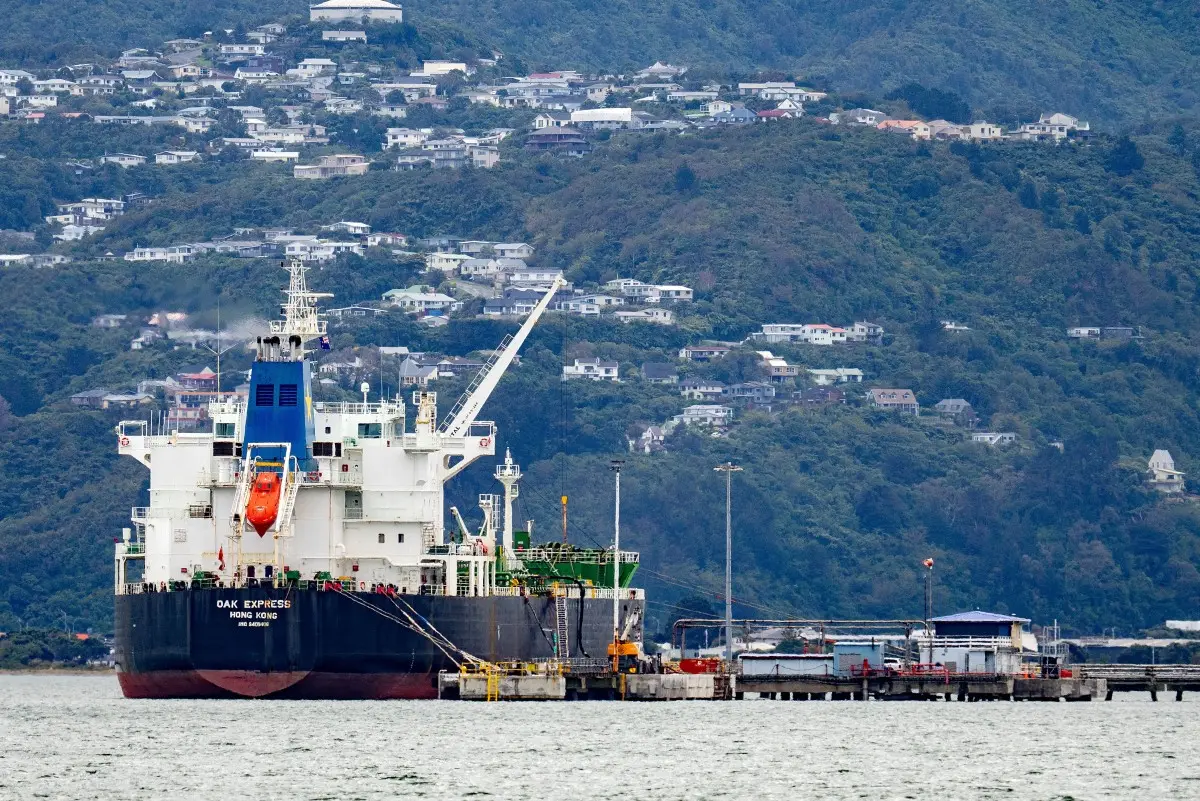
Despite the current trend, analysts caution that the balance remains sensitive. Changes in global demand, price cycles, or stabilisation in Middle Eastern supply could quickly alter the equation, given the tight linkage between geopolitical risk and oil markets.If sustained, this shift would represent the most significant transformation in US oil positioning since World War Two, when domestic production last consistently exceeded import requirements.
)
)
)
)
)