'45,000 MPH blindspot': Why NASA failed to detect Northeast Ohio's 250-ton TNT Meteor before it hit Earth

In the vacuum of space, you cannot see an asteroid unless sunlight reflects off of its surface (its albedo). A 6-foot rock made of dark, carbon-rich or metallic material reflects almost no light against the pitch-black backdrop of space.
1. The 45,000 MPH Reality Check
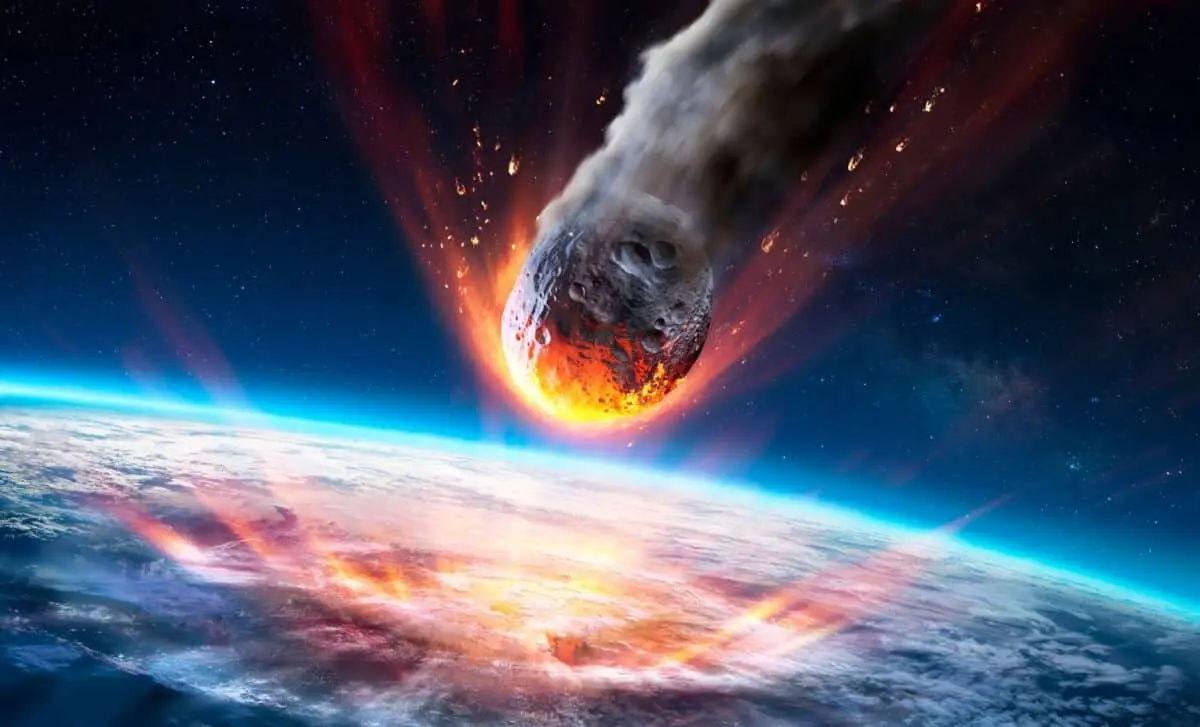
The sheer speed of this object is why early detection was almost impossible. Traveling at roughly 45,000 miles per hour (72,420 kilometers per hour), the asteroid was moving at nearly 60 times the speed of sound. At that velocity, the space rock covered the distance from the Moon to the Earth in a matter of hours. By the time it was close enough to potentially be spotted by localized arrays, it was already slamming into the upper atmosphere above Lake Erie.
2. The "City-Killer" Tracking Bias
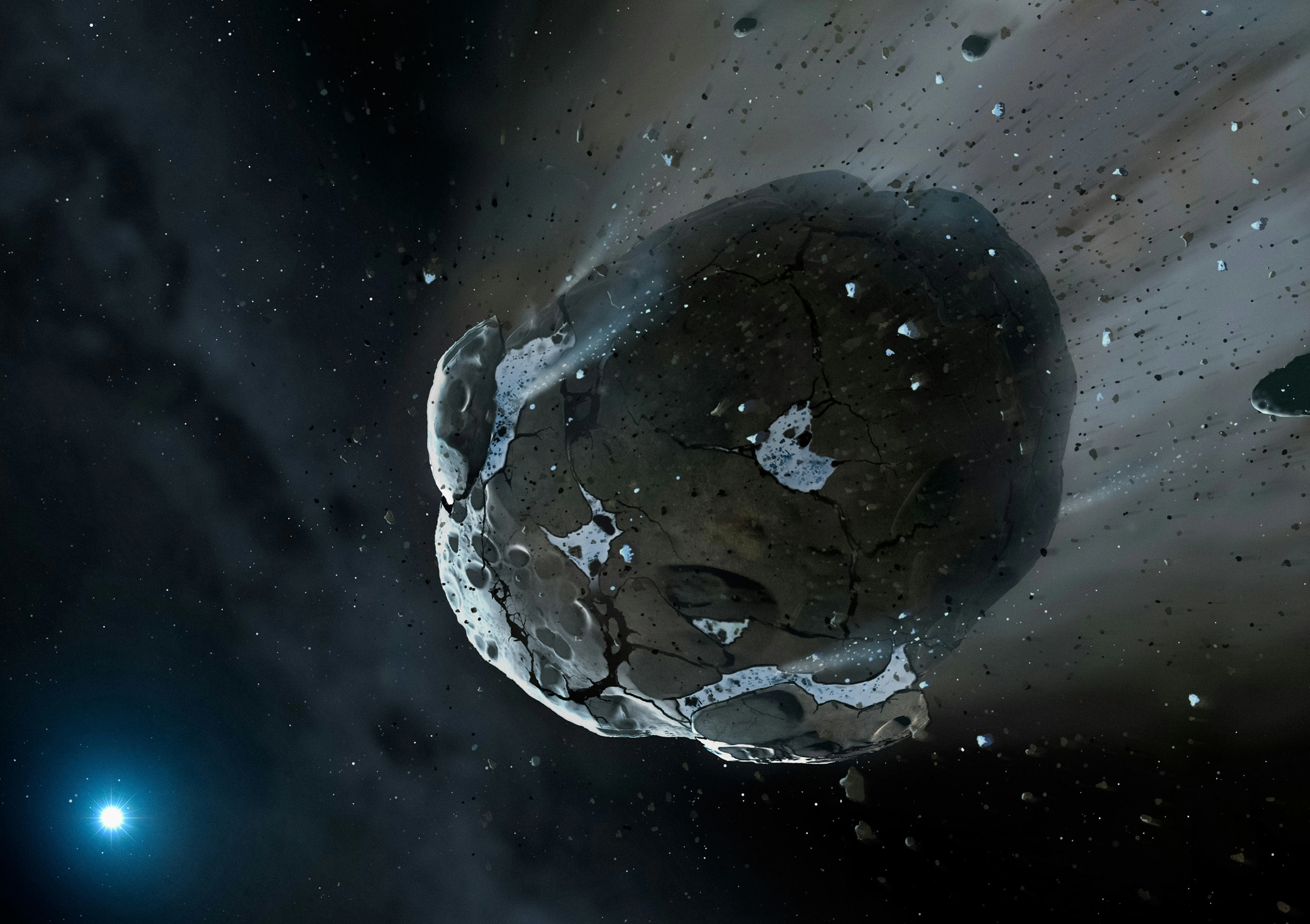
NASA’s Near-Earth Object (NEO) tracking systems are highly effective, but they are specifically designed to hunt for "city-killers" and “planet-killers” massive asteroids measuring hundreds of feet or miles across. Congress specifically mandated NASA to find 90% of NEOs that are 140 meters (460 feet) or larger. The Ohio asteroid was only about 6 feet (1.8 meters) in diameter. It simply fell below the operational threshold of what our primary defense telescopes are looking for.

3. Cosmic Camouflage (The Albedo Problem)
In the vacuum of space, you cannot see an asteroid unless sunlight reflects off of its surface (its albedo). A 6-foot rock made of dark, carbon-rich or metallic material reflects almost no light against the pitch-black backdrop of space. Telescopes rely on capturing that faint reflection. Hunting for a dark, 6-foot object moving at 45,000 mph millions of miles away is infinitely harder than finding a needle in a haystack, it is finding a dark speck in an endless void.
4. The Daylight Blindspot
Astronomers have a massive blindspot: the Sun. If an asteroid's orbit brings it toward Earth from the "dayside" (the direction of the Sun), the overwhelming glare of the sun completely blinds optical telescopes. Because this meteor struck at 8:57 a.m., it was traveling toward the Earth from the daytime sky, effectively cloaking its final approach in intense solar radiation.

5. The Atmospheric Alarm System
Because telescopes missed it in space, the asteroid was only detected when it violently announced itself. NASA didn't spot the rock with a space-facing lens; the event was actually confirmed by the Geostationary Lightning Mapper (GLM) aboard the GOES East weather satellite. This satellite points down at the Earth to track lightning storms. It captured the massive, brilliant thermal flash of the asteroid fragmenting 30 miles above Valley City, Ohio.
6. The Physics of the Airburst
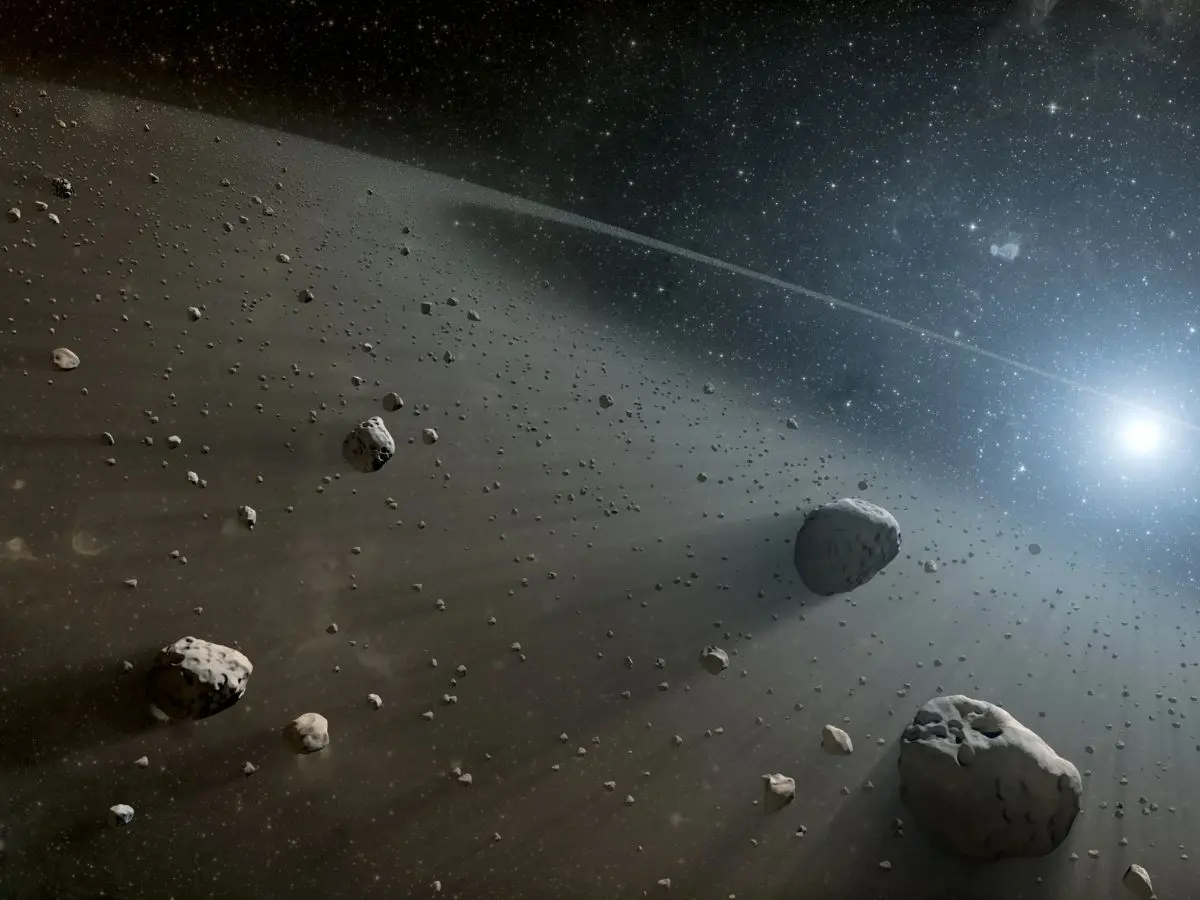
When a 7-ton rock hits the thick "wall" of Earth's atmosphere at 45,000 mph, the atmospheric friction is instantaneous and catastrophic. The air in front of the asteroid cannot move out of the way fast enough, creating a high-pressure pocket of superheated plasma. The intense heat and pressure forced the 6-foot rock to violently fragment, instantly converting its kinetic energy into a mid-air explosion equivalent to 250 tons of TNT.

7. A Planetary Defence Wake-Up Call
NASA's failure to detect the Ohio meteor isn't a glitch; it is a feature of our current technological limits. While a 6-foot asteroid won't end civilisation, the fact that a rock capable of unleashing a localised, military-grade explosion can bypass all early-warning systems is sobering. It serves as a stark reminder that the Earth remains highly vulnerable to mid-sized, unmapped space debris.
)
)
)
)
)