'444 light years away': Voyager 1 could pass Pleiades, the Seven Sisters of Taurus in 100 millions years

The Pleiades, also known as the Seven Sisters, is an open star cluster in the constellation Taurus. Located about 444 light years from Earth, it is one of the most recognisable features in the night sky.
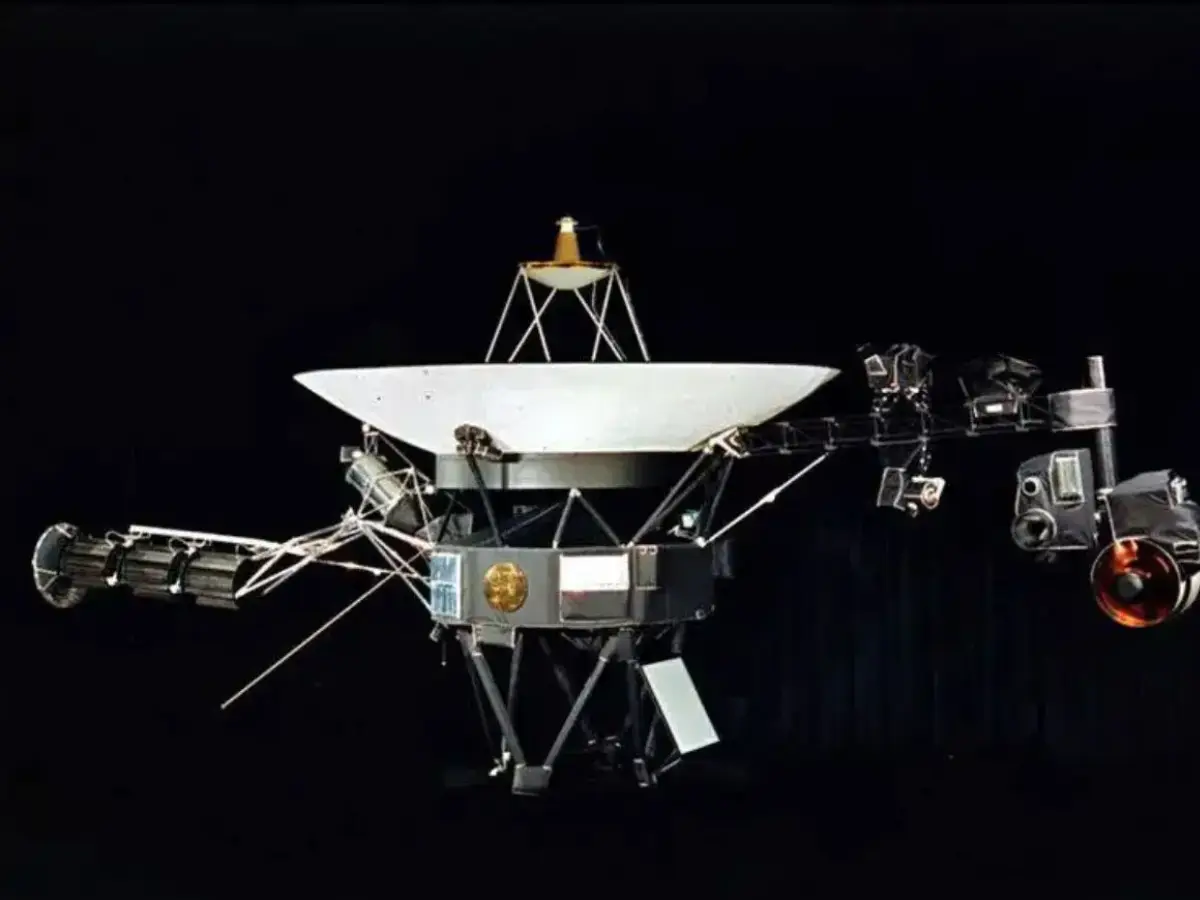
The Distance to the Pleiades
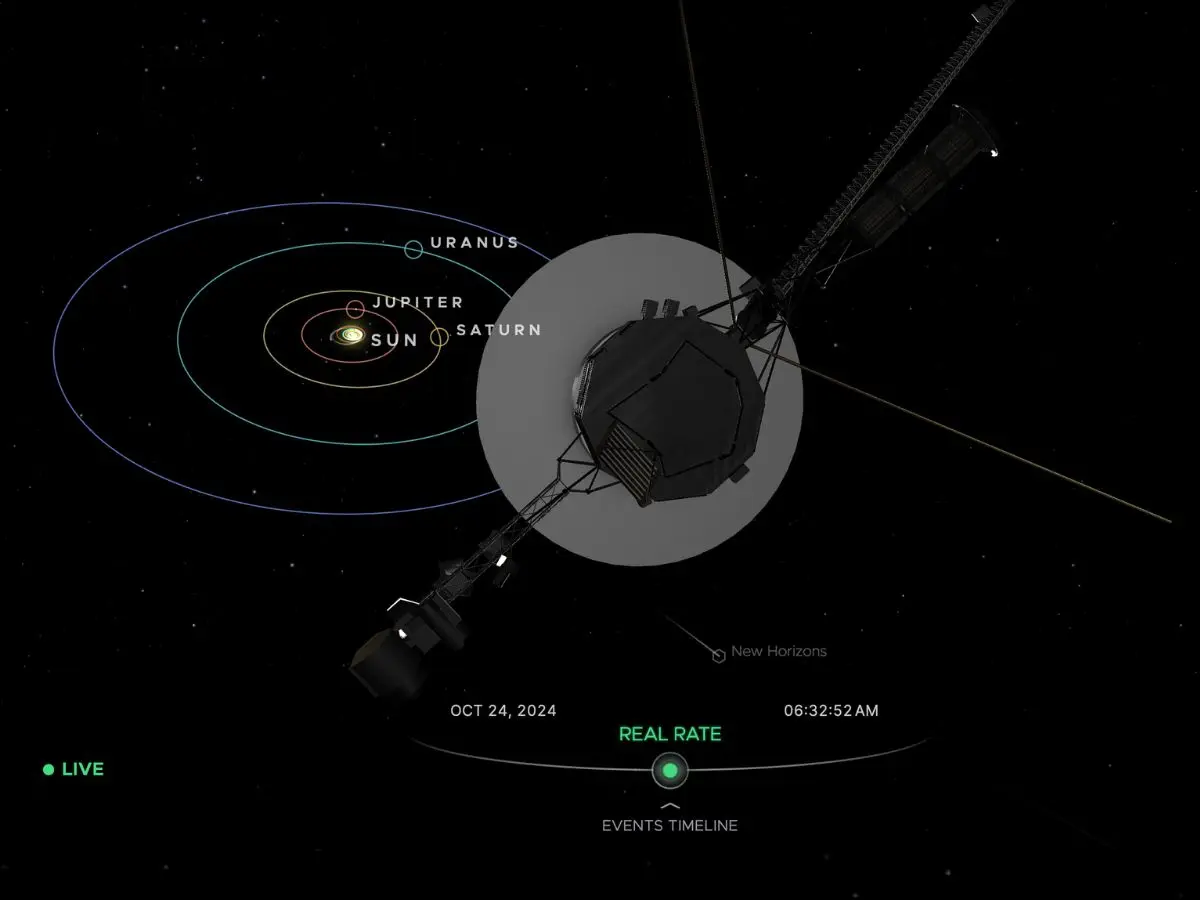
At 444 light years away, the Pleiades lies far beyond the reach of Voyager’s current trajectory. Travelling at over 61,000 km/h, it would take the spacecraft around 100 million years to arrive, if perfectly aligned.
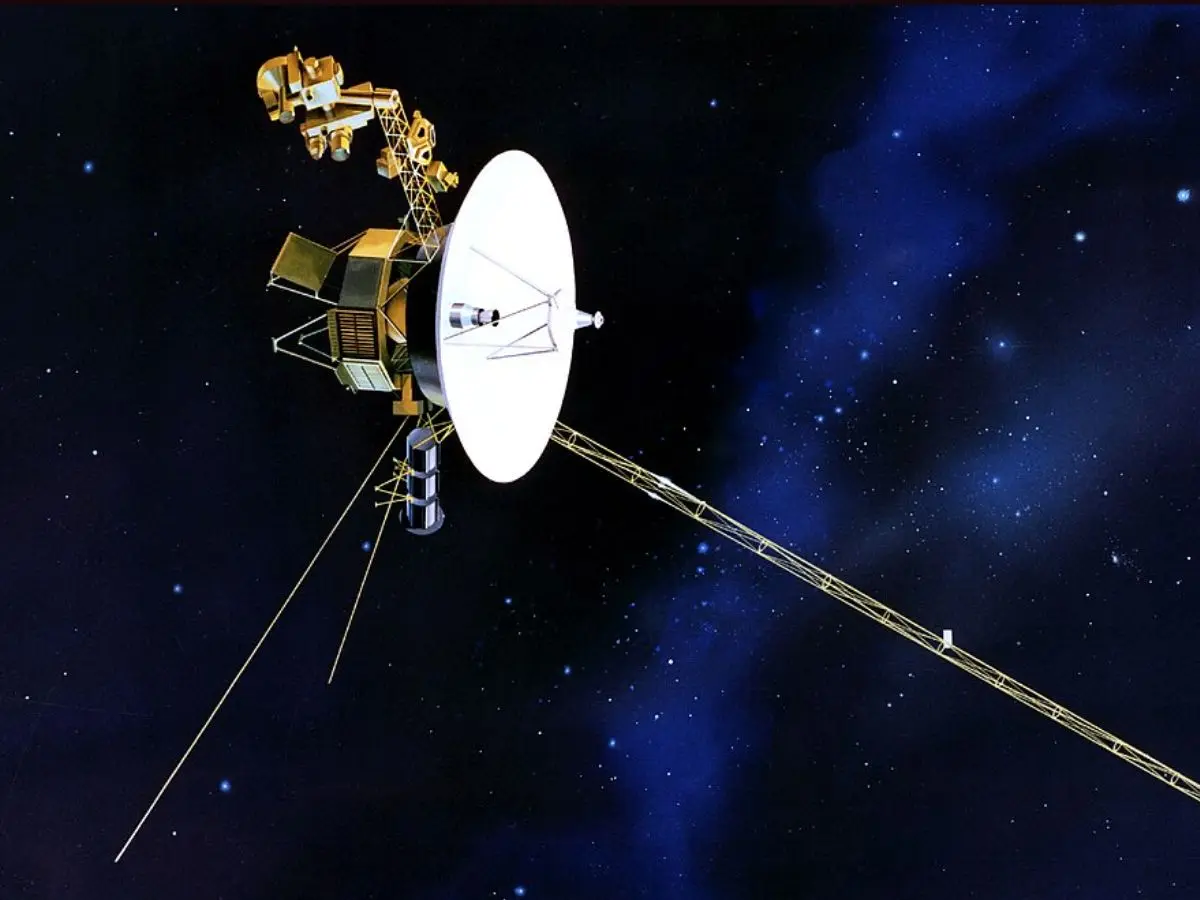
The Cluster’s Composition
The Pleiades contains more than a thousand stars, many of which are young and hot. The brightest seven give the cluster its nickname, the Seven Sisters.
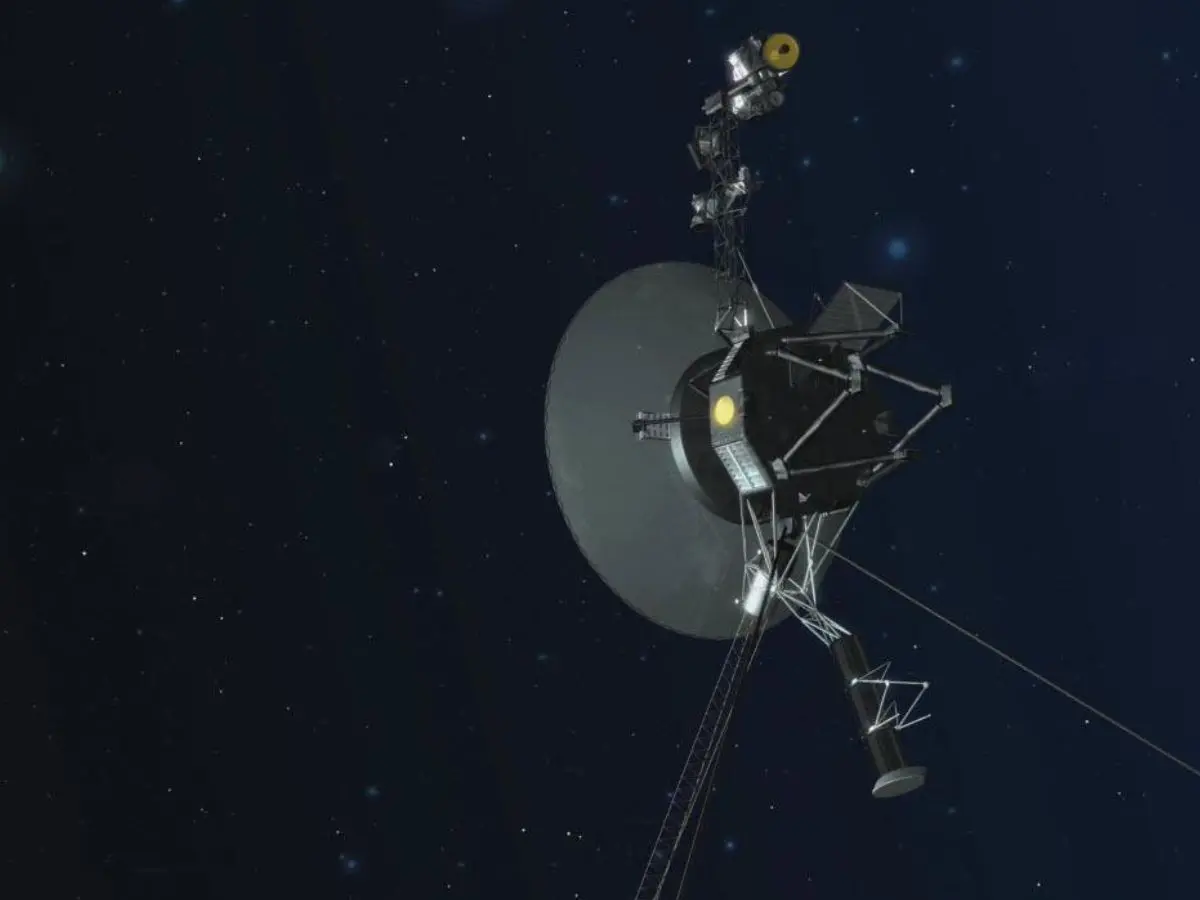
Voyager’s Journey by Then
By the time it reached the cluster, Voyager 1 would be an inert fragment of metal and composites, with no power systems left to transmit data or operate instruments.
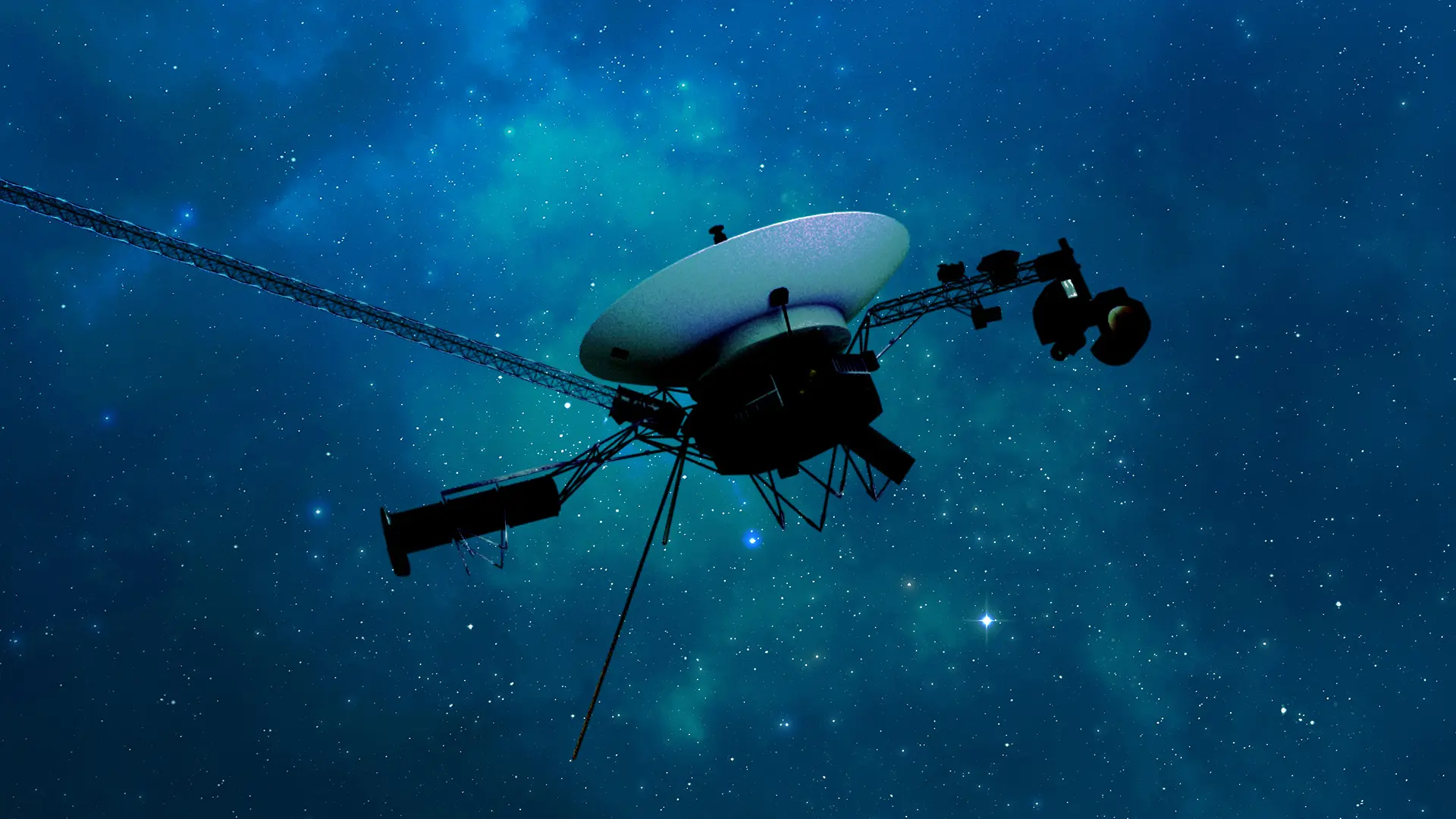
Passing Through the Cluster
If Voyager’s path carried it into the densest part of the Pleiades, it might drift through a star-forming region, surrounded by gas, dust, and bright stellar nurseries.
Chance of Planetary Systems
Some Pleiades stars may host planetary systems. Voyager could theoretically pass near exoplanets, although detection or observation would no longer be possible.
As Seen from Pleiades
For any civilisation within the cluster, Voyager would be a tiny, unremarkable object. Only its Golden Record, if discovered, would reveal its origin as a human artefact from a distant time.
Symbolic Legacy
The thought of Voyager drifting into one of the sky’s most famous star clusters highlights the vastness of cosmic time and the persistence of human-built objects far beyond our civilisation’s lifespan.
)
)
)
)
)