‘444 days of crisis’: How the Iran hostage crisis forever changed American policy toward Tehran

The 1979 Hostage Crisis trapped 52 Americans for 444 days, causing the US to sever ties and freeze $12 billion in assets. It birthed the sanctions era, created US CENTCOM, and cemented decades of hostility that continue with today's nuclear tensions.
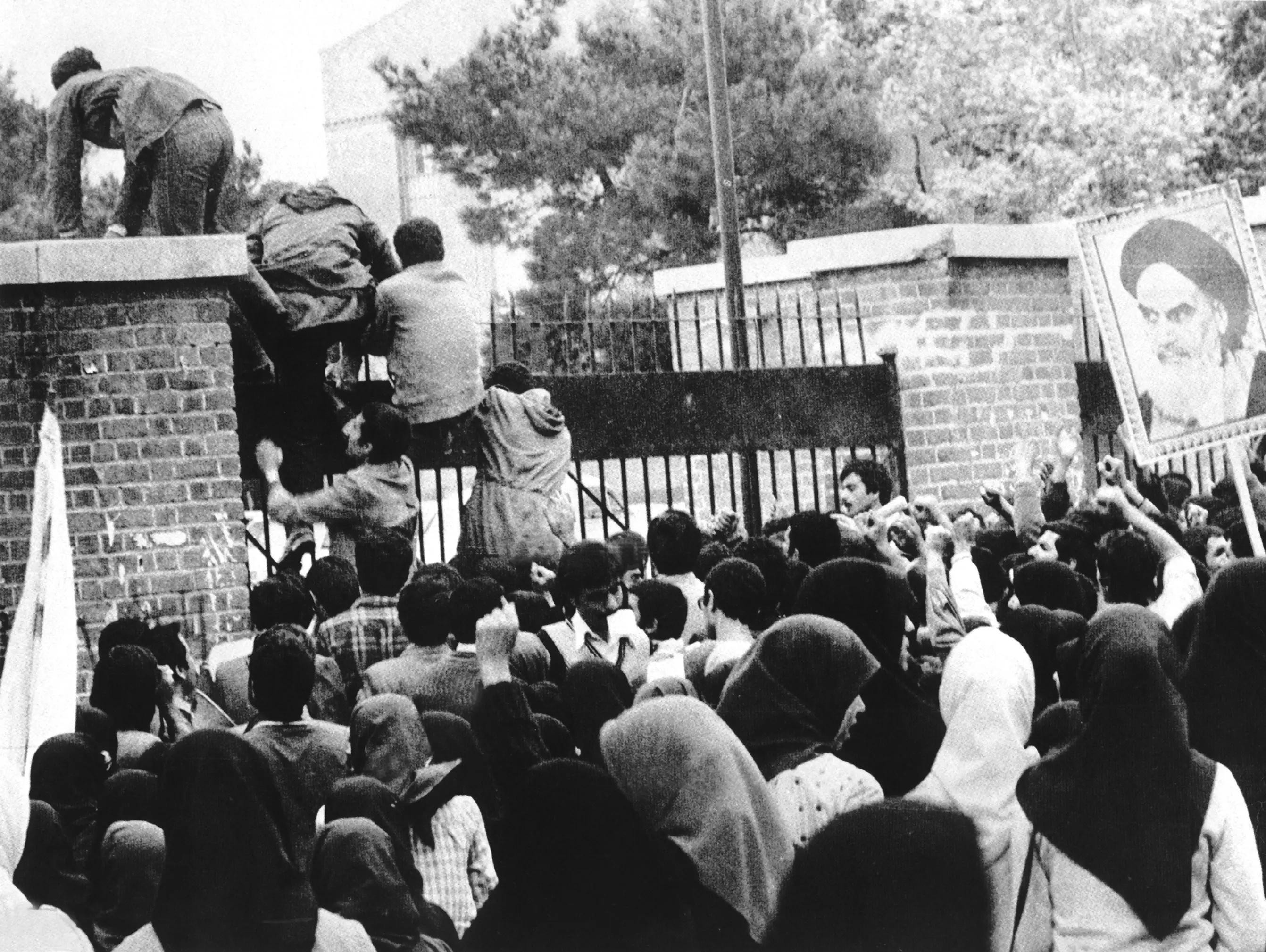
The day diplomacy died: 52 Americans taken captive
On 4 November 1979, Iranian students stormed the US Embassy in Tehran, taking 52 Americans hostage for 444 days. This act shattered diplomatic norms and forced Washington to view Iran not as a partner, but as a hostile revolutionary state.
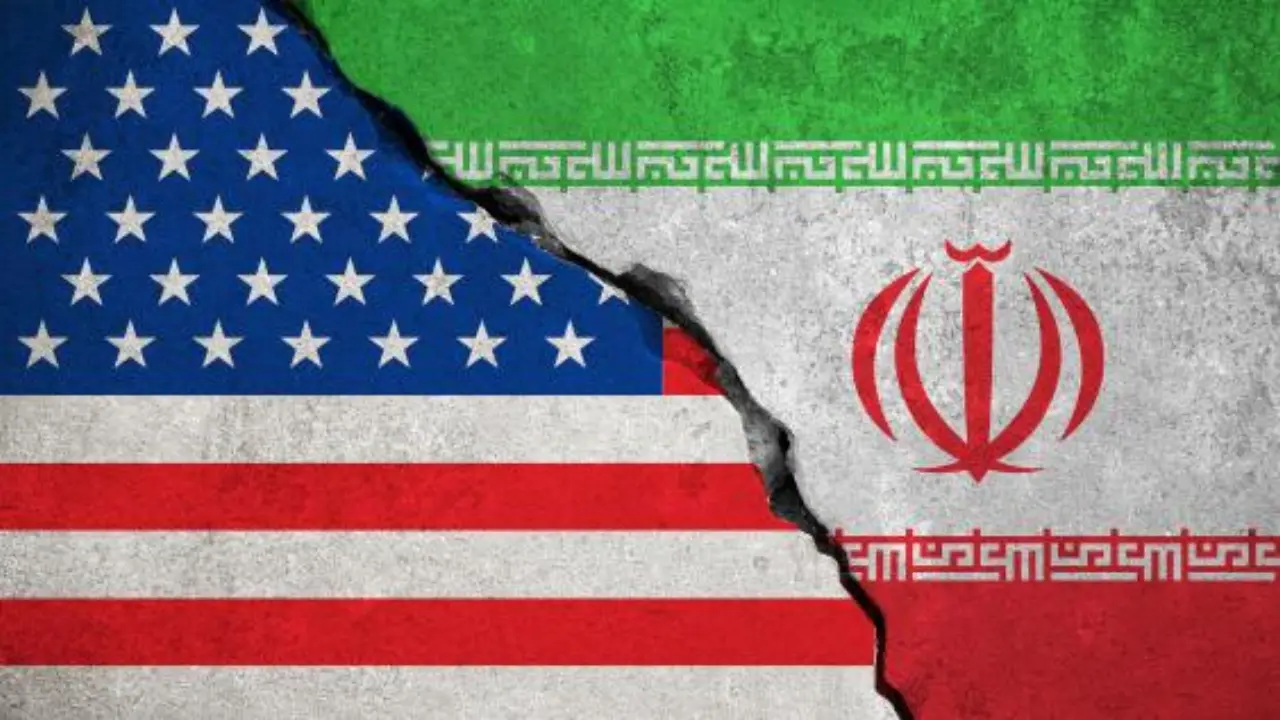
Severing all official ties Diplomatic relations end in 1980
In response to the standoff, President Jimmy Carter formally severed diplomatic relations with Iran in April 1980. Since that official break, the two nations have had no direct diplomatic contact, relying on Switzerland to act as a protecting power.
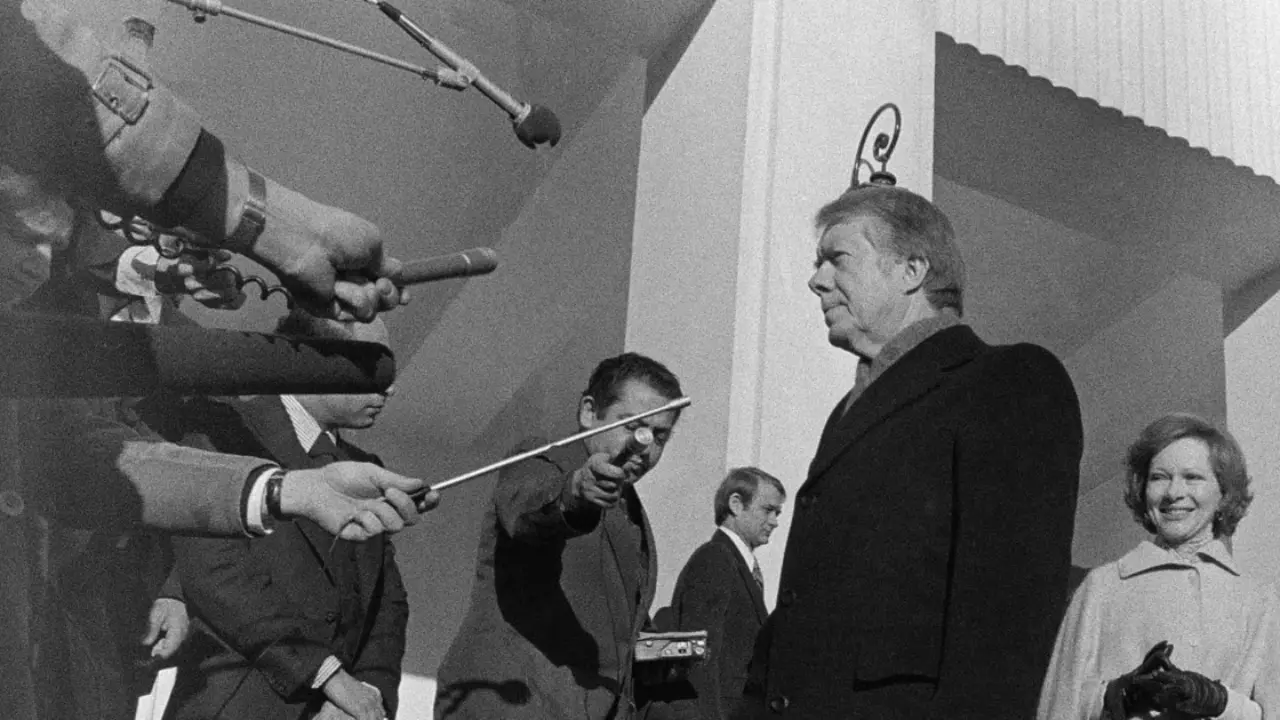
The birth of sanctions Freezing $12 billion in assets
President Carter invoked the International Emergency Economic Powers Act, freezing approximately $12 billion in Iranian assets held in US banks. This set the precedent for the extensive economic sanctions regime that remains the primary US policy tool against Tehran today.
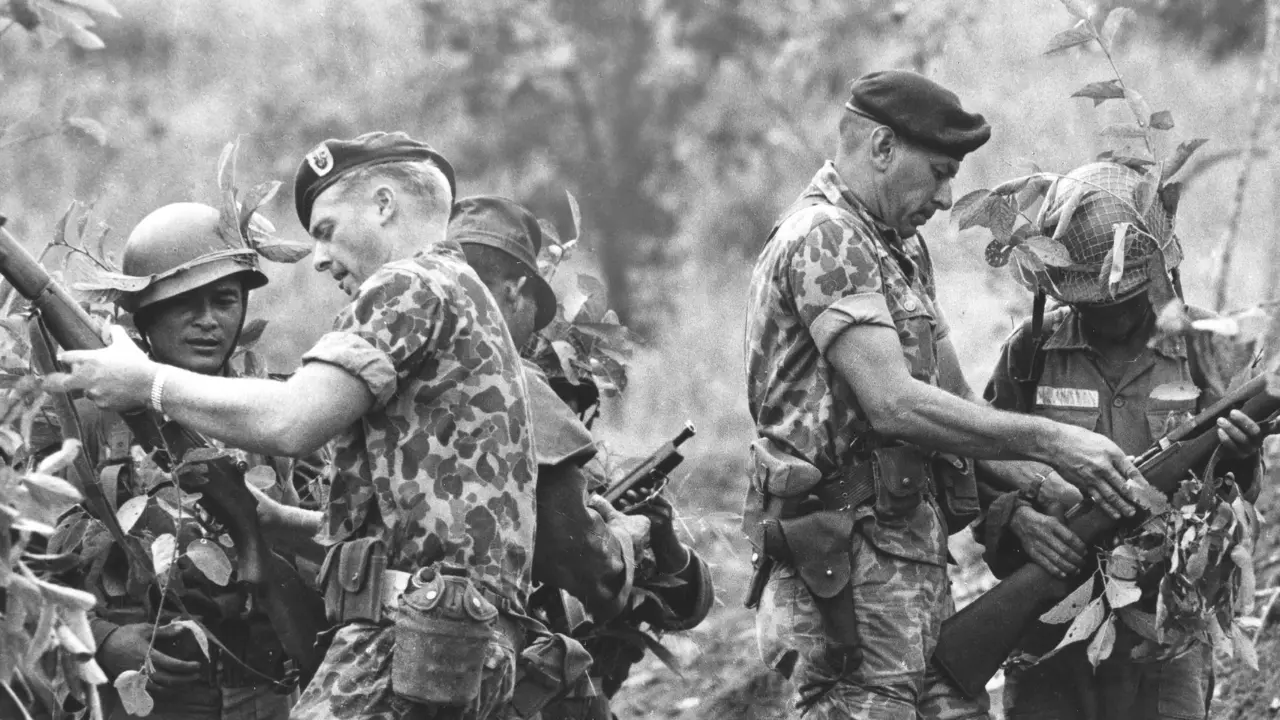
A military strategy shift Creation of the Rapid Deployment Force
Realising the instability in the Gulf, the crisis prompted the US to establish the Rapid Deployment Joint Task Force in 1980. This unit eventually evolved into US Central Command (CENTCOM), permanently militarising America's presence in the Middle East to protect energy interests.
The Algiers Accords Ending the crisis, but not the feud
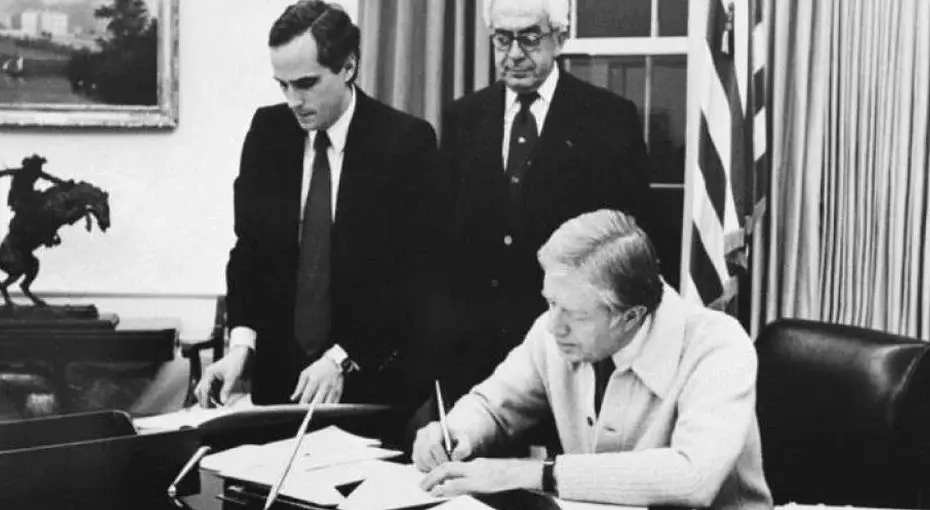
The crisis ended with the Algiers Accords in January 1981, which secured the hostages' release and established a tribunal for claims. However, the agreement failed to restore trust, leaving deep political scars that prevented any normalisation of relations for decades.
The ‘Great Satan’ doctrine Institutionalising hostility
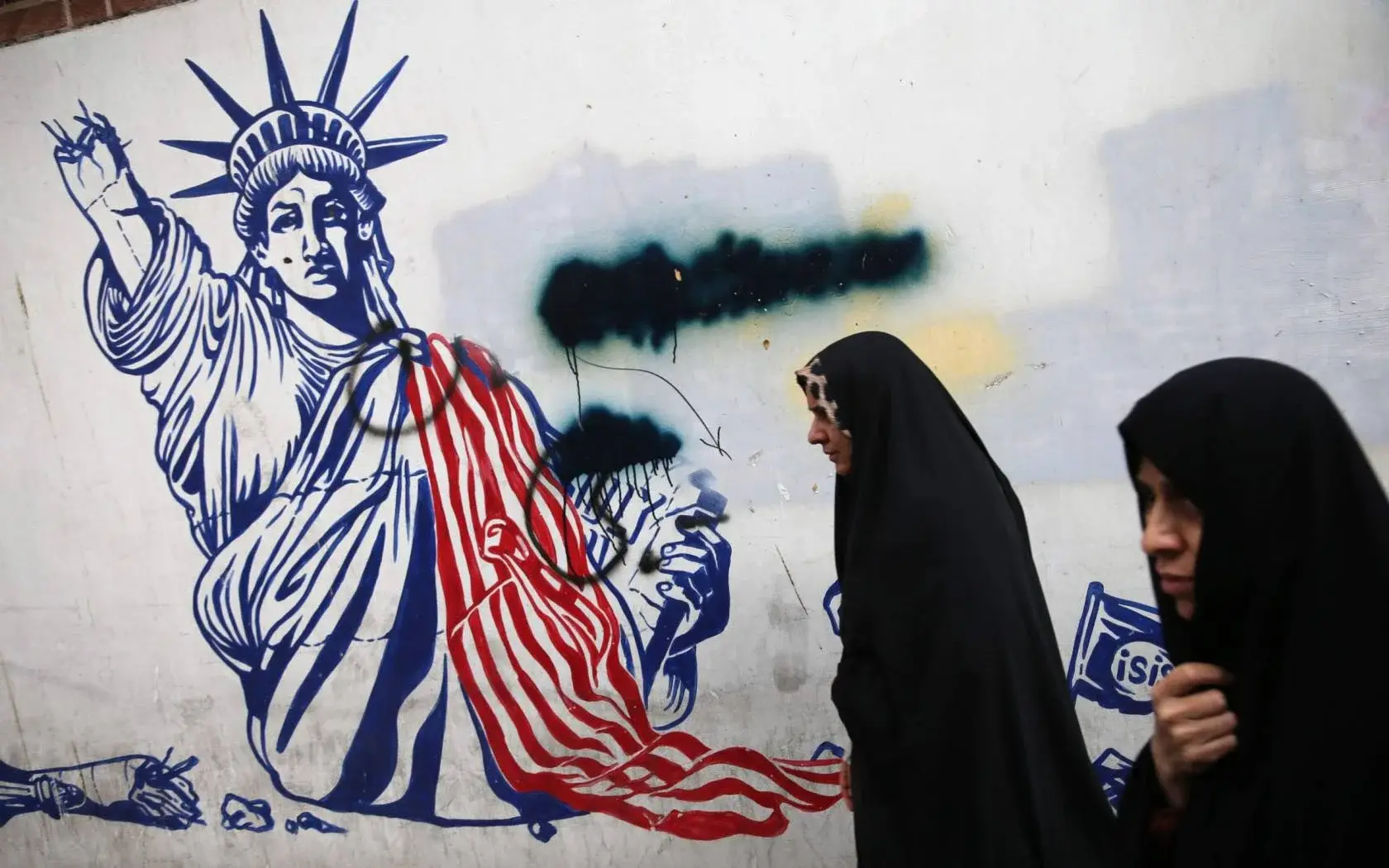
The crisis cemented an ideological divide, with Iran officially labelling the US the "Great Satan". This rhetoric became a core pillar of Iranian state identity, making anti-Americanism a non-negotiable part of Tehran's foreign policy, which Washington countered with containment.
Current tensions
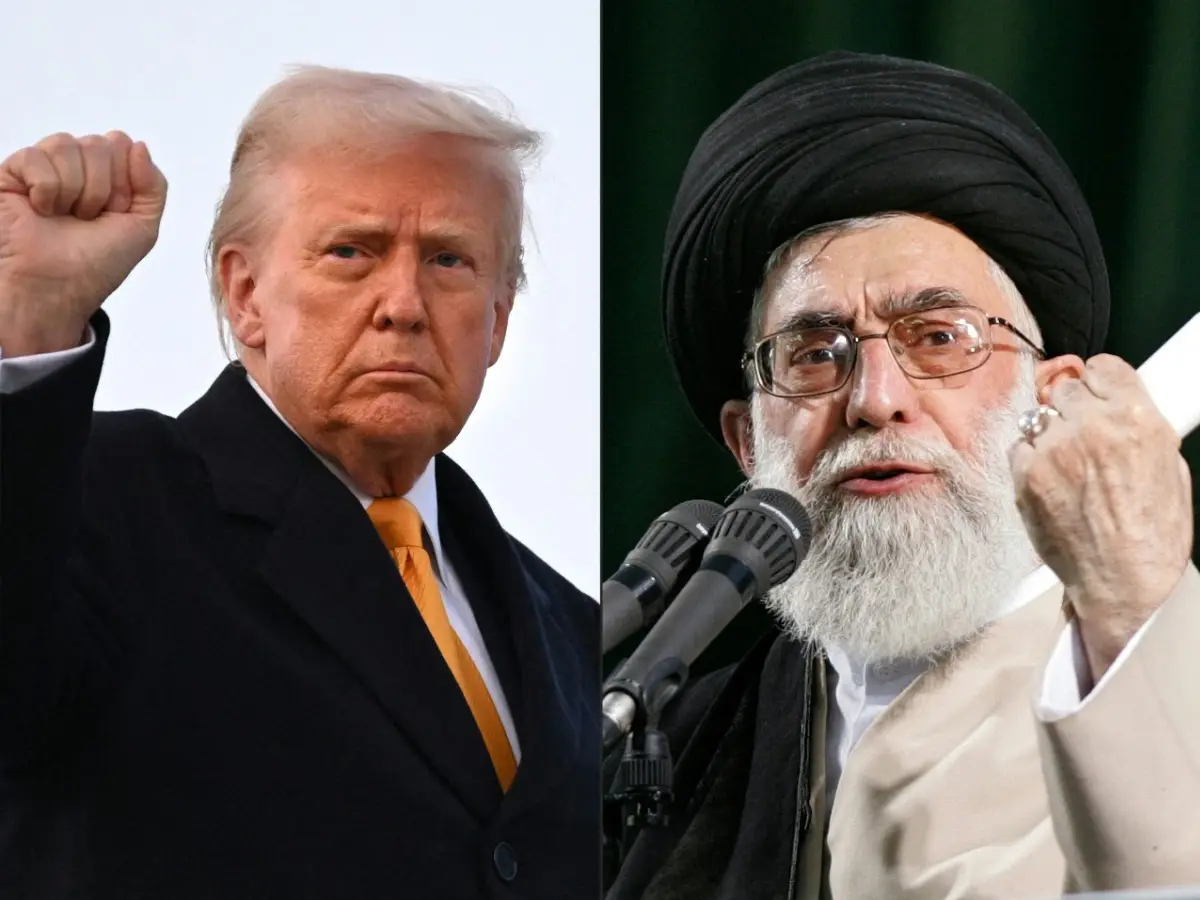
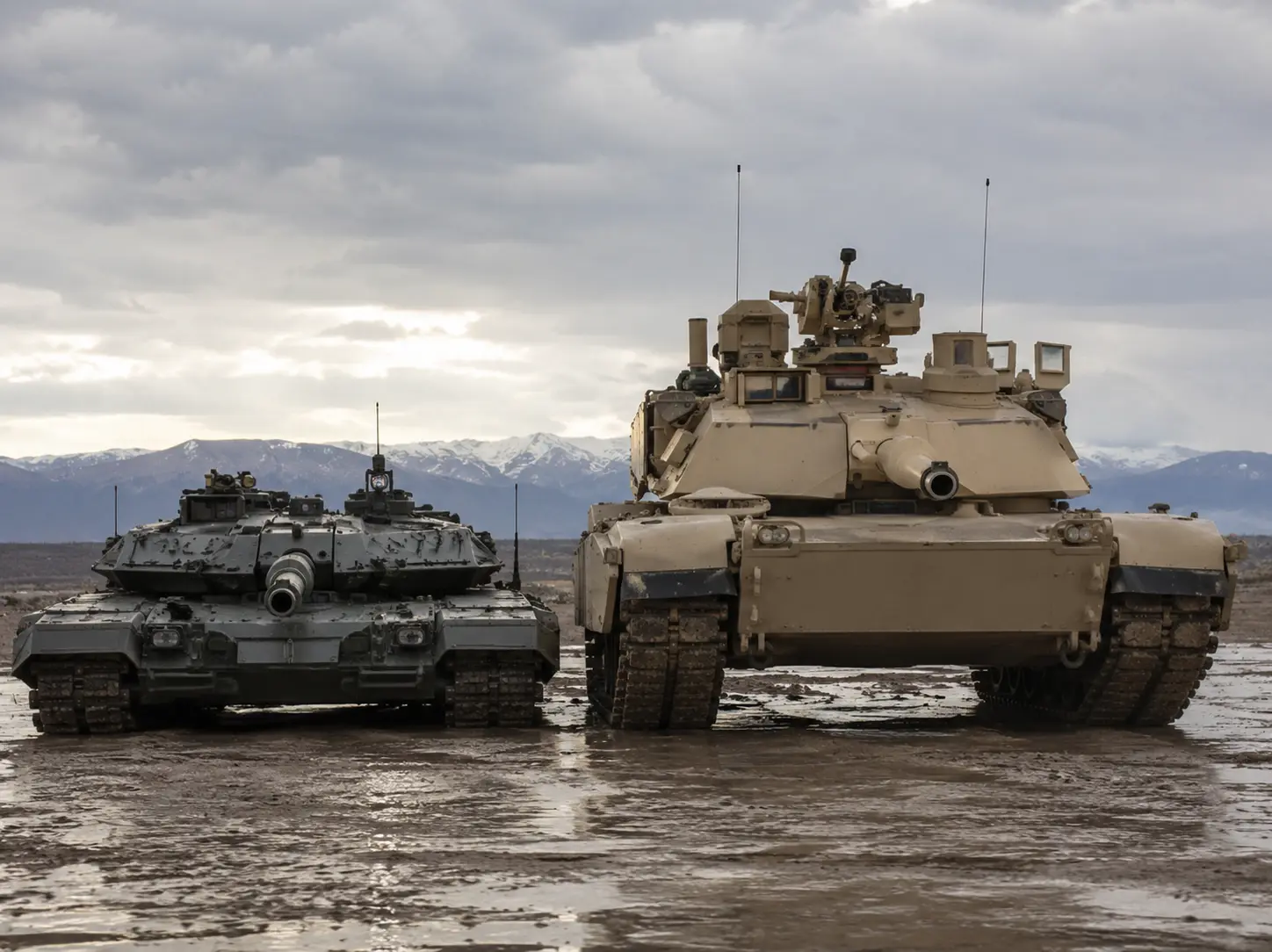
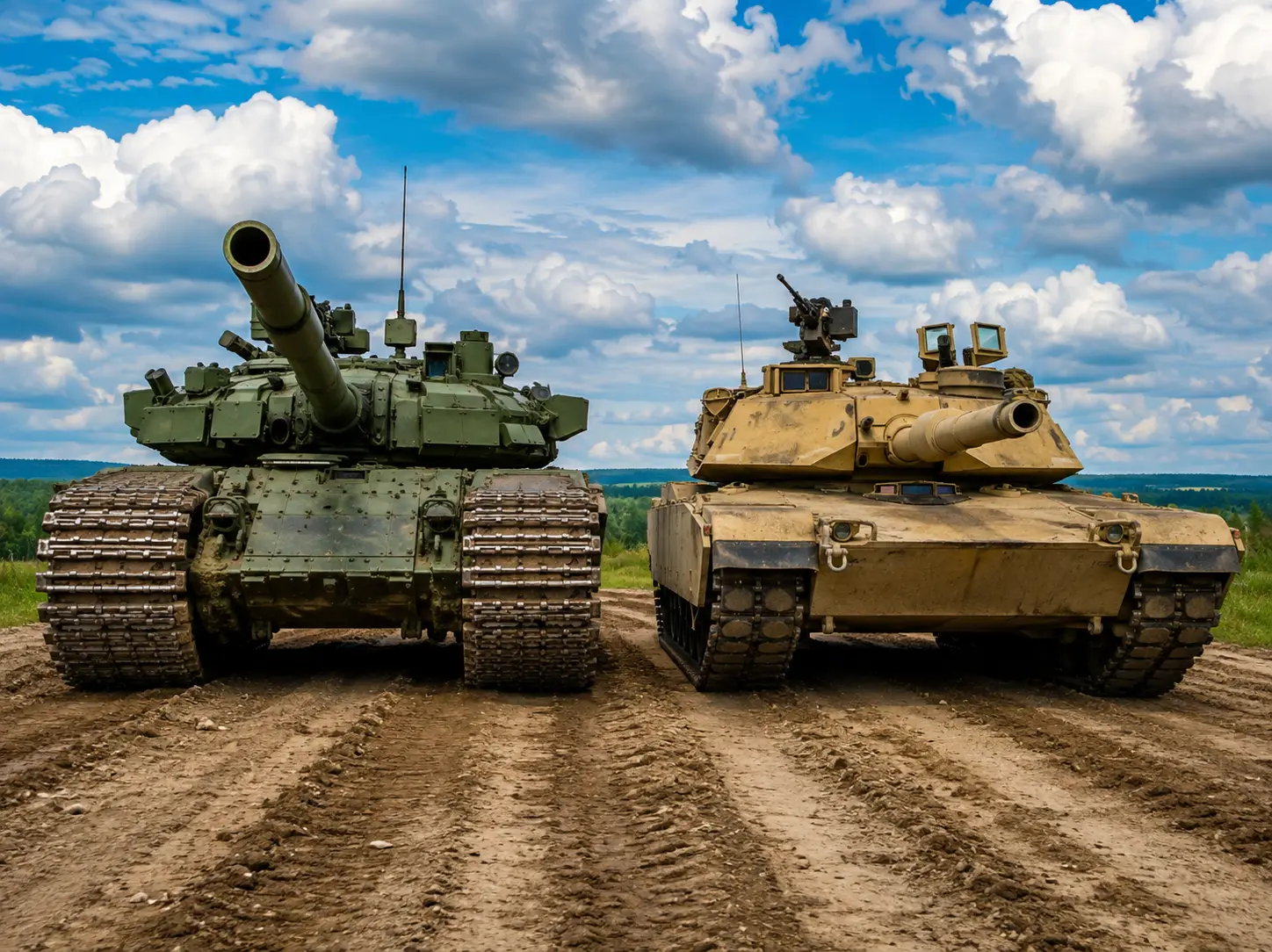
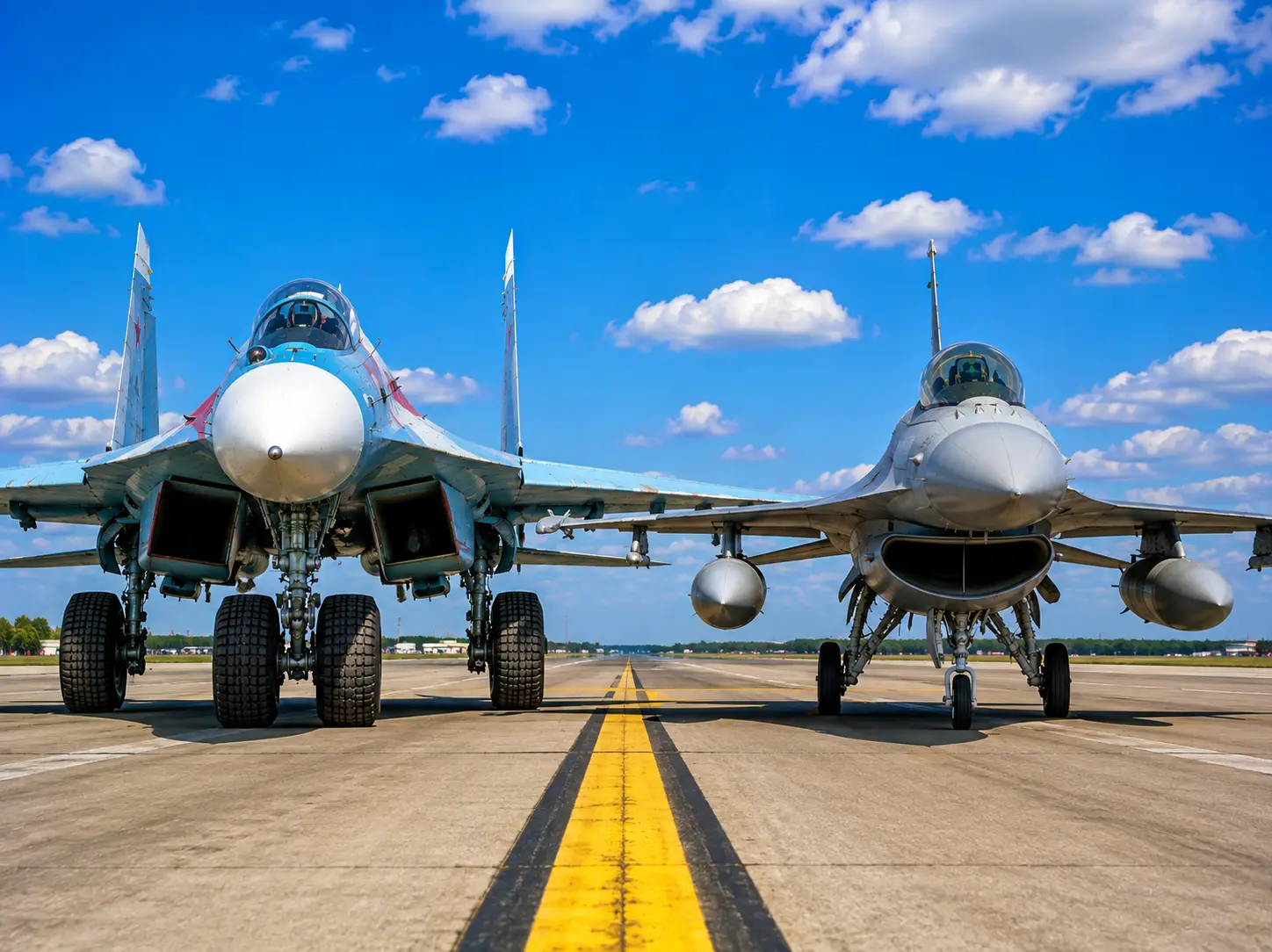
Today, relations remain at a breaking point due to Iran's expanding nuclear programme and support for regional militias and the violence in ongoing protests. While the military forces from both sides remain on high alert across the Persian Gulf.
)
)
)
)
)