‘400+ reactors across 31 nations’: How nuclear energy is making a global comeback 40 years after Chernobyl disaster

Nuclear energy generates about 10 per cent of global electricity, accounting for roughly a quarter of low-carbon power. These figures underline its continued relevance in balancing energy demand with climate commitments.
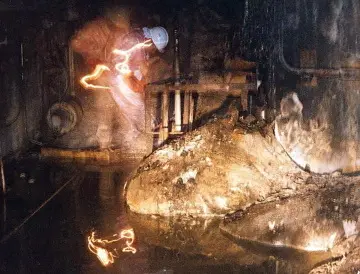
From disaster to renewed interest
The Chernobyl disaster reshaped global attitudes towards nuclear power, fuelling widespread fear and slowing expansion, particularly in Europe. Four decades later, however, nuclear energy is witnessing a notable revival. Geopolitical tensions, including conflicts affecting energy supplies, have reinforced the need for stable and independent sources of electricity, prompting governments to reassess nuclear power.
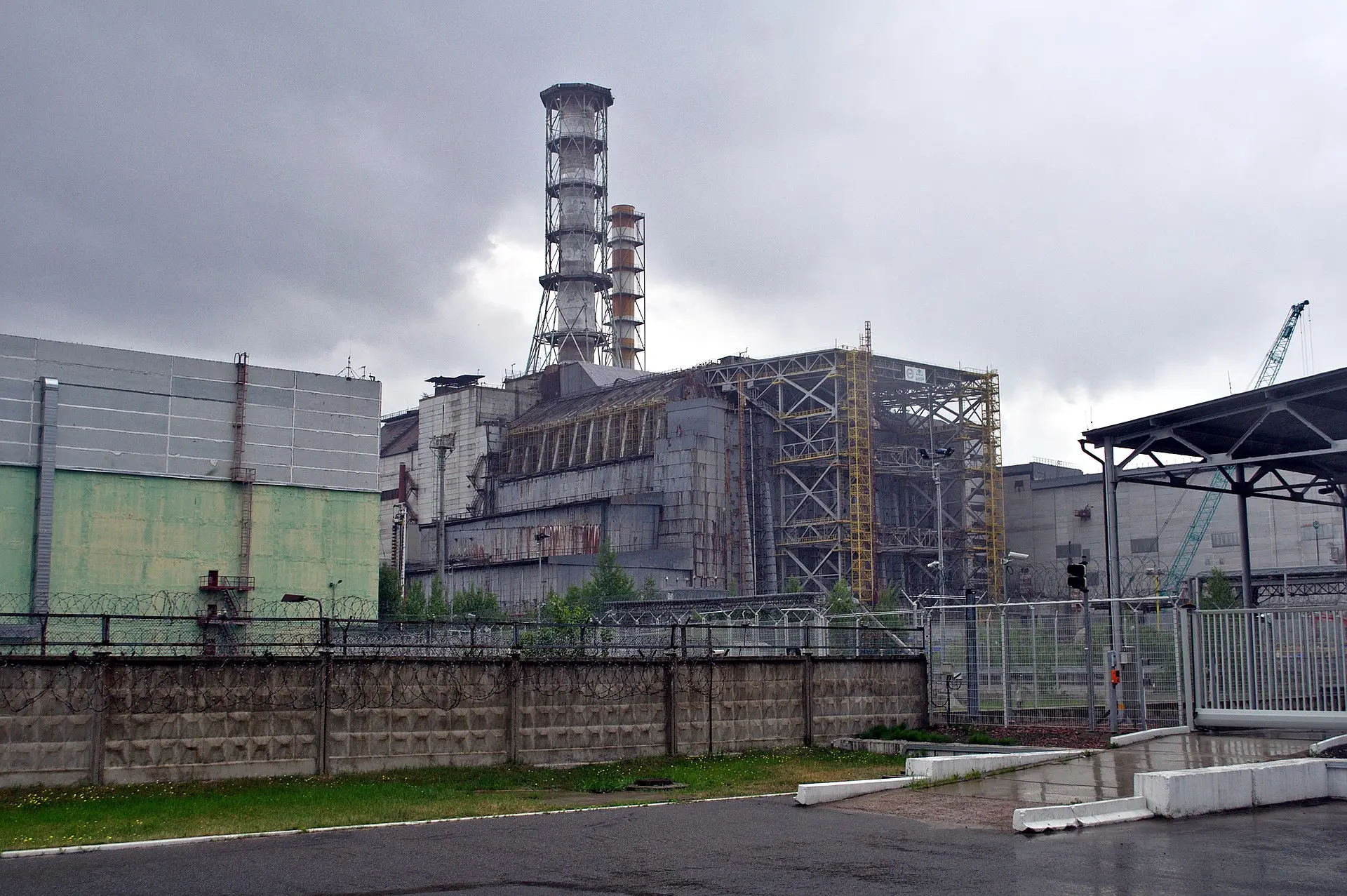
The scale of the global nuclear fleet
According to the Associated Press, today, more than 400 nuclear reactors operate across 31 countries, with around 70 more under construction. Nuclear energy generates about 10 per cent of global electricity, accounting for roughly a quarter of low-carbon power. These figures underline its continued relevance in balancing energy demand with climate commitments.
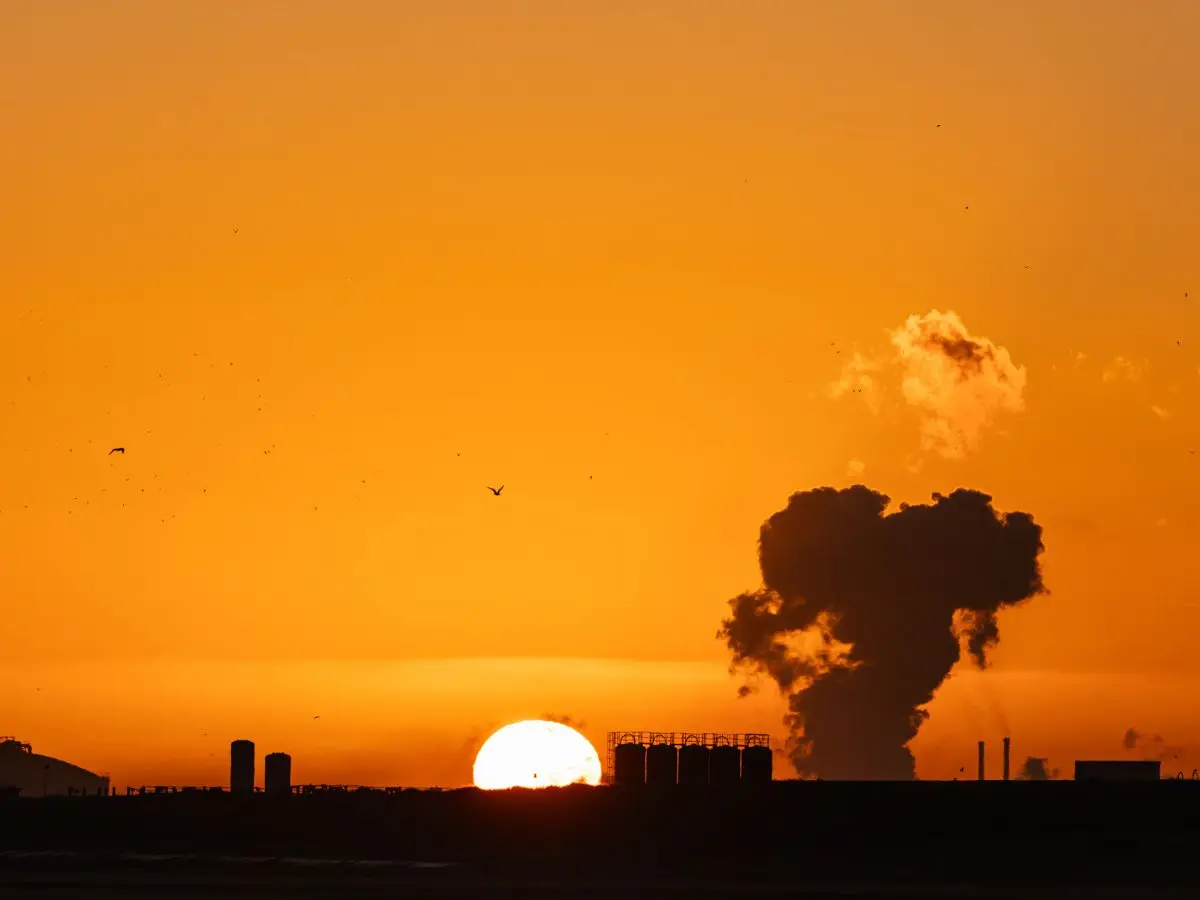
Why nuclear is returning to focus
Executive Director of the International Energy Agency, Fatih Birol, told AP that a revival had long been anticipated, but recent developments have accelerated it. “With the war in the Middle East, I am 100 per cent sure nuclear is coming back,” he said, adding that it is “seen as a secure electricity generation system.” He noted that growth is expected across the Americas, Europe and Asia.
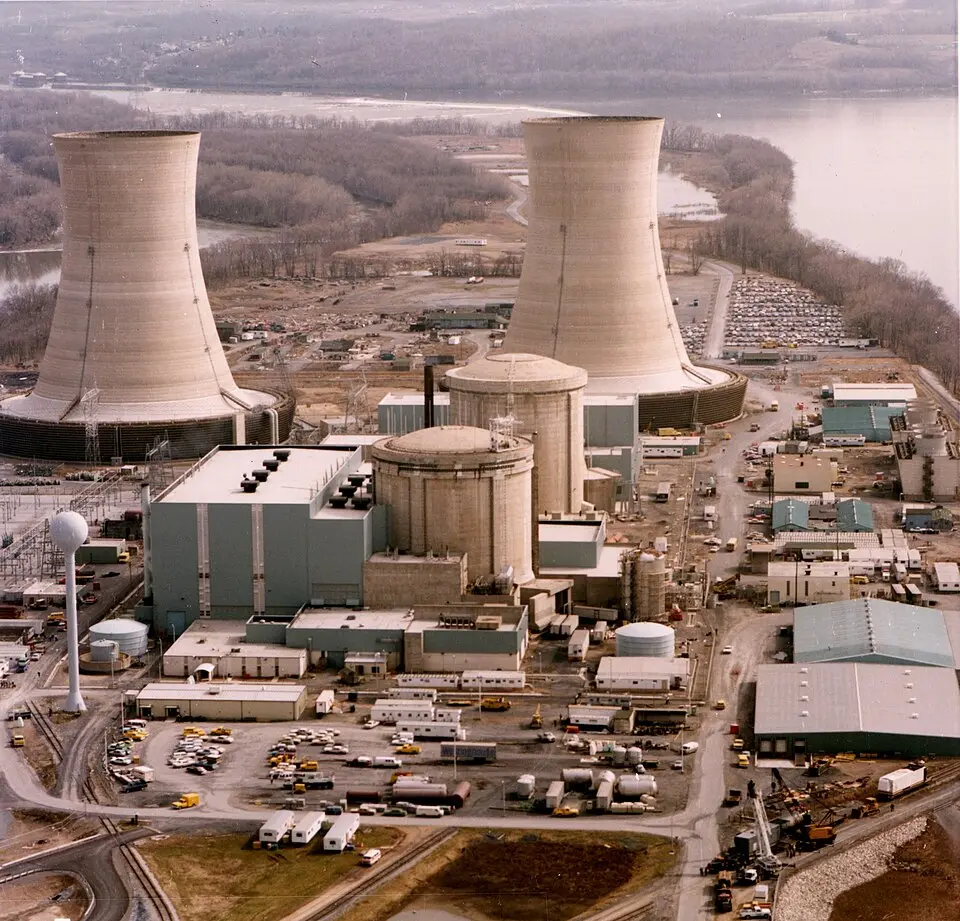
Major powers driving expansion
The United States remains the largest producer, operating 94 reactors that generate about 30 per cent of global nuclear electricity. It aims to expand capacity significantly by 2050. China, with 61 reactors, leads in new construction, with nearly 40 more underway. Meanwhile, Russia is exporting nuclear technology, building reactors across multiple continents.
Europe’s policy shift
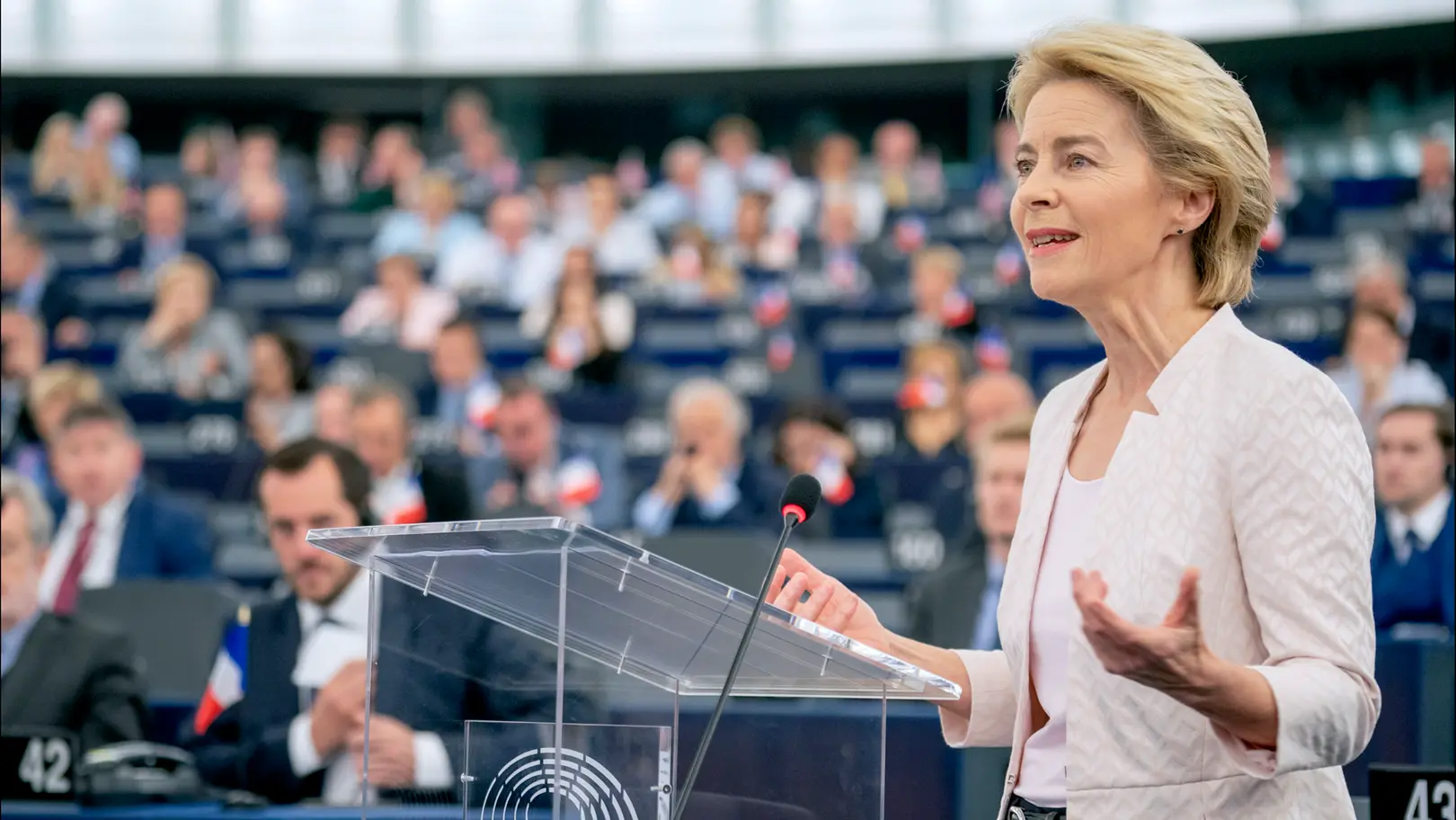
European attitudes are also evolving. European Commission Chief, Ursula von der Leyen acknowledged it was a 'strategic mistake' to reduce reliance on nuclear energy, noting Europe’s increased dependence on imported fossil fuels. The European Union is now considering new investments, including Small Modular Reactors, as part of its clean energy strategy.
Legacy of Chernobyl and Fukushima
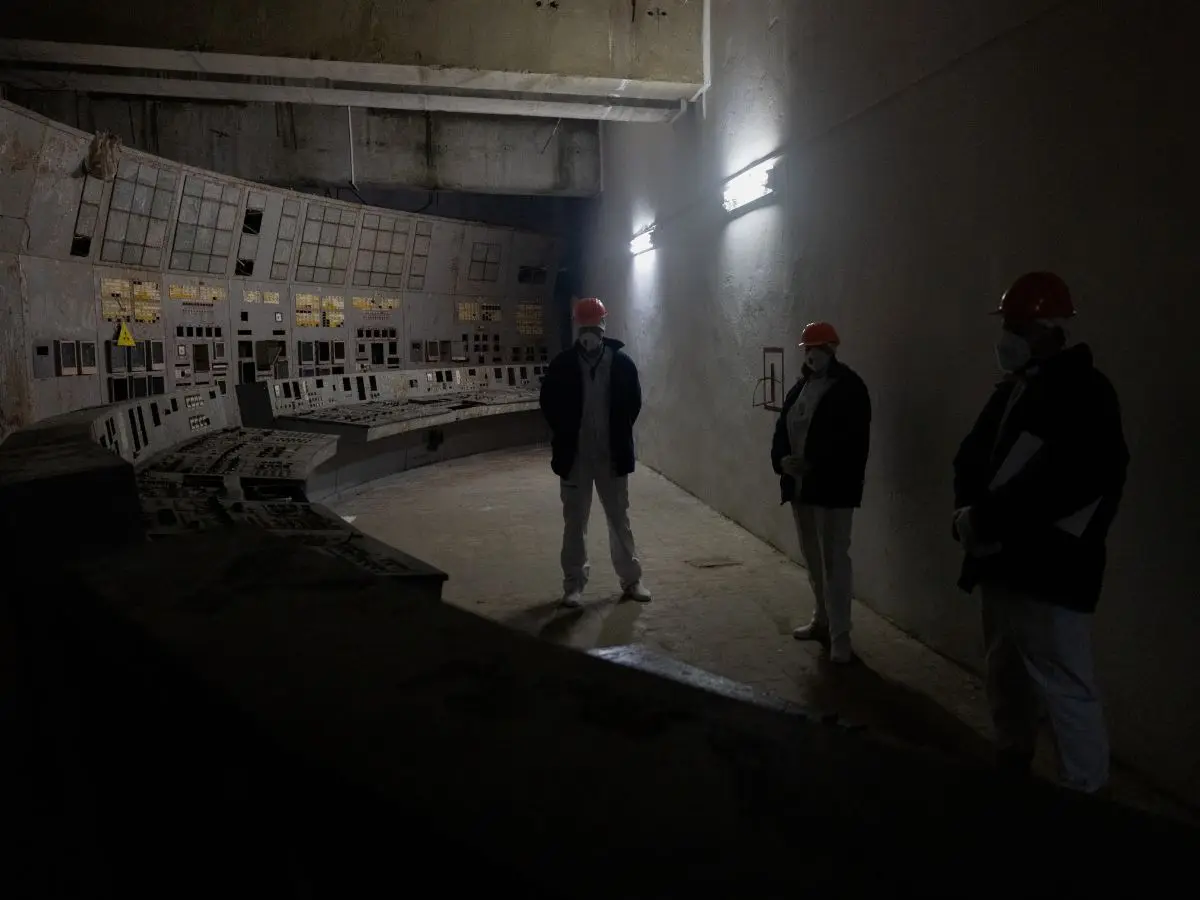
However, the shadow of past disasters remains significant. The explosion at Chernobyl’s Reactor No. 4 spread radiation across Europe, while the Fukushima disaster further dampened public confidence. Yet technological improvements and stricter safety measures have gradually restored confidence in nuclear systems.
A divided but growing future
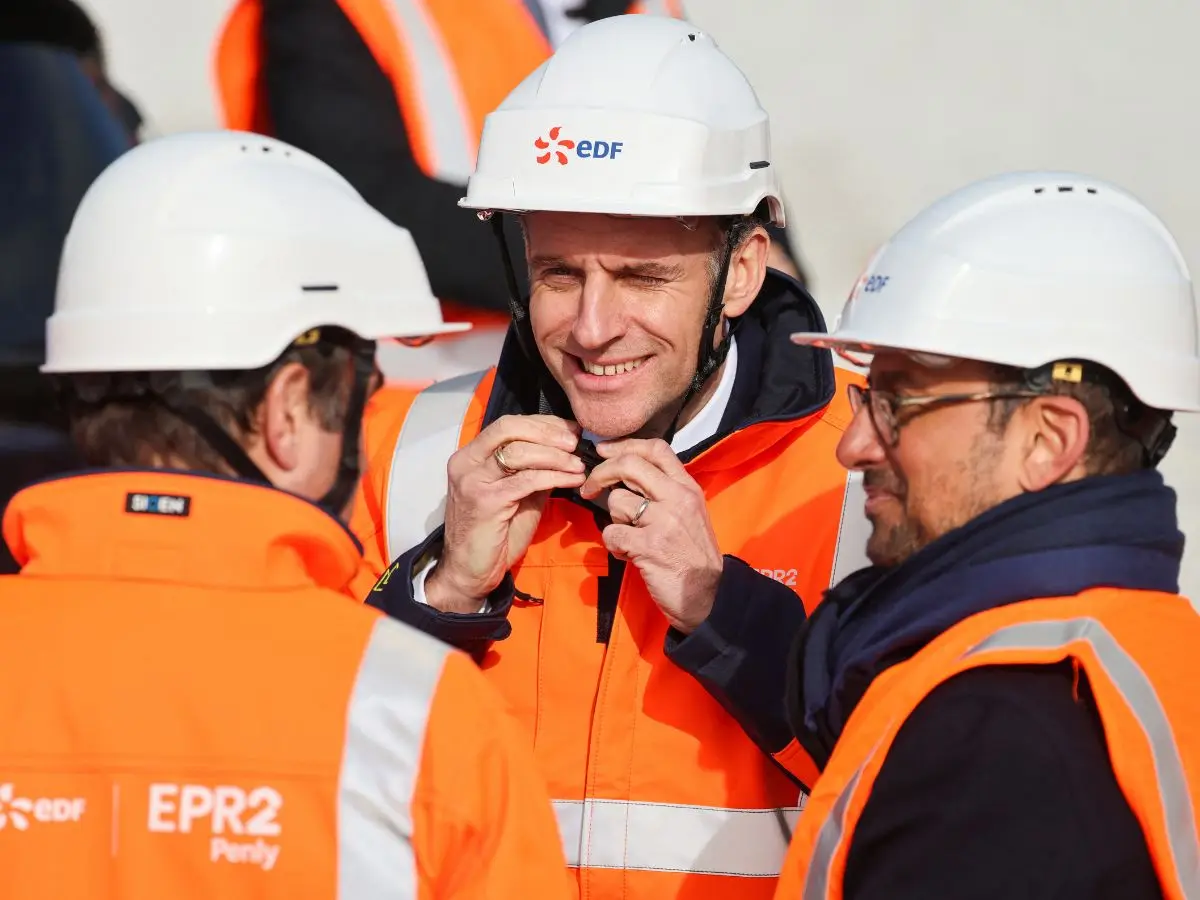
Countries continue to take different paths. France relies on nuclear power for nearly 70 per cent of its electricity, while Germany has phased it out entirely. Others, including Japan, are cautiously restarting reactors. As director general of the International Atomic Energy Agency, Rafael Grossi tolf AP, the current momentum reflects “a growing recognition that reliable, low-carbon electricity will be essential” to meet rising global demand.
)
)
)
)
)