'400+ km range, deadly, all-domain ops': What is PrSM missile & why did US deploy it for the first time in Iran war?

Originally developed to replace the ageing Army Tactical Missile System (ATACMS), the missile offers significantly greater range and operational flexibility.
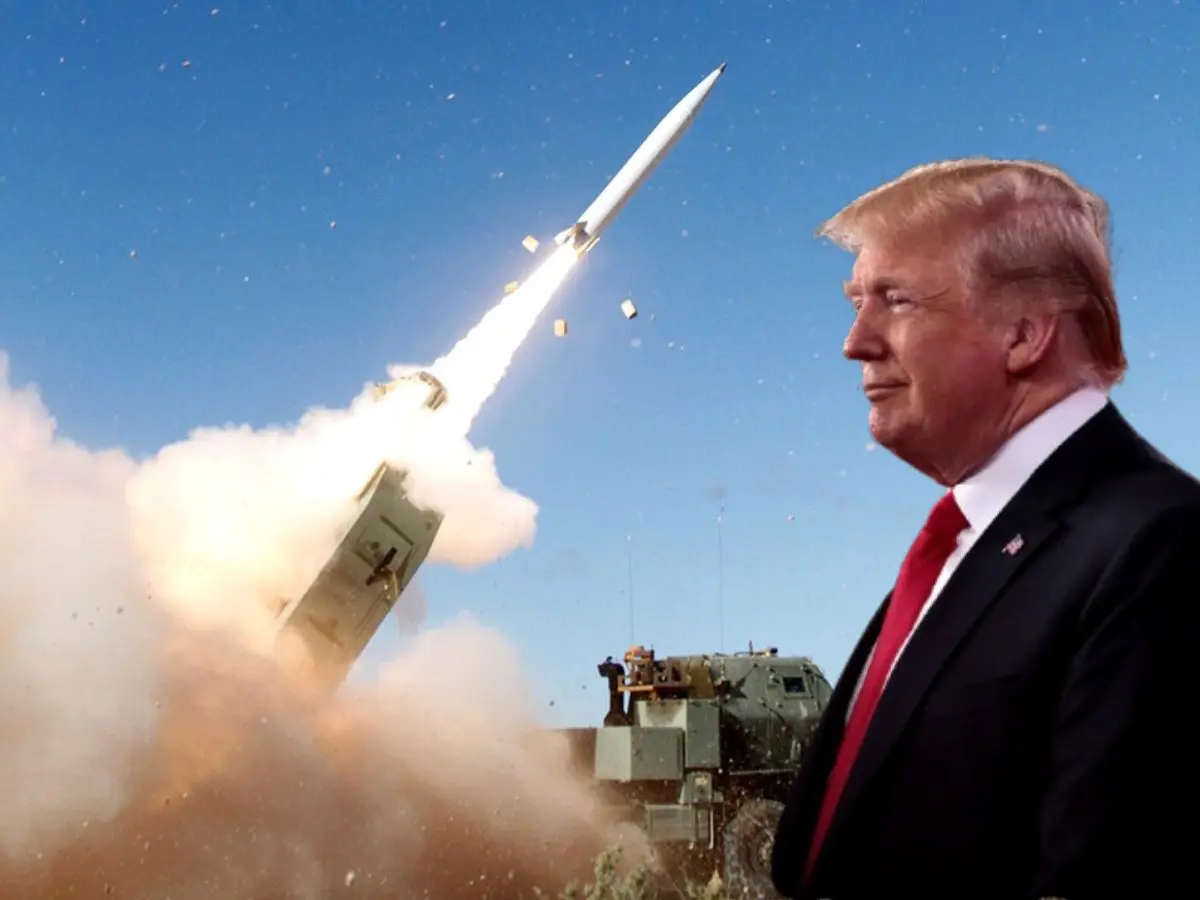
First operational use in the Iran conflict
The US–Iran–Israel conflict continues to intensify across the Middle East. US President Donald Trump told Republican lawmakers on Monday that the war was likely to be a ‘short excursion’. Hours later, however, he issued a stark warning on social media, saying that if Iran disrupted oil shipments through the Strait of Hormuz it would face a far stronger response. On Tuesday, the US Central Command (CENTCOM) released a list of assets deployed during the first ten days of Operation Epic Fury, Washington’s military campaign against Iran. Among the systems used was the Precision Strike Missile (PrSM), which the United States employed in combat for the first time. Originally developed to replace the ageing Army Tactical Missile System (ATACMS), the missile offers significantly greater range and operational flexibility. According to the Associated Press, the conflict has killed at least 1,230 people in Iran, 397 in Lebanon and 11 in Israel.
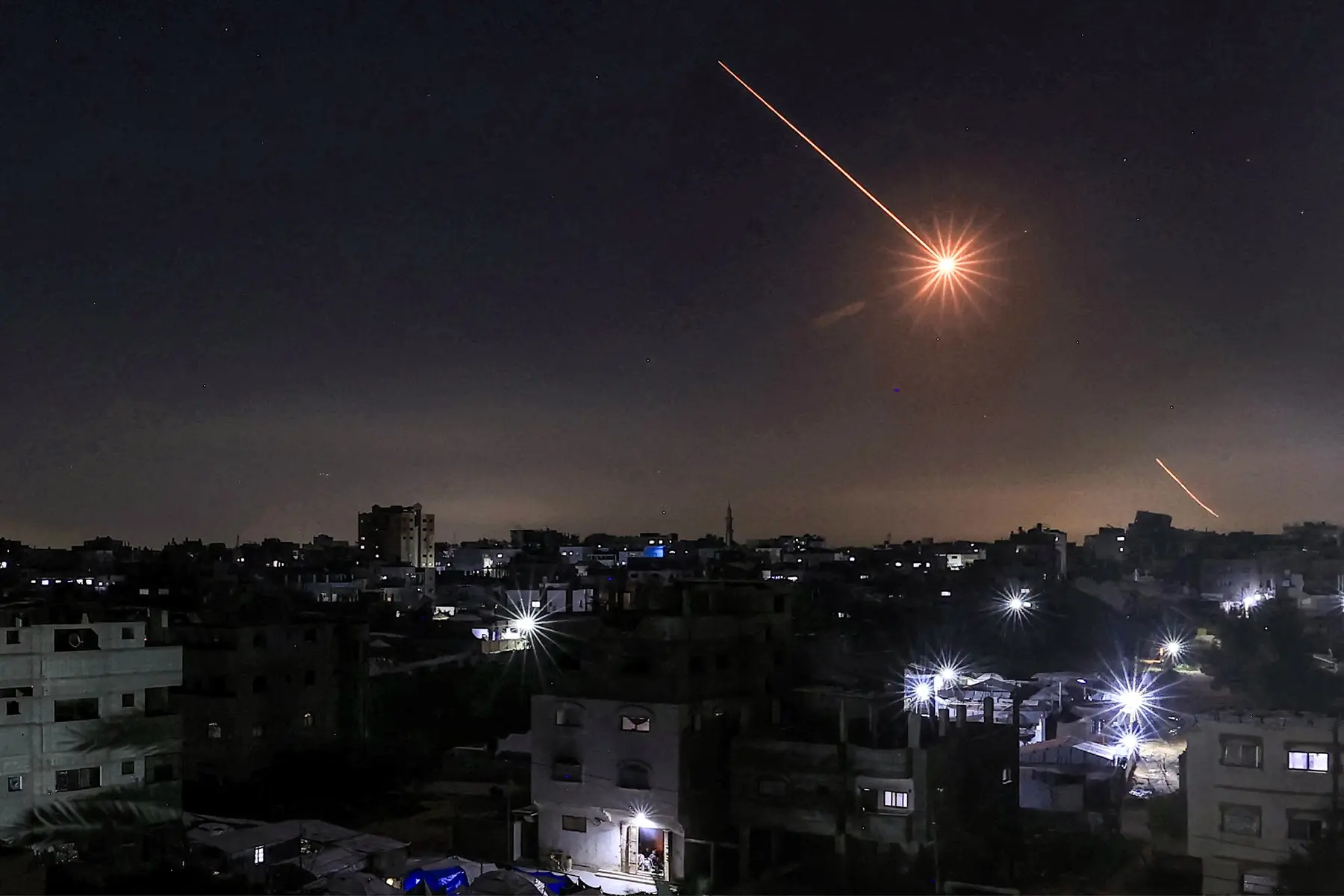
A new generation of US strike capability
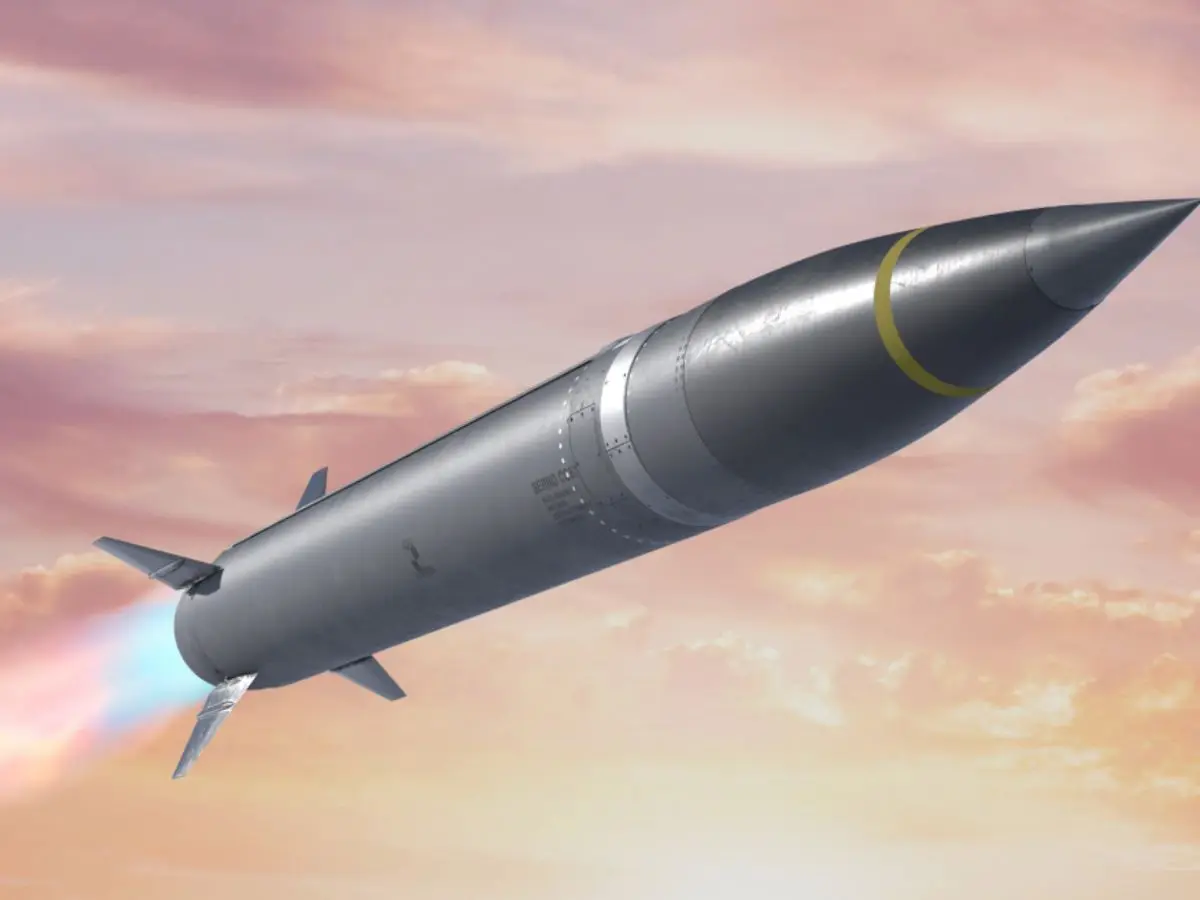
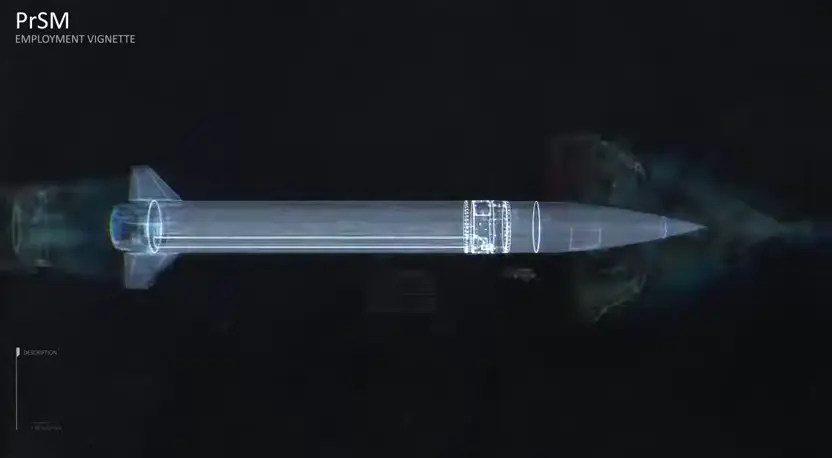
The Precision Strike Missile is a long-range, surface-to-surface weapon developed by Lockheed Martin for the US Army. Designed to provide greater range and precision than earlier systems, the missile is launched from mobile platforms such as the HIMARS and M270 Multiple Launch Rocket System. According to the manufacturer, the weapon is intended to strike high-value targets including enemy air defences, missile launchers, command centres and logistics hubs.
400 kilometres range
Lockheed Martin secured a $4.9-billion contract in March 2025 for the missile’s production, with a target of manufacturing about 400 units annually. While ATACMS launch pods carry a single missile with a maximum range of roughly 300 kilometres (about 190 miles), the PrSM allows two missiles per launch pod and can strike targets at distances exceeding 400 kilometres (around 250 miles), according to the US armed forces.
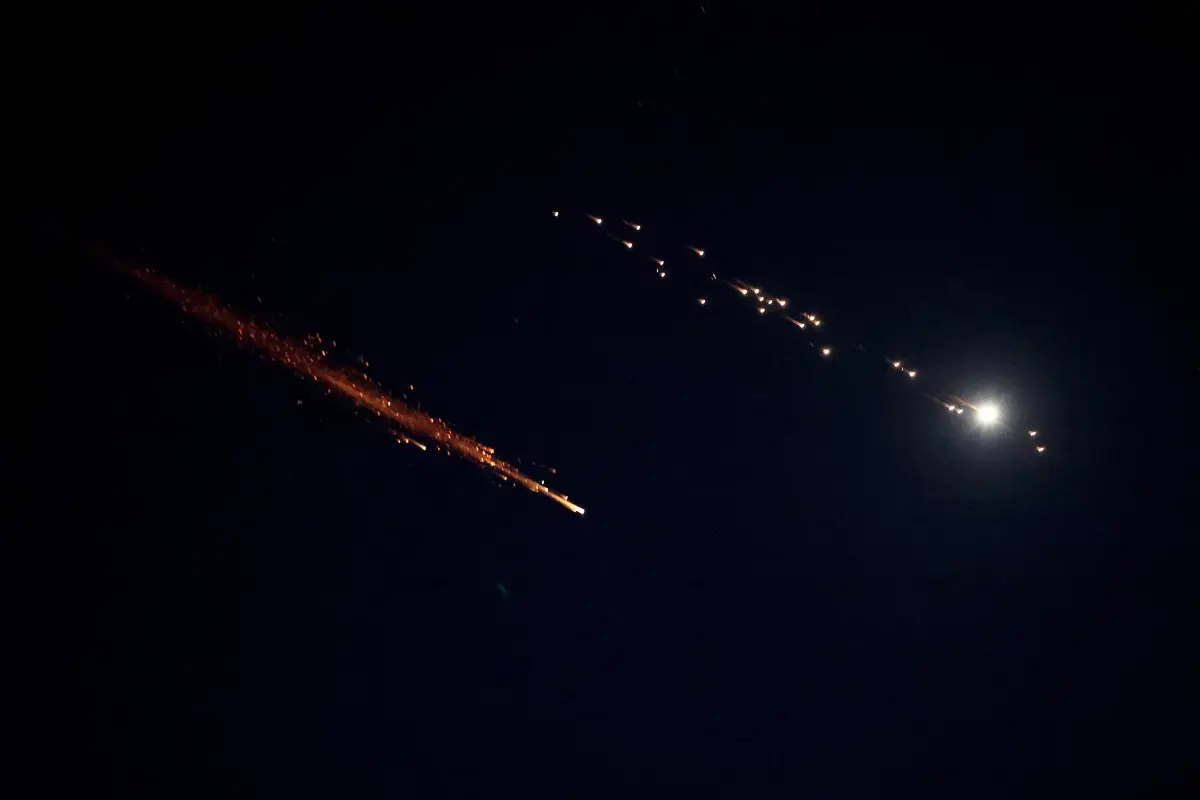
Range and guidance systems
Its guidance relies on advanced navigation technology that enables highly accurate strikes against fixed or relocatable targets. Defence planners view the system as part of a broader effort to modernise long-range precision fires and strengthen the United States’ ability to strike strategic targets from safer distances.
Why the missile was used in Iran
The deployment in Iran also provided the United States with an opportunity to test the weapon’s capabilities in a real conflict environment. The missile’s long range allows ground forces to target critical infrastructure without requiring aircraft to enter heavily defended airspace. Such capabilities are considered particularly valuable in conflicts where advanced air-defence systems are present.

Wider war across the Middle East
The conflict has involved missile and drone strikes across multiple countries and has intensified concerns over energy security and regional stability. According to reports citing officials in the region, the conflict has already resulted in significant casualties.
Disclaimer: WION takes utmost care to accurately and responsibly report ongoing conflicts in West Asia involving Israel, Iran, US, Gulf nations and non-state actors like Hezbollah, Hamas, Houthis, Islamic State, and others. Claims and counterclaims, disinformation and misinformation are being made online and offline. Given this context, WION cannot independently verify the authenticity of all statements, social media posts, photos and videos.
)
)
)
)
)