‘4 football fields at sea’: Inside the size & power of world’s largest carrier USS Gerald R. Ford now set for Iran’s waters

Commissioned in 2017, the ship features advanced systems for generating electricity and fresh water while supporting sustained air operations at sea.
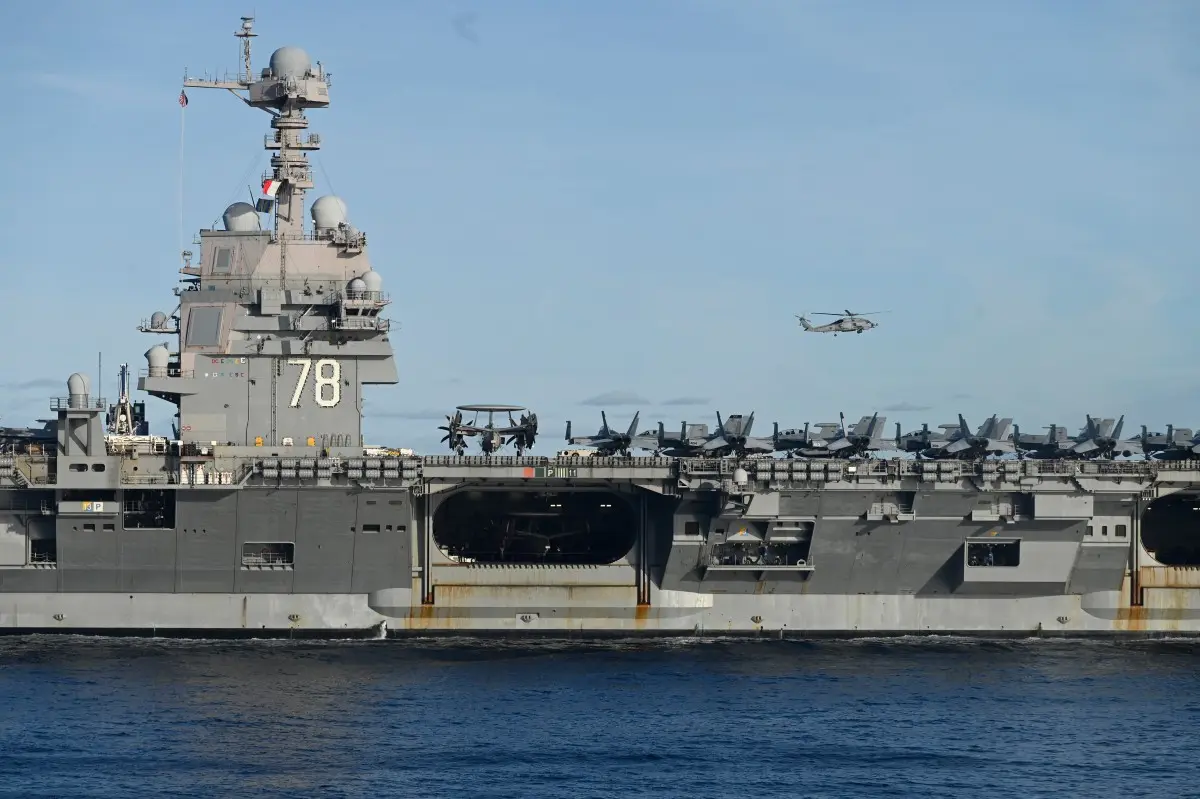
The World’s Largest Carrier
US President Donald Trump said on Friday that a change in power in Iran 'would be the best thing that could happen' as his administration considers potential military options against Tehran. He also said the USS Gerald R. Ford, the world’s largest aircraft carrier, is being sent from the Caribbean Sea to the Mideast to join other warships and military assets the US has built up in the region. Commissioned in 2017, the ship features advanced systems for generating electricity and fresh water while supporting sustained air operations at sea. Its deployment alongside other US naval assets highlights the strategic value of these capabilities during extended missions.
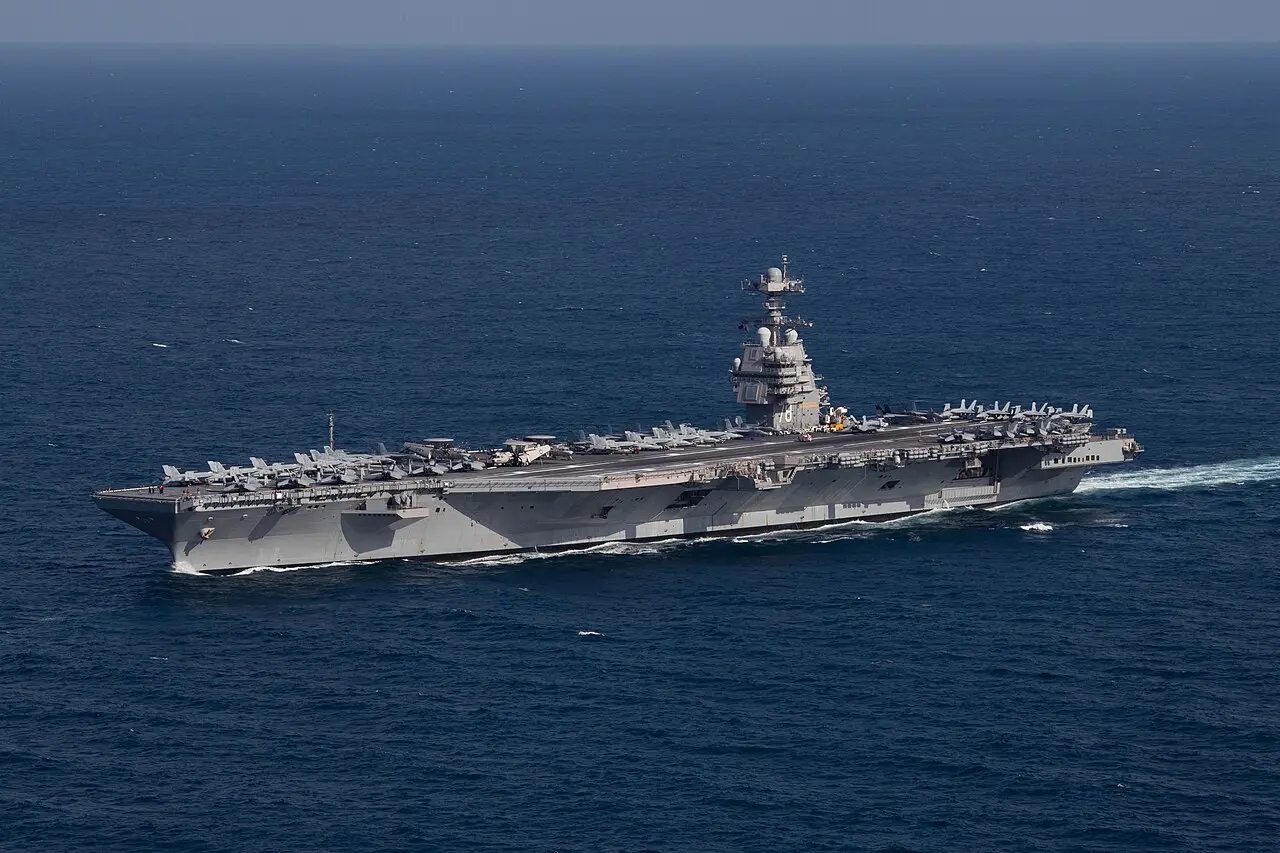
Introduction
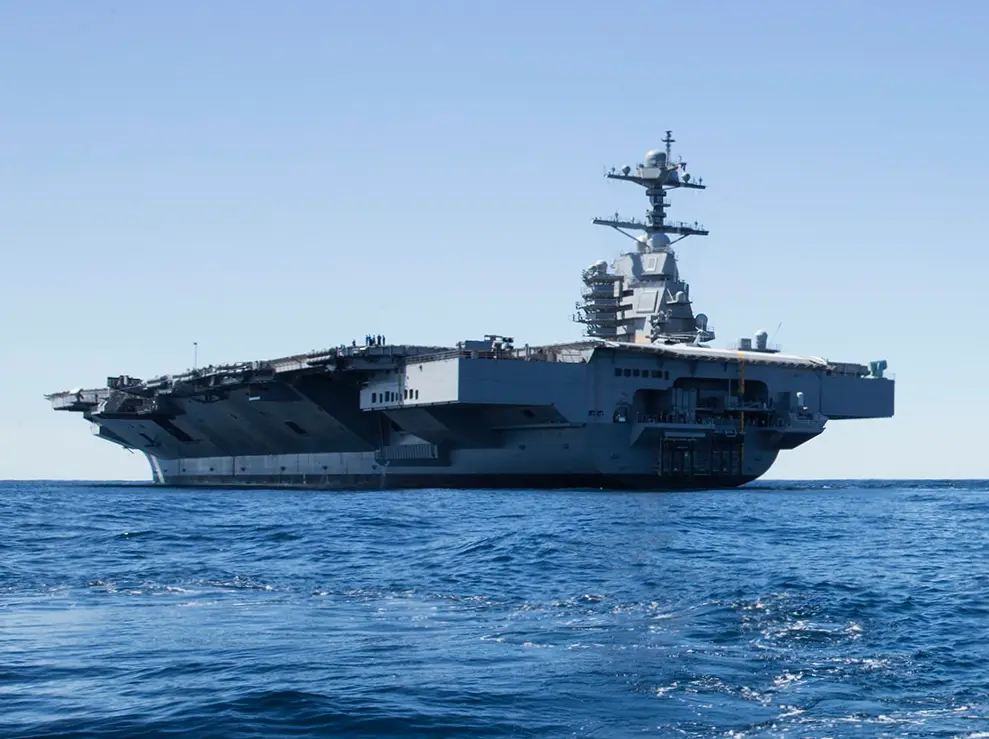
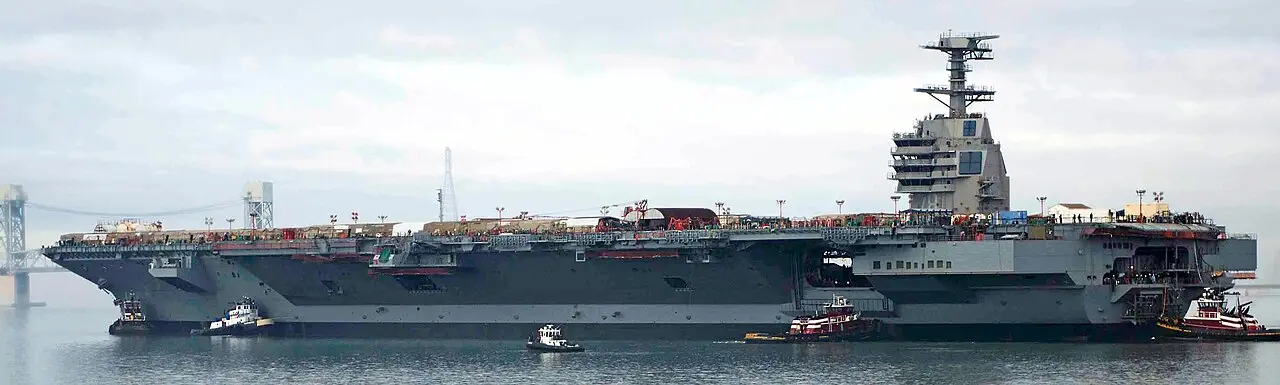
The USS Gerald R. Ford (CVN-78) stretches nearly 337 metres (1,100 feet), which is roughly the size of four football fields. It operates as a self-sufficient naval city. Designed as the lead ship of the Ford-class carriers, it combines the hull form of the Nimitz-class with extensive modernisations to enhance aircraft launch, recovery, and onboard operations. The carrier is nuclear-powered and built to support prolonged missions without refuelling.
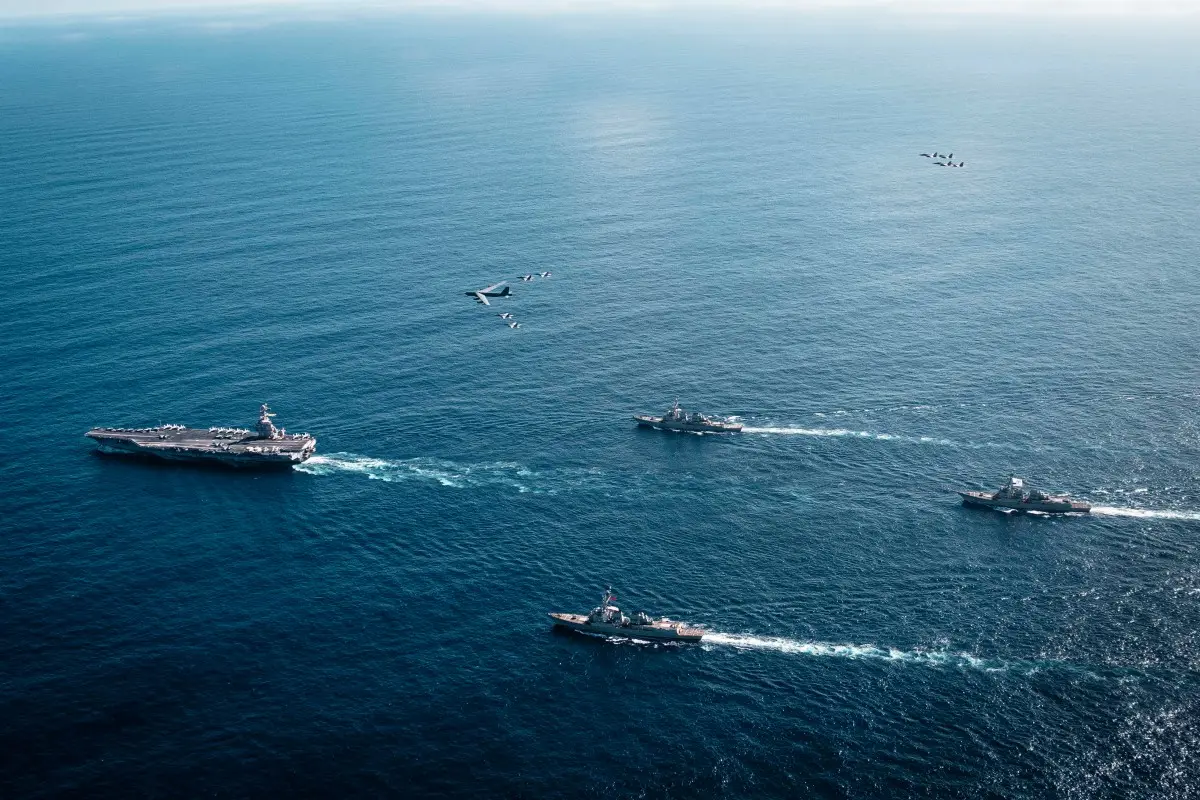
Flight Deck and Aircraft Operations
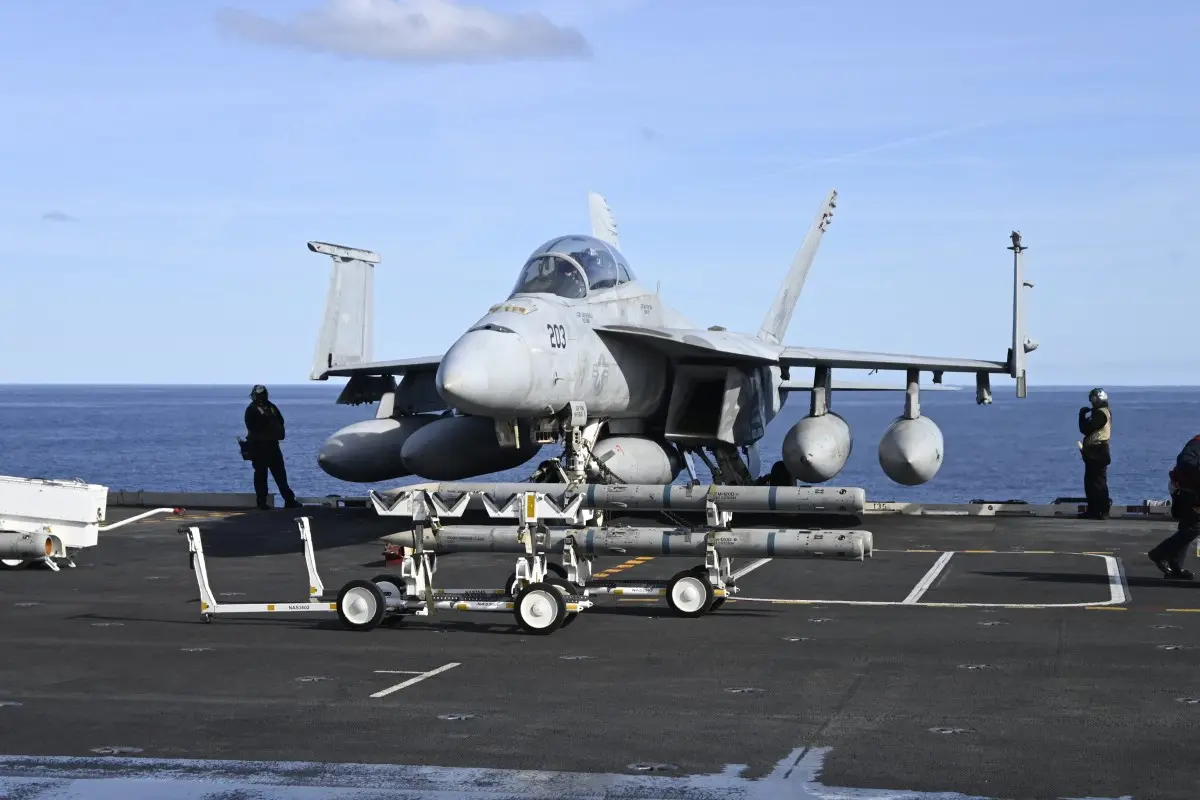
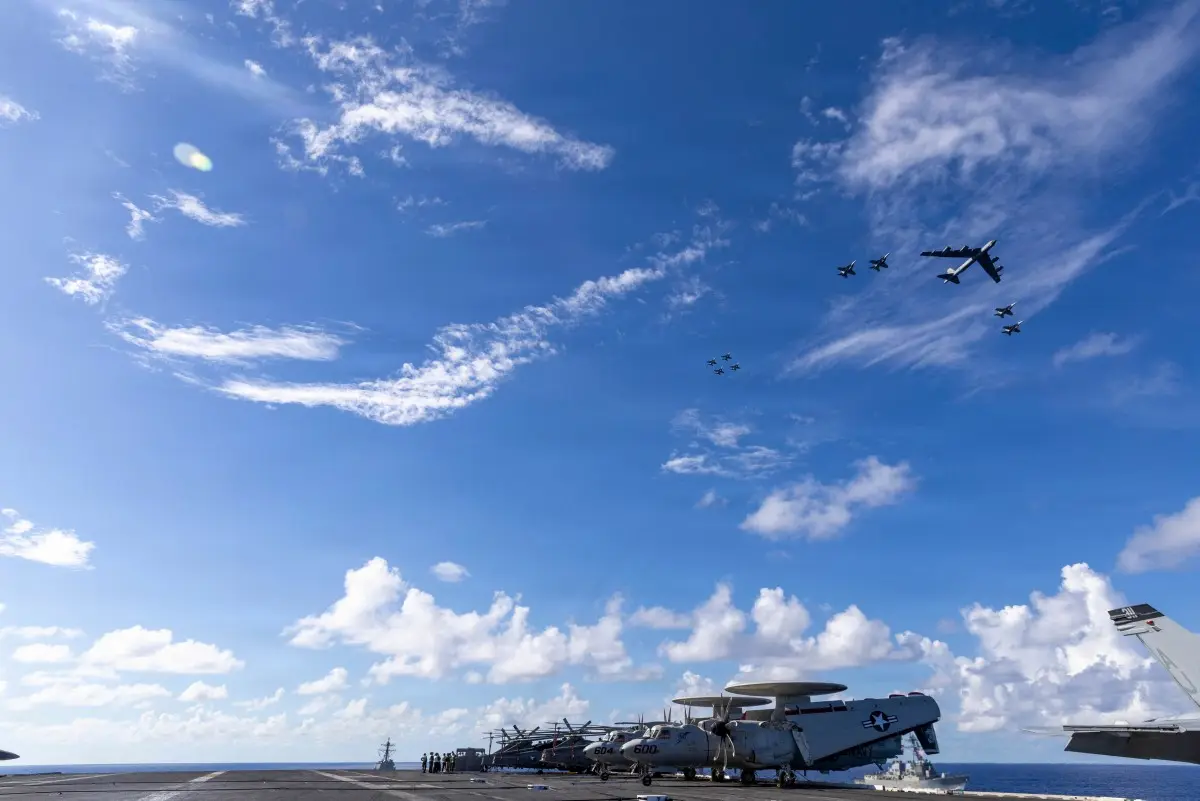
The carrier’s 78-metre-wide flight deck supports simultaneous launch and recovery of aircraft. Equipped with EMALS (Electromagnetic Aircraft Launch System) and AAG (Advanced Arresting Gear), the ship can sustain high-tempo flight operations. Its air wing includes roughly 60–75 aircraft, including F/A-18E/F Super Hornets, E-2D Hawkeyes, and MH-60 helicopters, enabling rapid airstrike and surveillance capabilities.
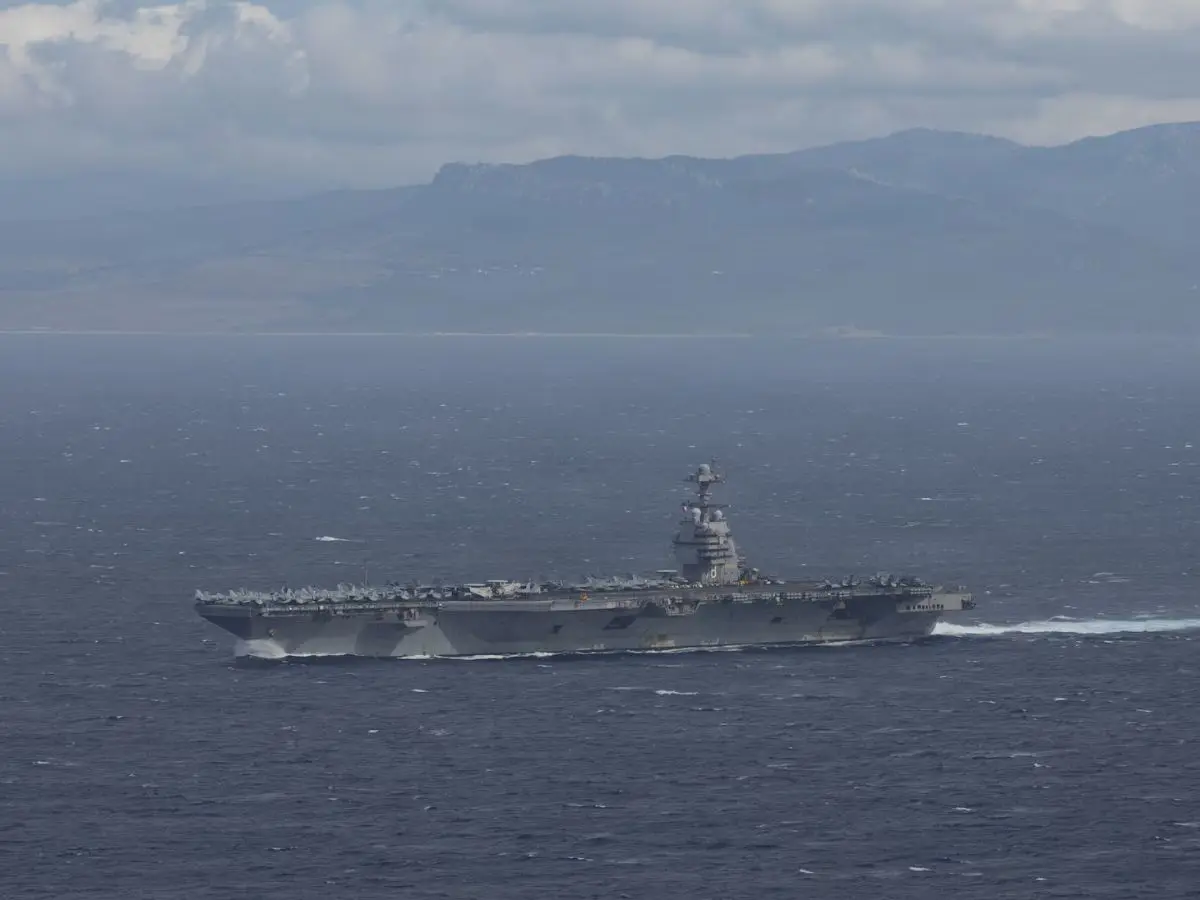
Nuclear Power and Endurance
Powered by two A1B nuclear reactors, USS Gerald R. Ford generates enough electricity for propulsion and advanced systems, allowing virtually unlimited range. The nuclear plant also reduces crew requirements compared with older carriers while supplying power for EMALS, AAG, and shipboard electronics.
Sortie Generation Capability
Redesigned from the Nimitz-class, CVN‑78 can sustain 160 sorties per 12-hour day and surge to 270 sorties per 24-hour period, surpassing legacy carriers’ 120 sustained sorties. This capability enables rapid and sustained air operations in high-tempo scenarios.
Deployment and Mission
Gerald R. Ford was operating in the Caribbean before its redeployment. Alongside the USS Abraham Lincoln, guided-missile destroyers, fighter jets, and surveillance aircraft, the carrier reinforces the US military presence in the Persian Gulf. The journey to the region is expected to take at least a week.
Crew and Operations
The carrier supports a crew of over 4,500 personnel, including ship company and air wing. Facilities include living quarters, medical support, and operational infrastructure, enabling sustained deployments without returning to port.
Sustained Mission Capabilities
The carrier’s nuclear propulsion and onboard systems enable it to generate fresh water, electricity, and sustain air operations for extended periods at sea, ensuring readiness for both routine patrols and high-intensity operations without relying on ports.
)
)
)
)
)