‘4% drop’: What’s behind India’s declining arms import percentage? Is the ‘shopping mall’ tag fading?

However, despite the percentage dip in import volume, India remains the world’s second-largest recipient, trailing only Ukraine. Saudi Arabia, Qatar and Pakistan rounded out the world’s top five importers.
A subtle shift in procurement dynamics
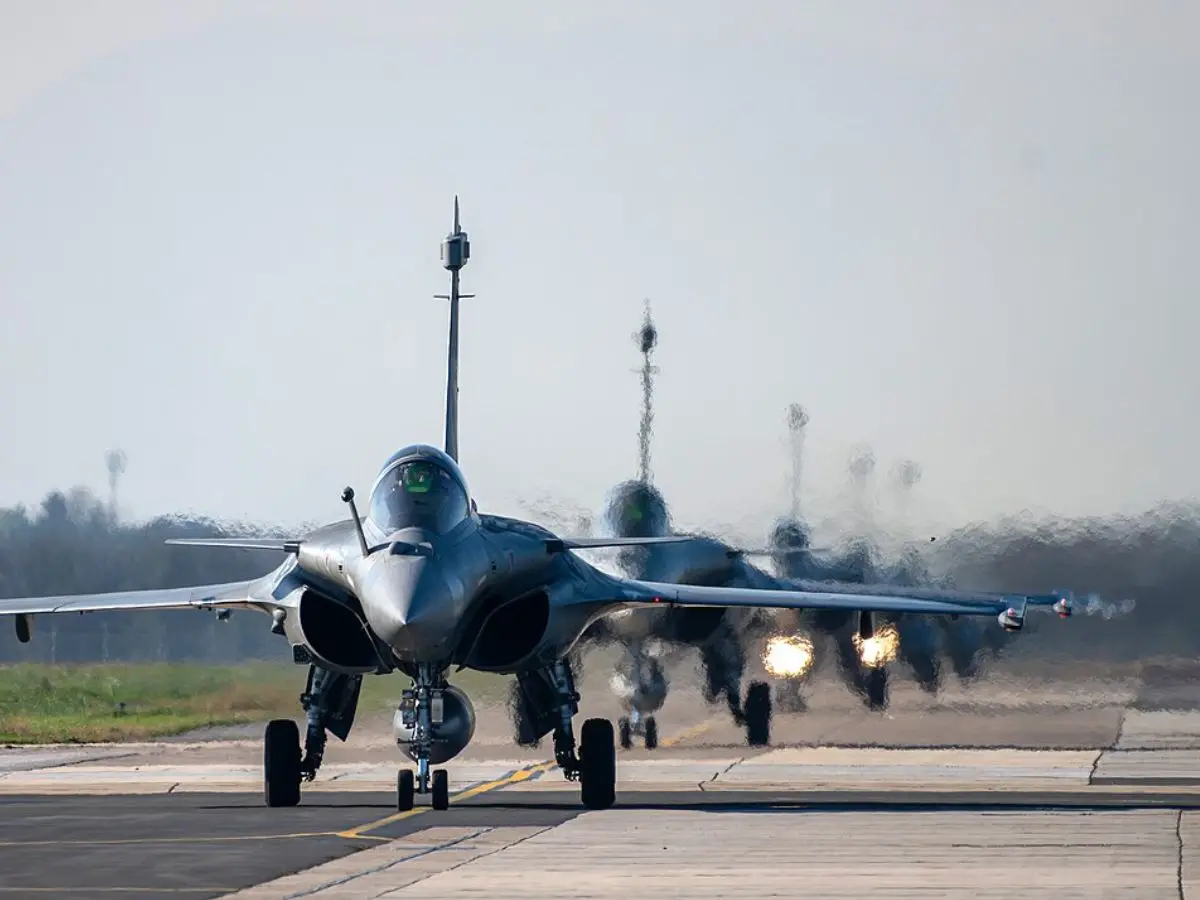
India remains a central pillar of the global arms trade, accounting for 8.2 per cent of total international imports between 2021 and 2025. According to the Stockholm International Peace Research Institute (SIPRI), the nation’s arms imports fell by 4.0 per cent compared to the 2016–20 period. This decline suggests a cooling of India's long-standing reputation as a global 'shopping mall' for weaponry, as the state increasingly prioritises domestic manufacturing. However, despite the percentage dip in import volume, India remains the world’s second-largest recipient, trailing only Ukraine. Saudi Arabia, Qatar and Pakistan rounded out the world’s top five importers, capturing 6.8 per cent, 6.4 per cent, and 4.2 per cent of the global share, respectively.
The push for indigenous self-reliance
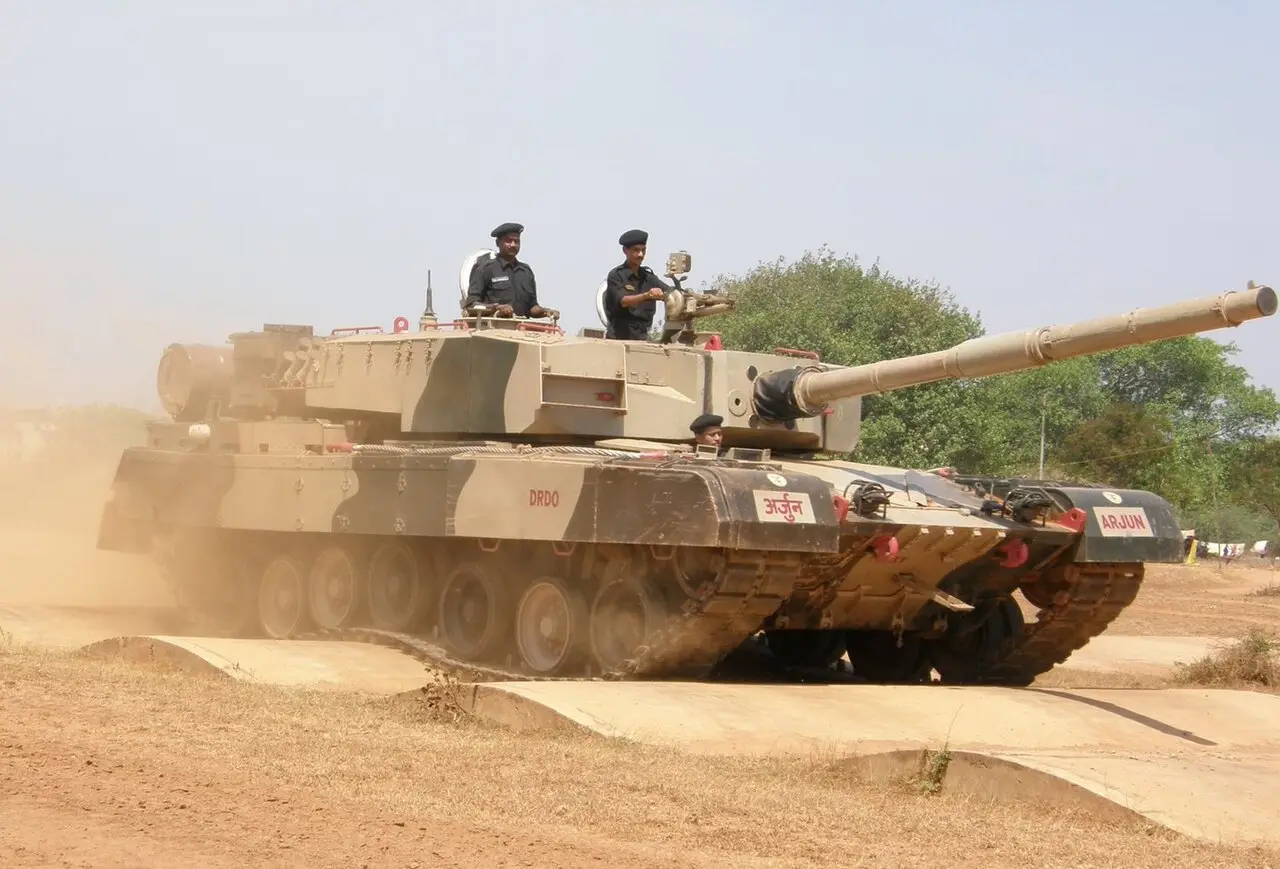
The reduction in foreign acquisitions is partly attributed to India’s burgeoning capability to design and produce indigenous hardware. The Union Budget 2026-27 reinforces this transition, allocating a record Rs. 7.85 lakh crore to the Ministry of Defence, a 15.19 per cent increase over the previous year. Crucially, approximately 75 per cent of the capital acquisition budget, or Rs. 1.39 lakh crore, is now reserved for domestic industries. This fiscal strategy aims to diminish the historical reliance on foreign manufacturers while fostering a local industrial base.
Strategic tensions as a primary driver
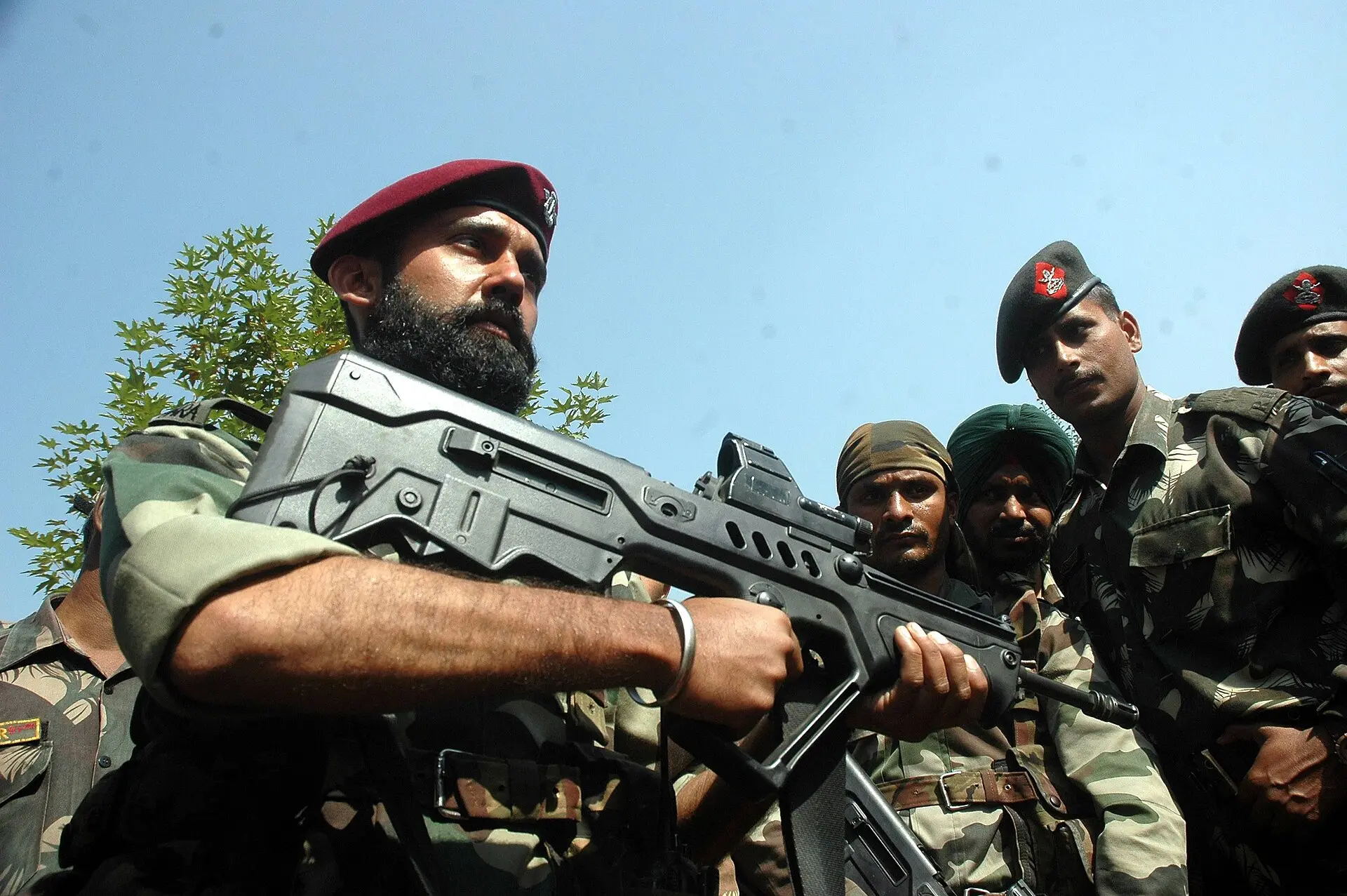
Despite the move toward self-reliance, procurement remains urgent due to persistent regional friction. SIPRI notes that India’s arms imports are fundamentally driven by 'tensions with both China and Pakistan.' These geopolitical pressures 'regularly led to armed conflict, as they did briefly between India and Pakistan in May 2025,' an engagement where both sides deployed imported major arms. Consequently, while the intent is to build locally, the immediate security environment necessitates a continued flow of high-end foreign technology.
The erosion of Russian dominance
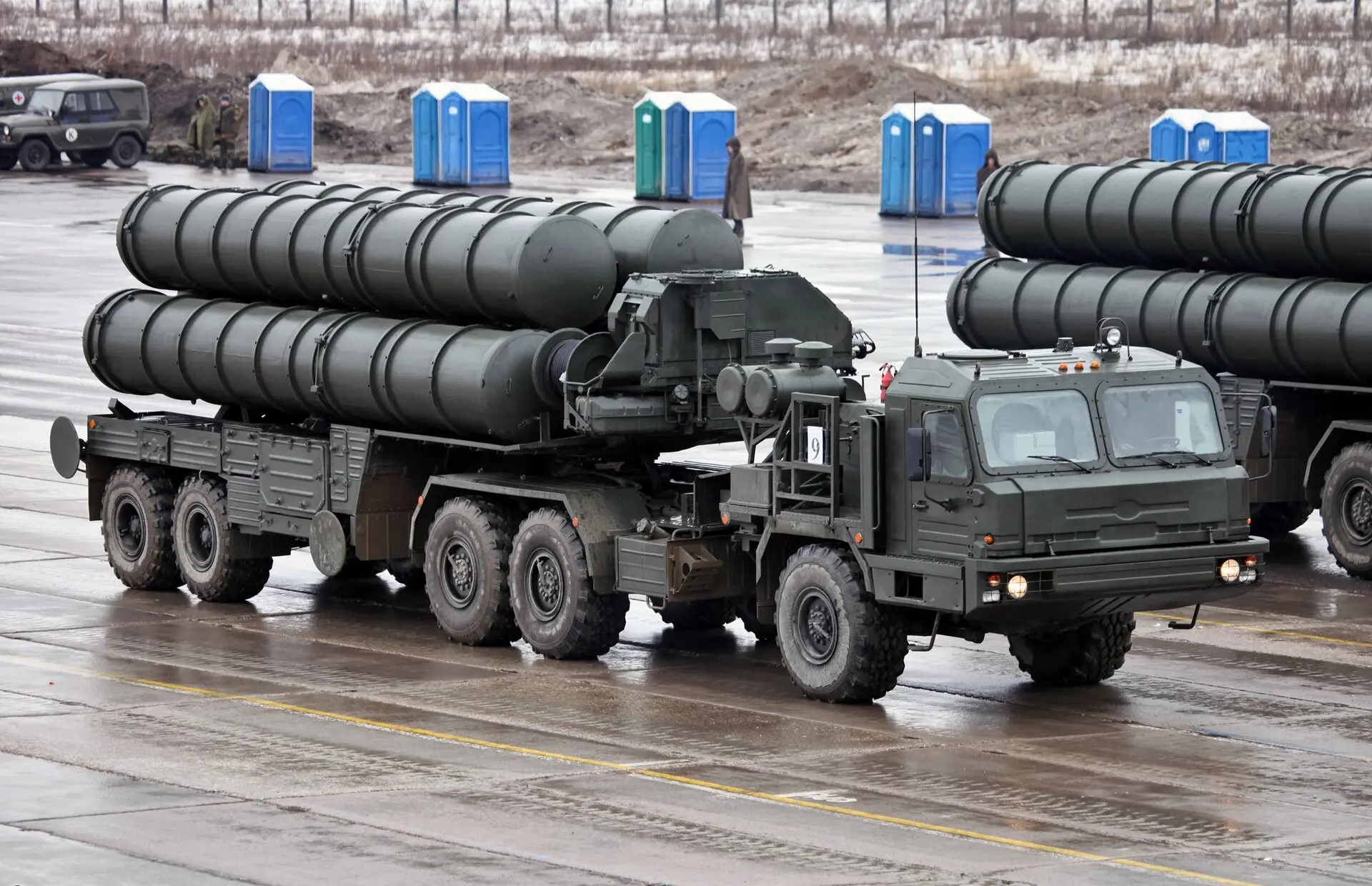
A defining trend in India’s trade data is the pivot away from Moscow. Russia’s share of Indian arms imports has collapsed from 70 per cent in 2011–15 to 40 per cent in 2021–25. While India still takes 48 per cent of all Russian exports, making it Russia's largest client, New Delhi has systematically diversified its suppliers. This shift has benefited Western nations and Israel, reflecting a broader strategic alignment with NATO-standard technology and a move away from legacy Soviet-era systems.
France and Israel fill the vacuum
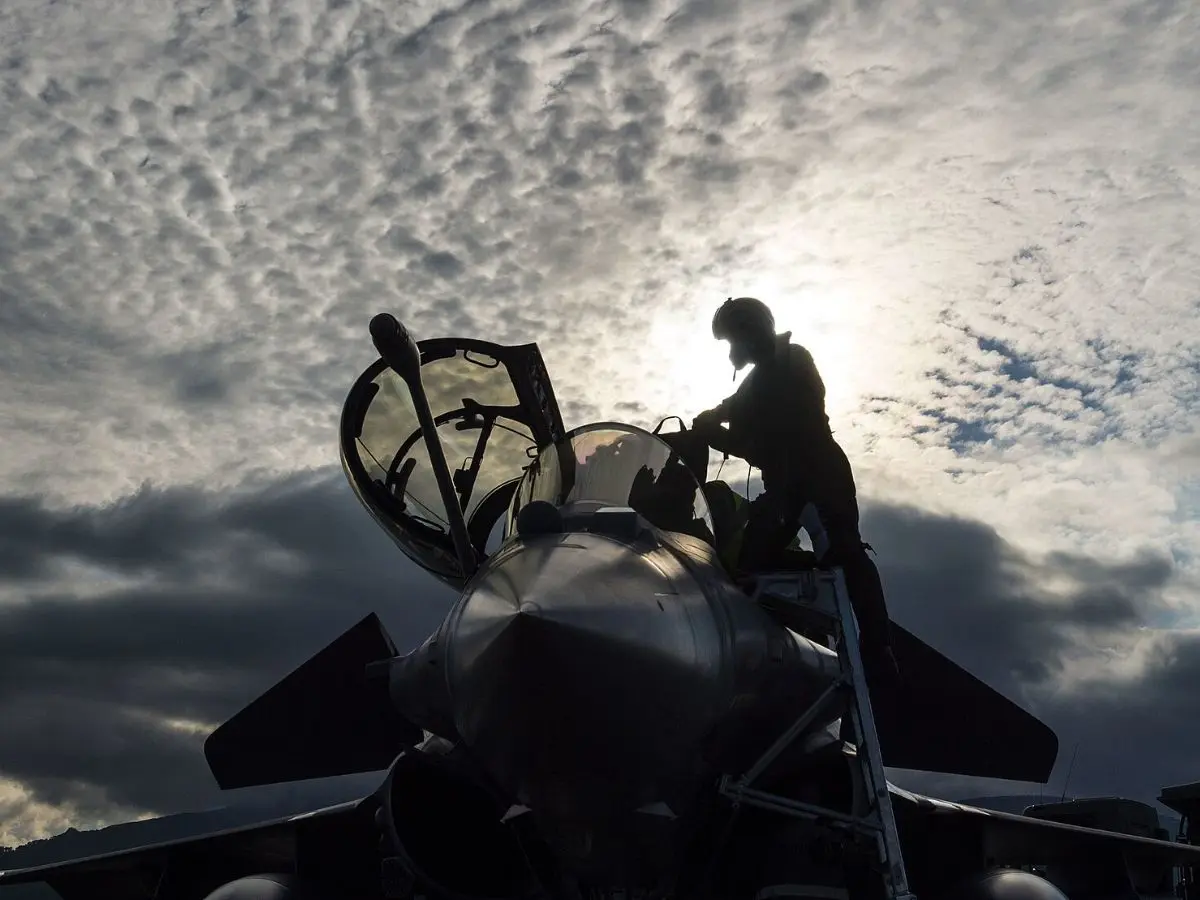
As Russian influence wanes, France and Israel have emerged as indispensable partners. France now secures 29 per cent of India's import share, while Israel provides 15 per cent. The SIPRI report highlights that India’s planned orders, including up to 140 combat aircraft from France and six submarines from Germany, point toward a 'continued and probably increasing reliance on foreign suppliers.' These high-value contracts suggest that while the number of items imported may drop, the sophistication and cost of the technology remain substantial.
Regional arms racing with Pakistan
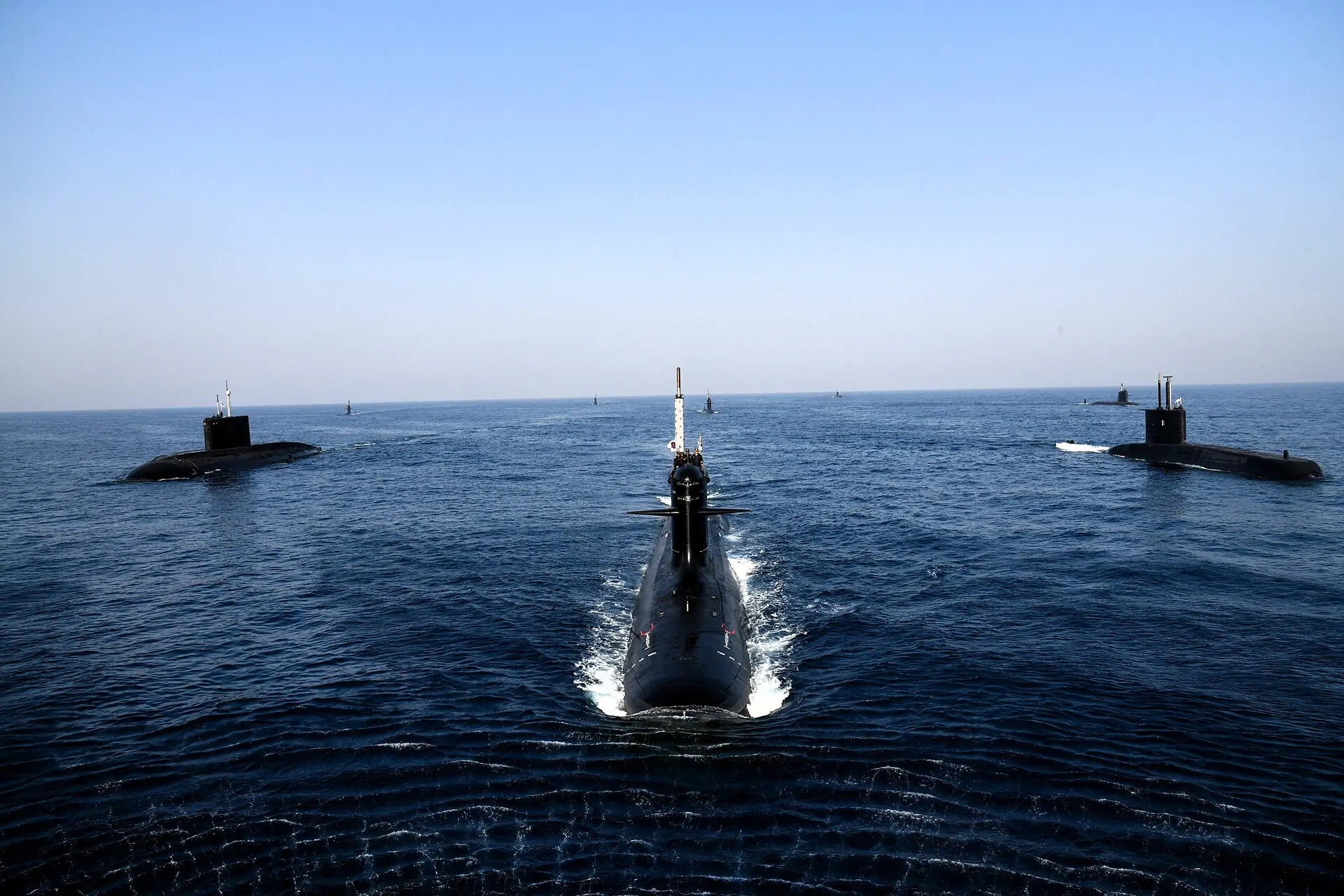
While India’s imports saw a slight decline, its neighbour, Pakistan, experienced a 66 per cent surge, rising to become the world's fifth-largest importer. This creates a complex security paradox; as India attempts to localise production, Pakistan is deepening its dependency on China, which now provides 80 per cent of its major arms. This regional imbalance ensures that the Indian Ministry of Defence must balance the slow pace of domestic innovation against the rapid induction of Chinese-made platforms across the border.
Operation Sindoor and the lessons learnt
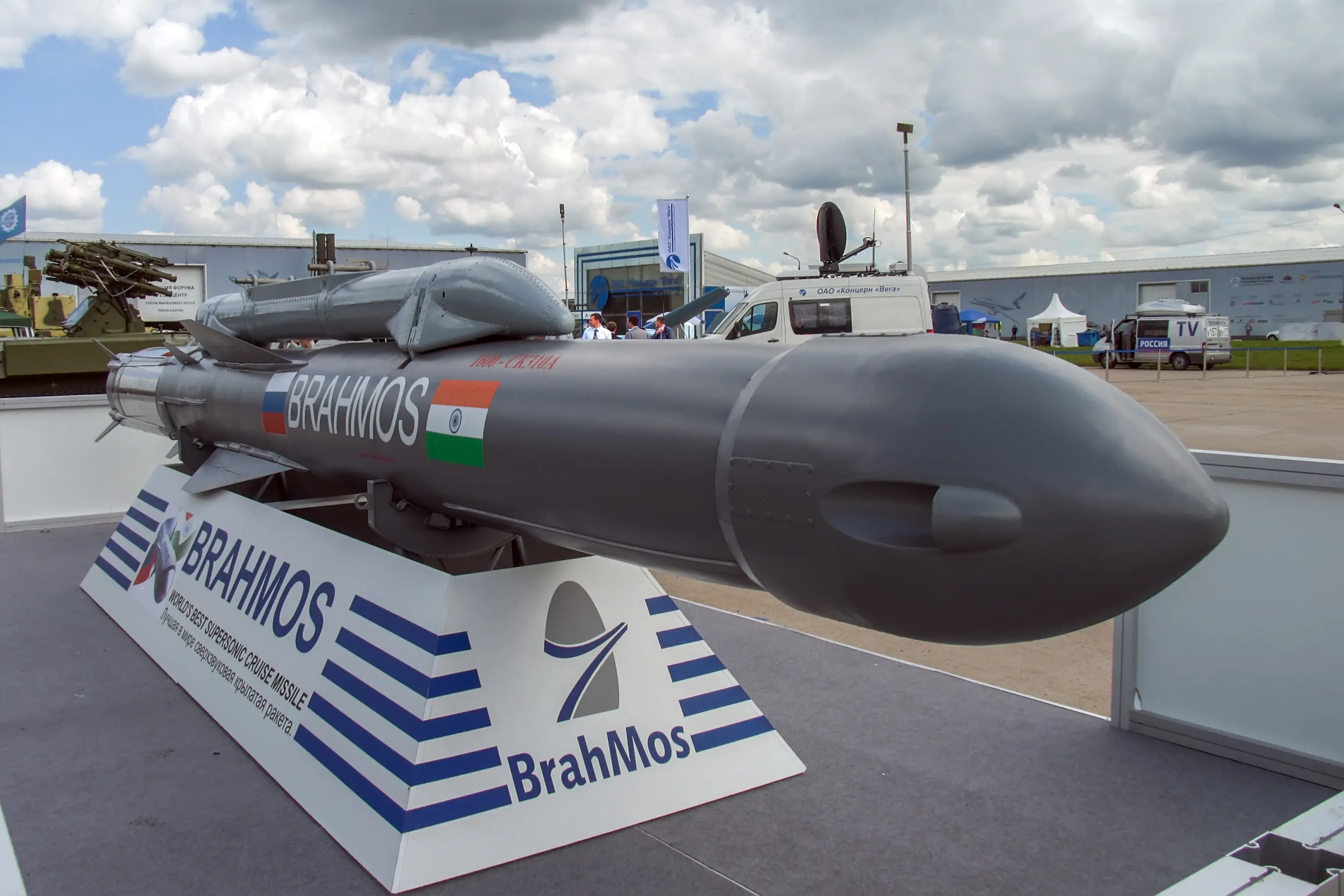
Operation Sindoor, conducted in May 2025, served as the definitive ‘battle-proven’ debut for India’s Aatmanirbhar Bharat initiative. While the mission was a response to the Pahalgam attack, its legacy is defined by the first large-scale operational deployment of several home-grown technologies that functioned in a high-intensity, multi-domain environment. Several weapons made a combat debut- indigenous Akash missiles, NavIC precision, loitering munitions, BrahMos missile and more.
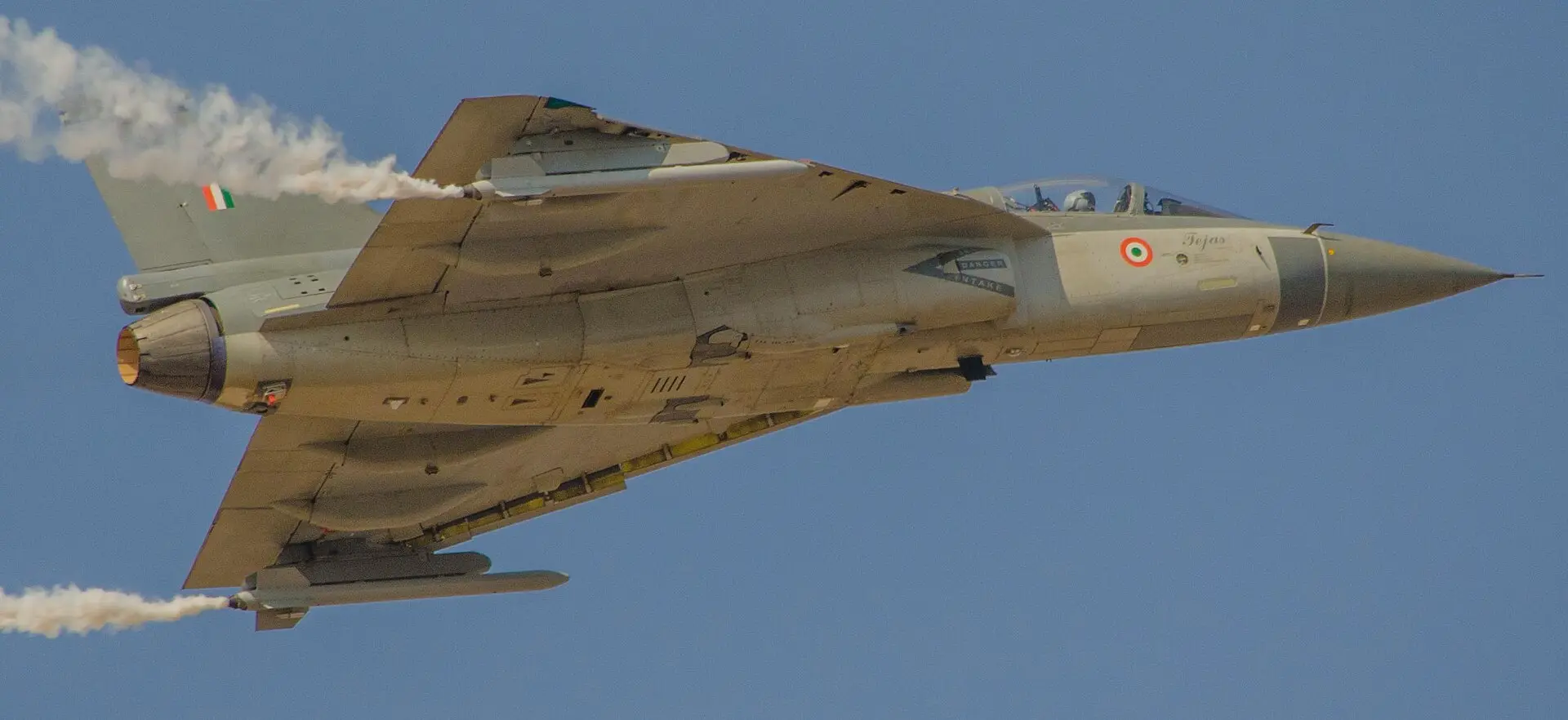
Future outlook and production delays
The transition to a self-reliant defence state is hampered by what SIPRI describes as 'substantial delays in domestic production.' To bridge this gap, the 2026-27 budget increased the DRDO allocation to Rs. 29,100.25 crore to spur innovation. While the 4 per cent drop in imports indicates a change in trajectory, the sheer scale of the 15 per cent budgetary increase proves that India’s military spending is actually accelerating. The ‘shopping mall’ tag may be fading, but India’s role as a high-spending military power is more pronounced than ever.
)
)
)
)
)