‘360-degree vision’: How the F-35 fighter jet outperforms legacy jets in sensor fusion

The F-35's advanced sensor fusion combines radar, infrared, and optical data into one cockpit display. MADL allows stealth data sharing. AI automatically processes threats. Legacy fighters display raw data separately, creating pilot delays.
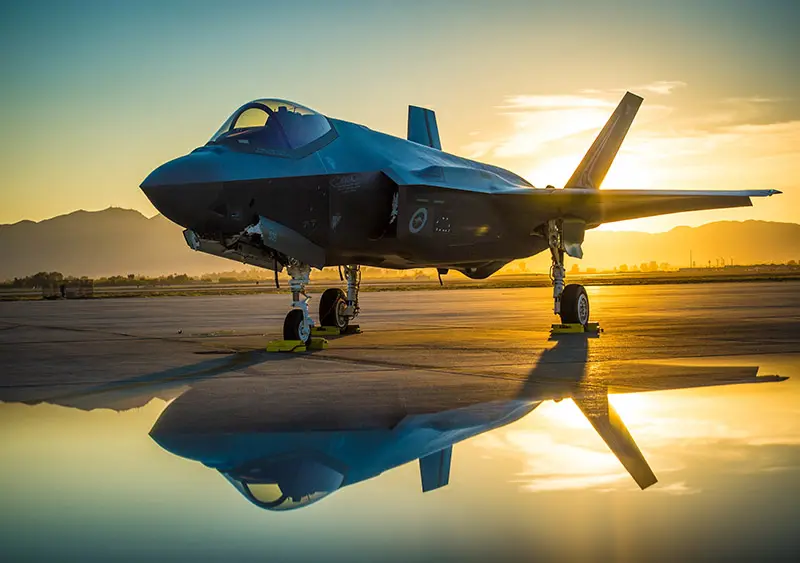
Sensor Fusion Combines Multiple Data Sources
The F-35 merges radar, infrared, electronic warfare, and optical data into one cockpit display. Legacy fighters display each sensor separately, forcing pilots to mentally combine information. F-35 pilots get instant integrated awareness.
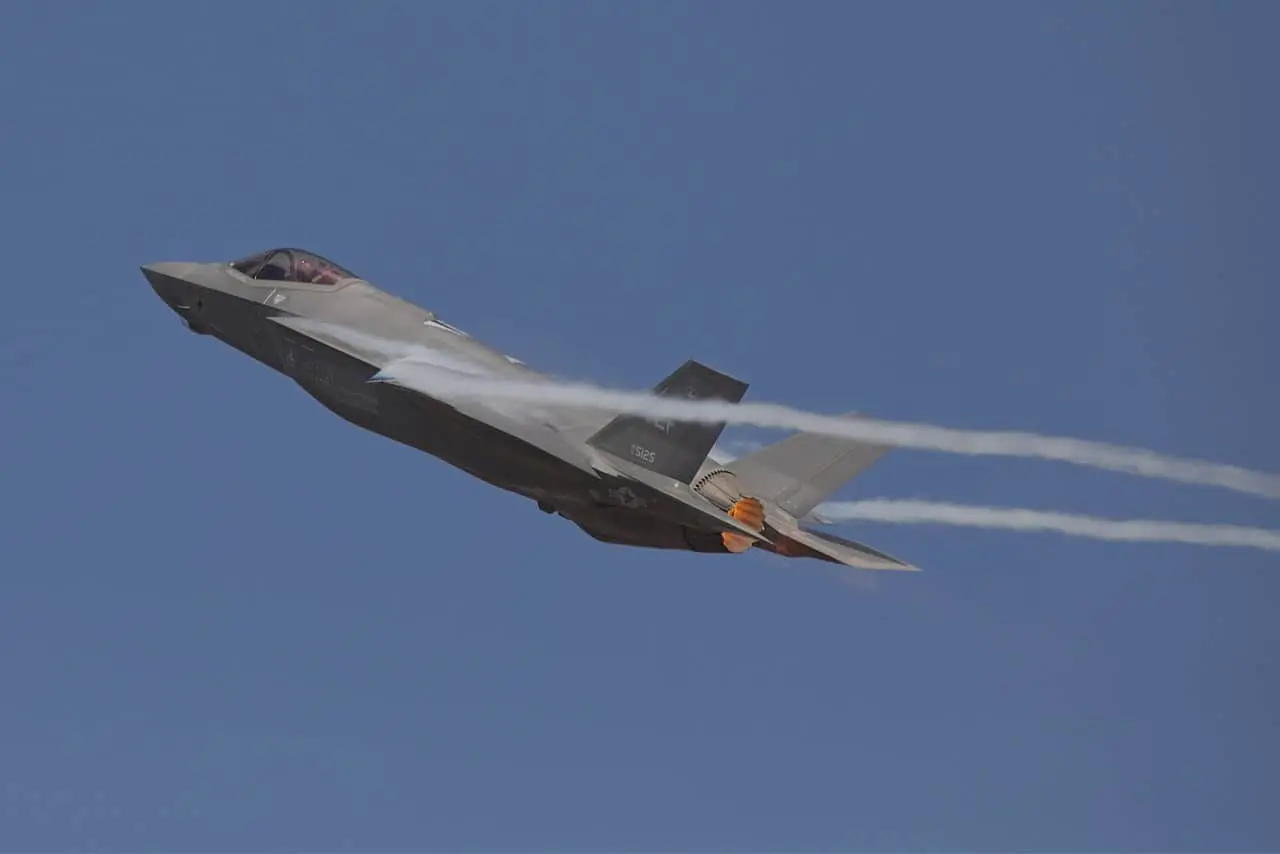
360-Degree Distributed Sensor Coverage
The F-35 has optical sensors embedded across the entire airframe providing full-sphere visibility. Pilots see through the aircraft using synthetic vision, impossible for older fighters with forward-facing radar only.
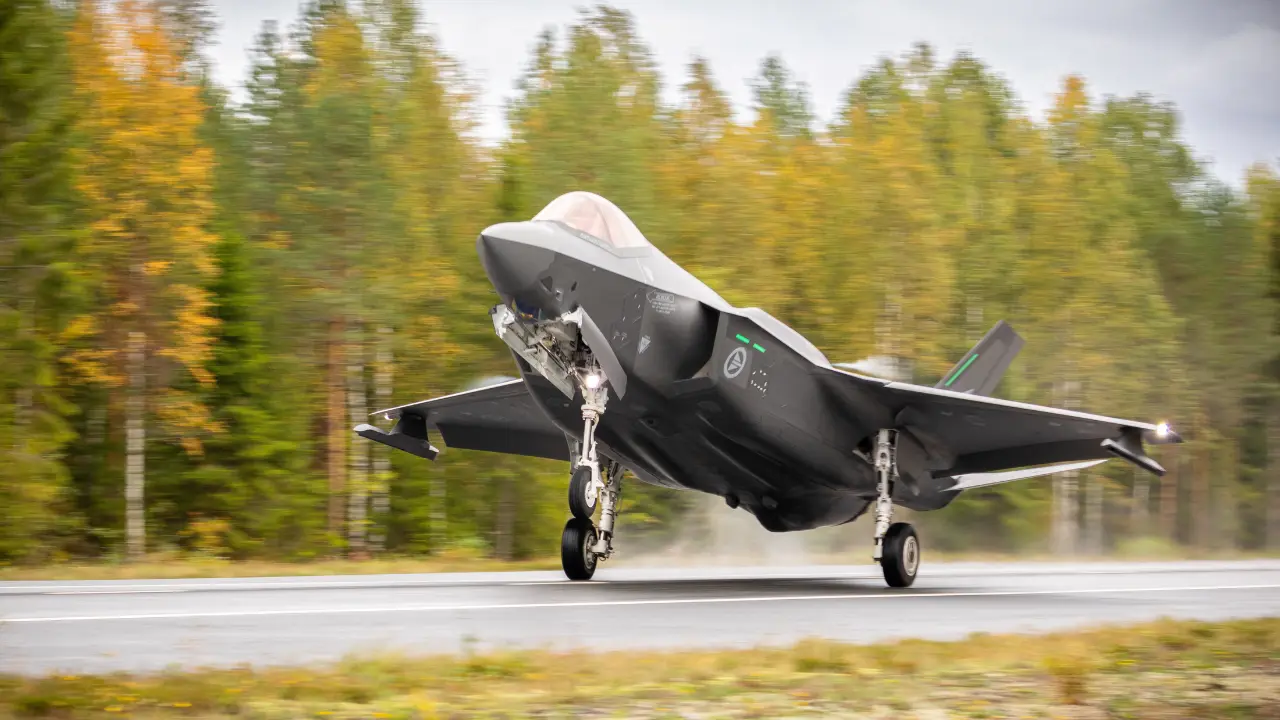
MADL Data Link - Stealth Advantage
Multifunction Advanced Data Link allows F-35s to share targeting data without transmitting radar, maintaining stealth. Legacy fighters using Link-16 broadcast their position to enemy radar detection systems.
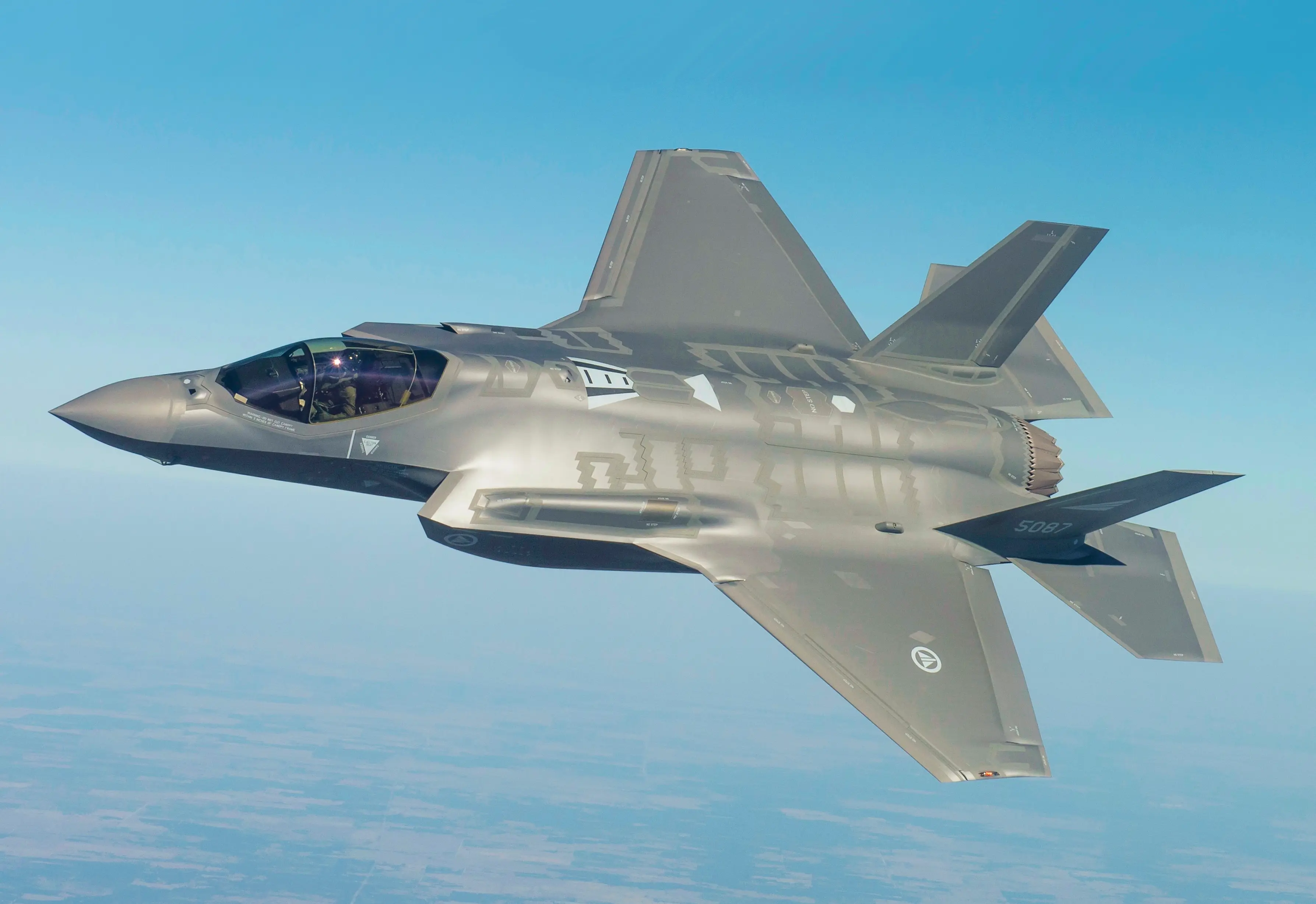
Real-Time Threat Library Updates
The F-35 continuously updates its internal threat database with real-time intelligence. Legacy fighters fly with static pre-loaded threat libraries that become outdated during missions.
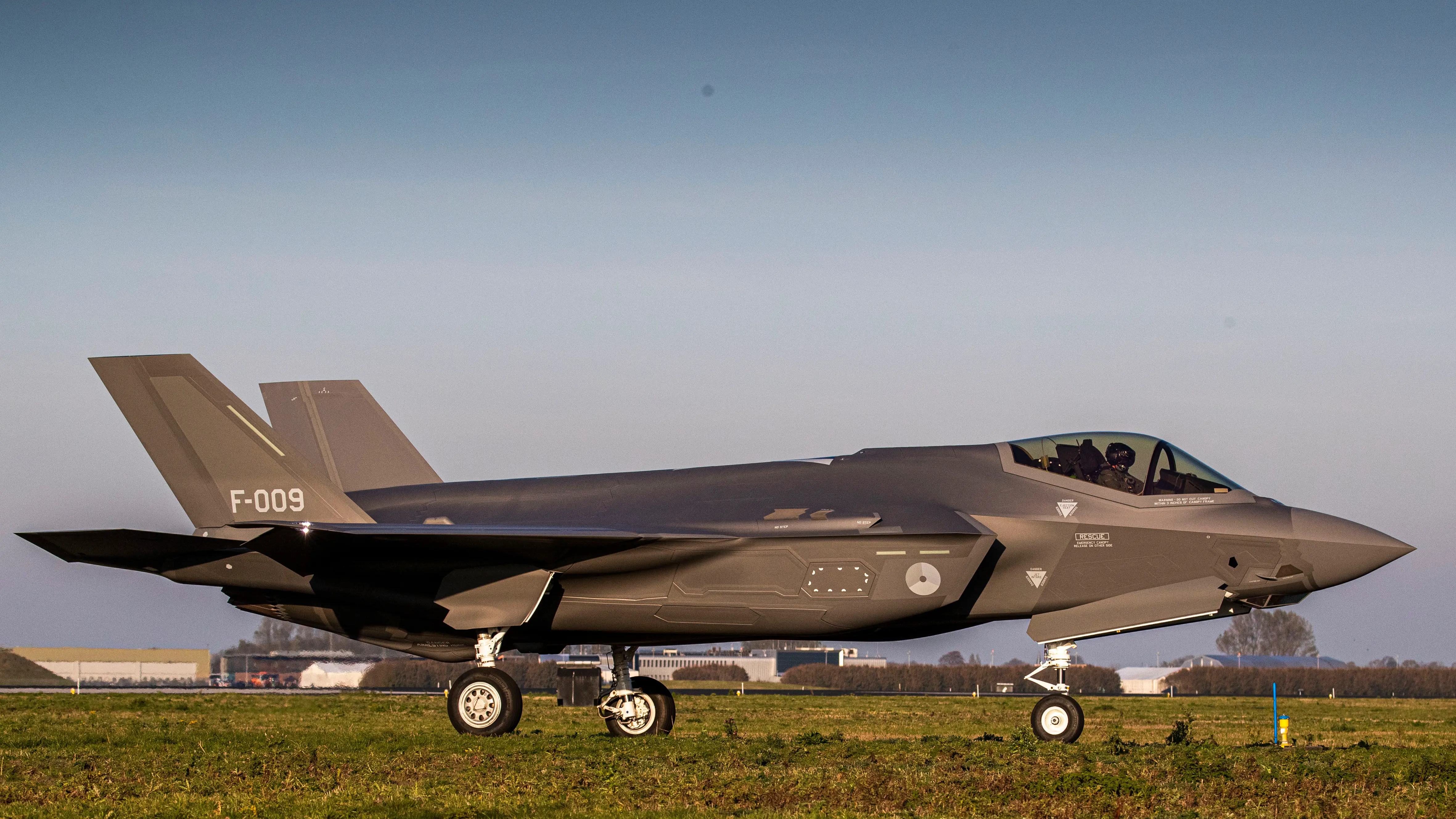
AI Processes Sensor Data Automatically
Artificial intelligence algorithms analyse fused sensor data, identifying and prioritising threats without pilot input. Legacy jets require pilots to manually process each radar contact and make identification decisions.
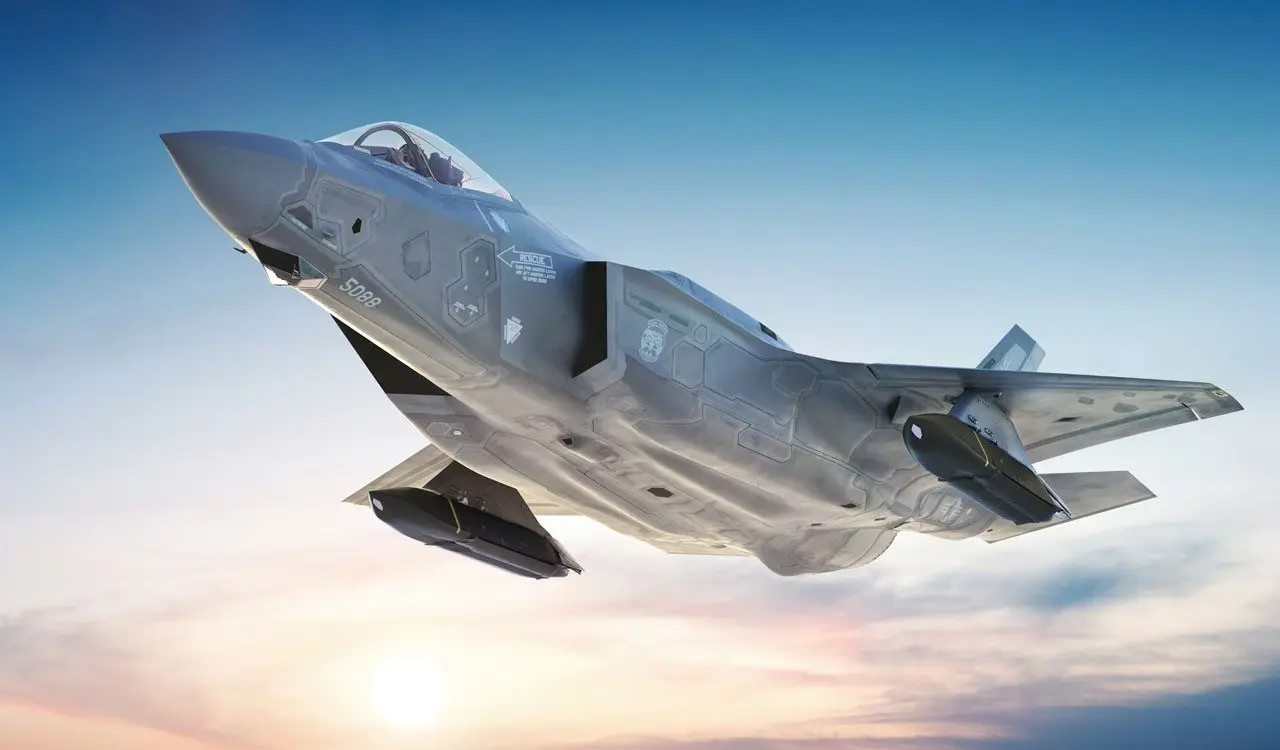
70% Confidence Ratings From Multiple Sensors
When radar identifies a target with 70 per cent confidence and infrared confirms with 80 per cent confidence, fusion engines combine this for 95 per cent identification certainty. Legacy fighters cannot perform this cross-sensor validation.
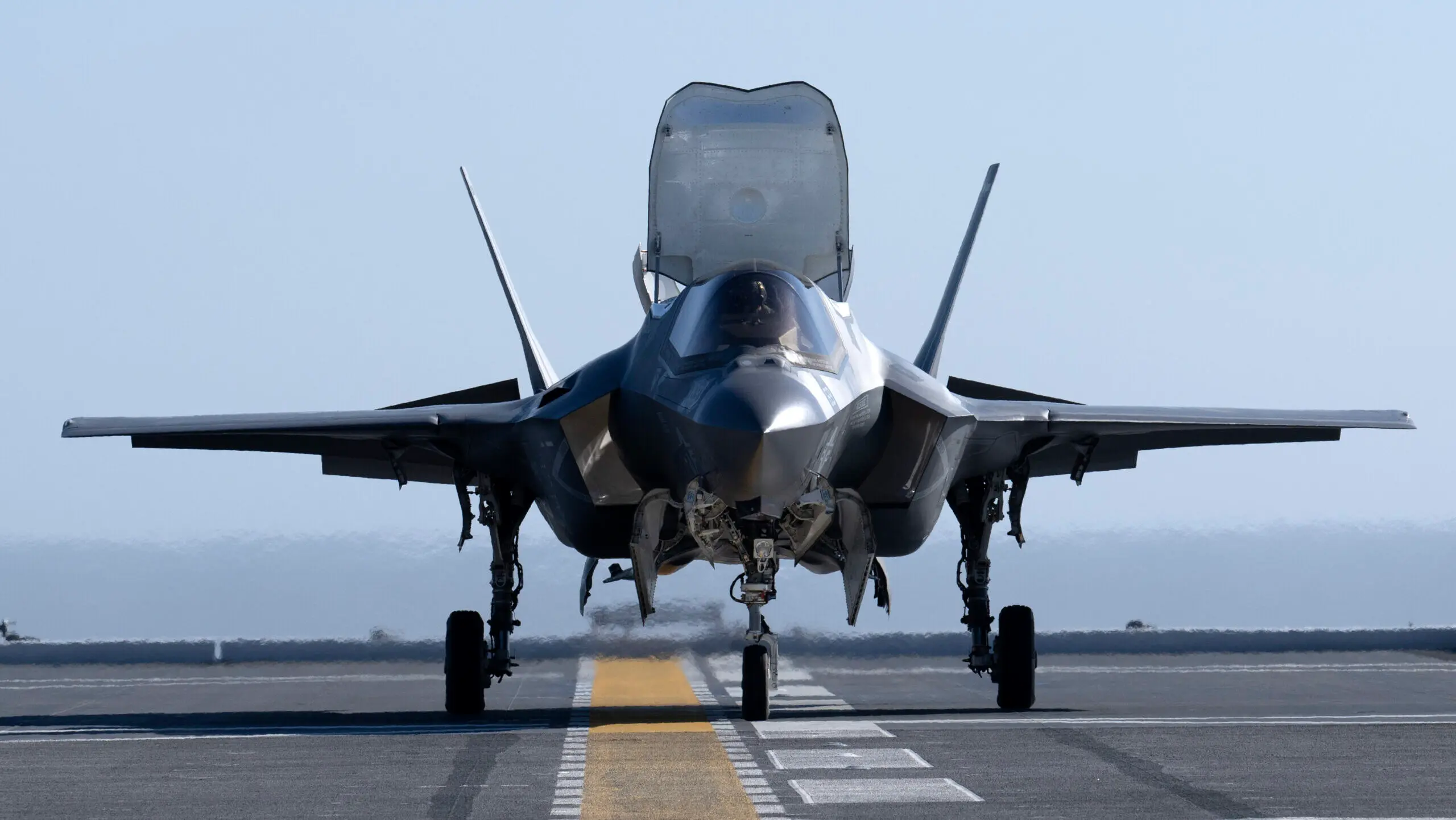
Extended Sensor Range Through Data Sharing
An F-35 can detect targets 100 miles away using a networked F-35's sensors. Legacy fighters see only what their own sensors detect, limiting effective range to 50-60 miles.
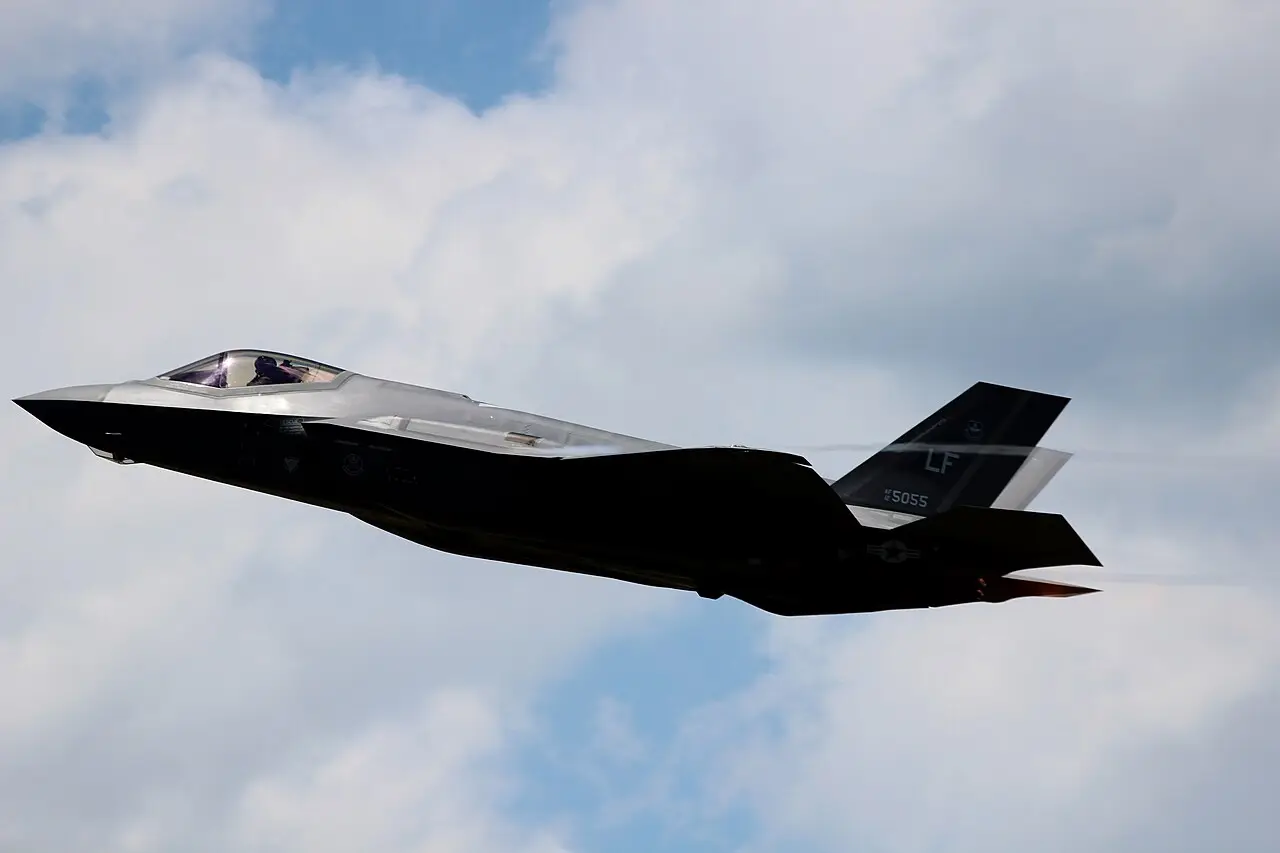
Block 4 Upgrades Add Advanced Radar
The F-35's latest Block 4 upgrade introduces an all-new active electronically scanned array radar and enhanced electro-optical targeting system. These improvements extend detection range and classification accuracy.
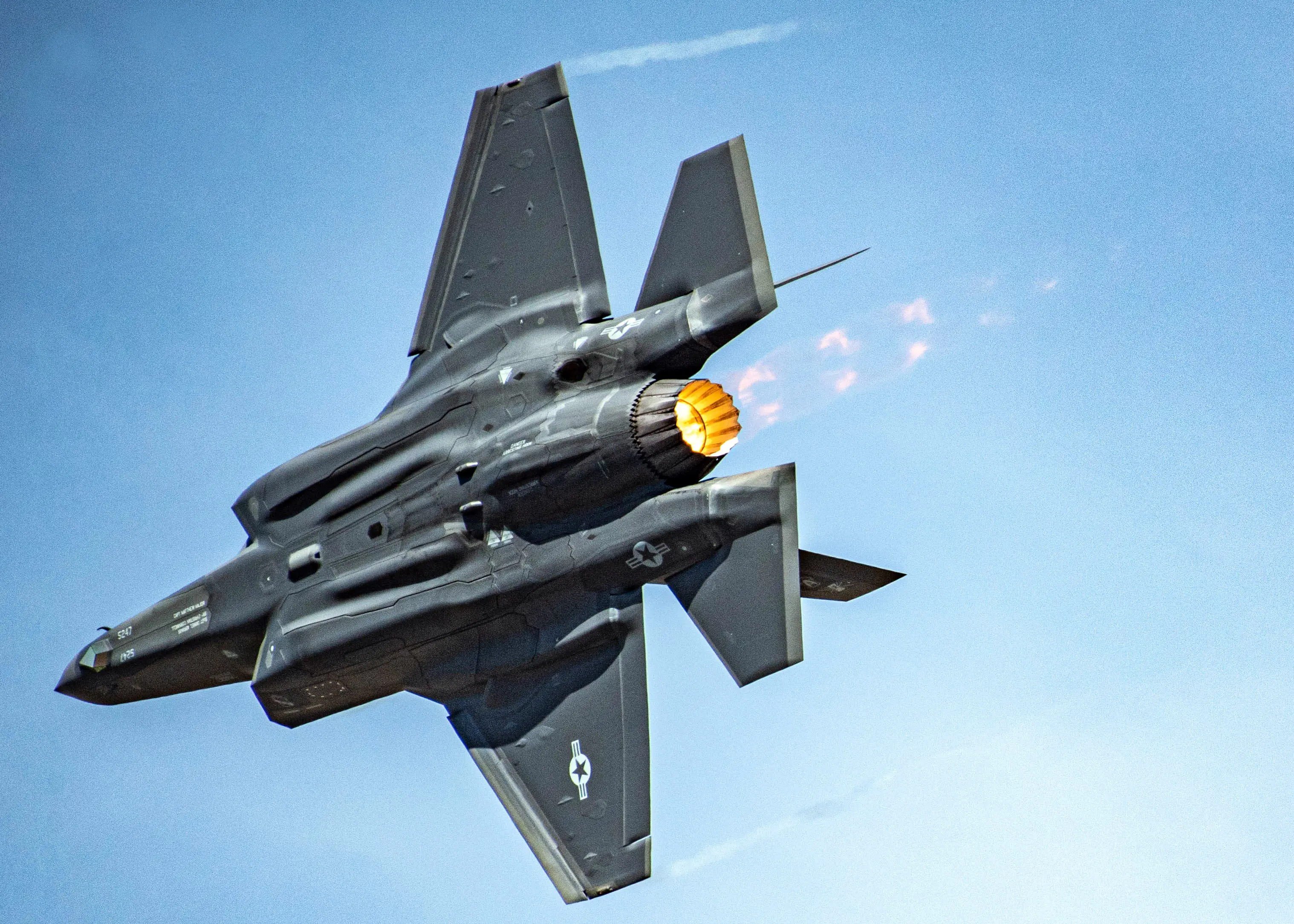
Reduced Pilot Cognitive Load
Sensor fusion automation handles data integration, threat prioritisation, and target assignment. F-35 pilots focus on tactics while legacy fighter pilots manually process raw sensor data, creating decision delays.
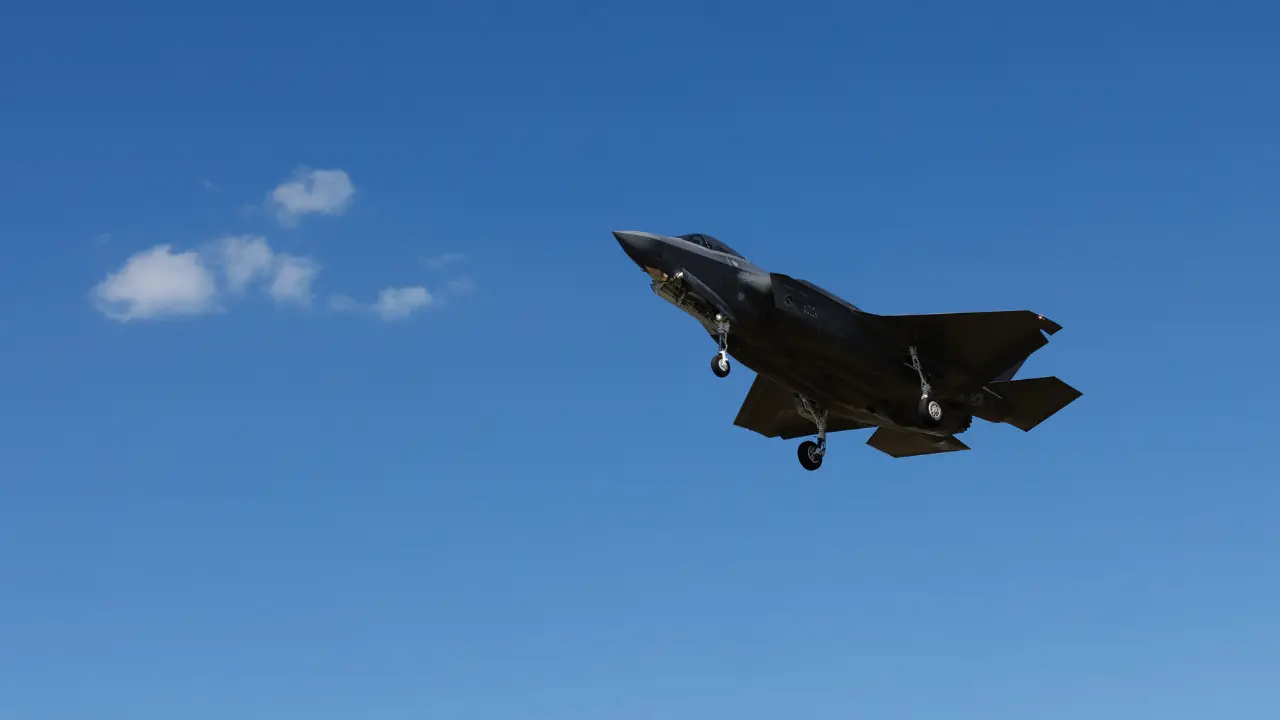
Network-Centric Warfare Advantage
F-35s act as sensors for entire strike formations, sharing target data with legacy fighters, attack helicopters, and ground forces. This gives legacy aircraft and ground units extended capability beyond their own sensors.
)
)
)
)
)