$35K vs $50K drone war: How Iran's Shahed‑136 & US LUCAS are redefining aerial combat| Key differences explained

This cost imbalance allows Iran to deploy large drone fleets cheaply, demonstrating how inexpensive, mass-produced drones can dramatically shift aerial dominance.
Drone warfare in recent conflicts
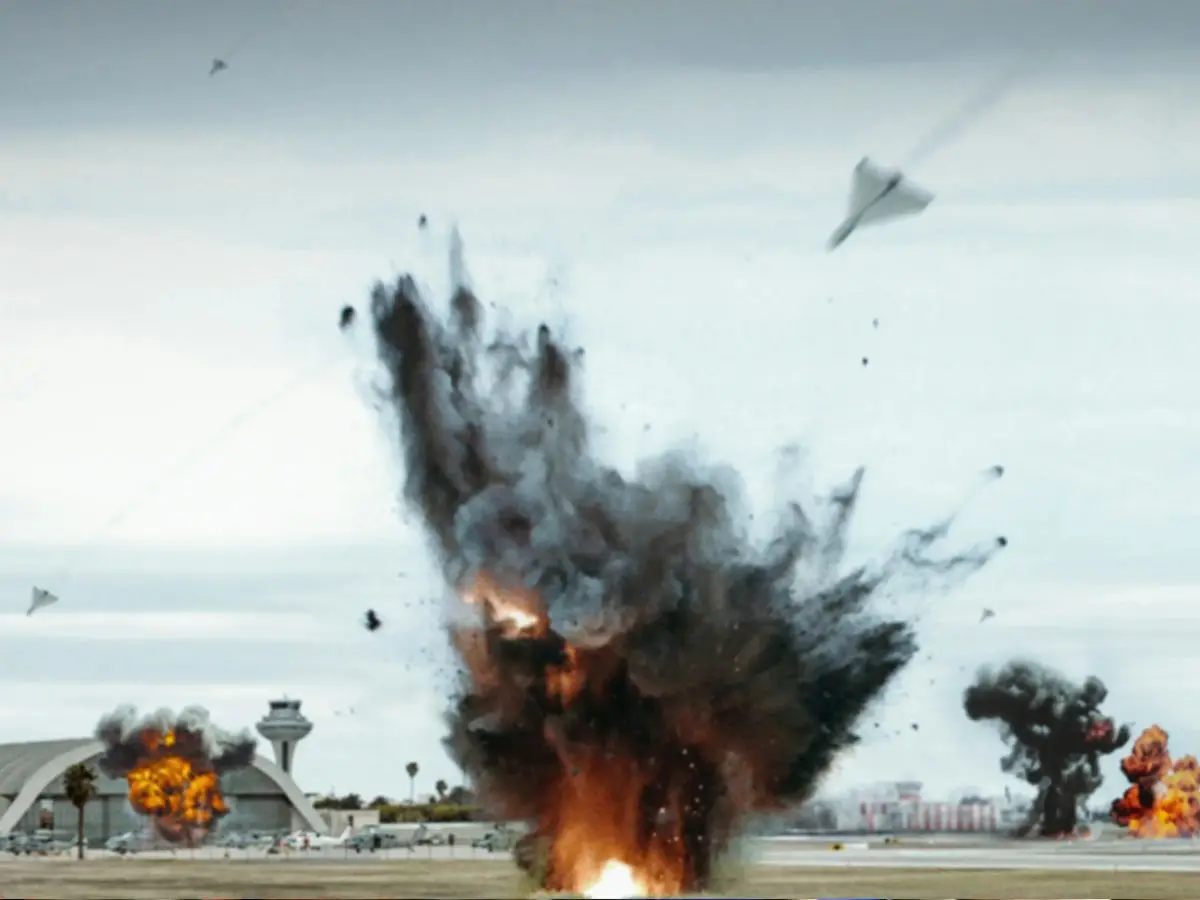
Loitering munitions, often called kamikaze drones, have emerged as a decisive factor in modern warfare, shaping the dynamics of the ongoing Iran war. Iran’s Shahed‑136, low-cost and expendable, combines affordability with extended reach. In response, the US developed the LUCAS drone by reverse-engineering Iran’s design. After US and Israeli strikes on February 28, Tehran fired hundreds of missiles and over 1,000 drones at Israel and allied Gulf states, according to Reuters, relying on saturation attacks rather than precision. Shahed costs far less than a single interceptor. This cost imbalance allows Iran to deploy large drone fleets cheaply, demonstrating how inexpensive, mass-produced drones can dramatically shift aerial dominance.
Origins and design lineage
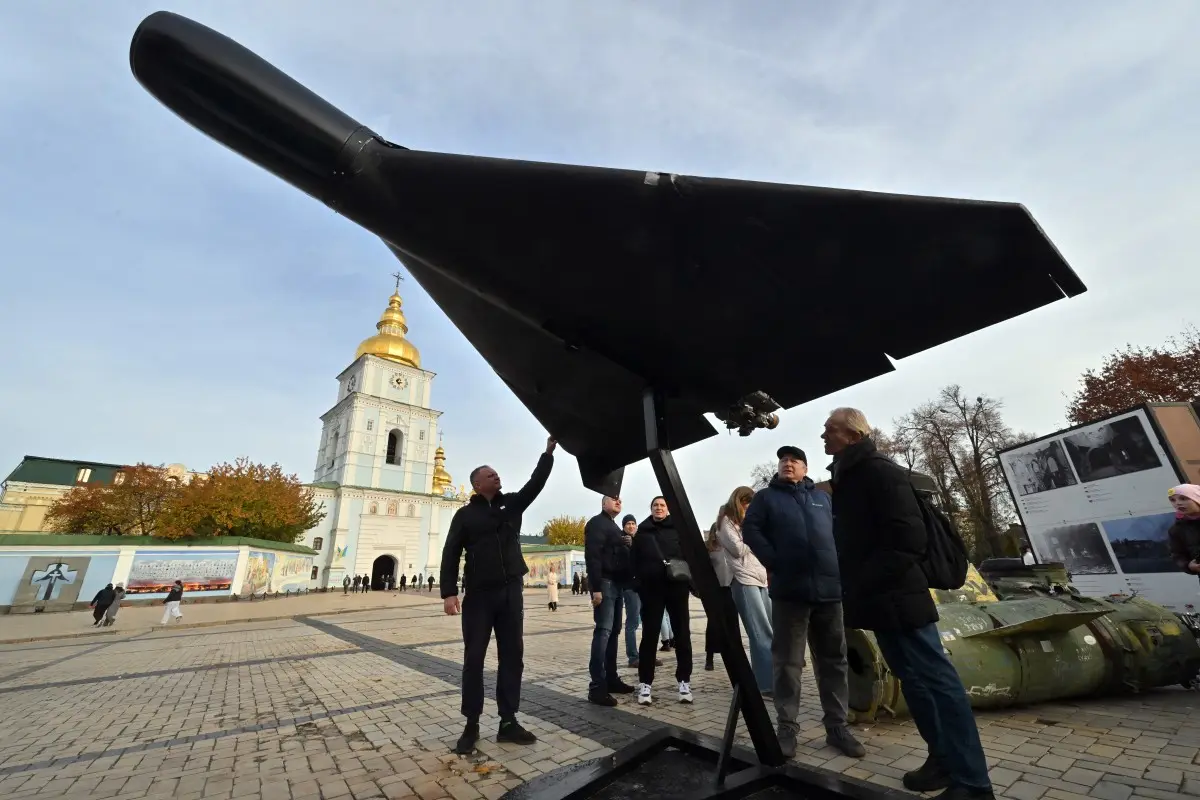
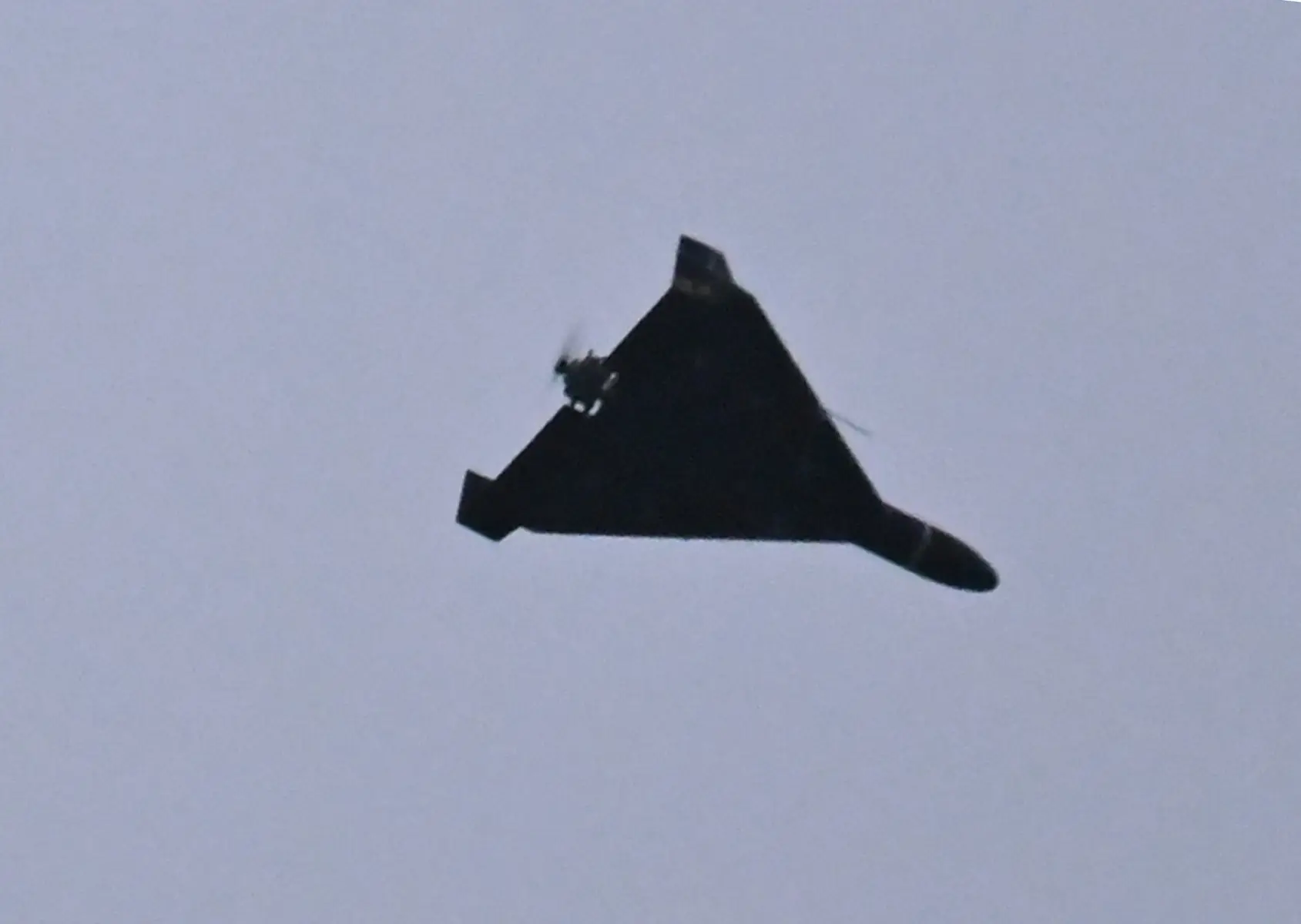
The Shahed‑136, developed by Iran’s state-owned Shahed Aviation Industries, is a one-way attack drone featuring delta-wing geometry, a rear pusher propeller, and simple navigation systems. Designed as a low-cost alternative to missiles, it has been extensively deployed by Iran and allied forces. The US LUCAS (Low-Cost Uncrewed Combat Attack System) mirrors the Shahed’s delta-wing design, having been developed by reverse-engineering captured units. The drone’s impact has gone global: first widely used in Russia’s invasion of Ukraine in 2022, thousands were launched by Russian forces. While initially supplied by Iran, Russia now produces its own Shaheds. Other militaries, including the US, have adopted Shahed-type drones, integrating them into operations such as the ongoing campaign against Iran.
Size, structure and appearance
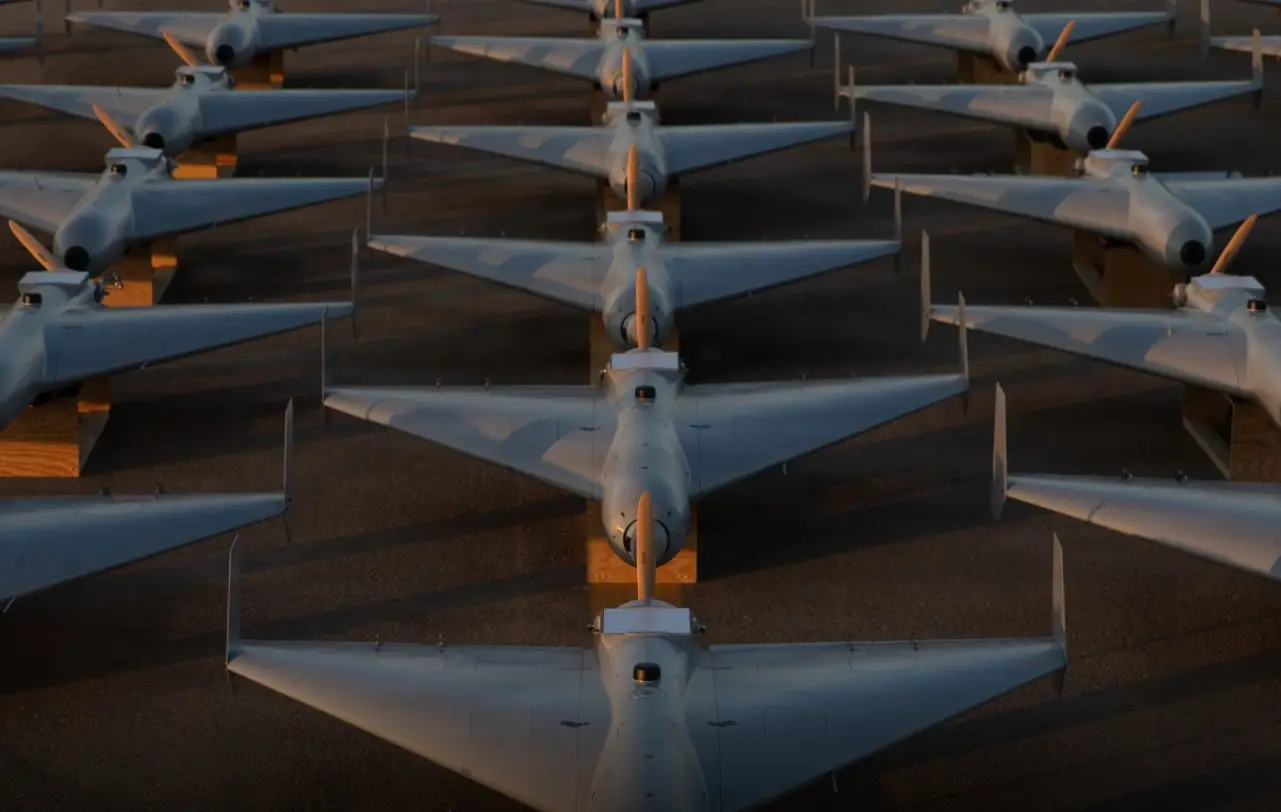
The United States deployed the LUCAS drone for the first time during coordinated strikes with Israel under Operation Epic Fury against Iran. Both Shahed‑136 and LUCAS drones share a triangular (delta-wing) profile and rear-mounted propulsion, but key differences exist. LUCAS is slightly lighter, designed for modular payloads and autonomous coordination, while the Shahed‑136 typically carries a heavier explosive load, emphasising brute-force strikes over networked operations.
Range and payload
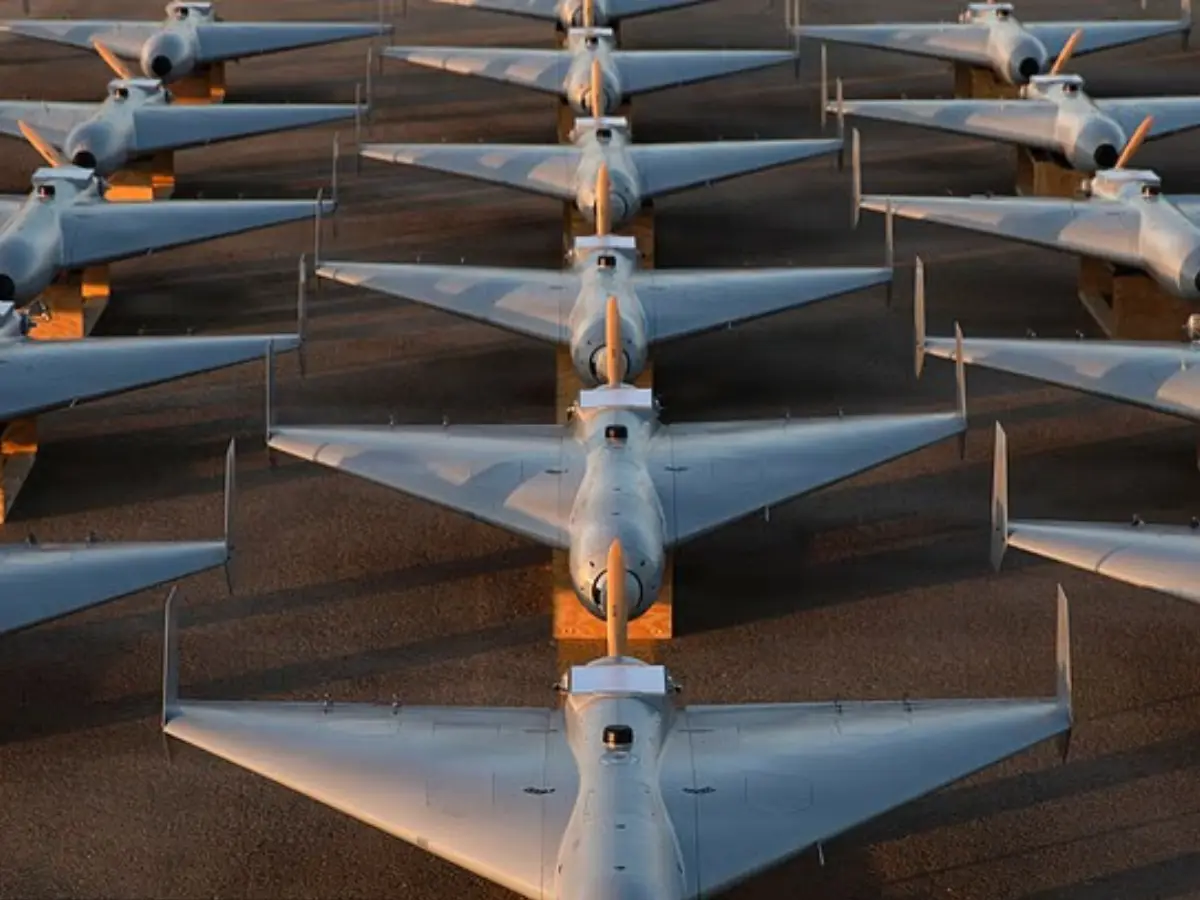
The Shahed‑136 can travel up to 2,000 km, carrying an internal warhead of approximately 50 kg (88 lbs). Its US counterpart, the FLM‑136 LUCAS, operates in a similar long-range category but carries a lighter payload of 40 lbs. Unlike the Shahed, LUCAS emphasises autonomous coordination among units, highlighting a strategic shift toward networked, intelligent drone operations over sheer payload size.
Guidance and networking
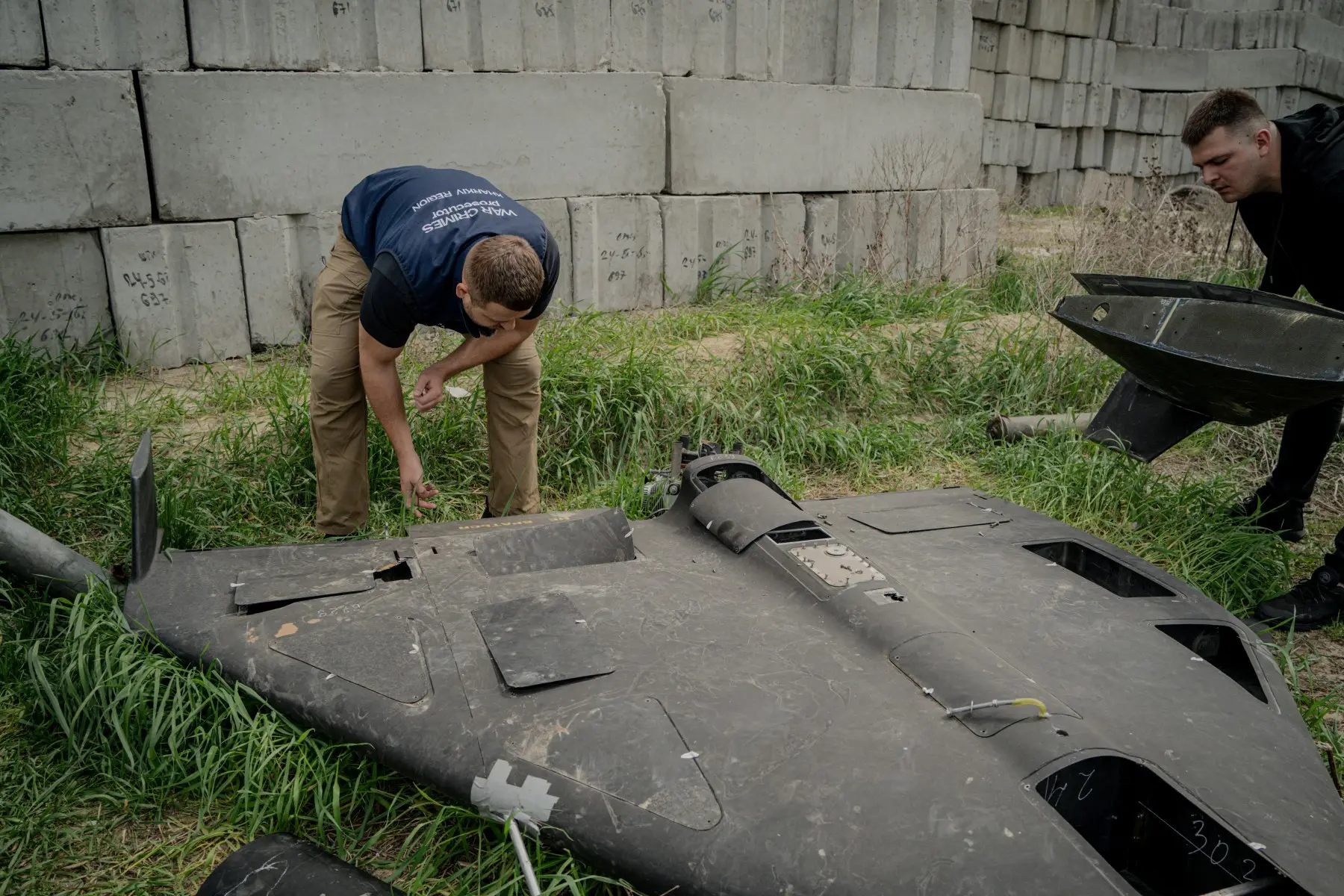
Shahed drones typically use a combination of GPS and inertial navigation data programmed before launch. In contrast, LUCAS has been designed with networking features that allow multiple drones to coordinate and adapt during missions, providing a tactical edge in swarm operations.
Cost and production
One reason both platforms matter is their low cost compared to traditional missiles. Shahed‑136 units are reported in the $20,000–$50,000 range, making them an inexpensive means to saturate defences. LUCAS also costs roughly $35,000, aligning it with the strategic goal of attritable drone warfare.
Physical Design Features
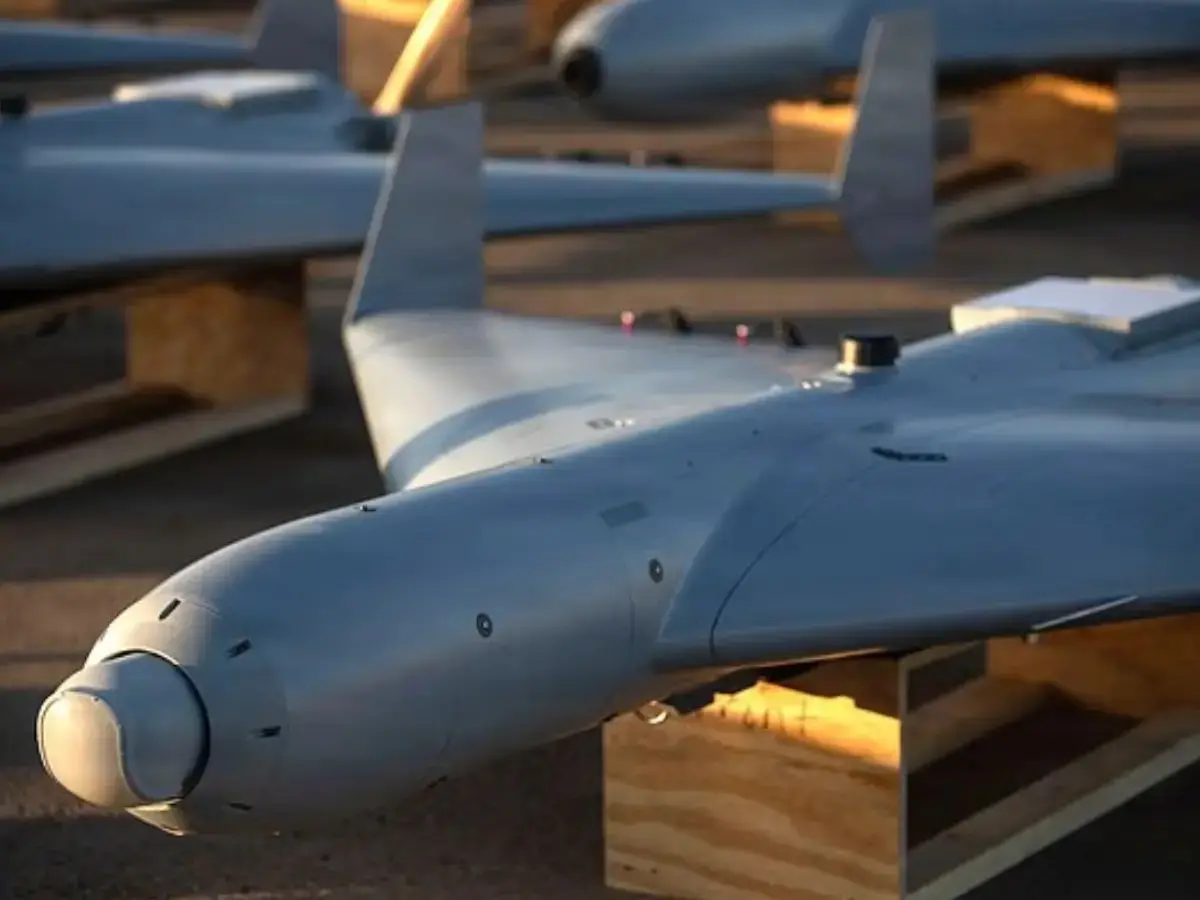
Both the Shahed‑136 and FLM‑136 LUCAS share similar physical characteristics. Each carries an antenna for guidance, a vertical stabiliser, and an aerodynamic nosecone to enhance flight efficiency. Two fins per wing improve maneuverability, while a rear-mounted propeller engine reduces heat signature, making the drones harder to detect and track.
Disclaimer: WION takes utmost care to accurately and responsibly report ongoing conflicts in West Asia involving Israel, Iran, US, Gulf nations and non-state actors like Hezbollah, Hamas, Houthis, Islamic State, and others. Claims and counterclaims, disinformation and misinformation are being made online and offline. Given this context, WION cannot independently verify the authenticity of all statements, social media posts, photos and videos.
)
)
)
)
)