'35 light-years away': Scientists discover ‘super-earth' exoplanet that could hold liquid water

L 98-59 f orbits its star every 23 Earth days in an almost perfectly circular path. The planet receives a similar amount of stellar energy to Earth, placing it within the star’s habitable zone.

A Fifth Planet in a Known System
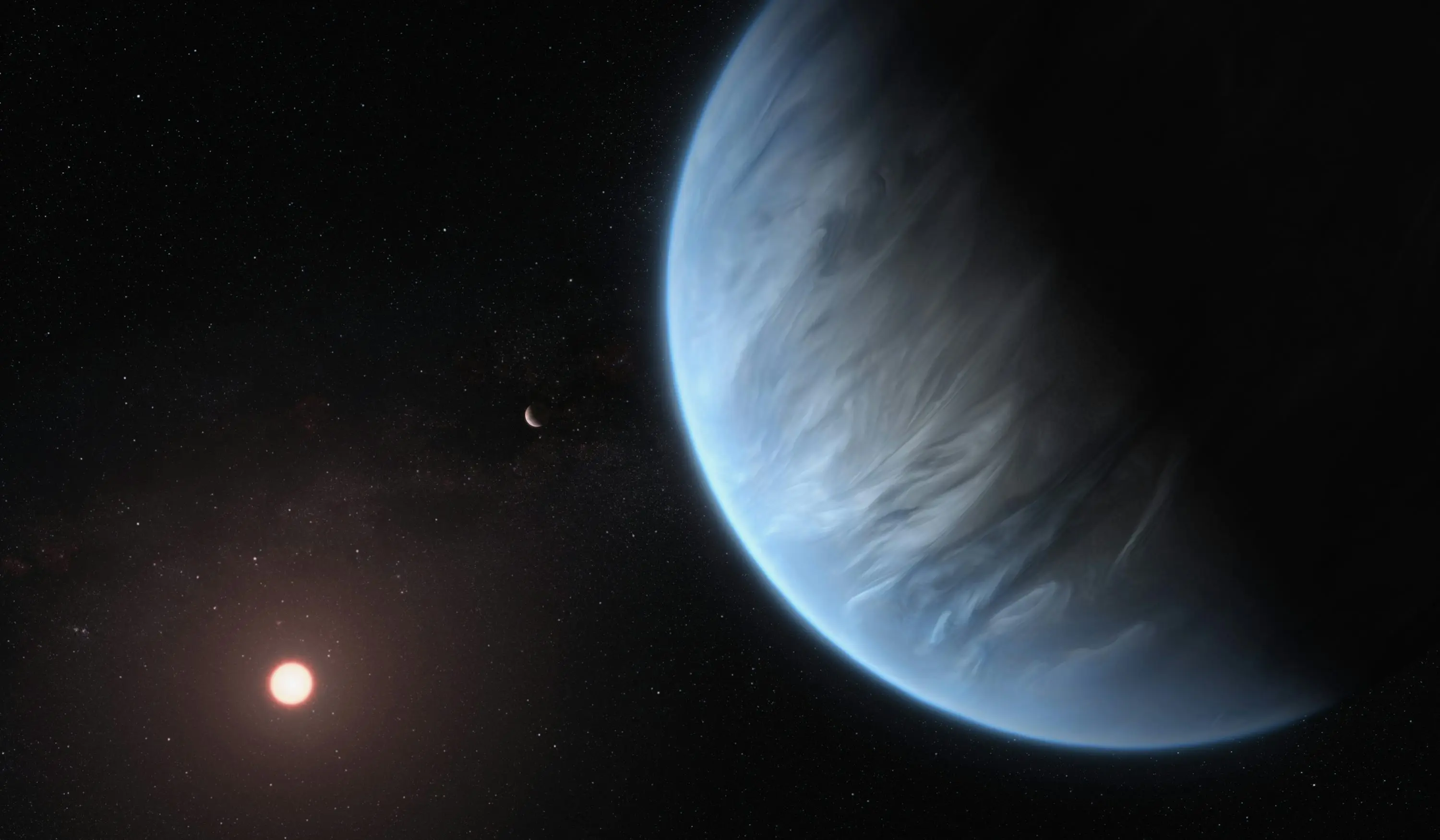
Astronomers have confirmed the presence of a fifth planet, L 98-59 f, in orbit around the red dwarf star L 98-59. The star is located approximately 35 light-years from Earth and was already known to host a compact system of small, rocky planets.
Position in the Habitable Zone
L 98-59 f orbits its star every 23 Earth days in an almost perfectly circular path. The planet receives a similar amount of stellar energy to Earth, placing it within the star’s habitable zone, the region where conditions could allow liquid water to exist under suitable atmospheric conditions.

Super-Earth Characteristics
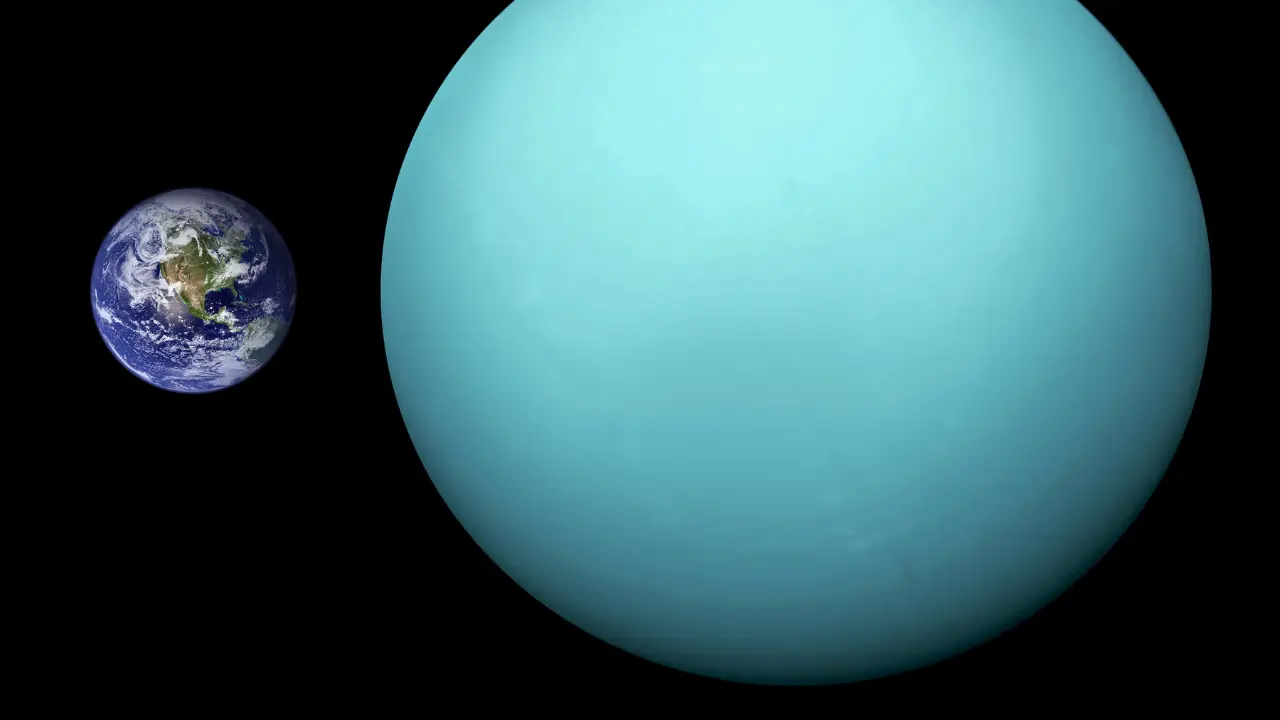
The newly discovered planet has a minimum mass 2.8 times that of Earth. Its classification as a super-Earth indicates that it is larger and more massive than Earth but significantly smaller than ice giants like Neptune.
Detection Method
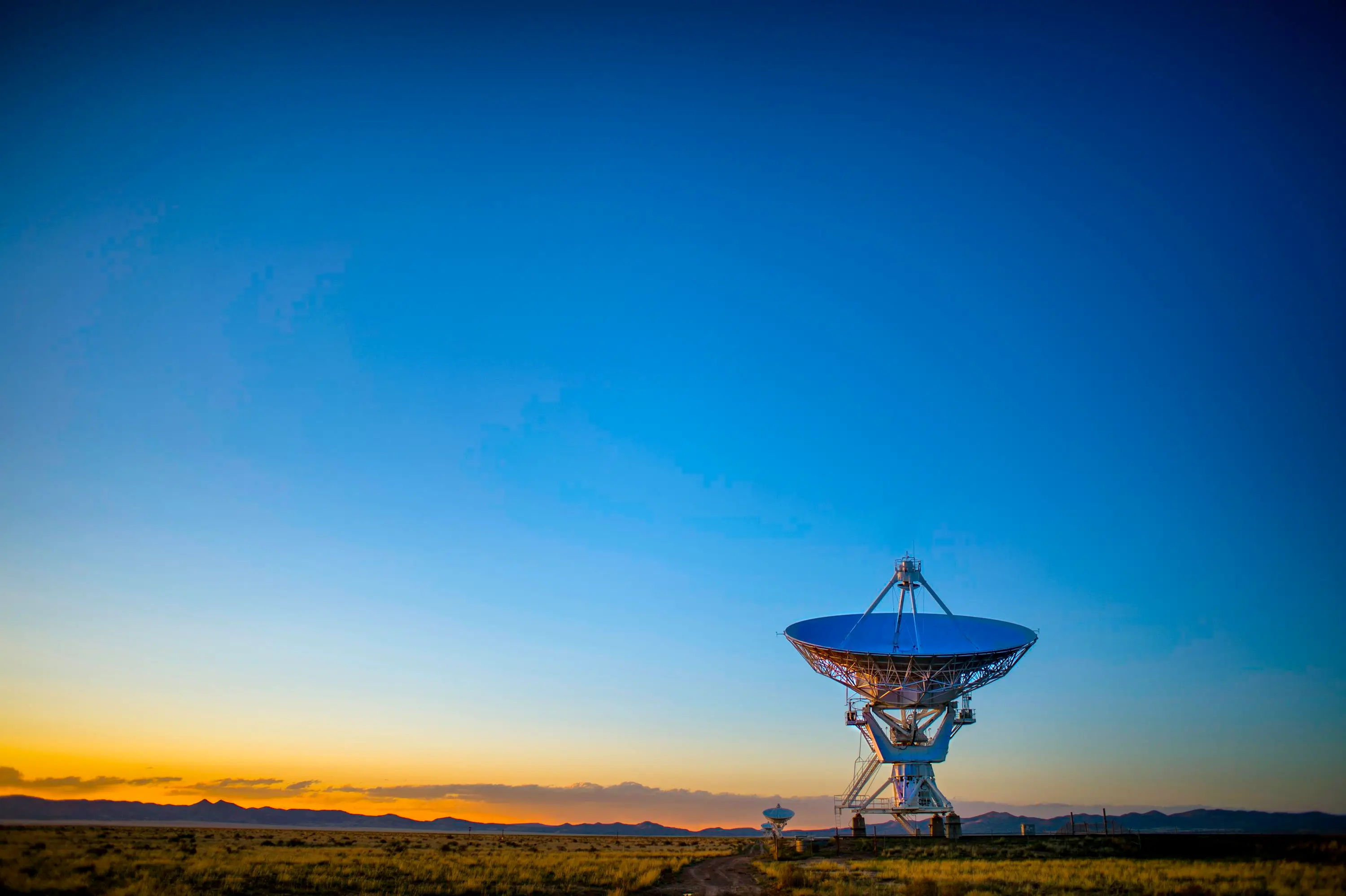
Unlike some exoplanets, L 98-59 f does not transit its star from our perspective. Researchers detected it by reanalysing data from ESO’s HARPS and ESPRESSO spectrographs, identifying subtle shifts in the star’s motion caused by the planet’s gravitational pull.

Multi-Instrument Collaboration
The confirmation was achieved by combining spectrograph data with observations from NASA’s TESS satellite and the James Webb Space Telescope. Advanced analysis techniques were used to filter out stellar noise, enabling precise measurements of size, mass and properties across the planetary system.

Diversity Within the L 98-59 System
The system’s innermost planet, L 98-59 b, is 84% the size of Earth and half its mass. Other planets in the system may experience tidal heating or have unusually low densities, suggesting possible water-rich compositions. This diversity offers insight into how different planetary types can form around the same star.
Future Study Potential
Due to L 98-59’s proximity and small size, its planets are suitable candidates for atmospheric analysis with telescopes such as JWST. Such studies could search for water vapour, carbon dioxide or potential biosignatures, contributing to the broader search for habitable worlds beyond the Solar System.
)
)
)
)
)