'-33 degrees in July': Why Greenland stays frozen even in summer?

Greenland's interior stays frozen in summer due to the 'albedo' effect reflecting sunlight and its high altitude of 3,200 metres. Temperatures at Summit Station can drop to -33°C in July. While the centre remains icy, the coastal edges are melting rapidly due to climate change.
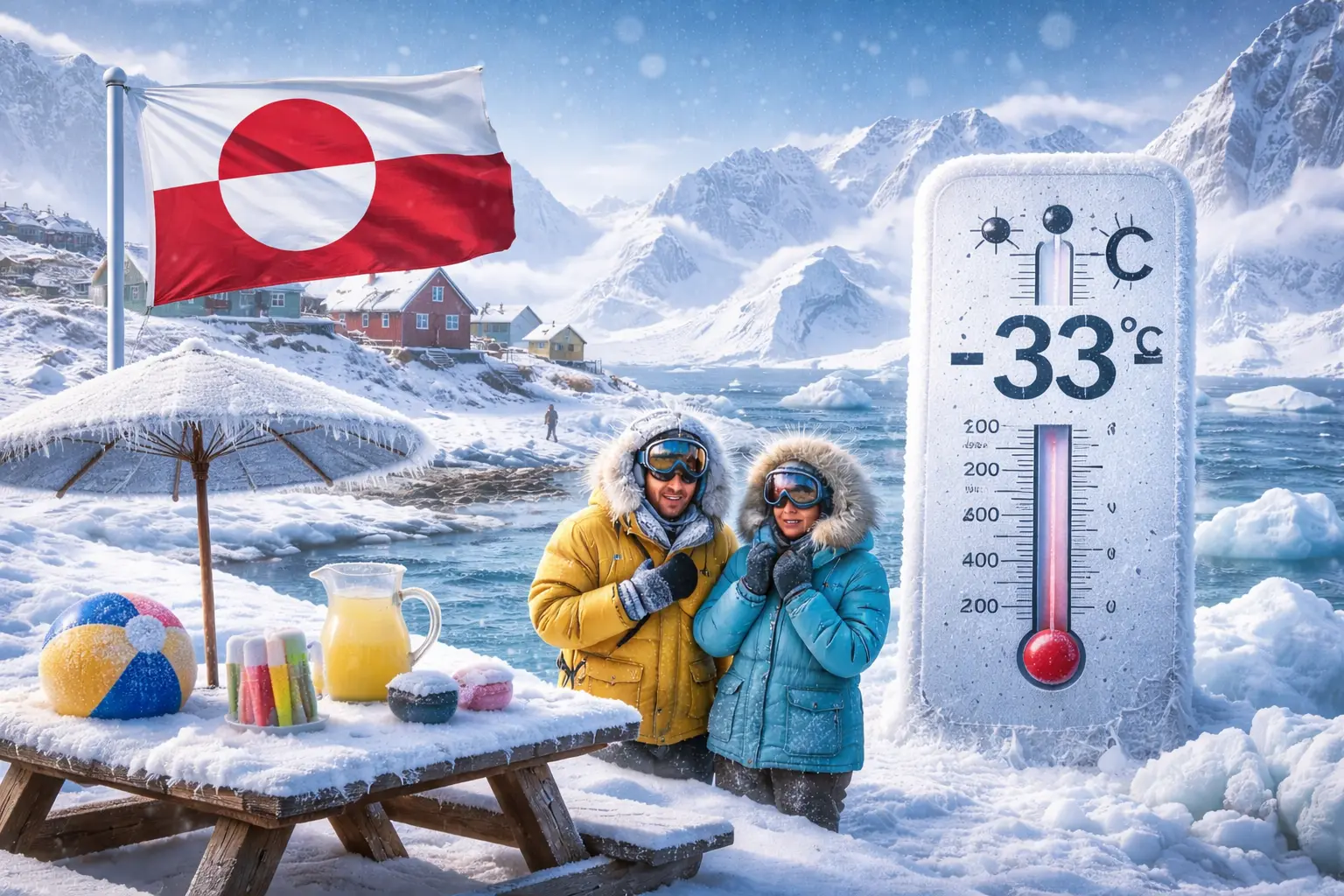
Record-breaking summer chills Plummeting to -33 degrees in July
While coasts thaw, the interior remains brutal. The Danish Meteorological Institute has recorded temperatures as low as -33°C at Summit Station in July, proving that summer in the high Arctic is merely a brighter version of winter.
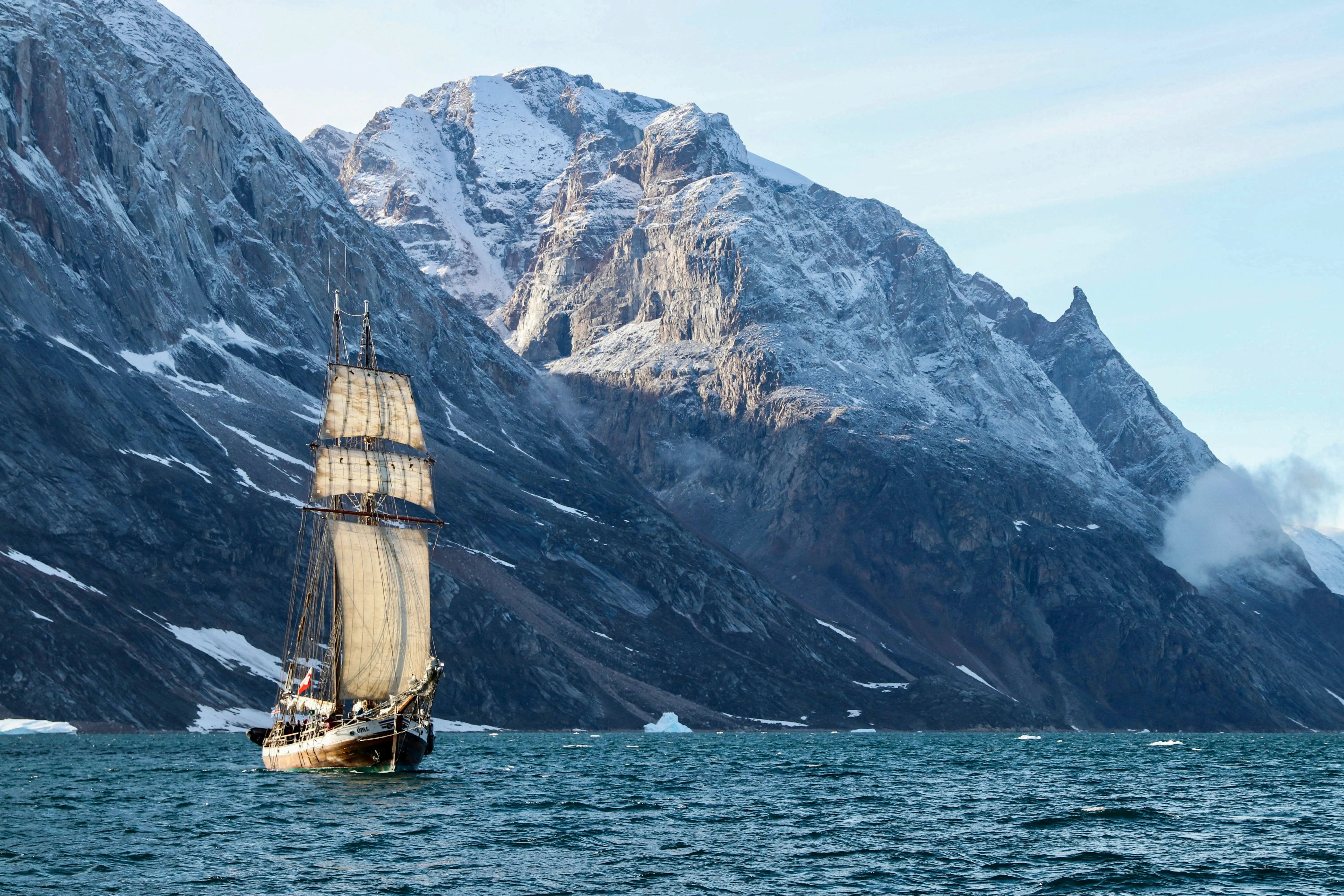
The mirror effect Reflecting 80 per cent of the sun
The pristine white snow creates a massive 'albedo' effect, reflecting up to 80 per cent of the sun's energy back into space. Unlike dark oceans that absorb heat, the ice sheet acts like a giant mirror, refusing to warm up.
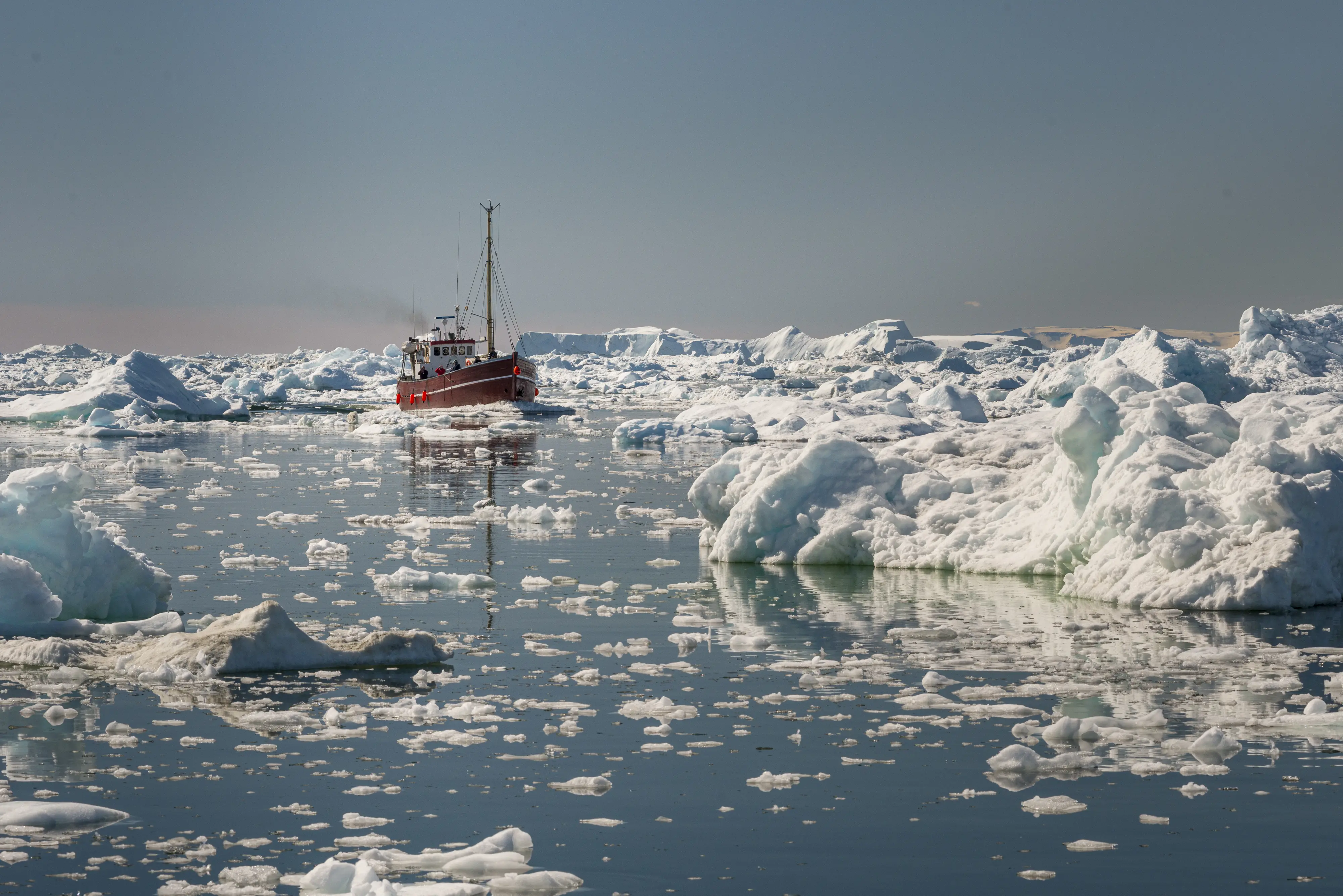
Life at 3,200 metres Altitude acts as a freezer
Greenland is not just north; it is high. The massive ice sheet sits roughly 3,200 metres (10,500 feet) above sea level, where the air is naturally thinner and significantly colder, regardless of the season.
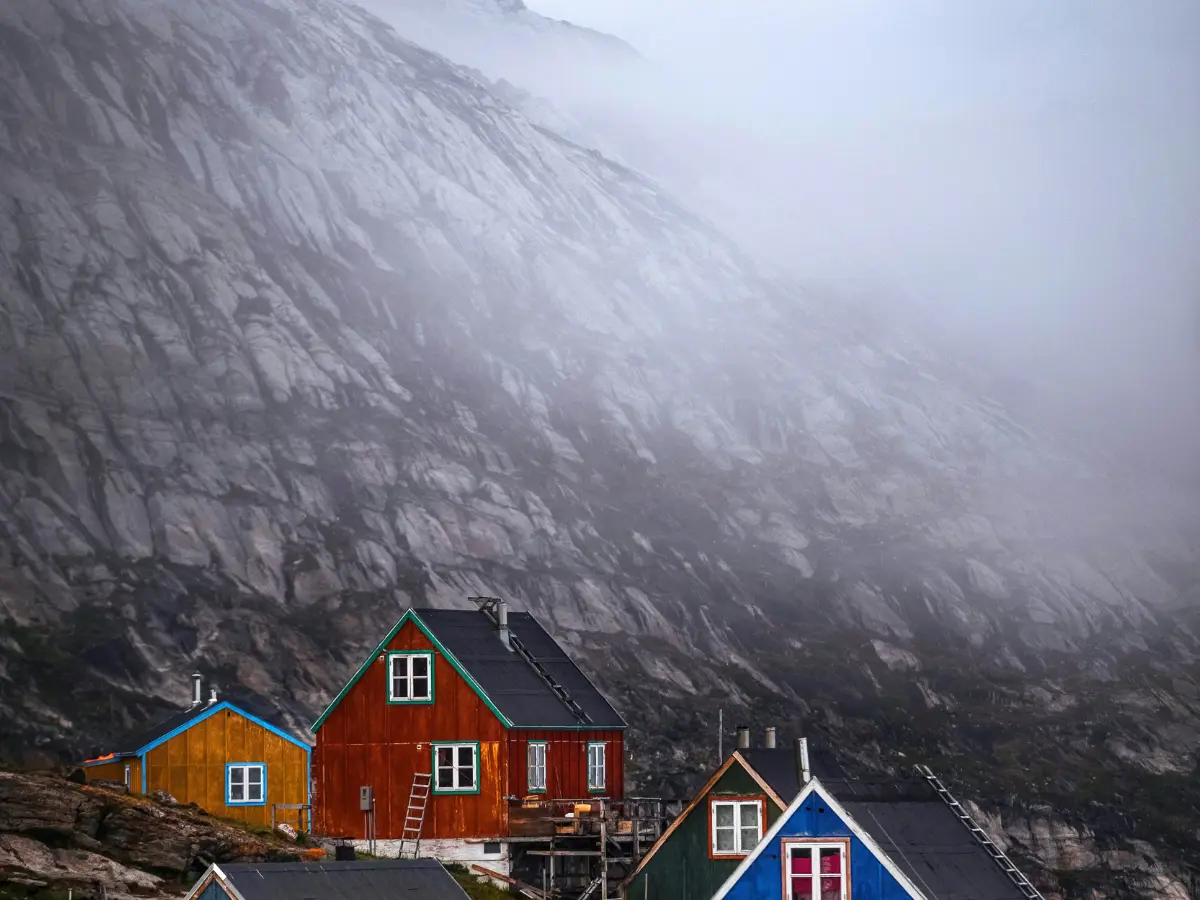
The angle of the sun Light without heat
Even with the 'Midnight Sun' shining 24/7, the sun remains low on the horizon due to Greenland's high latitude. This oblique angle means the solar energy is spread thinly across the surface, providing light but very little warming power.
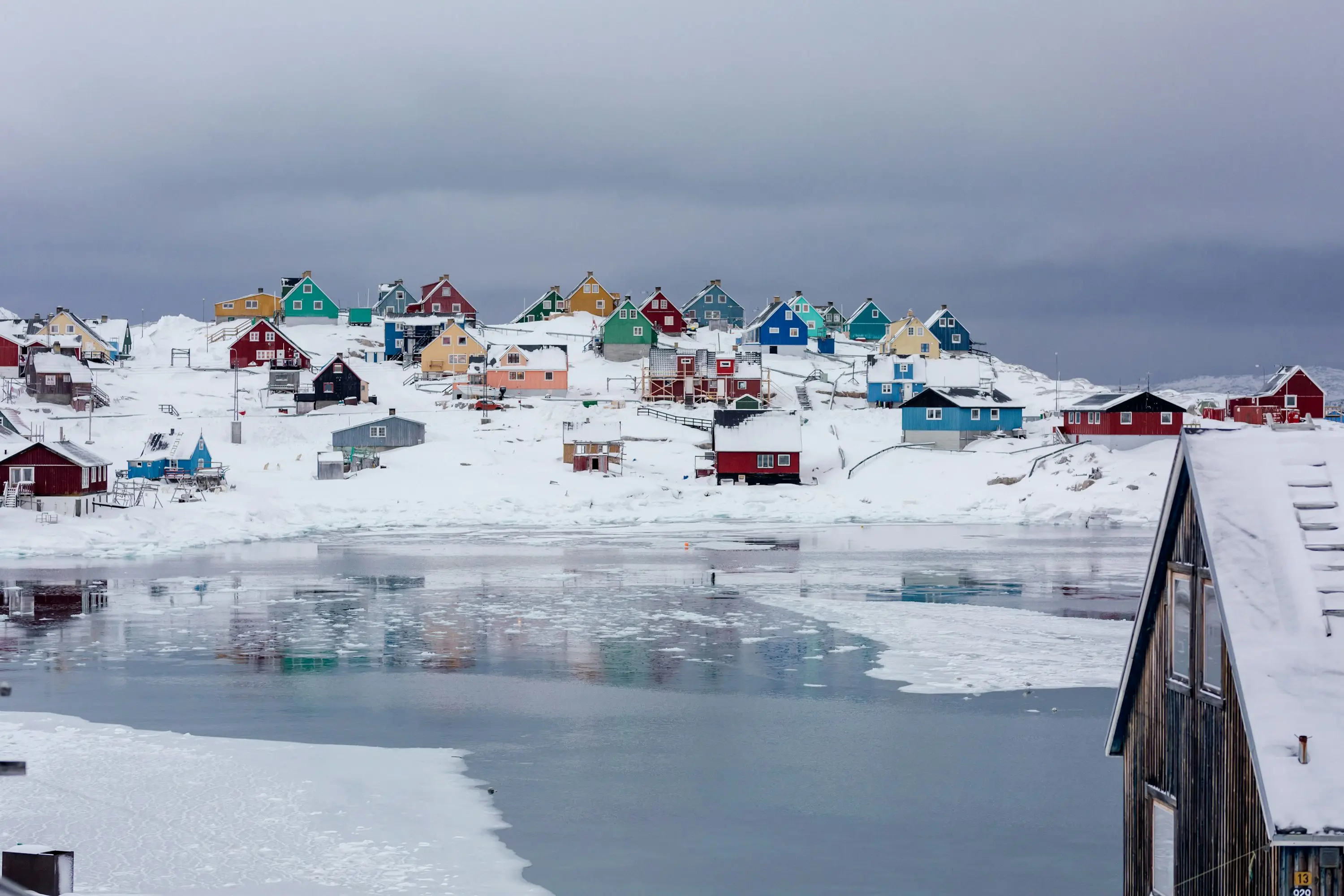
The ice sheet
The ice sheet is up to 3 kilometres thick in places, acting as a colossal thermal battery that stores cold. This immense mass creates its own local climate, cooling the air immediately above it and preventing warm summer winds from penetrating the interior.
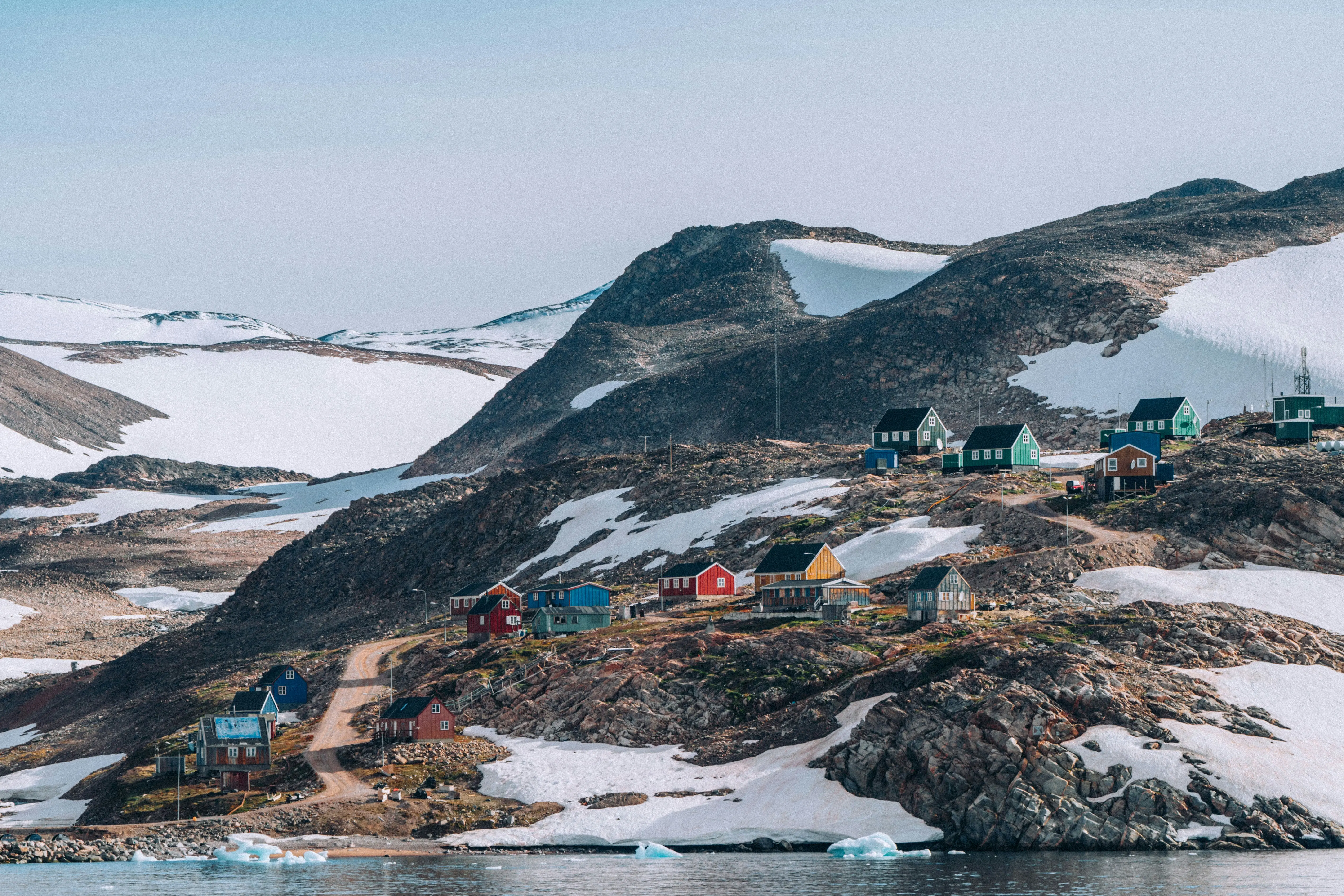
The Katabatic winds
Heavy, freezing air from the high interior naturally flows downwards towards the coast, creating 'Katabatic winds'. These powerful air currents drain heat away from the surface, reinforcing the cold environment even during the sunniest months.
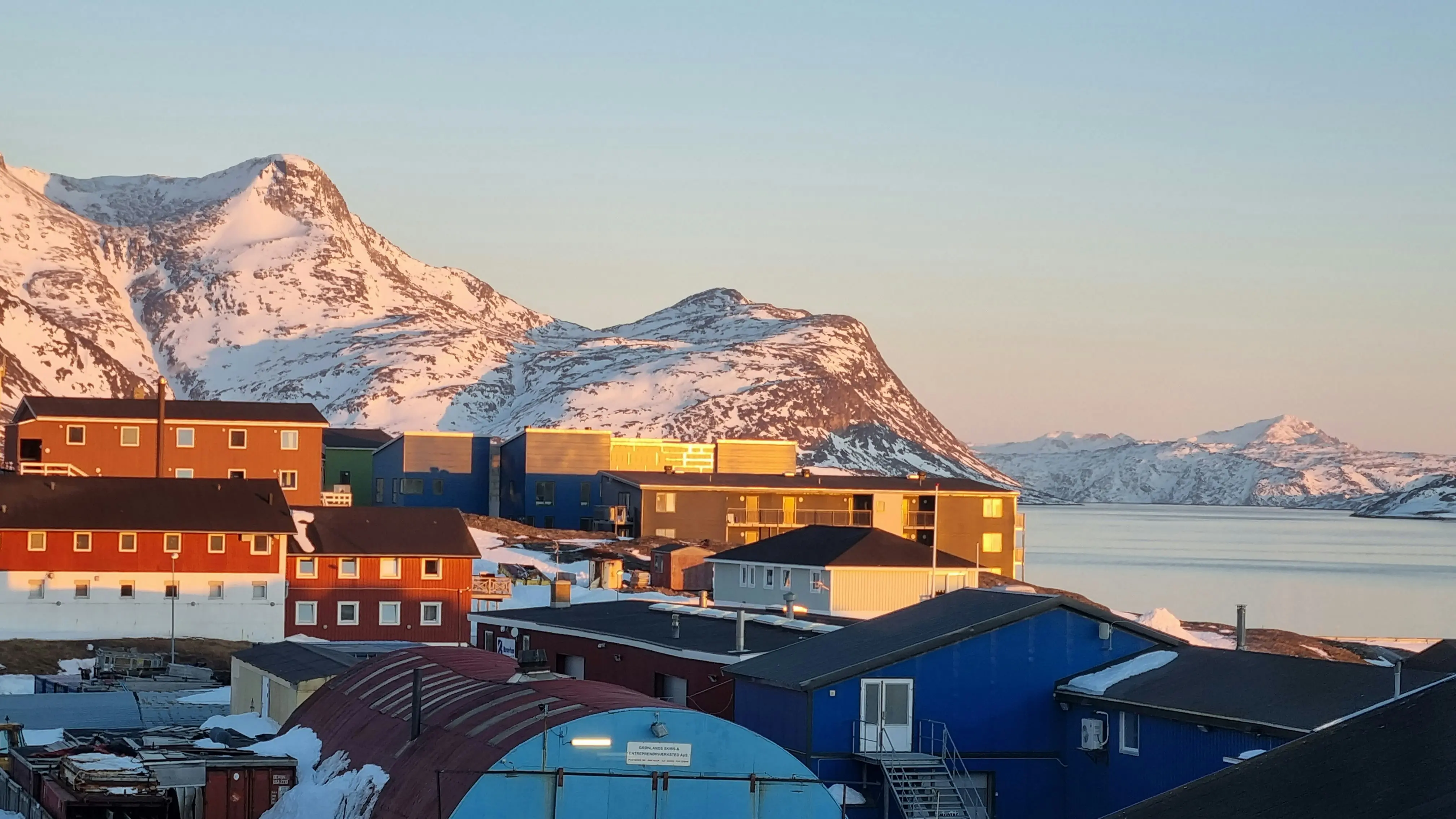
Is it still melting?
While the high-altitude centre stays frozen, the edges are suffering. NASA data confirms that while the Summit remains sub-zero, the lower-elevation coastal margins are melting at accelerating rates, creating a stark contrast between the frozen core and the thawing perimeter.
)
)
)
)
)