'30 mm Gatling gun, cluster & GPS bombs': What is A‑10 Warthog that the US is using to hunt Iranian vessels in Strait of Hormuz?

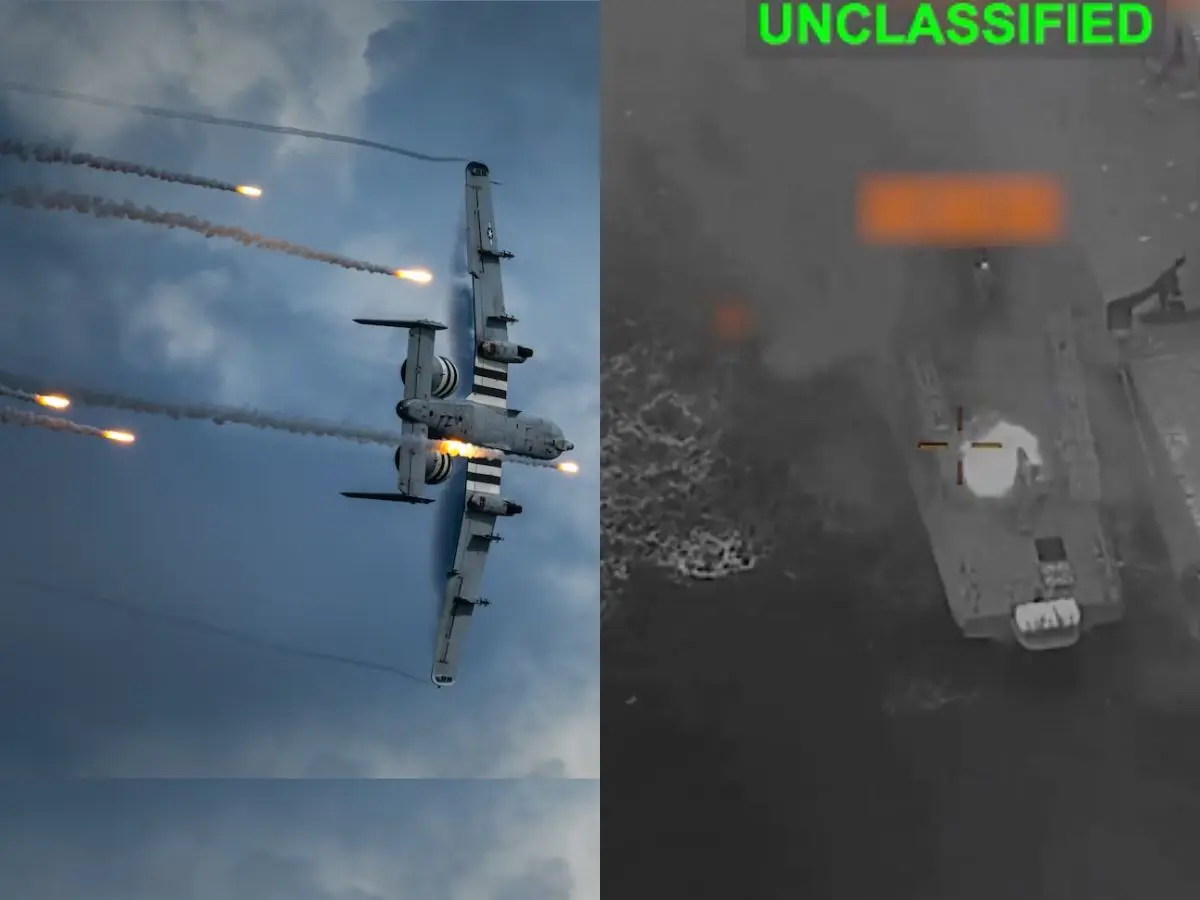
The A‑10 was originally designed for close air support of ground forces, but in this conflict it is being used over water to hunt fast‑attack boats and mine‑laying vessels.
Introduction: A Modern Mission for a Classic Aircraft
The United States has deployed its A‑10 Thunderbolt II, commonly known as the Warthog, to the Strait of Hormuz as part of an intensified military operation aimed at countering Iranian fast‑attack craft, naval mines and drones in the strategically vital waterway that links the Persian Gulf to the Gulf of Oman. US military officials, including General Dan Caine, chairman of the Joint Chiefs of Staff, have confirmed that A‑10s are actively engaging Iranian vessels and supporting broader campaigns to keep the strait open to maritime traffic after Iran’s effective closure of the route.
Situation in the Strait of Hormuz
The Strait of Hormuz, a narrow and strategic waterway linking the Persian Gulf to the Gulf of Oman that carries about 20 per cent of global oil exports, has become a central flashpoint in the ongoing conflict. Iran’s Islamic Revolutionary Guard Corps (IRGC) has effectively asserted control over the strait and warned that any vessel attempting transit could be targeted. Iranian forces have used fast‑attack boats and explosive‑laden craft to threaten commercial and military ships, contributing to disruptions in shipping. US military intelligence and officials have reported that Iran has begun laying naval mines in the strait, deploying them from small craft and mine‑laying vessels as part of an asymmetric strategy to impede passage and impose risk on foreign shipping. While the number of mines laid so far has been limited, Tehran still retains significant mine‑laying capability and could deploy larger numbers if the conflict escalates. The US has responded by destroying several Iranian mine‑laying vessels to counter the threat. These actions have kept maritime traffic largely suppressed and raised insurance and shipping costs due to elevated risk levels in one of the world’s most important energy chokepoints.
Purpose and Deployment along with AH-64 Apaches
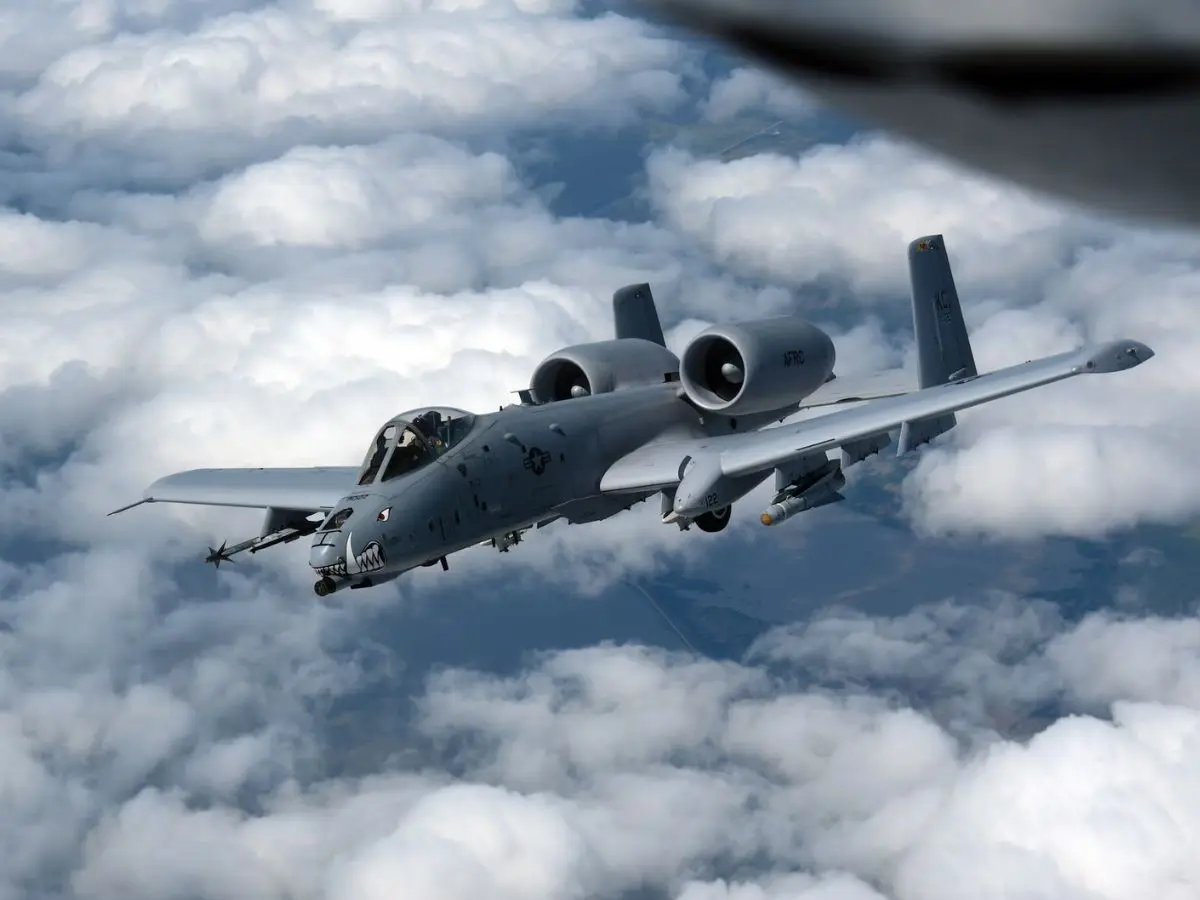
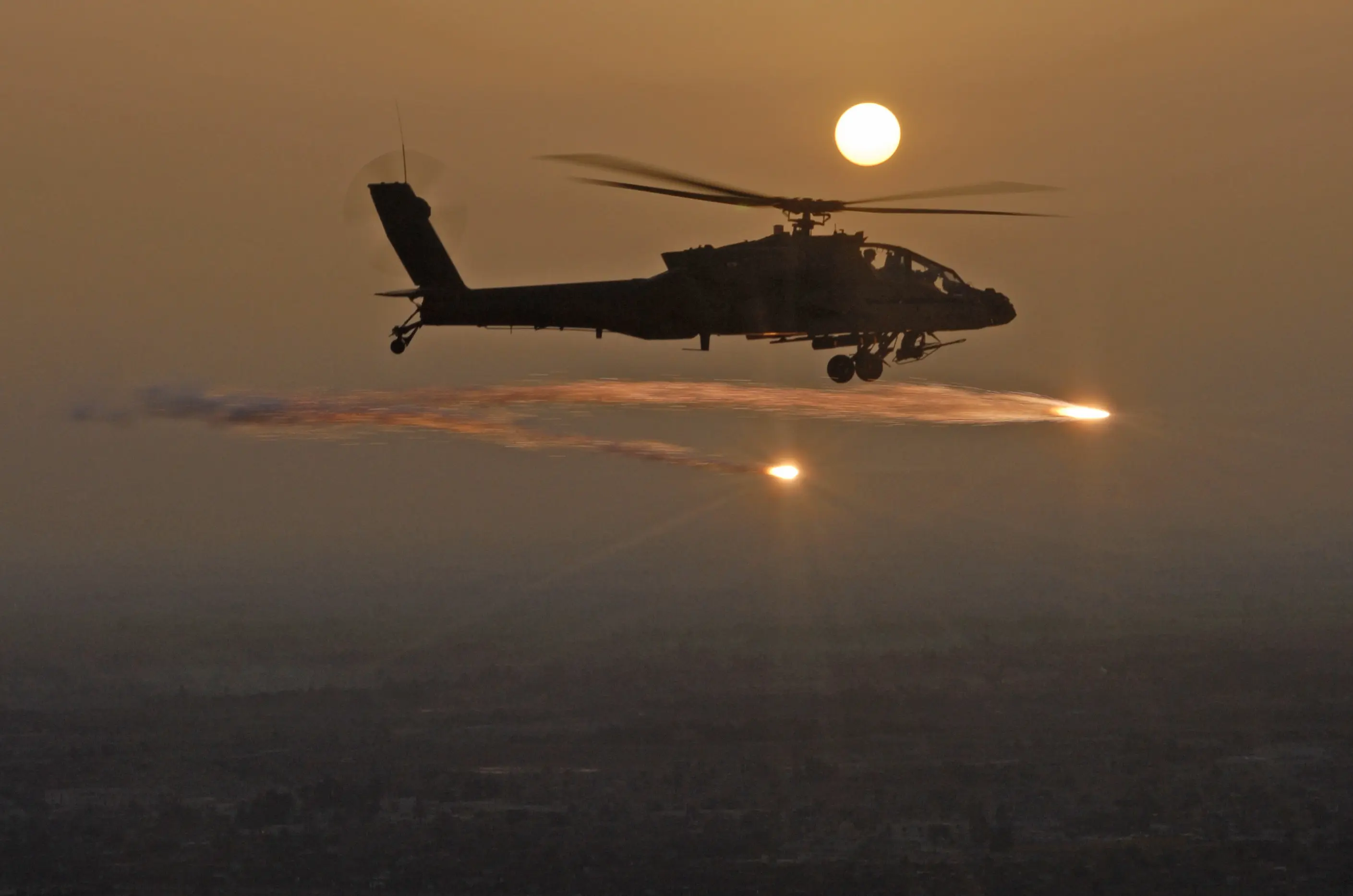
The A‑10 was originally designed for close air support of ground forces, but in this conflict it is being used over water to hunt fast‑attack boats and mine‑laying vessels. General Caine said A‑10 Warthogs are “hunting and killing fast‑attack watercraft” threatening international shipping. In concert with AH‑64 Apache helicopters and heavy ordnance such as 5,000‑pound penetrator bombs, the aircraft are central to efforts to secure the strait amid escalating tensions.
Close Air Support and Loiter Capability
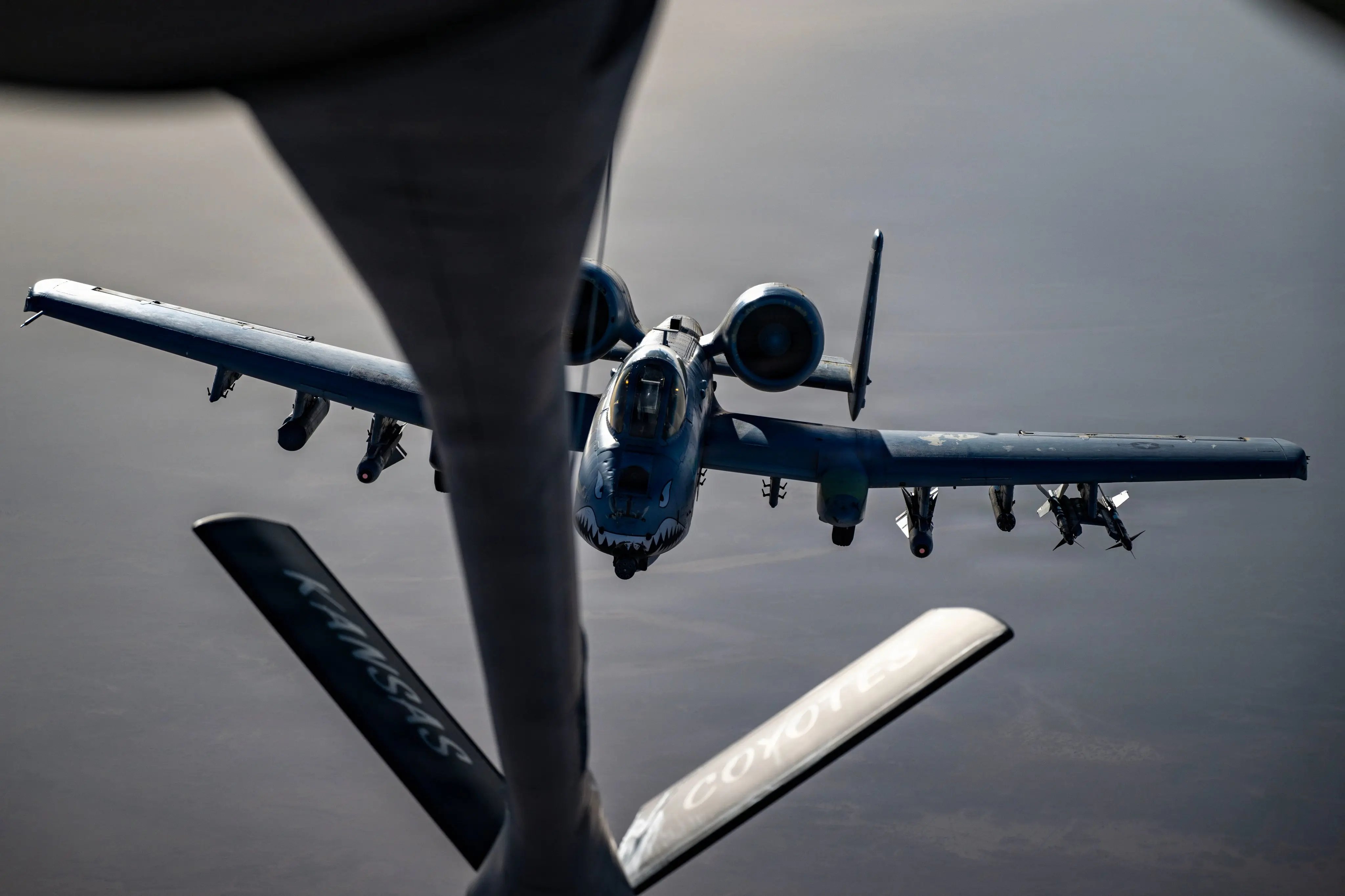
The A‑10C variant provides excellent manoeuvrability at low altitudes and can loiter near battle areas for extended periods, making it suited for missions that require persistent presence over a target area. It is capable of operating in low‑visibility conditions and at low ceilings, and can conduct missions at night using night vision systems, emphasising its utility in prolonged maritime interdiction roles.
Armour and Survivability
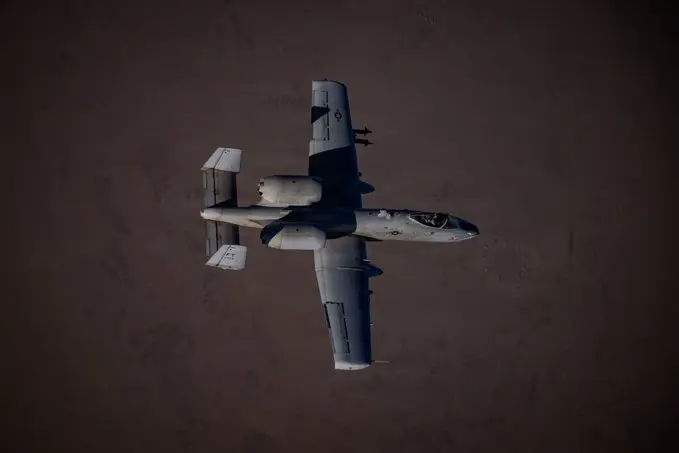
Built with a focus on survivability, the Thunderbolt II features a titanium armour “tub” that protects the pilot and flight‑control systems. This design enables it to absorb combat damage and continue flying. The aircraft’s redundant systems and rugged structure have made it a reliable platform in numerous conflicts since its introduction.
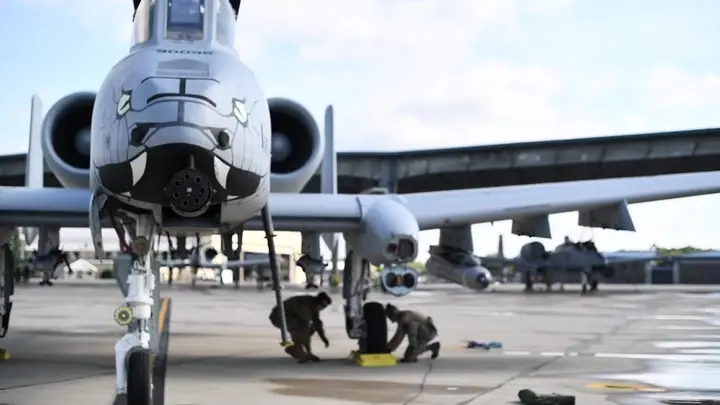
30 mm GAU‑8/A Avenger Cannon
At the heart of the A‑10’s firepower is the 30 mm GAU‑8/A Avenger Gatling gun. Capable of firing up to 3,900 rounds per minute, the cannon is optimised for engaging ground and light maritime targets. Its high rate of fire and large calibre give the Warthog a distinctive strike capability against small vessels and hardened targets.
Mixed Ordnance and Precision Weapons
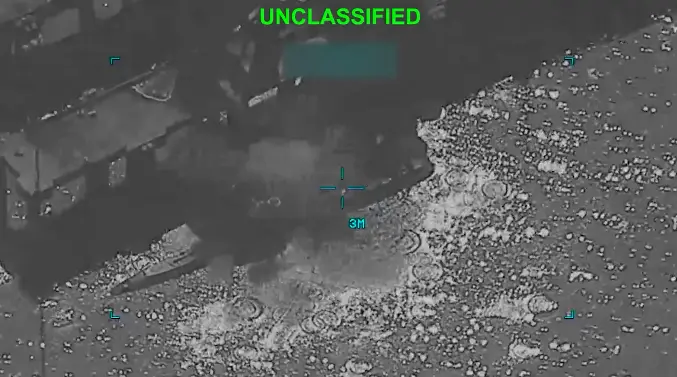
In addition to its cannon, the A‑10 can carry a wide array of ordnance on multiple pylons, including GPS‑guided bombs, cluster munitions, rockets, and AGM‑65 Maverick missiles. This adaptability allows the aircraft to engage various threats under different combat conditions. Advances in precision engagement systems and targeting pods further enhance its effectiveness.
Strategic Role in Ongoing Operations
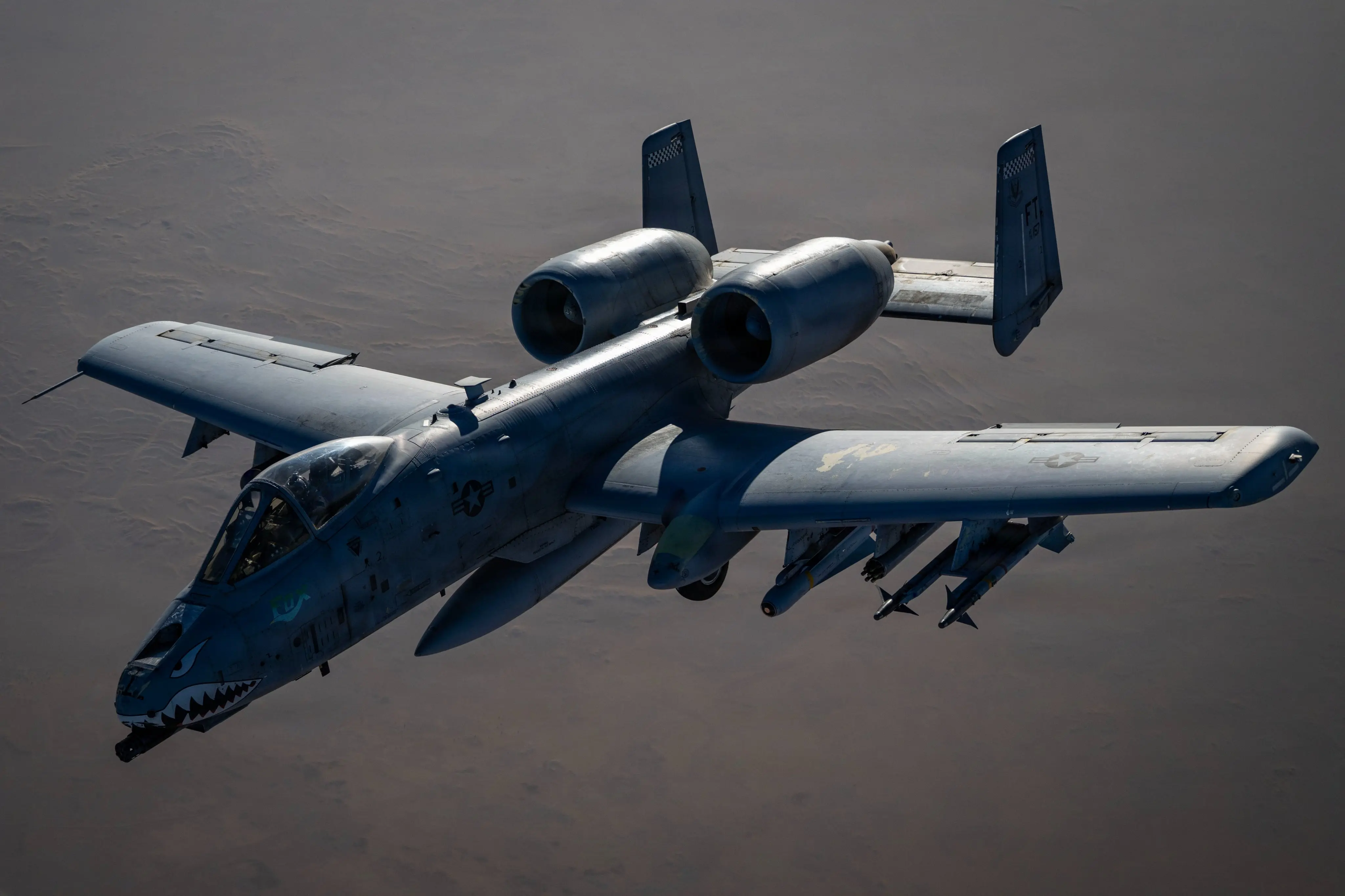
The A‑10’s deployment to the Strait of Hormuz underscores its continuing relevance despite discussions about its retirement. In one of the largest US regional military buildups, the Warthog’s unique capabilities are being harnessed to protect a critical global trade route, demonstrating that specialised aircraft can still play decisive roles in complex modern conflicts.
)
)
)
)
)