‘30-knot wind chills’: How cold does the USS Abraham Lincoln get at night?

Deep inside the USS Abraham Lincoln, massive air conditioning systems prioritise cooling combat electronics over human comfort. This keeps the interior berthings freezing at night, forcing sailors to use heavy blankets and rack curtains to trap body heat.
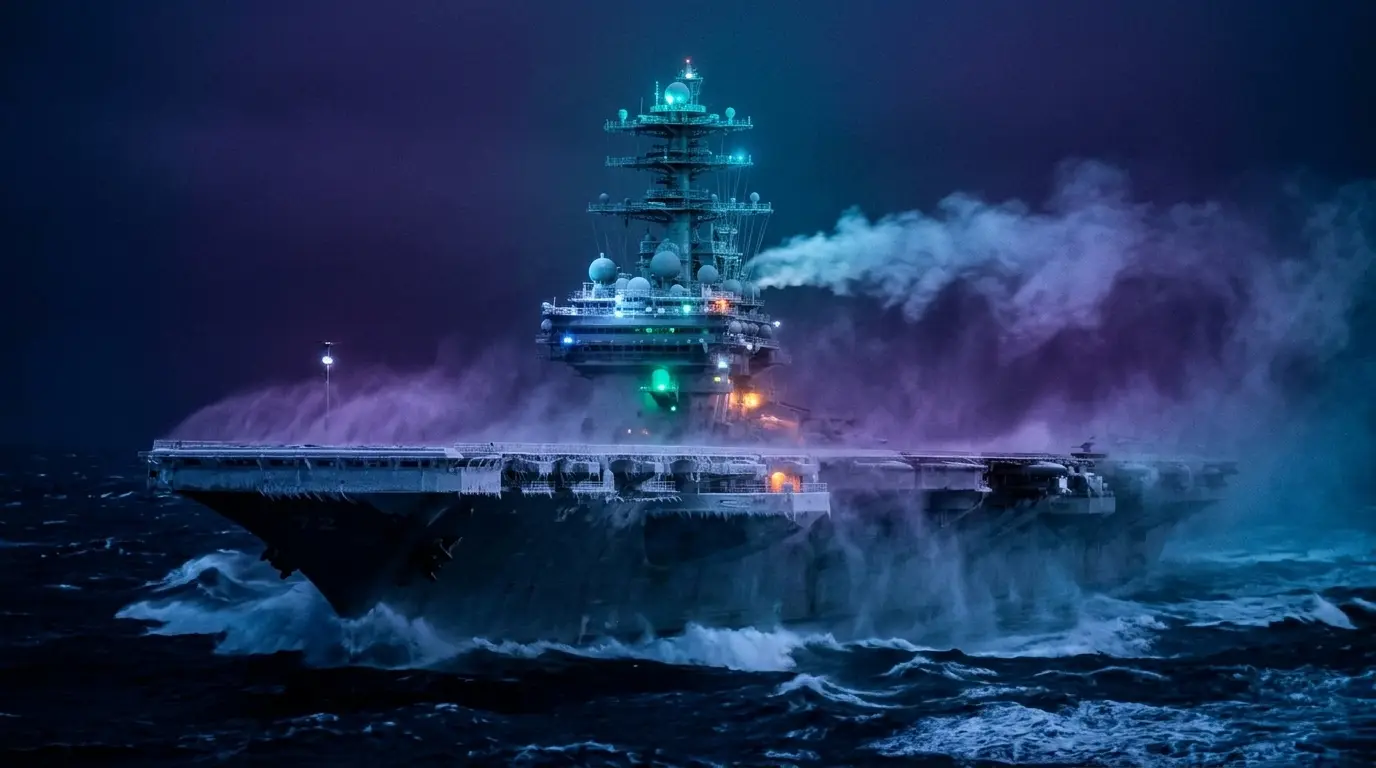
The Internal 'Meat Locker'
Deep inside the USS Abraham Lincoln, the sleeping quarters, officially known as berthings, get notoriously cold at night. Sailors routinely describe these cramped, windowless compartments as 'meat lockers', with ambient temperatures frequently plunging below 15 degrees Celsius.
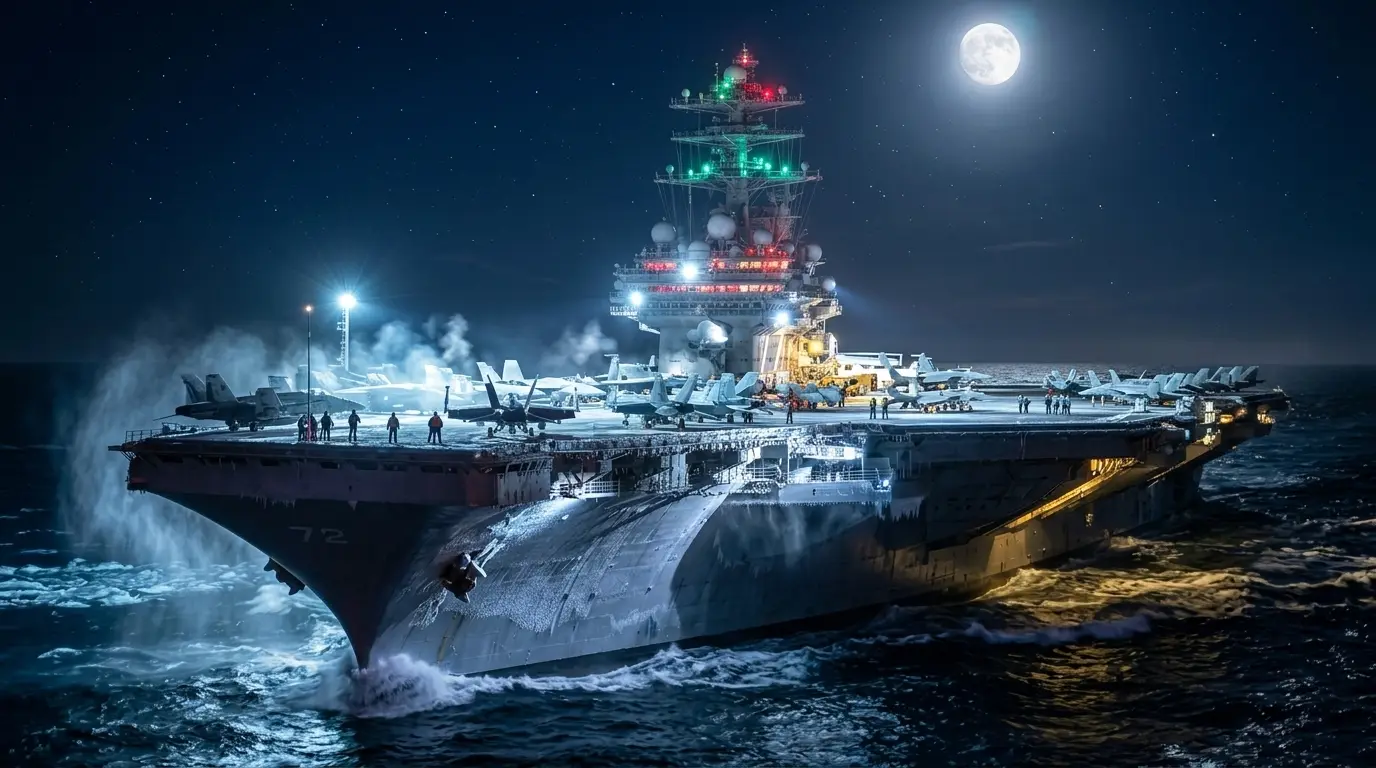
Protecting Combat Electronics
The ship is not kept freezing to punish the crew, but to protect critical technology. A Nimitz-class carrier houses vast server rooms, radar systems, and nuclear reactor controls that generate massive heat and require continuous, powerful air conditioning to prevent catastrophic failure.
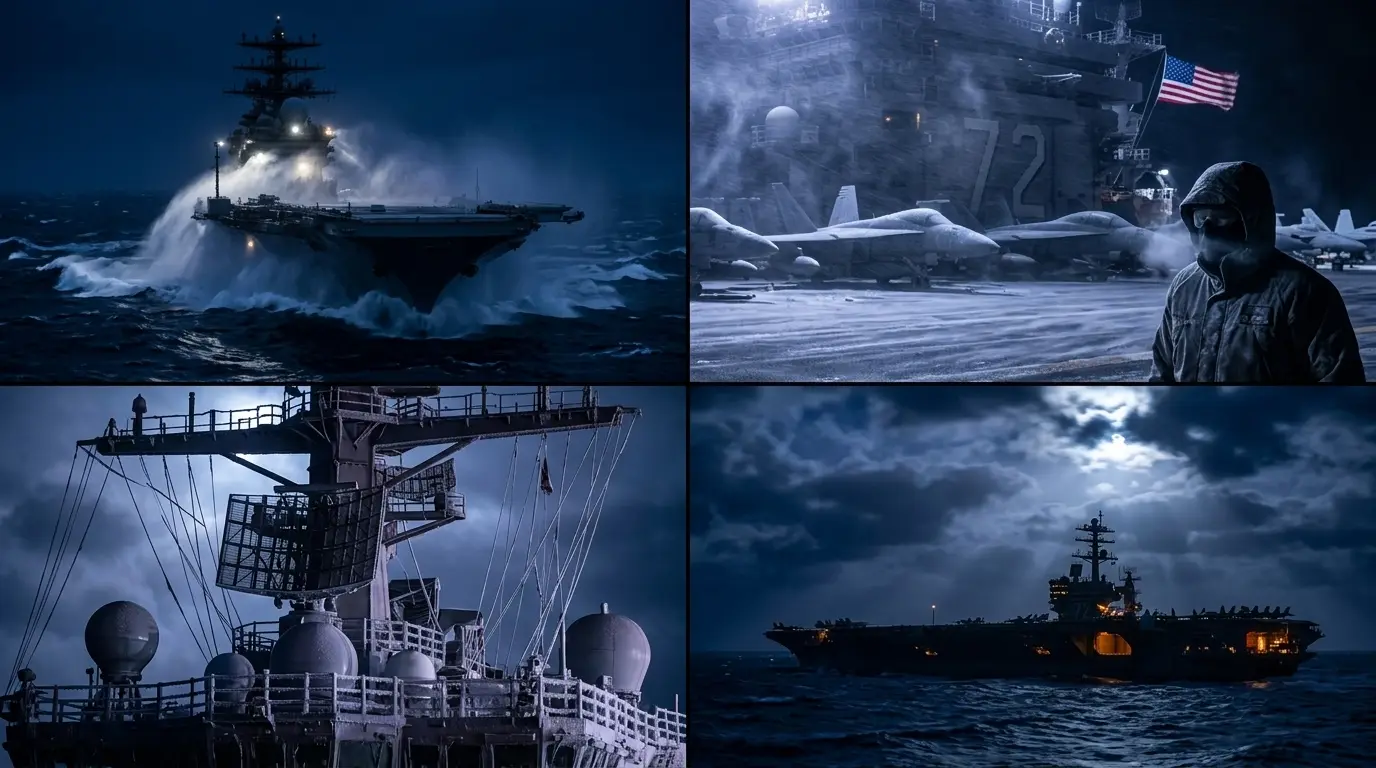
The 24/7 Air Conditioning
The ship's massive HVAC system operates continuously, pushing highly chilled air through thousands of metallic ventilation ducts. Because the system strictly prioritises cooling the critical combat electronics, the temperature in the adjacent crew berthings cannot be easily adjusted for human comfort.
Trapping Body Heat
To survive the freezing nights, sailors resort to sleeping in heavy layers and thick military-issue blankets. They also tightly zip their heavy 'rack curtains' shut, effectively creating a small, insulated pod that traps their own body heat inside the bunk.

The Flight Deck Wind Chill
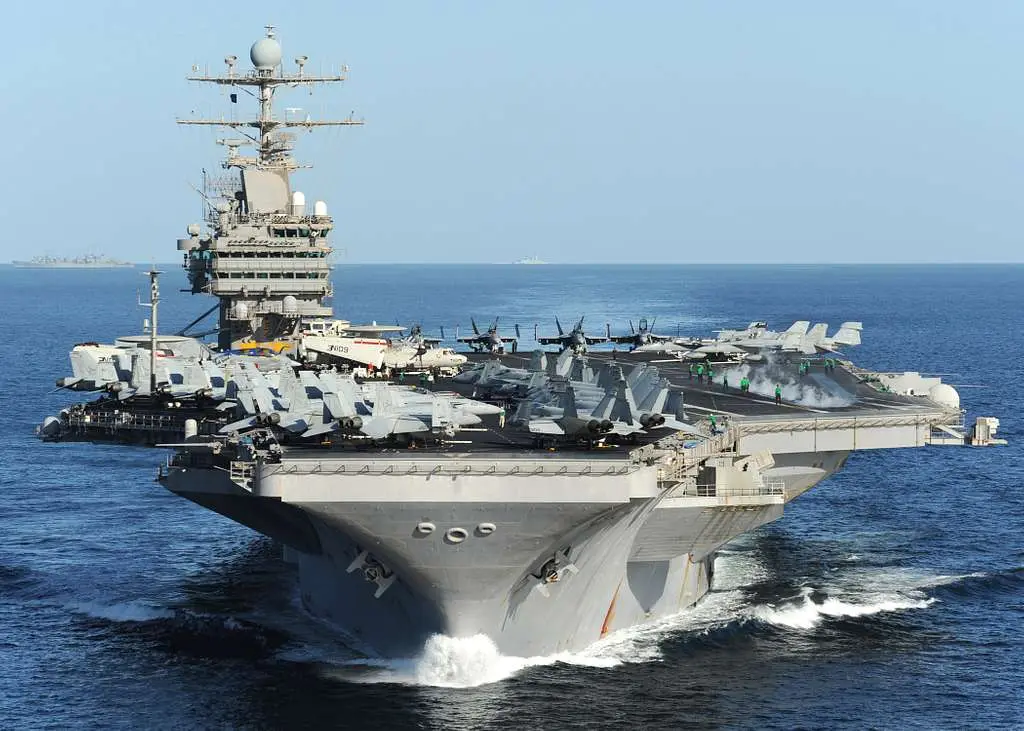
Outside the ship, night operations bring a completely different kind of freezing environment. Because the carrier must turn into the wind and accelerate to 30 knots to launch aircraft, flight deck crews constantly face brutal, high-speed wind chills in the pitch dark.

The Arabian Sea Paradox
Even during its current deployment in the Arabian Sea, where daytime heat indexes exceed 50 degrees Celsius, the interior remains cold. The massive contrast means sailors experience freezing nights deep inside the ship while enduring blistering, humid heat outside.
The Extreme Engine Rooms
For sailors desperate to escape the cold interior, the ship offers a completely opposite environmental extreme. Deep within the engineering spaces and near the steam catapult machinery, ambient temperatures frequently soar well over 38 degrees Celsius, offering a harsh, sweaty contrast.
)
)
)
)
)