$3 billion for only 16 fighter jets? Inside Bangladesh’s massive Eurofighter Typhoon gamble

The current fleet is dominated by Russian (MiG-29) and Chinese (F-7) platforms. Switching to a NATO-standard jet requires replacing every tool, screw, and manual in the hangars, creating a massive upfront logistical burden that will last for decades.
1. The "Sovereignty Premium" Over Chinese Savings
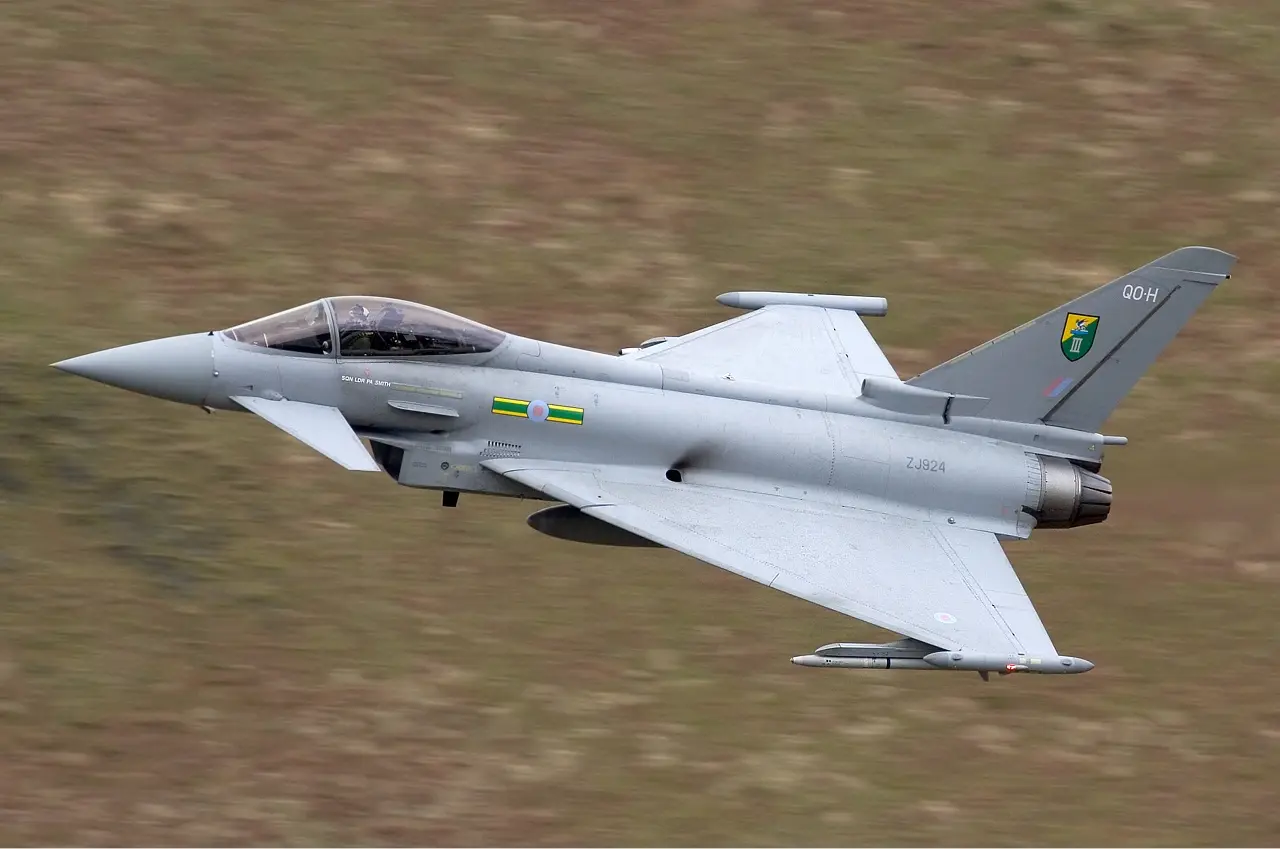
Bangladesh rejected a mathematically superior offer from China to secure European capability. The alternative deal was 20 Chinese J-10C jets for $2.2 billion. Instead, Dhaka opted for 10–16 Eurofighters for an estimated $3 billion+. This reveals a deliberate willingness to pay a 50 per cent premium per airframe to reduce strategic dependence on Beijing and diversify its defence alliances.
2. A Logistical "Reset" of the Air Force
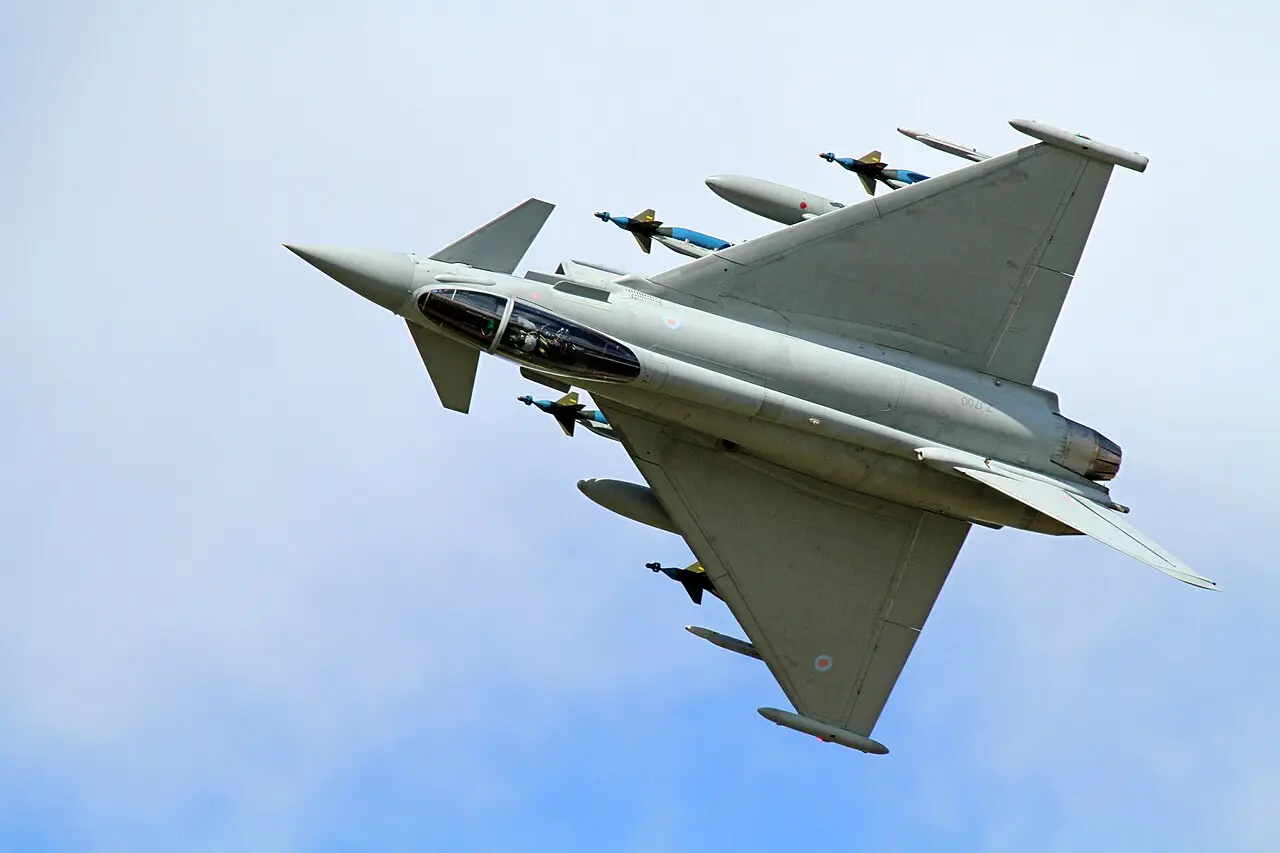
The move to the Typhoon forces a complete restructuring of the Bangladesh Air Force’s (BAF) maintenance ecosystem. The current fleet is dominated by Russian (MiG-29) and Chinese (F-7) platforms. Switching to a NATO-standard jet requires replacing every tool, screw, and manual in the hangars, creating a massive upfront logistical burden that will last for decades.
3. The Tranche 4 "Super-Computer" Advantage
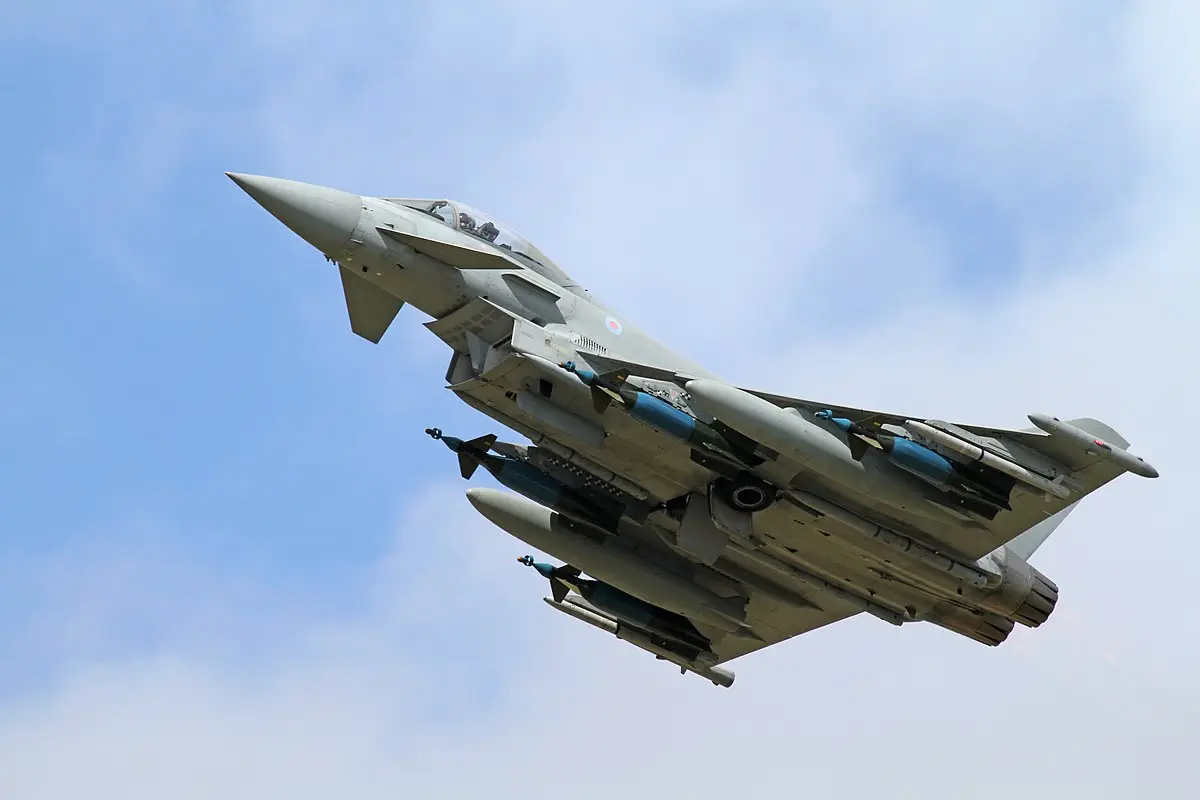
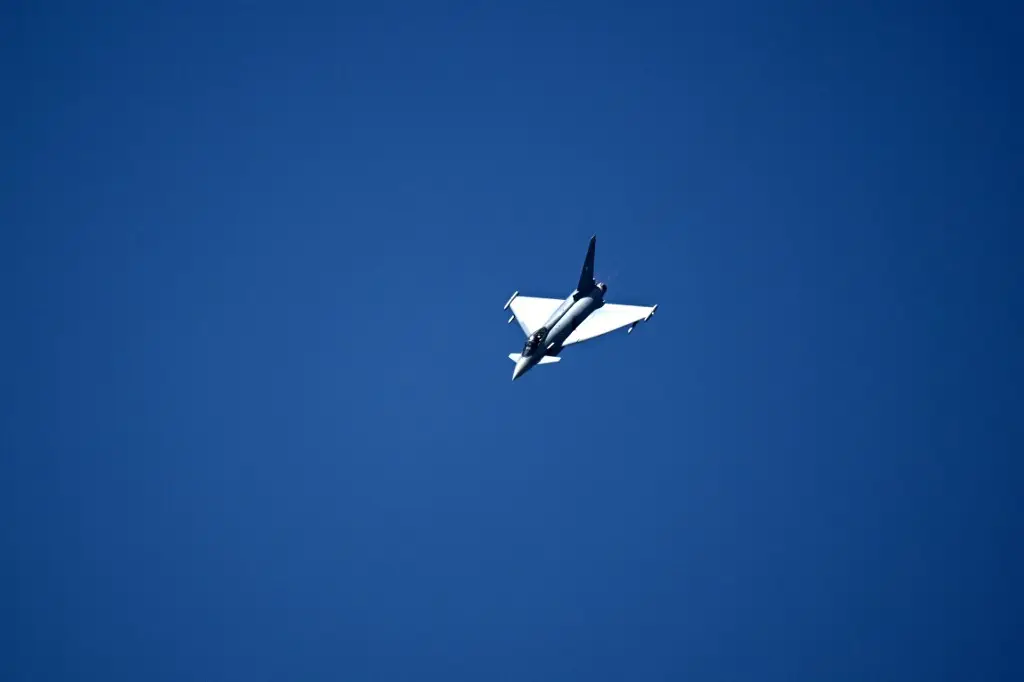
The Letter of Intent (LOI) targets the latest "Tranche 4" standard, equipping the BAF with the Captor-E AESA radar. This technology allows pilots to track targets electronically without the mechanical lag of older radars. It gives Bangladesh an immediate technological edge over neighboring fleets that rely on older mechanical or hybrid radar systems.
4. The "No-Escape" Meteor Missile Capability
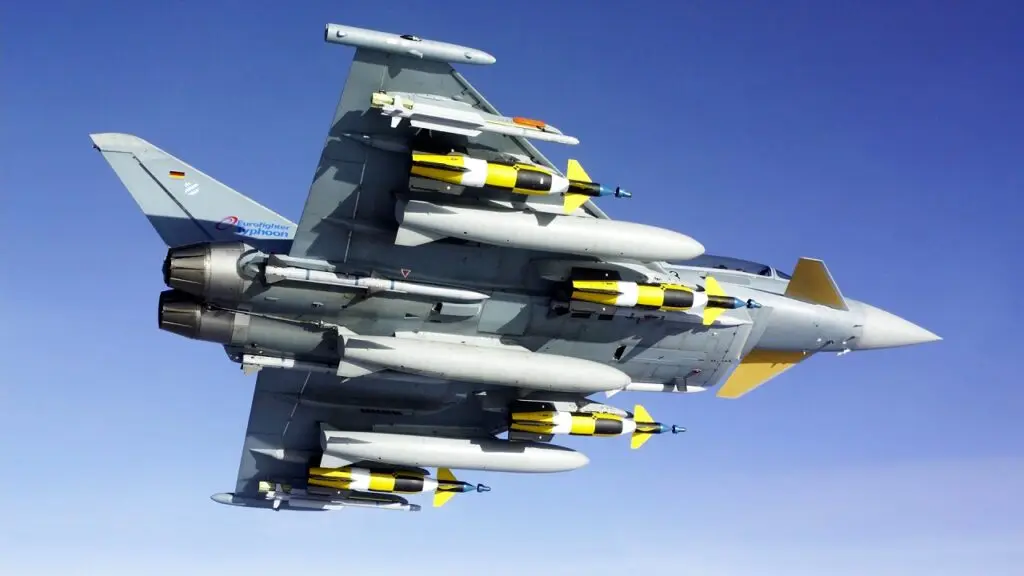
The most critical asset in this package is not the jet, but the weapon it carries: the MBDA Meteor missile. This ramjet-powered air-to-air missile has a "no-escape zone" significantly larger than the American AMRAAM or Russian R-77. Access to this specific munition changes the balance of power in the Bay of Bengal, allowing BAF pilots to engage threats from ranges previously impossible.
5. Financial Reliance on Italian Credit
Dhaka is not paying cash. The deal structure relies heavily on Italian state-backed financing and soft loans. While this protects Bangladesh’s immediate foreign reserves, it ties the nation’s defence sovereignty to European debt repayment schedules for the next 15–20 years, exchanging operational freedom for financial leverage.
6. The Twin-Engine Safety Imperative
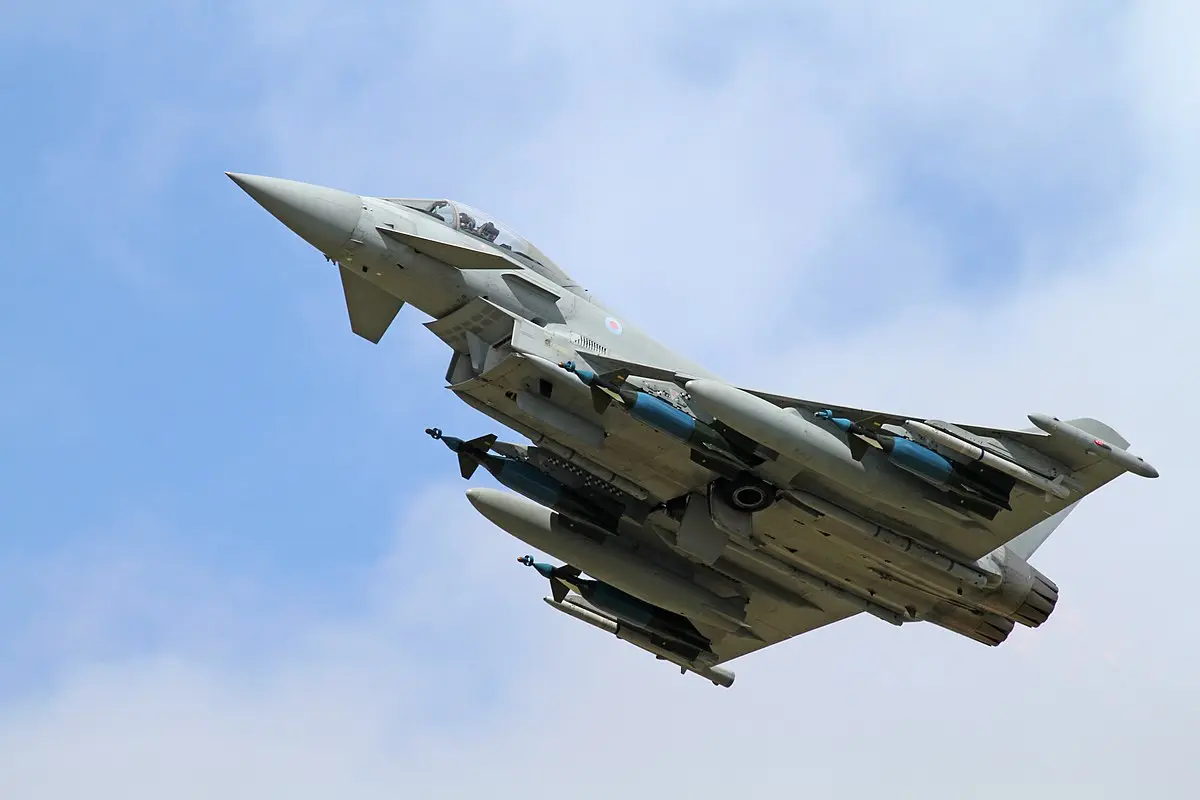
The decision highlights a specific operational requirement: maritime safety. Single-engine jets like the F-16 or J-10C pose a higher risk for deep-sea patrols over the Bay of Bengal. The Typhoon’s twin Eurojet EJ200 engines provide the necessary redundancy for long-range maritime security missions, a capability the BAF deemed non-negotiable despite the higher fuel and maintenance costs.
7. "Forces Goal 2030" Becomes Reality
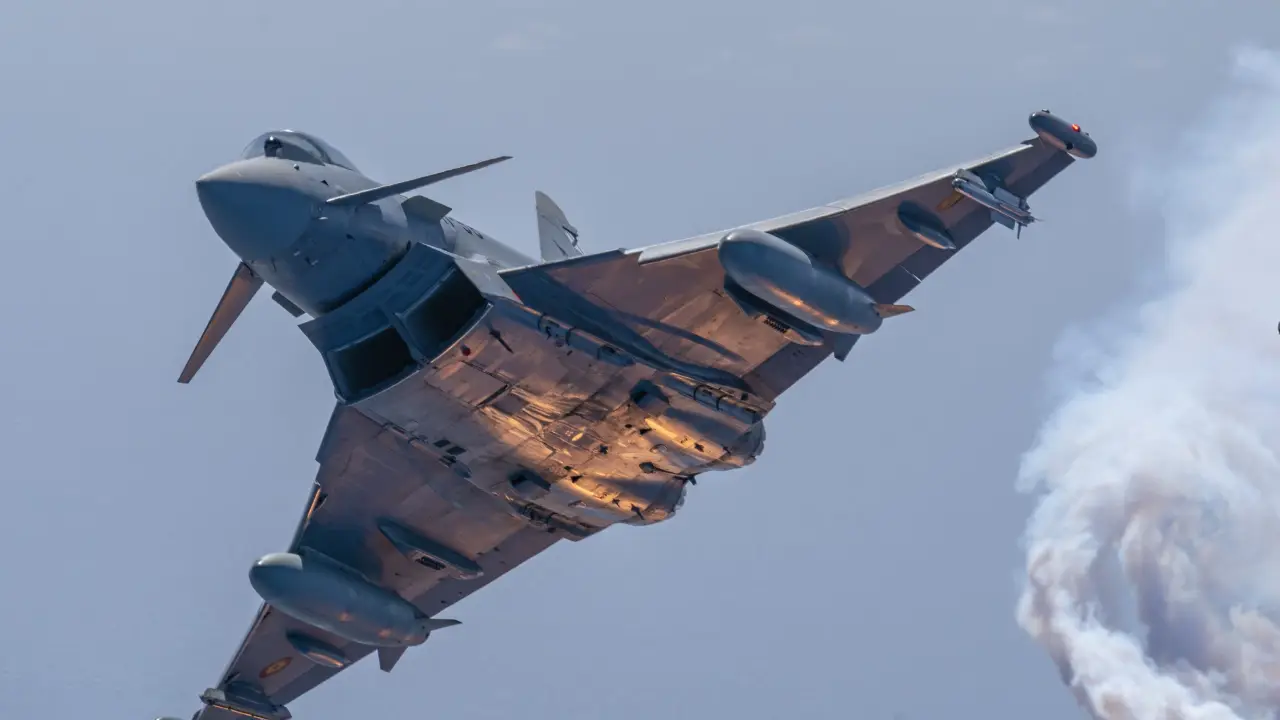
This acquisition is the "crown jewel" of the long-delayed Forces Goal 2030 modernisation roadmap. By securing a 4.5-generation western fighter, the BAF effectively transitions from a defensive "air support" role to a credible "air denial" force. This signals to regional powers (specifically Myanmar) that Bangladesh now possesses the capability to project power beyond its borders.
)
)
)
)
)