‘290 lives lost’: How a 1988 US naval error changed US and Iran relations forever

The 1988 downing of Iran Air Flight 655 by the USS Vincennes killed 290 civilians. The US called it an error, while Iran saw it as an attack. The tragedy permanently scarred US-Iran relations.
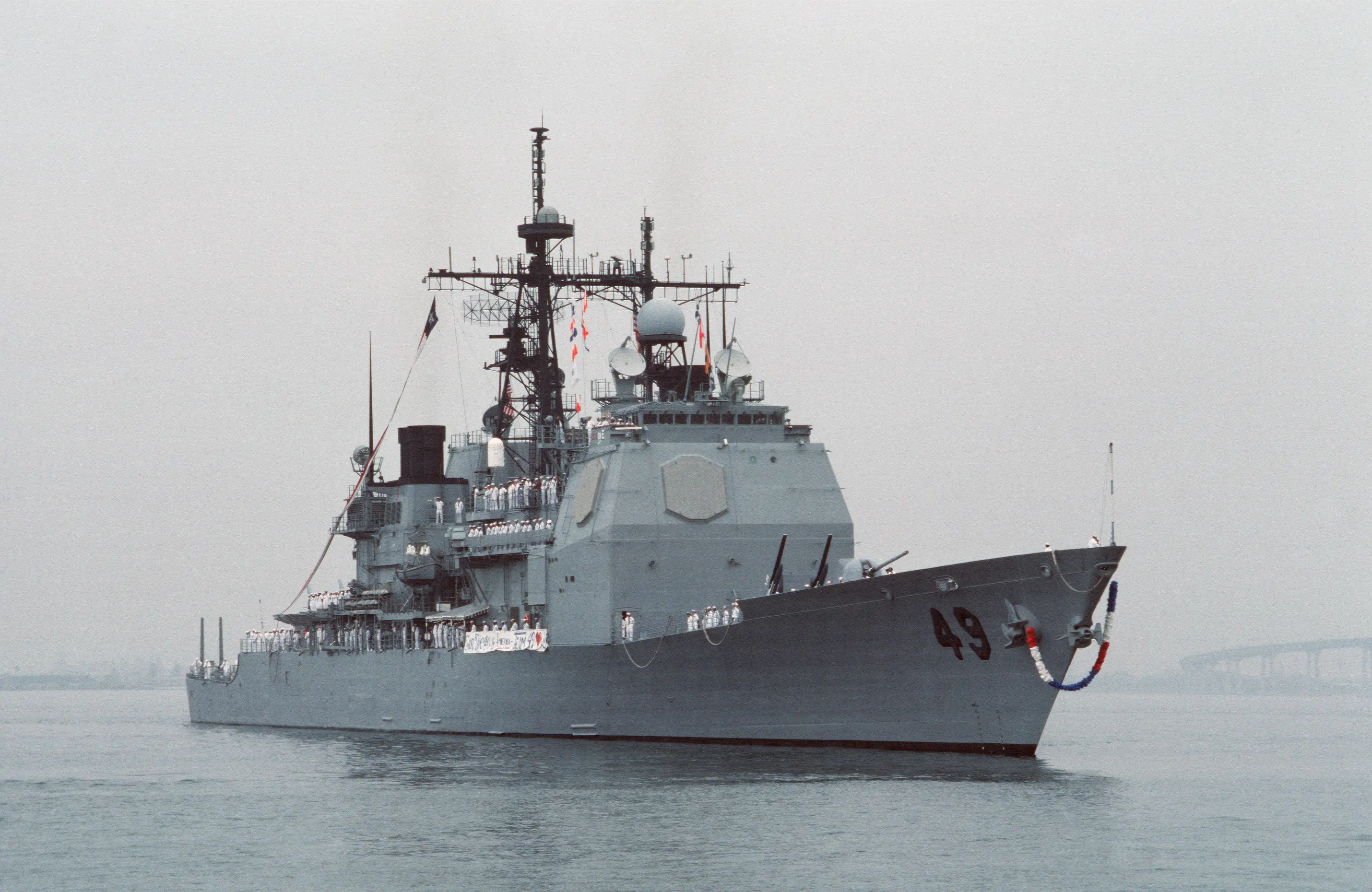
The fatal launch in the Gulf
The tragedy unfolded on 3 July, 1988, in the tense waters of the Strait of Hormuz. The USS Vincennes, a guided-missile cruiser of the US Navy, fired two surface-to-air missiles at an approaching aircraft. The crew had misidentified the target as a threatening Iranian F-14 Tomcat fighter jet, but it was actually a commercial flight.
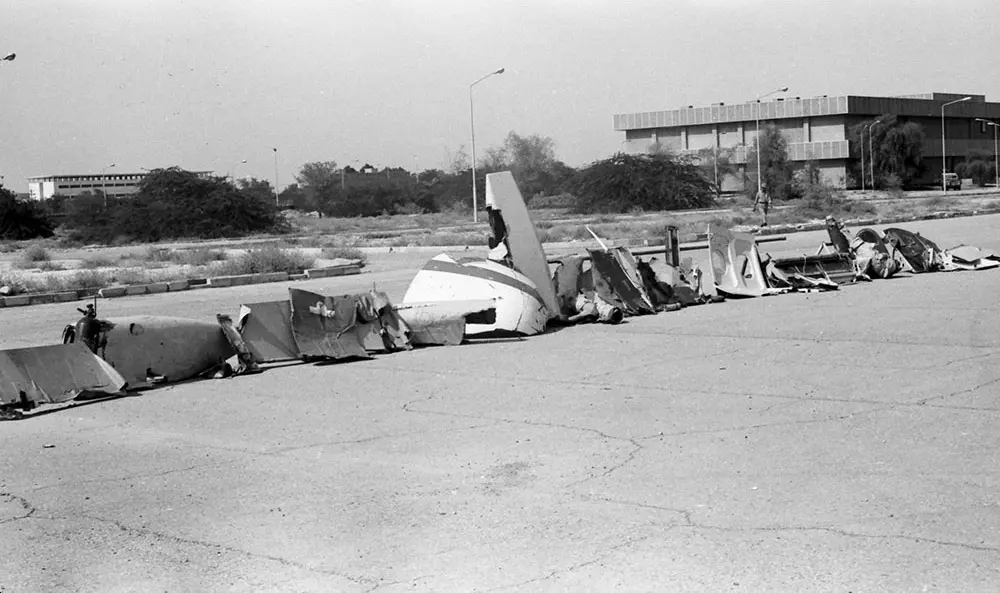
Iran Air Flight 655’s final journey
The aircraft was an Airbus A300, operating as Iran Air Flight 655. It had taken off from Bandar Abbas in Iran and was en route to Dubai in the United Arab Emirates. The flight was on a routine commercial schedule and was climbing inside an established commercial air corridor when it was struck.
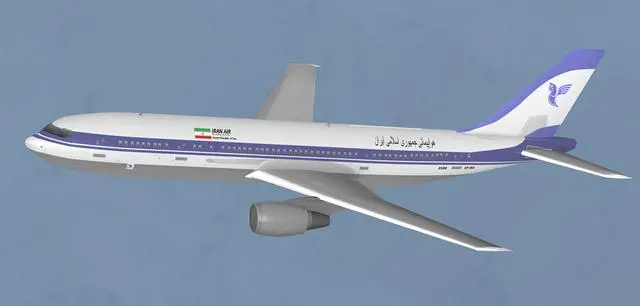
290 lives lost in an instant
All 290 people on board the aircraft perished in the crash. The victims included 254 Iranians, 13 people from the UAE, 10 from India, six from Pakistan, six from Yugoslavia and one from Italy. Among the dead were 66 children, making it one of the deadliest aviation disasters involving a military incident.
A catastrophic case of mistaken identity
US reports following the incident stated that the crew of the Vincennes was under significant stress. They believed the aircraft was descending towards them in an attack profile. However, data later showed the civilian airliner was actually climbing and its transponder was squawking a civilian code, not a military one.
Immediate reaction and outrage
Tehran reacted with fury, calling the incident a "barbaric massacre" and a crime against humanity. The tragedy intensified anti-American sentiment within Iran and complicated an already hostile relationship. While Washington expressed deep regret for the loss of life, it did not formally apologise or accept legal liability at the time.
The settlement and compensation
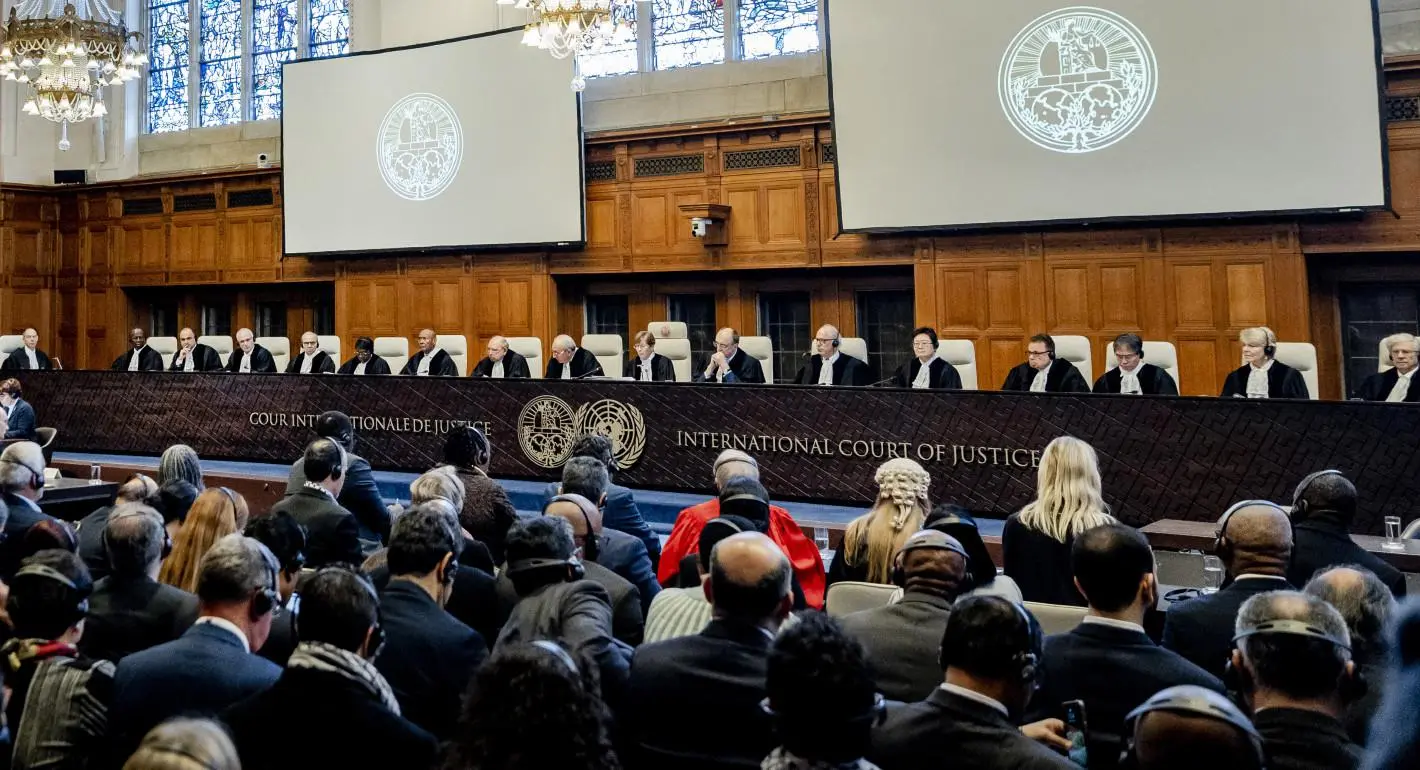
Years later, the matter was brought before the International Court of Justice. In 1996, the United States agreed to pay Iran $131.8 million in settlement. This amount included $61.8 million specifically as compensation for the families of the victims who lost their lives in the disaster.
A lasting shadow on US-Iran ties
The downing of Flight 655 remains an open wound in Iran’s collective memory. Iranian officials frequently cite the tragedy as evidence of American hostility. Decades later, the incident continues to fuel distrust and shapes the diplomatic narrative between Washington and Tehran.
)
)
)
)
)