$25B, $40B, $50B or more: Is US hiding its real spending on Iran conflict? Here's what we know

The US has spent about $25B in its conflict with Iran, but reports suggest the real cost, factoring in damaged bases, weapons, and repairs, could reach $40–50B. Missile use, infrastructure losses, and rising regional tensions are deepening economic and energy crises.
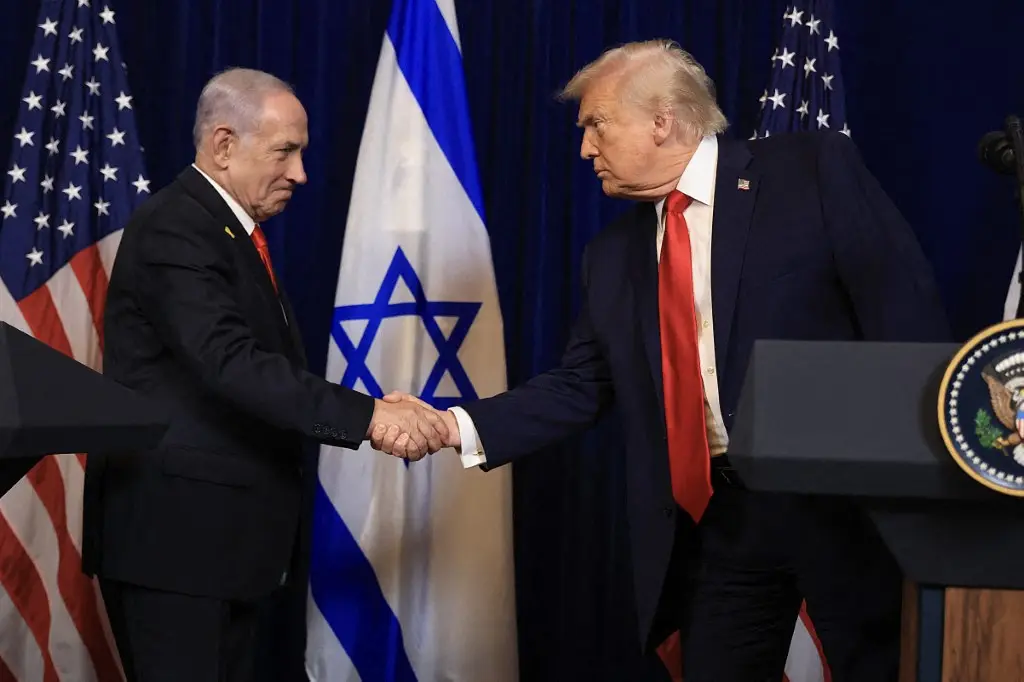
Pentagon's top financial officer on war budget
Around $25 billion has been spent over nearly eight weeks by the US while battling with sanctions-hit Iran, the Pentagon's top financial officer told lawmakers. It has led to a wider regional war, devastating the world economy and triggering the worst global energy crisis. However, several media reports indicate that the figure is partially correct, as at least three individuals familiar with the matter told CNN that the figure does not account for billions of dollars required to repair and restore military bases and equipment damaged by missile and drone attacks. When questioned by lawmakers on Wednesday, Defence Secretary Pete Hegseth declined to confirm this.

Varied true figures
Last week, NBC News referred to inputs from six separate sources, including aides to lawmakers and government officials, reporting that the extent of damage may be far greater than has been publicly disclosed. According to these sources, the repair bill could reach into the billions. One source told CNN that the true figure might be as high as $40-50 billion, covering damage to at least nine US military bases in Bahrain, Kuwait, Iraq, the UAE, and Qatar, along with potential compensation for affected civilian and energy infrastructure in those countries. Additionally, Washington will also need to allocate funds to replenish its missile stockpiles.

Drones and missiles expenditure
Days ago, The New York Times also reported that Tehran’s use of asymmetric tactics, forcing the US to deploy $4 million Patriot interceptors against $50,000 Shahed drones, has led to the expenditure of more than 1,200 missiles. For context, the US manufactured only about 600 of these over the entire previous year. Additionally, over 1,000 Tomahawk missiles have been used, each costing roughly $3.6 million. These expenses do not yet include repair costs, which have also not been incorporated into the proposed $1.5 trillion FY27 budget, as the Pentagon is still evaluating the full extent of the damage. It remains uncertain whether the costs of replenishing missile stockpiles, replacing downed aircraft, and repairing or replacing critical systems, such as the AN/TPY-2 radars used in the THAAD air defence system, each valued between $500 million and $1 billion, have been accounted for.
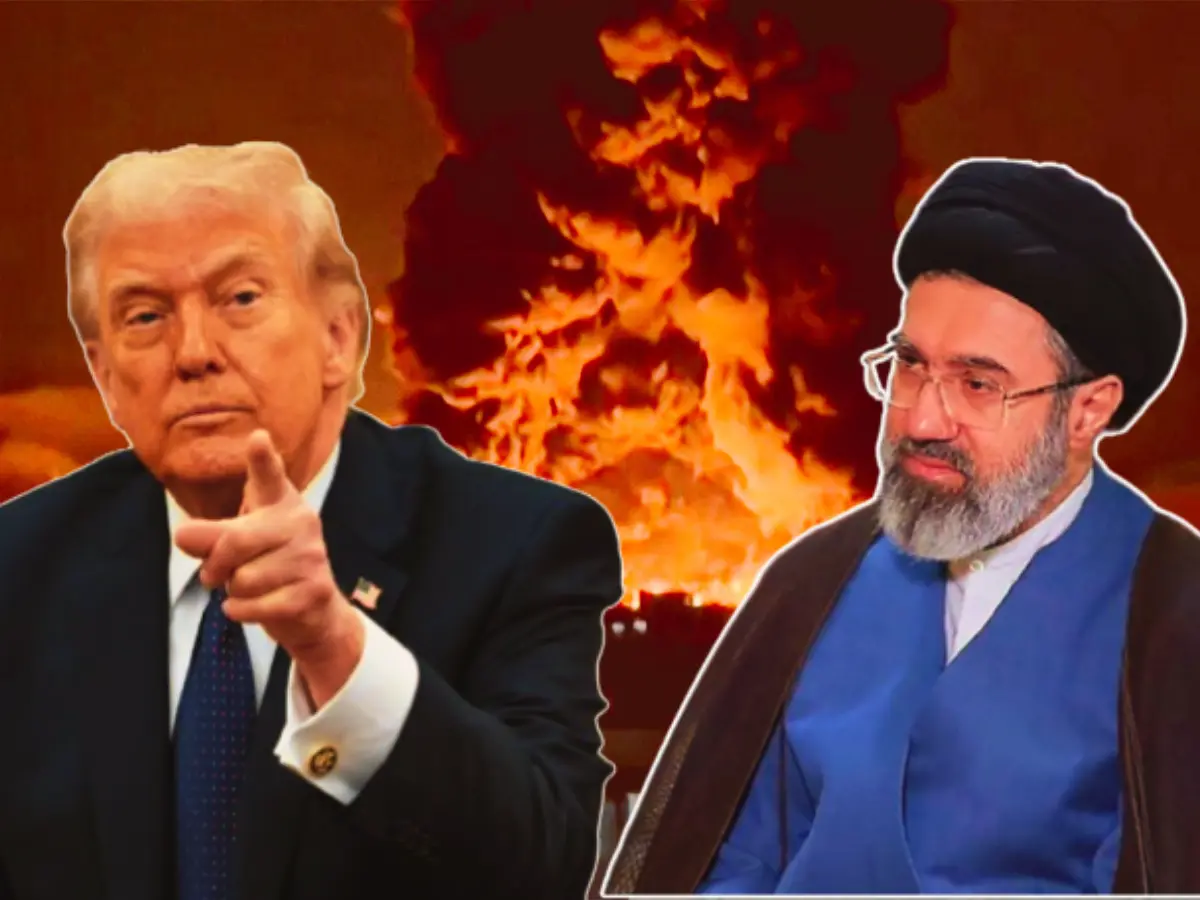
War Powers Resolution deadline
Meanwhile, Donald Trump, facing an approaching War Powers Resolution deadline, has not indicated that these costs will be addressed. On Wednesday, he posted a dramatic “war hero” image on Truth Social, accompanied by a warning to Iran of “no more Mr Nice Guy.” Earlier in the week, Axios reported that he had turned down a second Iranian peace proposal and instead ordered “short and powerful strikes” aimed at compelling Iran to abandon its nuclear program. Since the conflict began on February 28, the true financial cost of the war has remained unclear.
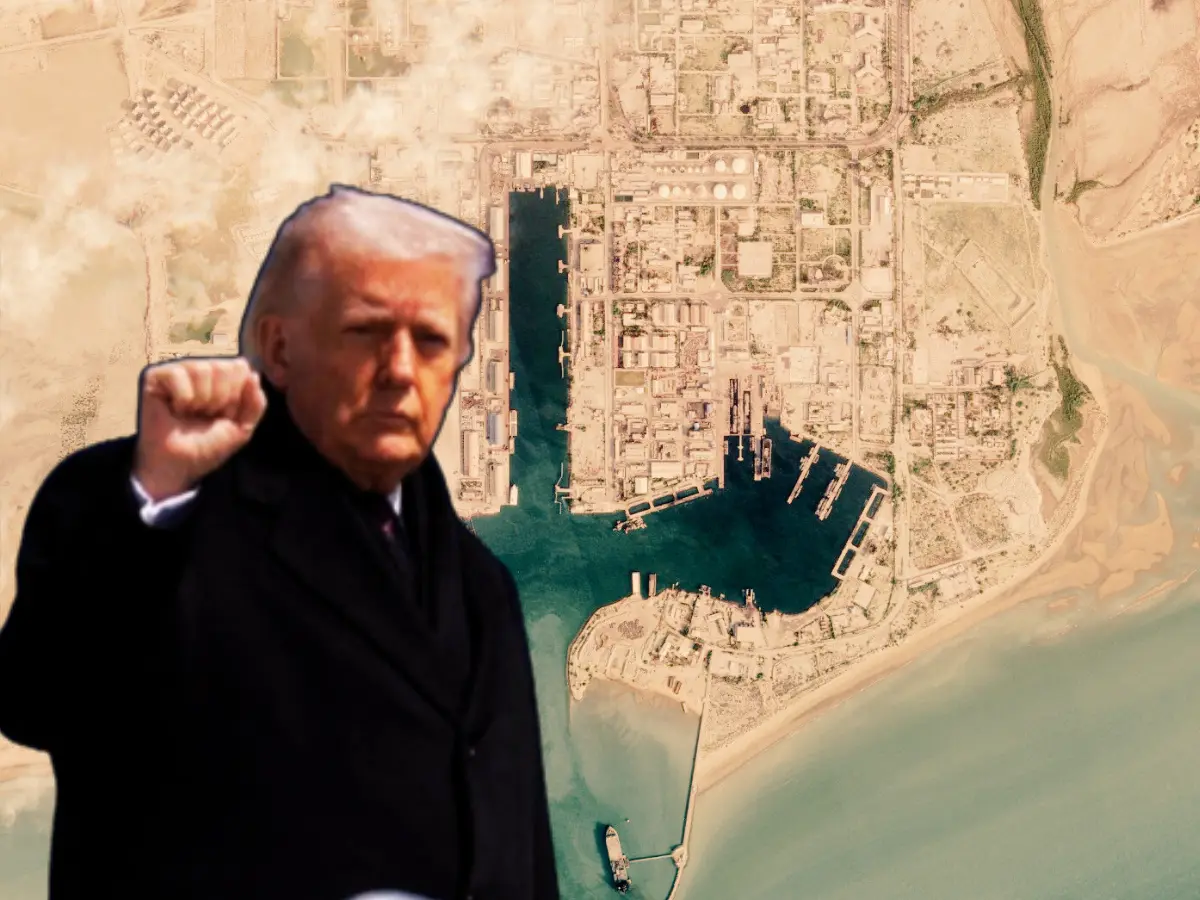
What is the real figures?
In addition, The Times, Fox News, and Reuters, citing Pentagon officials, also estimated the cost at about $11.3 billion, including a striking $3.7 billion spent in just the first 100 hours. By the end of the second week, leaks from within the government suggested the total had climbed to $16.5 billion, with daily expenses levelling off at roughly $1 billion, a figure The Times said came from a classified Pentagon briefing. By the fourth week, the overall cost was reported to have exceeded $25 billion.
)
)
)
)
)