'22% of maritime trade': What is Malacca Strait & why this largest ‘oil transit chokepoint’ is in focus amid Hormuz tensions

According to the US Energy Information Administration (EIA), it is the world’s largest oil transit chokepoint, handling a significant share of global energy and cargo flows.
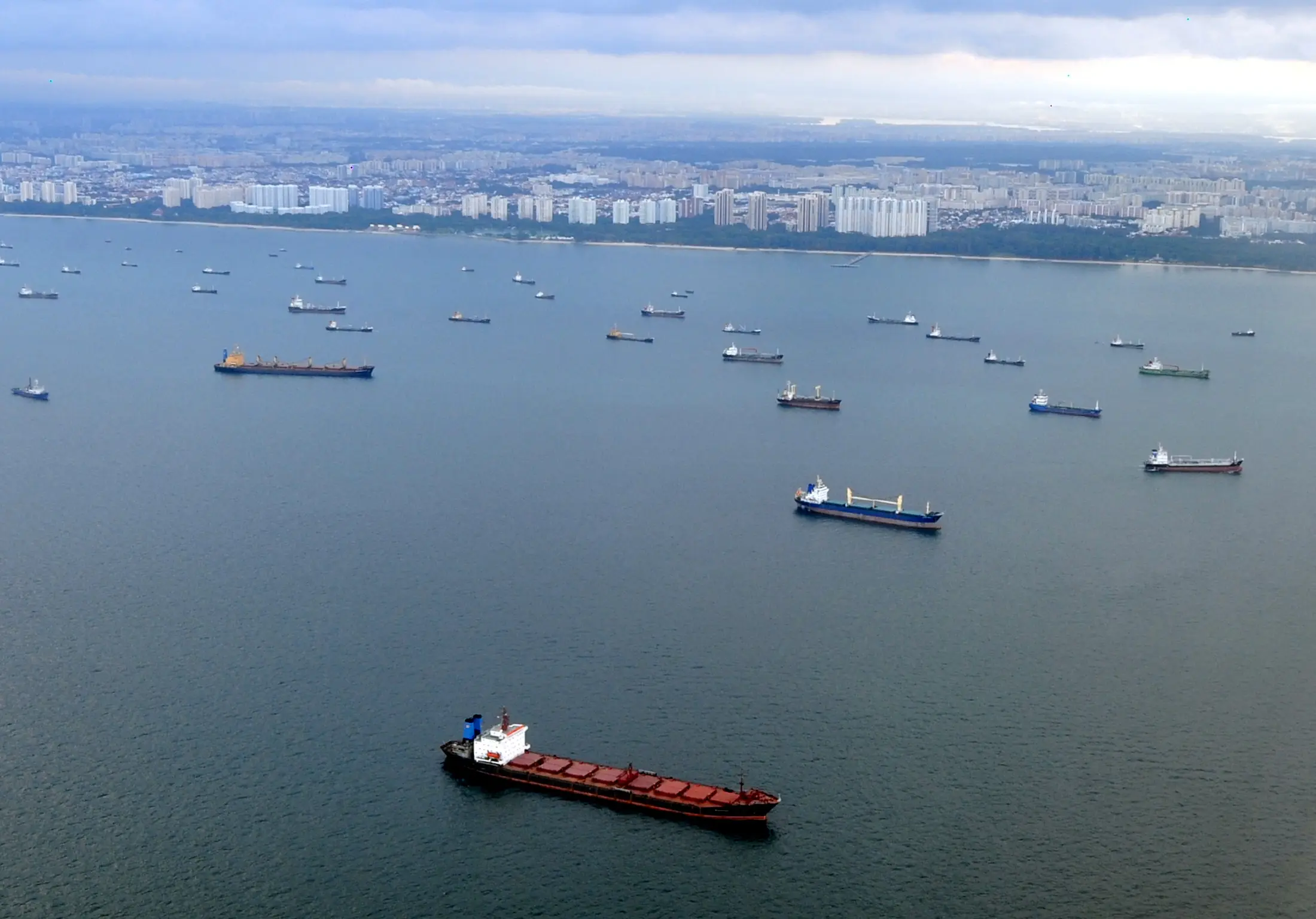
A critical artery of global trade
The closure of the Strait of Hormuz has prompted policymakers in Asia to reassess the security of other critical maritime chokepoints, including the Strait of Malacca, widely regarded as the world’s busiest waterway for international trade. The Strait of Malacca is a narrow maritime passage linking the Indian Ocean and the Pacific Ocean, forming the shortest sea route between the Middle East, East Asia and Europe. According to the US Energy Information Administration (EIA), it is the world’s largest oil transit chokepoint, handling a significant share of global energy and cargo flows.
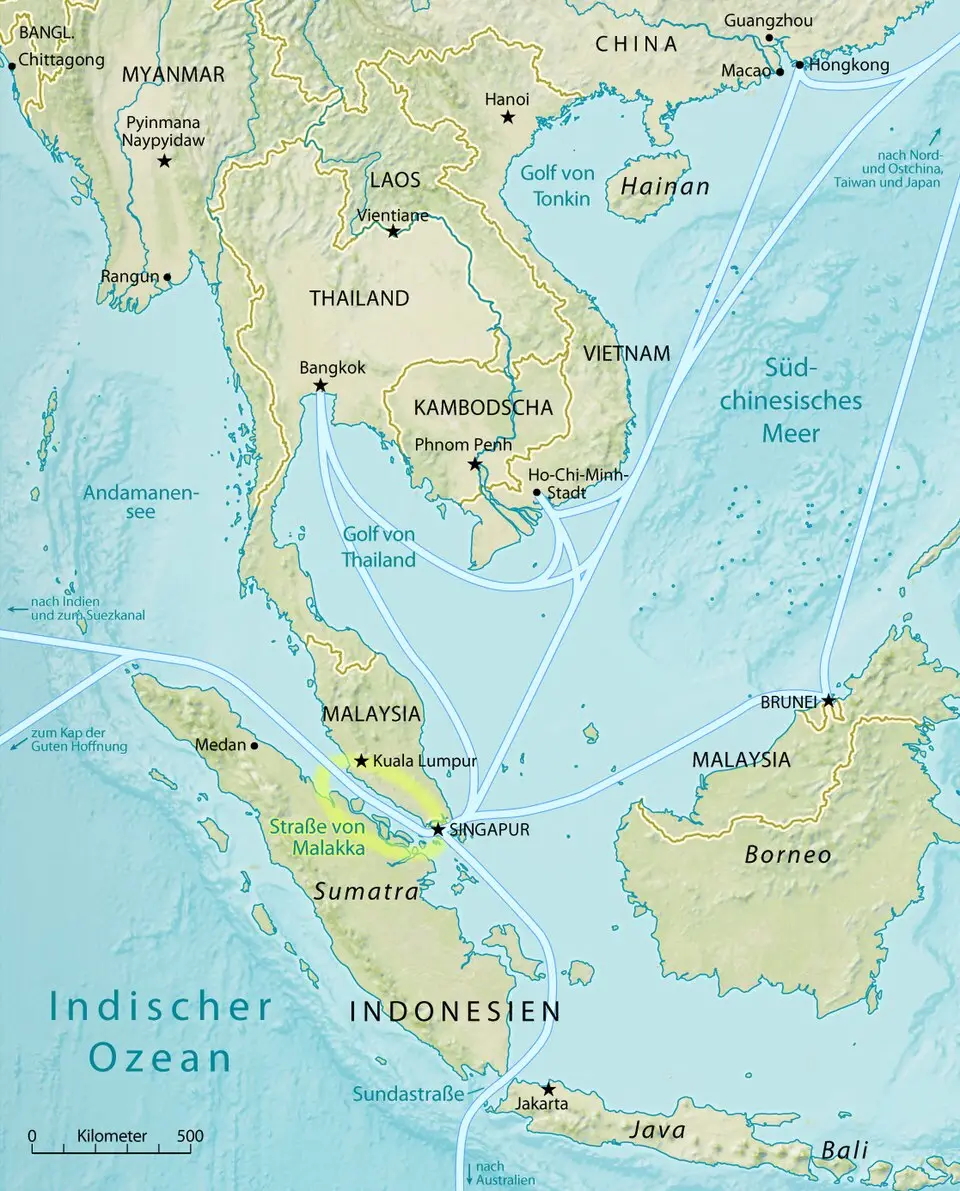
Geography of a strategic bottleneck
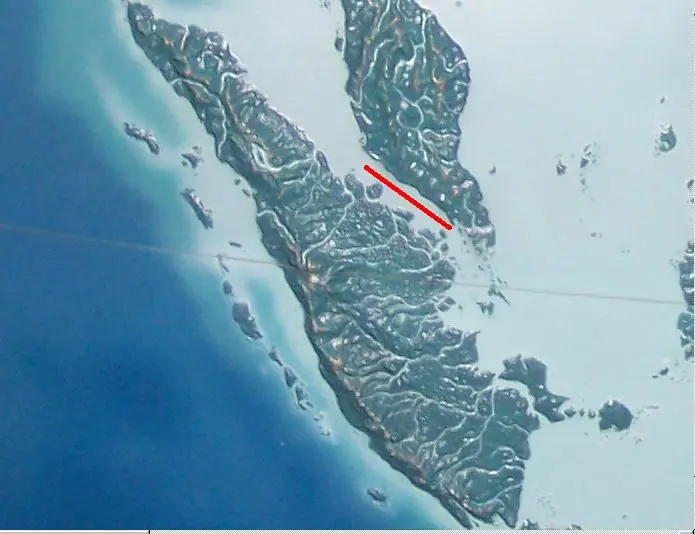
The Strait stretches about 900 km and is bordered by Indonesia, Malaysia, Thailand and Singapore. At its narrowest point in the Phillips Channel, it is only 1.7 miles wide, creating a natural bottleneck. Its shallow depths also restrict very large vessels, although ultra-large crude carriers still pass through.
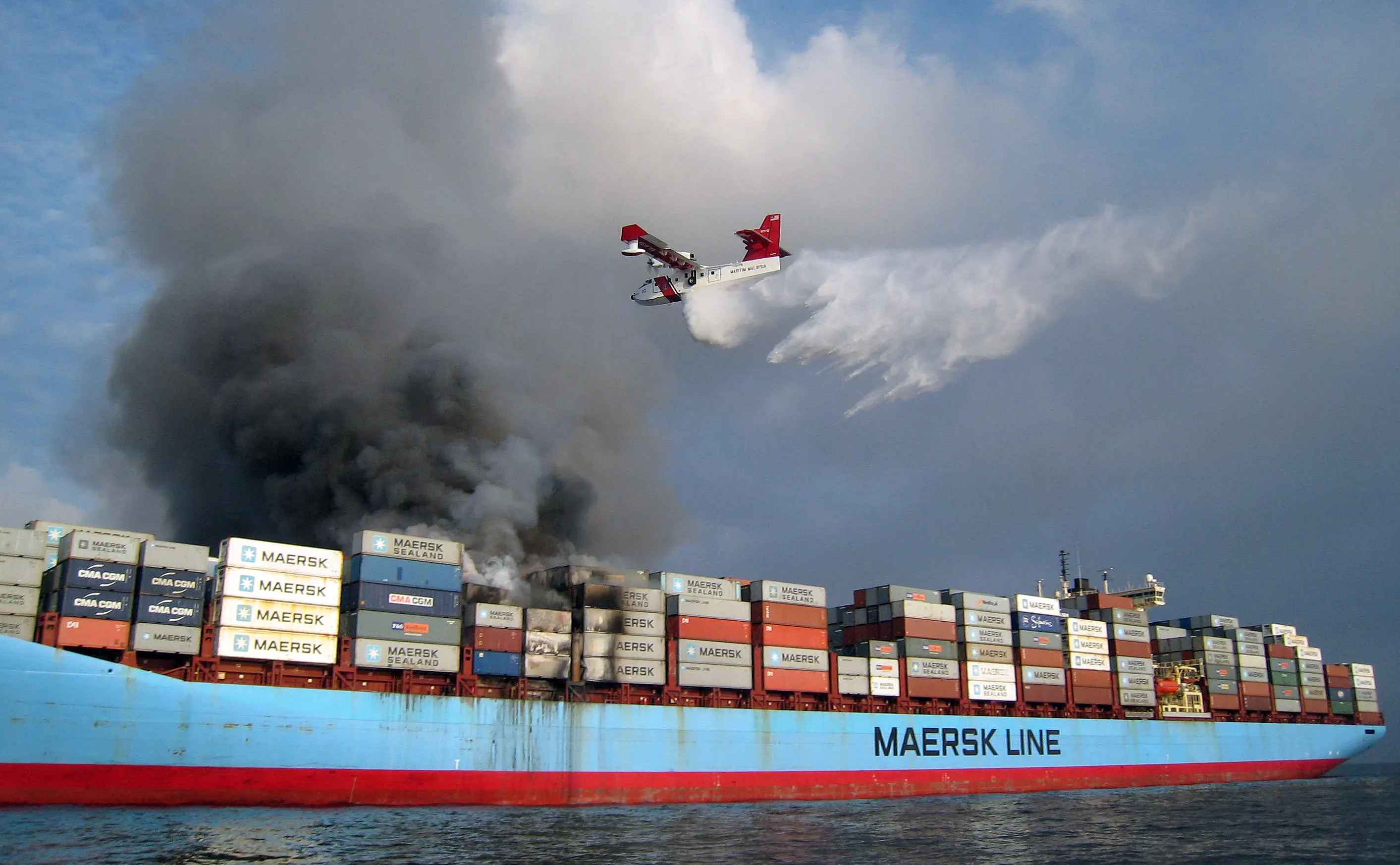
World’s busiest shipping lane
The Center for Strategic and International Studies estimates that nearly 22 per cent of global maritime trade passes through the Strait of Malacca. In 2025, more than 102,500 ships transited the waterway, according to Malaysia’s Marine Department, up from 94,300 the previous year. This heavy traffic includes substantial volumes of oil and gas shipments from the Middle East bound for major energy-consuming economies such as China, Japan and South Korea.
Oil and gas lifeline to Asia
In the first half of 2025, around 23.2 million barrels of oil per day flowed through the Strait of Malacca, accounting for 29 per cent of global maritime oil trade, according to EIA. Of this volume, roughly 70 per cent comprised crude oil, largely destined for China, Japan and South Korea, while liquefied natural gas flows averaged 9.2 billion cubic feet per day. The Strait remains the world’s busiest oil transit chokepoint, exceeding the Strait of Hormuz, which saw about 20.9 million barrels per day during the same period.
Why it is a global chokepoint
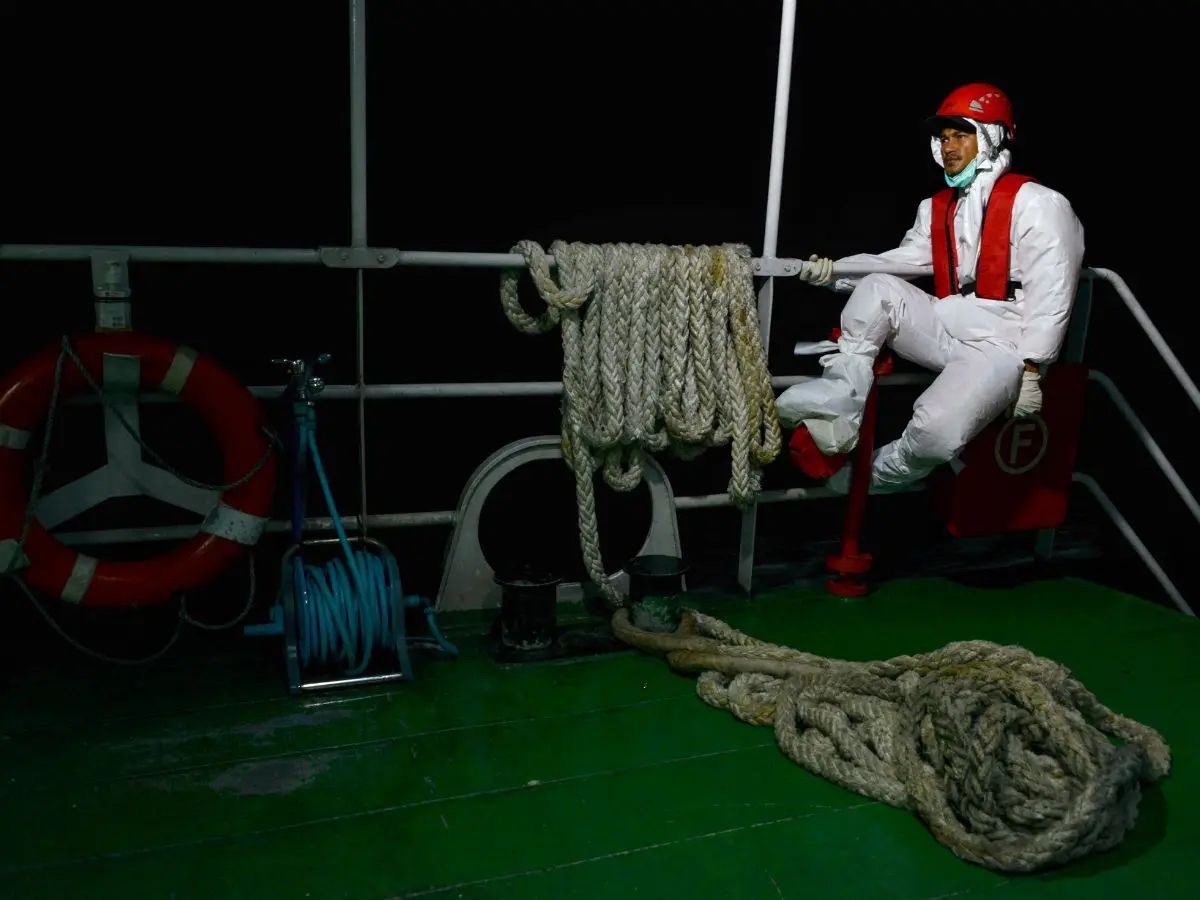
The EIA classifies Malacca as the primary Asian energy chokepoint, with flows exceeding even the Strait of Hormuz. Alternative routes exist through two smaller Pacific Ocean chokepoints the Sunda and Lombok Straits, but they significantly increase voyage time and costs. Piracy and congestion remain additional risks, particularly around Singapore waters.
Security risks and strategic concern
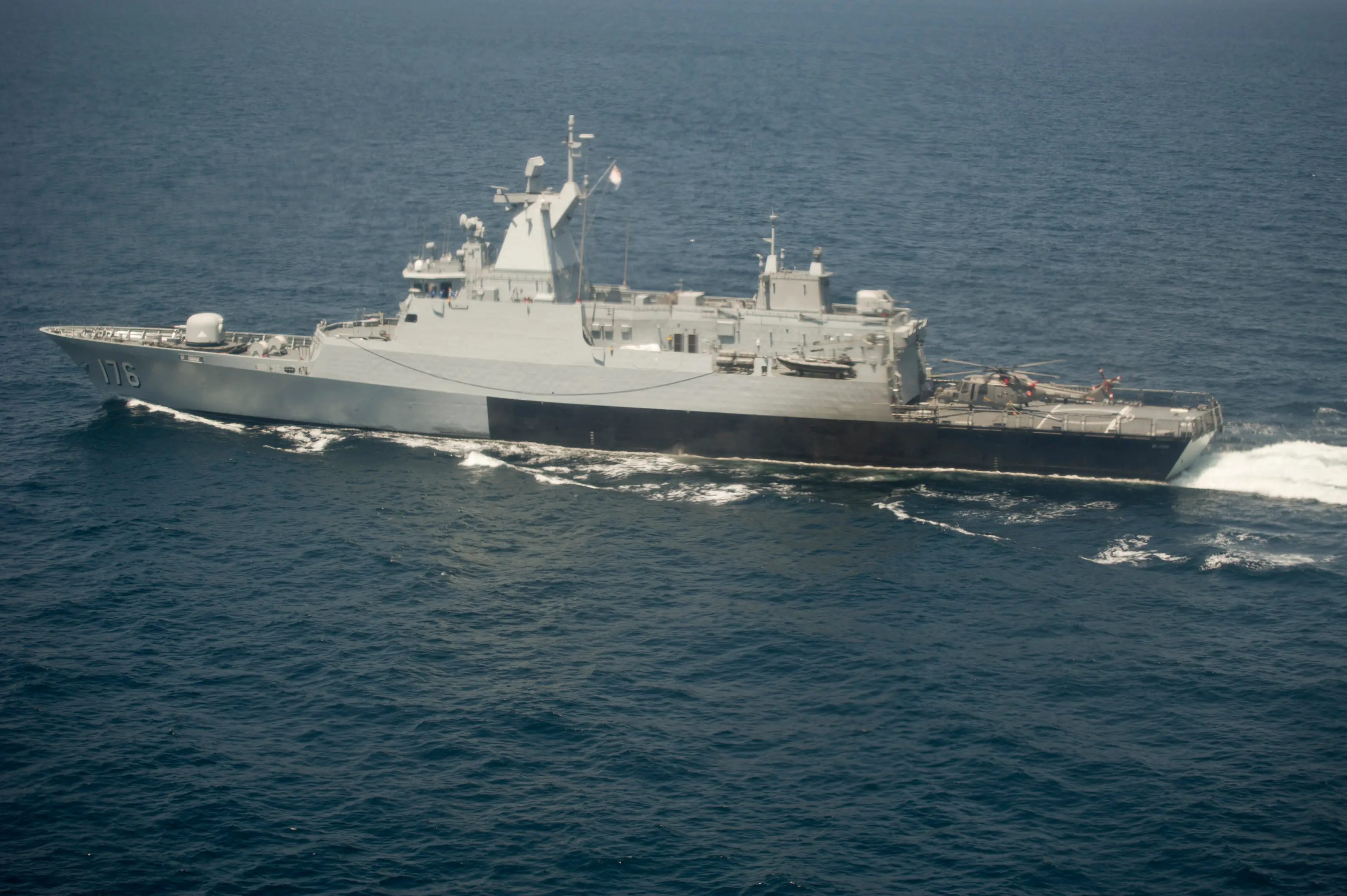
The International Maritime Bureau has reported persistent piracy threats, including attempted hijackings. The strait’s narrow geography raises risks of collisions, grounding and environmental incidents. Its importance to China is especially high, with around 75 per cent of its seaborne crude oil imports passing through this route from the Middle East and Africa.
Trade flows shaped by global politics
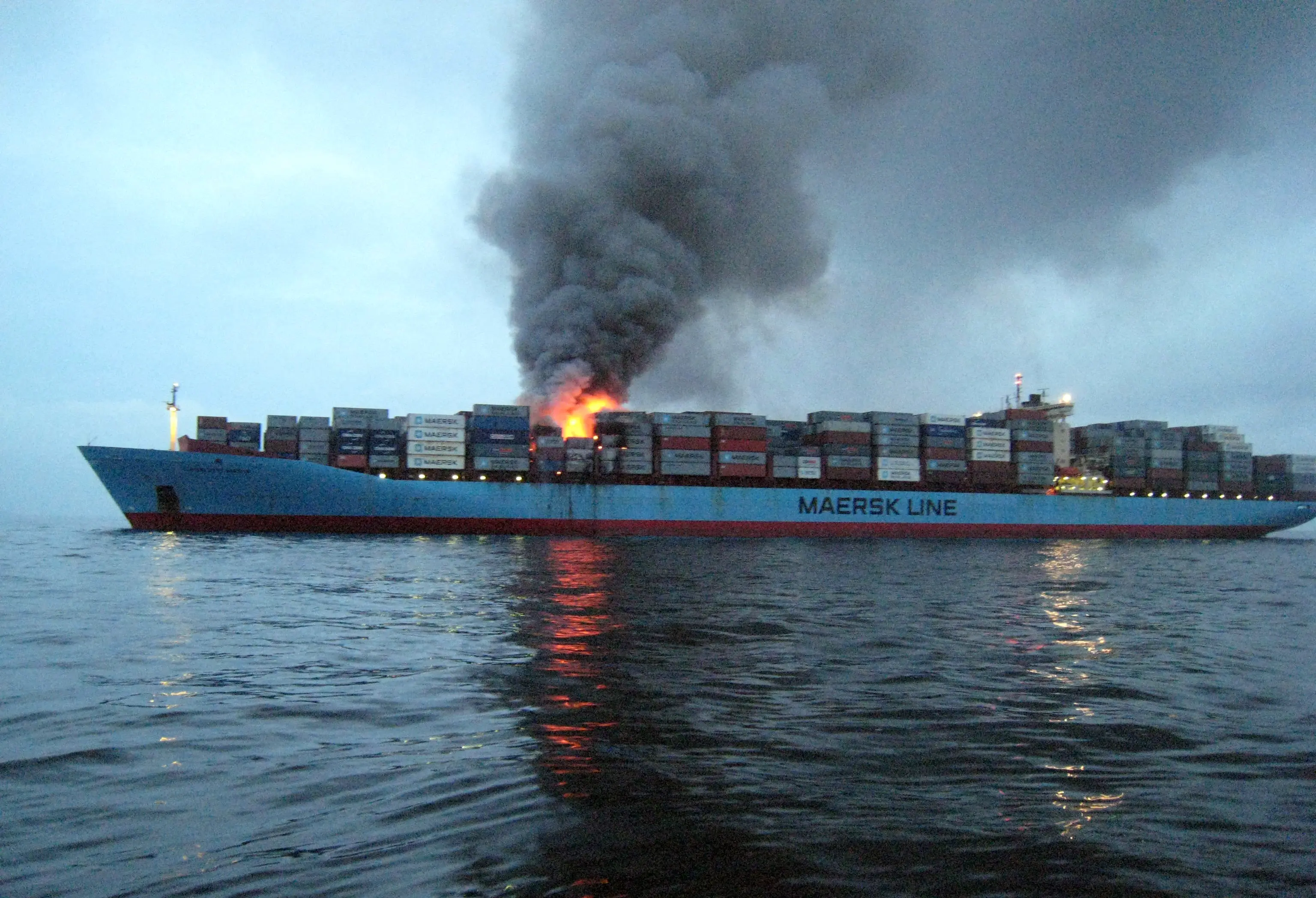
The Iran crisis has sharpened long-standing concerns about the vulnerability of key maritime chokepoints, including the Strait of Malacca, particularly in the event of conflict in the South China Sea or the Taiwan Strait, where a further 21 per cent of global maritime trade transits, according to the Center for Strategic and International Studies (CSIS), as reported by Reuters. Iran and Russia also contribute fluctuating volumes through the route, influenced by sanctions and wider geopolitical conditions. As a result, the Strait of Malacca has become closely intertwined with global energy security and trade stability dynamics.
Regional coordination and control
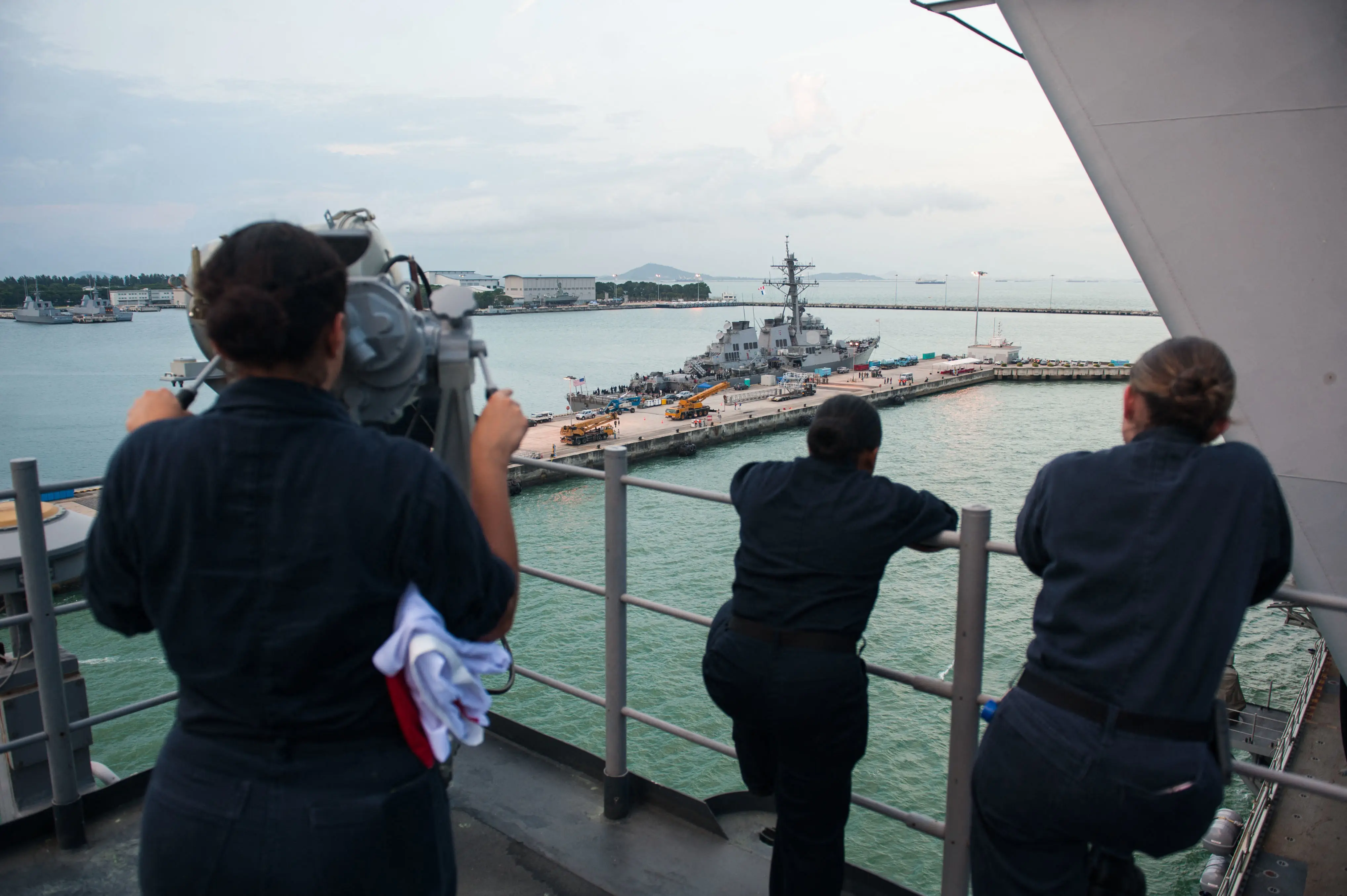
Officials from Singapore, Malaysia, Indonesia and Thailand maintain joint patrols to keep the waterway open. Leaders have ruled out toll systems or restrictions, emphasising uninterrupted passage for global trade. Singapore has also reaffirmed free navigation rights for all shipping powers. With rising geopolitical tensions elsewhere, including the Strait of Hormuz, the Malacca Strait’s role as a critical energy corridor has gained renewed attention. As EIA data shows, it remains one of the most important and sensitive maritime arteries in the global economy.
)
)
)
)
)