'21-Day Cycle': Why the USS Abraham Lincoln repeats its exact meal schedule every three weeks

The USS Abraham Lincoln relies on a rigid 21-day menu cycle to feed its crew members, producing over 17,300 meals daily. This strict logistical schedule balances tight storage constraints with exact nutritional targets during long deployments.
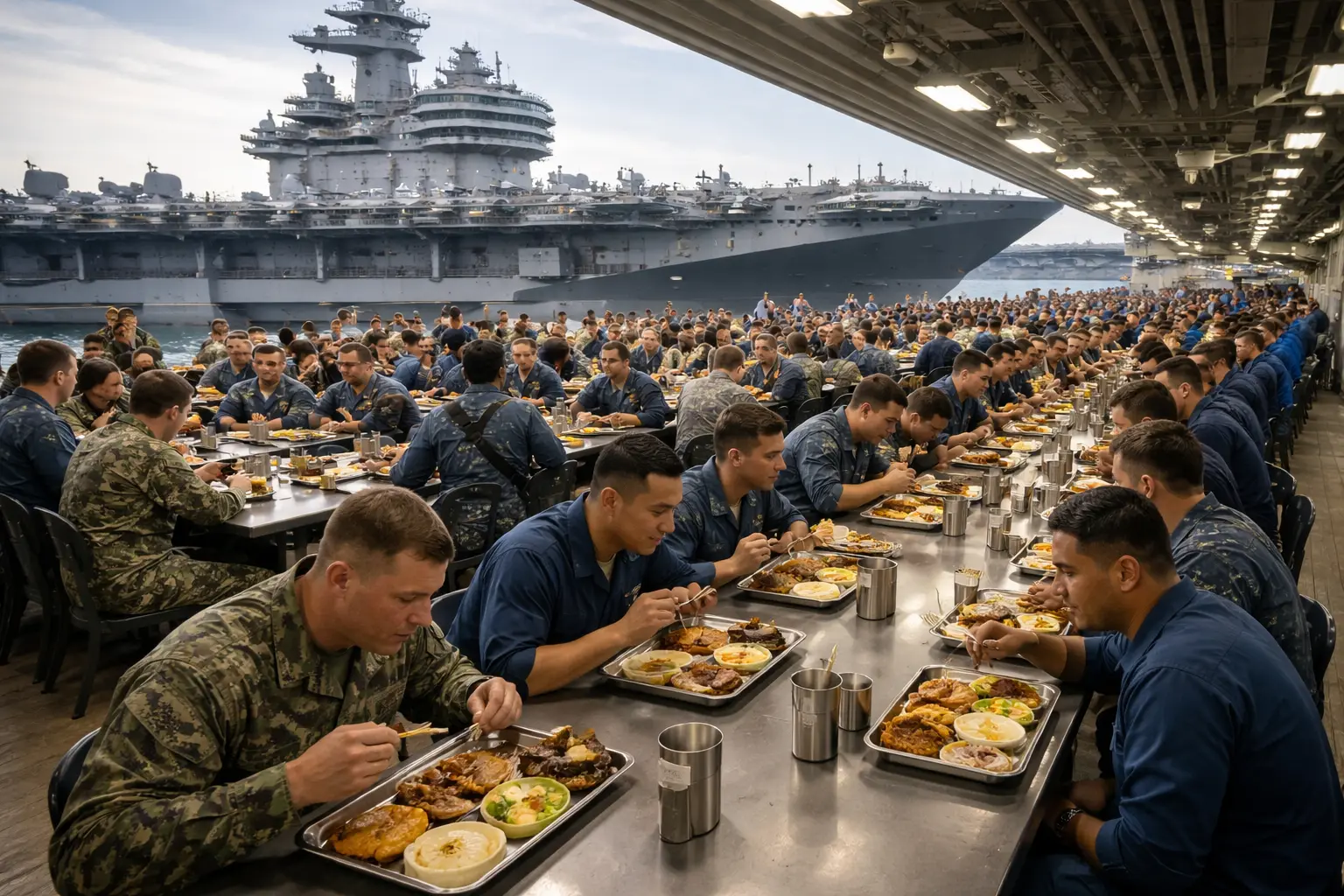
The Strict 21-Day Menu Cycle
To streamline this complex operation, the US Navy programmes its shipboard menus in a rigid 21-day cycle. This schedule replaced older 35-day formats to enhance logistical efficiency, balancing traditional food favourites with healthier baked options.
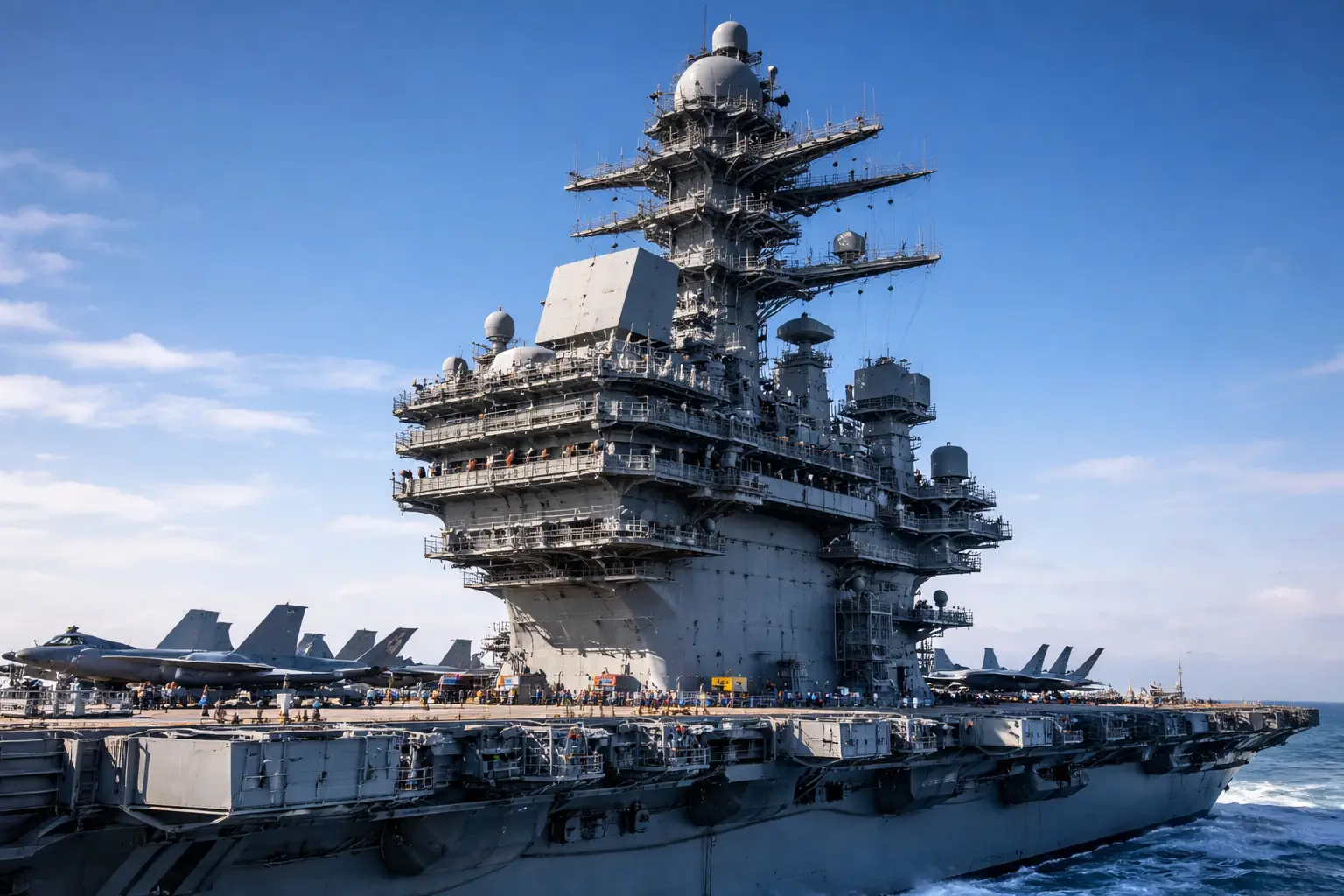
17,300 Meals Every 24 Hours
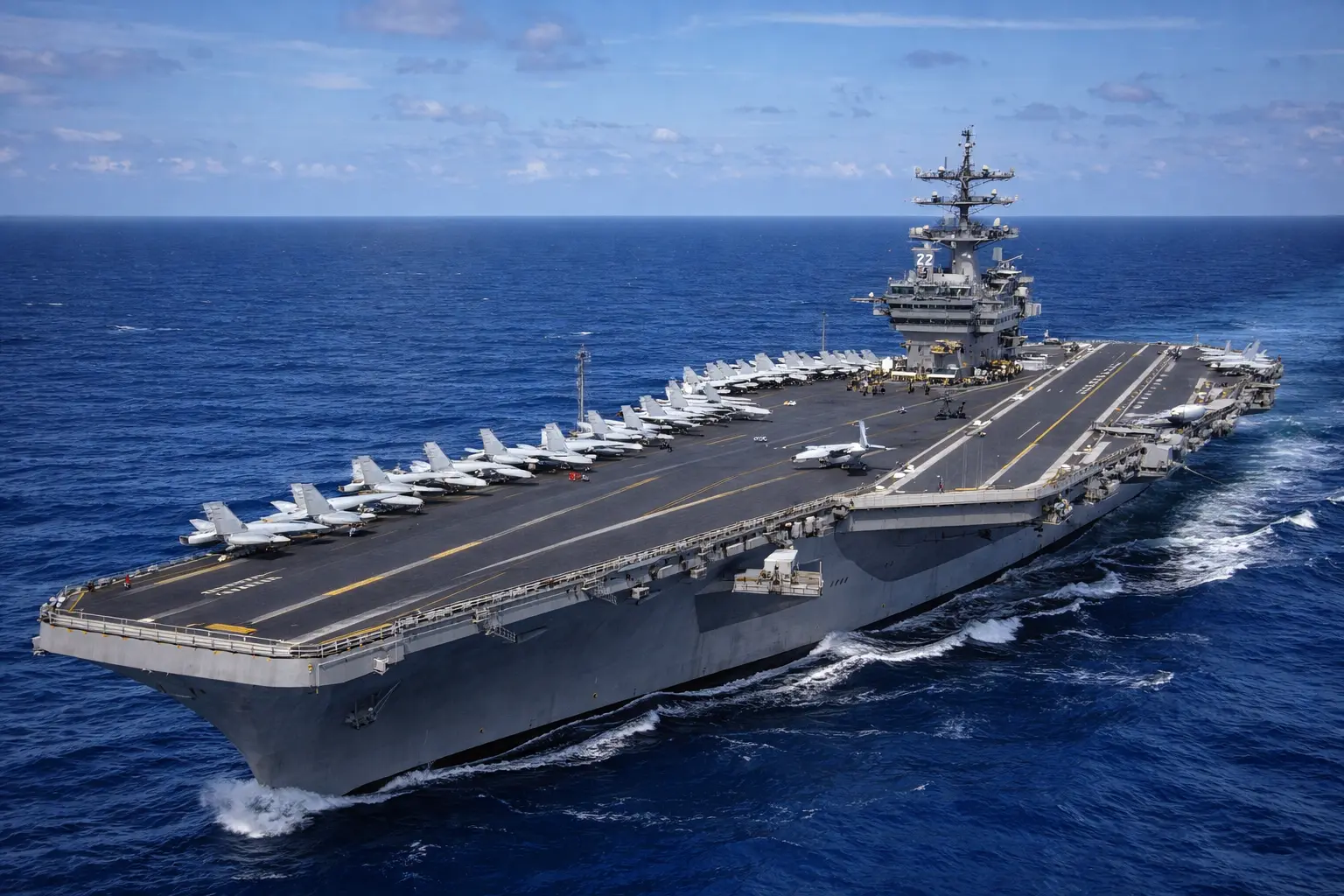
An aircraft carrier like the USS Abraham Lincoln hosts approximately 5,100 active-duty military personnel. To feed this enormous crew without disrupting operations, culinary specialists prepare over 17,300 meals daily across round-the-clock shifts.
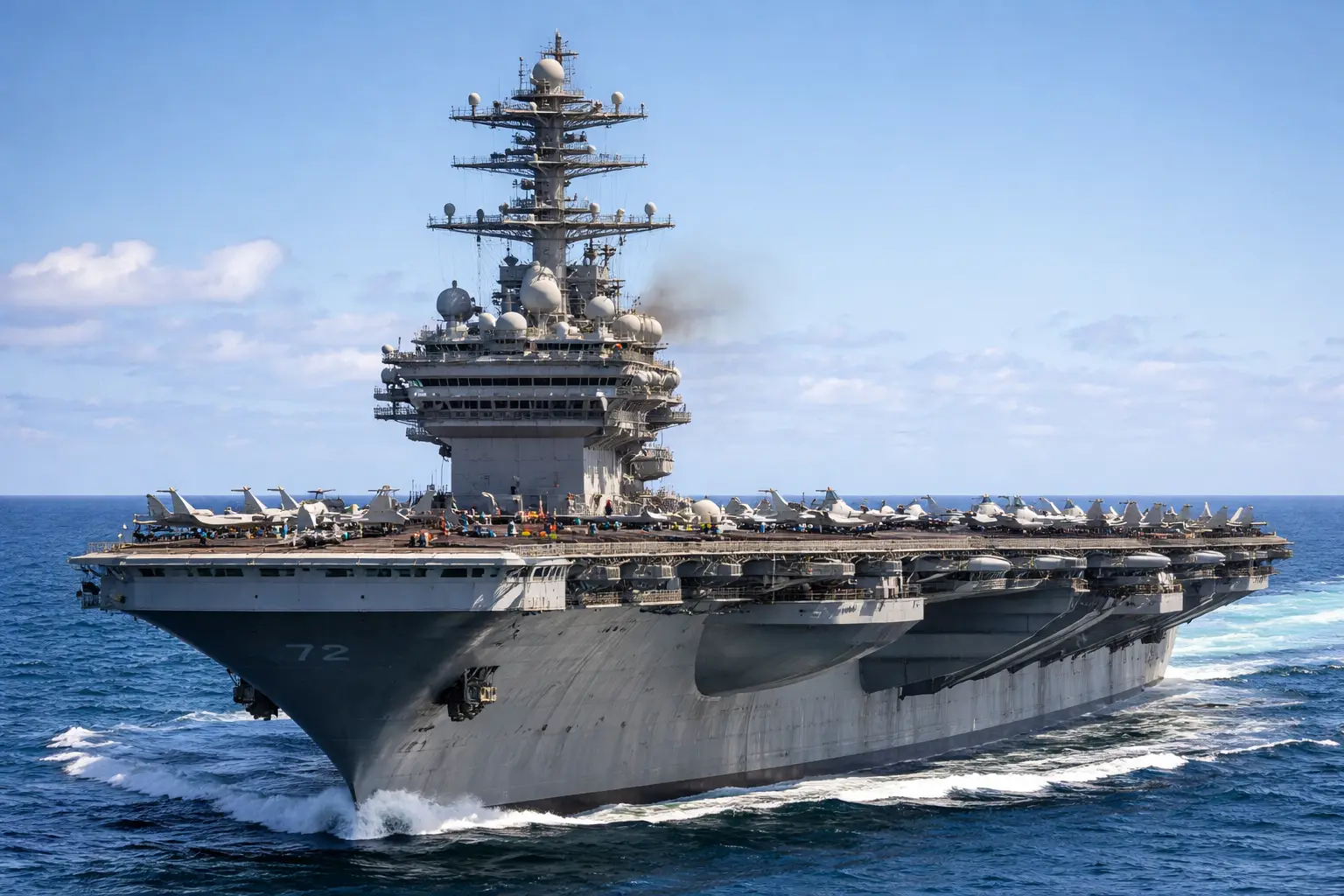
Inventory Cut To 500 Ingredients
By adhering strictly to this 21-day rotation, the Navy reduced its required pantry inventory down to just 500 core ingredients. This drop from the previous 1,200 ingredients saves the defence budget money and consolidates vital storage space.
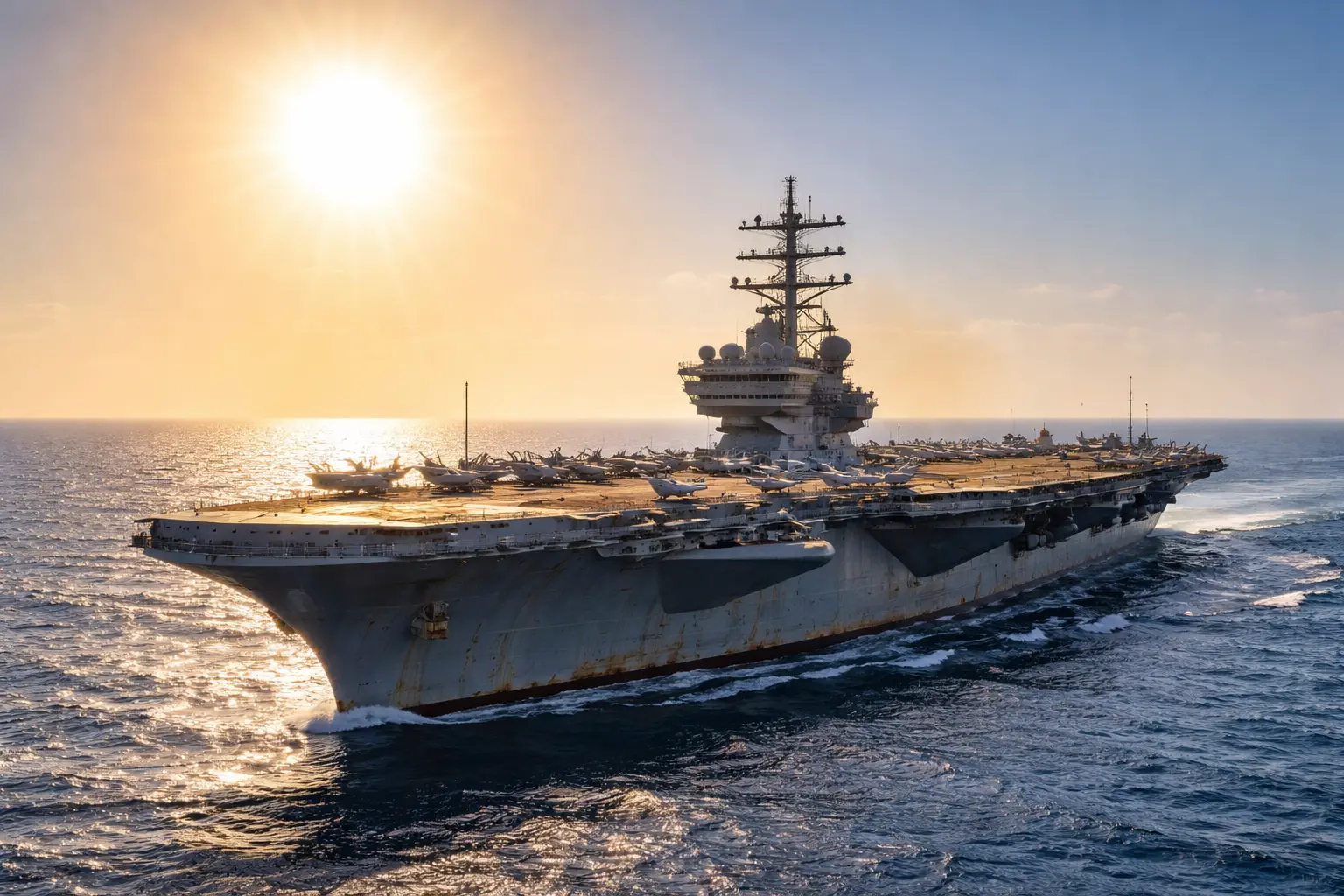
Targeting 2,850 Calories Daily
Food planning follows military guidelines designed to sustain crew health and endurance during long maritime deployments. The calculated menus target 2,850 calories per day for men and 2,100 for women, closely tracking nutrients, fats, and sodium levels.
317,000 Kilogrammes Of Food
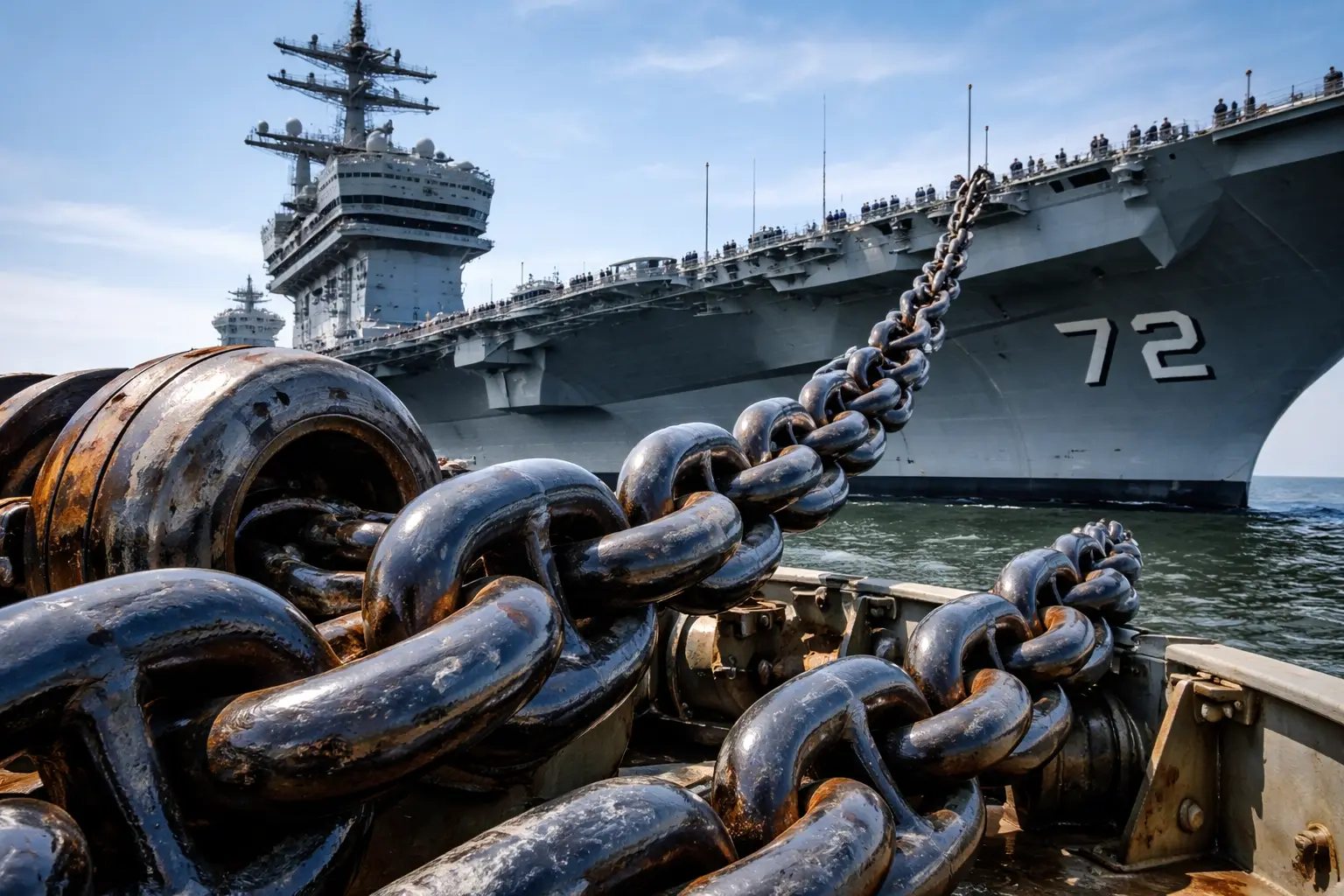
A predictable menu ensures that resupply missions operate with maximum efficiency in the middle of the ocean. Every seven to 10 days, support vessels or aircraft deliver up to 317,000 kilogrammes of provisions, transferring dry and frozen goods to the carrier.
Sustaining 24-Hour Kitchens
A supercarrier's kitchens operate 24 hours a day to feed sailors working alternate shifts across the massive vessel. The menu incorporates 'midrats', an important night-time meal, utilising industrial ovens and heavy kettles to prepare required quantities of food.
13 Million Litres Of Fuel
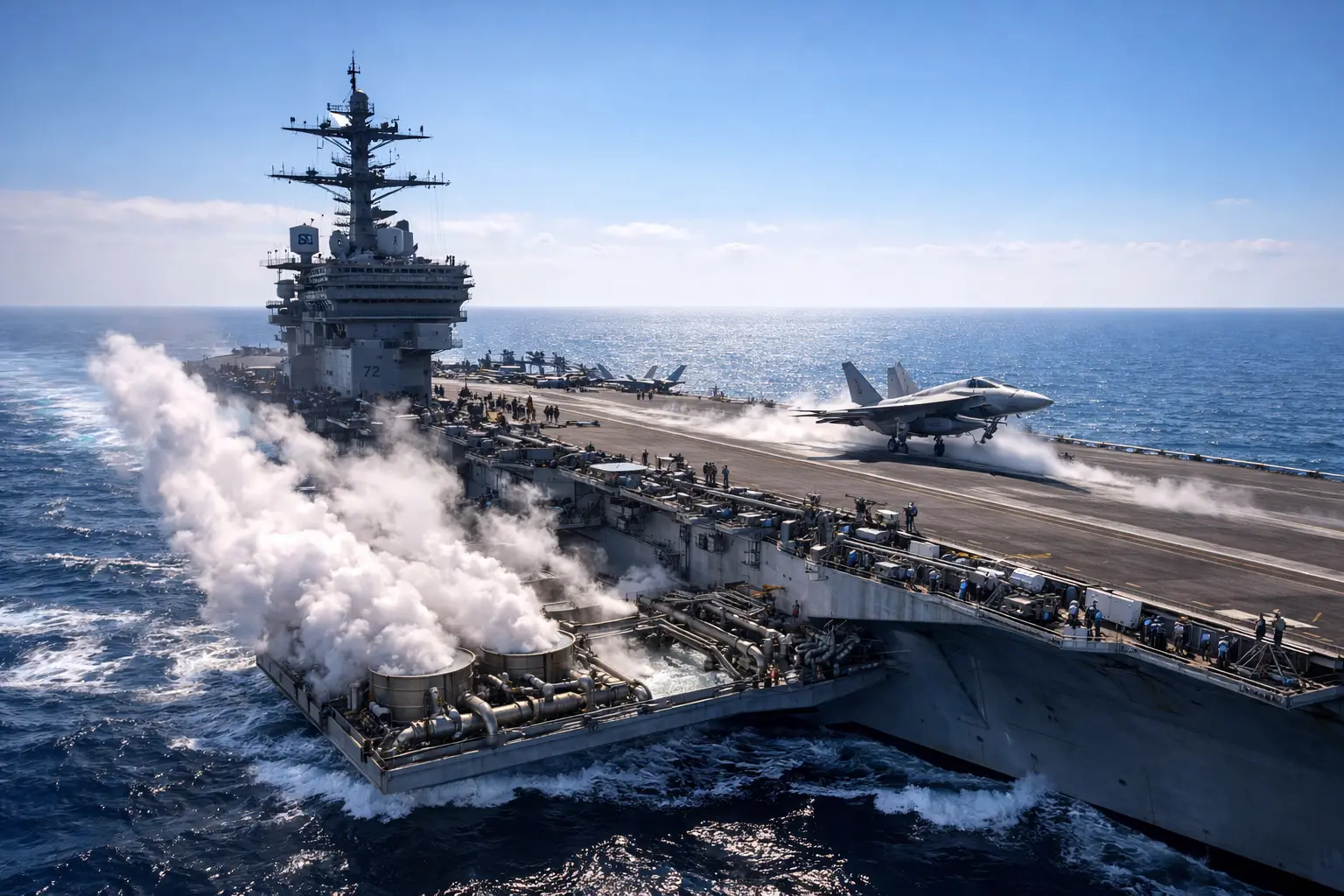
Space onboard is fiercely contested between food and engineering necessities. The supercarrier must prioritise room for roughly 13 million litres of aviation fuel and steam catapult systems, making a highly predictable food storage cycle absolutely essential.
)
)
)
)
)