'20 years on one tank': The Incredible physics of USS Abraham Lincoln's mid-life nuclear heart transplant

Discover the $4 billion, four-year engineering marvel of refueling the USS Abraham Lincoln's nuclear reactors, powering this floating 100,000-ton fortress for another 25 years without a drop of gas.
The 25-Year Gas Tank
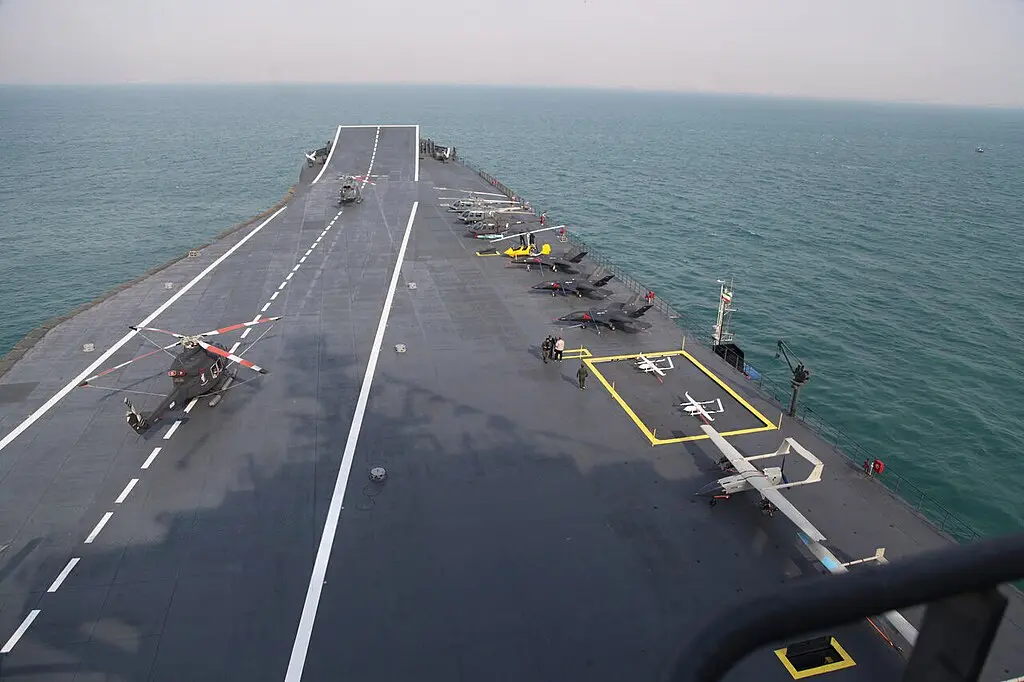
Unlike conventional ships that require constant refueling logistics, the USS Abraham Lincoln is powered by two A4W nuclear reactors. These reactors run on highly enriched uranium, allowing the massive carrier to operate continuously for two to two-and-a-half decades before needing fresh fuel.
The $4 Billion 'Open-Heart Surgery'
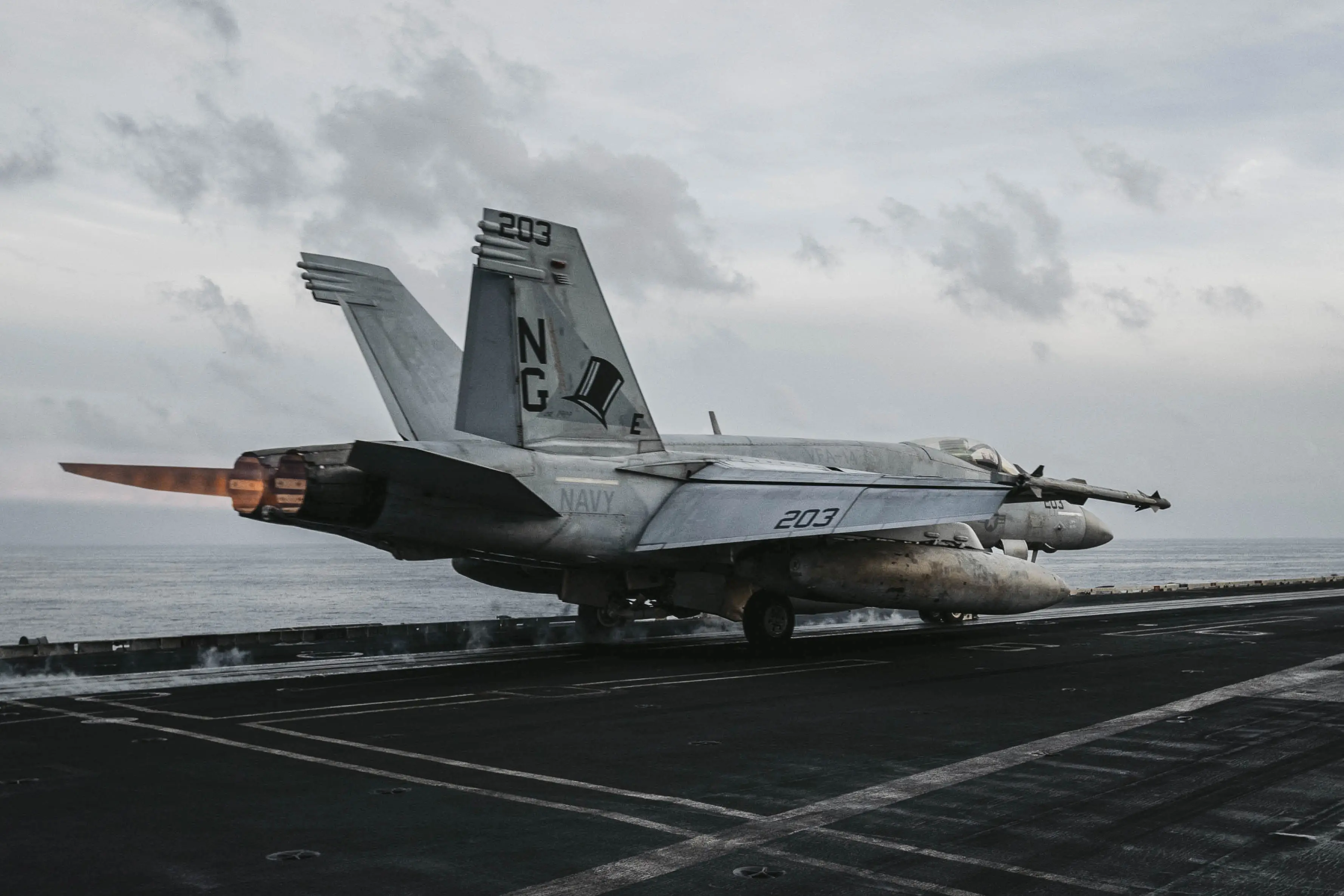
At its 25-year midpoint, the carrier undergoes a Refueling and Complex Overhaul (RCOH) at Newport News Shipbuilding. This isn't a standard pit stop; it requires literally cutting through the ship's heavy steel decks to access the reactor compartments deep within the hull—a monumental $4 billion procedure.
The Refrigerator-Sized Fuel Cores
Despite displacing 100,000 tons of water and carrying a crew of 5,000, the actual nuclear fuel cores generating all that power are astonishingly compact. Engineers carefully extract the spent radioactive material and replace it with new fuel modules roughly the size of standard kitchen refrigerators.
Moving 100,000 Tons on Steam
The physics of nuclear propulsion are surprisingly elemental. The fission in the reactors doesn't directly drive the ship; it generates immense heat. This heat boils water into high-pressure steam, which then spins massive turbines that turn the ship's four 30-ton bronze propellers, pushing it past 30 knots.
Upgrading the 'Nervous System'
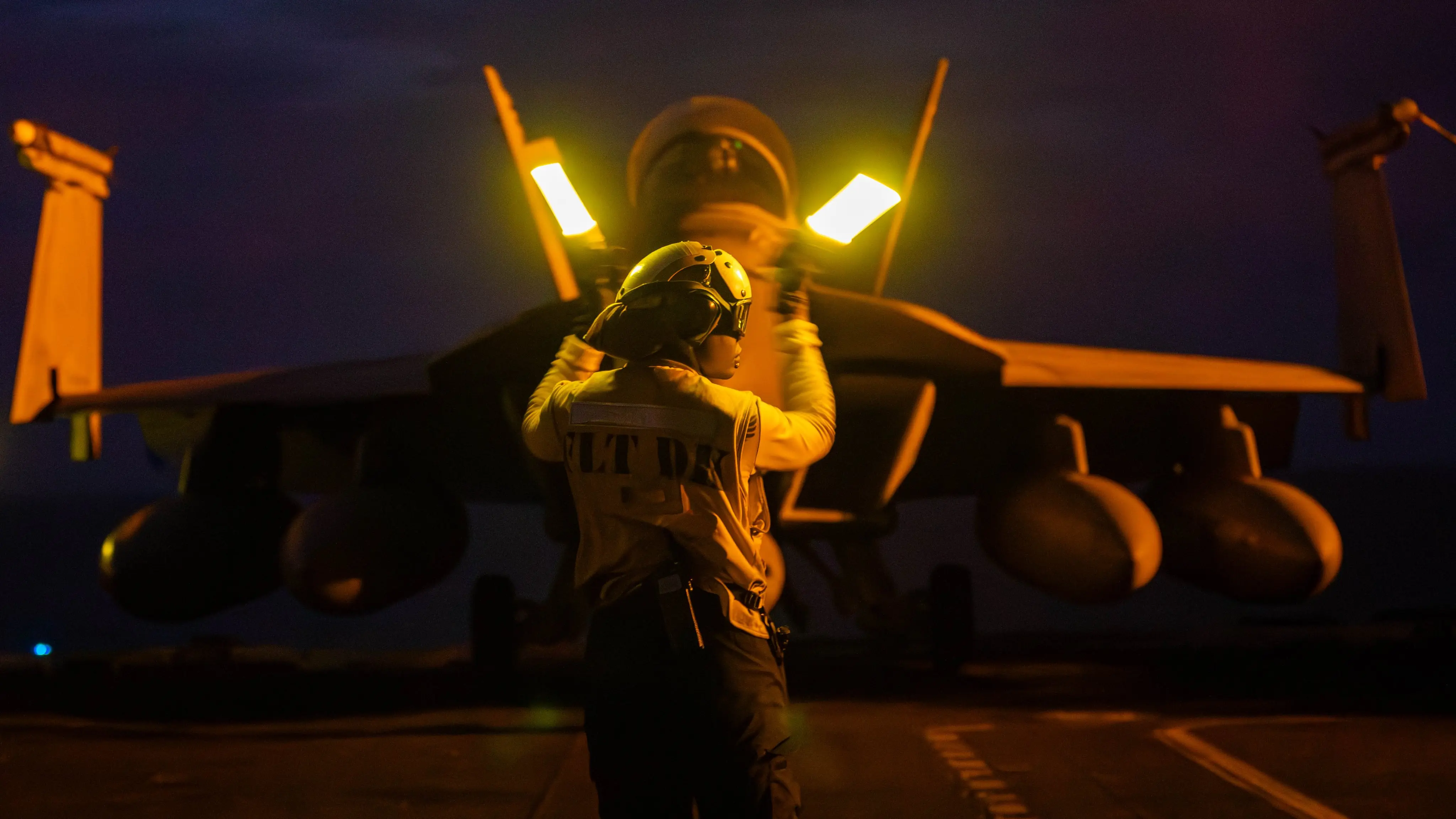
RCOH is about more than just fuel. During this four-year dry dock, the Lincoln had over 2,300 compartments overhauled and miles of internal wiring completely gutted and replaced. The ship's analog ‘nervous system’ was modernized to support next-generation digital combat networks and cyber-secure communications.
Retrofitting for the Future of Flight
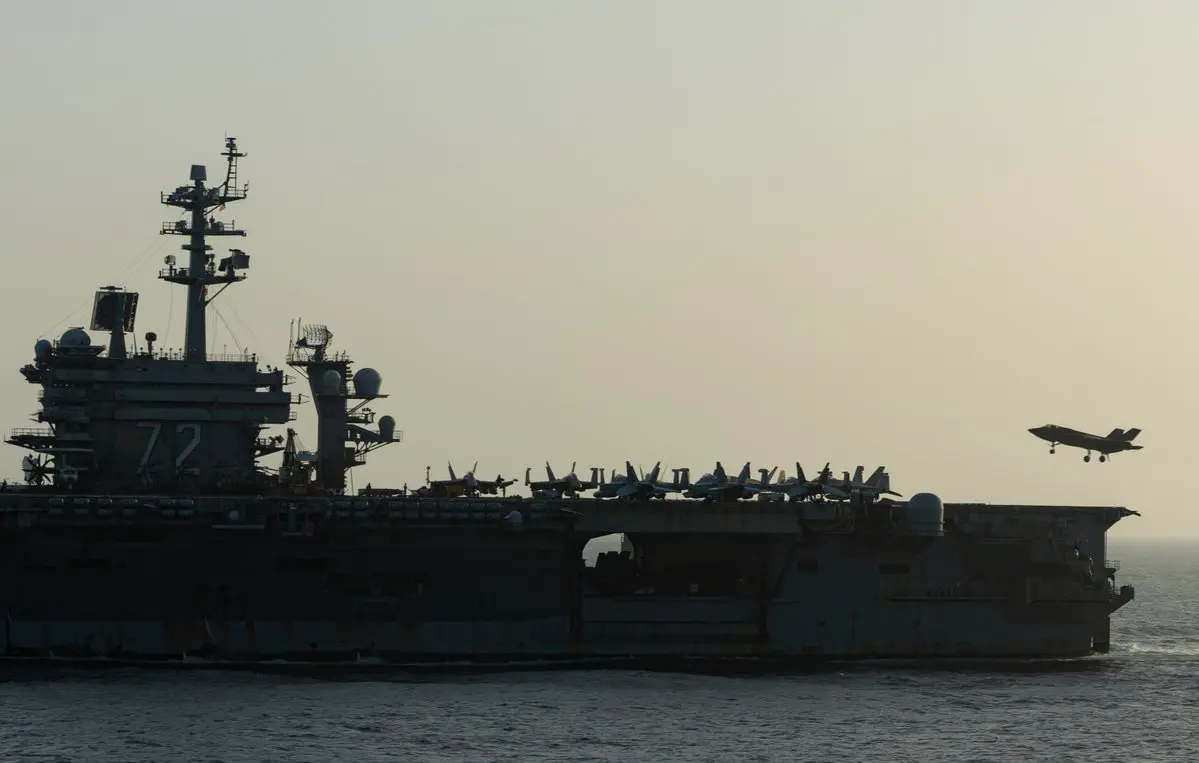
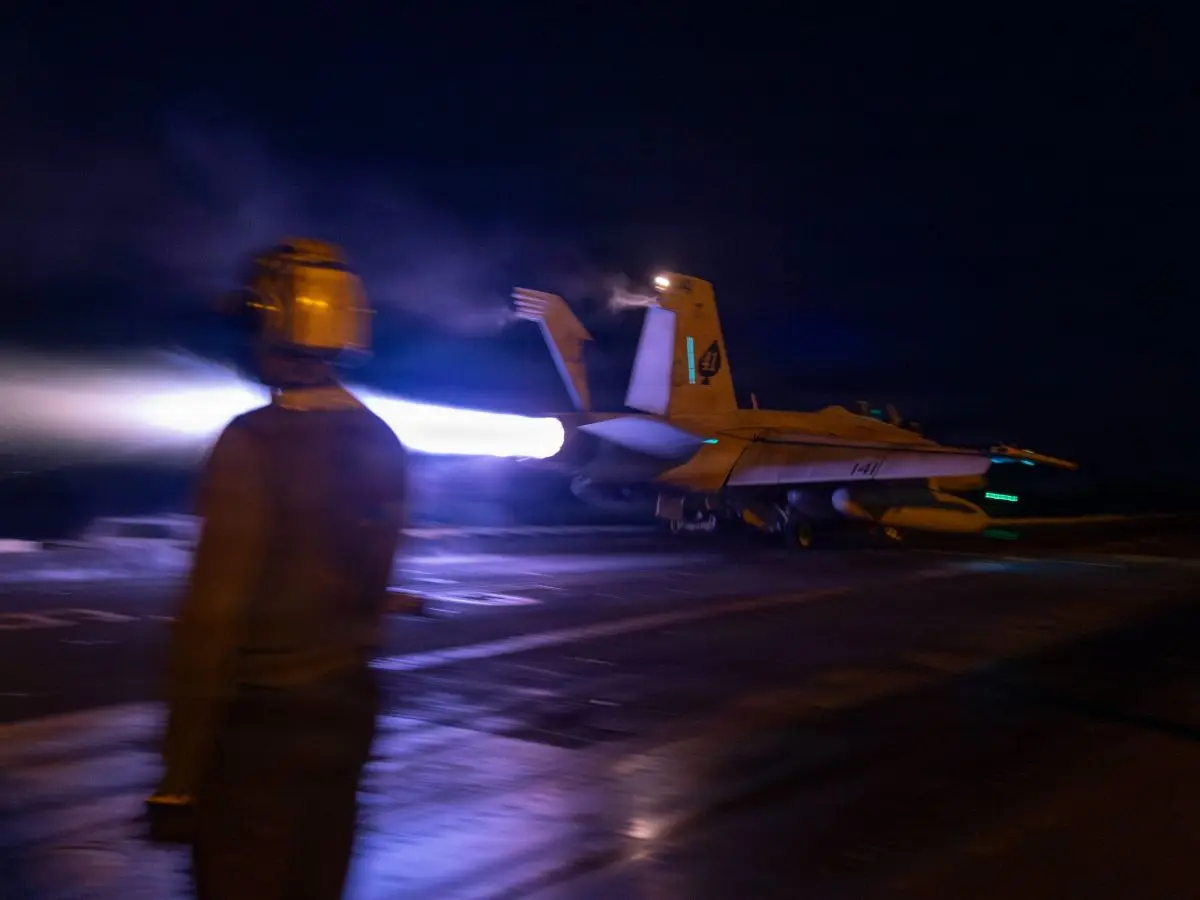
The overhaul physically alters the carrier to handle modern aerospace physics. The flight deck and arresting gear were heavily modified during the Abe's RCOH to accommodate the weight, thrust, and heat of the F-35C Lightning II, transitioning the carrier into a 21st-century strike platform.
The Second Half of Life
This nuclear heart transplant effectively resets the ship's biological clock. By the time the RCOH is complete, the carrier is physically and technologically prepared to execute its high-stakes geopolitical missions for another 25 years, fulfilling its complete 50-year design lifespan.
)
)
)
)
)