'20 known co-orbitals': How asteroids around Venus could end humanity on Earth?

Is Earth really safe? Hidden in Venus’ orbit, nearly invisible asteroids big enough to wipe out cities silently circle the Sun. Scientists warn one slight shift could send them hurtling toward us - with hardly any warning. Are we prepared?
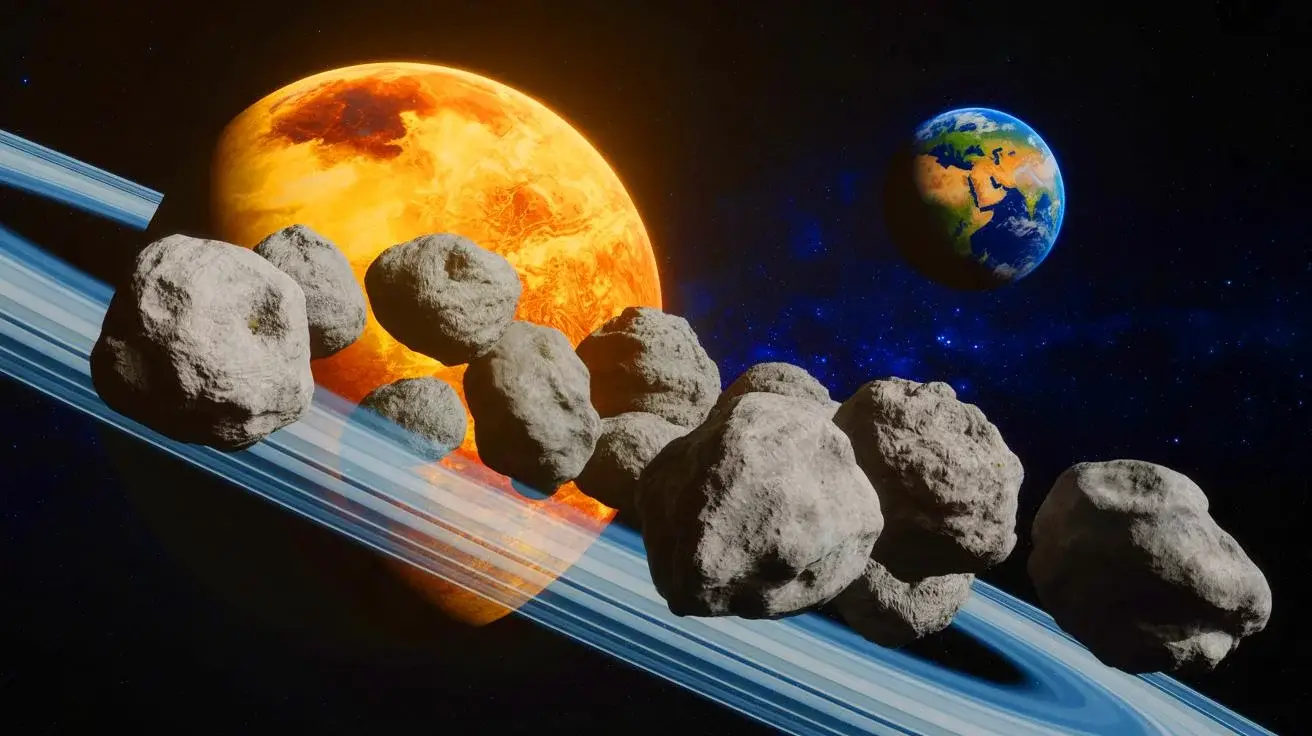
Co-orbital Asteroids Near Venus
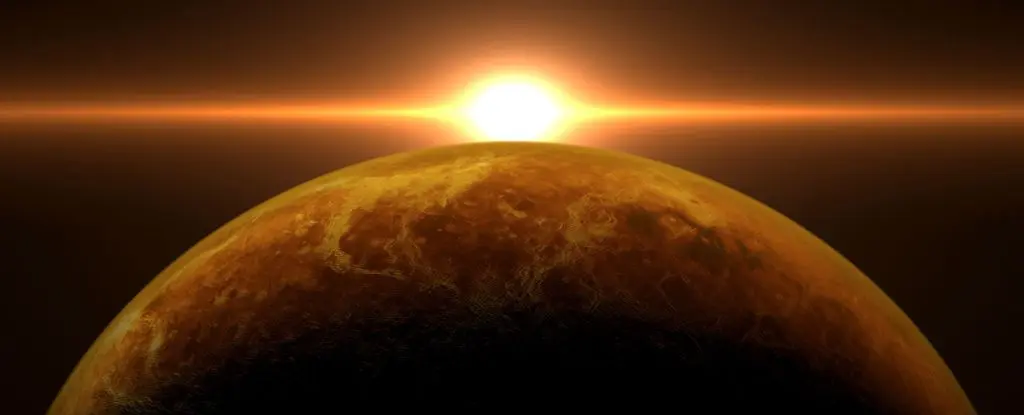
Scientists have found 20 known co-orbital asteroids orbiting near Venus. These large space rocks travel alongside Venus as it circles the Sun but do not orbit the planet itself. These asteroids are key to understanding potential future threats to Earth.
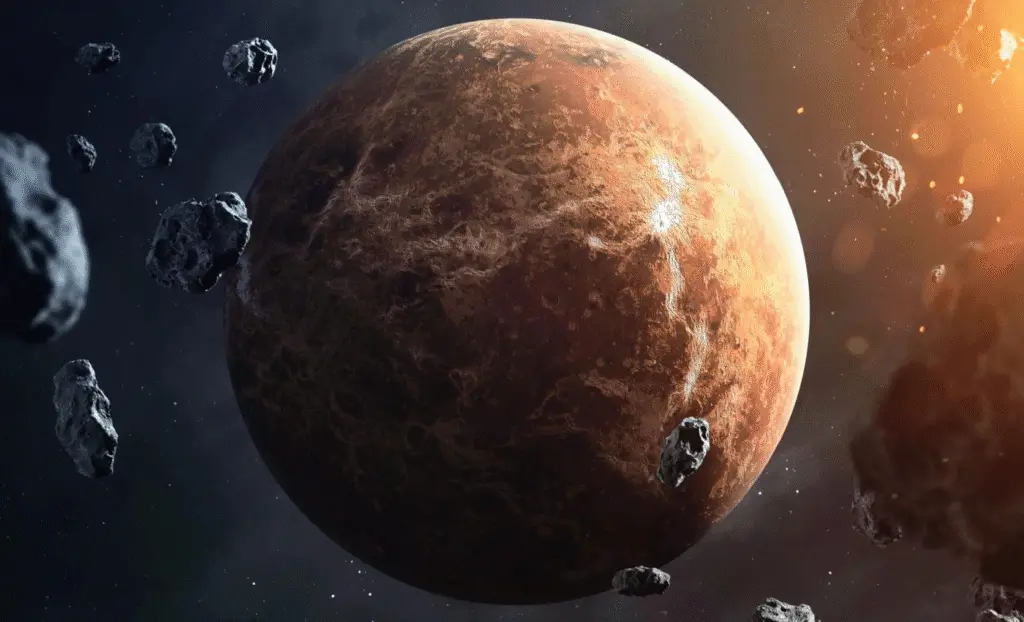
What Are Co-orbital Asteroids?
Co-orbitals are space rocks that share a similar path around the Sun with a planet, here Venus, but keep a separate orbit. Some appear fixed in front or behind Venus, called Trojan asteroids, while others, like the unusual quasi-moon Zoozve, closely circle Venus.
Size and Origin of These Asteroids
All 20 known Venus co-orbitals are large - over 140 metres wide. They likely formed in the Solar System’s main asteroid belt between Mars and Jupiter and then moved closer to Venus, where they currently remain.
The Hidden Threat
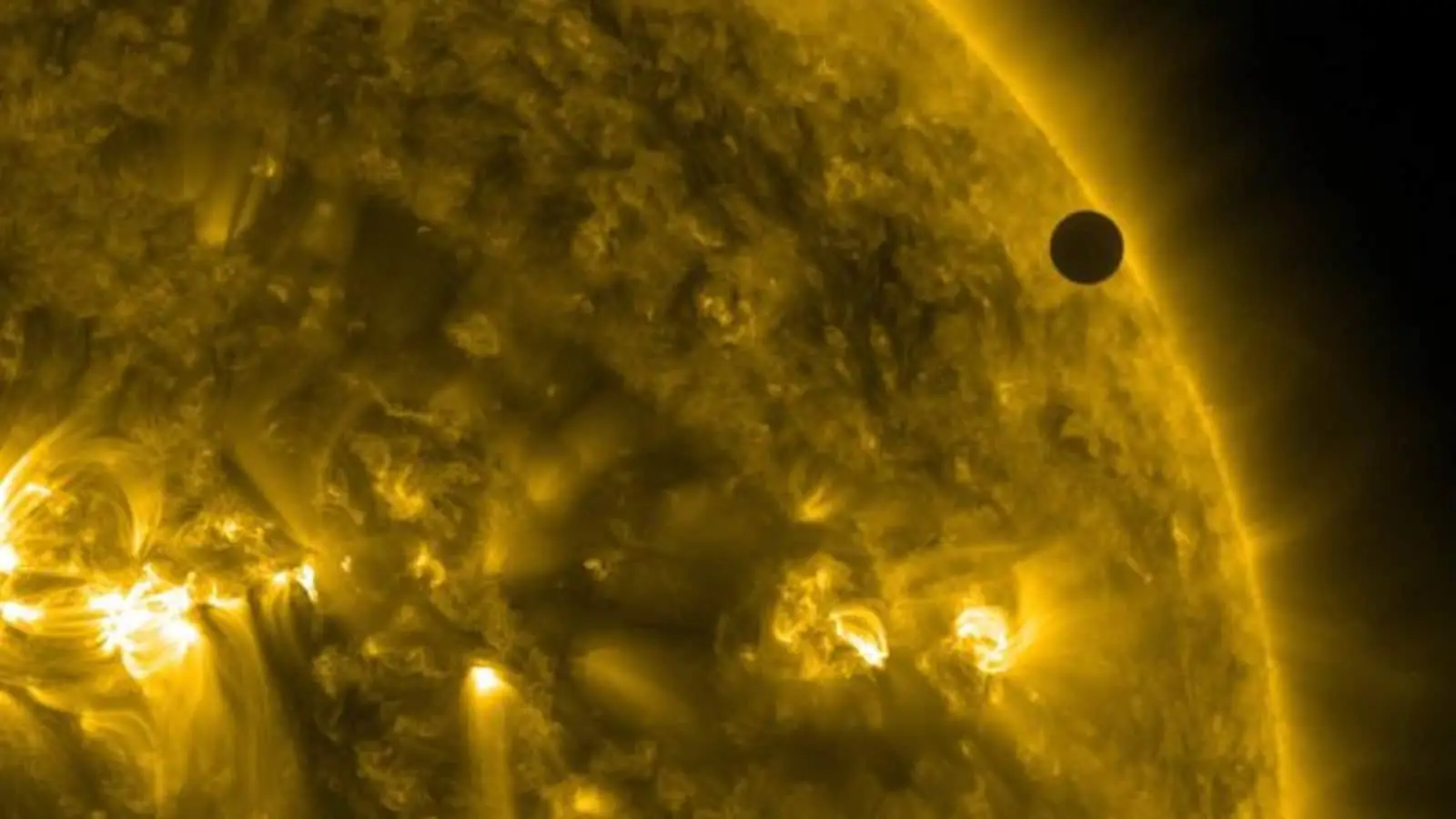
These asteroids are often hidden because their orbits have elongated paths and some are obscured by the Sun’s strong glare. Because of this, there may be many more unknown co-orbitals hiding near Venus.
Why Are They Dangerous?
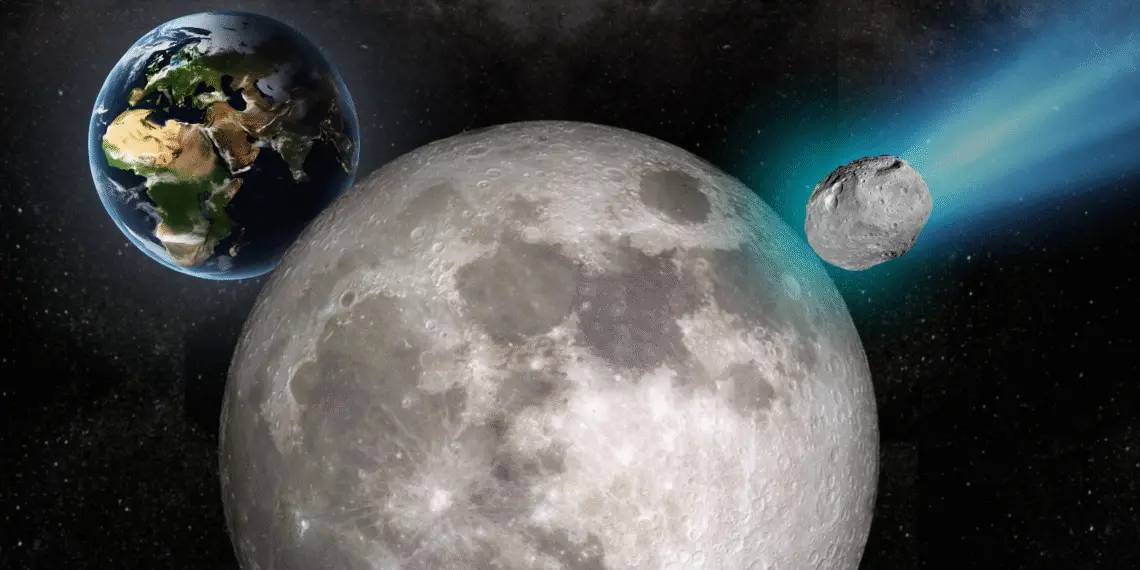
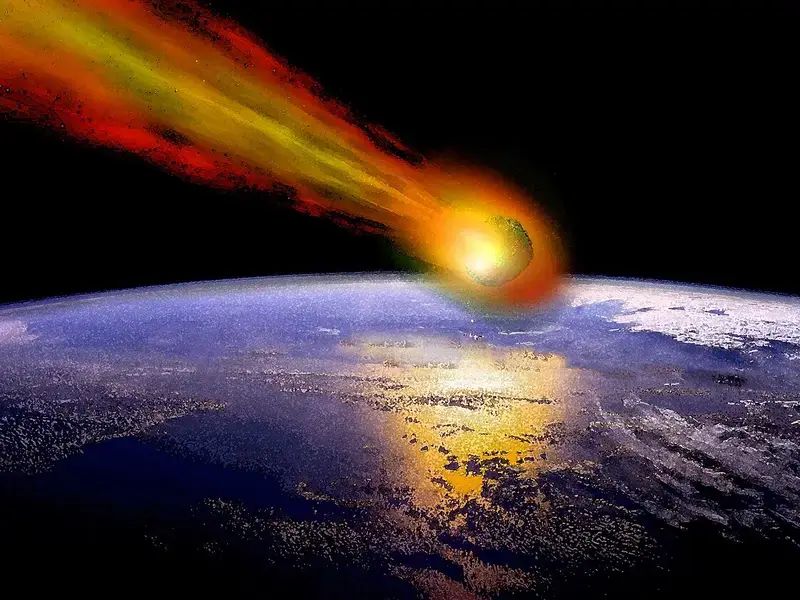
If one of these asteroids moved away from Venus due to a gravitational push—perhaps from Earth’s gravity—it could be pulled into a collision course with our planet. The impact of even one asteroid over 140 metres wide could destroy a large city.
The Three Biggest Threats
Among these Venus co-orbitals, three asteroids named 2020 SB, 524522, and 2020 CL1 stand out, being between 330 and 1,300 feet wide. These could cause devastation like nuclear explosions, triggering massive tsunamis and craters over 3 kilometres wide.
Monitoring and Detection Challenges
These space rocks are hard to detect because they hide in the Sun’s glare from Earth’s view. Telescopes like the Rubin Observatory in Chile give only short warning times of two to four weeks before a possible impact.
)
)
)
)
)