'20,000 vs. 1.3 Million': Can Denmark hold the line against a US military surge?

Denmark confronts military pressure from the US over Greenland. With 20,000 troops against America's 1.3 million, Denmark is investing more money in Arctic defence and expanding conscription to strengthen security.

The Military Gap
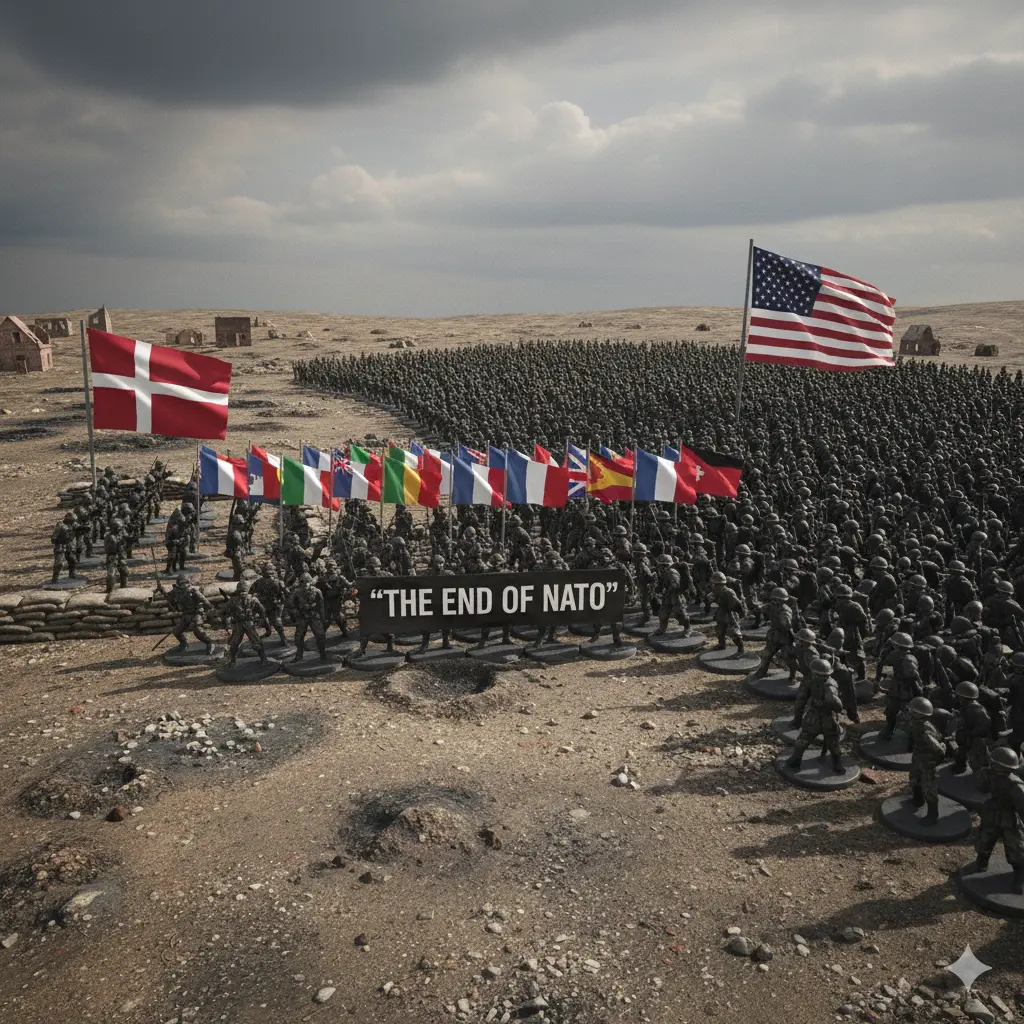
Denmark maintains approximately 20,000 active-duty military personnel distributed across its army, navy, and air force. The United States operates 1.3 million active-duty military personnel globally. This significant disparity highlights Denmark's vulnerability in any military confrontation, particularly as tensions over Arctic territory intensify and US rhetoric becomes more assertive about controlling Greenland.

Greenland's Strategic Value
Greenland has a population of around 57,000 and serves as a self-governing territory within the Kingdom of Denmark. The island sits in the Arctic, a region gaining geopolitical importance due to melting ice creating new shipping routes and access to mineral resources. The US currently operates Pituffik Space Base in northwestern Greenland, 750 miles north of the Arctic Circle, serving as America's northernmost military installation for missile early warning and space surveillance.

Denmark's Defence Investment
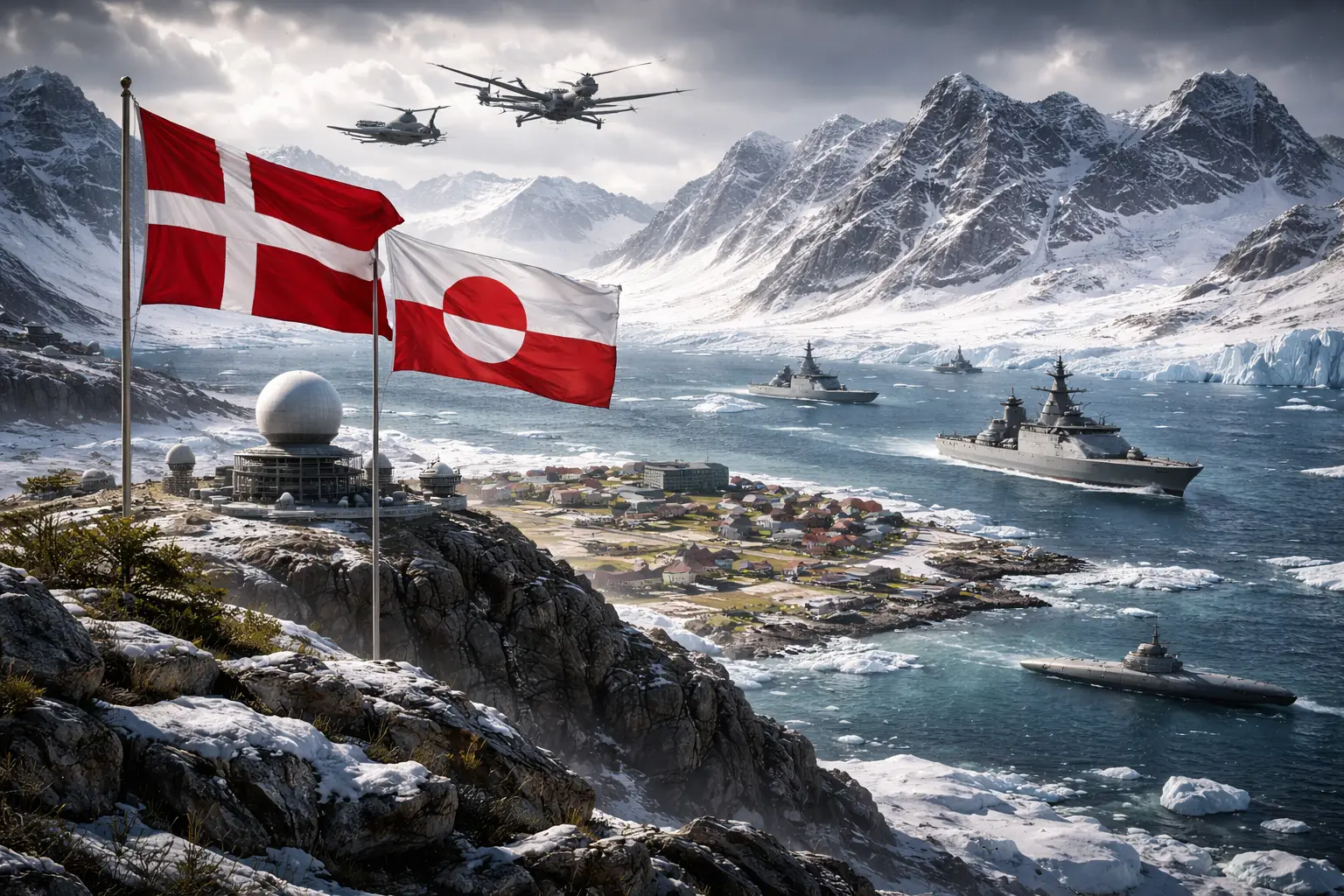
Danish Defence Minister Troels Lund Poulsen announced 88 billion Danish kroner ($13.8 billion) in emergency spending for Greenland's defence. The package includes three new Arctic-capable naval vessels, advanced radar systems for space domain awareness, counter-drone capabilities, and a submarine cable linking Greenland to Denmark. The investment marks Denmark's largest military commitment in decades, driven by the current security situation.

Conscription Overhaul
Starting 1 July 2025, Denmark made military service mandatory for women on identical terms to men. Young women aged 18 and above now enter an annual lottery system determining conscription eligibility. Service lasts 11 months, comprising five months of intensive basic training followed by six months of operational duties. This expansion aims to increase available military personnel and strengthen Denmark's overall force structure amid rising security concerns.
NATO's Collective Defence Pledge
Article 5 of NATO's founding treaty states that an armed attack against one member constitutes an attack against all. Danish Prime Minister Mette Frederiksen warned that any US military action against Greenland would trigger Article 5, potentially obligating NATO members to assist Denmark militarily. She declared such action would mean "the end of NATO," highlighting the alliance's unprecedented dilemma if an Article 5 situation involved two member states.

The 1951 Defence Agreement
A defence pact signed between the US and Denmark in 1951 grants America the legal right to maintain and operate Pituffik Space Base. The agreement permits the US to "construct, install, maintain, and operate facilities" in Greenland whilst Denmark retains sovereignty. Analysts suggest Trump administration could expand military presence significantly under this existing framework without formal acquisition, though such expansion would require consultation with Danish and Greenlandic authorities.
Denmark's Strategic Positioning
Despite the military imbalance, Denmark continues strengthening Arctic capabilities through increased defence spending and mandatory conscription reform. The country emphasises its sovereignty and NATO commitment whilst seeking diplomatic resolution rather than military confrontation. Greenland's residents and Danish leadership have consistently rejected US acquisition proposals, viewing the dispute as a test of international law and the principle that territories belong to their people.
)
)
)
)
)