‘$2 billion B‑2 bomber in action’: How the US is destroying Iranian anti-ship cruise missile facilities

US B-2 stealth bombers dropped 5,000-pound deep penetrator munitions on hardened Iranian missile sites near the Strait of Hormuz. The strike successfully destroyed anti-ship cruise missiles that posed a severe threat to global commercial shipping.
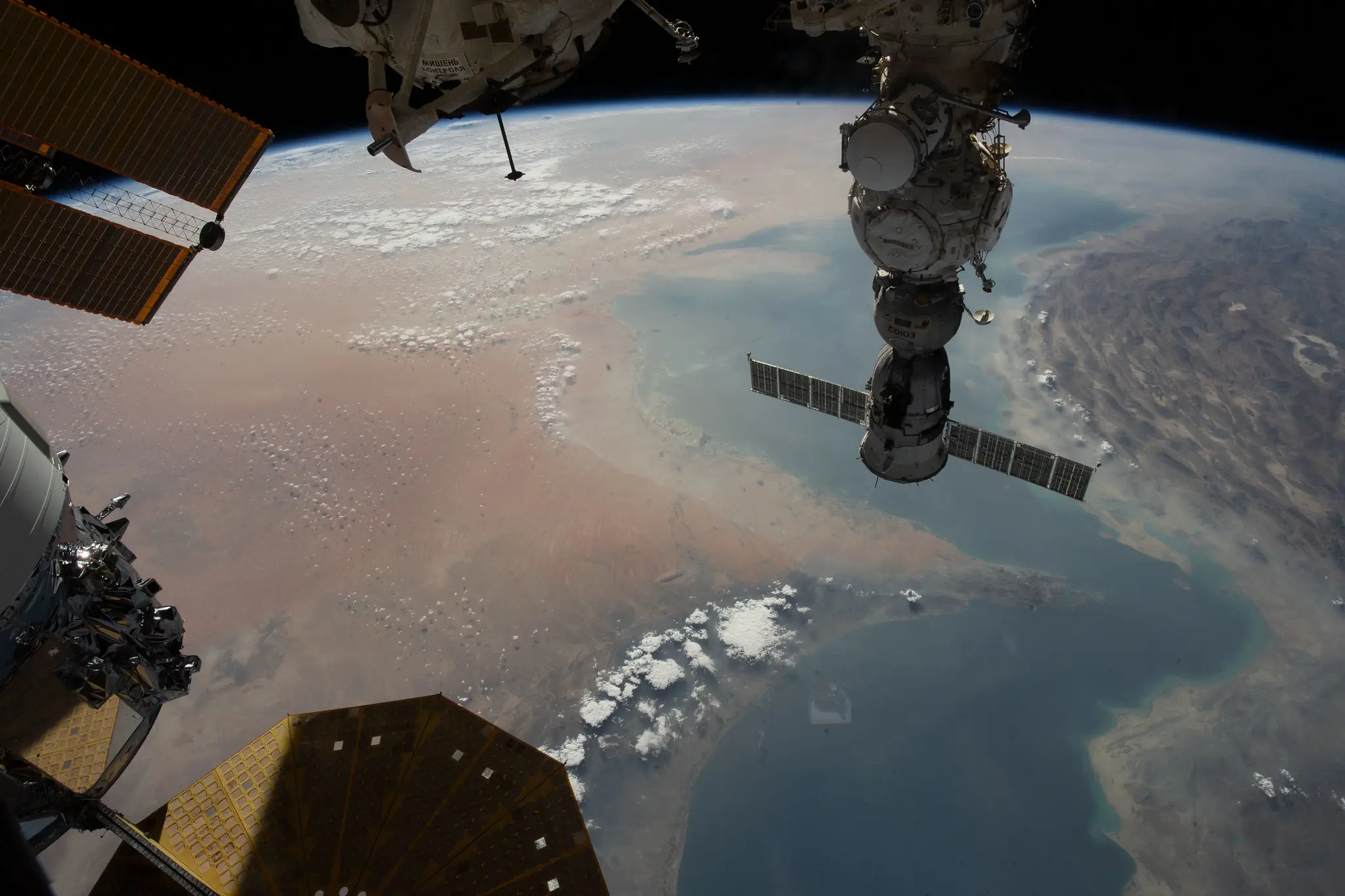
Strait of Hormuz
Iranian anti-ship cruise missiles stationed along the coastline posed a severe and immediate risk to international commercial shipping. The Strait of Hormuz is a vital maritime chokepoint that handles roughly 20 per cent of the global oil supply.
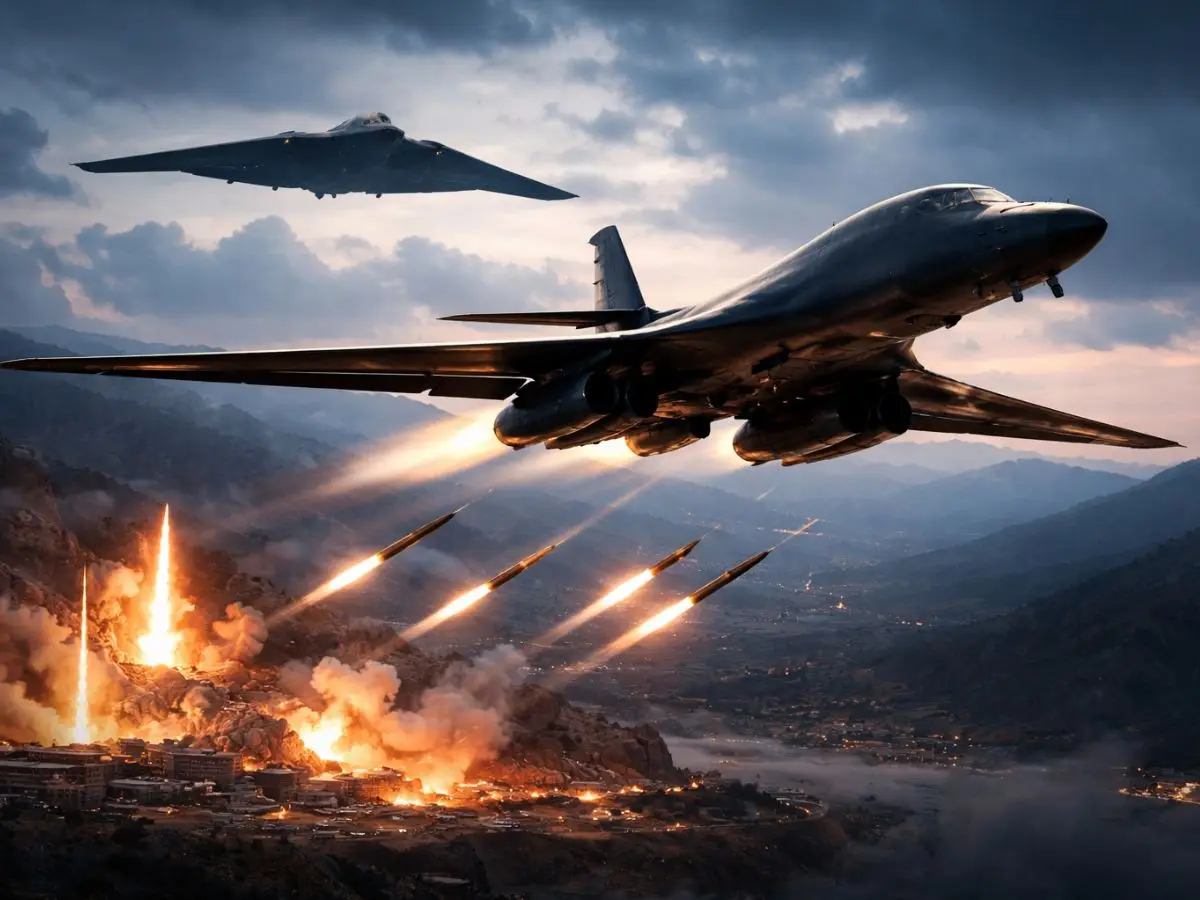
The $2 billion stealth bomber
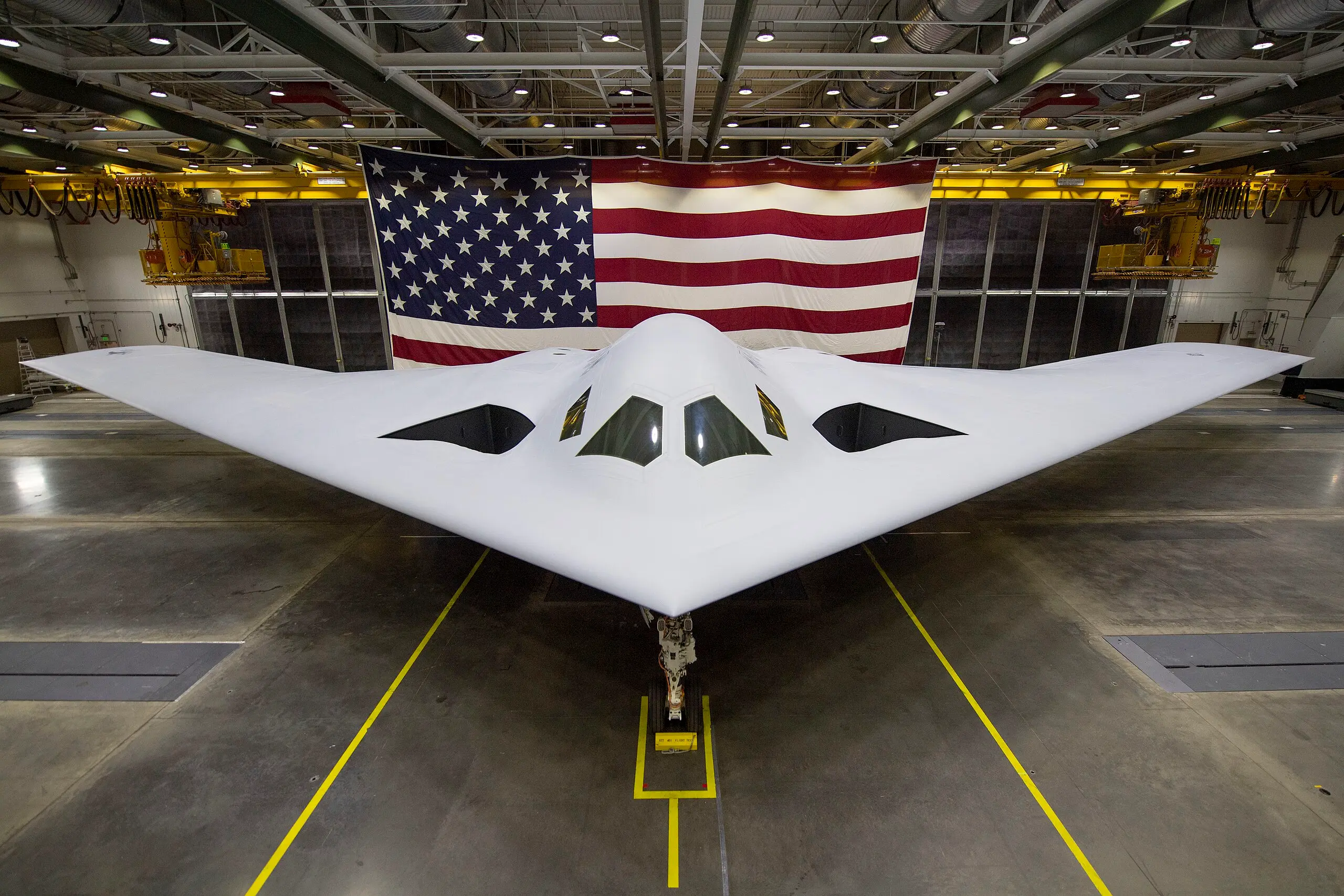
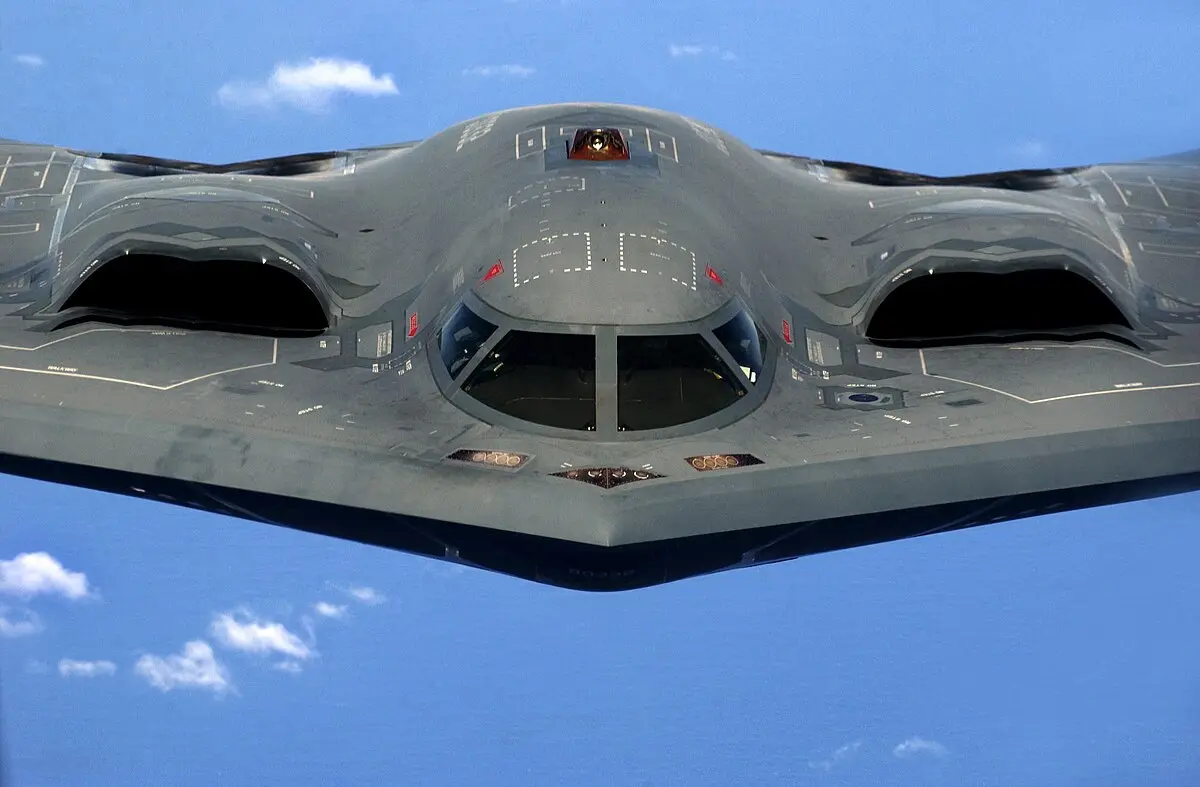
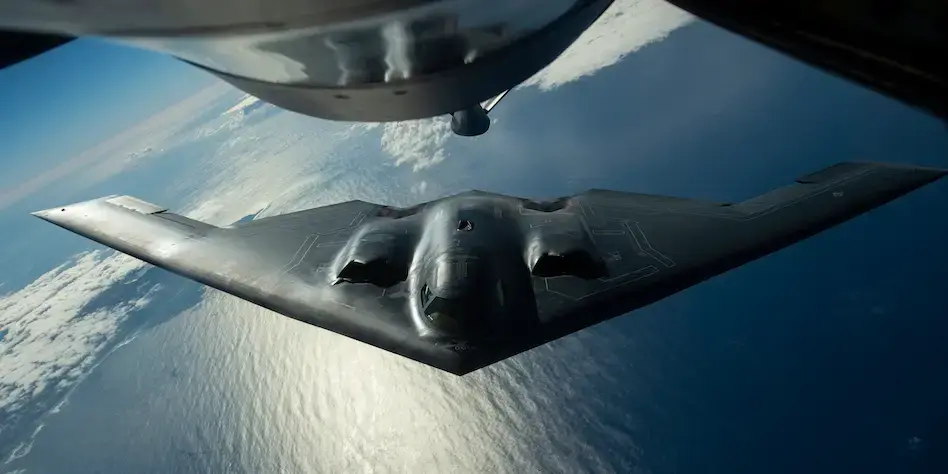
To bypass advanced Iranian air defence networks, the US military deployed its $2 billion B-2 Spirit stealth bombers. These aircraft are uniquely capable of penetrating contested airspace to deliver massive payloads with pinpoint accuracy.
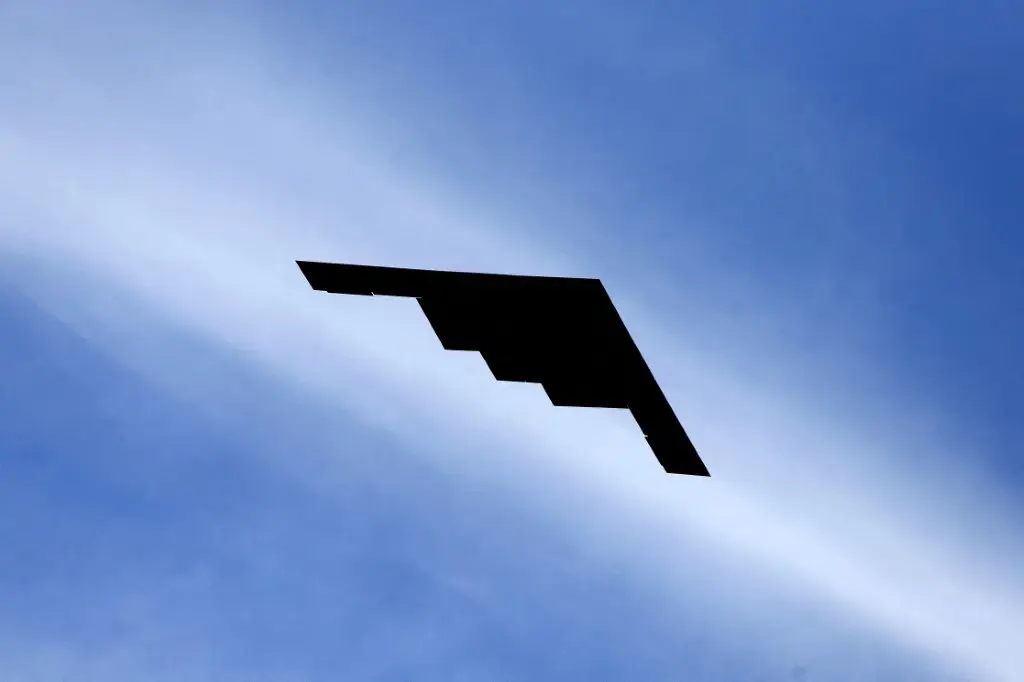
Deep penetrator munitions
During the strike, US forces successfully employed multiple 5,000-pound deep penetrator munitions. Officially known as bunker busters, these heavy bombs are specifically engineered to destroy heavily fortified and underground military targets.
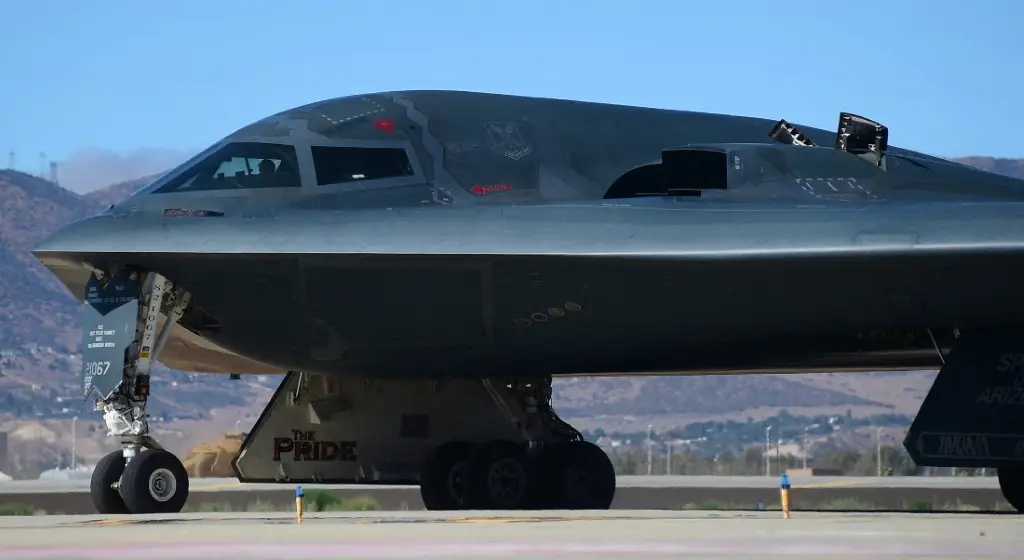
Neutralising hardened sites
The targeted coastal facilities housed advanced anti-ship cruise missiles within hardened concrete structures. The 5,000-pound munitions easily smashed through these reinforced bunkers, completely dismantling the launch sites.
Protecting international shipping
The primary objective of this specific strike was to secure maritime navigation. By eliminating these coastal missile batteries, the US military aims to prevent Iran from imposing a blockade on global energy transport.
Part of Operation Epic Fury
This coastal bombardment is a critical phase of Operation Epic Fury. The broader military campaign is designed to permanently degrade Iran's offensive military capabilities, including its ballistic missile networks and naval infrastructure.
Continued military pressure
US officials confirmed that military operations in the region are proceeding decisively. Central Command maintains that American forces will continue to rapidly deplete Iran's ability to threaten freedom of navigation in the Persian Gulf.
)
)
)
)
)