‘$2.1 million to stop a $35,000 drone’: How much does it really cost the US to intercept and stop an Iranian drone?

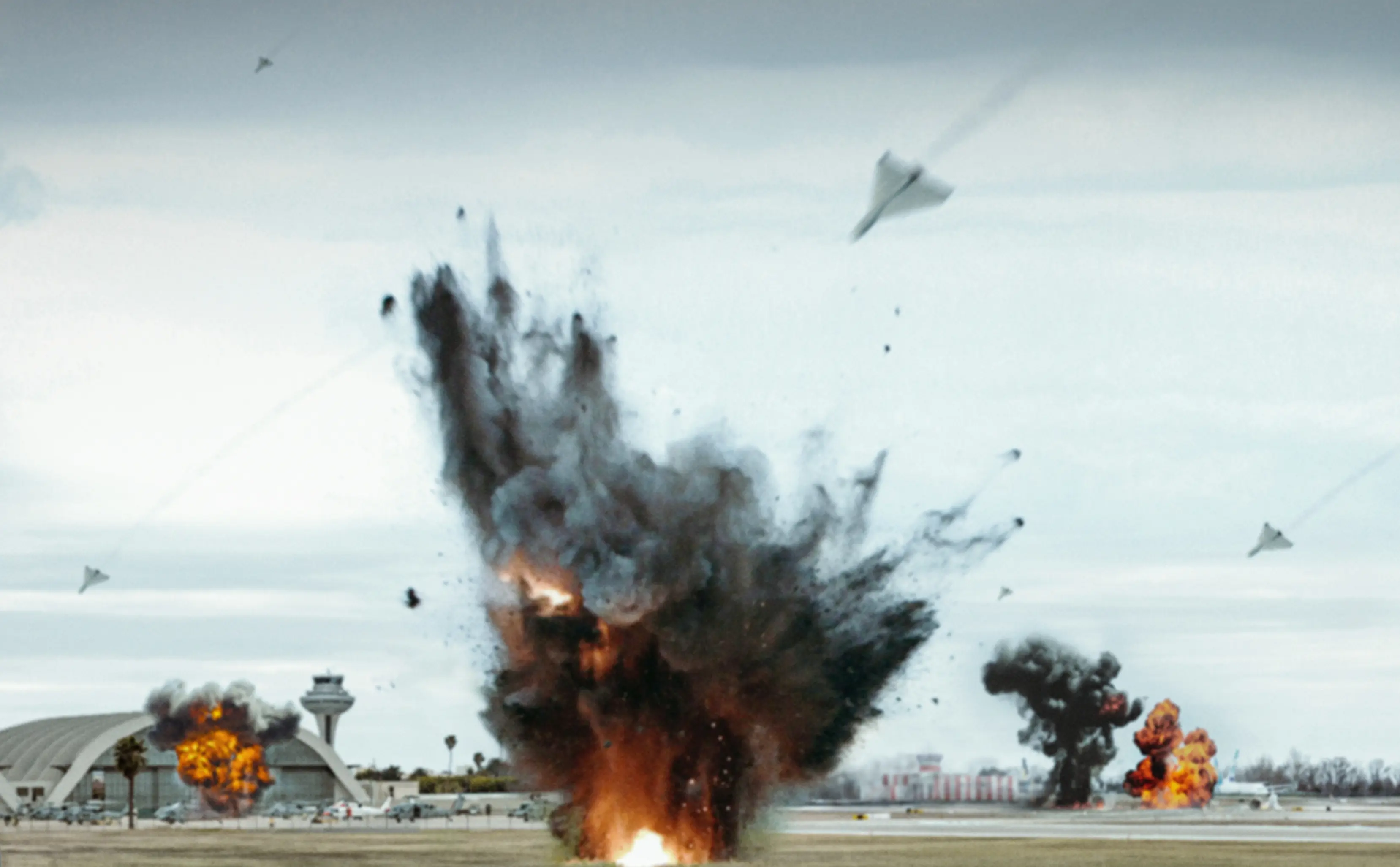
The US military is currently engaged in a high-cost battle of attrition in the Middle East. While Iran-backed groups deploy drones costing around $35,000 dollars, the US Navy and Air Force utilise advanced missiles worth millions to ensure a 100 per cent interception rate.
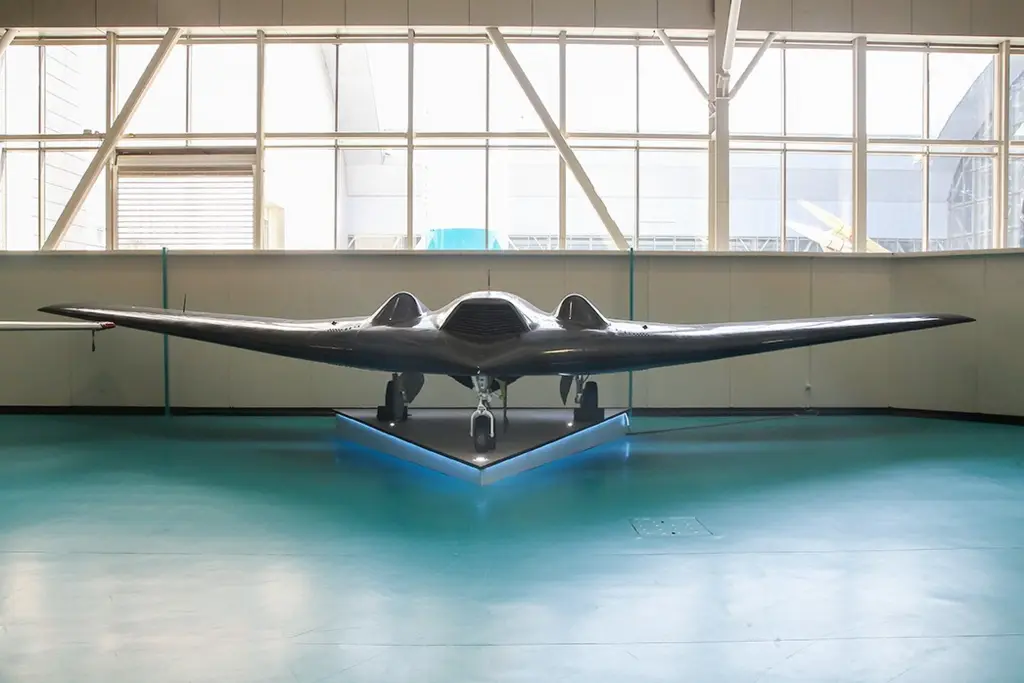
The price of a Shahed drone
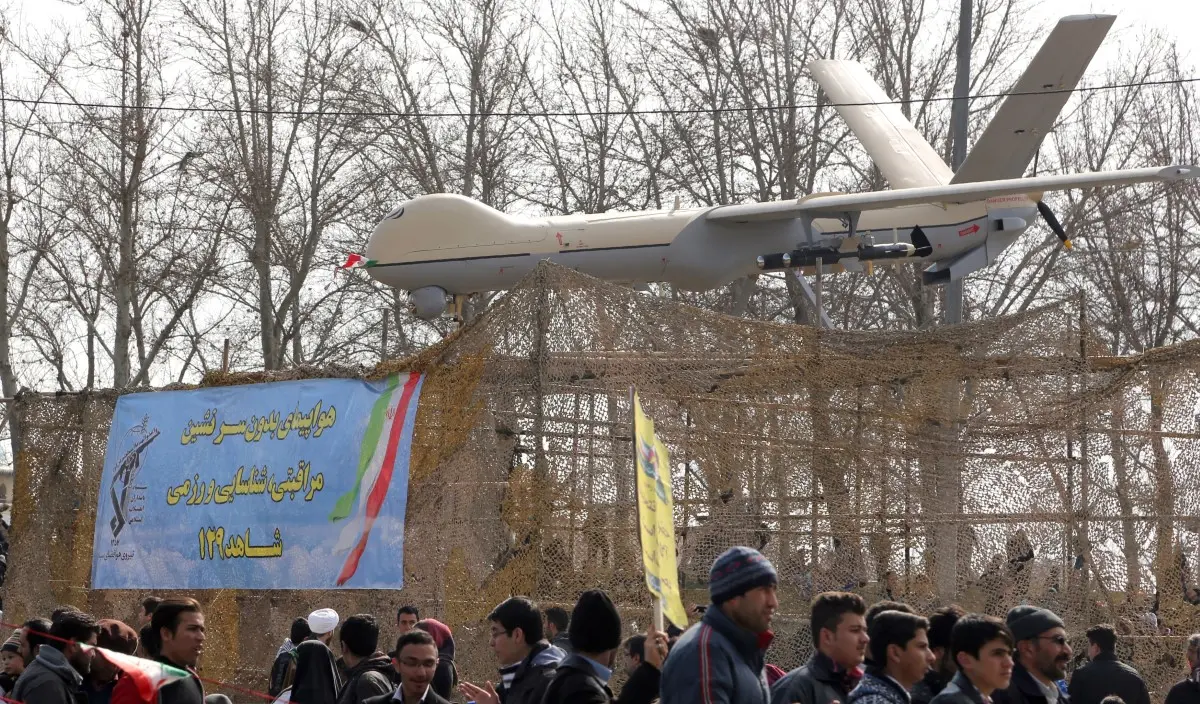
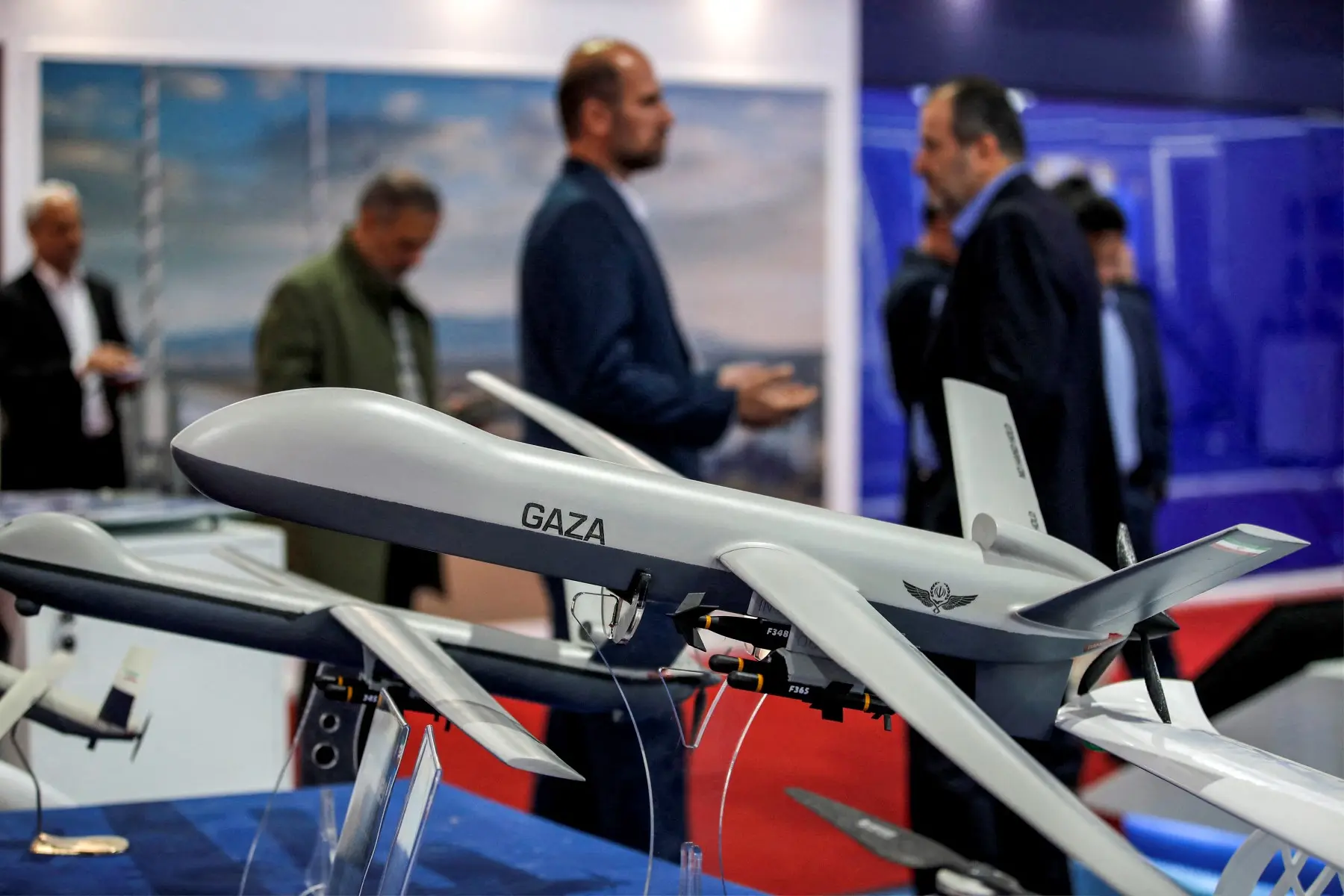
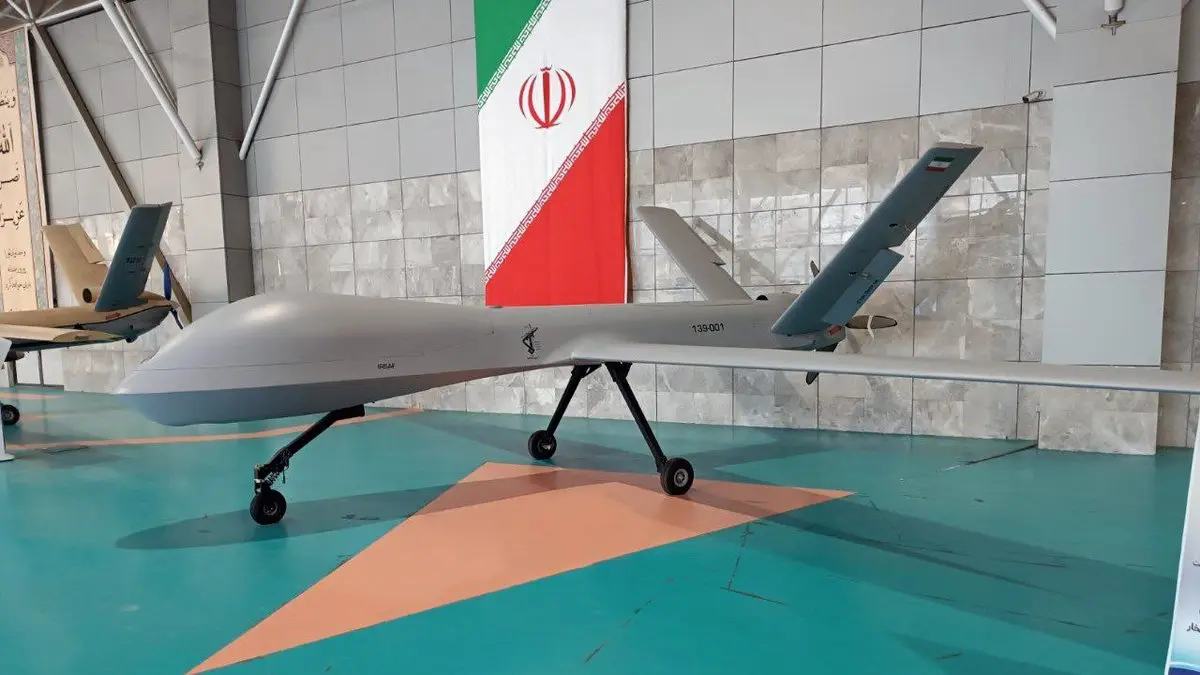
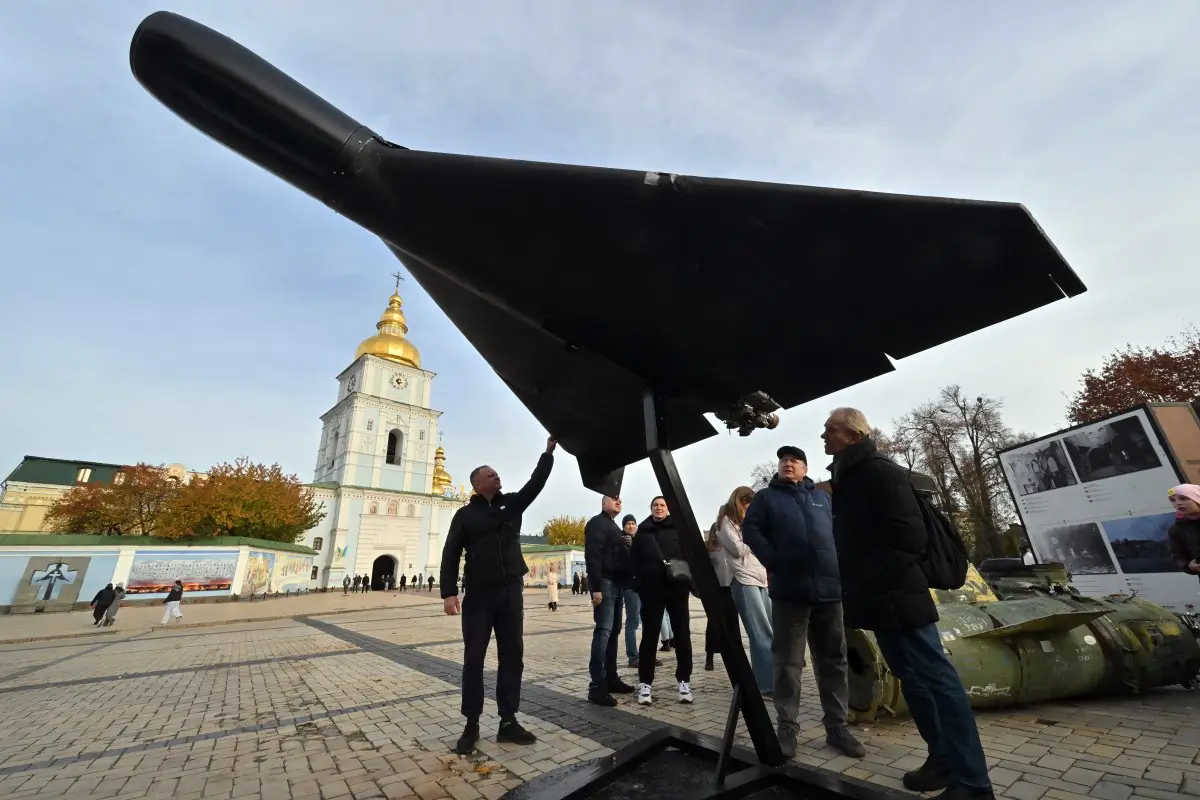
Iranian-designed drones, such as the Shahed-136, cost between $20,000 and $50,000 to manufacture. These "suicide drones" are built using off-the-shelf civilian components to keep production costs extremely low.
Million-dollar naval interceptors
The U.S. Navy frequently uses the SM-2 missile to intercept these threats at a cost of approximately $2.1 million per shot, while also employing the Patriot air defence system, which costs between $3.5 million and $5 million per missile. This creates a massive financial disparity between the attacker and the defender.
High-end SM-6 deployments
For more complex or high-speed threats, the US deploys the Standard Missile-6 (SM-6), carrying a price tag of $4.3 million. These are prioritised when maximum range and precision are required for regional security.
Air-to-air engagement costs
US fighter jets like the F-15 use AIM-9X Sidewinder missiles costing $450,000 each or AIM-120 AMRAAMs at $1 million. This does not include the thousands of dollars spent per flight hour.
The billion-dollar milestone
Since October 2023, the US Navy has expended more than $1.1 billion in munitions to counter drones and missiles in the Red Sea region alone. Navy Secretary Carlos Del Toro confirmed this figure during a Senate hearing.
Operational and maintenance overhead
Beyond the missiles, the US spends millions daily on fuel, maintenance, and personnel to keep carrier strike groups on high alert. The total operational cost significantly outweighs the hardware used by adversaries.
Seeking cheaper defensive solutions
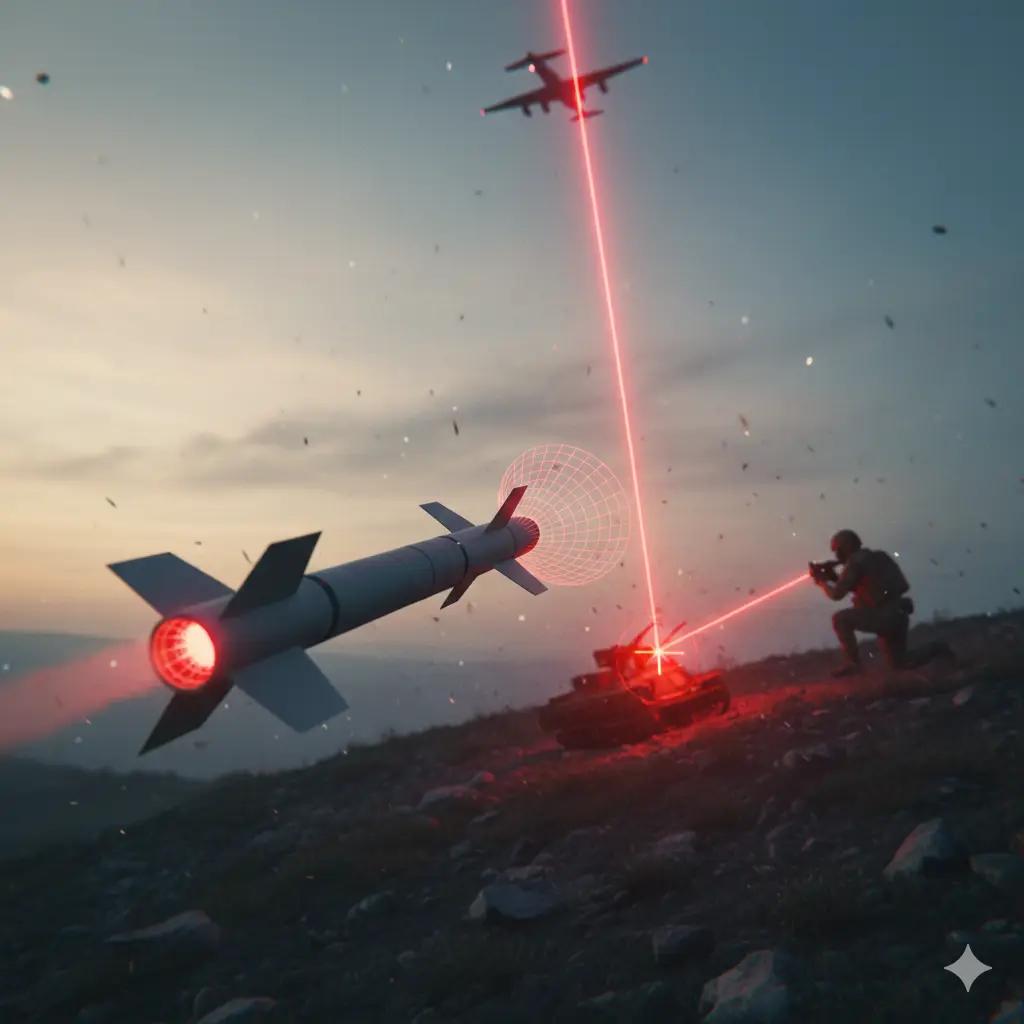
To bridge the financial gap, the US is testing laser weapons and 20mm cannons that cost less than $10 per shot. These systems aim to provide a sustainable defence against low-cost drone swarms.
)
)
)
)
)