‘2,000 elements at once’: 10 fastest-scanning radars ever built

From the F-22’s AN/APG-77 to future phased arrays scan skies in seconds with microsecond beam steering, long-range detection, and rapid multi-target tracking. But the real breakthroughs lie in how fast these systems adapt in real combat conditions.
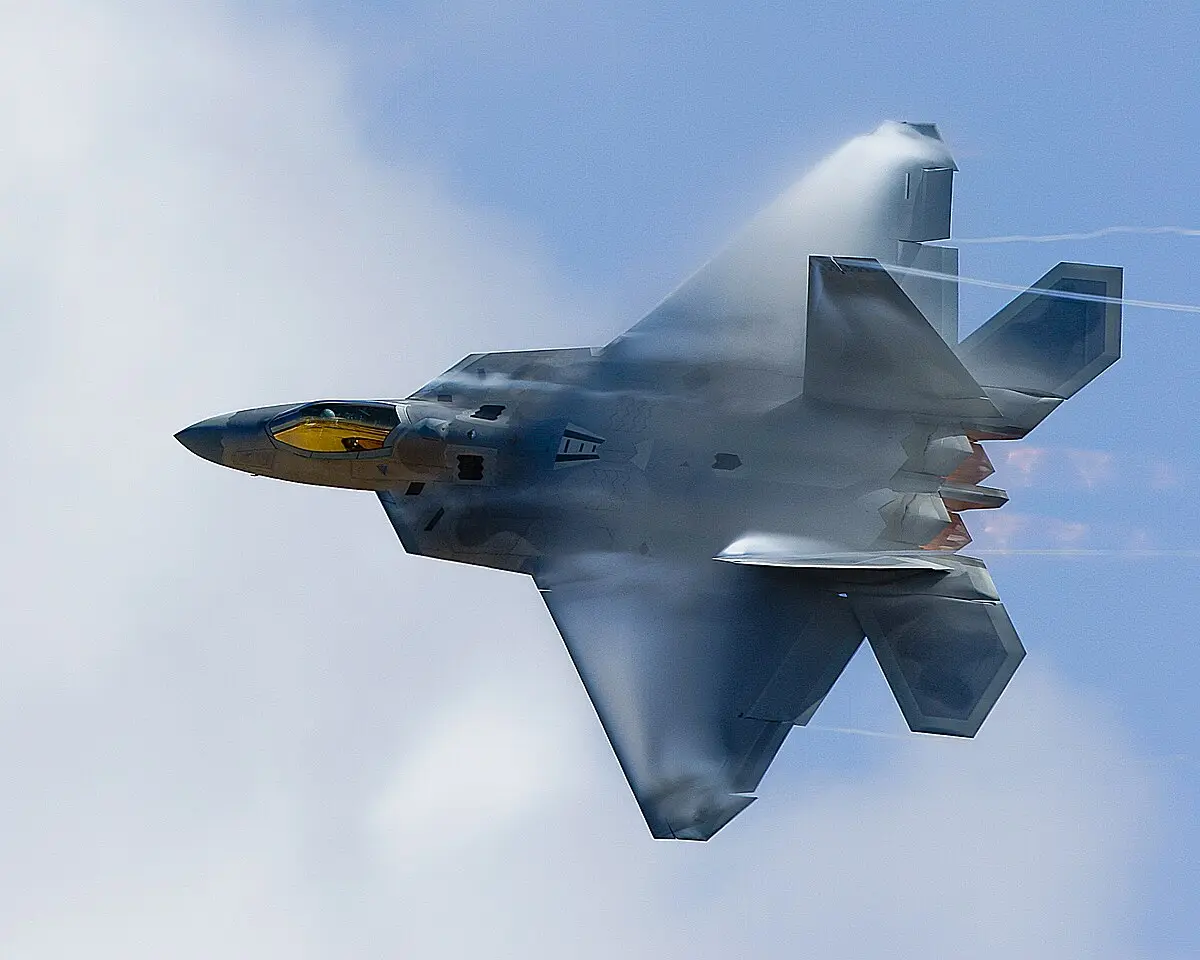
AN/APG-77 F-22 Raptor - Microsecond Beam Steering
The F-22 Raptor's AN/APG-77 features approximately 2,000 independent transmitter/receiver modules directing beams in microseconds across a 120-degree field of view. This AESA radar detects aircraft from over 510 kilometres away whilst maintaining incredibly fast scan times. Beam agility enables simultaneous tracking of multiple targets with maintained accuracy during combat manoeuvres.
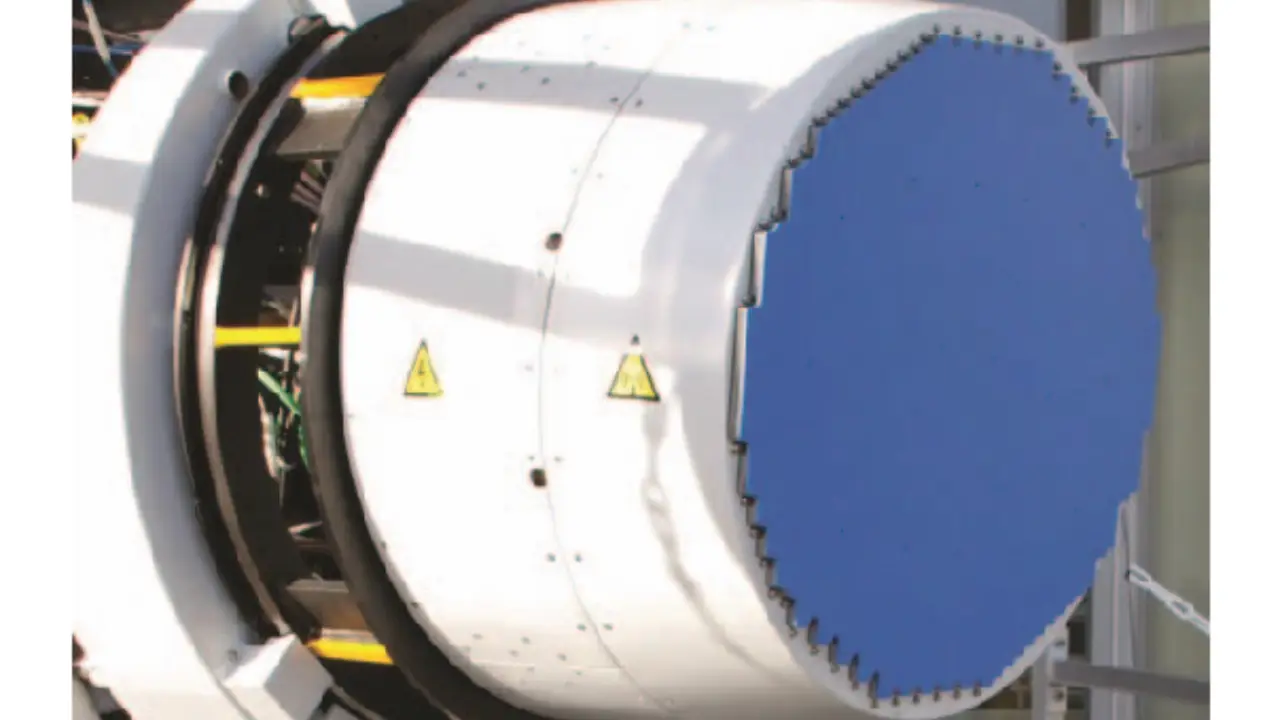
APAR Airborne Phased Array - 2,400 AESA Elements
The Airborne Phased Array Radar features approximately 2,400 AESA elements with beamwidth less than 2.2 degrees and hybrid digital beamforming. Operating at 5.35-5.45 gigahertz with 28 kilowatt peak power, APAR completes three-dimensional volume scans in seconds. Along-track sampling achieves 300 metres resolution at aircraft speeds of 120 metres per second.
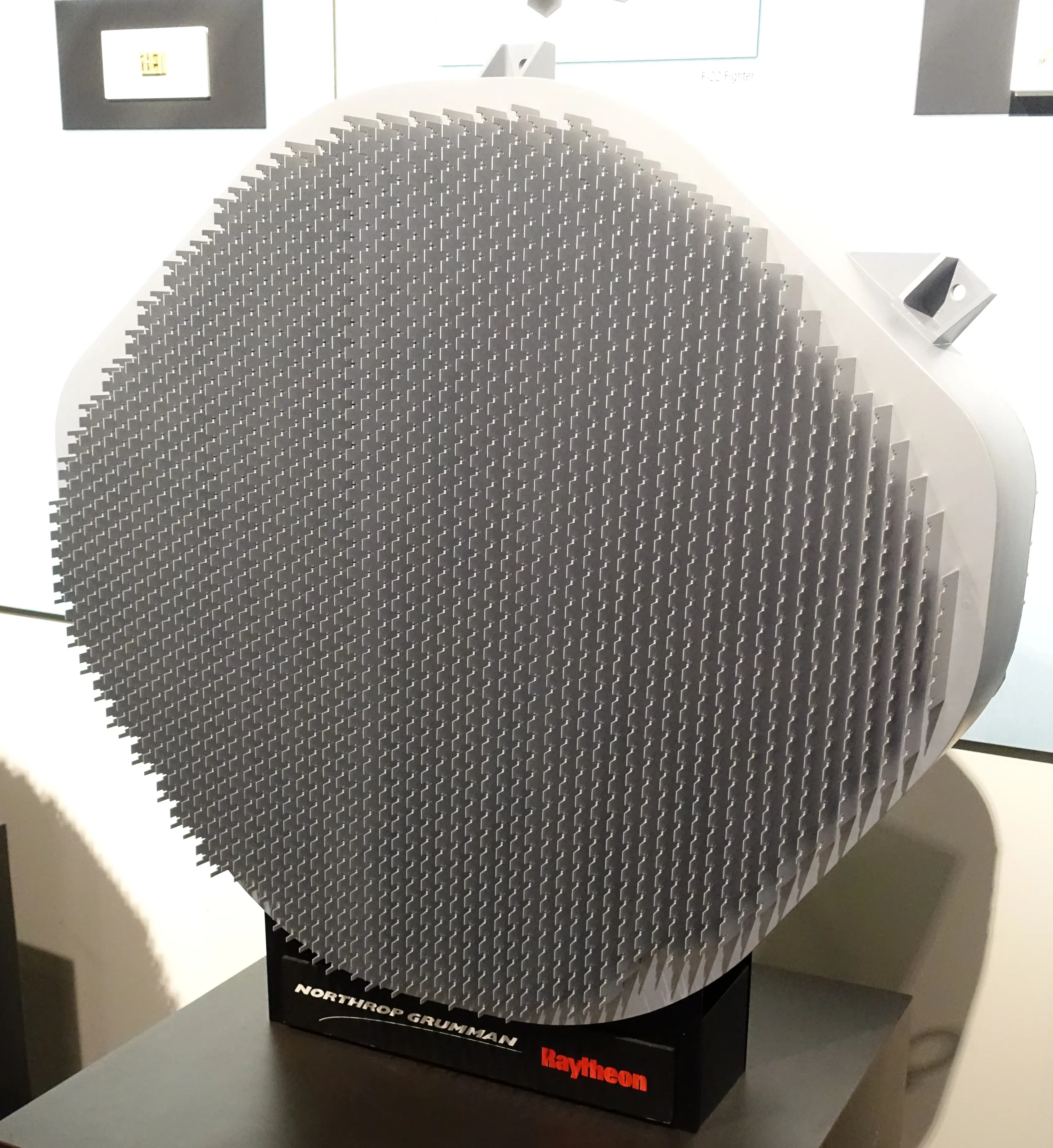
AN/APG-77V1 Upgrade - Enhanced Scan Capability
F-22's AN/APG-77V1 upgrade increases scan rate significantly through improved signal processing algorithms and electronic hardware enhancements. The system provides interleaved search and track capability maintaining high-quality single or dual-target tracking whilst searching independently selected volumes. Track accuracy improves missile cueing for beyond-visual-range engagements.
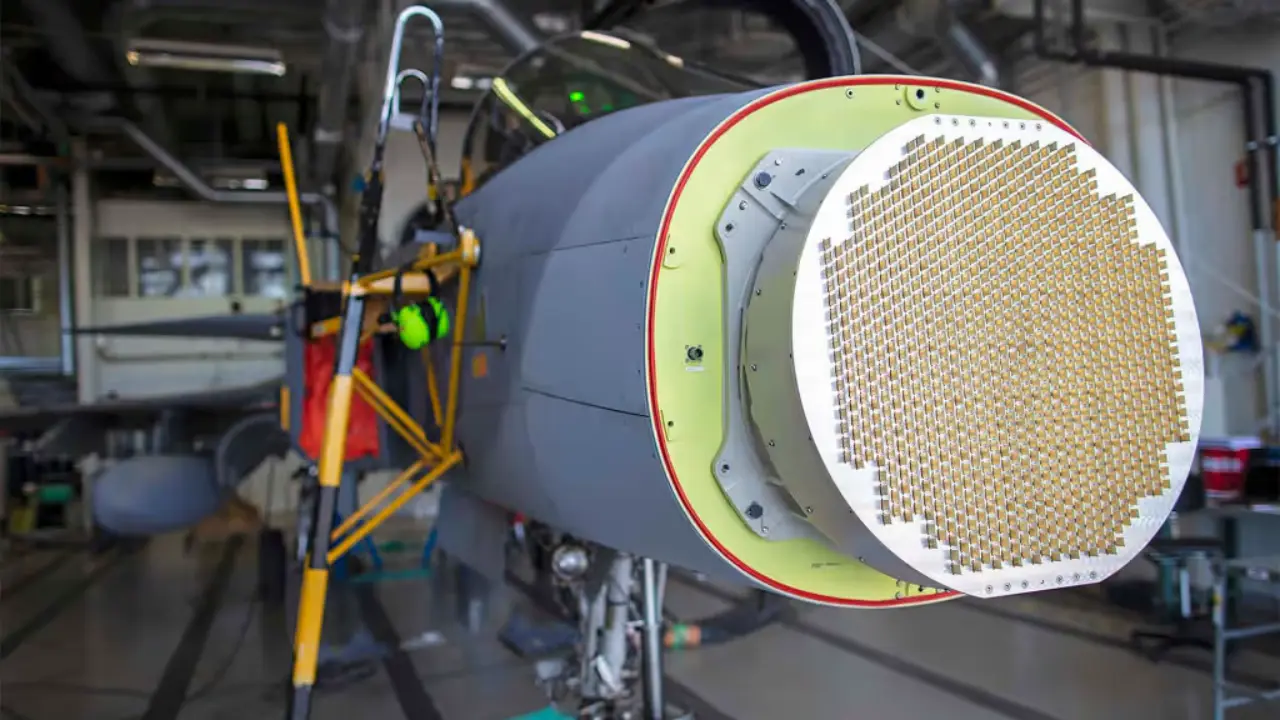
Raven ES-05 Gripen NG - High-Performance Fire Control
Saab's Raven ES-05 AESA radar built from 60 years of fire control experience scans rapidly across swing-role fighter requirements. The system maintains agile beam steering for simultaneous air-to-air and air-to-ground operations. Advanced signal processing enables rapid target acquisition and multi-target tracking.
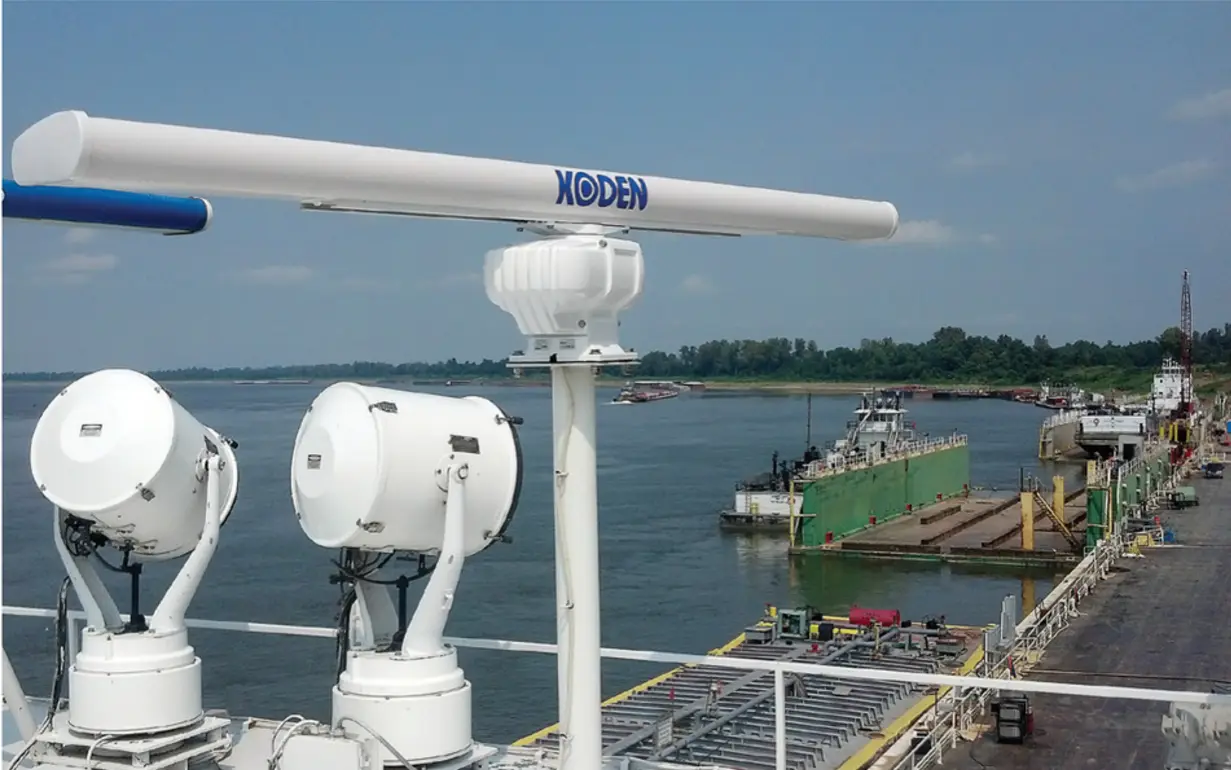
High-Speed Marine Radar - Up to 50 RPM Rotation
Commercial marine radars on high-speed vessels rotate at 40-50 revolutions per minute, significantly faster than standard 24 rpm systems. International maritime regulations mandate 20 rpm minimum for conventional vessels but allow 40 rpm for high-speed craft. Variable rotation speeds between 24 and 50 rpm permit tactical adjustment based on target density.
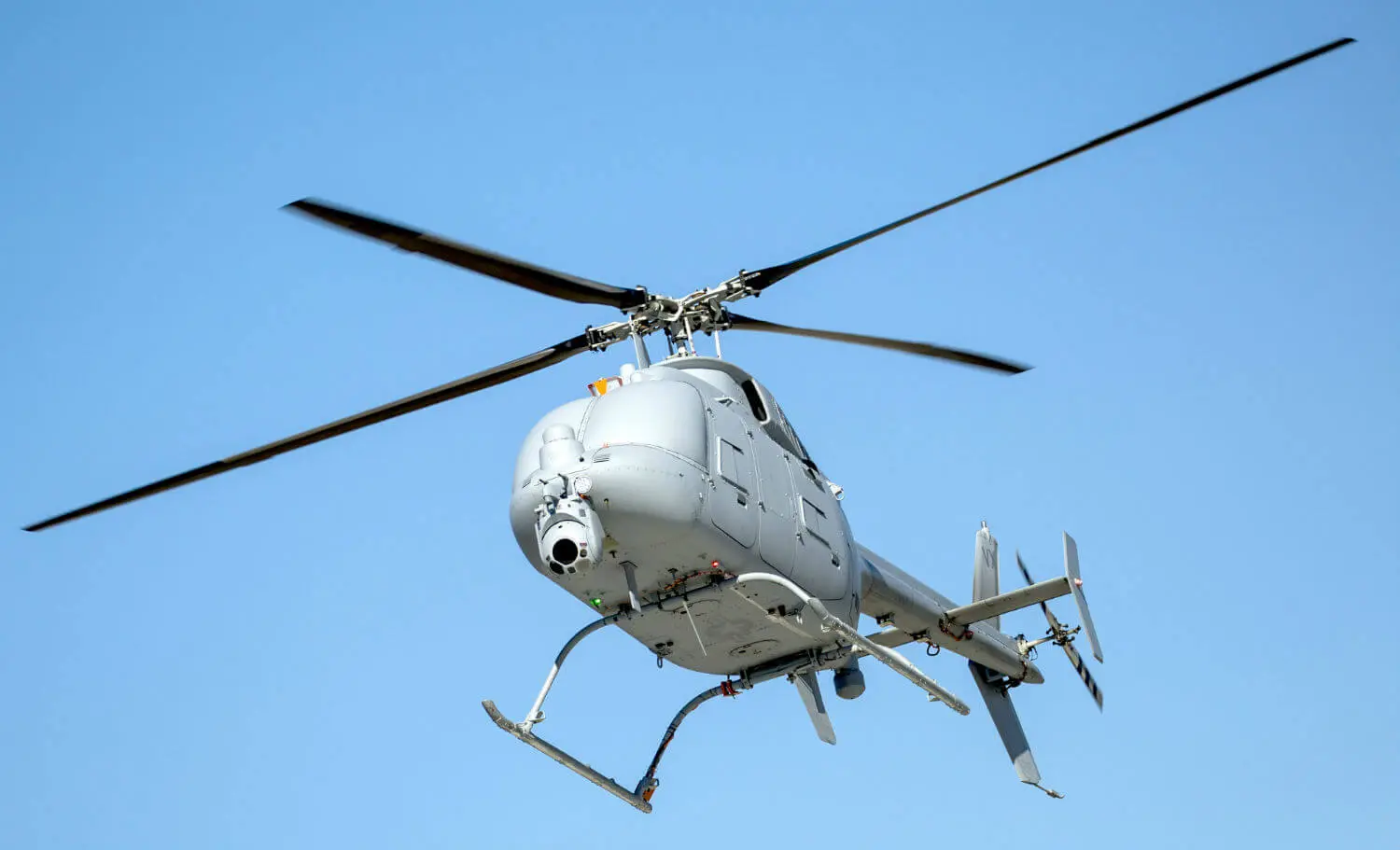
Osprey MQ-8C Fire Scout - 200 Nautical Mile Range
The Osprey AESA radar on US Navy's MQ-8C Fire Scout unmanned helicopter operates in X-band with 200 nautical mile maximum range and rapid scan capability. Air-cooled system weighs approximately 28 kilograms with reliability exceeding 2,000 hours mean time between critical failures. Multi-mode coverage reaches 360 degrees with multiple antennas.
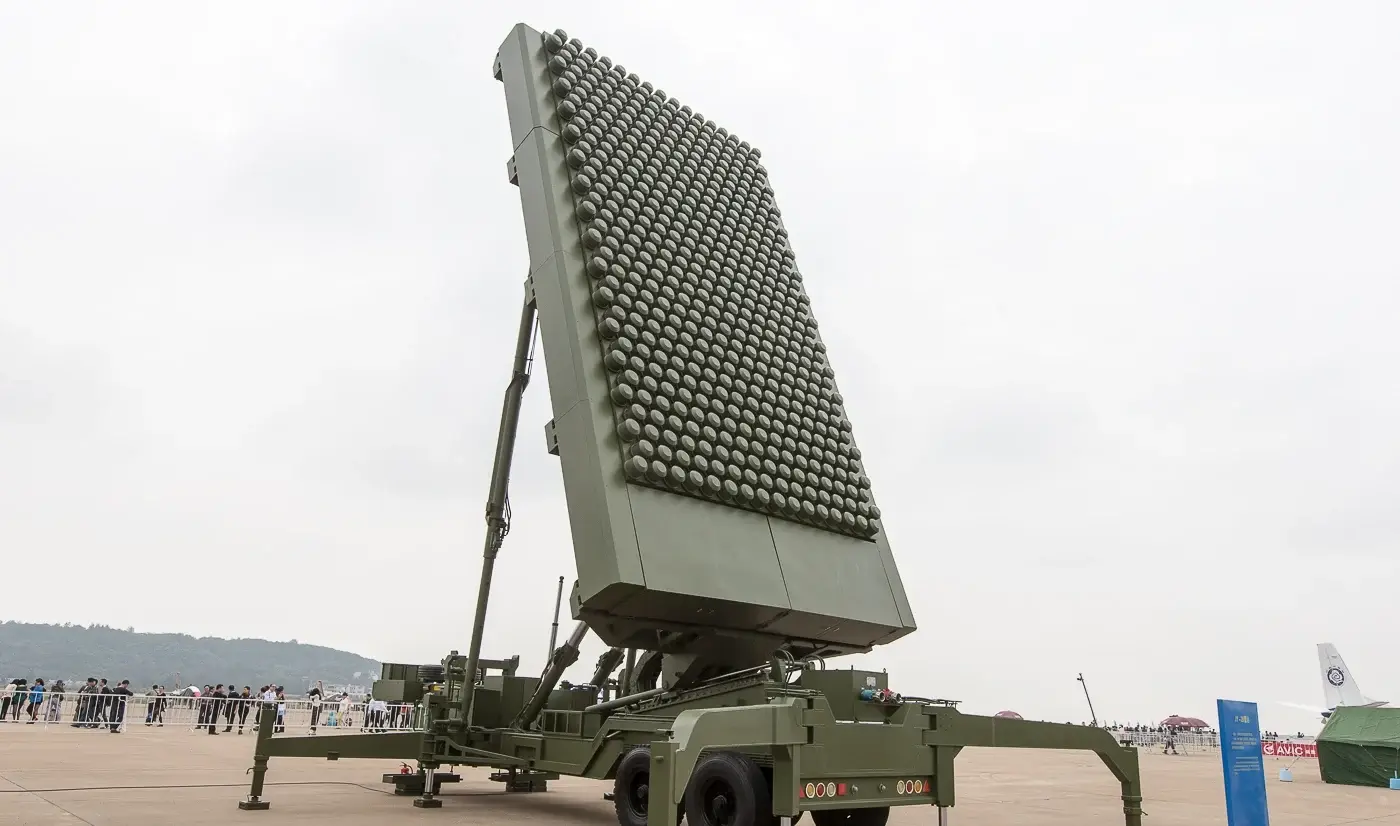
Pulse Repetition Frequency - Up to Megahertz Rates
Modern military radars employ pulse repetition frequencies reaching megahertz rates, transmitting thousands of pulses per second. Higher PRF provides superior velocity detection through increased data points tracking target motion. Trade-offs between PRF, range ambiguity, and Doppler performance require careful system design.
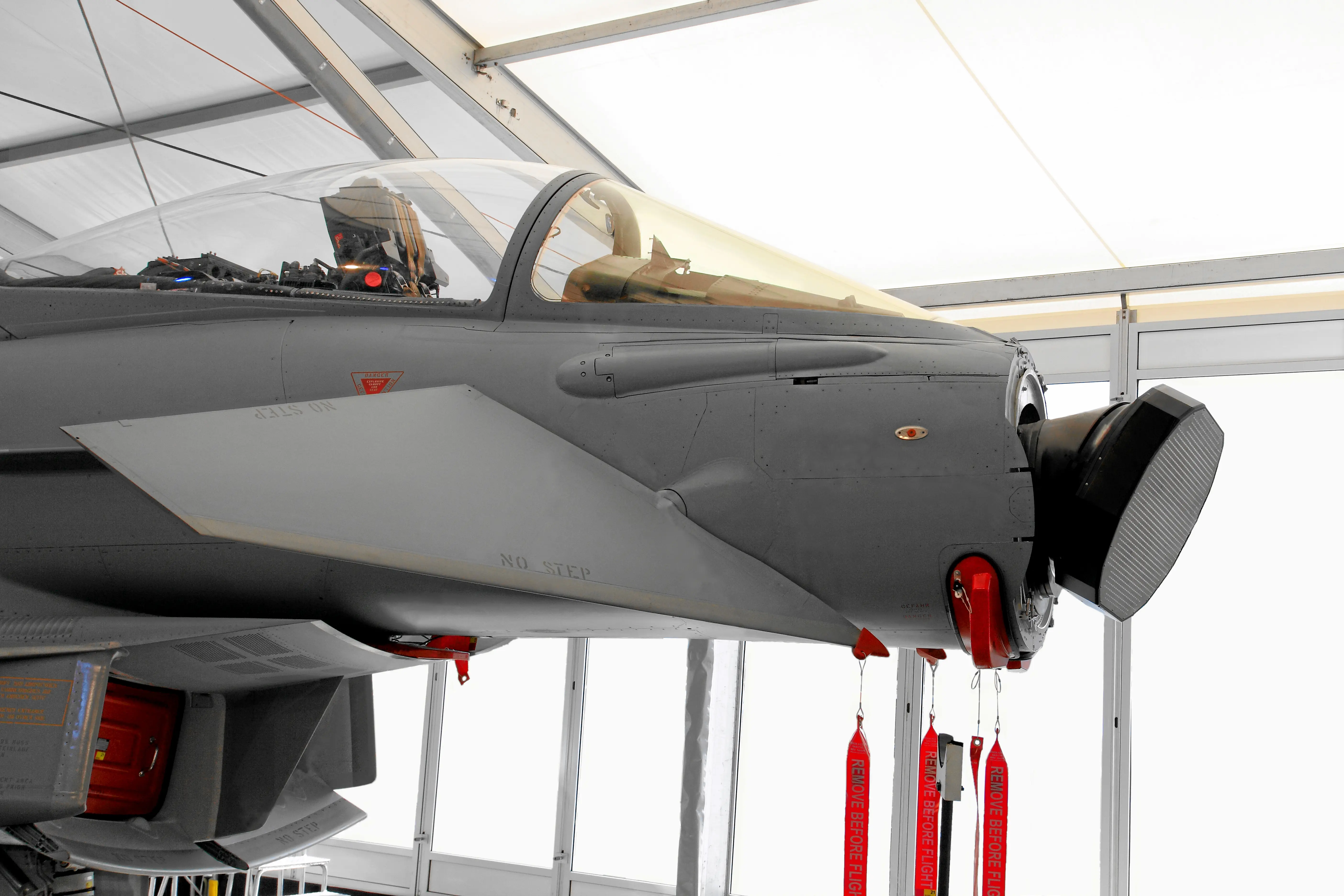
Dwell Time Optimization - Millisecond Beam Residence
Modern AESA radars reduce dwell time to milliseconds, limiting beam residence on individual targets in crowded airspace. Beam dwell time calculation depends on antenna beamwidth and rotation speed. Shorter dwell times enable faster volume coverage at cost of reduced signal energy per target.
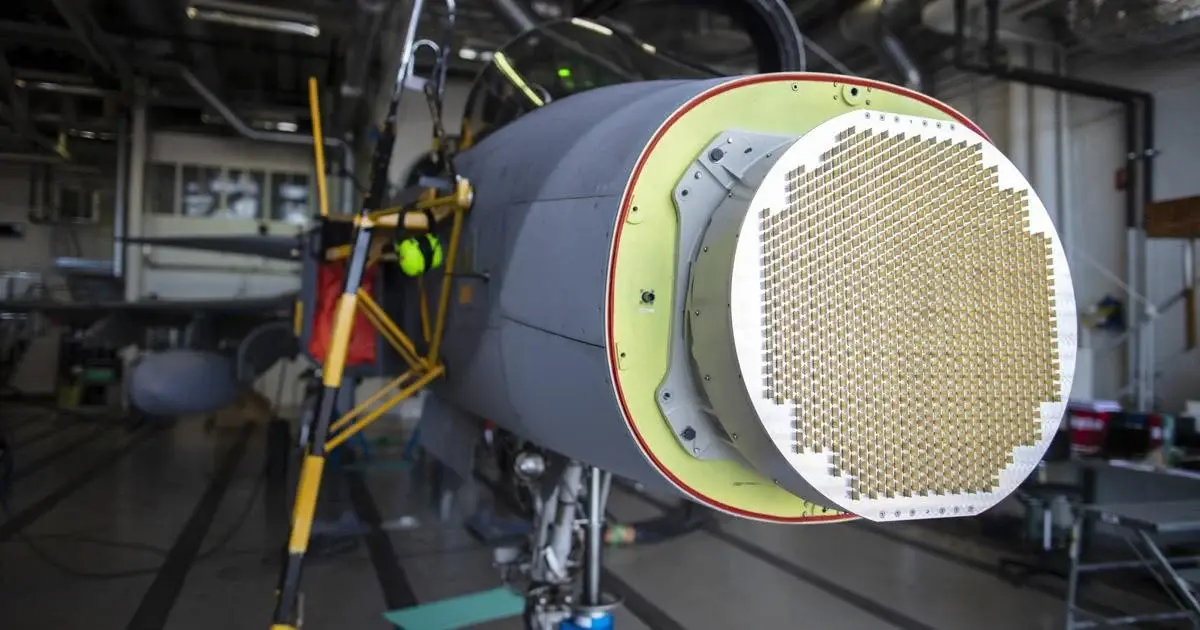
Rapid Volume Scan - Complete 360-Degree Coverage
Advanced AESA systems complete full 360-degree volume scans in seconds compared to conventional rotating antennas requiring minutes. Three-dimensional coverage achieves altitude, azimuth, and range discrimination simultaneously. Volume scan completion times as short as 2-4 seconds enable real-time threat assessment.
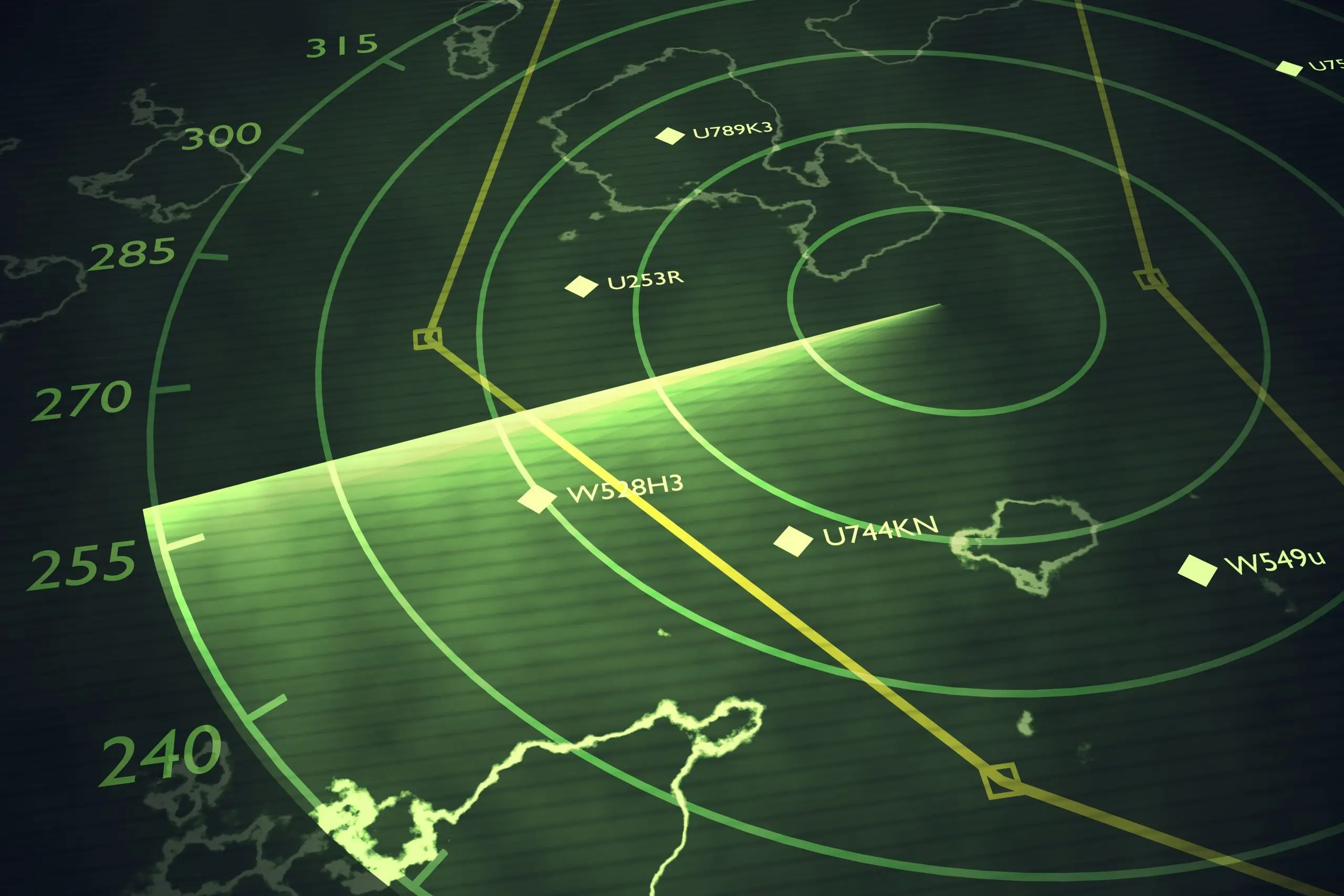
Future Phased Array Development - Sub-Microsecond Steering
Next-generation radars target sub-microsecond beam steering through gallium nitride technology and advanced signal processing. Phased array innovation focuses on reducing scan losses whilst maintaining beam coherence across thousands of elements. Future systems promise simultaneous multi-beam operation with independent frequency agility.
)
)
)
)
)