'170 million barrels stored at sea': Why Iran crisis matters more to oil markets than Venezuela

US President said he had been told the killings were easing and that there was no current plan for ‘executions’, adopting a wait-and-see stance after earlier threats of intervention, even as unrest remains a key concern for global oil markets.
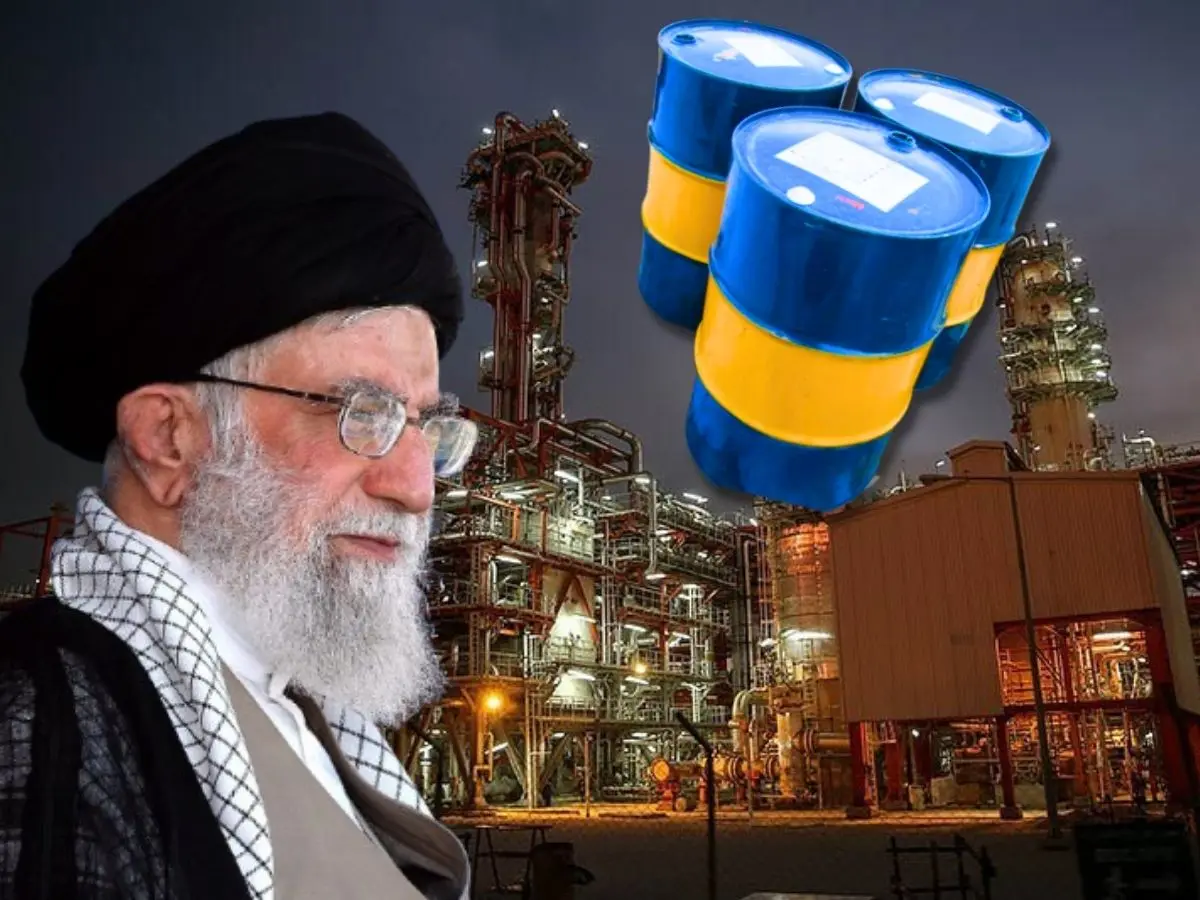
Domestic Upheaval and Its Global Oil Implications
Iran’s internal crisis has deepened as protests driven by economic collapse, record inflation and a sharply weakened rial continue to claim lives. The US-based Human Rights Activists News Agency (HRANA) said at least 2,435 protesters and 153 people linked to government forces have been killed since demonstrations over rising prices escalated into the most serious challenge to Iran’s clerical leadership since the 1979 Islamic Revolution. US President Donald Trump said he had been told the killings were easing and that there was no current plan for ‘executions’, adopting a wait-and-see stance after earlier threats of intervention, even as unrest remains a key concern for global oil markets.
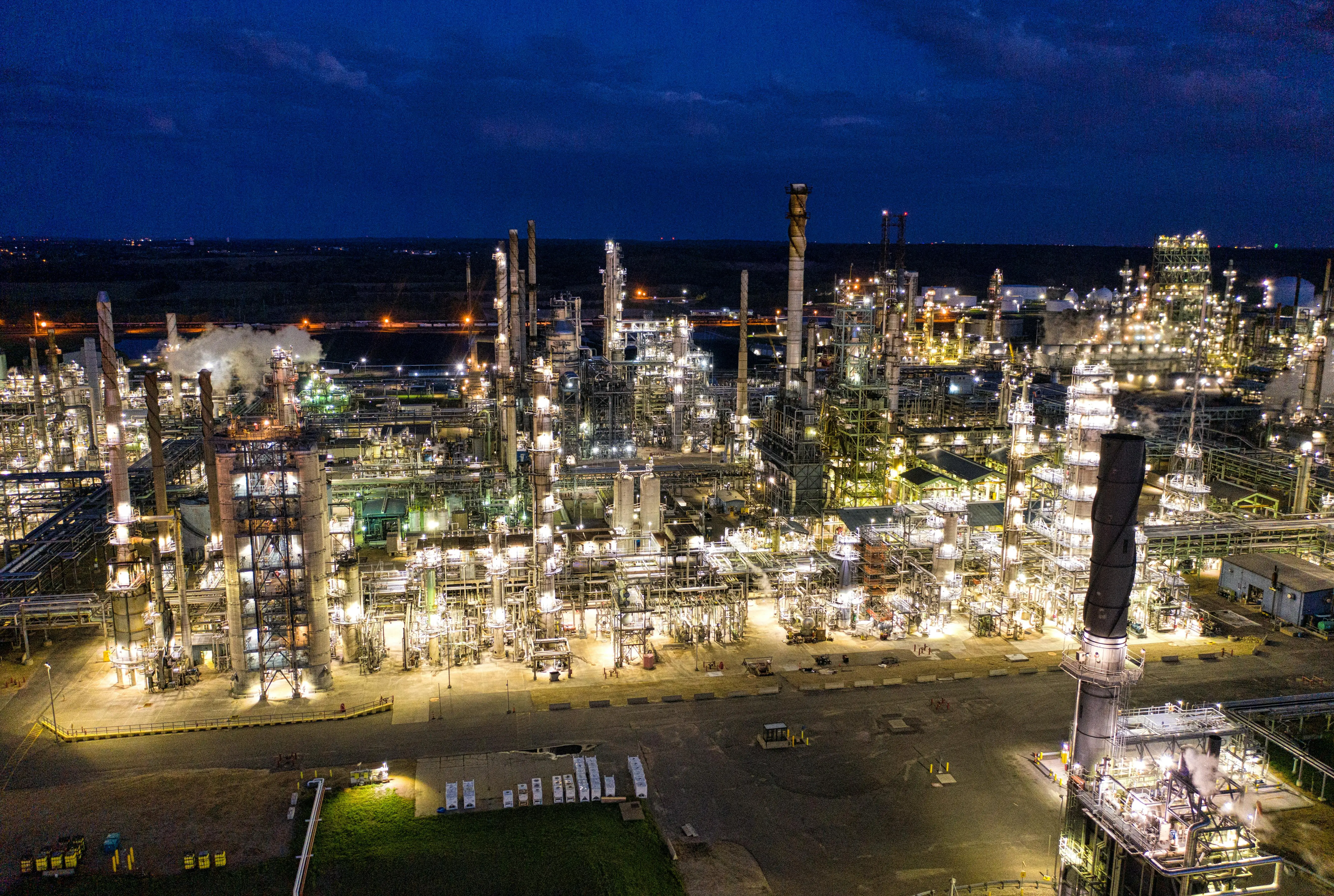
Record Floating Iranian Oil Stocks
Amid this backdrop, Iran’s oil export situation is becoming increasingly volatile. The shipping data from Kpler and Vortexa, as reported by Reuters show that crude oil stored at sea by Iran has reached record highs, between 166 million and 170 million barrels, roughly equivalent to about 50 days of Iranian production. This surge, thus, reflects the logistical challenges such as unloading delays, efforts to avoid production cuts as well as strategic moves by Tehran to hold barrels at sea to mitigate the risk of potential US military action.
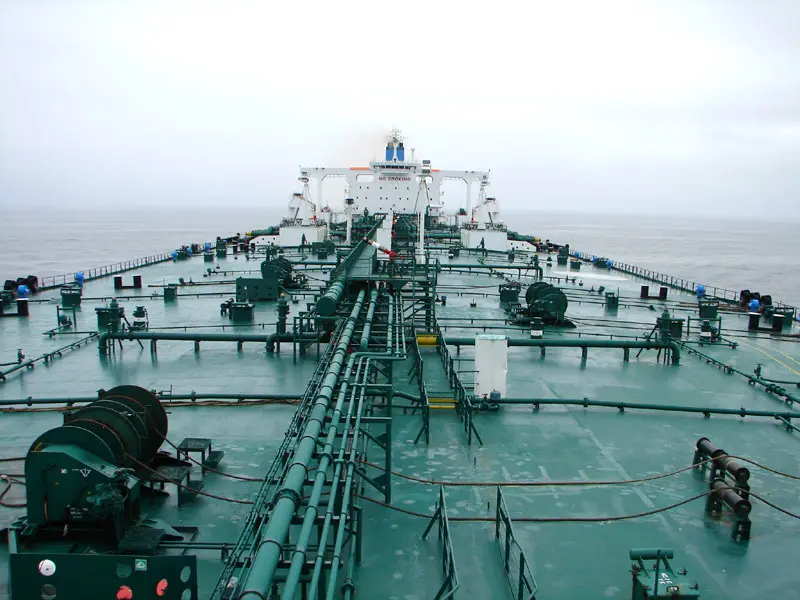
China’s Crucial Role in Absorbing Iranian Oil
China continues to remains the dominant buyer of Iranian crude despite Western sanctions. In 2025, Beijing accounted for more than 80 per cent of Iran’s shipped crude, thus averaging roughly 1.38 million barrels per day. This number is almost about 13.4 per cent of China’s total seaborne imports. This heavy reliance is largely driven by the Chinese strategy of purchasing from countries facing various Western sanctions to save billions of dollars on its import bill in recent years.
Why Iran is important?
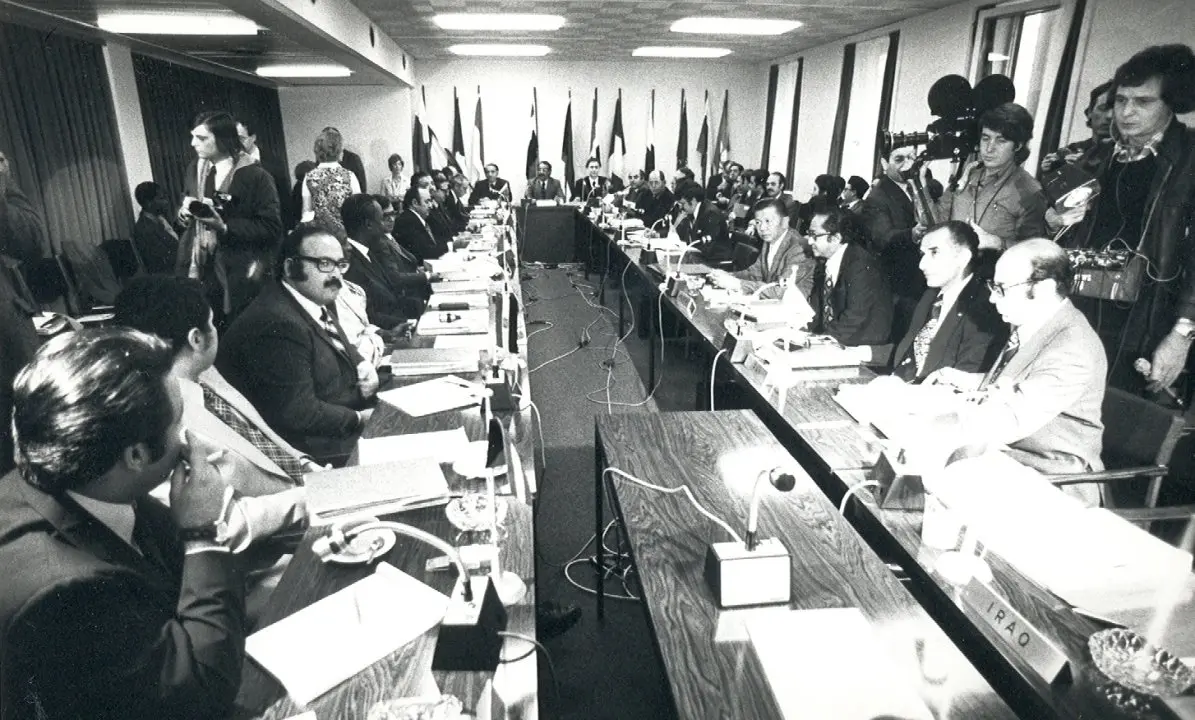
If the situation in Iran gets out of control, it will have a massive impact on global oil and financial markets. Iran, one of the biggest producers of the Organization of the Petroleum Exporting Countries (OPEC). The OPEC is a permanent, intergovernmental Organisation, which was created at the Baghdad Conference on September 10–14, 1960, by Iran, Iraq, Kuwait, Saudi Arabia and Venezuela. According to the official website, "OPEC’s objective is to co-ordinate and unify petroleum policies among Member Countries, in order to secure fair and stable prices for petroleum producers; an efficient, economic and regular supply of petroleum to consuming nations; and a fair return on capital to those investing in the industry." The fear of regional conflict in the Gulf weighs heavily in Iran's case. Roughly half of the world's oil reserves and a third of global oil production is in the Middle East.
Sanctions and Market Strategy
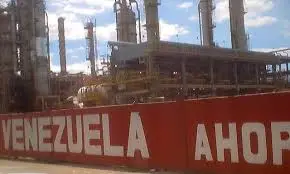
Much like Venezuela, US sanctions have squeezed Iran’s export options, limiting buyers and complicating direct sales. Iran's oil in industry is already grappling with so many challenges. It doesn't have access to modern technology, moreover, the state controls it making foreign investment more difficult. Much like Venezuela, the poorly maintained oil infrastructure and heavy dependence has forced the country into a financial hellhole, resulting in financial crisis, currency devaluation and thus, nationwide protests.
Shadow fleet
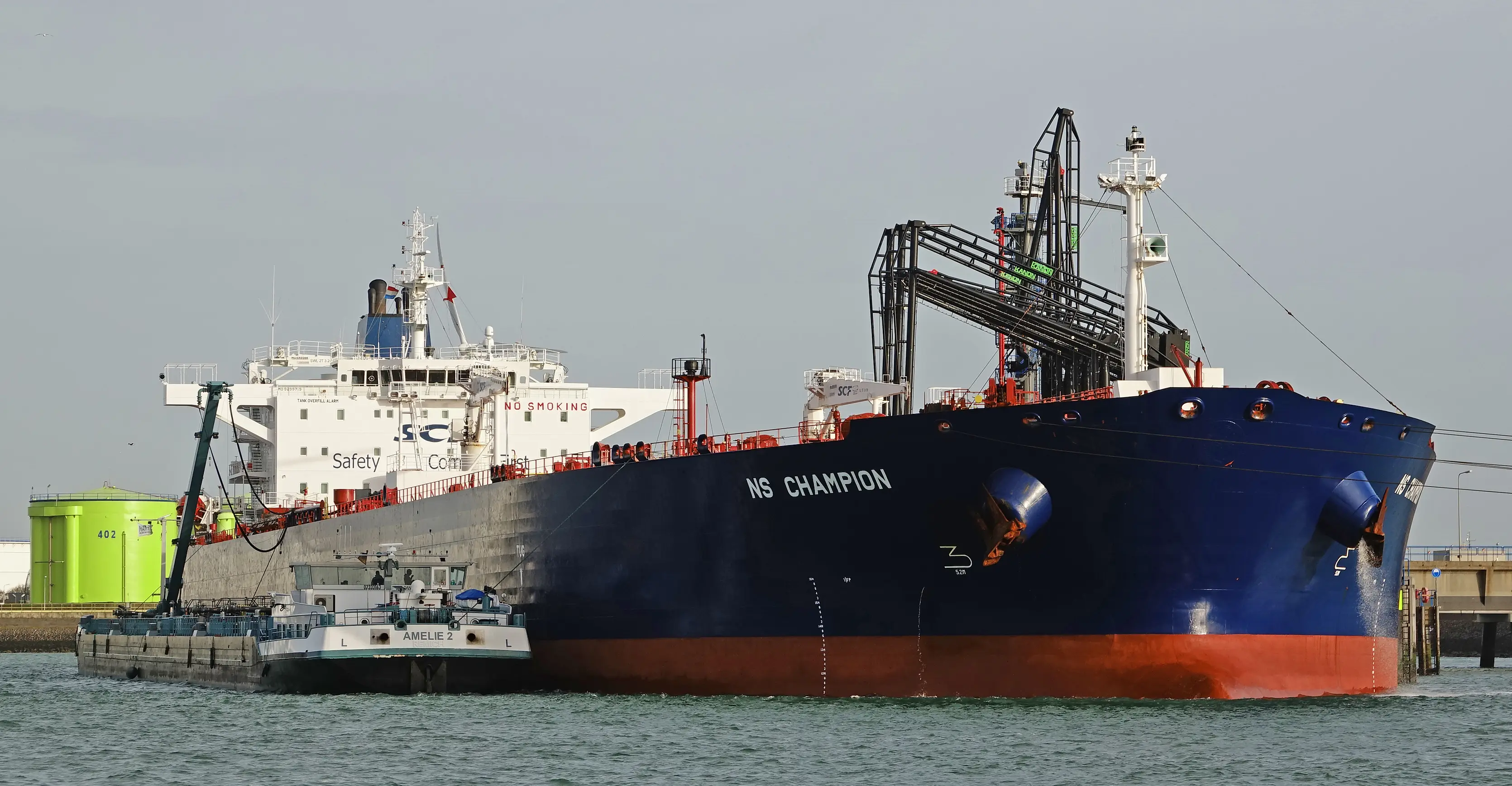
As in the case of Russia, Iran's ghost fleet plays a key role in sanctions evasion says DW. Some Iranian oil destined for China is relabelled through intermediary countries to bypass restrictions, while large floating inventories near Singapore and other hubs reflect efforts by Tehran to position shipments away from high-risk zones.
Oil and Gold Prices reportedly Ease
If the production stalls, oil prises will shoot up in the short term, analysts say, but other producers would fill the gaps later. Following Trump's comments of 'execution' order being postponed on Wednesday, oil prices retreated from multi-month highs and gold eased from a record peak on Thursday, said Reuters.
Comparing With Venezuela’s Oil Resurgence
By contrast, Venezuela, long beset by sanctions and declining production has already resumed exports following political changes and potential supply to the United States, easing some market pressures. This expected return adds supply at a time when traders were concerned about disruptions from Iran.
Why Iran Matters More Now
Iran’s centrality to global oil markets stems from its combination of large output potential, strategic geographic position near the Strait of Hormuz and reliance on a single major buyer. Continued domestic unrest, record floating oil stocks and geopolitical risk premium in prices underscore how disruptions in Tehran reverberate more widely than developments in Venezuela.
)
)
)
)
)