‘132 of 137 ballistic missiles intercepted & destroyed, 195 drones shot down’: Which air defence systems does the UAE use?

The UAE intercepted 132 of 137 Iranian ballistic missiles and 195 drones using a multi-layered defence network. Systems like THAAD, Patriot PAC-3, and Pantsir-S1 successfully neutralised the threats, limiting impacts to minor material damage.

A massive aerial assault
The UAE faced a major Iranian assault, detecting 137 ballistic missiles and 209 drones aimed at its territory. The Ministry of Defence confirmed that competent authorities immediately mobilised to secure affected sites and protect residents.

High interception success
Emirati air defence forces successfully destroyed 132 ballistic missiles and 195 drones before they reached their targets. Officials noted that five missiles fell harmlessly into the sea, while 14 drones caused only minor material damage.
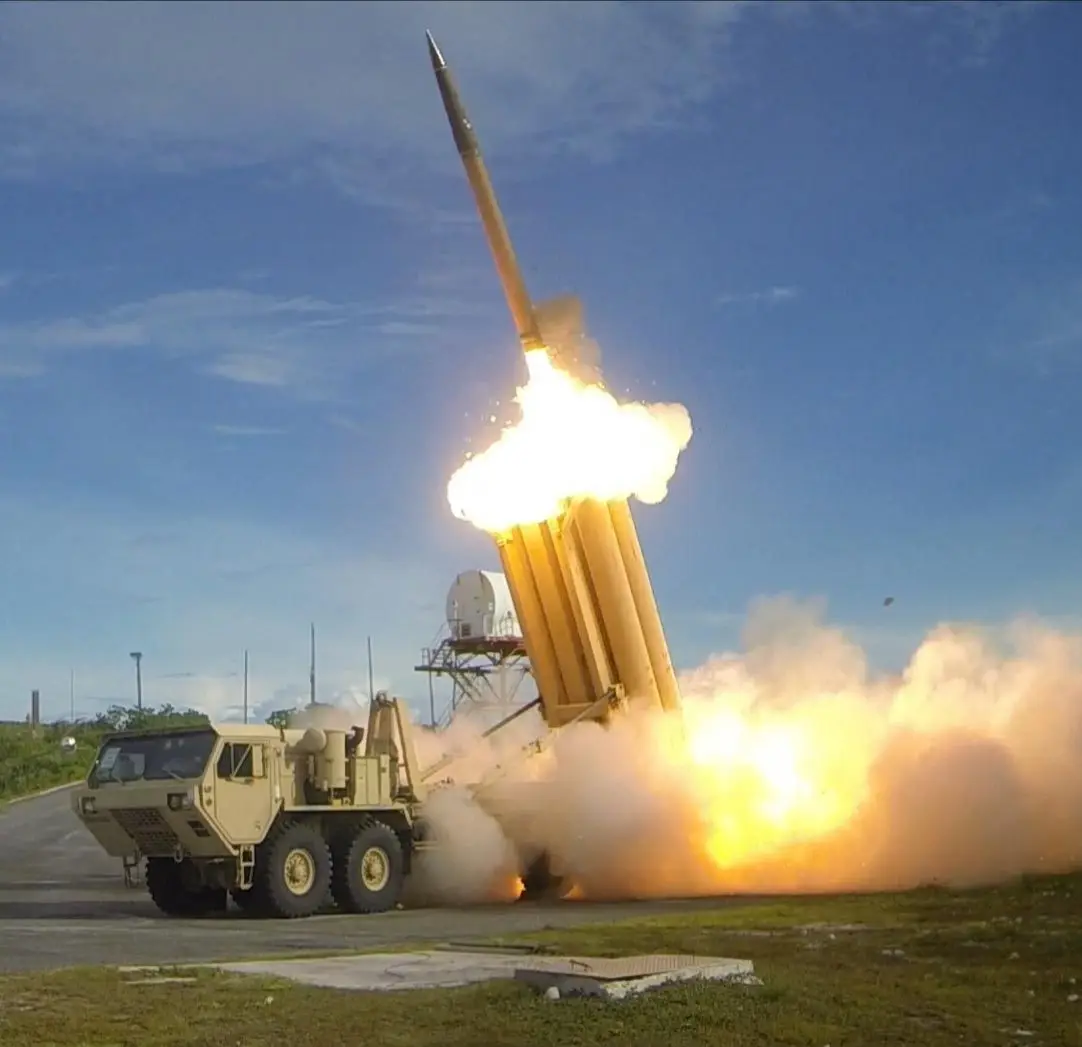
The THAAD missile shield
To counter high-altitude ballistic threats, the UAE relies heavily on the American-made Terminal High Altitude Area Defence (THAAD) system. The UAE was the first international customer to deploy this advanced anti-ballistic shield to protect its critical infrastructure.
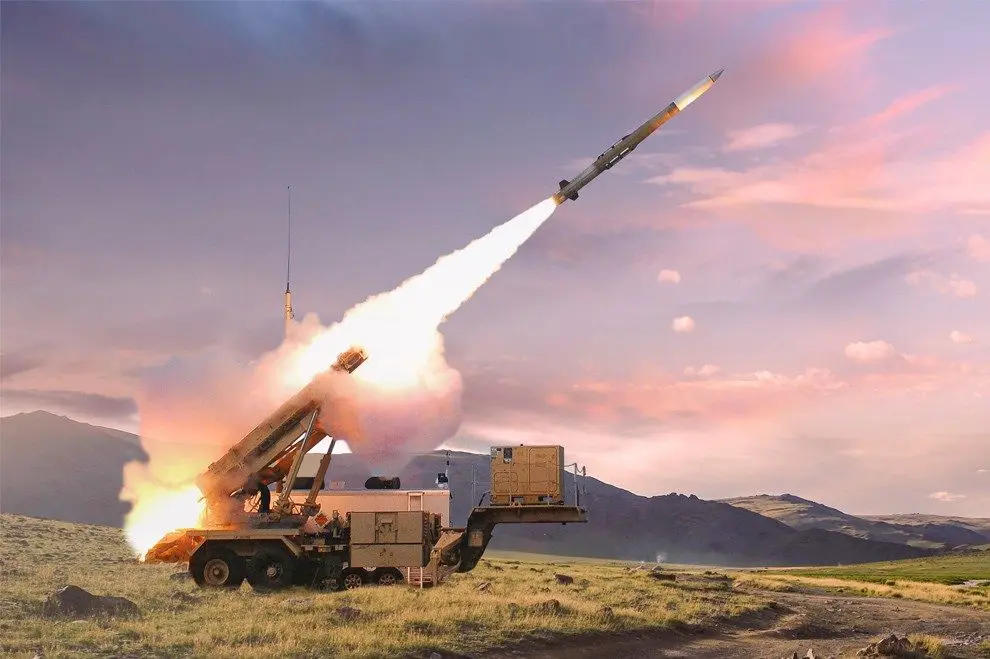
Patriot PAC-3
For lower-tier interception, the UAE military operates multiple Patriot PAC-3 missile batteries across the country. These combat-proven systems track and destroy incoming tactical ballistic missiles and hostile aircraft operating at medium altitudes.
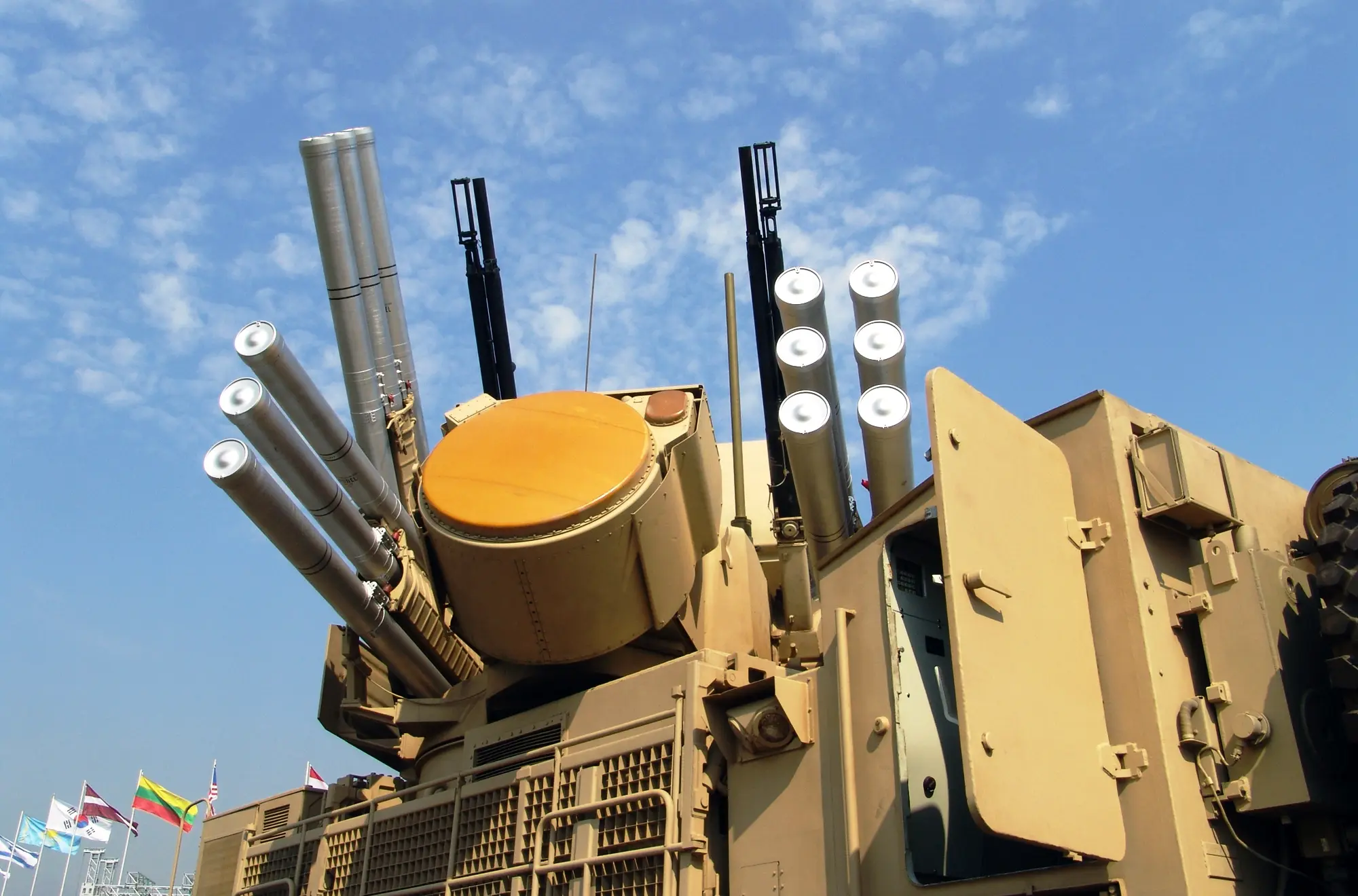
Pantsir-S1 for drone threats
To handle low-flying drone swarms, the UAE utilises the Russian-supplied Pantsir-S1 point defence system. This highly mobile unit combines rapid-fire cannons and short-range missiles to eliminate targets that slip past the primary radar shields.
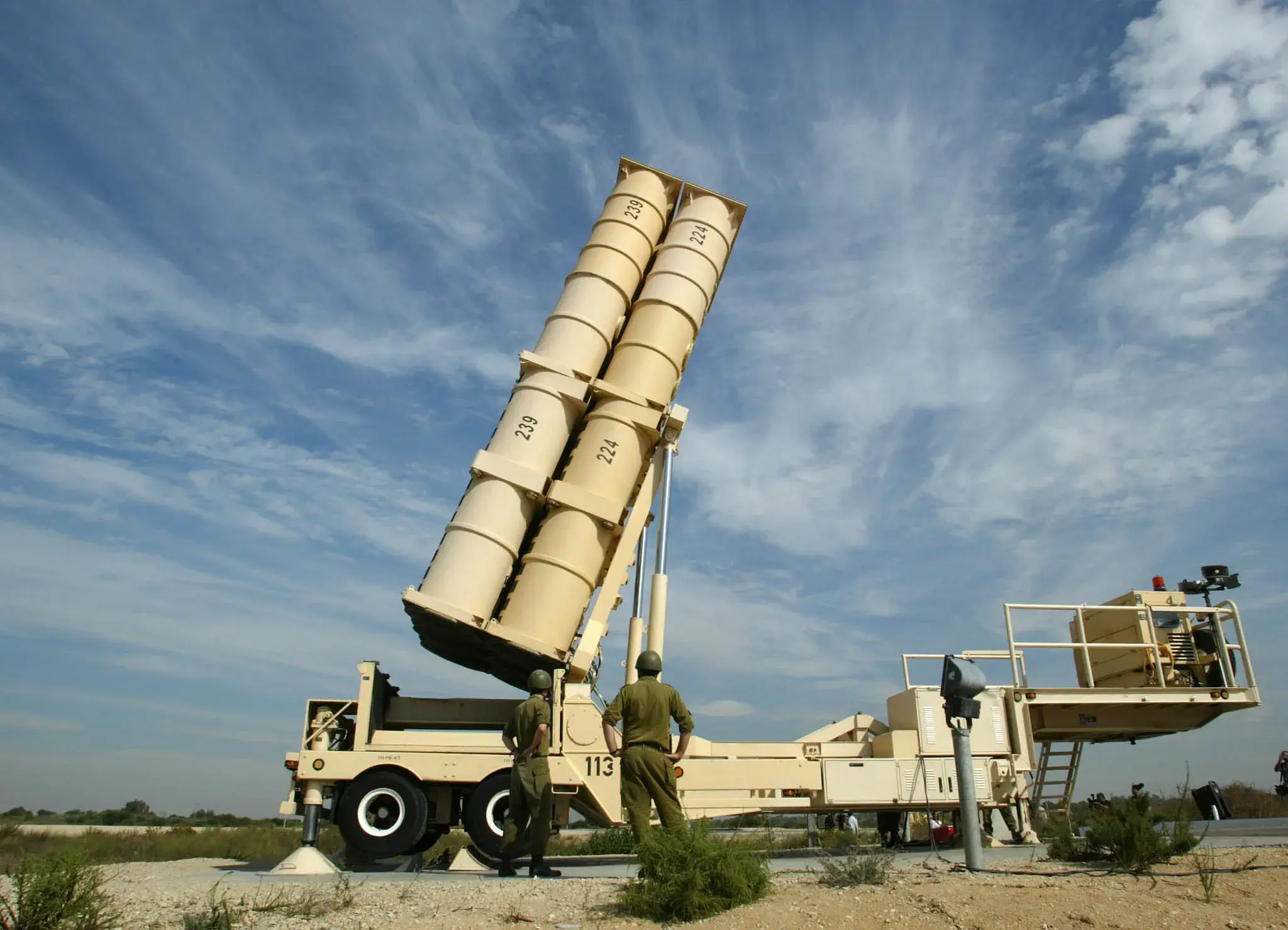
South Korean M-SAM addition
The UAE recently expanded its multi-layered network by purchasing South Korea's Cheongung II (M-SAM) systems. This medium-range interceptor specifically targets hostile aircraft and precision-guided munitions, adding another layer of airspace security.

A firm warning to Tehran
Following the successful interceptions, the UAE condemned the cowardly attack as a flagrant violation of its national sovereignty. The defence ministry affirmed the state reserves its full right to respond and firmly confront any threats to its stability.
)
)
)
)
)