'130-decibel danger': Why the USS Abraham Lincoln flight deck is so deadly

The USS Abraham Lincoln exposes sailors to 150-decibel jet noise. This hazard causes severe hearing loss, requiring double ear protection during 16-hour shifts to prevent permanent injury.
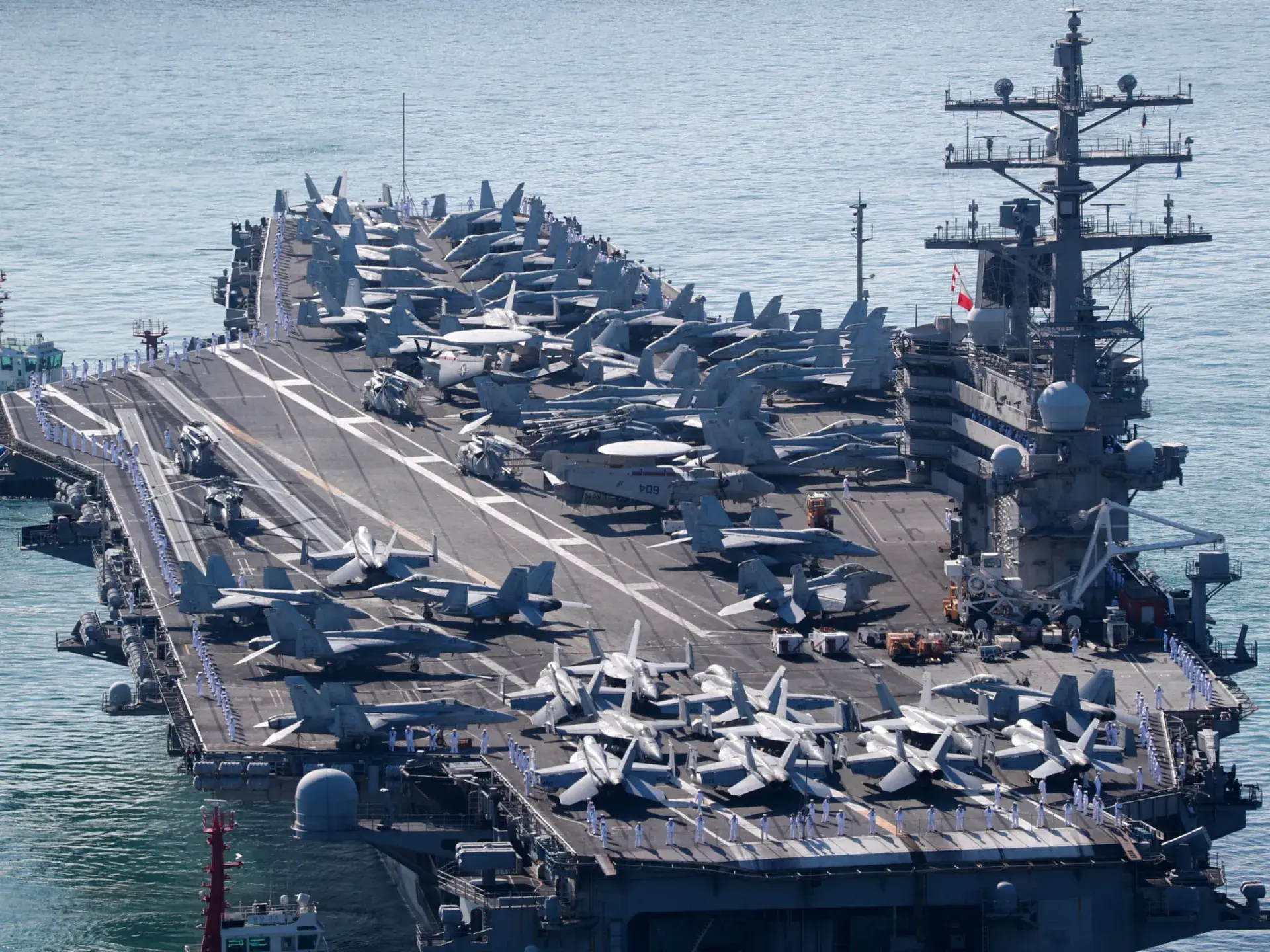
Reaches 150 Decibels
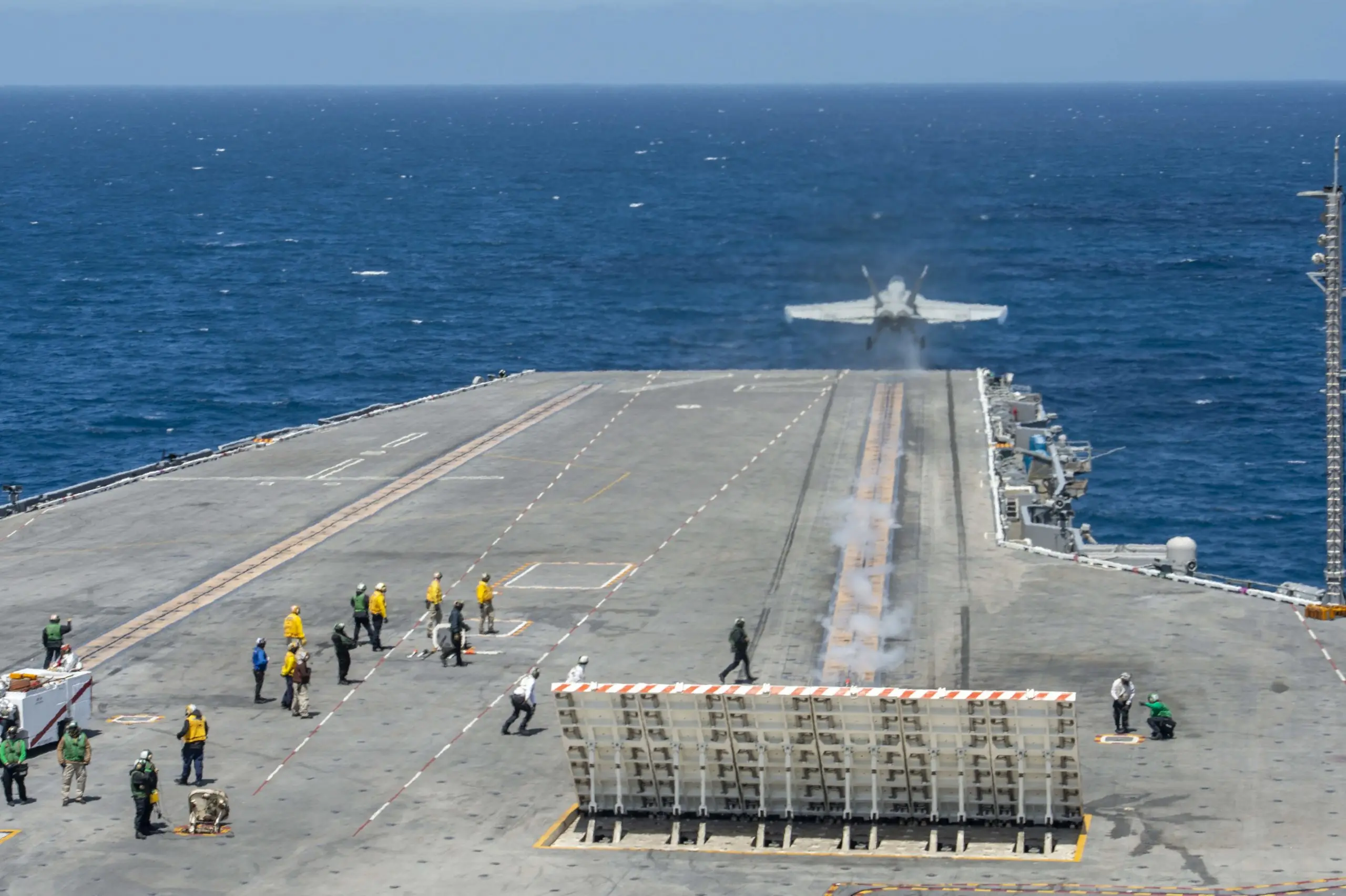
The flight deck produces immense sound levels during routine operations. Tactical jets taking off with afterburners generate noise reaching up to 150 decibels. This acoustic pressure is high enough to cause immediate physical pain and permanent ear damage.
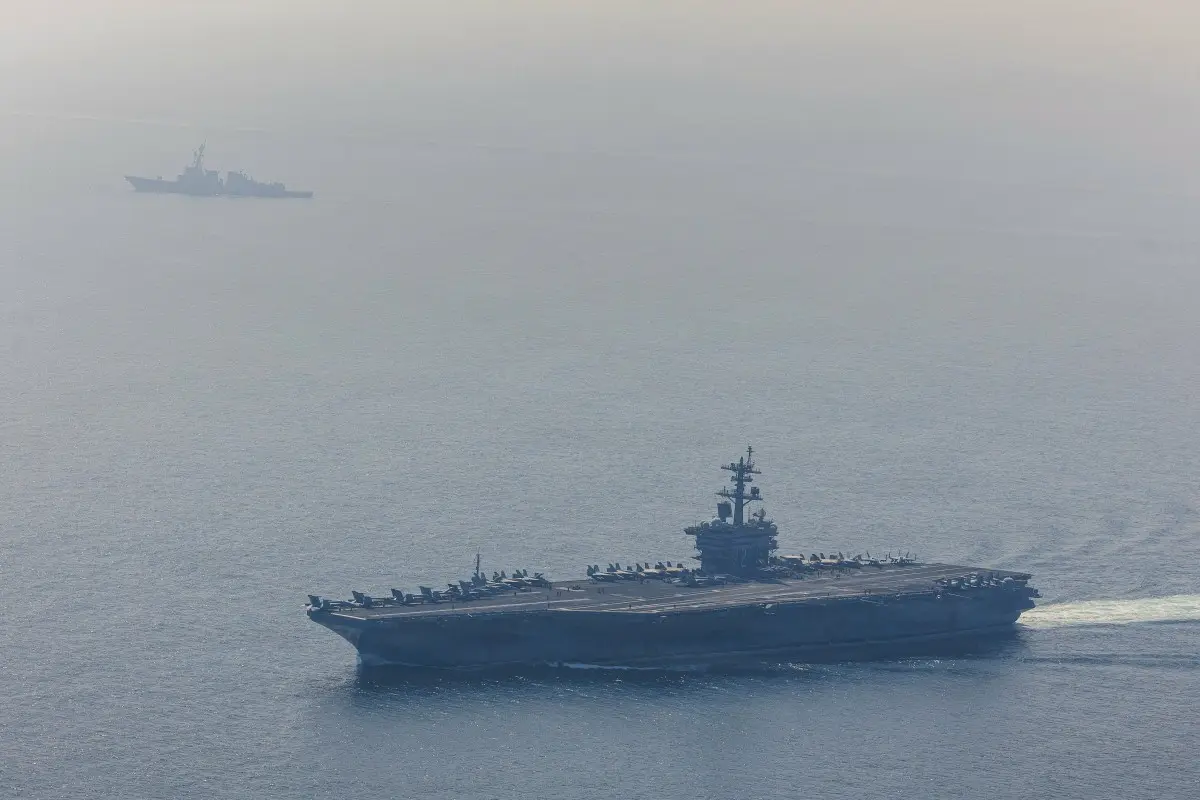
Safe For 8.9 Seconds
The maximum daily exposure limit to 150 decibels is incredibly short, even with extensive protection. Personnel wearing full double hearing protection reach their maximum safe daily exposure limit in just 8.9 seconds. Without this vital safety gear, exposure to these noise levels causes instant, irreversible auditory damage and immediate eardrum rupture.
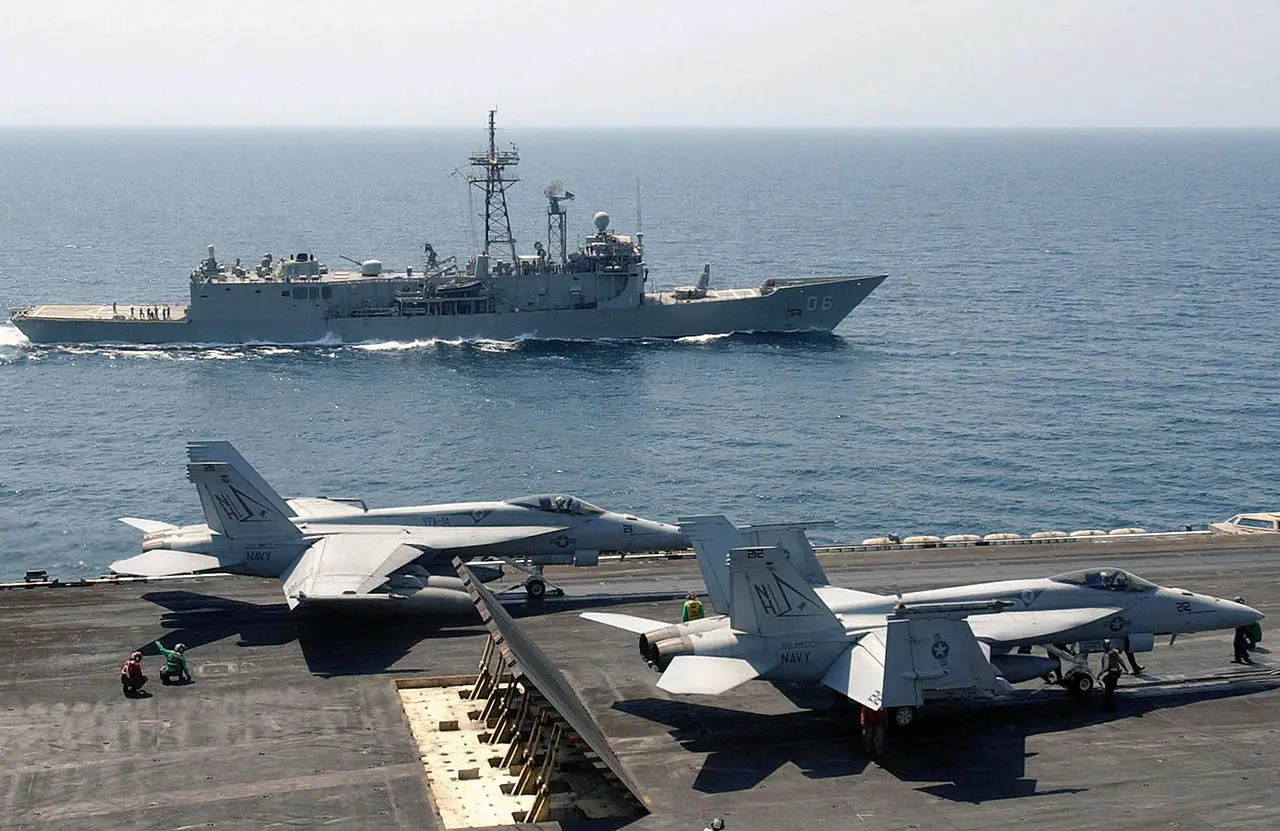
Drops By 30 Decibels
Sailors are required to wear double hearing protection to work on the flight deck. This involves deep-insert earplugs worn beneath a cranial helmet equipped with earmuffs. When fitted correctly, this protective gear reduces the incoming jet noise by approximately 30 decibels
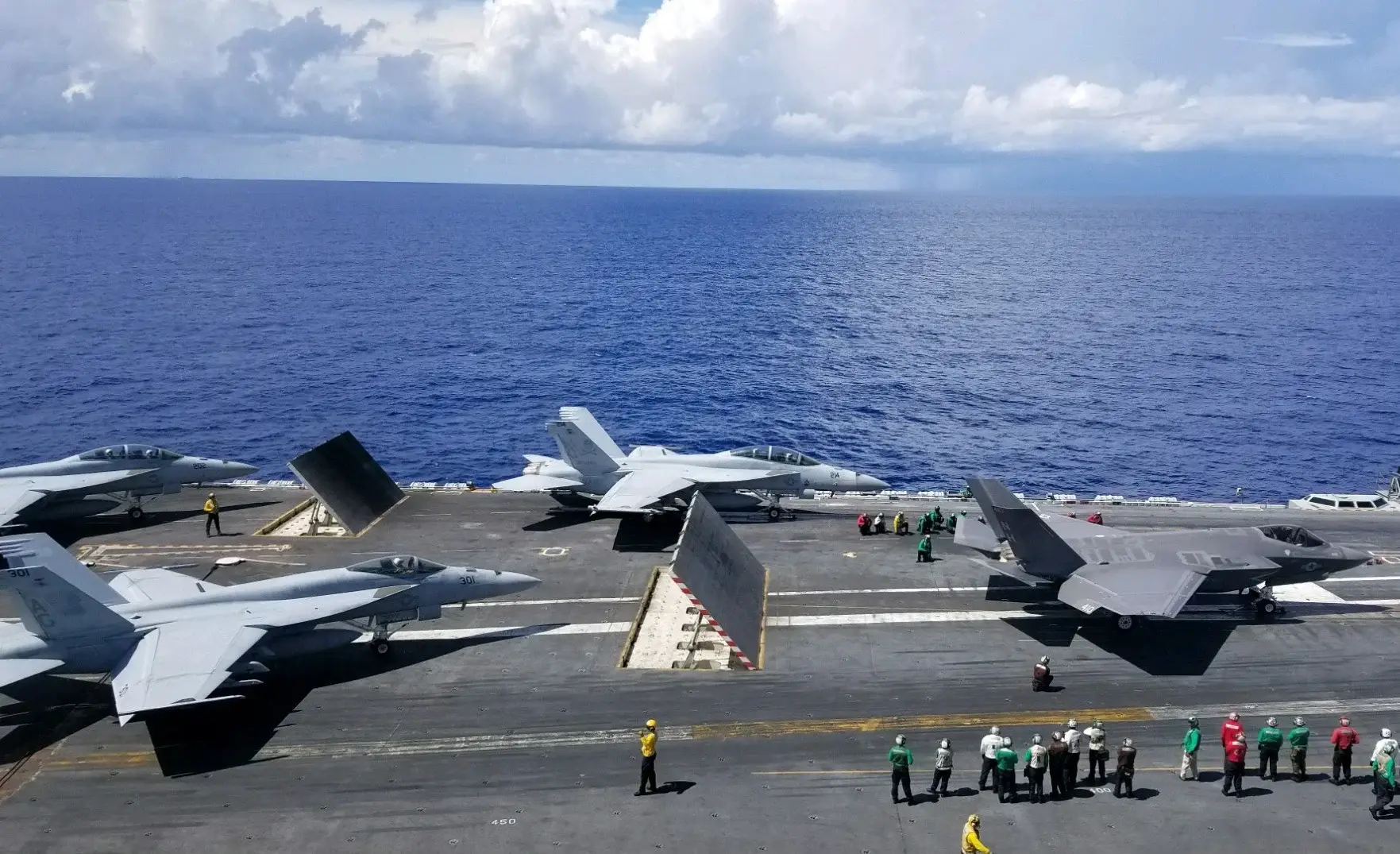
Lasts For 16 Hours
Aviation crews on the carrier frequently work demanding shifts lasting up to 16 hours. Enduring loud noise for such prolonged periods increases the risk of auditory fatigue. It also impairs basic communication and situational awareness, creating further safety hazards.
Tops 100 Decibels Below
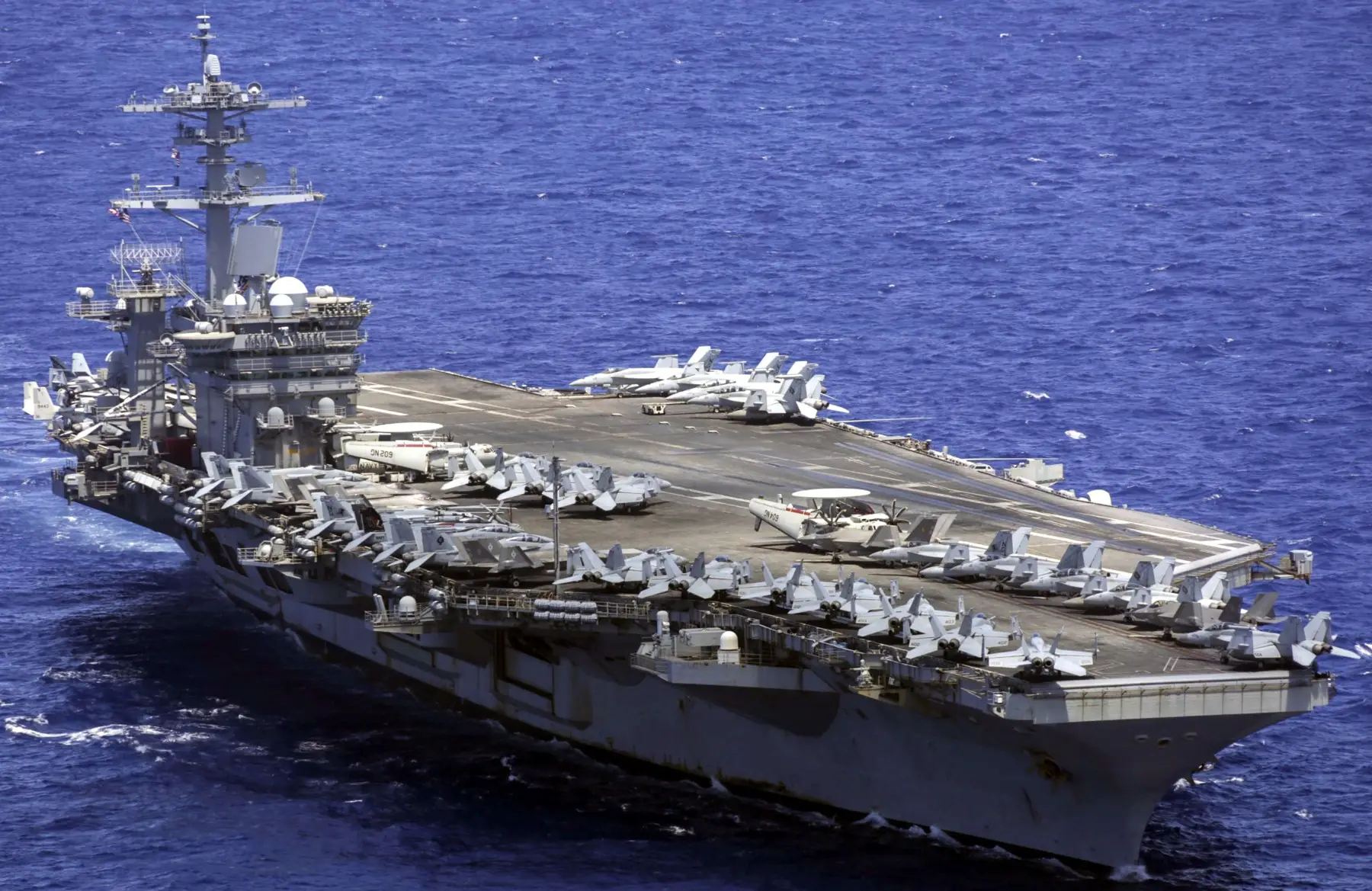
The sound from the flight deck penetrates the steel structure of the warship. Acoustic energy from jet engines travels downward to the gallery decks directly below. The living and working compartments in these areas can still experience noise levels upwards of 100 decibels.
Impacts 25 Per Cent
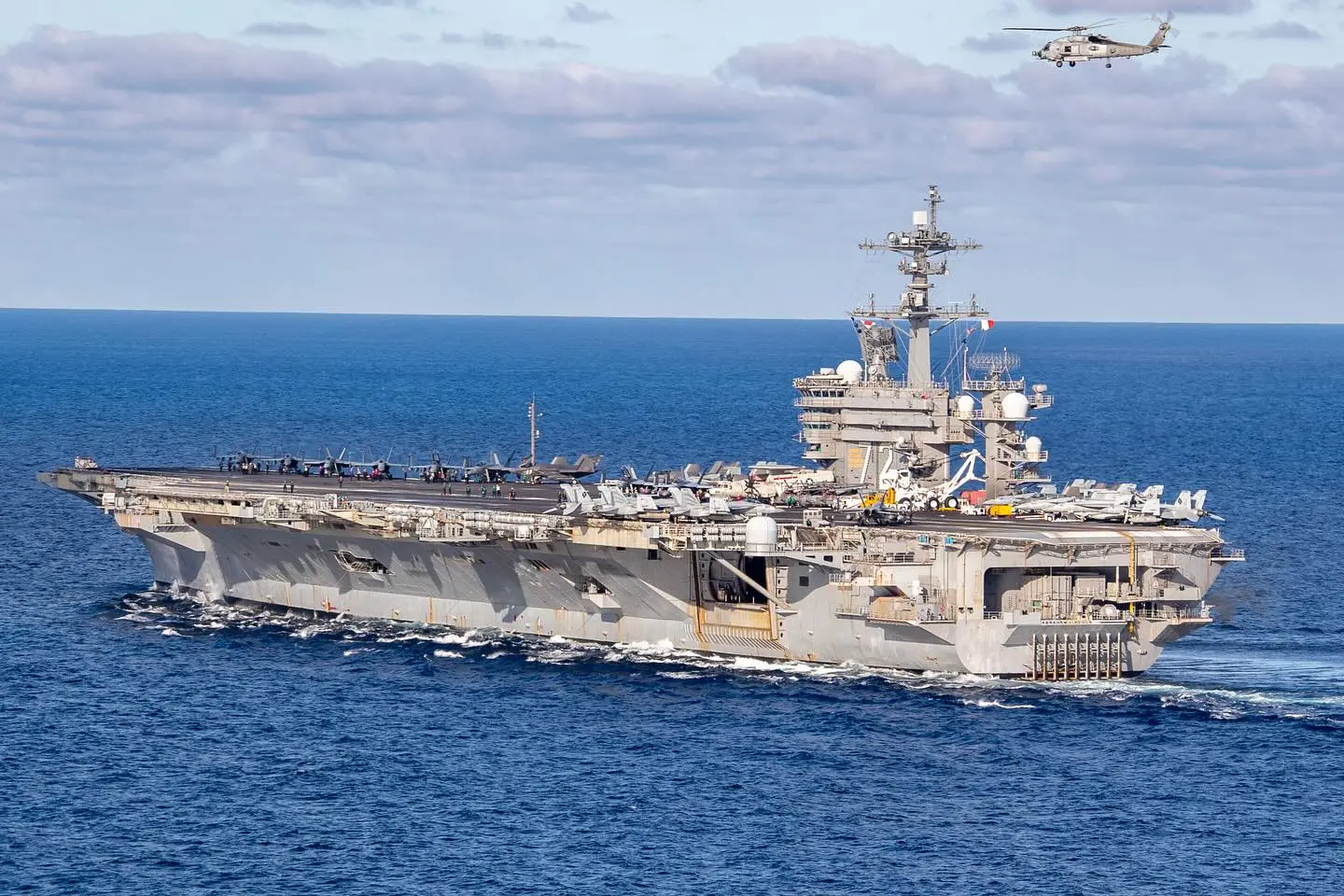
The constant exposure to jet engines takes a severe physical toll on the crew over time. Approximately 25 per cent of sailors experience permanent hearing loss or tinnitus. This high injury rate makes hearing conservation a major medical priority for naval personnel.
Operates 90 Aircraft
The aircraft carrier manages an air wing of up to 90 jets and helicopters. Launching these tactical aircraft frequently requires continuous engine cycles at full thrust. The sheer volume of daily flight operations ensures the deck remains a constant acoustic hazard.
)
)
)
)
)