'100kW laser weapon system that intercepts threats for near-zero cost': What makes Iron Beam revolutionary?

Among the most striking features of the laser shield are it's unlimited magazine as well as it's near-zero cost per interception. But what technology enables these capabilities? Let’s break it down.
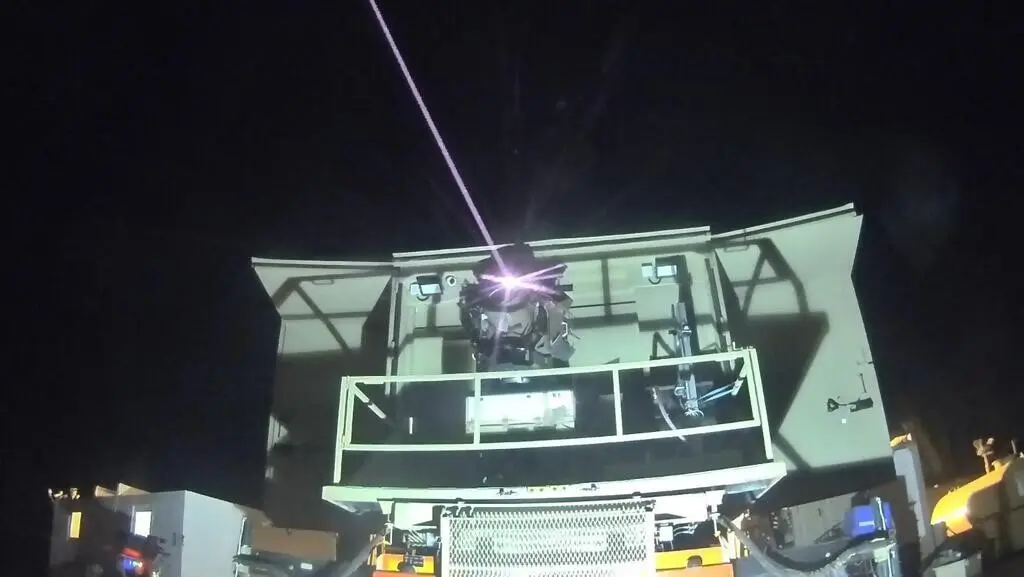
Deployment and Operational Readiness
Israel is set to receive its first operational Iron Beam system by the end of December 2025 according to Danny Gold, head of Israel’s Directorate of Defense Research and Development. The laser defence shield, first unveiled in 2014, has been in development for over a decade, with next-generation versions already planned. Among the most striking features of the laser shield are it's unlimited magazine as well as it's near-zero cost per interception. But what technology enables these capabilities? Let’s break it down.
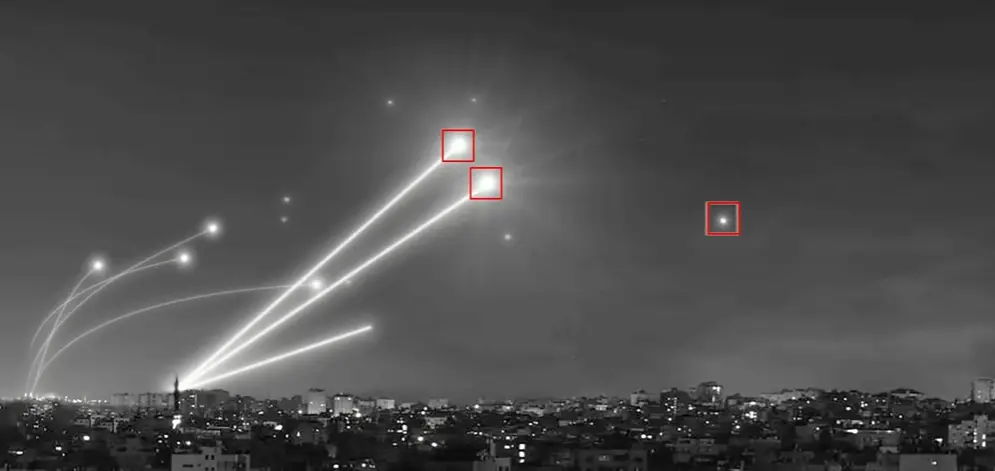
Why Laser Interception Approaches ‘Near Zero Cost’
Rafael’s description of Iron Beam emphasises its 'almost zero cost per interception,' a claim enabled by the core physics of a laser weapon. The Iron Beam, rather than firing an expensive missile, uses directed energy, essentially electrical power converted into a coherent beam, to burn through incoming rockets, mortars and UAVs. The marginal cost of each shot is therefore not a manufactured interceptor but largely the cost of electricity.
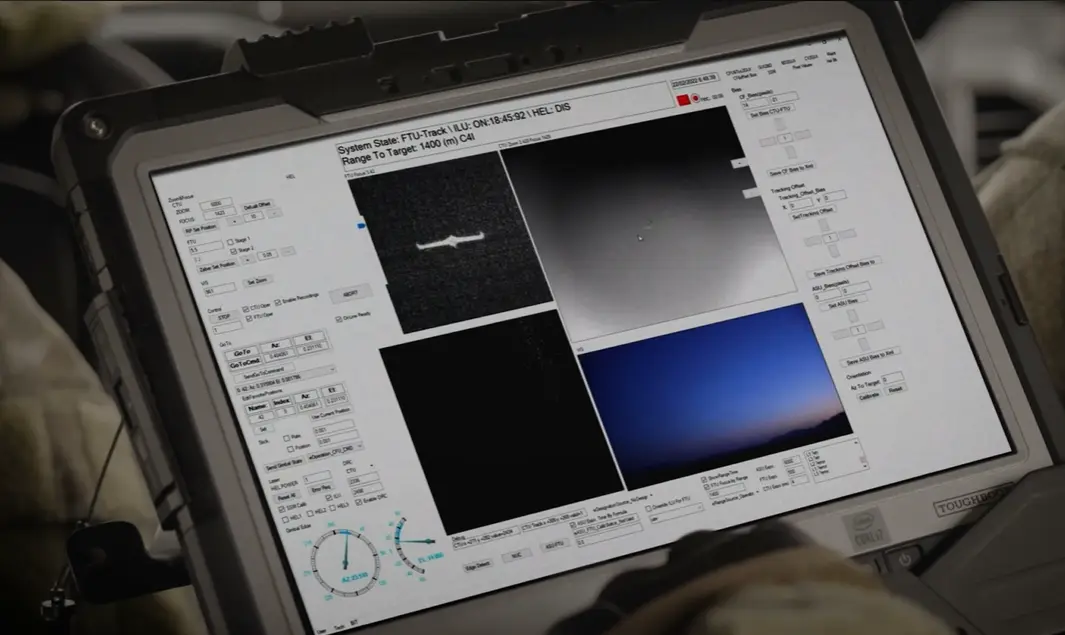
The Economics Behind the Unlimited Magazine
The system’s 'unlimited magazine,' as claimed on the official website, highlighted by Rafael, is central to the cost advantage. The platform can continue firing, without the need to reload, as long as it has sufficient electrical power. This removes the financial bottleneck associated with traditional missile stockpiles and eliminates per-round manufacturing, transport and storage costs.
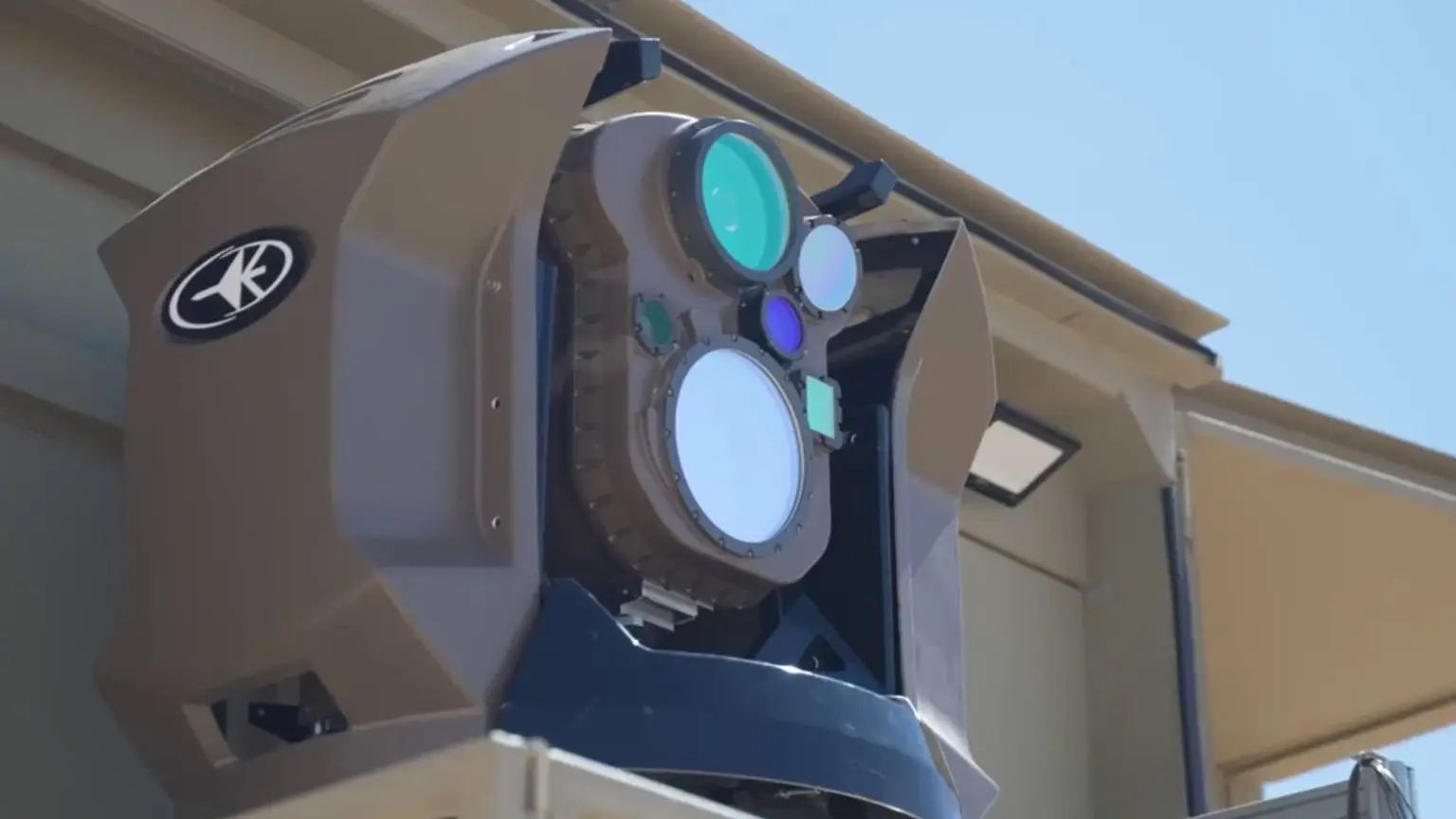
High-Energy Efficiency Through Adaptive Optics
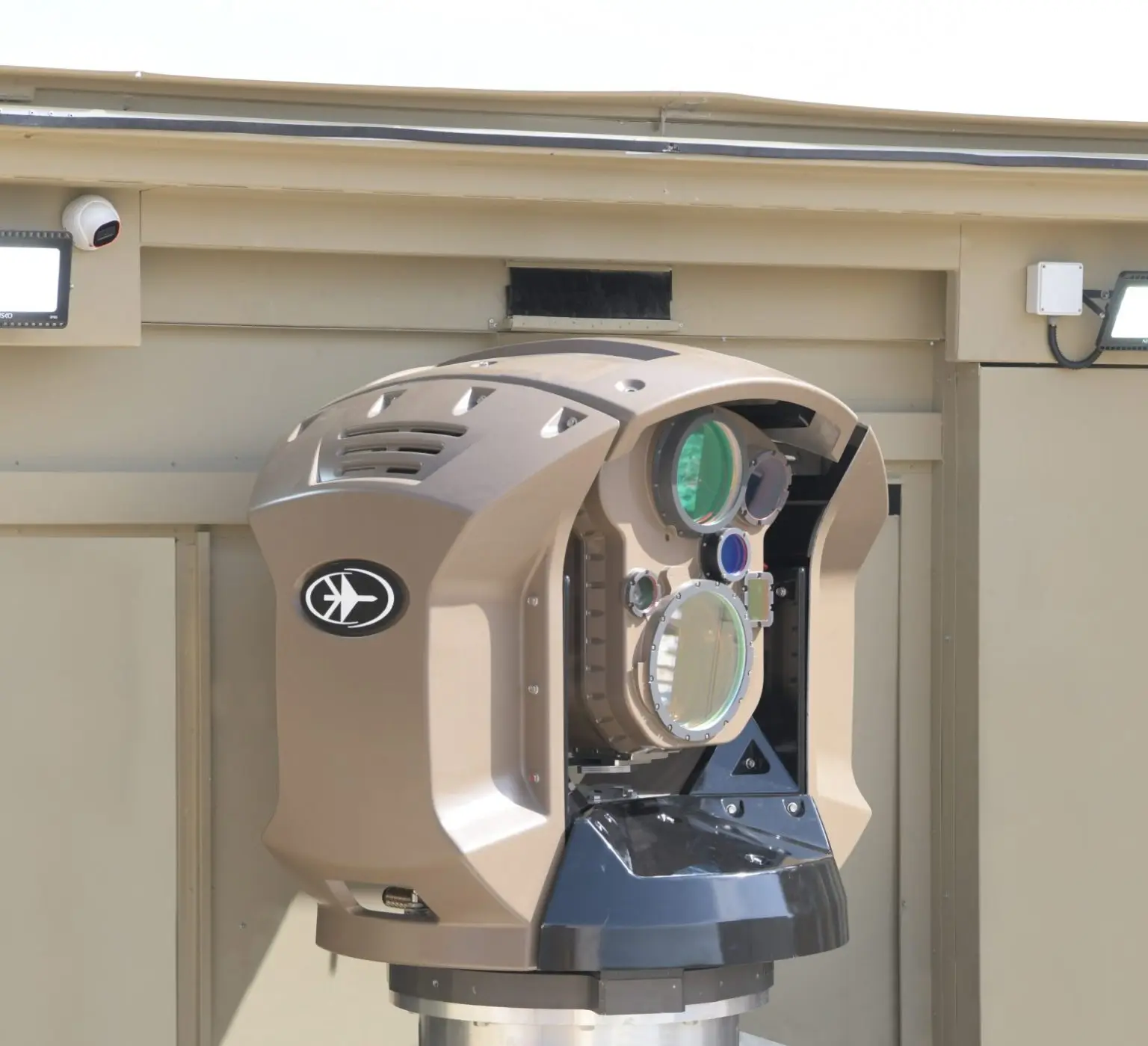
Rafael attributes Iron Beam’s efficiency to its coherent beam combination and built-in adaptive optics. These technologies not only stabilise and concentrate the beam onto a coin-sized spot, rapidly heating and neutralising a target. Because the beam is used with precision and minimal energy loss, power expenditure per intercept remains low, reinforcing the near-zero marginal cost.
Cost Advantage in Swarm Engagements
One of the most economically transformative aspects is Iron Beam’s ability to retarget rapidly and tackle drone swarms. Rafael notes that the system can neutralise multiple threats in quick succession.

Comparative Cost Burden of Kinetic Defence
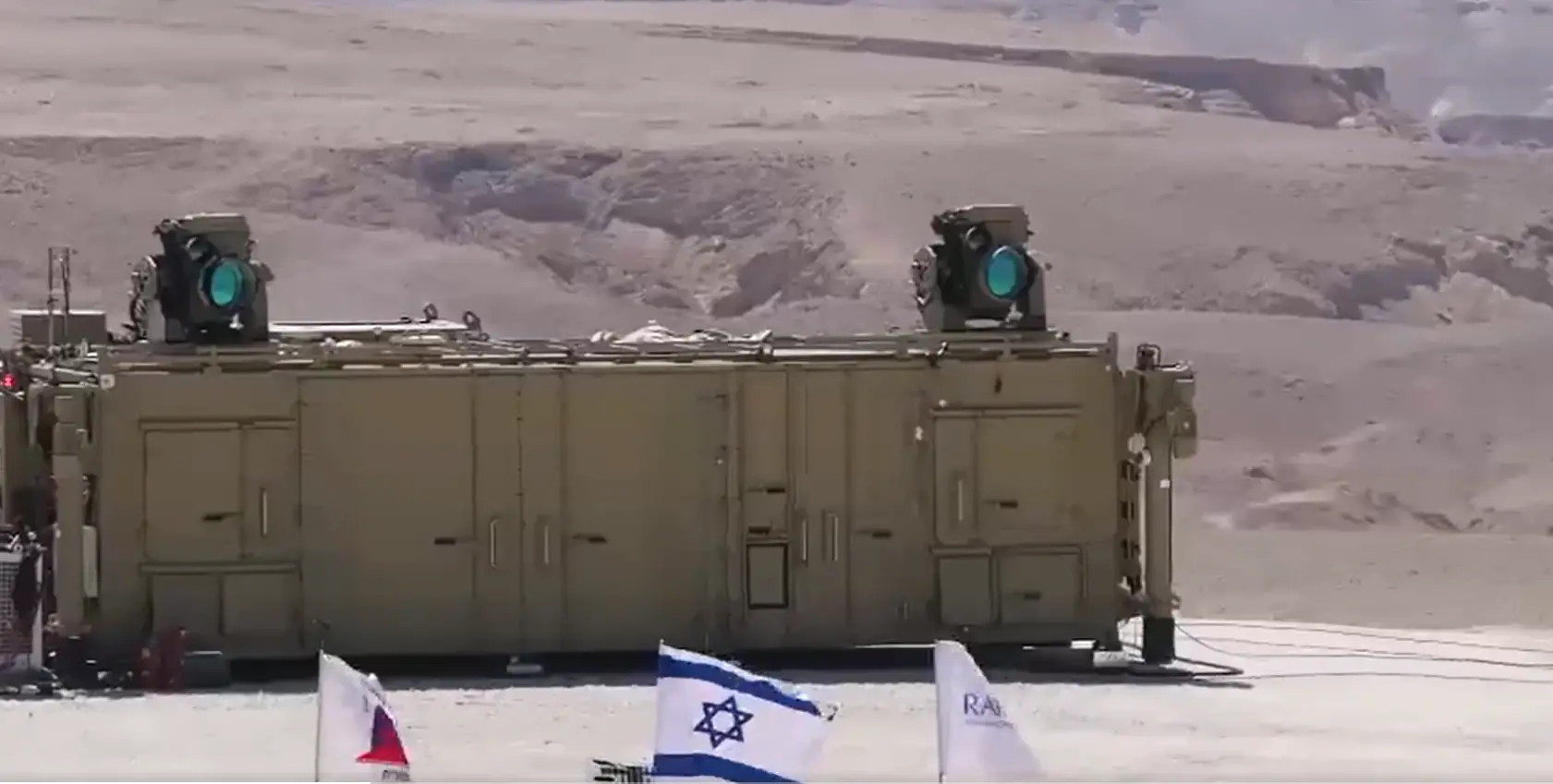
By contrast, the missile-based systems such as Iron Dome rely on TAMIR interceptors. These interceptors carry a considerable unit cost. The Iron Beam is intended to absorb smaller threats so that these expensive missile interceptors can be reserved for high-end targets, creating a tiered economic balance across Israel’s air-defence architecture.
Limitations That Affect Cost Calculations
The primary limitation as analysed through media reports, however, is that lasers perform poorly in heavy cloud, smoke or dust. This means that while the cost per intercept is extremely low in optimal conditions, Israel must maintain traditional systems for all-weather coverage.
)
)
)
)
)