‘100+ km/h penalty’: How much extra fuel do cars use at high speeds?

Driving at 120 km/h consumes up to 20 per cent more fuel than cruising at 100 km/h, primarily due to a massive increase in aerodynamic drag.
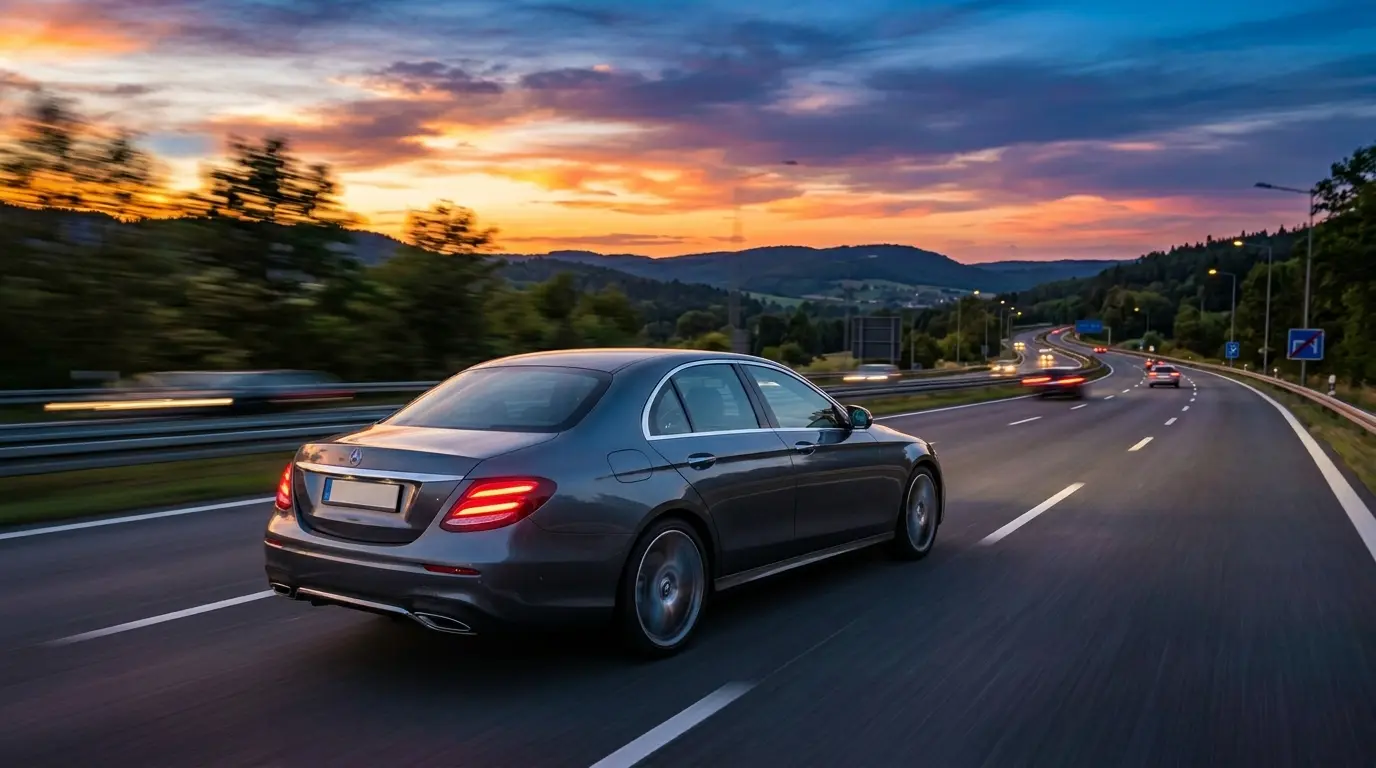
Breaking the 100 km/h barrier
As soon as a vehicle exceeds 80 km/h, fuel efficiency drops significantly. Data from transport researchers indicates that pushing your speed up to 100 km/h uses roughly 10 to 15 per cent more fuel.
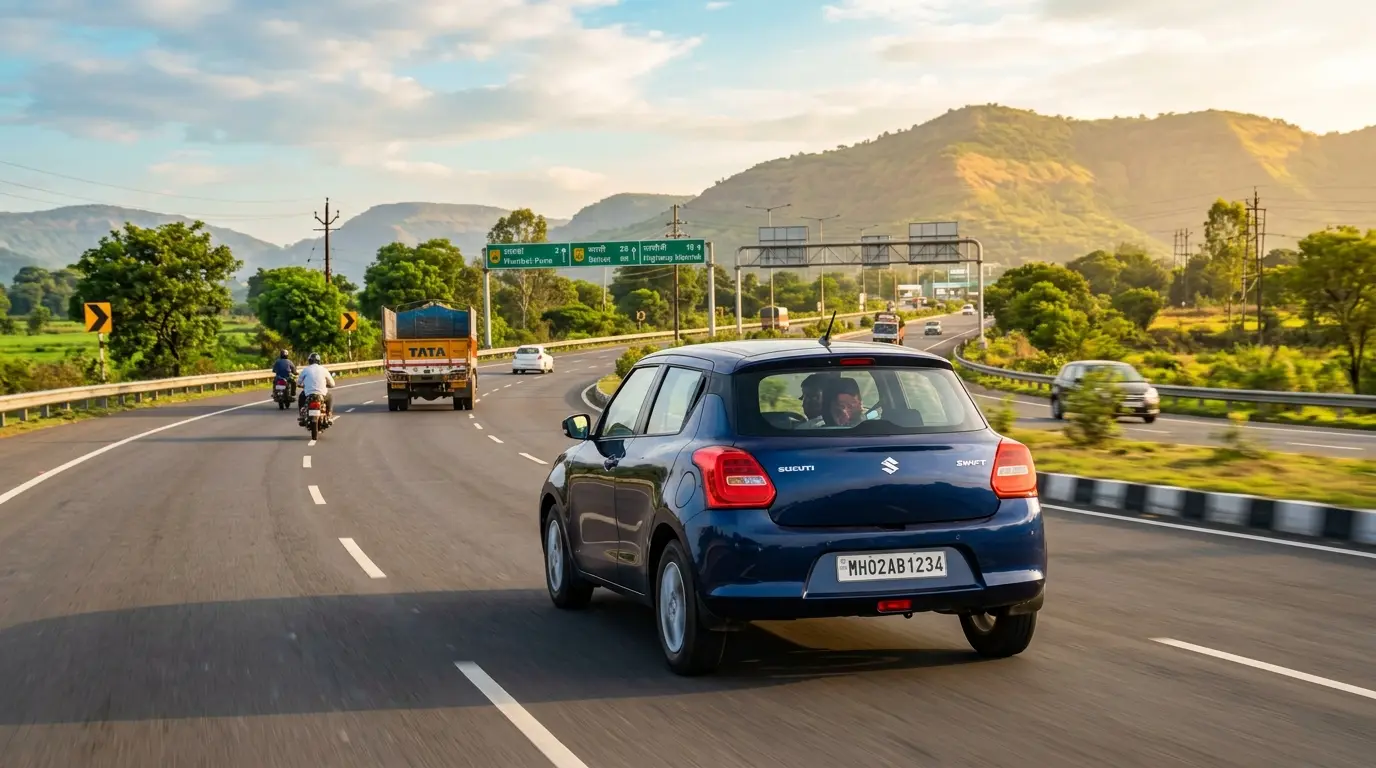
The 120 km/h penalty
The fuel waste becomes even more severe at higher limits. According to the Department of Energy, driving at 120 km/h consumes up to 20 per cent more fuel than travelling at 100 km/h.
Aerodynamic drag takes over
At speeds exceeding 100 km/h, the engine's primary job is simply pushing the car through the air. Automotive engineers confirm that wind resistance grows exponentially with speed, heavily draining your fuel tank.
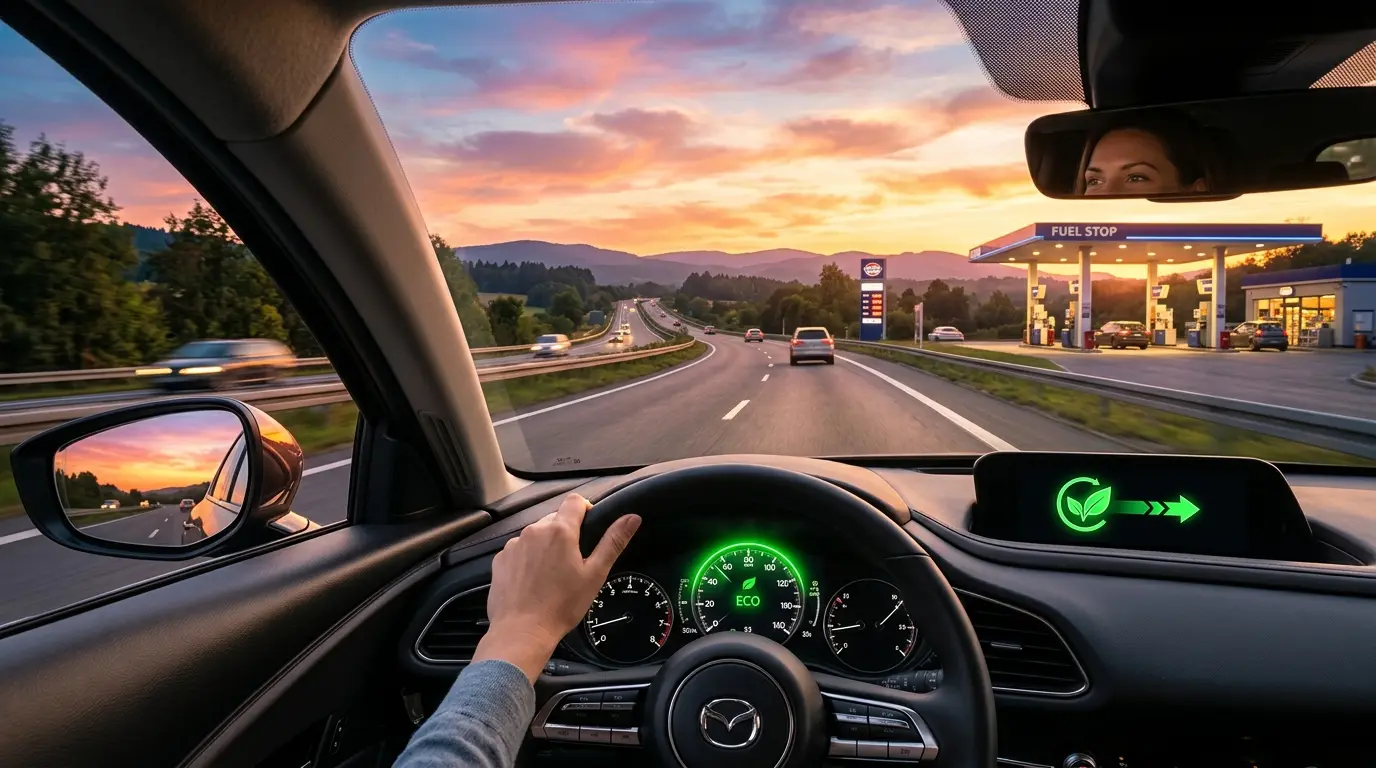
High engine revolutions
Maintaining speeds above 100 km/h forces the engine to operate at much higher revolutions per minute. This constant, heavy mechanical workload burns petrol and diesel at a highly accelerated rate.
The impact of roof luggage
Carrying cargo drastically worsens high-speed fuel economy. Transport studies show that a blunt roof box at 110 km/h can reduce fuel efficiency by an additional 10 to 25 per cent due to extra wind drag.
Aggressive motorway driving
High-speed driving often involves sudden braking and rapid acceleration to pass slower traffic. Traffic analysts warn this aggressive driving style can increase high-speed fuel consumption by another 15 to 30 per cent.
The ideal cruising speed
To maximise fuel savings on the highway, experts recommend staying strictly between 80 and 90 km/h. Staying in this sweet spot minimises wind resistance while keeping the car in its highest, most efficient gear.
)
)
)
)
)