'$100 billion medical giant': What is Stryker Corp, that got hit by Iran-linked cyberattack?

Cybersecurity investigators and insiders are pointing firmly at Handala, a highly sophisticated, pro-Palestinian hacker group with deep ties to Iran.
1. What is Stryker? (The Target)
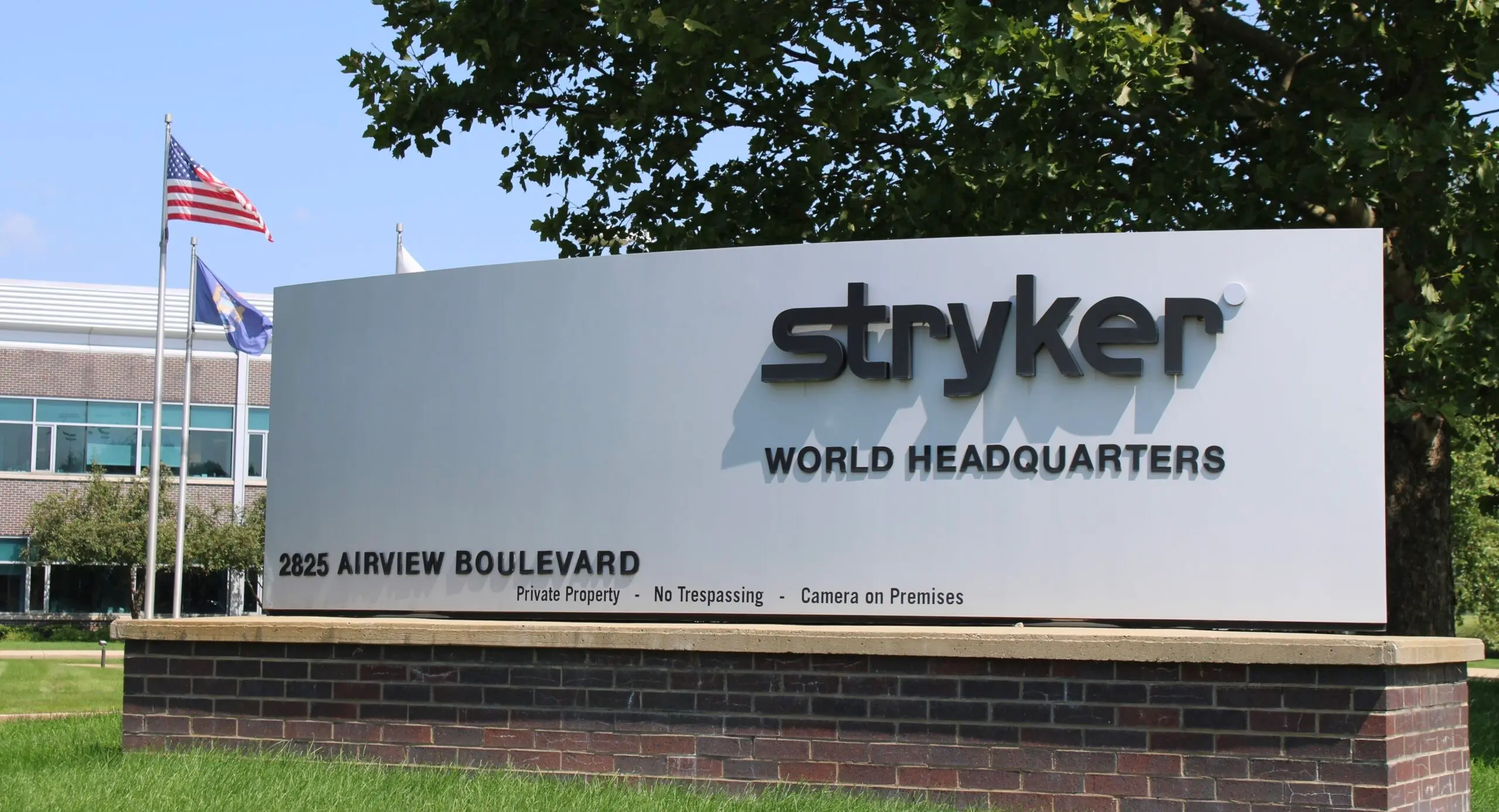
Stryker is not a small company; it is one of the world’s most critical medical technology conglomerates. Headquartered in Michigan, the $100 billion corporate giant employs over 56,000 people across 61 countries. They manufacture everything from joint replacements and surgical equipment to advanced neurotechnology and emergency medical devices. If Stryker's global network goes offline, the ripple effects hit hospital supply chains and operating rooms around the entire world.

2. The 'Handala' Connection
Cybersecurity investigators and insiders are pointing firmly at Handala, a highly sophisticated, pro-Palestinian hacker group with deep ties to Iran. Handala has a documented, aggressive history of launching disruptive cyberattacks against multinational corporations that maintain operations or business ties in Israel. This was not a random ransomware attempt by opportunistic criminals; it was a targeted, coordinated political strike requiring advanced planning to take down a massive global network simultaneously.
3. Global Paralysis in Seconds
On Wednesday morning, Stryker’s entire global operation was brought to a dead stop. The cyberattack was so severe that it took down all IT systems worldwide. Employees across the United States, Europe, and Asia found themselves locked out of their laptops, completely unable to communicate, manufacture, or distribute critical medical technologies.
4. The Irish Ground Zero
While the attack was global, the epicenter of the disruption hit Ireland. Stryker’s facility in Cork is its largest base outside of the United States, employing approximately 4,000 workers. The entire facility was left completely incapacitated. Staff received emergency communications describing a "severe global disruption," leaving thousands of Irish workers effectively stranded and blind on the factory floor.
5. The 'Work Profile' Nightmare
The hackers didn't just target corporate servers; they weaponized the company's internal security against its own employees. The cybercriminals successfully breached the system and wiped the devices of the organization. Terrifyingly, this extended to the personal mobile phones of employees who had integrated Stryker's "work profile" into their personal devices, wiping their data and showcasing the extreme reach of the Handala hackers.
6. The 'SmartHospital' Irony
The timing of this attack is a massive, humiliating blow to Stryker's corporate image. Just days before the hack, the company made global headlines at the 2026 HIMSS Global Conference by launching its new "SmartHospital Platform." A corporation that is currently aggressively marketing itself as the premier leader in connected, AI-driven hospital infrastructure is now ironically forced to partner with Microsoft just to restore its own basic digital functions.
7. The Asymmetrical War Has Begun
This is the new reality of the US-Israel-Iran conflict. Iran knows it cannot defeat the US military in a conventional bombing campaign, so they are utilizing their cyber-proxies to target the soft underbelly of the West: the corporate supply chain. By paralyzing a massive American medical technology company, Tehran's digital proxies are sending a chilling message to Washington and allied nations, we can shut down your critical infrastructure without firing a single physical bullet.
)
)
)
)
)