'10 mins to fly, 3 mins to die': Why Bangladesh’s Eurofighters would be sitting ducks for India's BrahMos missile?

Modern warfare is a race against time and in the cramped geography of South Asia, India’s BrahMos missile wins that race before the Eurofighter’s engines even warm up.
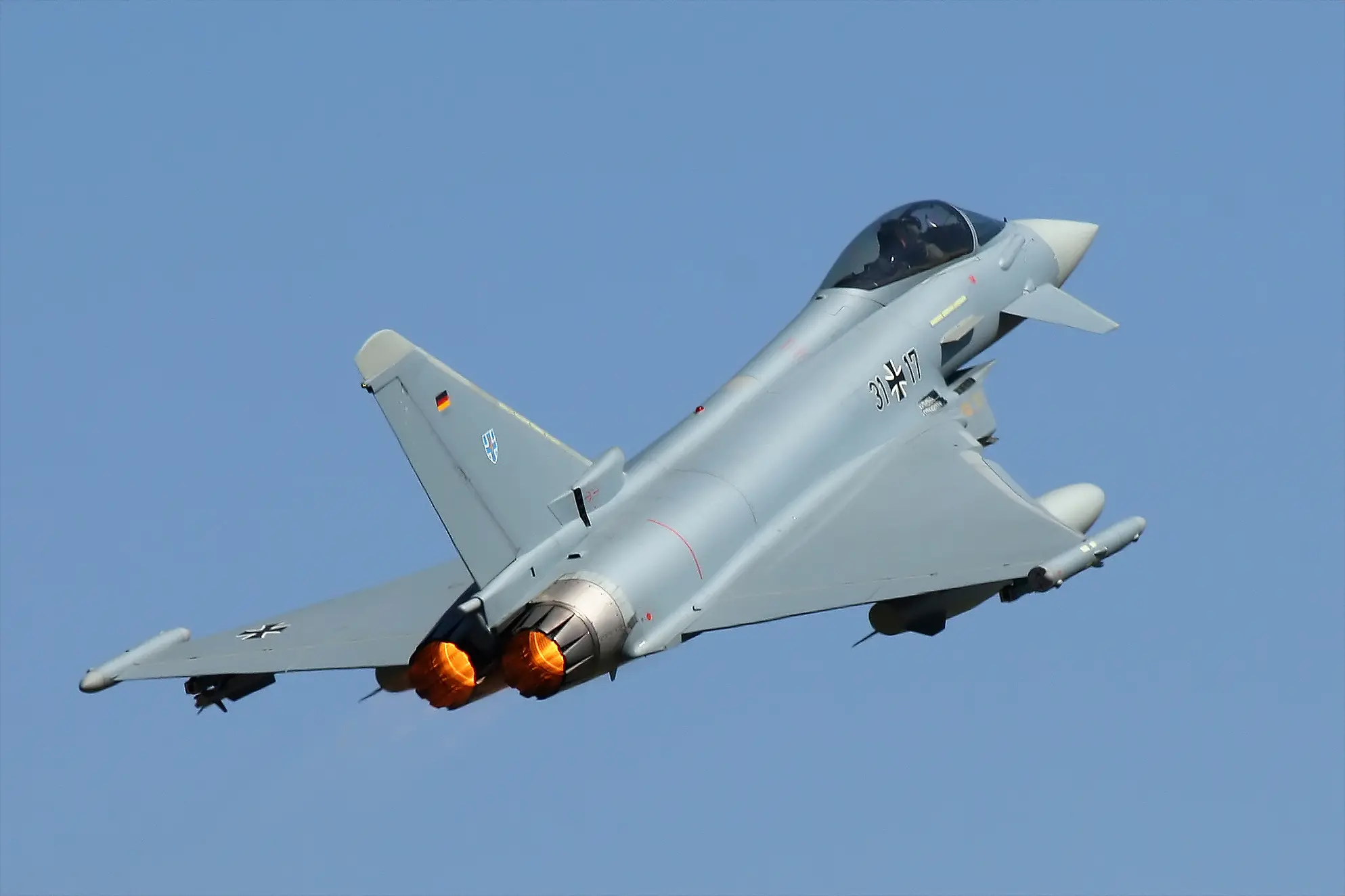
1. The "Cold Start" Reality
Movies show fighter jets taking off in seconds. Reality is slower. For a fighter jet like the Eurofighter Typhoon sitting in a "Cold Start" state (engines off, systems down), the scramble process takes roughly 10 to 15 minutes. The pilot must strap in, start the APU (Auxiliary Power Unit), spool up the twin engines, and crucially, wait for the Inertial Navigation System (INS) to align. This alignment alone takes minutes. If the jet tries to move before the computer is ready, it flies blind.
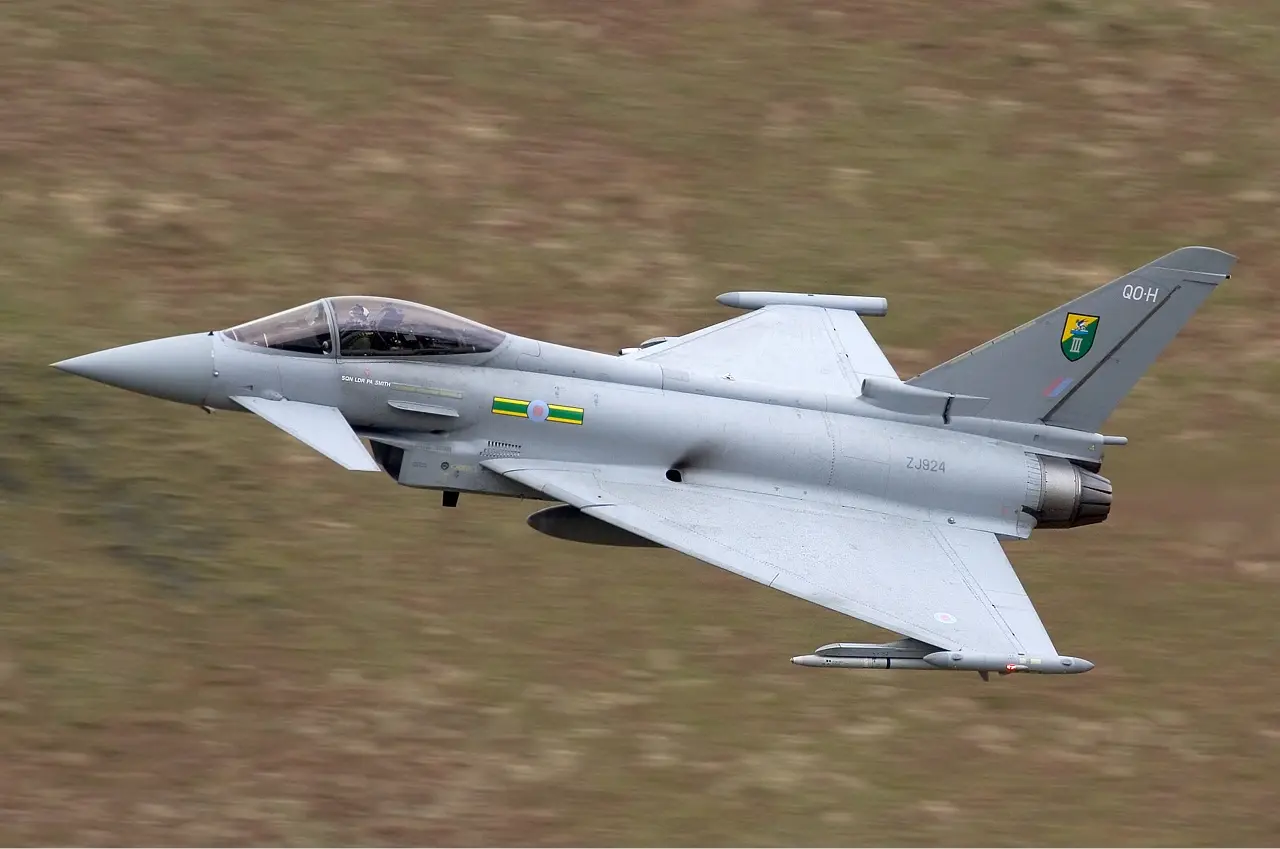
2. The Mach 3 Math
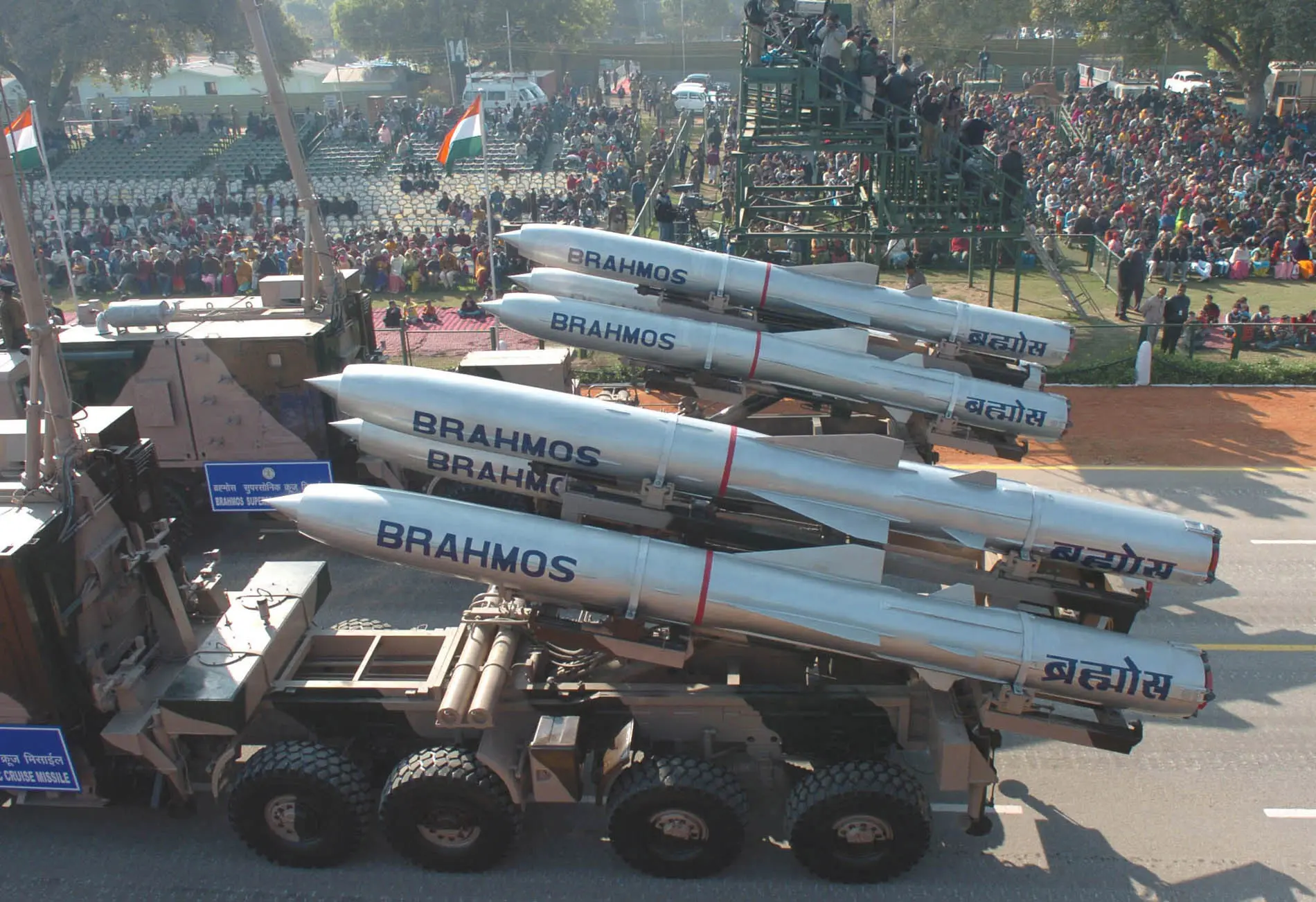
While the Bangladeshi pilot is running through his pre-flight checklist, the Indian BrahMos missile is already airborne. The BrahMos cruises at Mach 2.8 to Mach 3, which translates to roughly 1 kilometer per second. This speed is the game-changer. It is three times faster than the American Tomahawk cruise missile. There is no "loitering" or "slow approach." It is a kinetic bullet that closes the distance faster than human reaction time allows.
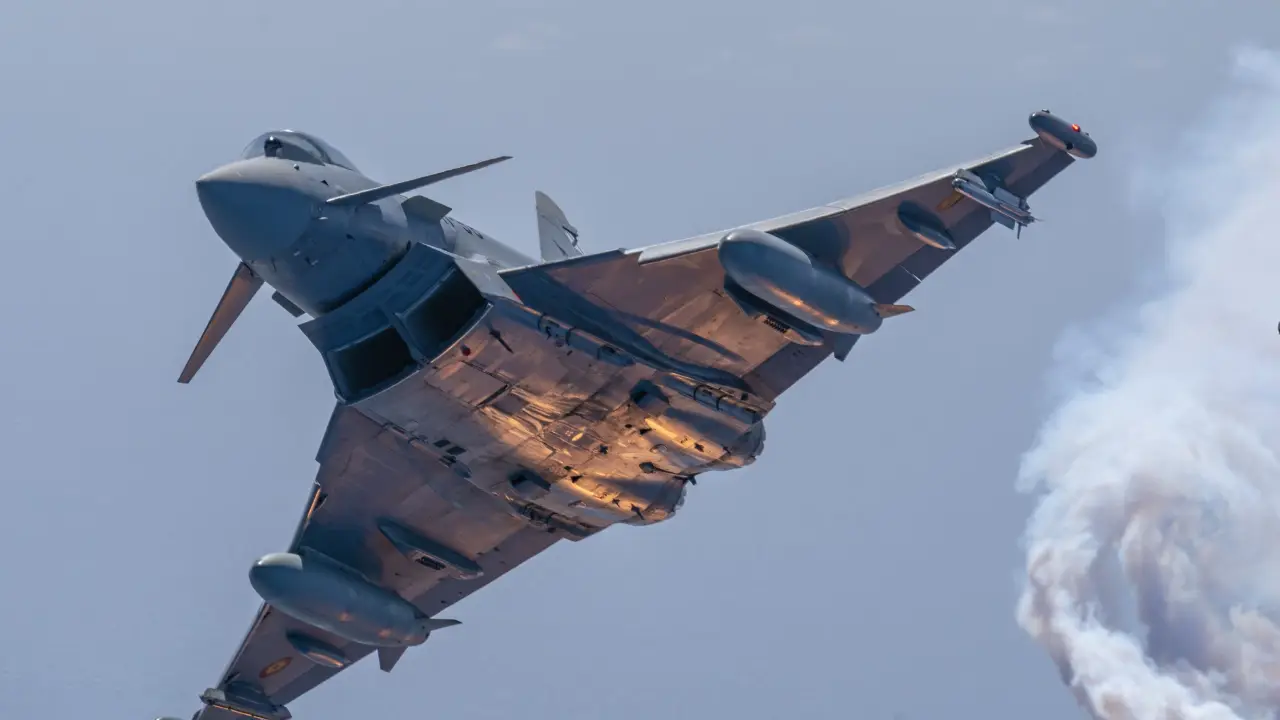
3. The Geography Trap
Bangladesh is geographically surrounded by India on three sides. The distance from the Indian border to Bangladesh’s primary airbase, Kurmitola (Dhaka), is extremely short, less than 100 km from potential launch sites in Agartala (Tripura) or West Bengal. Even if fired from a safe standoff distance of 200 km, the flight time for a BrahMos is roughly 200 seconds (approx. 3.5 minutes). The math is brutal: The missile arrives in 3 minutes; the jet needs 10 minutes to leave.
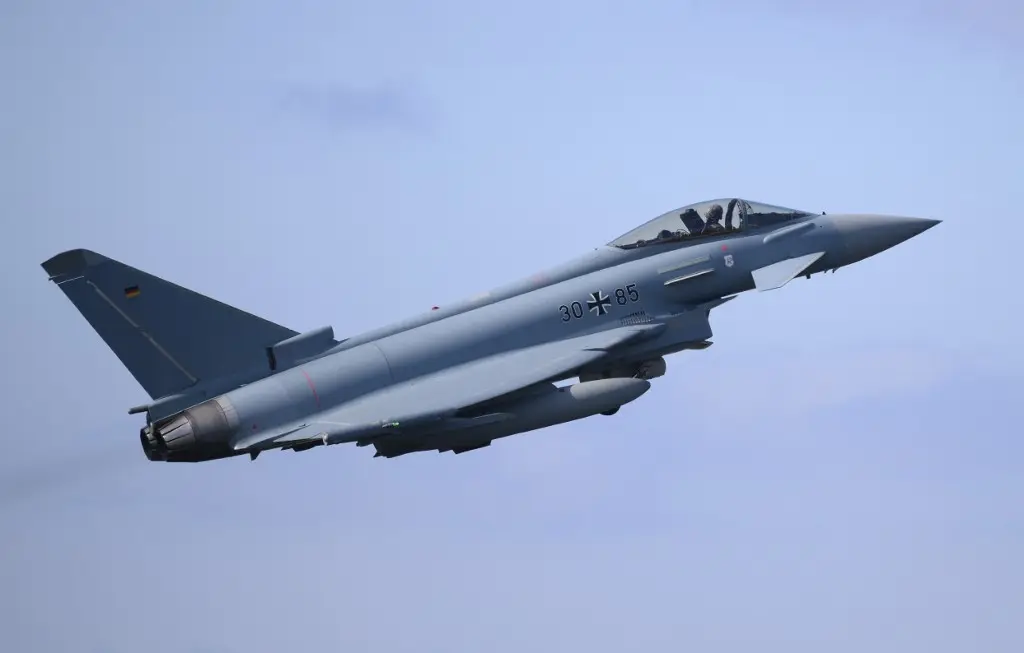
4. The "Taxiing" Kill Zone
The most vulnerable moment for a fighter jet is not in the air, but on the "taxiway"—the road connecting the hangar to the runway. At Minute 3 of the conflict, the Bangladeshi Typhoons would likely be rolling out of their hardened shelters, fully fuelled and loaded with explosives. A BrahMos strike at this exact moment creates a chain reaction. The blast doesn't just destroy one jet; the exploding fuel and munitions can wipe out the entire squadron on the ground.
5. The "Runway Denial" Doctrine
Indian military doctrine often prioritises "Runway Denial." You don't need to hit the moving jet; you just need to crater the concrete strip it needs to take off. The BrahMos is designed with a "steep dive" capability to penetrate reinforced concrete. If a single missile punches a hole in the main runway at Kurmitola, the Eurofighter, which requires a pristine surface to take off becomes a $120 million paperweight. It is grounded instantly, without a single dogfight occurring.
6. The Radar Horizon Blind Spot
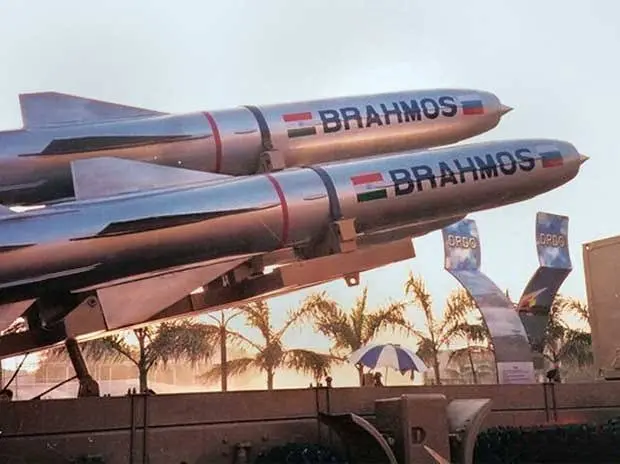
Why can't they shoot the missile down? Because they won't see it until it's too late. The BrahMos flies at a "sea-skimming" or "treetop" altitude (as low as 10 meters). Ground-based radars are limited by the curvature of the earth (the Radar Horizon). They cannot detect low-flying objects until they are about 30–40 km away. At Mach 3, the BrahMos crosses that 30 km distance in 30 seconds. That is not enough time for air defense systems to track, lock, and fire.
7. The Asymmetric Trade
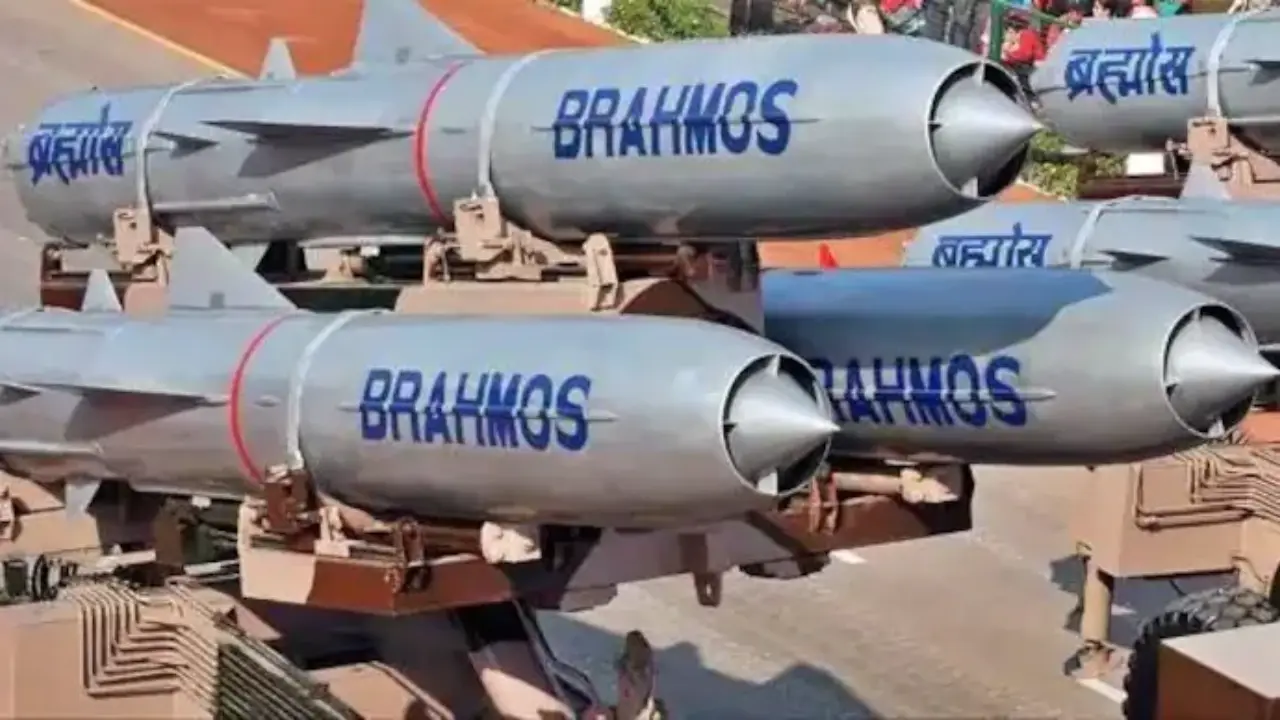
War is also about economics. A Eurofighter Typhoon costs upwards of $100–120 million. A BrahMos missile costs roughly $3.5 million. India can afford to fire ten missiles at a single airfield. If even one gets through, the financial and strategic loss for Bangladesh is catastrophic. It is an "asymmetric trade" where the attacker (India) risks very little money to destroy an asset (the Typhoon) that bankrupts the defender's budget.
)
)
)
)
)