'10-day deadline': Could Iran sink USS Abraham Lincoln before Trump orders strike?

With President Donald Trump’s strict "10-to-15 day" deadline expiring in the first week of March 2026, the strategic window in the Middle East is rapidly closing.
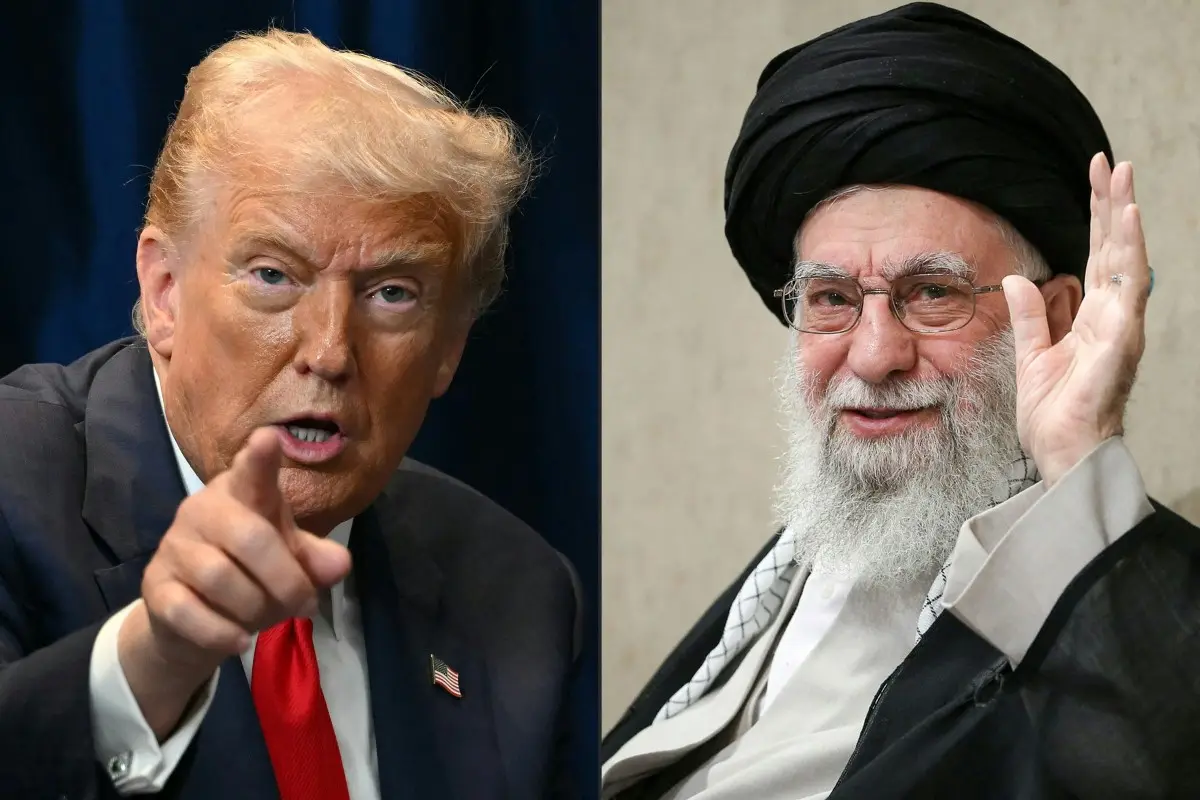
10 Day Deadline
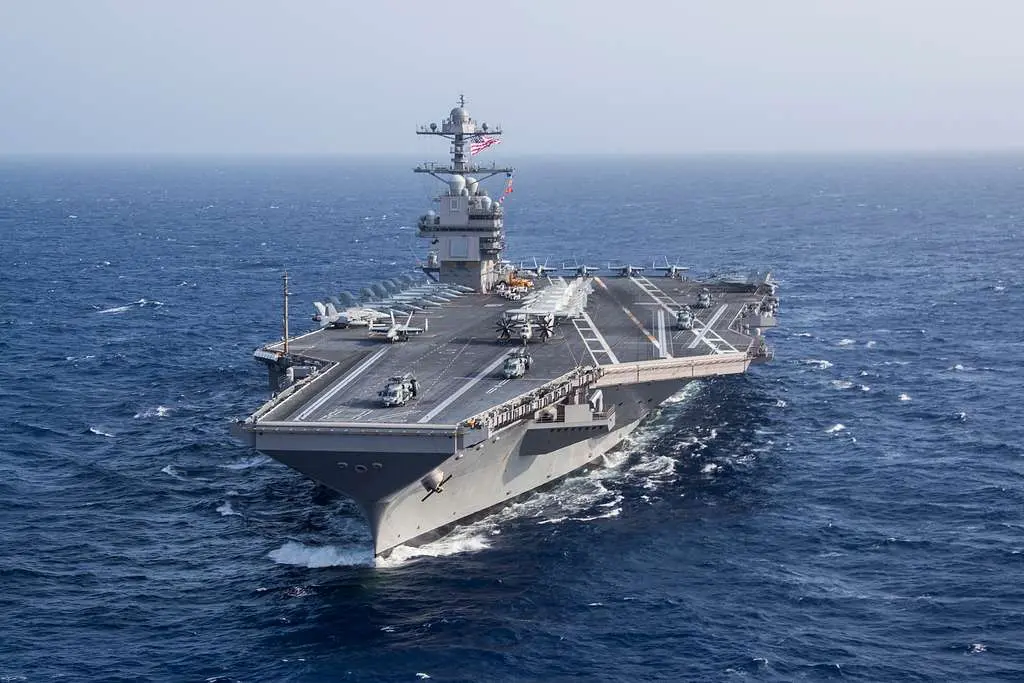
With President Donald Trump’s strict "10-to-15 day" deadline expiring in the first week of March 2026, the strategic window in the Middle East is rapidly closing. Knowing that a devastating U.S. air campaign may be imminent, hardline factions within the Islamic Revolutionary Guard Corps (IRGC) might view a preemptive strike as their only remaining leverage. The ultimate target? The USS Abraham Lincoln, the Nimitz-class supercarrier currently projecting power from the Arabian Sea. But possessing the desire to strike a US supercarrier and actually having the capability to pull it off are two vastly different things. Here is a breakdown of the realities of a potential preemptive Iranian strike before the deadline expires:
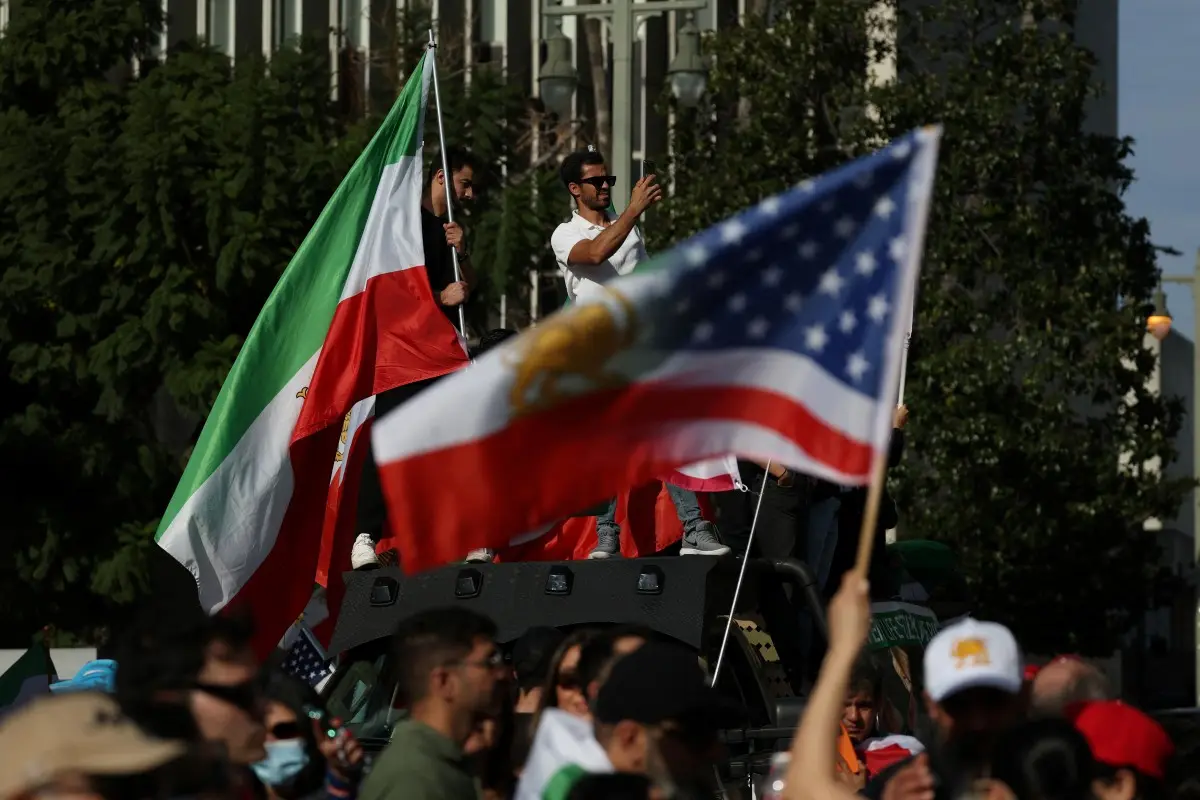
1. The Preemptive Temptation
Iran’s military operates on a doctrine of "active deterrence." If Tehran's intelligence concludes that a U.S. strike is unavoidable once the March deadline passes, they may choose not to wait defensively. A preemptive strike against the USS Abraham Lincoln would be designed to shock Washington, disrupt the staging of the US air campaign, and force an immediate international ceasefire through sheer geopolitical terror.
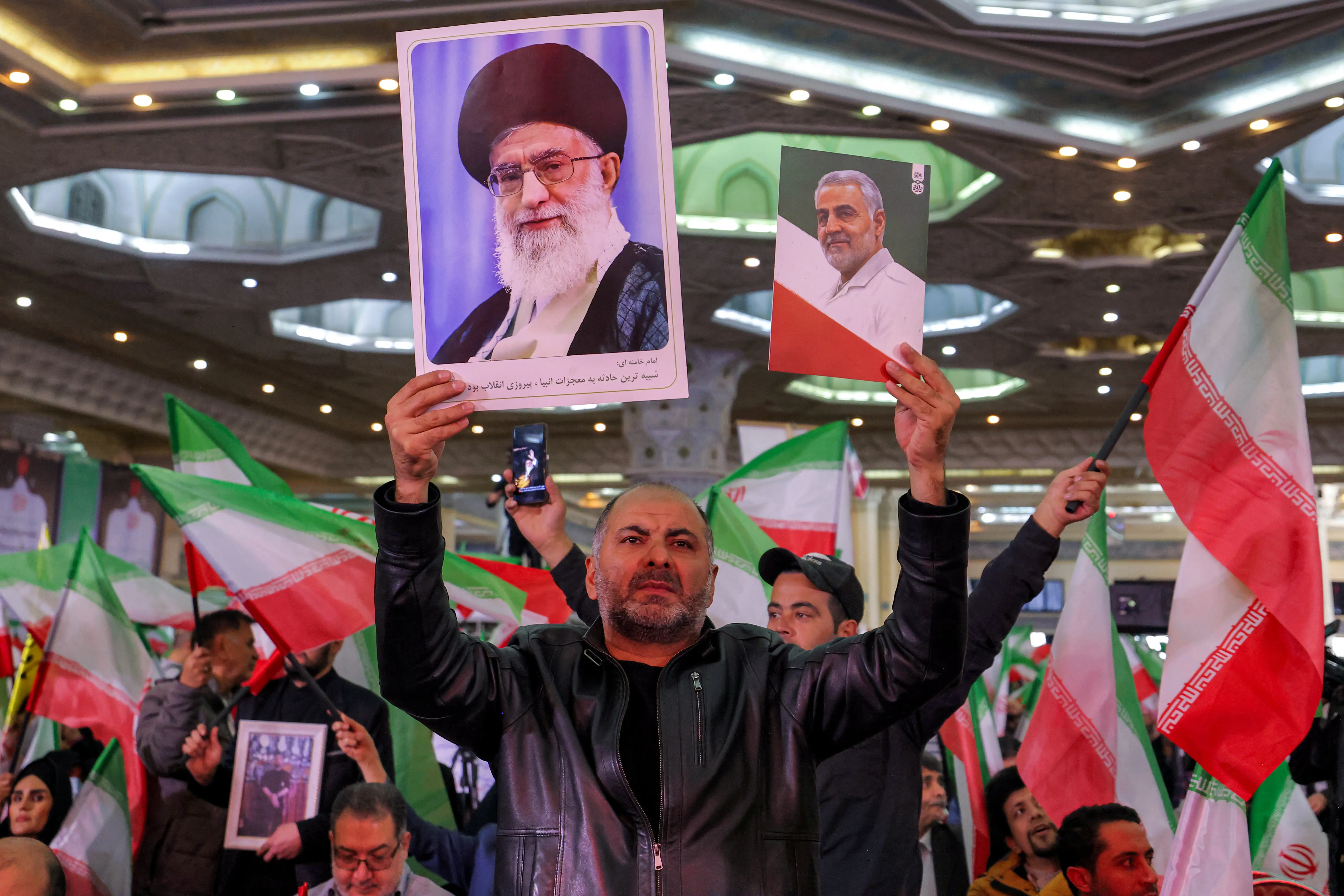
2. The "Swarm and Saturate" Doctrine
Iran knows it cannot defeat the US Navy in a traditional symmetrical battle. Instead, any attack would rely on overwhelming volume. Planners assess that Iran would execute a “saturation attack” launching hundreds of cheap Shahed-136 loitering munitions simultaneously to clutter radar screens and exhaust US interceptor missiles. Only after the defensive shield is strained would Iran launch its high-value, lethal warheads.
3. The New Arsenal: Hypersonics and AI Missiles
Tehran has spent decades building the Middle East's largest and most diverse missile arsenal specifically for this scenario. They would likely deploy the Fattah-2 hypersonic missile, designed to travel at extreme speeds and maneuver unpredictably to evade traditional defenses. Additionally, Iran has recently touted the Abu Mahdi, a turbojet-powered cruise missile with a reported 1,000-kilometer range and AI-assisted navigation designed to sea-skim below U.S. radar horizons.
4. The "Kill Chain" Dilemma
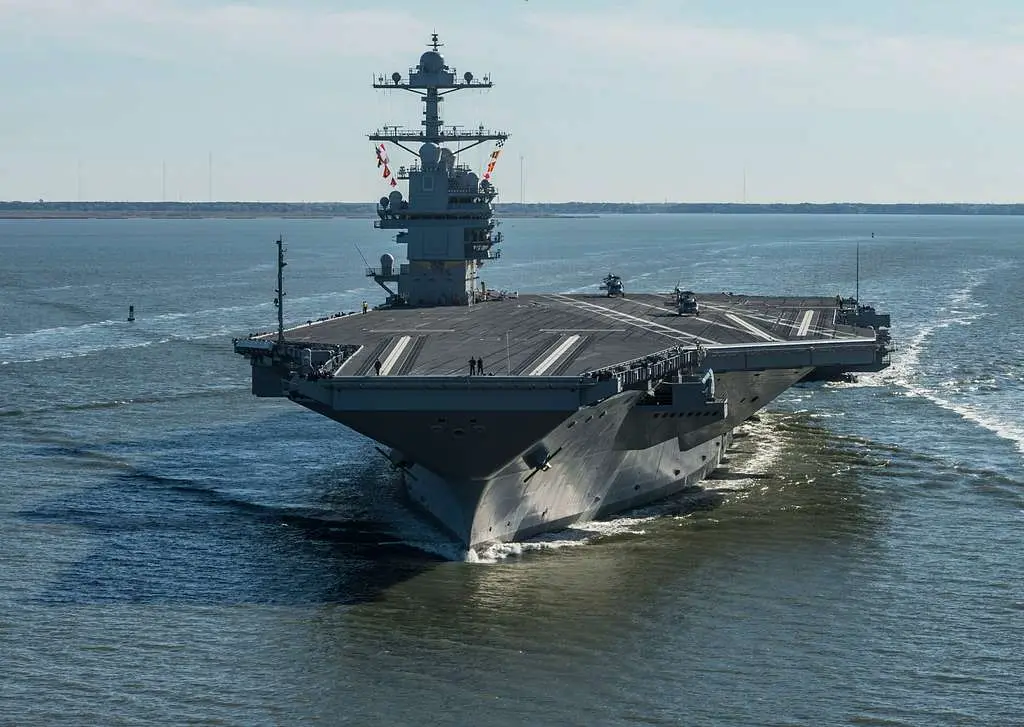
Having advanced missiles is useless without a functional "kill chain." A Nimitz-class aircraft carrier displaces 100,000 tons but moves incredibly fast, exceeding 30 knots (35 mph) in the open ocean, constantly changing its heading. To successfully hit it from hundreds of miles away, Iran needs real-time, persistent satellite surveillance and secure data links to update the missile's targeting mid-flight. Currently, Iran's space and surveillance architecture lacks the sophisticated, real-time tracking required to reliably hunt a fast-moving carrier.
5. The Carrier's "Ring of Steel"
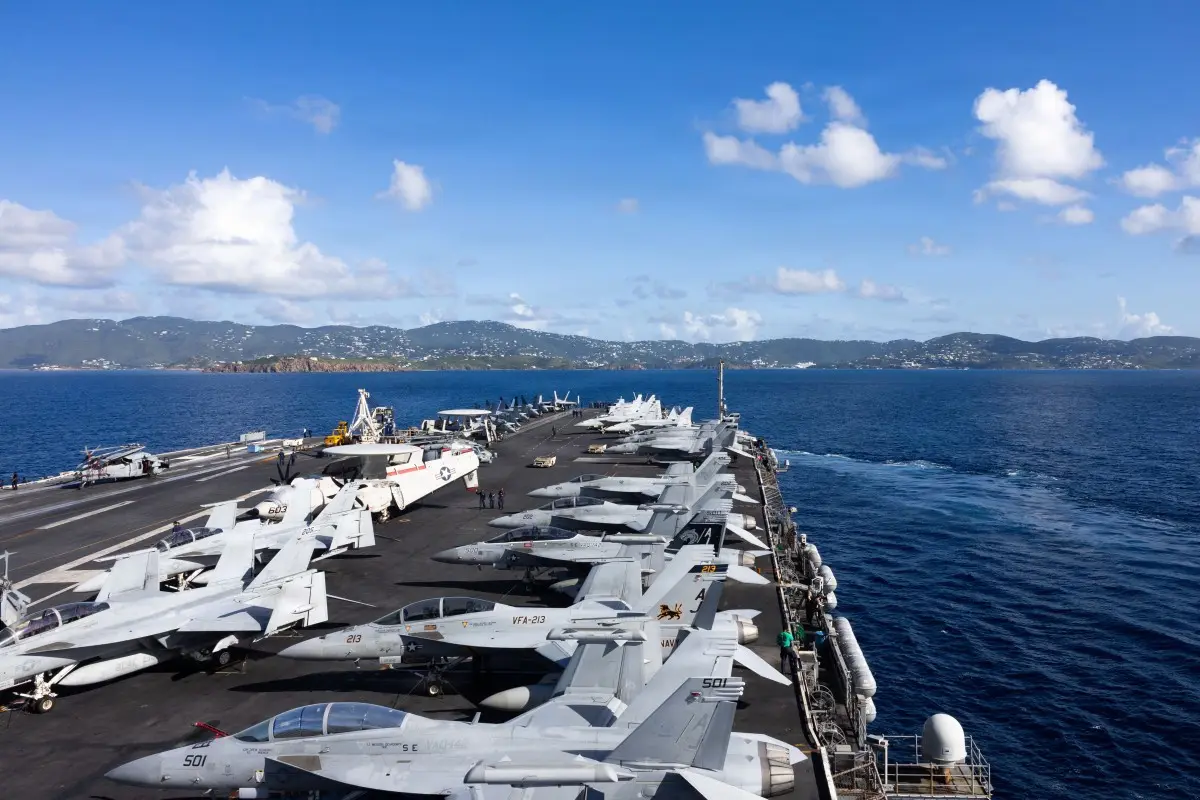
The Abraham Lincoln is not a sitting duck; it is guarded by a multi-layered Aegis combat network. Its escorting Arleigh Burke-class destroyers are armed withRIM-174 Standard Missile 6 (SM-6) interceptors, capable of destroying incoming ballistic and cruise threats hundreds of miles away. Furthermore, the carrier's own Combat Air Patrols are highly active. Just days ago, an F-35C stealth fighter launched from the Lincoln shot down an Iranian drone that aggressively approached the strike group, proving the shield is already active.
6. "Mission Kill" vs. Sinking
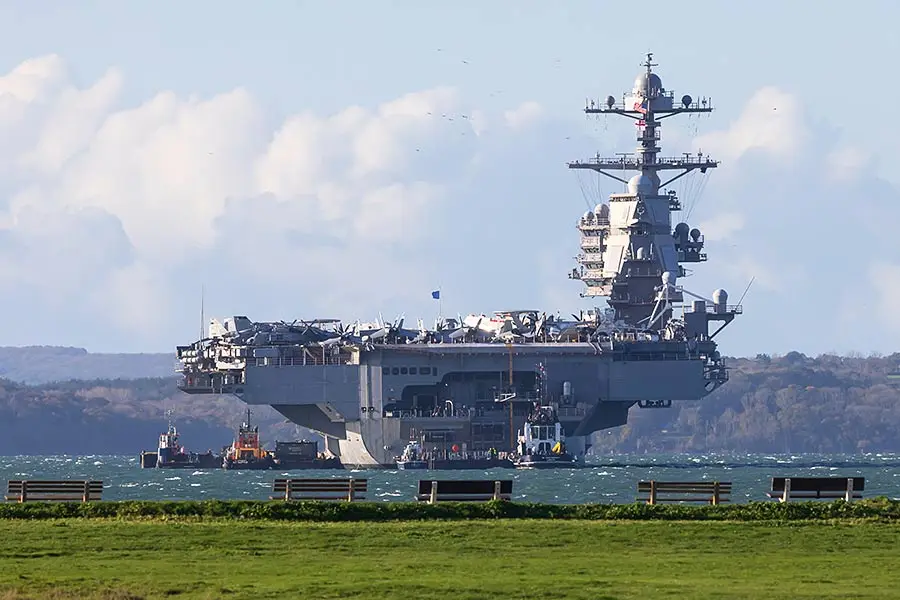
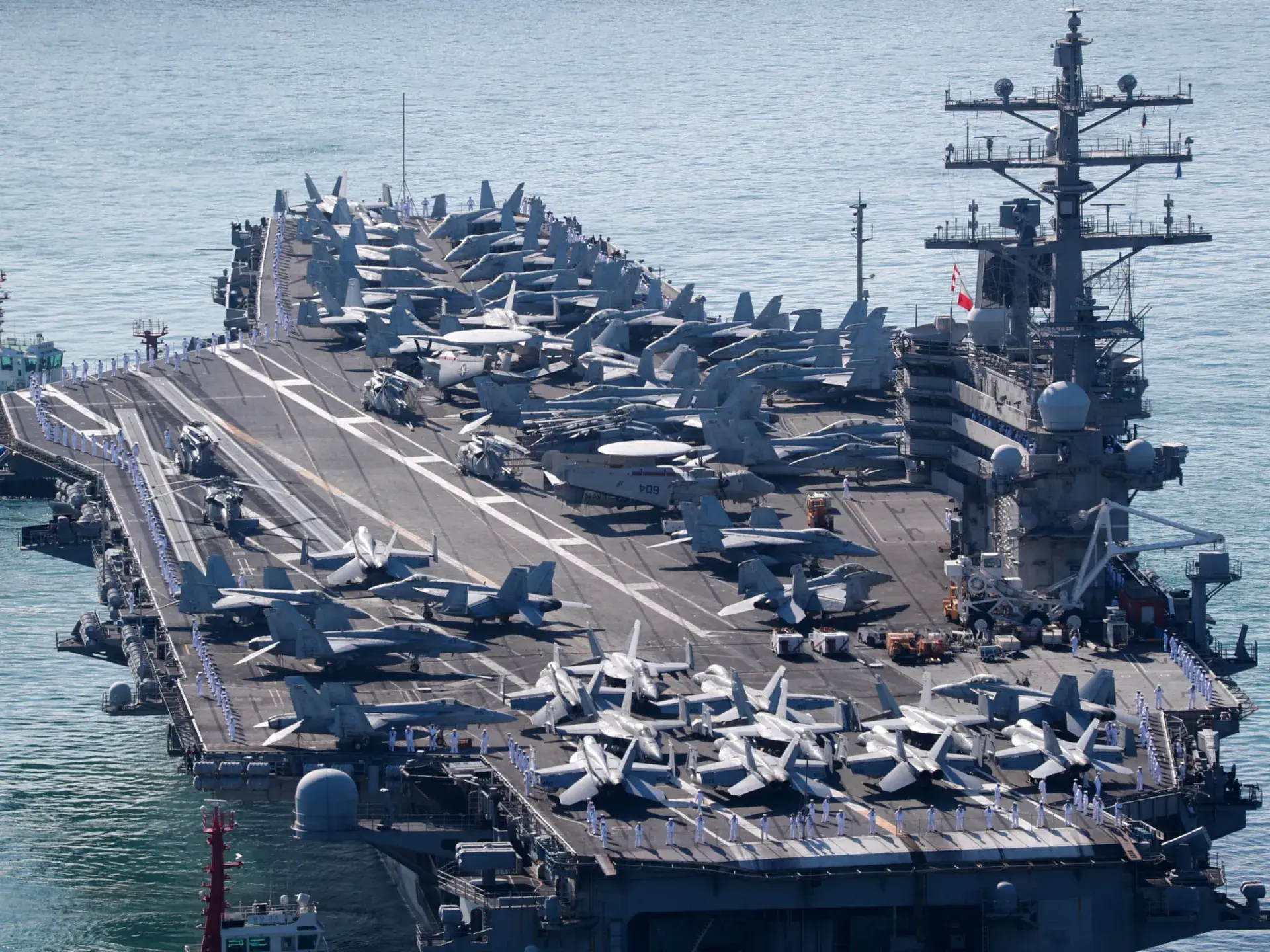
Sending a US supercarrier to the bottom of the ocean is largely a myth; they are built with massive redundancy, armour, and compartmentalisation to survive catastrophic hits. However, Iran doesn't need to sink the Lincoln to win the engagement. A successful missile strike that heavily damages the flight deck or the electromagnetic catapults would achieve a “mission kill” rendering the carrier completely unable to launch its F-18s and F-35s, effectively neutering the immediate U.S. threat.
7. The Ultimate Suicidal Gamble
Ultimately, while Iran has the geographic proximity and the weaponry to make an attack theoretically possible, launching a preemptive strike before Trump's deadline would be a massive strategic miscalculation. Even a failed swarm attack would provide Washington with an undeniable casus belli, instantly green-lighting a maximum-intensity, regime-threatening US response that Tehran's leadership is desperately trying to survive.
)
)
)
)
)