'$1 billion to OpenAI': Is Disney signing a 'death warrant' for its artists as characters move to Sora's generator?

Here is a breakdown of the Disney-OpenAI agreement and its possible implications for the creative workforce.
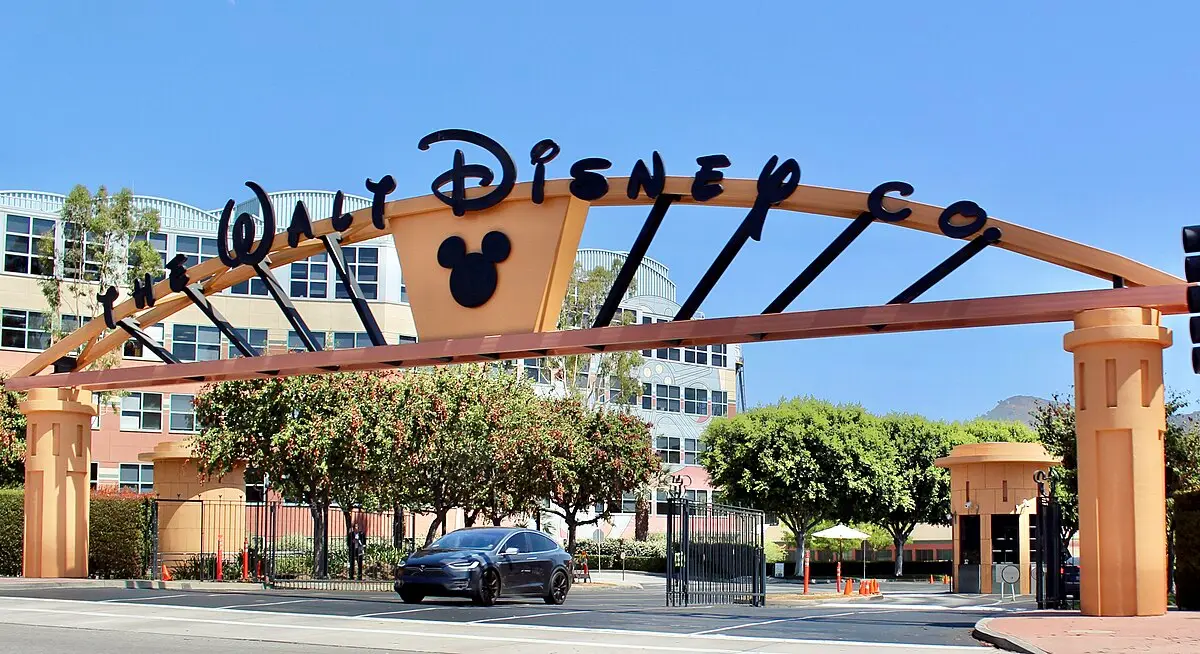
1. Equity Investment Replaces Wage Budget
Disney acquired a financial stake in OpenAI, signaling a structural shift where corporate capital is directed toward software ownership rather than production wages. This reallocates budget away from the human labor market and into technology assets, where Disney’s financial growth is now tied to the efficiency of automation tools rather than the output of creative teams.
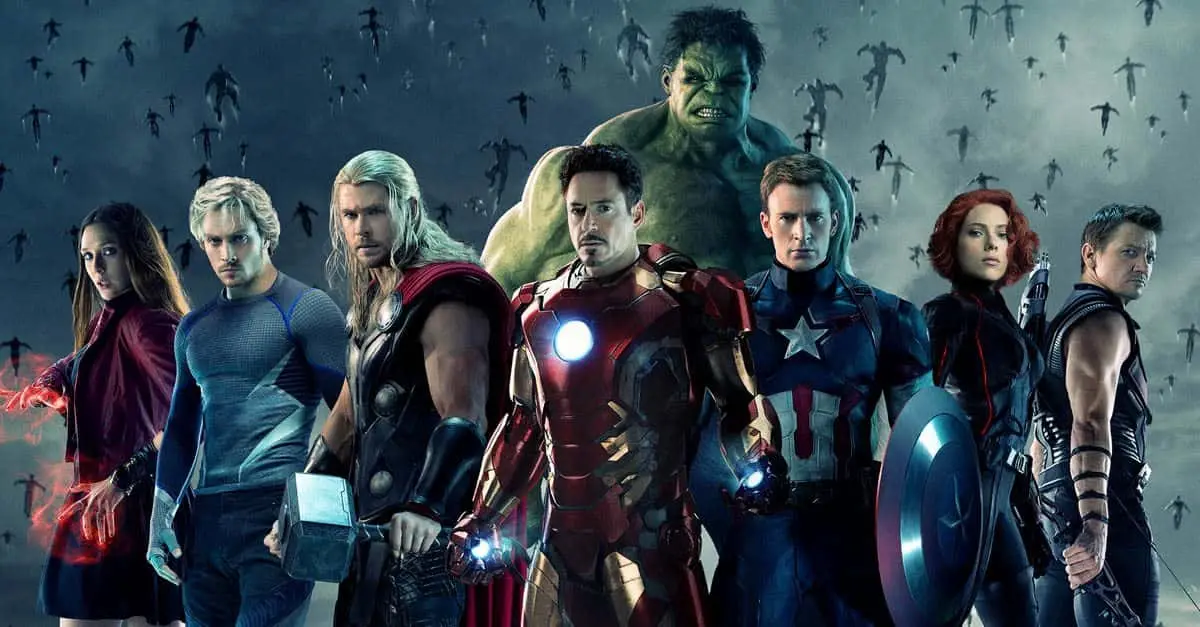
2. Public Access Devalues Studio Exclusivity
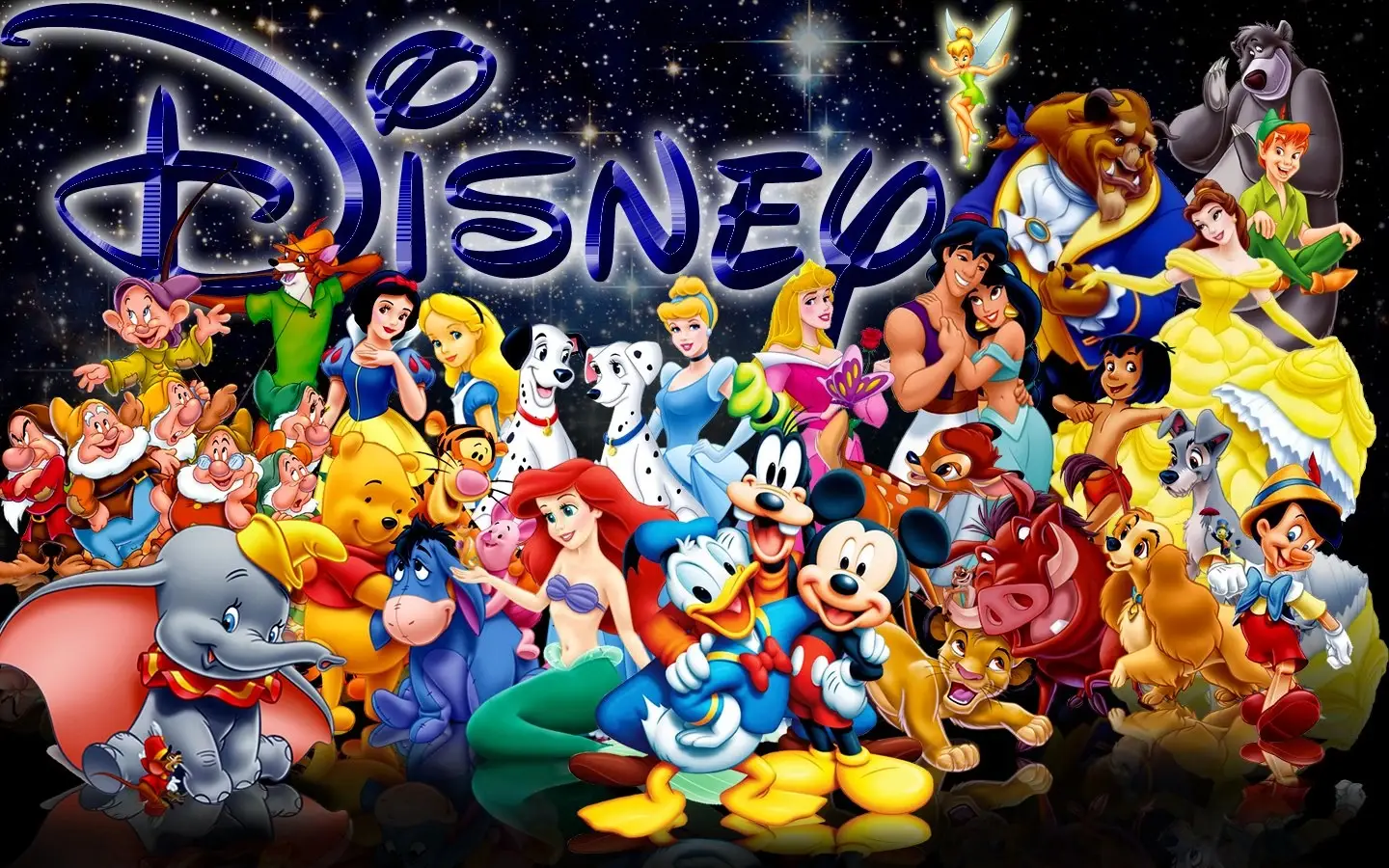
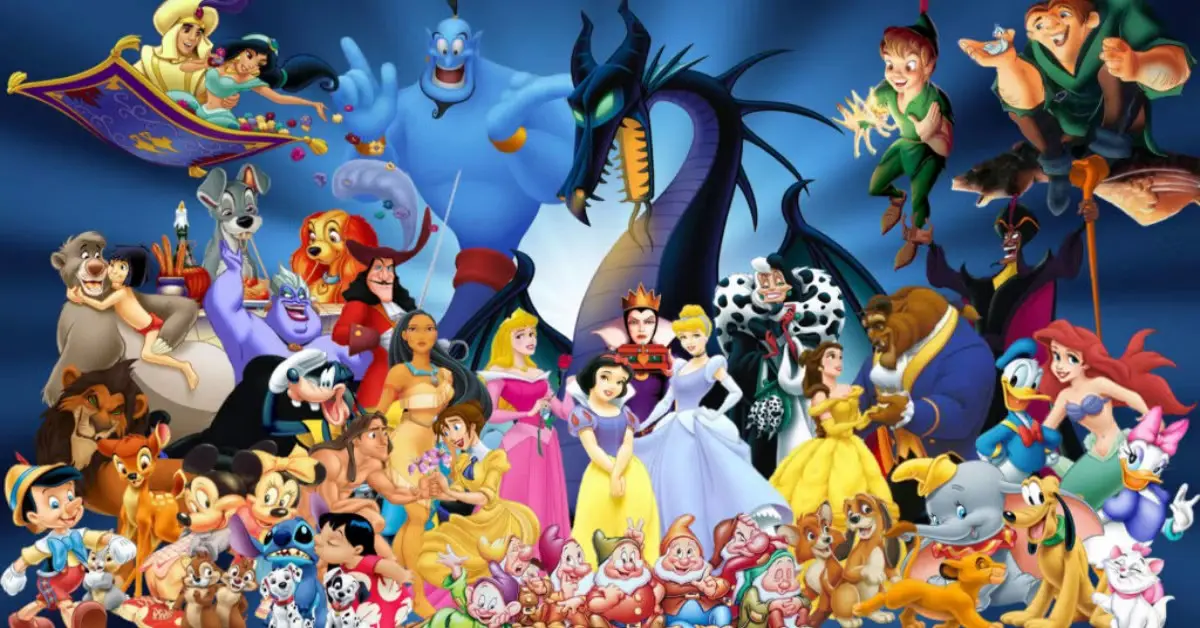
The "Disney x Sora" initiative grants OpenAI access to proprietary characters from Marvel, Star Wars, and Pixar for use in video synthesis. This integration removes the exclusivity barrier that previously required the employment of authorised studio animators to produce footage with these assets, effectively commoditising access to the company's most valuable intellectual property.
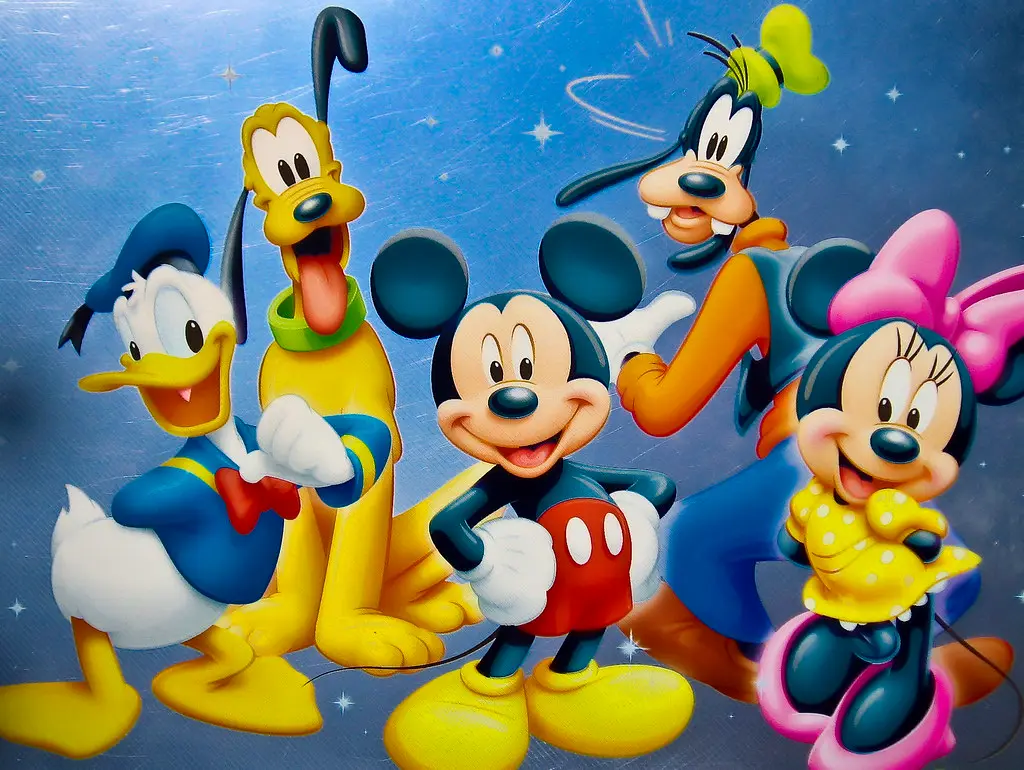
3. Unpaid "Fan" Labor Competes for Distribution
Disney+ will stream selected content generated by users via Sora, creating a distribution channel where unpaid material occupies platform space alongside professional work. This introduces a zero-cost competitor to the production ecosystem, forcing professional creators to compete for viewership against a volunteer workforce that generates content for free.
4. Automation of the "Translation Layer"
The agreement implements OpenAI APIs to build internal tools that allow directors and executives to generate pre-visualization sequences directly. This function eliminates the need for the intermediate layer of concept artists and storyboarders, as decision-makers can now synthesize visual ideas without employing a specialized art department to draw them.
5. Legal Protection for Actors, Exposure for Artists
The contract terms explicitly prohibit the replication of actor voices and likenesses but omit protections for animation styles, lighting, or rendering techniques. This legal distinction classifies visual artistic labor as unprotected data available for training, while maintaining human biological identity (faces and voices) as protected property.
6. Erasure of the Junior Training Ground
The partnership prioritizes the automated creation of short-form "social videos," a category that typically serves as the entry point for early-career editors. By automating the assembly of these clips, the deal removes the primary mechanism for junior talent to gain experience and enter the professional pipeline.
7. Displacement of Marketing Design Teams
The deal incorporates "ChatGPT Images" to synthesize promotional assets and static imagery. This capability allows marketing departments to generate posters and banners via software commands, displacing the graphic design teams previously required to manually produce these standard collateral assets.
)
)
)
)
)