'1,700°C’: What is thermal management techniques and why is it used in Su-57 fighter jet engines?

Fighter jet engines operate at 1,700°C, requiring advanced cooling. Air-side cooling uses bypass air. Film cooling creates protective layers on blades. CMC materials withstand extreme temperatures. Two-phase systems offer superior heat transfer.
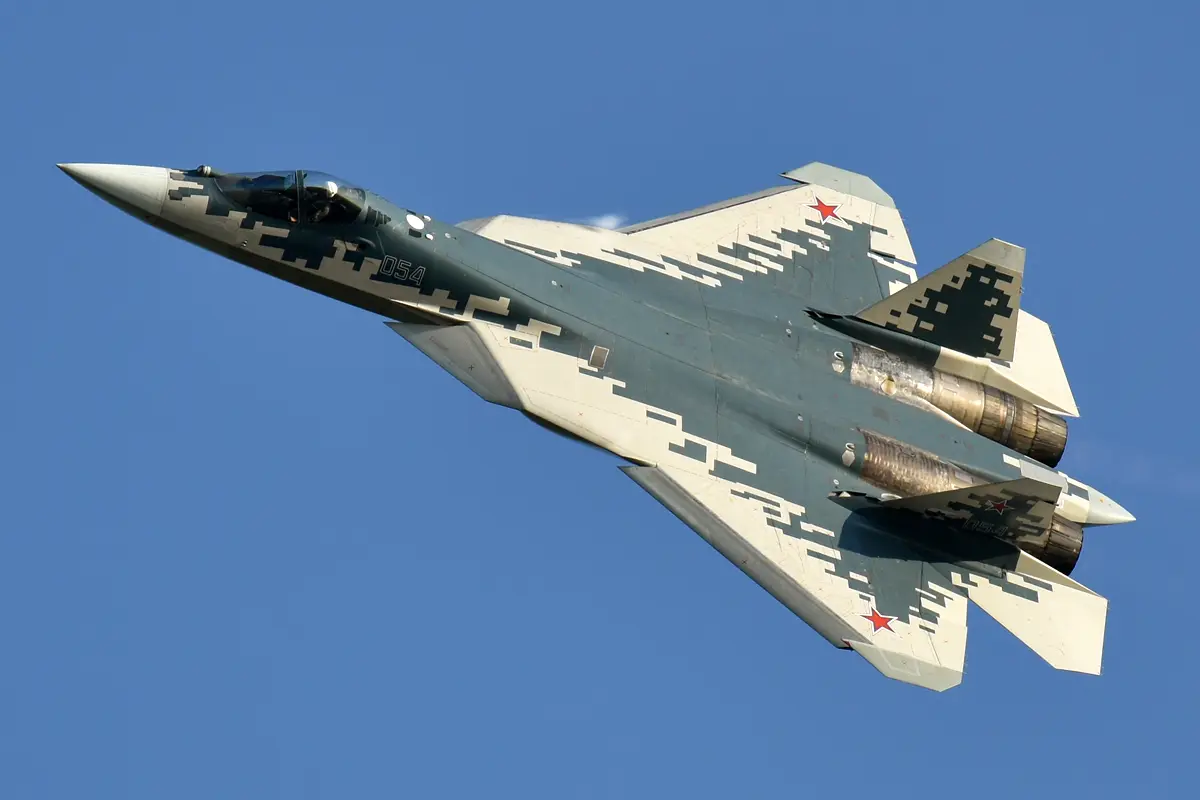
Why Fighter Jet Engines Need Advanced Cooling Systems
The Su-57's AL-41F1S engines operate at turbine inlet temperatures exceeding 1,700 degrees Celsius far hotter than the melting point of conventional metal alloys. Without sophisticated cooling systems, engine components fail within minutes. Thermal management controls heat through active and passive techniques, allowing engines to maintain peak performance and reliability during intense combat operations and sustained supersonic flight.
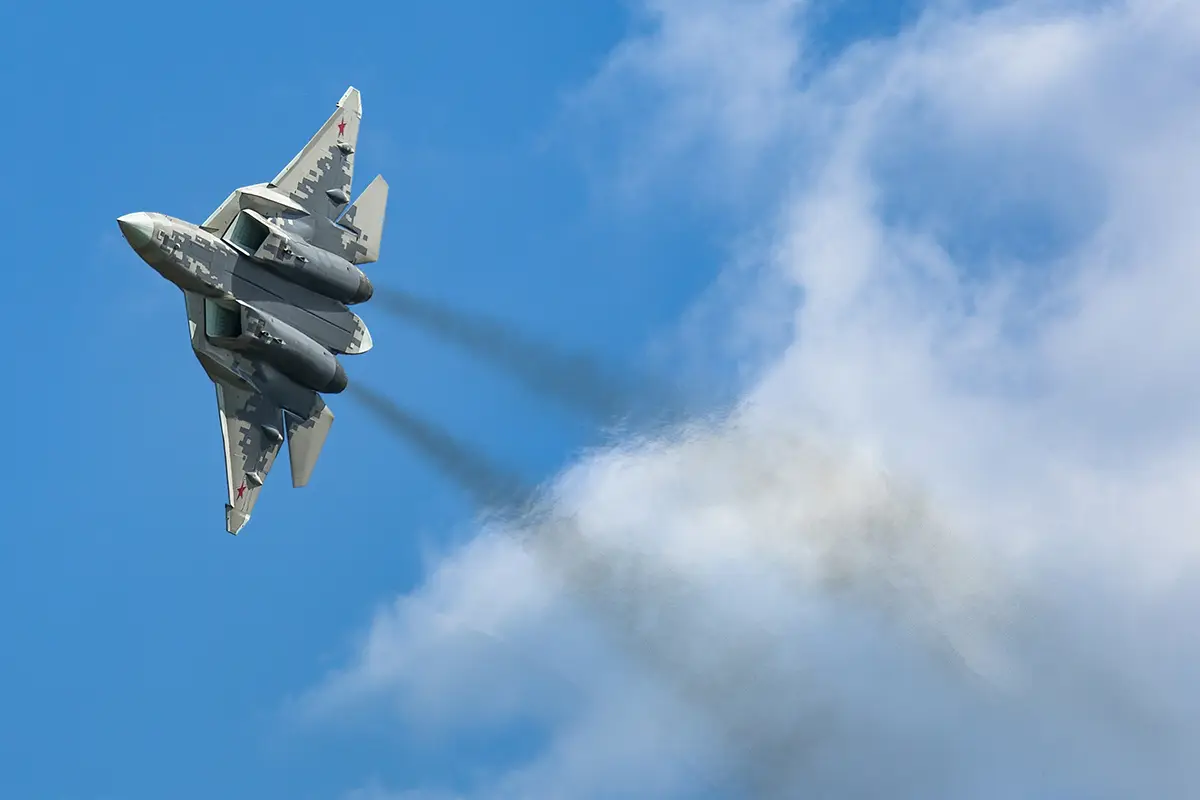
Air-Side Cooling Uses Bypass Air to Absorb Heat
Air-side cooling directs compressor air around hot combustor and turbine sections to absorb and dissipate heat. The Su-57's engines employ this passive method to cool internal cavities surrounding turbine blades and casings. Cooler air flows through specially designed pathways before exiting with the main exhaust stream. This approach avoids additional weight from separate coolant systems whilst effectively managing thermal loads across all flight regimes.
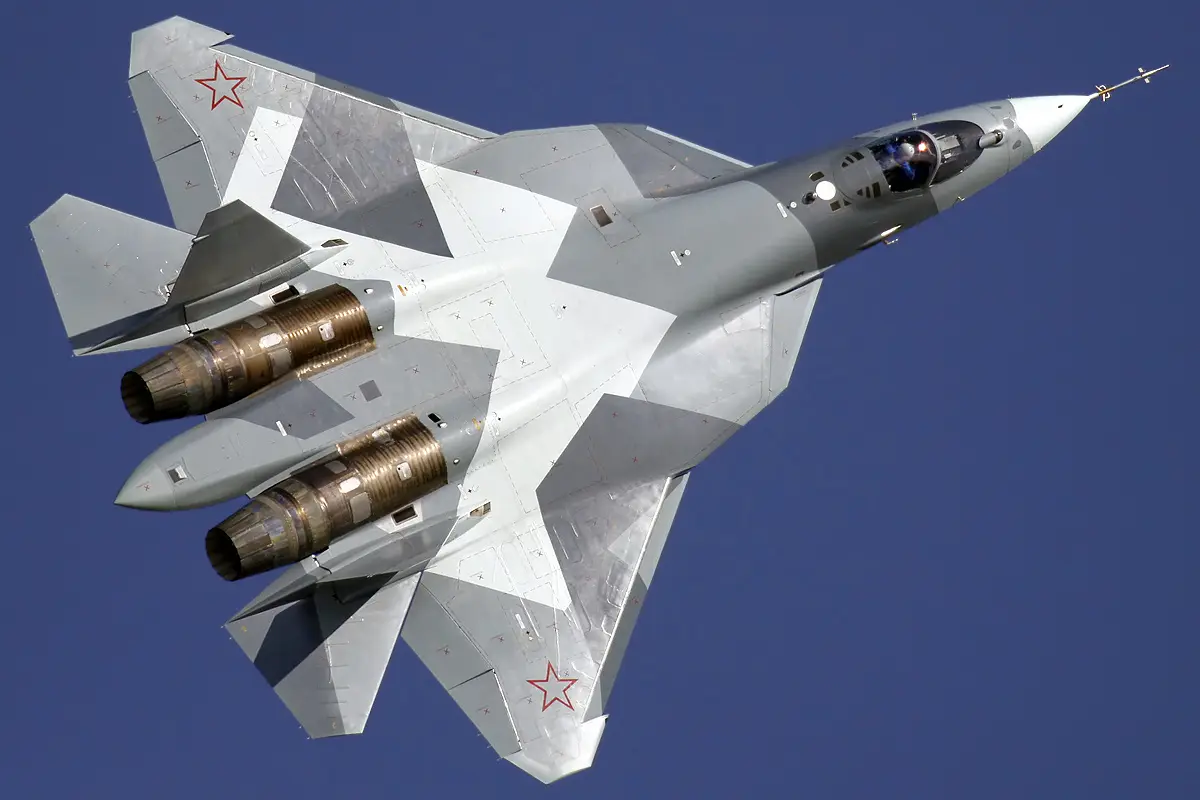
Film Cooling Creates Protective Layers on Turbine Blades
Film cooling injects small amounts of cooler air through holes in turbine blade surfaces, creating protective thermal layers preventing direct exposure to hot combustor gases. The cooling air flows along blade surfaces before exiting as part of the main flow. Research shows shaped cooling holes reduce heat transfer by approximately 60 per cent compared to uncooled blades, significantly extending turbine blade service life.
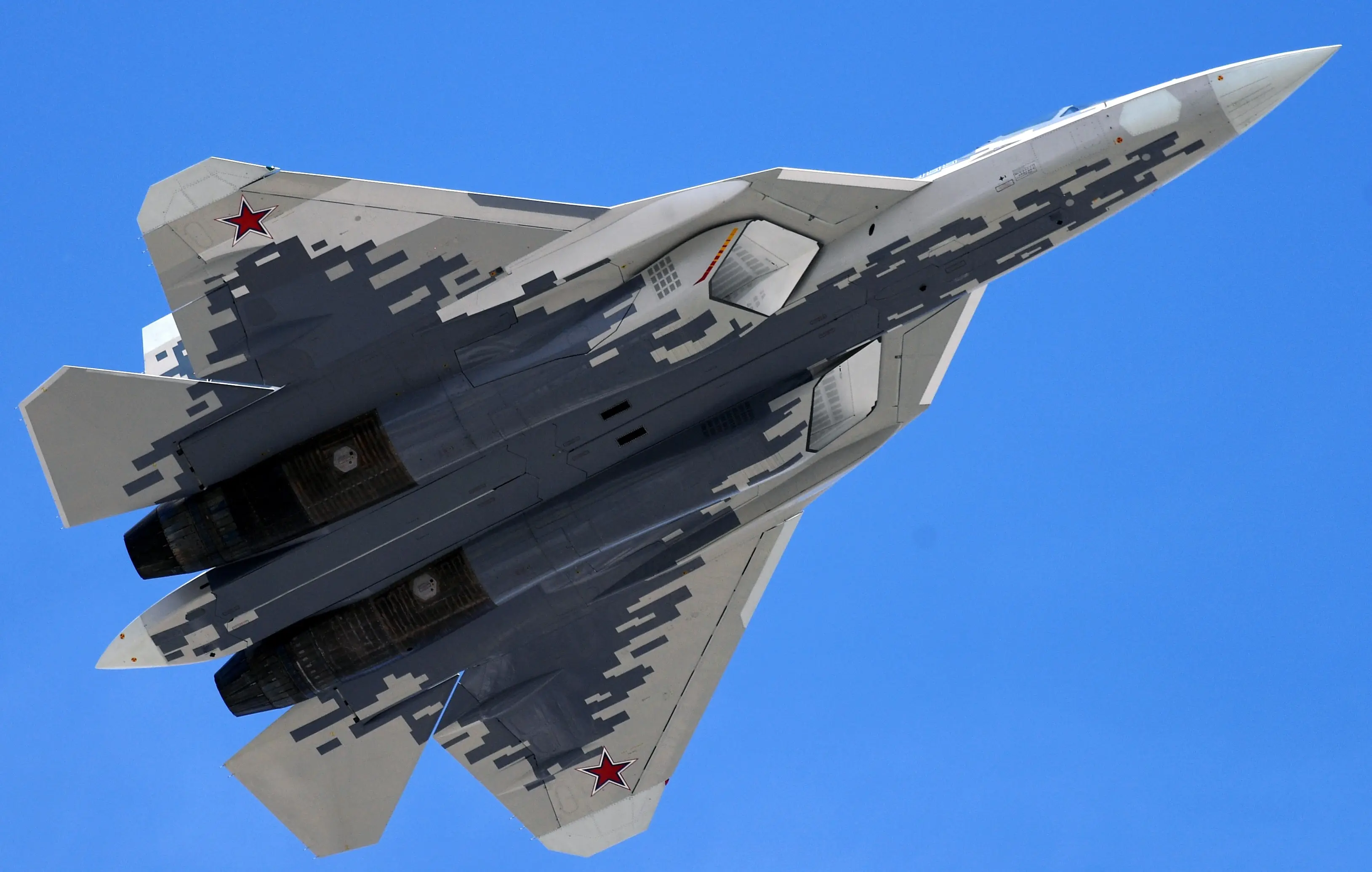
Impingement Cooling Delivers Direct Cooling Jets
Impingement cooling uses pressurised air jets directed straight onto hot surfaces inside the combustor region, achieving heat transfer rates 2-3 times higher than traditional methods. Multiple small nozzles spray cooling air directly against internal surfaces, with heated air exiting through designated ports. This technique proves particularly effective for cooling the turbine blade roots exposed to extreme temperatures.
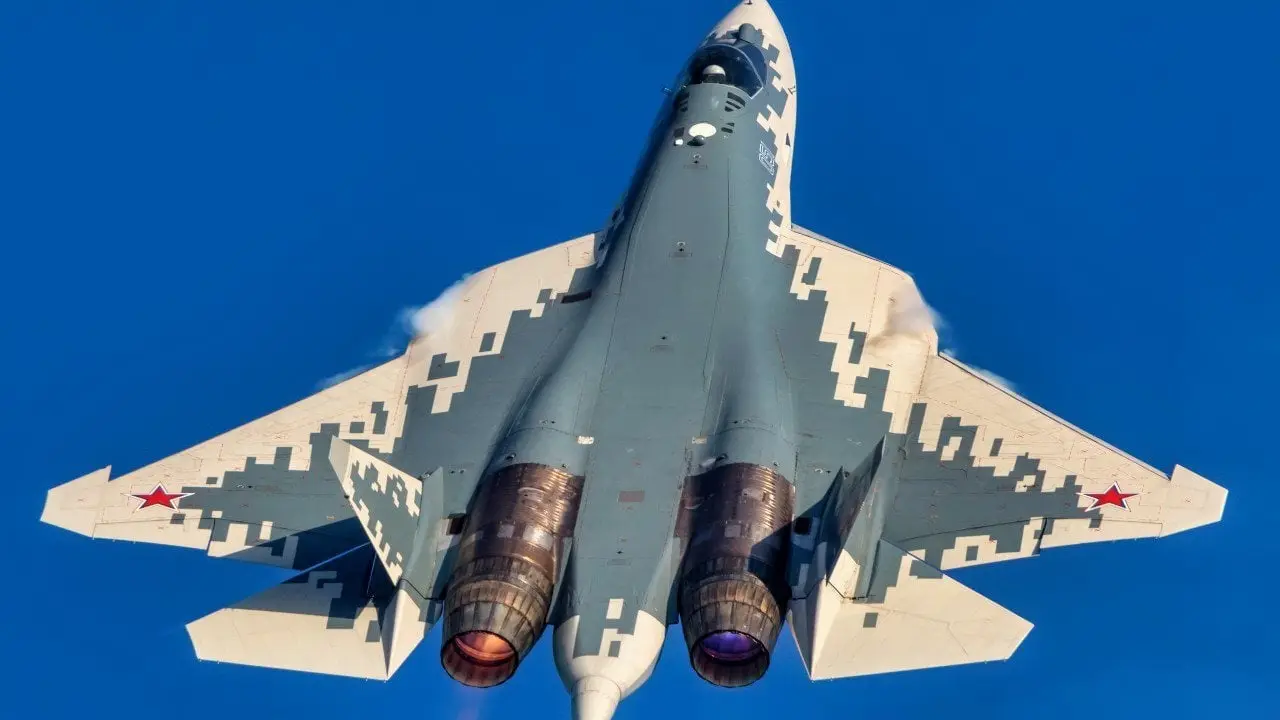
Regenerative Cooling Through Complex Channel Networks
Regenerative cooling pumps cooler compressor air through intricate networks of small internal channels surrounding combustor and turbine sections before air enters the main engine flow. These channel networks spiral circumferentially around engine casings, ensuring maximum surface contact for heat absorption. The AL-41F1S features hundreds of cooling channels with cross-sections as small as 2-3 millimetres, optimised through advanced computational design.
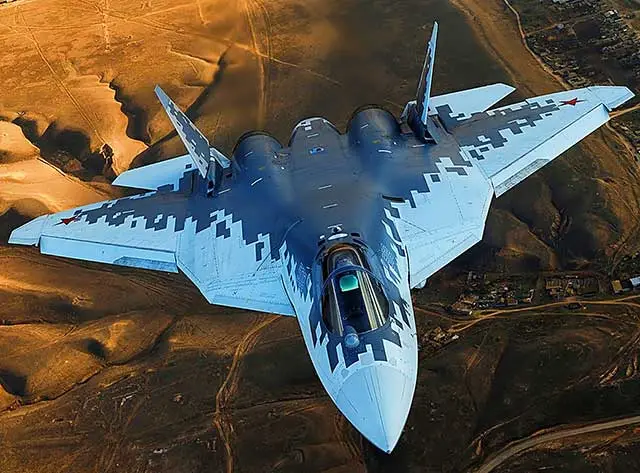
Ceramic Matrix Composites Enable 1,700°C Operation
Ceramic matrix composites (CMCs) made from silicon carbide fibres in ceramic resin enable continuous operation at 1,700 degrees Celsius 300-400 degrees hotter than conventional nickel-based superalloys. CMCs are one-third the density and weight of metal alloys, requiring less cooling air diversion. The Su-57's engines incorporate CMC components in high-temperature turbine sections, improving thermal efficiency significantly.
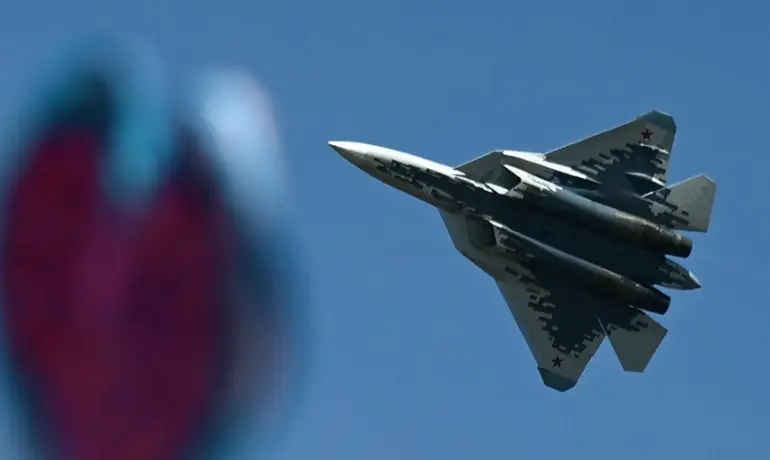
Environmental Barrier Coatings Protect CMC Components
Specialised environmental barrier coatings protect ceramic matrix composite components from oxidation and corrosion at 1,700+ degree Celsius temperatures. Monazite-based coatings remain chemically stable and compatible with ceramic fibres, providing protection for 1,000+ flight hours between inspections. These coatings add only 0.1-0.3 millimetres thickness whilst substantially extending component reliability and operational life.
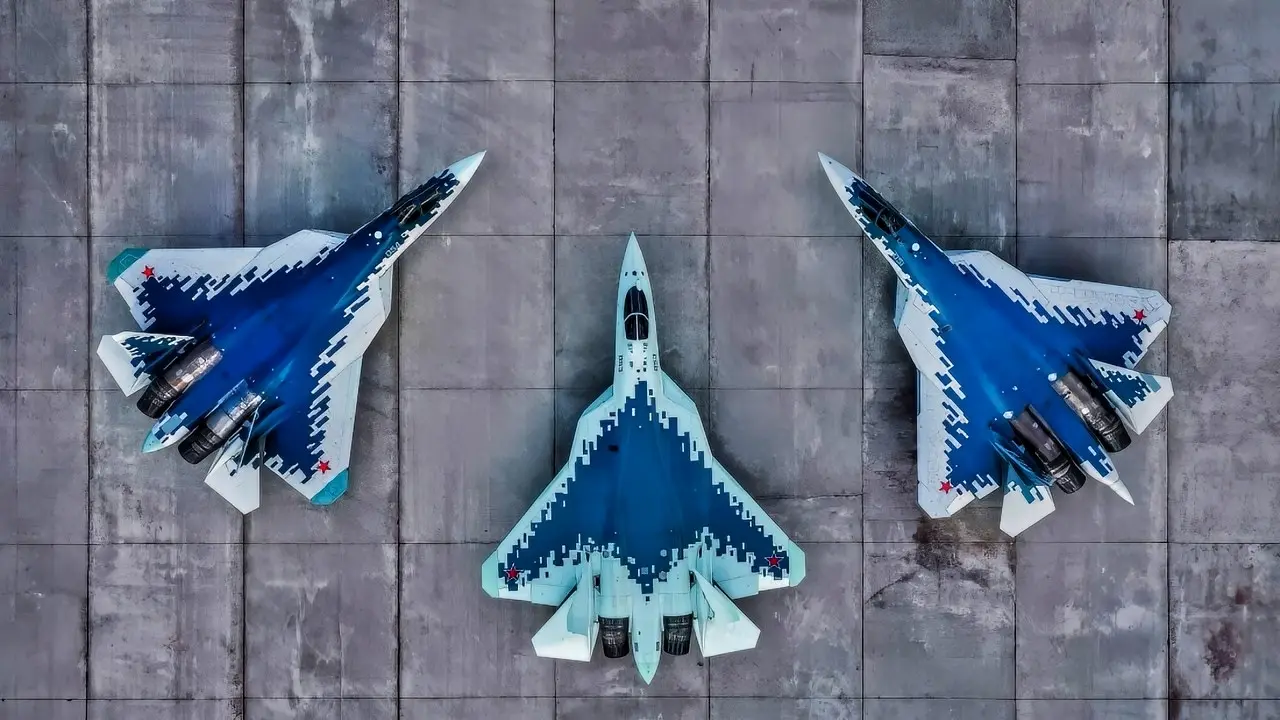
Two-Phase Cooling Systems Offer Superior Heat Dissipation
Two-phase cooling systems employ liquid coolants that evaporate and condense within internal channels, providing substantially higher heat transfer coefficients than air or single-phase liquids alone. These systems maintain precise temperature control throughout wide flight envelope variations with minimal response lag. Advanced developmental variants test two-phase integration, offering 38.5 per cent weight reduction whilst improving thermal efficiency capacity.
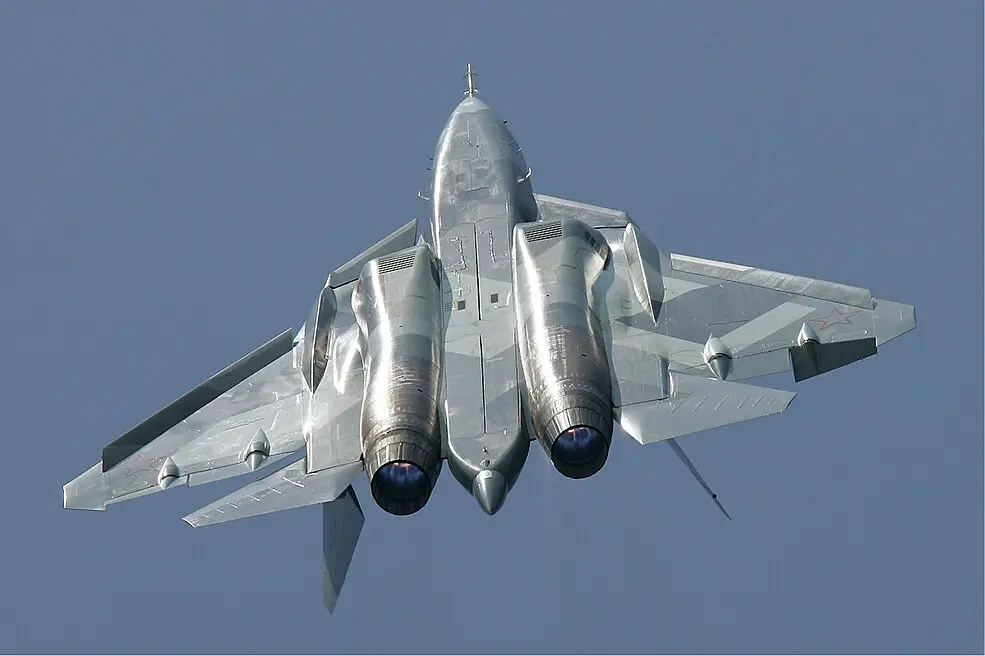
Exhaust Gas Temperature Sensors Monitor Thermal Limits
The Su-57's FADEC system employs exhaust gas temperature sensors monitoring temperature at accessible exhaust locations to infer the critical turbine inlet temperature that cannot be directly measured. Real-time EGT data automatically adjusts throttle settings, preventing the engine from exceeding safe temperature limits. This automatic regulation enables pilots to focus on tactical flying whilst engine management maintains optimal thermal conditions.
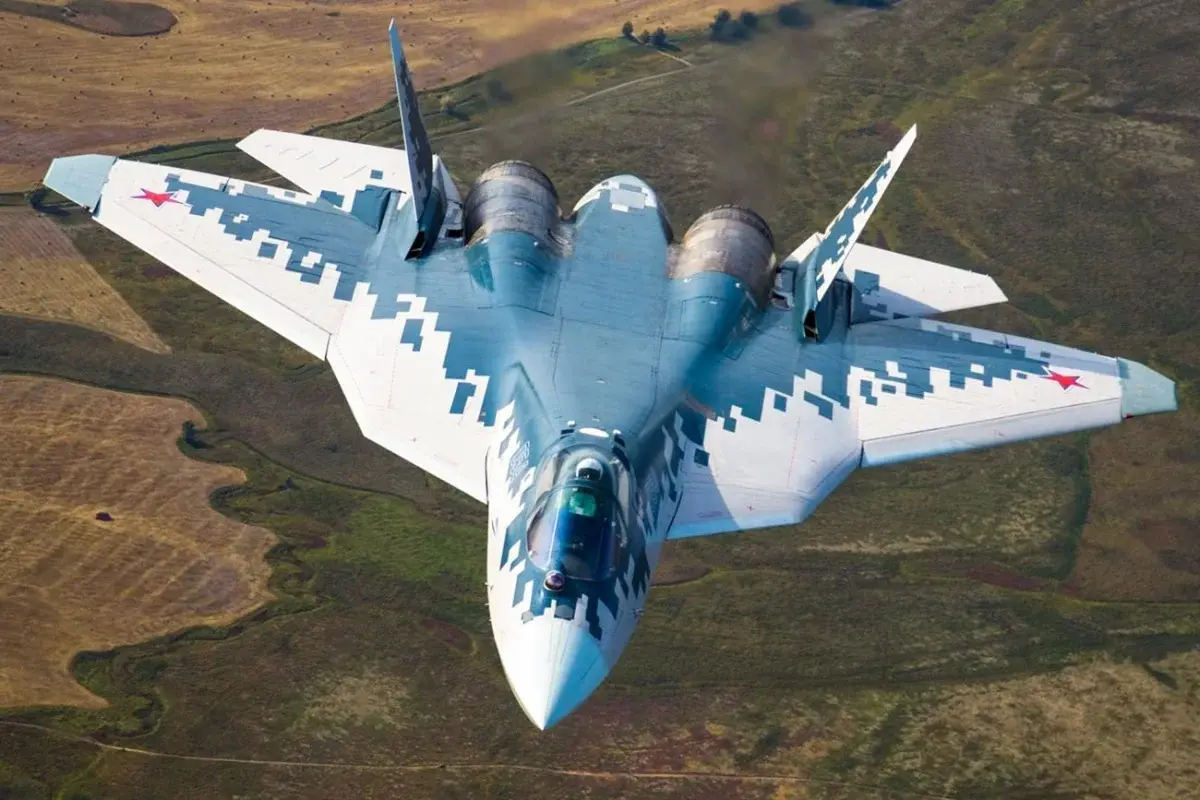
Future Additive Manufacturing Enables Complex Cooling Geometries
Additive manufacturing techniques enable internal cooling channel geometries impossible with conventional manufacturing, including optimised variable cross-sections and advanced lattice structures. Future Su-57M variants will incorporate additively-manufactured turbine components with integrated cooling passages. These advanced geometries reduce material weight by 38 per cent whilst improving cooling efficiency, enabling Mach 2.0 supercruise with enhanced thermal margins.
)
)
)
)