'1,570 times more powerful than Hiroshima and Nagasaki': The true story Tsar Bomba nuclear test

The blast was so huge that it released energy equivalent to about 50 megatons of TNT, making the explosion 1,570 times more powerful than the combined bombs dropped on Hiroshima and Nagasaki.
The Peak of Nuclear Power
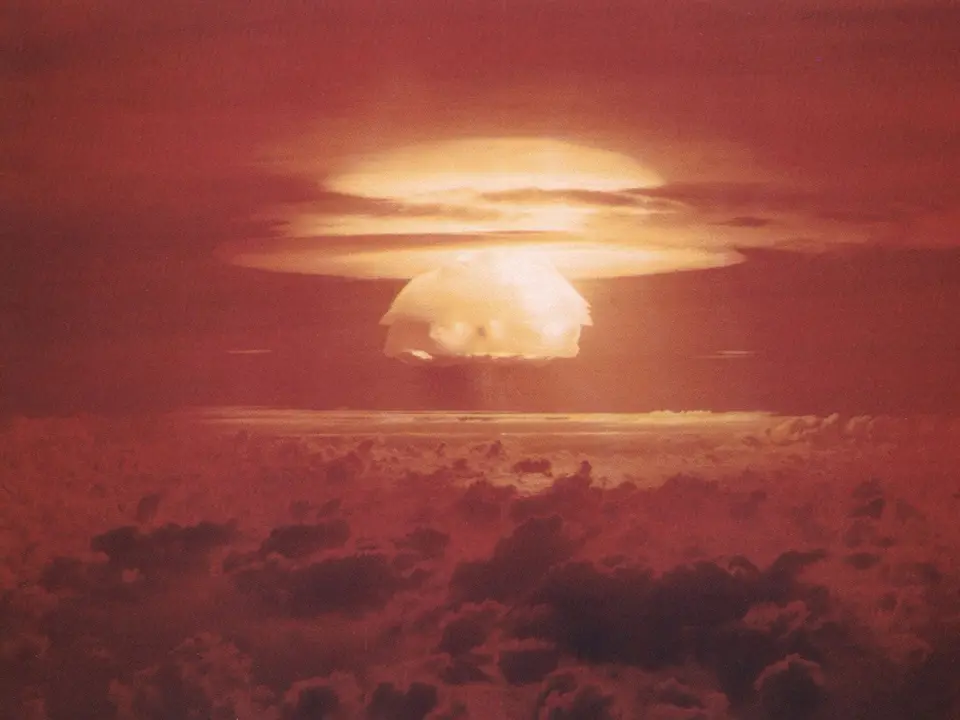
When the Soviet Union detonated the Tsar Bomba on October 30, 1961, it produced the most powerful human-made explosion in history, a detonation that was so immense that it surpassed all other nuclear tests ever conducted. The blast was so huge that it released energy equivalent to about 50 megatons of TNT, making the explosion 1,570 times more powerful than the combined bombs dropped on Hiroshima and Nagasaki. The device which was designed at the height of the Cold War became a symbol of geopolitical brinkmanship and engineering extremes.
Origins of a Super-Weapon
The atomic bombings of Hiroshima and Nagasaki on August 6 and 9, 1945, had placed the US in an unchallengeable position as it became the sole possessor of nuclear weapons. This primacy, however, did not last long as the Soviets made a halting progress in their own nuclear program. The Tsar Bomba, officially named AN602, was developed by Soviet physicists under the direction of Andrei Sakharov. As reported by the Russian state archive Rosatom and stated by the National WWII Museum, the bomb was initially designed to reach a staggering 100 megatons. However, its yield was deliberately reduced to limit environmental devastation and ensure the test aircraft could survive the shockwave.
Design and Engineering Ambition
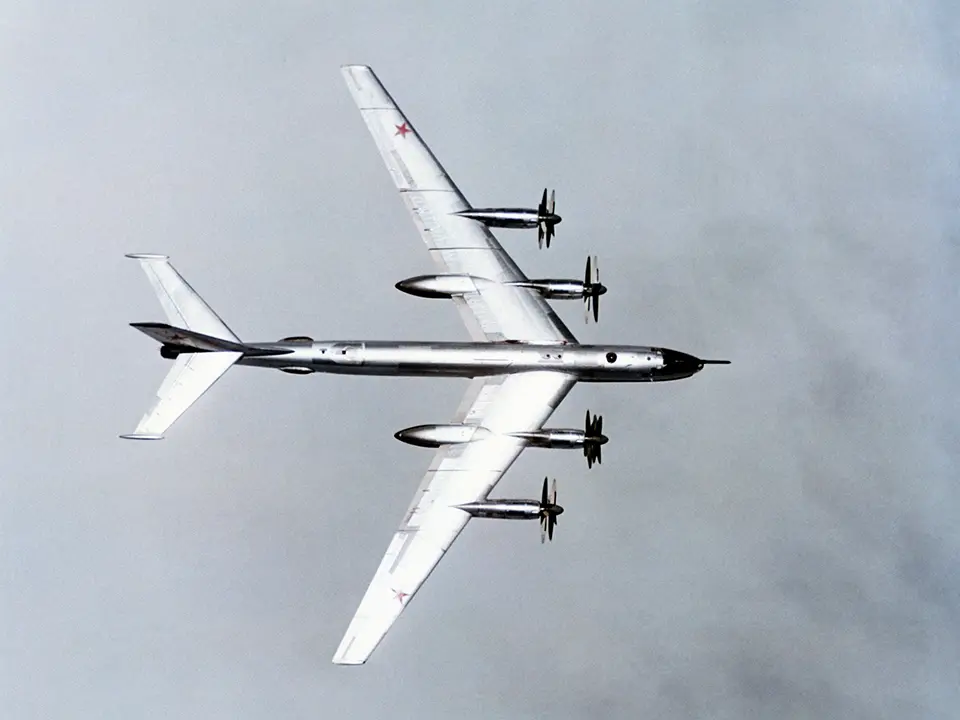
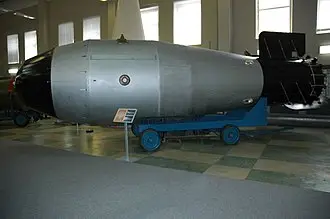
The device was a three-stage hydrogen bomb, employing a fission–fusion–fission design. It uses a fission-type atomic bomb as the first stage in order to compress the thermonuclear second stage. Western nuclear analysts have further noted that the bomb’s final stage used lead tamper instead of uranium-238 fusion tamper, preventing a doubling of yield that would have pushed the explosion towards the planned 100 megatons. Even at its reduced power, the bomb measured eight metres long and weighed about 27 tonnes, too large to fit into any standard bomber without modifications.
The Test
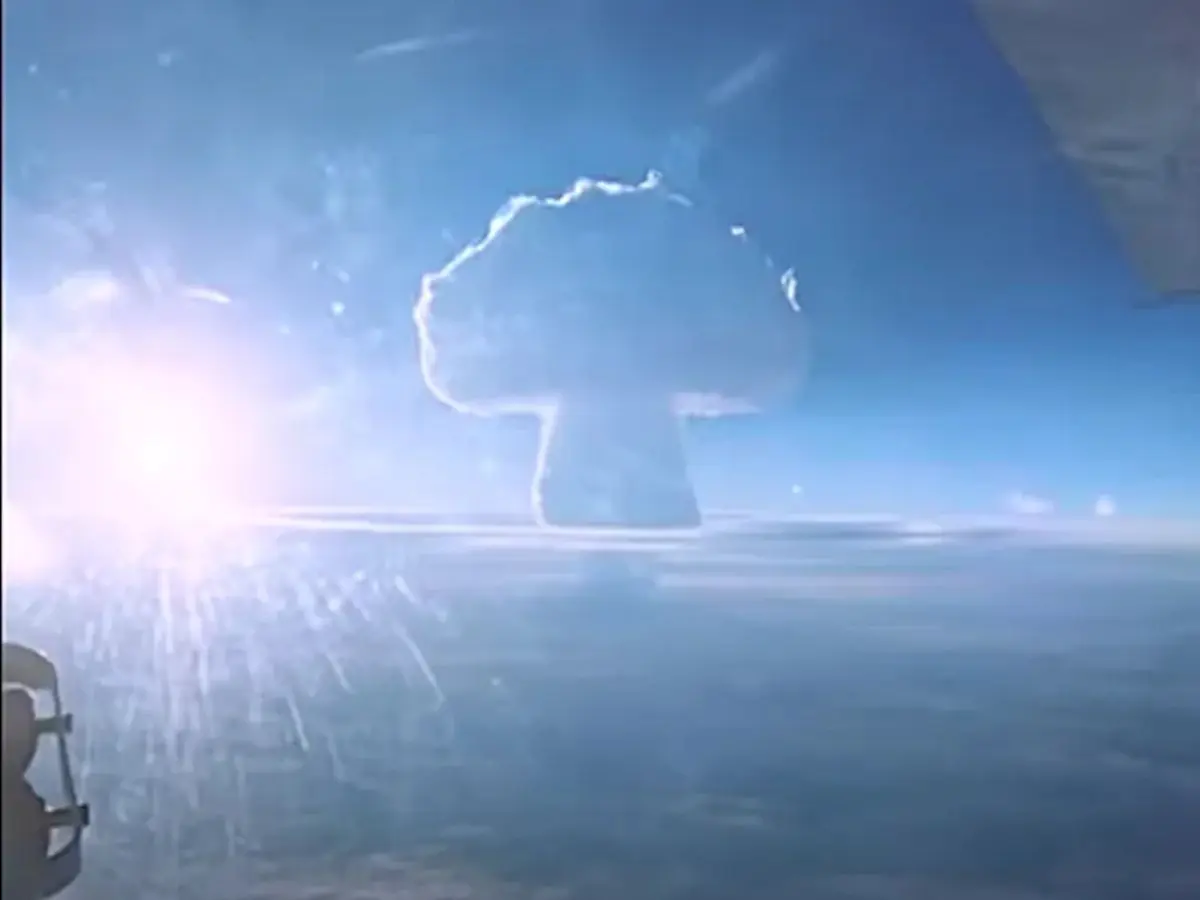
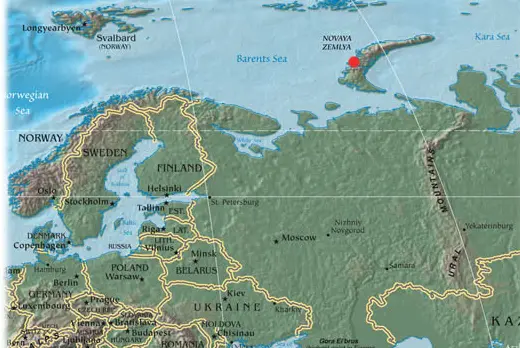
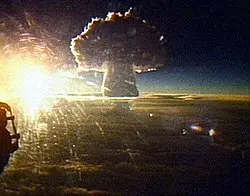
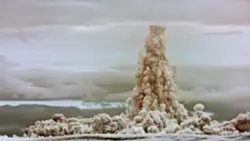
The detonation took place at 11:32 Moscow Time over the Mityushikha Bay Nuclear Testing Range, an isolated Arctic archipelago. According to declassified Soviet footage released in 2020, the bomb was dropped from a specially modified Tu-95 bomber and detonated at an altitude of around 4 km. The fireball reached roughly 8 km in diameter, and the resulting mushroom cloud climbed to nearly 60 km, penetrating the stratosphere about six-seven times higher than the Mount Everest.
Global Shockwaves and Aftermath
The blast wave circled the Earth several times. Norwegian seismic stations recorded shockwaves even at great distances, as reported in Scandinavian scientific archives. Buildings hundreds of kilometres away suffered shattered windows, and the flash was visible from over 1,000 km.
Why It Was Never Repeated
The Tsar Bomba was a demonstration device. Analysts widely agree that it had no practical military use due to its massive size and the impossibility of deploying it in combat conditions. The test contributed to growing international pressure for nuclear restraint and preceded the 1963 Partial Test Ban Treaty, in fact, Andrei also became a strong supporter of imposing limitations on these tests in future.
A Legacy of Extreme Power
More than six decades later, no nation ever attempted a device of comparable magnitude. The Tsar Bomba remains unmatched, a stark reminder of the destructive potential of nuclear technology and the lengths superpowers once pursued to show dominance.
)
)
)
)
)