'1.5 seconds to escape death': Which fighter jet has the world’s fastest ejection system?

In modern jet fighters, every fraction of a second matters. The fastest ejection seats can save a pilot in under 1.5 seconds from initiation to parachute deployment.
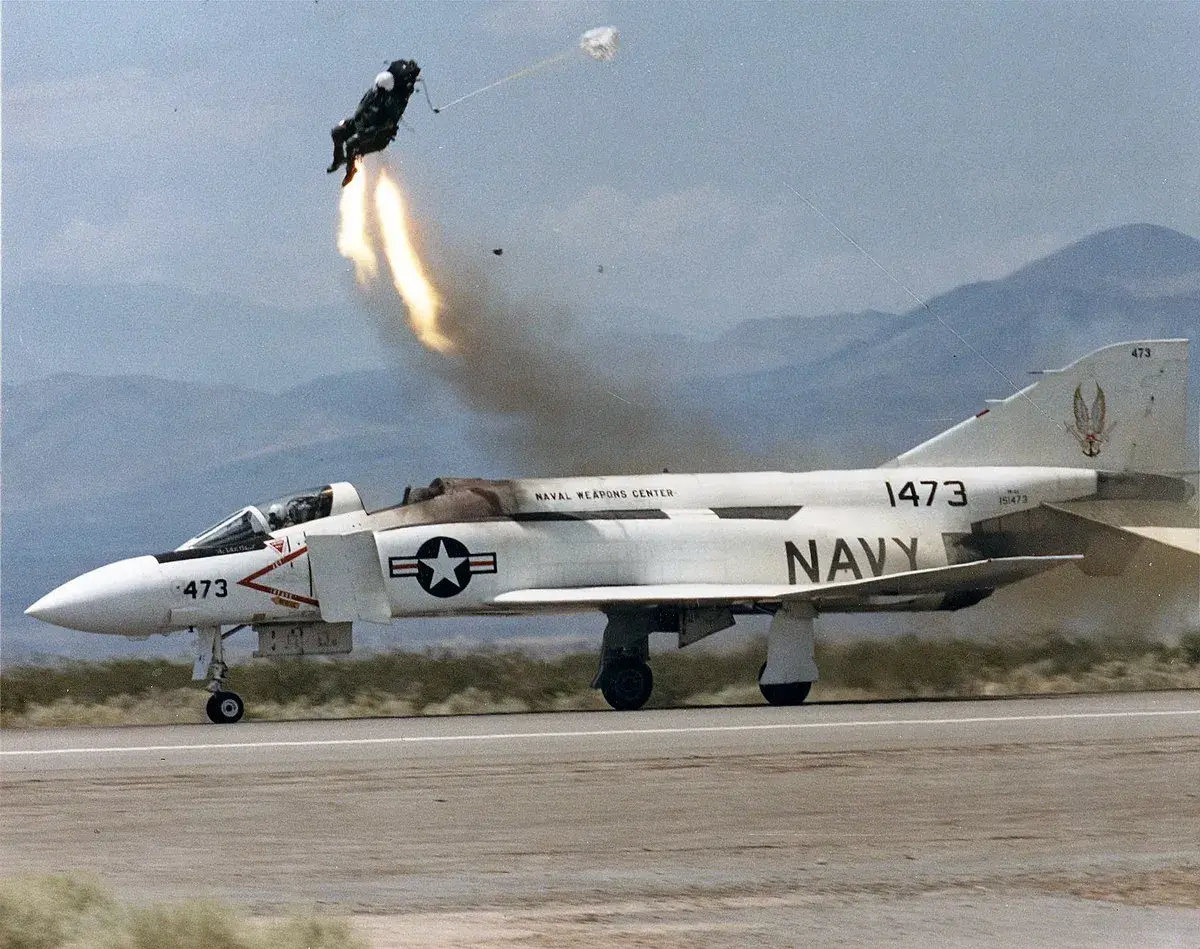
What Is an Ejection System and Why It Matters
An ejection seat is a last-resort mechanism that forcibly removes the pilot from a doomed aircraft. Activated in life-or-death scenarios, like missile strikes, mid-air collisions, or total engine failure, the system must react instantly. It includes explosive charges, rockets, and parachutes, all designed to save a life in the most violent and chaotic moments possible.
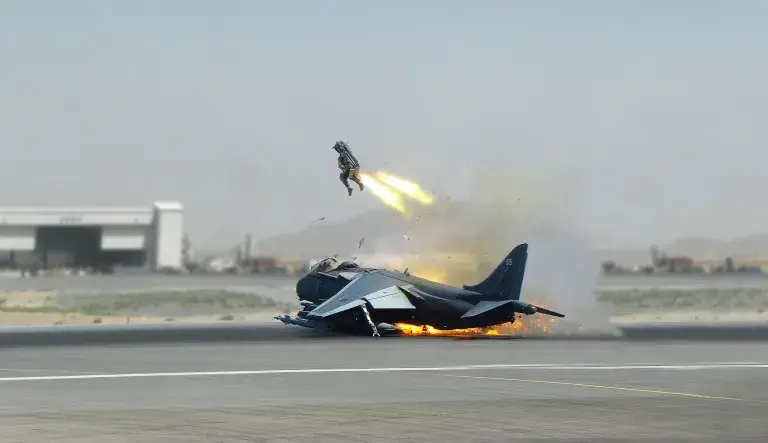
How Fast Is “Fast Enough”?
In modern jet fighters, every fraction of a second matters. The fastest ejection seats can save a pilot in under 1.5 seconds from initiation to parachute deployment. Anything slower risks collision with the aircraft, terrain, or enemy fire. For comparison, a human blink takes around 0.3–0.4 seconds, making ejection timing a fine line between survival and death.
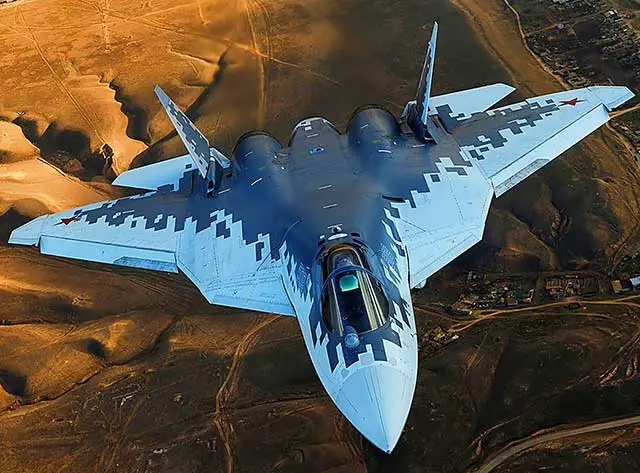
The Fastest Ejection System in the World: Russia’s K-36D-5
The title of the world’s fastest and most advanced ejection system is often credited to the K-36D-5 ejection seat, developed in Russia by NPP Zvezda. Used in jets like the Su-57 Felon, this seat can safely eject a pilot at speeds exceeding Mach 2 and altitudes from zero to 25,000 meters. It’s known to complete full ejection sequences in around 1.4 seconds, even under extreme G-forces or when the aircraft is upside down.
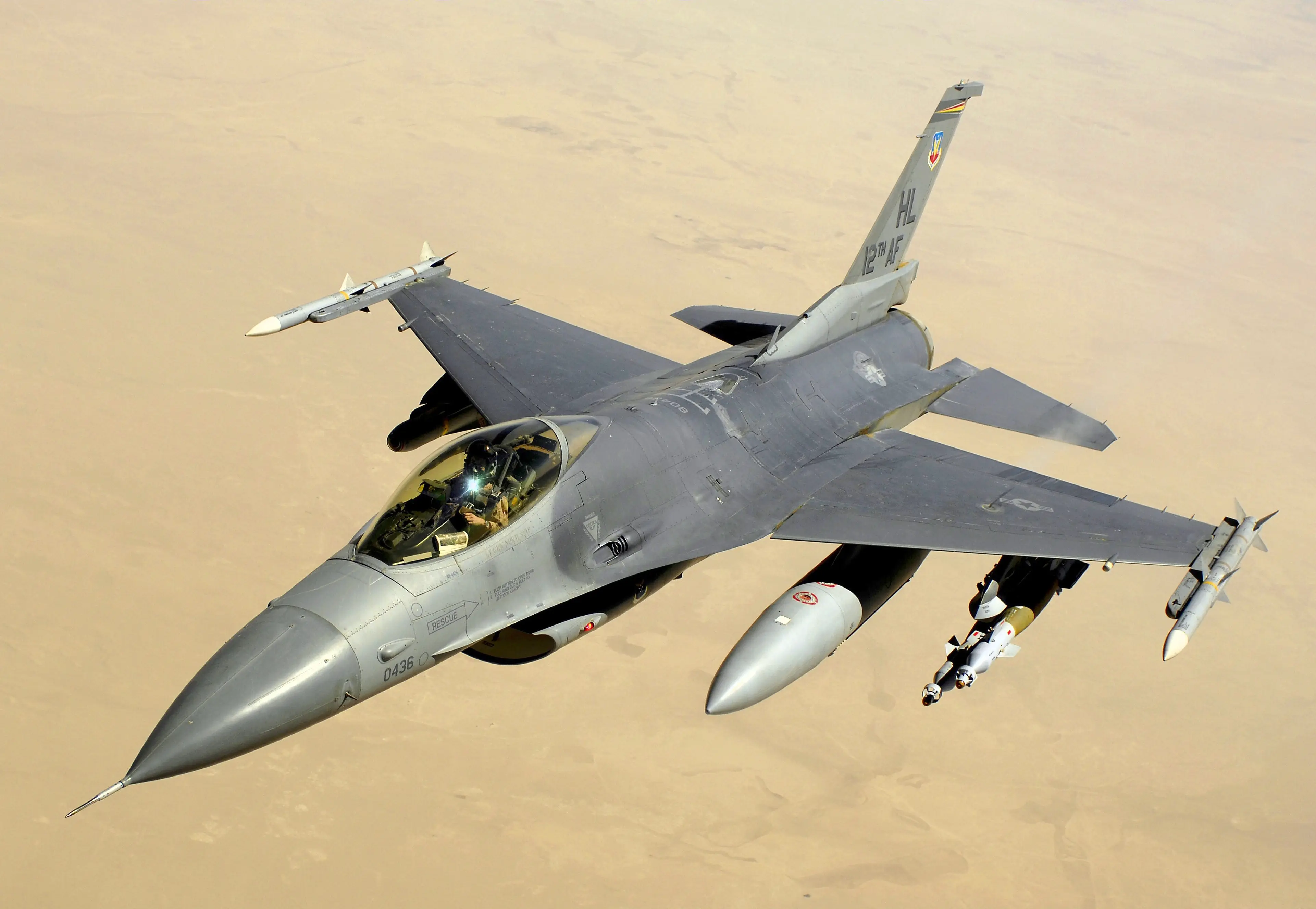
How Does It Compare to Western Tech?
The American counterpart is the ACES II (Advanced Concept Ejection Seat), used in F-15s, F-16s, and A-10s. While reliable and proven, it's slightly slower and bulkier than the Russian K-36D-5. The new-generation Mk16 and Mk18 ejection seats by Martin-Baker (used in F-35s and Eurofighters) offer better automation, zero-zero capability (ejecting safely at zero speed and altitude), and improved pilot safety, but speed-wise, the Russian system still leads.
Speed Isn't Everything—But It Could Save a Life
While the K-36D-5 may win on raw speed, survival also depends on timing, altitude, pilot condition, and terrain. Advanced sensors, AI-assisted threat detection, and automatic ejection in the future could push survival chances even higher. But for now, if you had to eject at the edge of death, you'd want to be sitting in a Russian cockpit.
)
)
)
)
)