‘1.4 million to one’: How US dollar triggered Iran’s biggest revolution since 1979

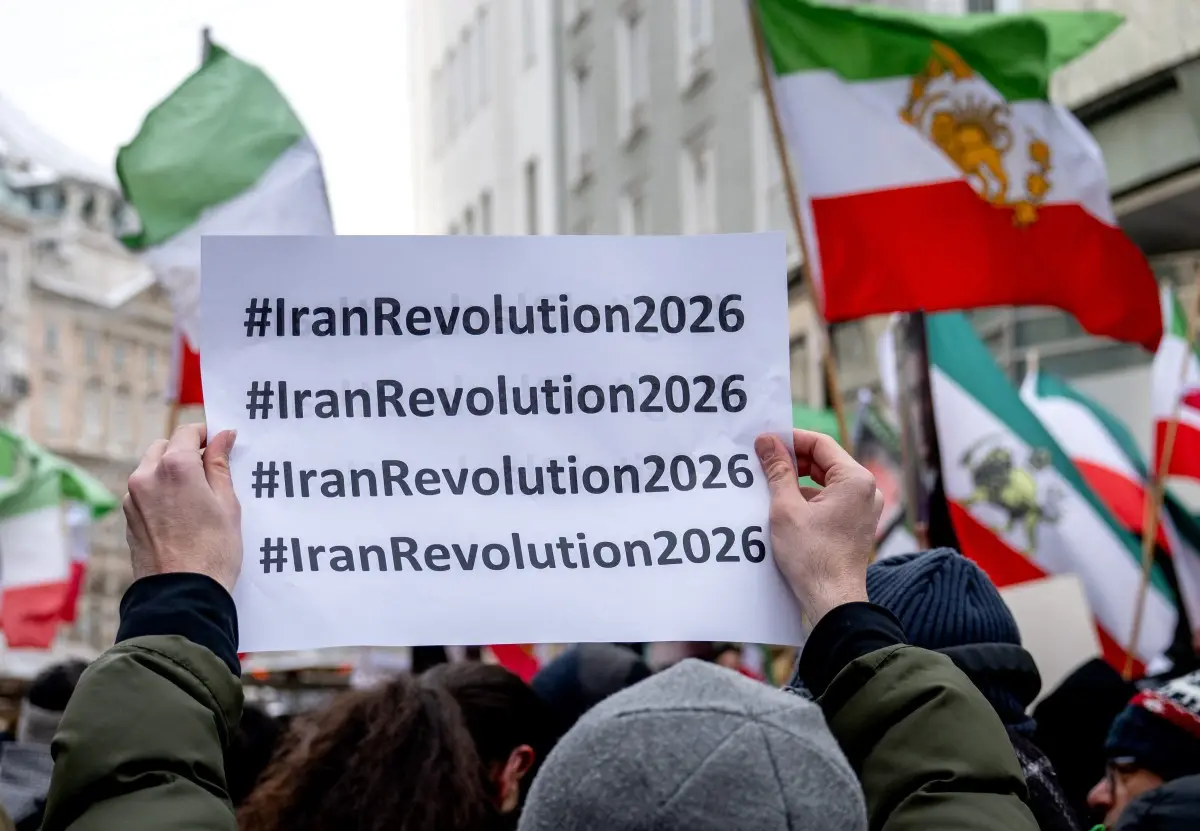
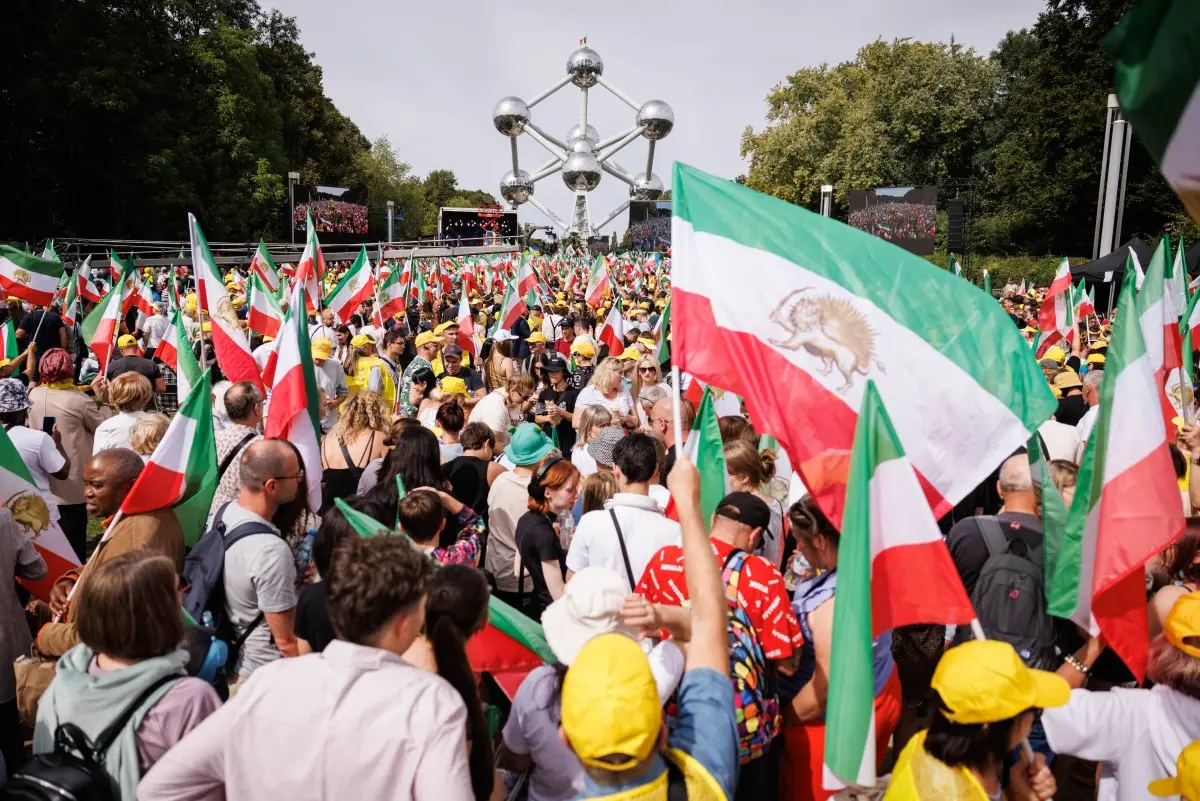
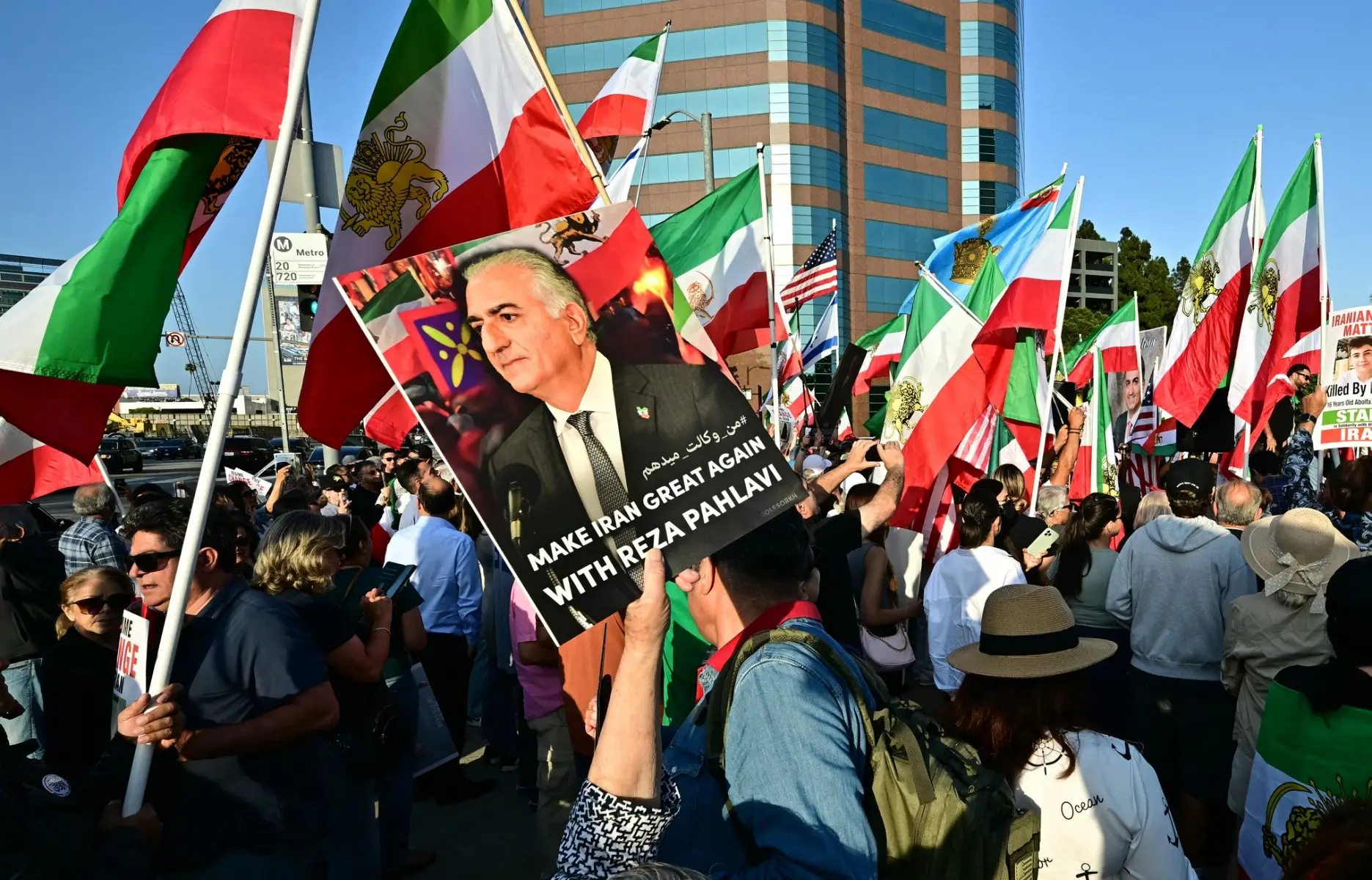
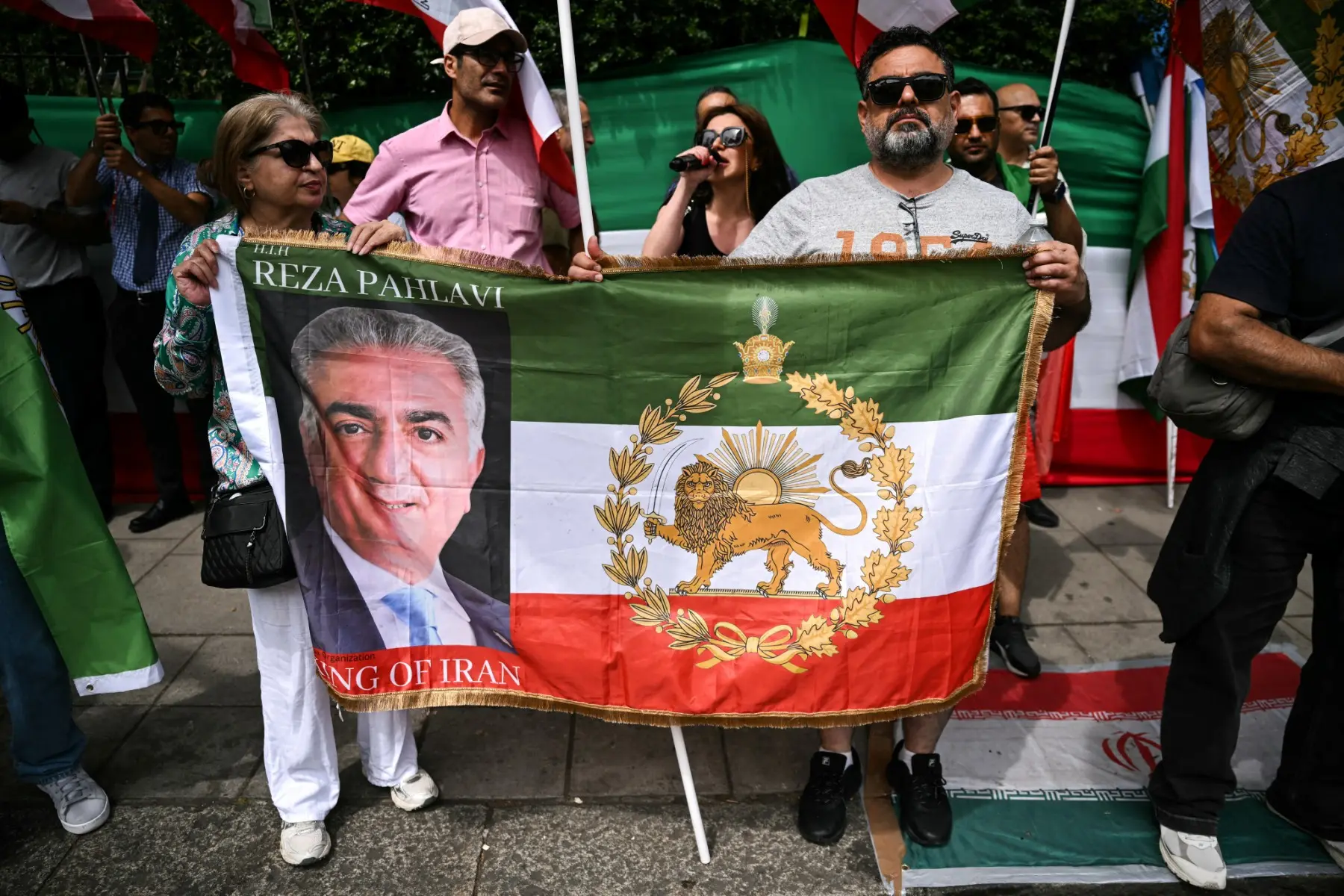
For the first time in decades, protestors are openly chanting pro-monarchy slogans, such as "Long live the Shah," and calling for the return of the Pahlavi dynasty, a direct rejection of the 1979 Islamic Revolution's legacy.
1. The 1.4 Million Milestone
In late December 2025, the Iranian economy crossed a psychological and financial precipice when the unofficial exchange rate for the US dollar hit an unprecedented 1.4 million rials. This staggering devaluation, erasing nearly 90% per cent of the currency's value since 2018, served as the immediate trigger for the current uprising. For ordinary citizens, this rate effectively rendered the national currency worthless, obliterating life savings and making the purchase of imported goods impossible. The collapse was not merely a fluctuation but a definitive signal that the state’s financial structure had fractured under the weight of sanctions and the aftermath of the 12-day conflict with Israel in June 2025.
2. The Bazaaris Revolt
On 28 December 2025, the historic Grand Bazaar in Tehran, the traditional economic heart of the country, shuttered its gates. In a rare and significant move, merchants (bazaaris), who have historically been a conservative pillar of support for the establishment, initiated a massive strike. They closed their shops not just in protest of the exchange rate, but as a direct challenge to the government's competence. This strike mirrored the events of 1979, signalling to the wider public that the commercial class had withdrawn its consent from the ruling theocracy.
3. From Ailing Economy to Political Revolution
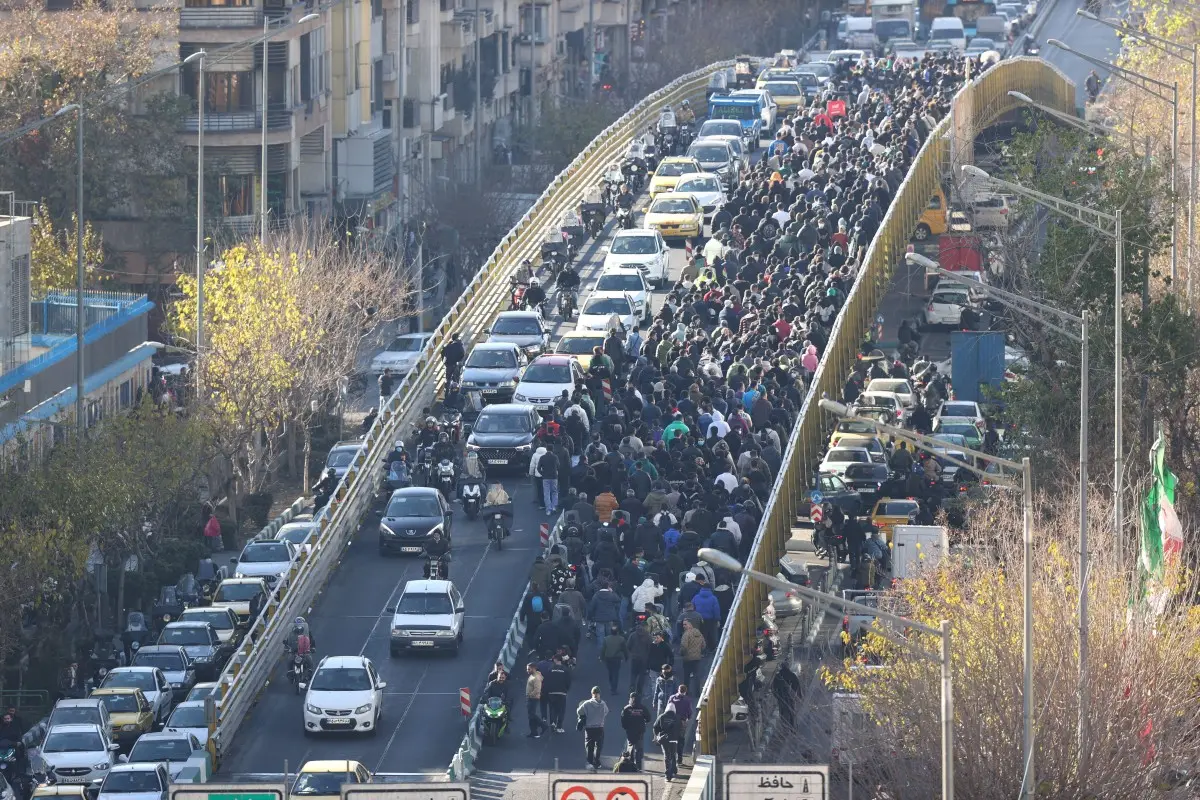
What began as an economic outcry over the cost of living rapidly metamorphosed into a full-scale political revolution. By early January 2026, demonstrations had spread to all 31 provinces, moving from commercial centres to university campuses and residential districts. Unlike previous rounds of unrest, the demands are no longer for reform or subsidy reinstatement; the crowds are calling for the wholesale dismantling of the Islamic Republic. The sheer speed at which economic grievances aligned with political rage has caught the security apparatus off guard.
4. The End of the Subsidy Safety Net
Fueling the anger was the government's desperate decision in late 2025 to remove the "preferential" exchange rate for essential imports. For years, this subsidised rate allowed the importation of medicine, wheat, and livestock feed at manageable prices. Its abrupt removal caused the price of basic staples, such as cooking oil and chicken, to double overnight. With inflation officially topping 50 per cent (and realistically much higher), millions of Iranian families found themselves unable to afford food or critical medication, pushing them onto the streets in a fight for survival.
5. Unprecedented Slogans and Taboos Broken
Observers have noted a distinct shift in the rhetoric of the streets. For the first time in decades, protestors are openly chanting pro-monarchy slogans, such as "Long live the Shah," and calling for the return of the Pahlavi dynasty, a direct rejection of the 1979 Islamic Revolution's legacy. Slogans targeting the Supreme Leader and the clerical establishment have become commonplace even in traditionally religious cities like Mashhad and Qom, indicating that the ideological legitimacy of the state has eroded alongside the rial.
6. State Repression and The Digital Curtain
In response to the spiralling unrest, the state has deployed a familiar yet brutal toolkit. As of the second week of January 2026, a near-total internet blackout has been imposed to prevent the coordination of protests and the dissemination of footage. Security forces, including the Basij militia and Revolutionary Guards, have used tear gas and live ammunition in major cities. Human rights organisations estimate that dozens have been killed and thousands arrested in the crackdown, yet the violence has so far failed to quell the momentum of the crowds.
7. Geopolitical Shockwaves
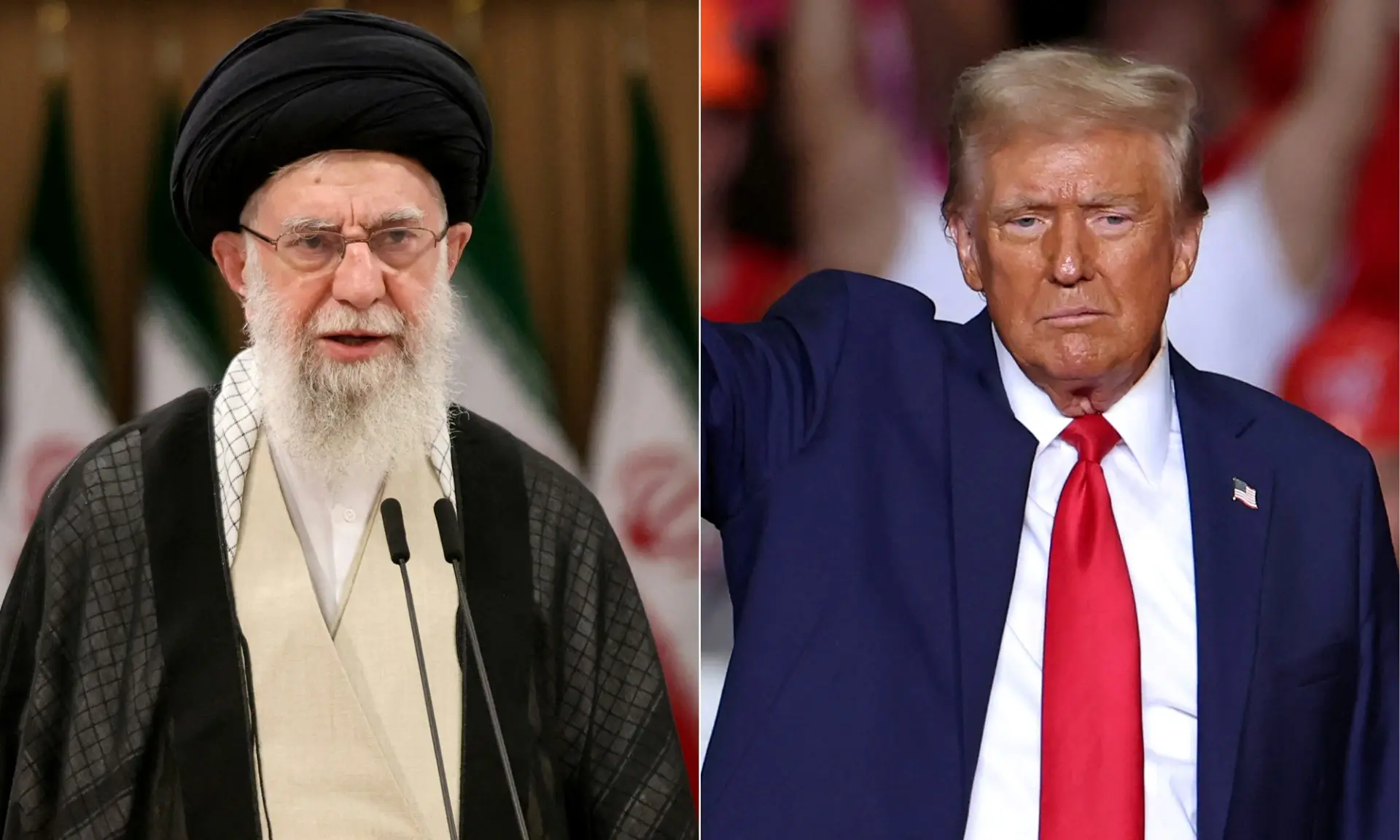
The timing of this revolution is inextricably partial to the wider geopolitical climate of 2026. The economic freefall was exacerbated by the renewed "snapback" of UN sanctions and the intense military spending following the mid-2025 conflict. Internationally, the instability has drawn sharp warnings from Western powers, including the US administration, which has threatened intervention should the violence against civilians escalate further. The Iranian government, meanwhile, finds itself isolated, blaming "foreign economic warfare" while struggling to finance its own security apparatus amidst the currency crisis.
)
)
)
)
)