'1,000-Aimpoint Day': Why USS Abraham Lincoln is Iran’s greatest 24-hour nightmare

While stealth is the priority for the first wave, the Lincoln’s F-35Cs quickly transition to "Beast Mode" once air defences are degraded. In this configuration, the aircraft’s payload triples to 18,000 lbs by utilising external wing pylons.
Armada
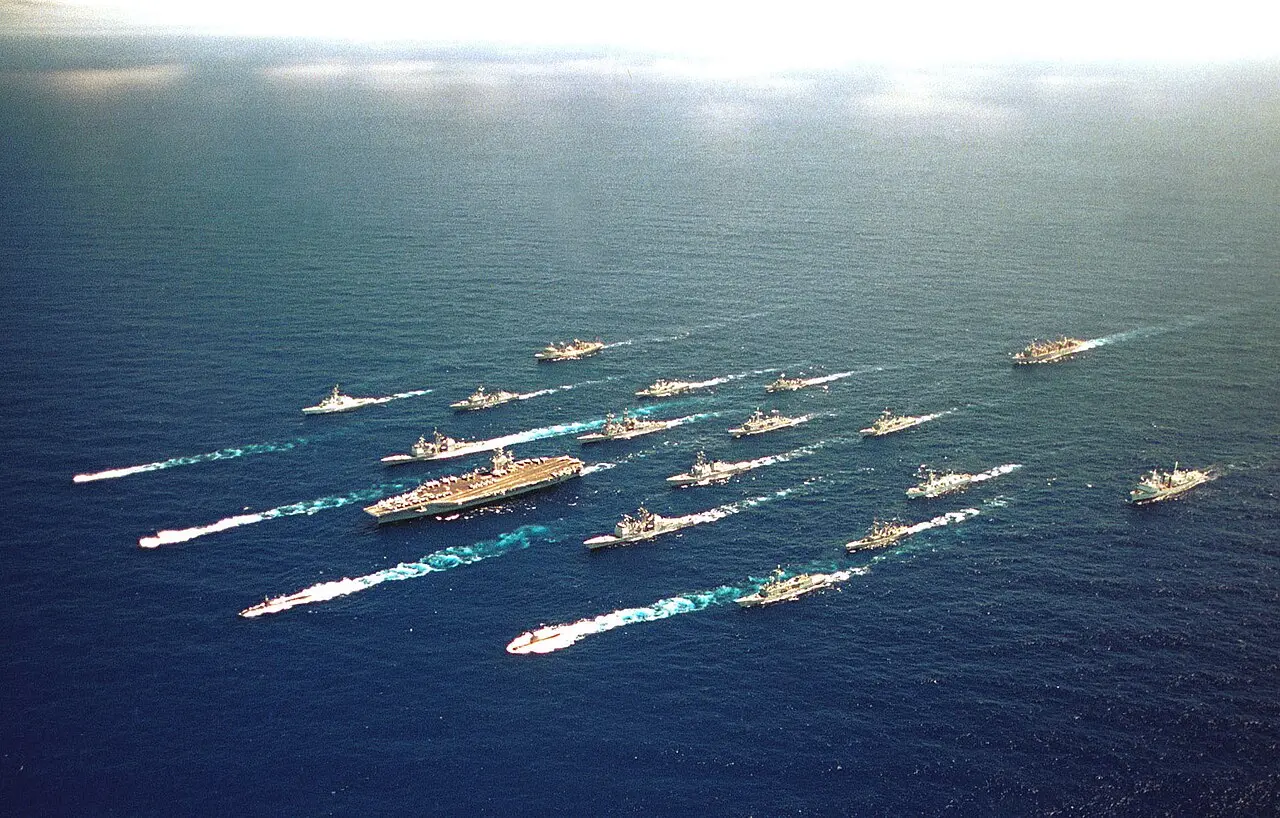
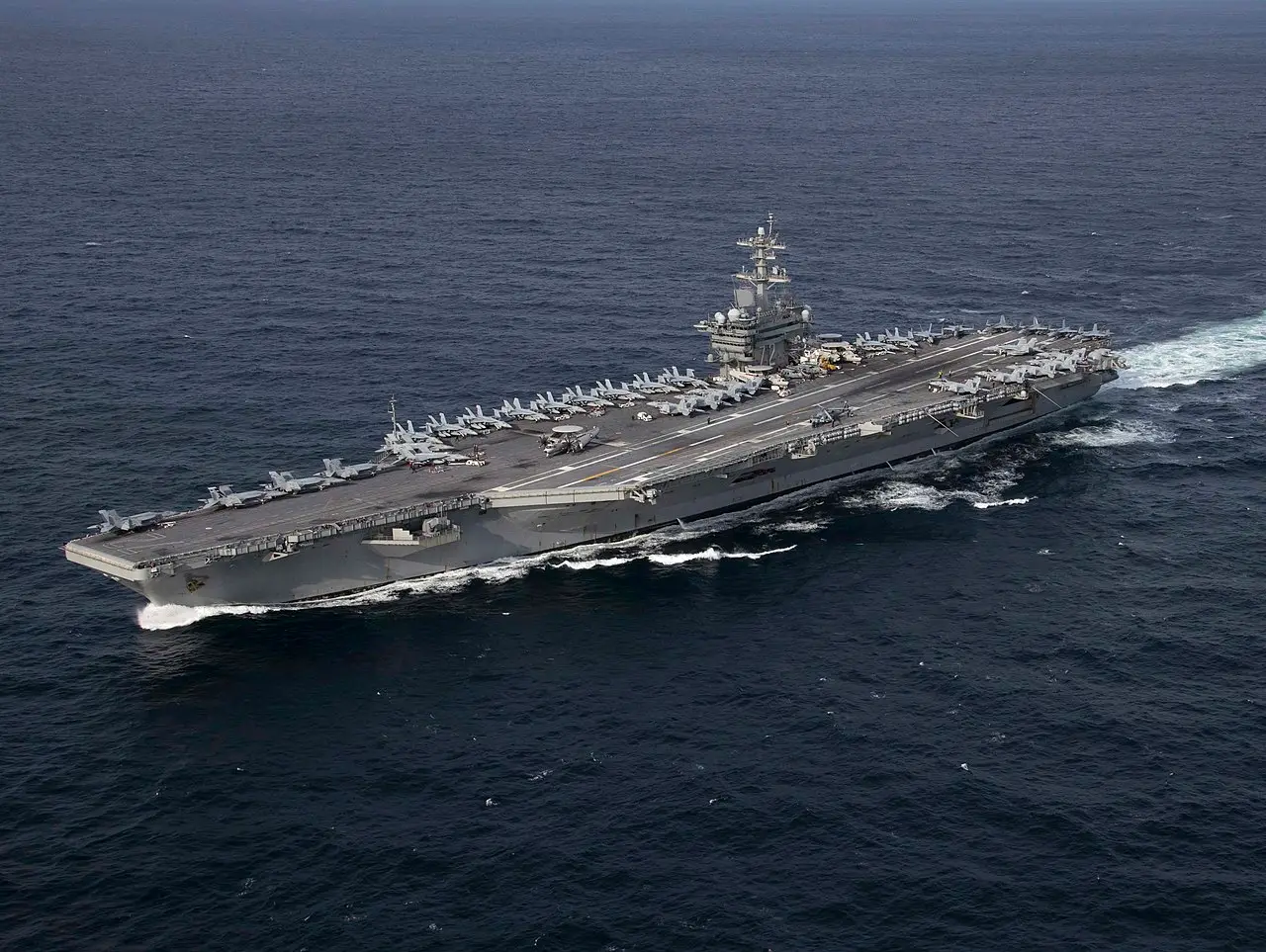
As the USS Abraham Lincoln (CVN-72) enters the North Arabian Sea in late January 2026, the strategic reality of the Middle East has shifted. President Trump’s characterisation of this fleet as an "Armada" is not just hyperbole; it is a reference to the Nimitz-class carrier’s ability to execute what military planners call the “1,000-Aimpoint Day.”
1. The 24-Hour Surge Capacity
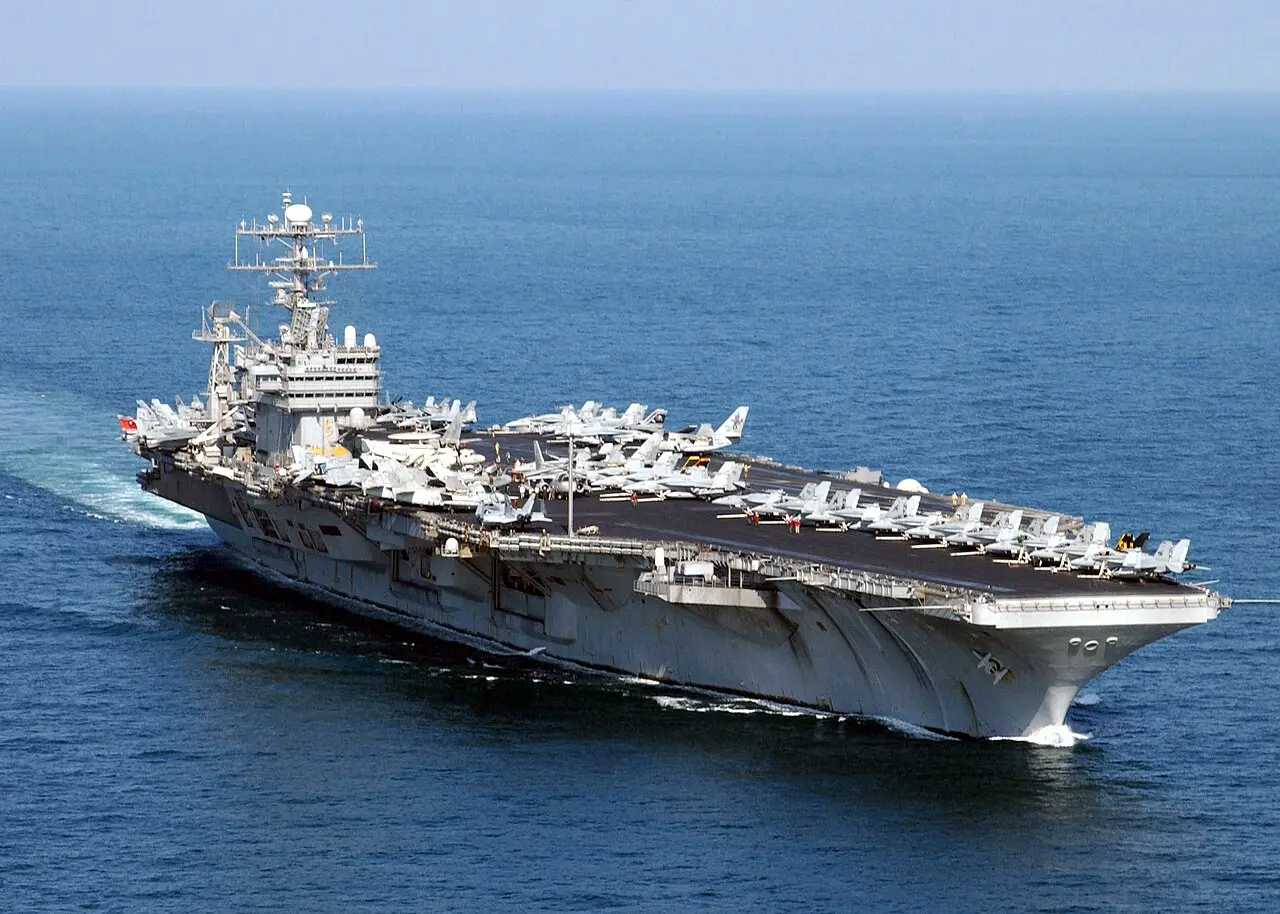
The "1,000-Aimpoint Day" is built on the Lincoln's extreme Sortie Generation Rate (SGR). In a high-intensity "surge" scenario, the carrier's four steam catapults can launch a strike aircraft every 30 to 45 seconds, pushing total sorties toward 240 in a single day. Because modern precision-guided munitions allow a single jet to strike multiple targets per flight, this 24-hour window enables the Armada to "liquidate" every major radar site, command bunker, and missile silo in Western Iran simultaneously, effectively dismantling a national defense overnight.
2. "Beast Mode" Loadouts
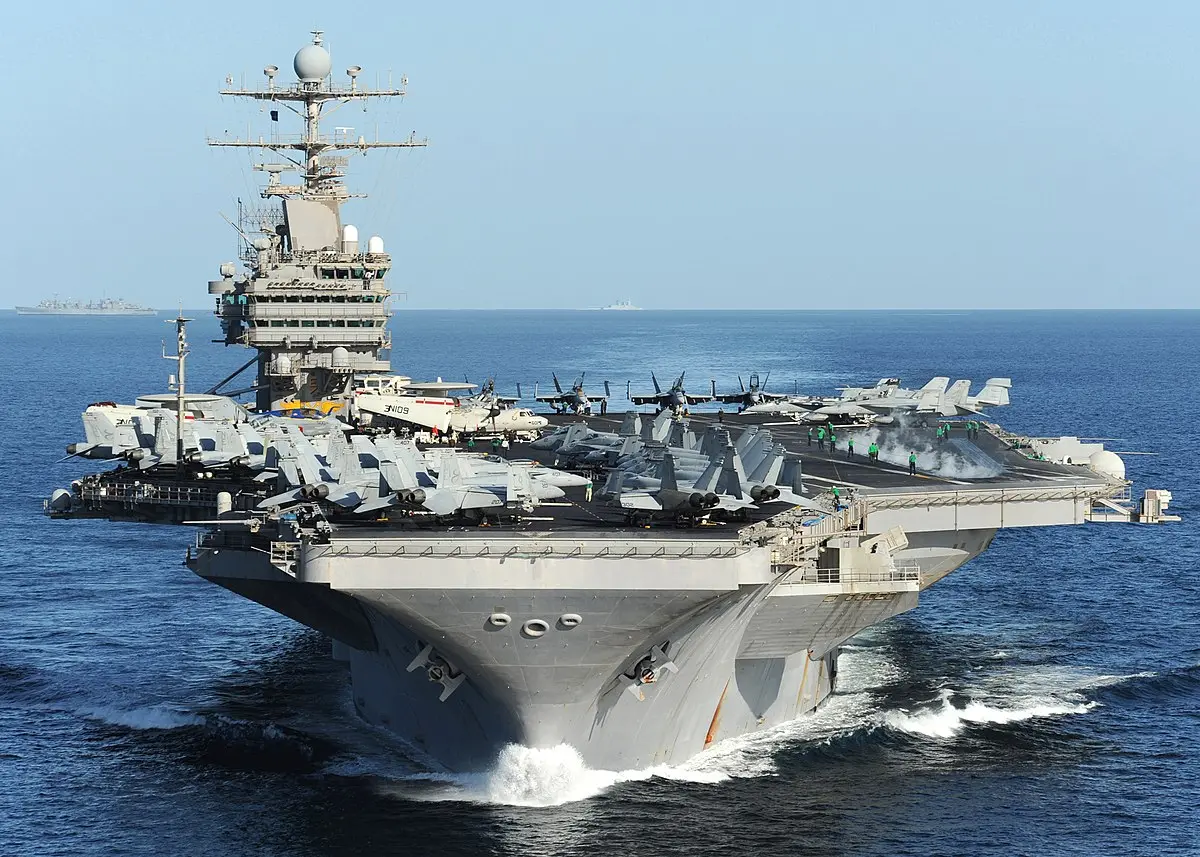
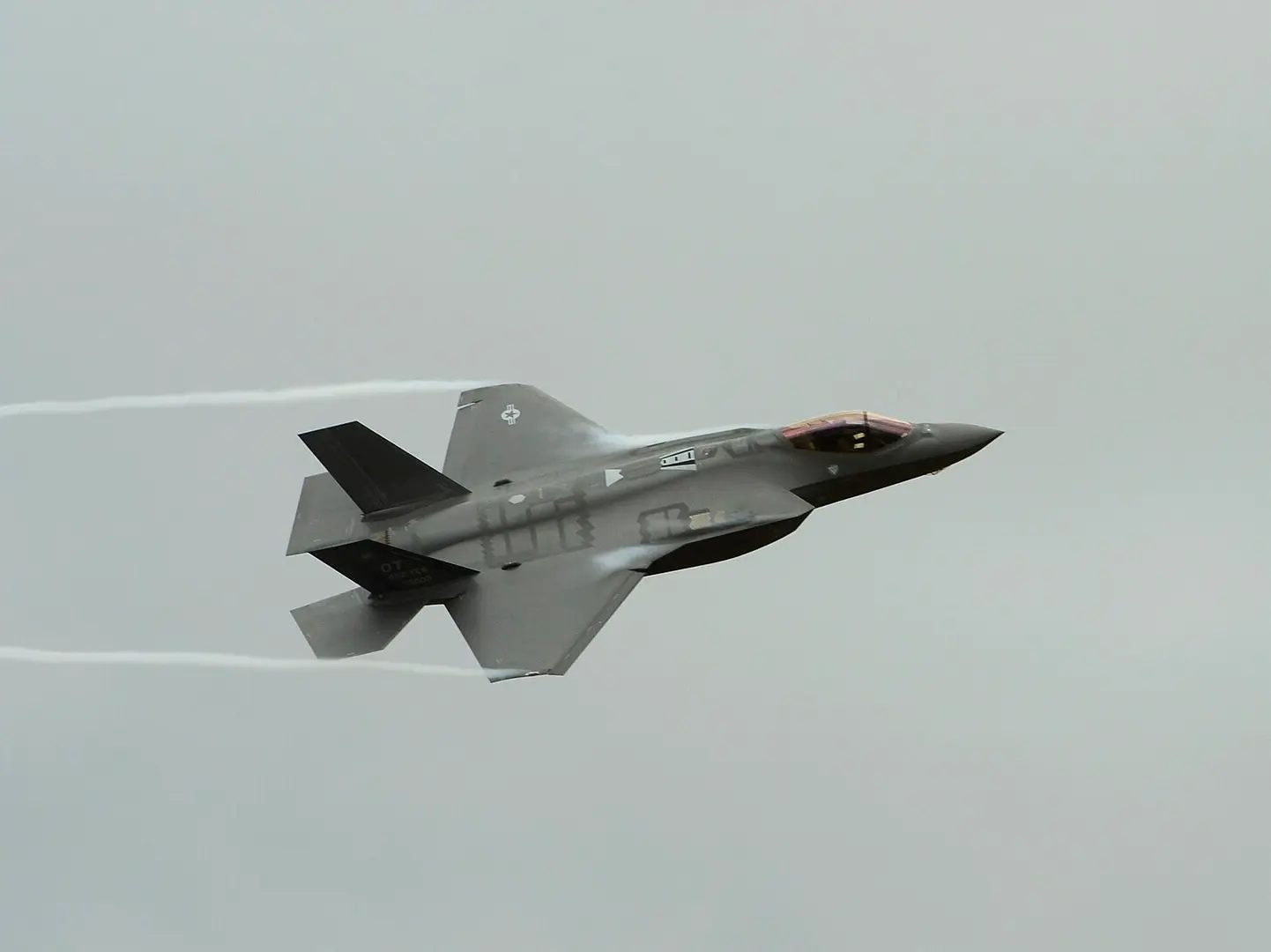
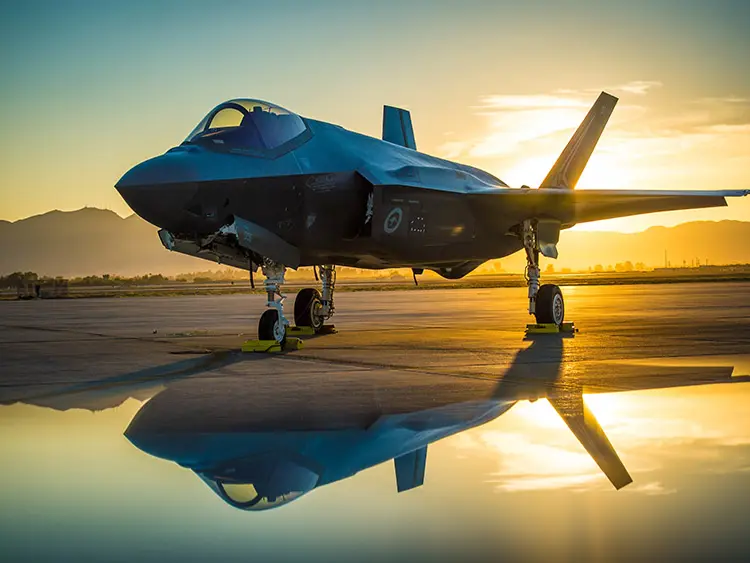
While stealth is the priority for the first wave, the Lincoln’s F-35Cs quickly transition to "Beast Mode" once air defenses are degraded. In this configuration, the aircraft’s payload triples to 18,000 lbs by utilizing external wing pylons. A single flight of four "Beast Mode" jets can deliver more explosive power than an entire squadron of legacy aircraft, carrying a mix of 2,000-lb bunker busters and dozens of small-diameter bombs to ensure that once a gap in the defense is found, the subsequent destruction is total.

3. The "StormBreaker" Swarm
A key component of the Lincoln's havoc-wreaking capability is the GBU-53/B StormBreaker. These tri-mode seeker smart bombs are small enough that an F-35C can carry dozens in Beast Mode. These munitions are designed to "talk" to one another mid-flight, automatically assigning themselves to different moving targets, such as IRGC armoured columns or mobile missile launchers, within a 40-mile radius. This creates a "saturation swarm" that makes it impossible for ground forces to manoeuvre or hide once they are designated for liquidation.
4. Electronic "Blackout" via the Growlers
The EA-18G Growler squadrons (VAQ-133) aboard the Lincoln provide the "invisible" layer of destruction. These aircraft are dedicated electronic warfare platforms that emit high-powered interference to "cook" enemy sensors and disrupt communications. By initiating a total "Digital Blackout" over strategic hubs like Tehran or Bandar Abbas, the Growlers leave the Iranian military blind and deaf, preventing them from coordinating a counter-strike while the F-35Cs proceed with their kinetic missions.
5. Tomahawk Saturation Barrage
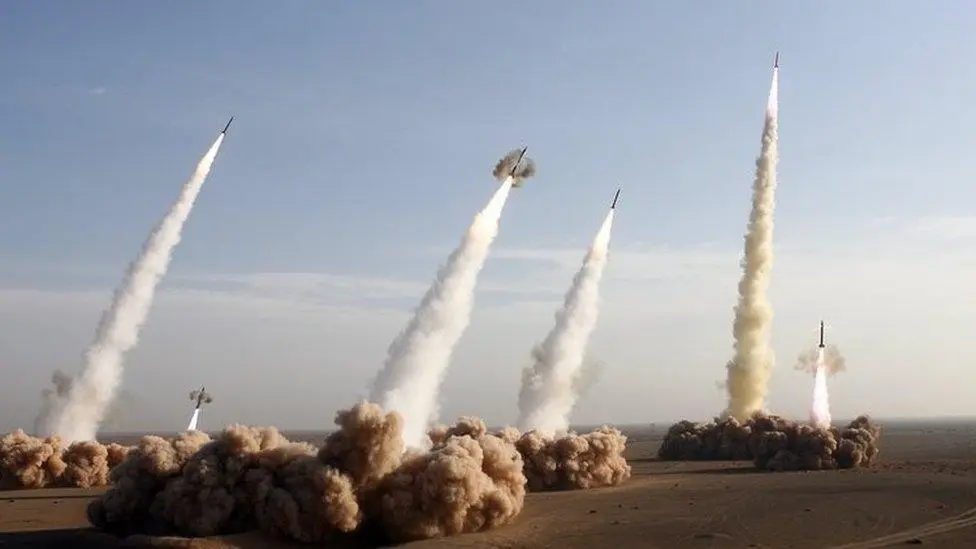
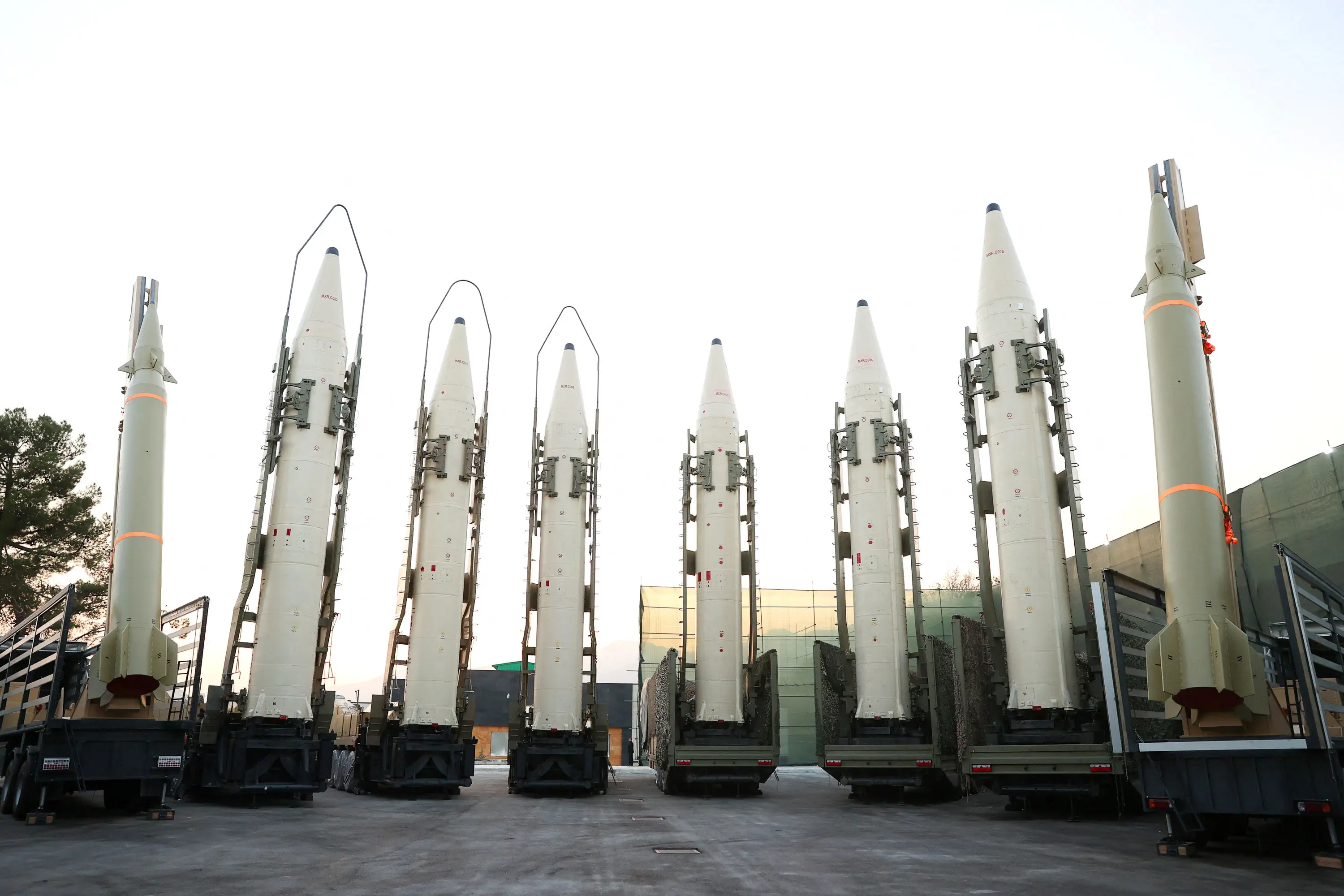
The Lincoln’s destructive reach is extended by its escorts, the Arleigh Burke-class destroyers USS Spruance and USS Michael Murphy. These ships are armed with hundreds of Tomahawk Land Attack Missiles (TLAM), which can be launched in a massive "saturation barrage" to overwhelm remaining air defenses. Flying at low altitudes to "hug" the terrain, these missiles provide a secondary layer of heavy fire that can strike leadership bunkers and nuclear facilities from 2,500 km away with sub-meter accuracy.

6. Integrated "Sensor Fusion" Command
The Lincoln serves as the "Battlefield Quarterback" for the entire region through advanced Sensor Fusion. Every F-35C, E-2D Hawkeye, and Aegis-equipped destroyer in the strike group shares a single, unified tactical picture. This allows for "Cooperative Engagement," where a stealth jet loitering over Tehran can "paint" a target and have a destroyer hundreds of miles away launch the killing blow. This interconnectedness ensures that no Iranian asset can move without being instantly processed by the Armada's digital kill-web.
7. Strategic Persistence and Open-Sea Basing
Unlike land-based aircraft that rely on vulnerable local airfields, the Lincoln provides Strategic Persistence. It can loiter in the open, safe waters of the North Arabian Sea, refuelled and resupplied by its own logistics train, keeping it out of range of Iran’s coastal "swarm" boats and short-range missiles. This "mobile sea base" allows the US to maintain a 24/7 "War Footing" indefinitely, ensuring that the threat of a "1,000-Aimpoint Day" remains an active and terrifying reality for the regime until the crisis is resolved.
)
)
)
)
)