

&imwidth=800&imheight=600&format=webp&quality=medium "Trump dealt with dictators, María defied them: The Nobel Committee took sides")
The 2025 Nobel Peace Prize announcement shocked many political observers. Not because María Corina Machado won—though few predicted it—but because it revealed a fundamental truth about what peace really means in the 21st century.
The Question Everyone is Asking
Why did the Nobel Committee choose a woman forced into hiding over a US president who claims to have ended wars and brokered historic agreements? The answer lies not in what María Corina Machado achieved, but in what she represents.
Donald Trump campaigned on his record: negotiating peace deals, pulling troops out of conflict zones, and pursuing dialogue with adversaries. These are legitimate accomplishments that deserve recognition. But the Nobel Peace Prize has never been simply about counting agreements signed or wars ended.
It is about understanding where true threats to peace come from in our time.
The Real Battlefield of Our Era
Trending Stories
&imwidth=180&imheight=135&format=webp&quality=medium)
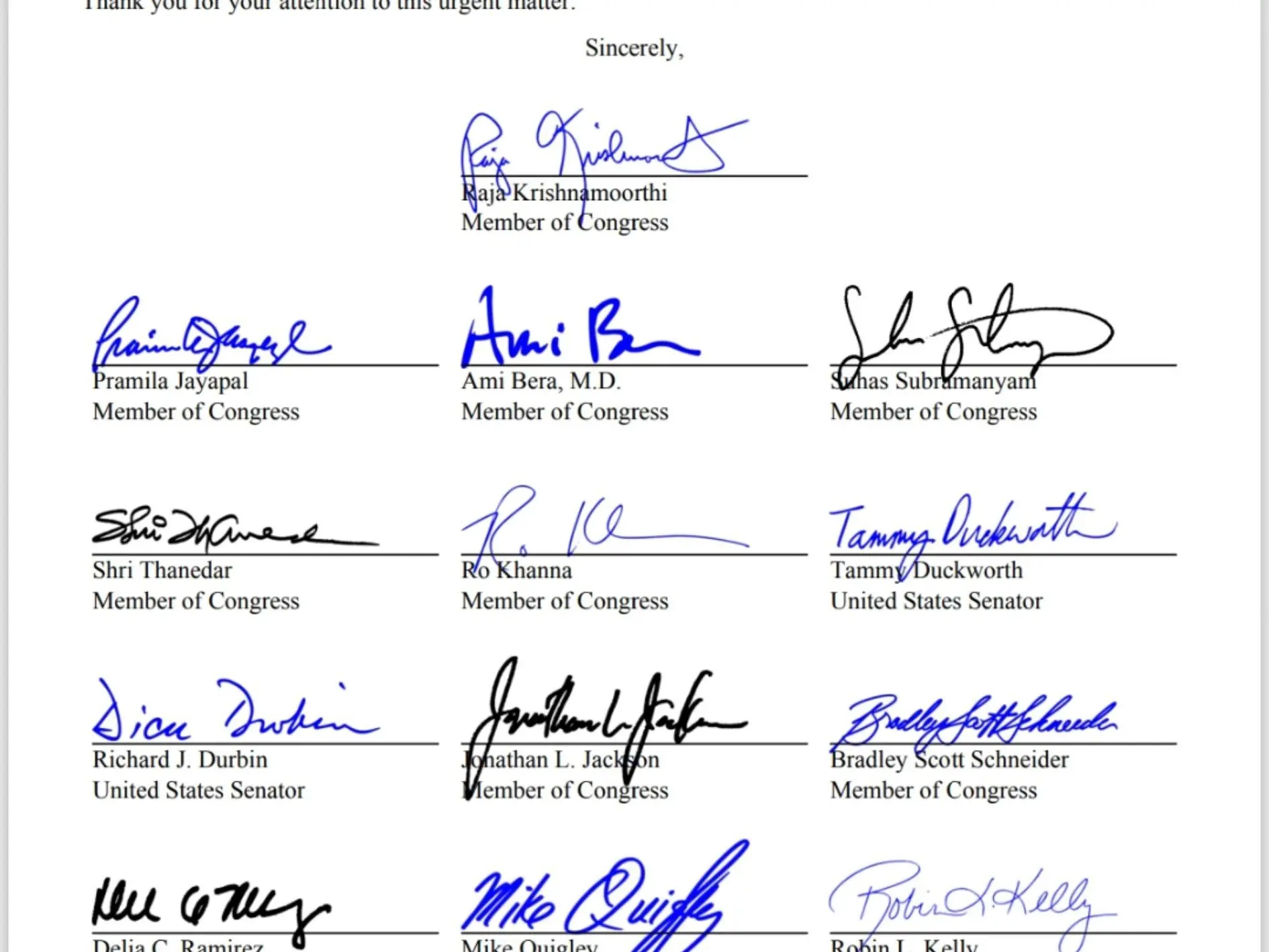
Over 100 US lawmakers urge FBI to probe foiled Hindu temple shooting as hate crime
&im=FitAndFill=(700,400)&imwidth=180&imheight=135&format=webp&quality=medium)
New OTT releases this week (October 19-25, 2026): Gajab Raat to Chaar Yaar-8 titles to watch during Dussehra week on Netflix, Prime Video and more
&imwidth=180&imheight=135&format=webp&quality=medium)
'Tap dancing through a minefield': Musk backs SpaceX-Tesla merger as AI boom fuels rocket firm's first profit
&imwidth=180&imheight=135&format=webp&quality=medium)
'They are not even telling us' - Mysterious metallic object discovered in Minnesota field
&imwidth=180&imheight=135&format=webp&quality=medium)
French military plane crashes in northeast France, one dead
&imwidth=180&imheight=135&format=webp&quality=medium)
Feds obtain DNA evidence that could prove Ilhan Omar married her brother: Report
&imwidth=180&imheight=135&format=webp&quality=medium)
The Verdict | Trump, Putin and Xi: A superpower triangle that could reshape global diplomacy
&imwidth=180&imheight=135&format=webp&quality=medium)
'UN experts is an oxymoron': Rubio mocks UN over India protests criticism, refuses to comment on India's internal matter
&imwidth=180&imheight=135&format=webp&quality=medium)
India moves to buy 10,000 more AI chips for a national compute pool open to startups
&im=FitAndFill=(700,400)&imwidth=180&imheight=135&format=webp&quality=medium)
Priyanka Chopra to Shilpa Shetty: 6 Bollywood actresses and their fitness secrets
&imwidth=180&imheight=135&format=webp&quality=medium)
‘Even legends can fall ill’: Badshah, Anupam Kher and other stars defend Daler Mehndi after Uttarakhand stage controversy
&imwidth=180&imheight=135&format=webp&quality=medium)
Boeing 737 MAX10 gets FAA certification, deliveries expected to begin in 2027
&imwidth=180&imheight=135&format=webp&quality=medium)
Ukrainian drone airlifts wounded soldier in what is likely a world first
&imwidth=180&imheight=135&format=webp&quality=medium)
Ukrainian soldier rescued by a drone chopped off own leg while hiding for 491 days
&imwidth=180&imheight=135&format=webp&quality=medium)
Trump says Ilhan Omar 'could go to jail' amid federal probe, calls Somalia a 's***house'
&imwidth=180&imheight=135&format=webp&quality=medium)
Trump considers removing White House press corps to restore historic indoor swimming pool
&imwidth=180&imheight=135&format=webp&quality=medium)
What the Mecca Joint Defence Agreement says about withdrawal and military support. Read full text of the pact here
&imwidth=180&imheight=135&format=webp&quality=medium)
India to develop first indigenous aviation gun for Prachand, Rudra attack helicopters, SSS Defence CEO confirms
&imwidth=180&imheight=135&format=webp&quality=medium)
India vs New Zealand T20I Series 2026: Complete schedule, match timings, squads and live streaming details
&imwidth=180&imheight=135&format=webp&quality=medium)
Man marries off wife of 17 years to her lover in Uttar Pradesh
&imwidth=180&imheight=135&format=webp&quality=medium)
Punjab CM Bhagwant Mann allegedly detained for three hours at Delhi airport, fined ₹50,000: AAP
&imwidth=180&imheight=135&format=webp&quality=medium)
Shastri backs Shami comeback; lauds Bhuvi and warns Bumrah on format workload ahead of World Cup
&imwidth=180&imheight=135&format=webp&quality=medium)
US-Iran war | Tehran: Must end port blockade, oil sanctions and regional attacks
&imwidth=180&imheight=135&format=webp&quality=medium)
Musk ordered Starlink restrictions that caught Ukraine off guard amid escalating tensions: Report
&imwidth=180&imheight=135&format=webp&quality=medium)
Dandiya Nite ’26: Indian High Commissioner hails diaspora as bridge between India and Nigeria
&imwidth=180&imheight=135&format=webp&quality=medium)
India-US ties: Marco Rubio seeks India's oil & energy co-operation Ad Ad options Learn more
&imwidth=180&imheight=135&format=webp&quality=medium)
Iran rejects US talks until demands are met, rules out moving enriched uranium out of the country
&imwidth=180&imheight=135&format=webp&quality=medium)
'You are not Gen Z': Delhi HC pulls up CJP's Das, Ranka over bail bond breach after Jantar Mantar trespass
&imwidth=180&imheight=135&format=webp&quality=medium)
Trump waves at 'empty space' in viral video,' critics claim 'mental decline getting worse' | WATCH
&imwidth=180&imheight=135&format=webp&quality=medium)
Zohran Mamdani's Garba dance goes viral as he joins Indian community's Navratri celebrations | WATCH
&imwidth=180&imheight=135&format=webp&quality=medium)
IND vs NZ T20Is: Will Sooryavanshi play? Skipper Shreyas Iyer clears the air on Samson vs Vaibhav debate
&imwidth=180&imheight=135&format=webp&quality=medium)
US midterms 2026: With Republicans spending big, Bloomberg opens his wallet for Democrats. Here's how much he is pouring
&imwidth=180&imheight=135&format=webp&quality=medium)
US midterms 2026: Red seats once deemed safe now appear shaky as Republicans spend big on ads
&imwidth=180&imheight=135&format=webp&quality=medium)
SBI confirms data breach: 3,897 records flagged on dark web. Is your money safe?
&imwidth=180&imheight=135&format=webp&quality=medium)
Pujara says 'Samson and Vaibhav cannot be in Playing XI' for India on NZ tour
&imwidth=180&imheight=135&format=webp&quality=medium)
Delhi HC agrees to hear Neha Bora's plea against 'maintain peace' directive on 'urgent basis'
&imwidth=180&imheight=135&format=webp&quality=medium)
Ramayana advance booking: Ranbir Kapoor, Yash's film cross $500K ahead of Diwali release
&imwidth=180&imheight=135&format=webp&quality=medium)
Cattle-feed bran in biscuits, detergent in milk: FSSAI acts against 3 companies
&imwidth=180&imheight=135&format=webp&quality=medium)
'What's wrong with you? Are you a sick person?': Trump at it again as he snaps at reporters, faces backlash
In the 20th century, the greatest threats to peace were wars between nations. Today, the greatest threats come from something different: the death of democracy from within.
Around the world, elected leaders are slowly strangling the very freedoms that brought them to power. They manipulate elections, silence journalists, crush opposition, and turn democratic institutions into tools of oppression. This is happening not just in Venezuela, but in dozens of countries across every continent.
This quiet destruction of democracy is the defining peace challenge of our era. And María Corina Machado is fighting on the front lines of this battle.
What Trump's Approach Missed
President Trump's strategy toward peace focused on traditional diplomacy: making deals with other powerful leaders, negotiating territorial disputes, and reducing military conflicts. This is important work, but it misses the deeper problem.
When Trump negotiated with authoritarian leaders, he often praised them. He called North Korea's Kim Jong Un "honorable" and said they "fell in love." He spoke admiringly of Russia's Putin, China's Xi Jinping, and other strongmen. His approach was transactional: make a deal, get a result, move on.
But the Nobel Committee seems to have asked a different question: What happens to the millions living under these strongmen? What about the people who cannot negotiate, who have no seat at the table, who are crushed when powerful men make their deals?
Trump's peace efforts operated at the level of states. Machado's struggle is at the level of souls.
The Price of Speaking Truth
Here is what makes María Corina Machado's situation so powerful: she is in hiding in her own country, yet she continues to fight for democracy. She cannot appear in public. She cannot address rallies or lead marches. The government has labelled her a criminal. Discovery could mean death.
Yet from this position of complete powerlessness, she has become more powerful than the dictator hunting her.
This is the paradox the Nobel Committee recognised. In a world where authoritarian leaders try to make dissent impossible, the very act of continuing to dissent becomes revolutionary. When speaking truth can cost you everything, speaking truth becomes the ultimate act of peace.
Trump operated from the Oval Office with nuclear codes and the world's most powerful military behind him. Every negotiation he conducted was backed by American might. Machado has nothing but her voice and her refusal to surrender.
The Nobel Committee chose vulnerability over strength, and in doing so, they sent a message about what real courage looks like.
Why This Choice Matters More
Some will say the Nobel Committee is being political, favouring an opposition leader over an American president. But consider this: honouring Trump would have sent a message that peace comes from the powerful making deals with each other. Honouring Machado sends a different message: peace comes from ordinary people refusing to accept tyranny.
Which message does our world need more right now?
In Venezuela, millions have fled economic collapse and political persecution. Those who remain live under constant surveillance and fear. Elections are rigged. Dissent is criminalised. Yet Machado and others like her keep fighting, keep hoping, keep believing that democracy can be restored.
The Nobel Peace Prize could have gone to someone who ended a war that already existed. Instead, it went to someone trying to prevent the war that comes when people lose all peaceful options for change.
The Uncomfortable Truth
Here is what makes this choice particularly significant: María Corina Machado's prize is an implicit criticism not just of Maduro's dictatorship, but of every leader who has normalised relationships with dictators for short-term gains.
When democratic nations ignore human rights abuses to secure trade deals or diplomatic wins, they tell people like Machado that their freedom matters less than our convenience. When we treat authoritarian leaders as normal partners rather than as threats to the values we claim to hold, we abandon millions to their fate.
Trump's style of diplomacy—pragmatic, transactional, focused on deals rather than values—is now the dominant approach of many world leaders. The Nobel Committee's choice is a rebuke to this trend.
What Machado Teaches Us
María Corina Machado will likely never command an army, sign a peace treaty, or sit across from world leaders at a negotiating table. She may never even see Venezuela become democratic again. But she has already accomplished something more fundamental.
She has shown that authoritarian power, no matter how absolute it appears, cannot completely silence the human demand for freedom. She has proven that one person's refusal to accept injustice can inspire millions. She has demonstrated that peace is not just the absence of war, but the presence of the freedom to speak, to choose, to dissent.
Trump wanted the Nobel Prize to crown his legacy. Machado probably never thought about winning it—she was too busy trying to survive while fighting for her country's future.
That difference tells you everything about why she won and he did not.
The Real Victory
The Nobel Peace Prize is not a lifetime achievement award. It is meant to highlight ongoing struggles that deserve the world's attention. By giving it to María Corina Machado, the Committee shone a spotlight on Venezuela's stolen democracy and on the millions suffering under Maduro's regime.
It told them: you are not forgotten. Your struggle matters. The world sees what is happening.
It also sent a warning to dictators everywhere: you can silence your critics at home, but you cannot silence the international community's recognition of their courage.
And perhaps most importantly, it reminded democratic nations of their responsibility. We cannot claim to support democracy while ignoring those fighting and dying for it. We cannot make deals with dictators and pretend there is no moral cost.
Trump's disappointment at not winning the prize reveals his misunderstanding of what it represents. He saw it as recognition of success. The Nobel Committee saw it differently—as a tool to support those still fighting, still suffering, still hoping for the peace that comes from justice, not just the absence of war.
In choosing María Corina Machado, they chose the future of peace over its past. They chose the powerless over the powerful. They chose the person in hiding over the person in the palace.
And in doing so, they reminded all of us what heroism really looks like.
